


















































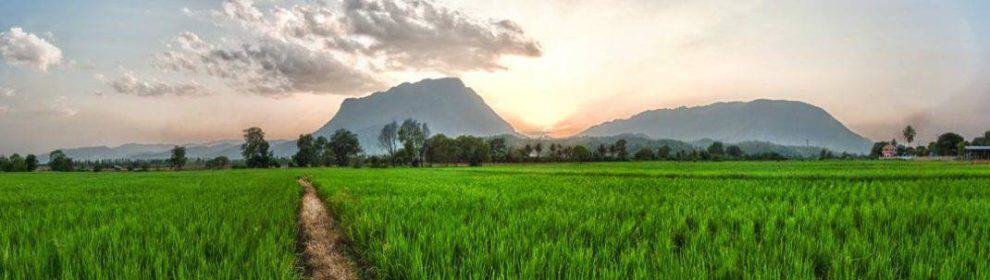
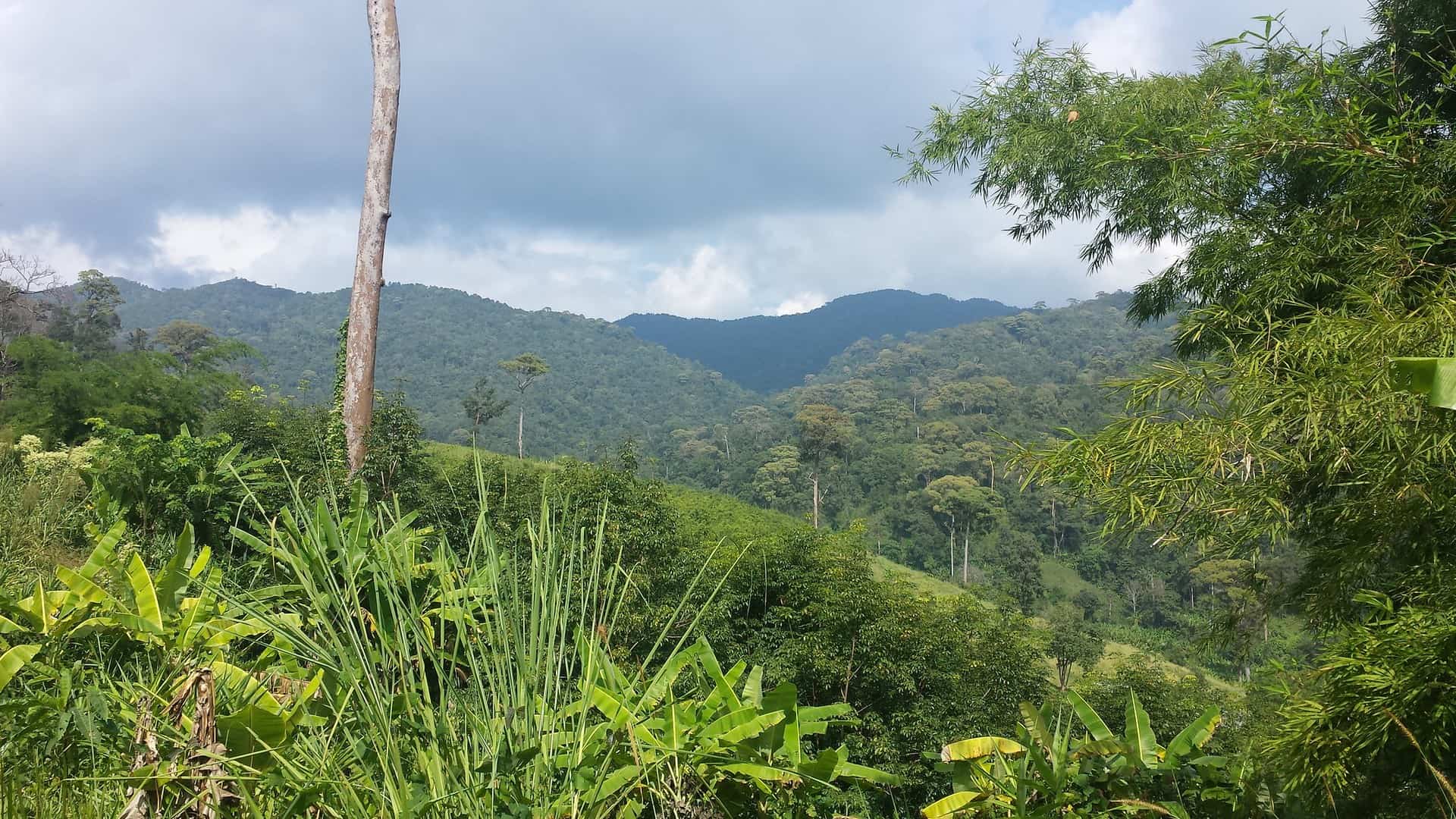
Pha Daeng National Park, formerly called Chiang Dao National Park, protects a large mountain and forest area in northern Chiang Mai Province. For a manageable first visit, Sri Sangwan Waterfall and Pong Ang Hot Spring are the main visitor stops around the park’s Mueang Na area.
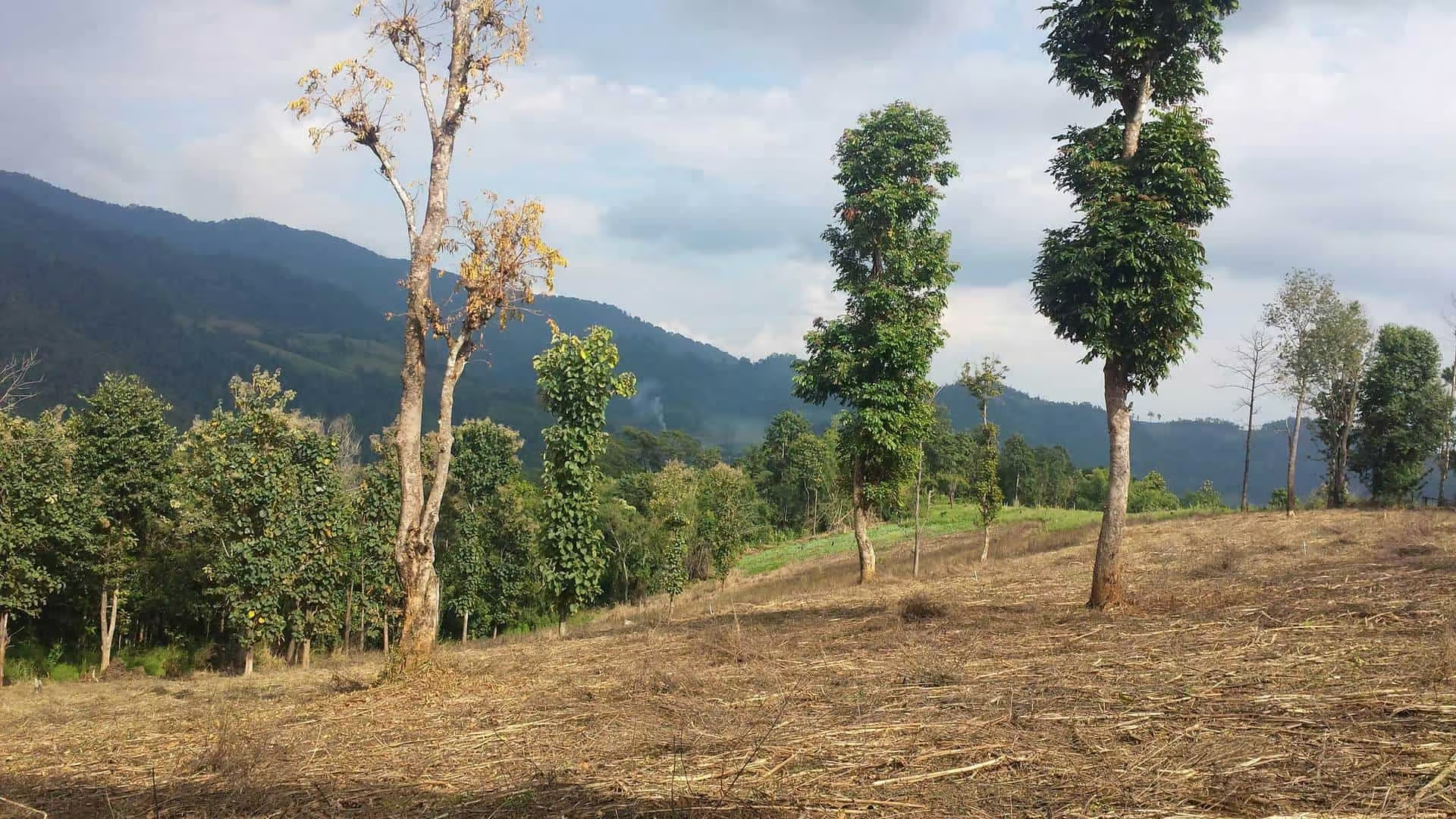
The park extends beyond these two attractions, with forest, headwaters and camping opportunities for visitors who arrange a longer stay. Choose the specific stops you want to reach before setting out, as the protected area has scattered access points and seasonal restrictions.
Sri Sangwan Waterfall
Sri Sangwan is a limestone waterfall whose pale rock and stepped cascades make it a distinctive scenic stop in the park. Follow the open visitor route to see the water passing through successive levels, taking time to enjoy the forest around the cascade.
A short waterfall walk
The waterfall area suits a relatively short visit, with parking and paths providing an approach to the accessible sections. Allow time for uneven ground and wet steps, especially after rain, and follow signs about which parts of the route are open.
You can enjoy the cascade from the bank without entering the stream. Water volume and currents change with rainfall, so use only areas staff permit and avoid climbing onto slippery rock for a photograph.
Seasonal conditions
Rain can strengthen the waterfall but also affect paths, water access and the approach road. Check the park’s current notices before travelling after heavy weather, and be willing to change the visit if staff close part of the attraction.
A dry-season outing may offer more comfortable walking conditions, although the flow can be lower. Plan for the conditions on the day rather than expecting the same scene throughout the year.
Pong Ang Hot Spring
Pong Ang, also written Pong Arng, is another park visitor area a short drive from the waterfall. Its natural hot-water source and designated bathing areas offer a different experience from the cool stream and cascade.
Viewing and bathing areas
Distinguish the source pools from any areas marked for bathing, as water at a hot spring’s outlet can be too hot to enter. Follow staff instructions and check the permitted pool before getting in, particularly when visiting with children.
Bring a towel and dry clothes if you intend to bathe. Basic toilets and changing facilities are reported around the visitor area, but confirm what is operating and carry your own essentials.
Combining the two stops
The waterfall and hot spring can be visited together when both are open. Allow time to drive between them, change clothes if needed and take a break between the two stops.
Keep your park ticket and ask whether it covers the second attraction that day. Separate bathing, vehicle or other service charges may apply, so confirm the total at the first entrance.
Camping and longer visits
Camping and accommodation have been offered around the park visitor area. Contact the park about current campsite access, reservations, available facilities and whether tents or other equipment can be hired before planning an overnight stay.
Bring the supplies required for your confirmed arrangements, including food, water and suitable clothing. Ask about waste disposal and permitted cooking areas, and keep wildlife encounters observational without feeding animals or approaching them.
For walking beyond the short visitor routes, seek advice on the specific trail, seasonal access and any guide or permission requirements. A general park ticket does not establish unrestricted access across the forest or to every mountain route.
Doi Luang Chiang Dao is a separate visit
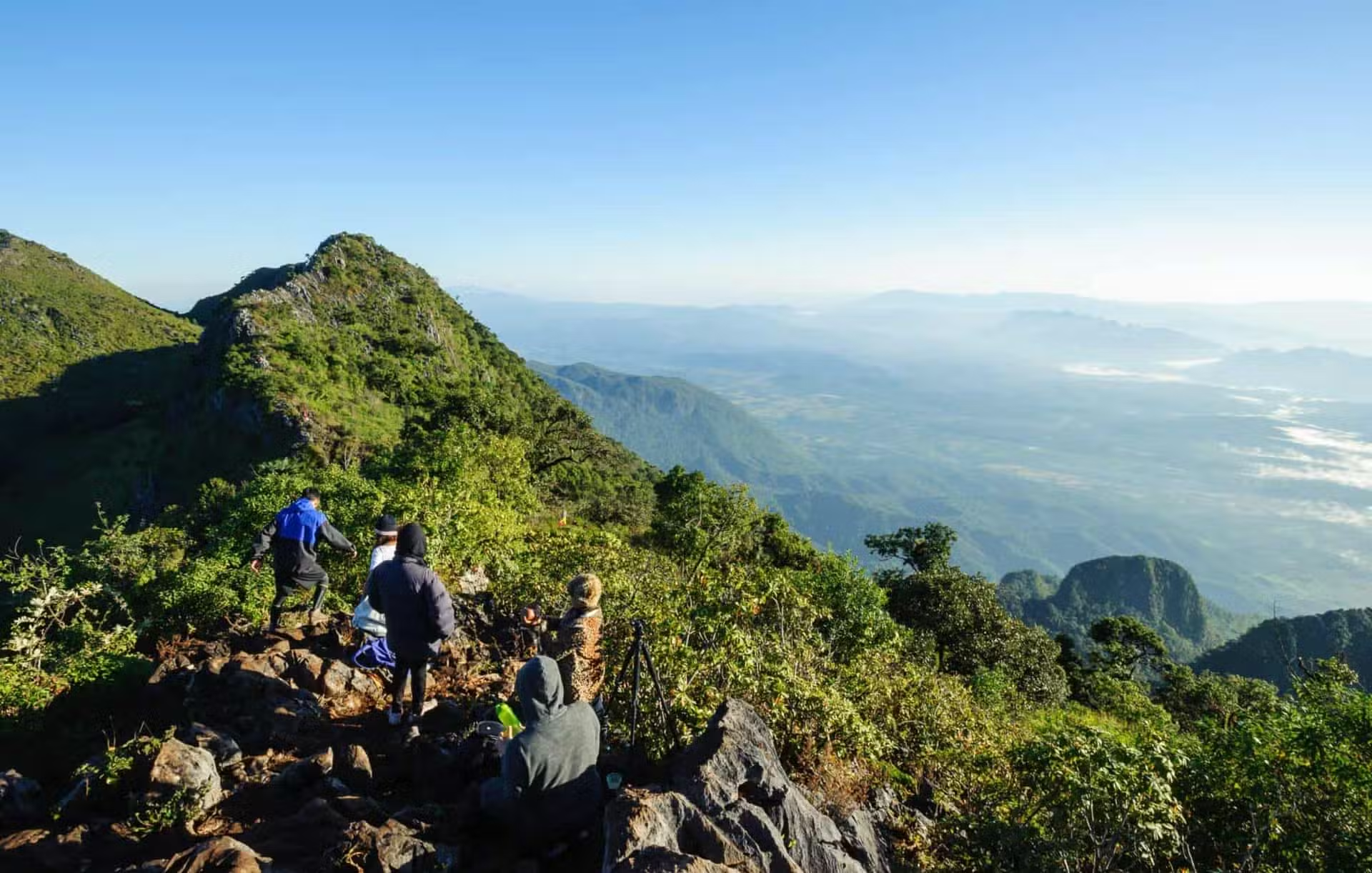
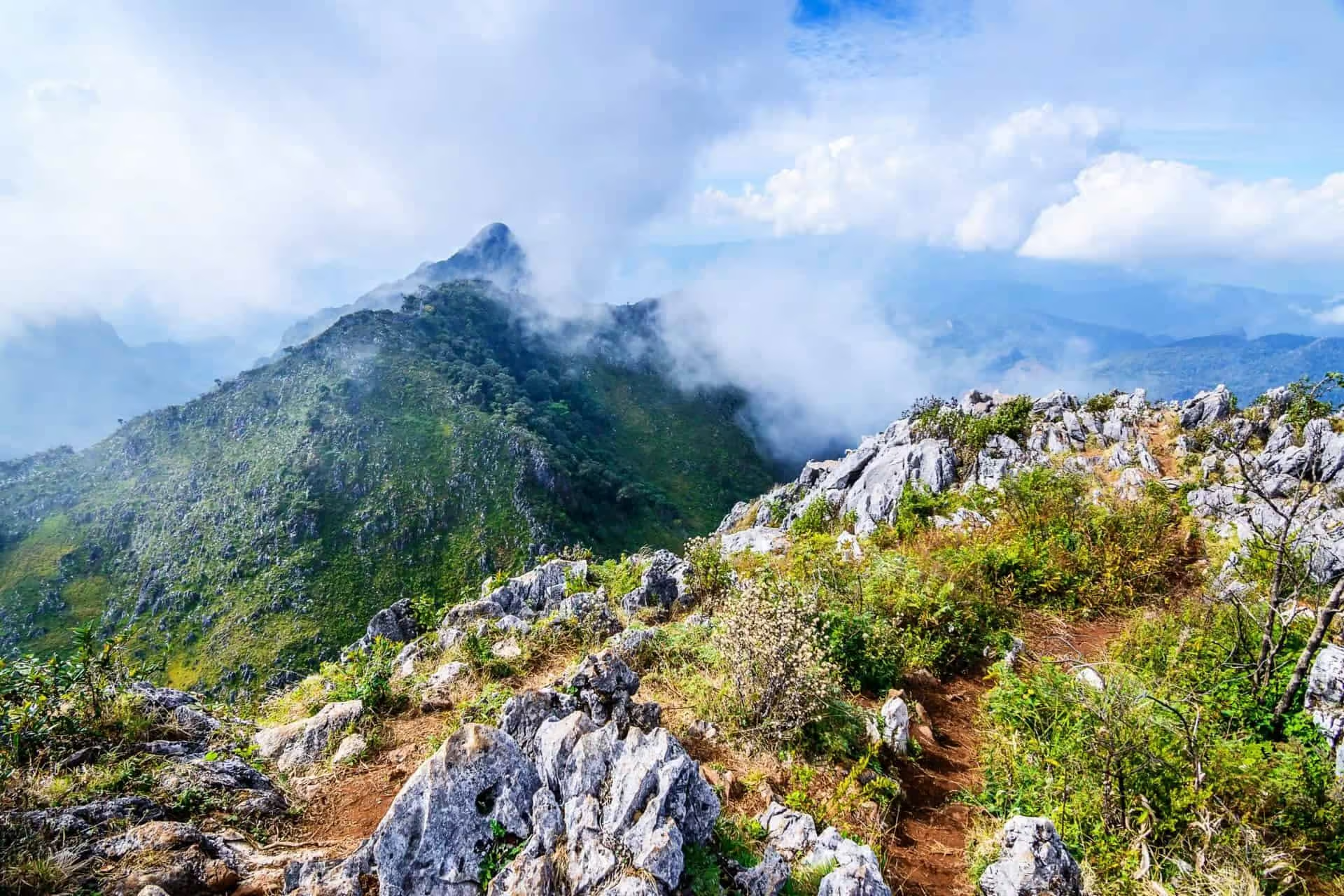
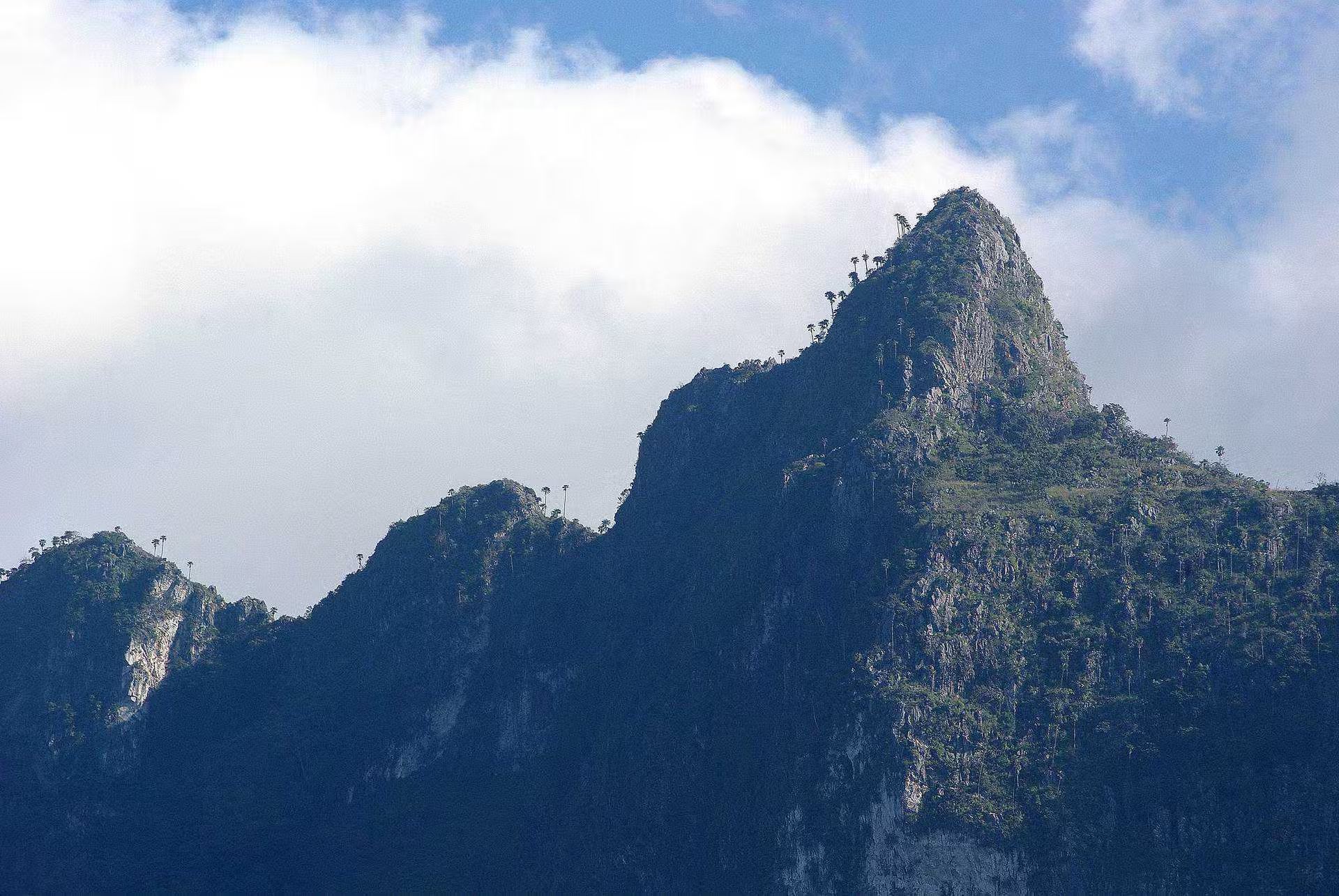
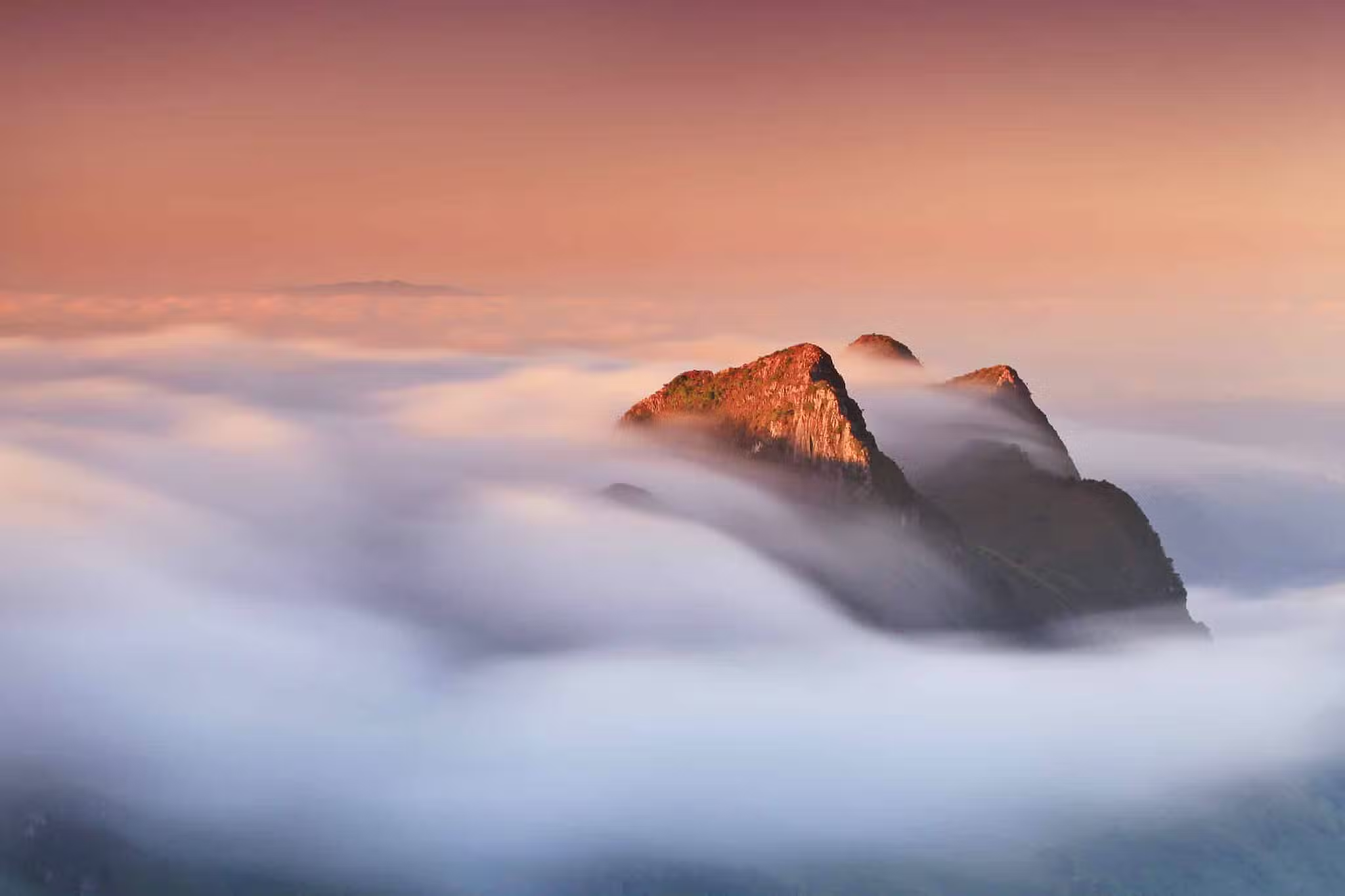
The limestone summit of Doi Luang Chiang Dao is in Chiang Dao Wildlife Sanctuary, with its own controlled trekking arrangements. A Pha Daeng visit should not be planned as a way to walk onto that summit under the same admission ticket.
If the summit is your priority, arrange the sanctuary’s current permit, booking and guide requirements separately. Pha Daeng’s waterfall and hot spring are a different outing and can be enjoyed without undertaking a summit trek.
Opening arrangements and fees
Normal daytime visitor hours are commonly listed as approximately 8:30am to 4:30pm, but each attraction and campsite can have separate arrangements. Check the park’s latest notices before departure, especially during wet weather or seasonal closures.
Published visitor rates list foreign adults at 100 baht and foreign children at 50 baht, with Thai adults at 20 baht and Thai children at 10 baht. Confirm current categories and any vehicle, bathing, camping or accommodation charges, and carry cash for the entrances.
Allow a substantial part of the day for a trip from Chiang Mai, including the road journey and both main stops. An overnight plan gives more flexibility, but depends on confirmed campsite or accommodation access.
Getting to the park visitor area
From Chiang Mai, travel north on Highway 107 towards Chiang Dao, then follow Highway 1178 towards Ban Na Wai and the park’s Mueang Na visitor area. Use the Pha Daeng park office, Sri Sangwan Waterfall or Pong Ang Hot Spring as the actual destination for your chosen stop.
A car or arranged driver is practical for moving between the attractions. The general Chiang Dao town drop-off does not complete the journey, so agree on the final stops and return transport in advance.
Allow several hours for the round-trip travel from Chiang Mai and extra time in rain or traffic. Follow signs to the designated visitor parking, avoiding a map destination that sends you instead towards the separate Doi Luang sanctuary trekking area.
Pha Daeng National Park FAQs
Is this the former Chiang Dao National Park?
Pha Daeng is the current name of the park formerly known as Chiang Dao National Park. Use the current name and your intended waterfall, hot spring or campsite when arranging transport.
What should you see on a first visit?
Sri Sangwan Waterfall and Pong Ang Hot Spring are the main visitor stops for a manageable outing. Check that both are open and allow time to drive between them and change if bathing.
Can you climb Doi Luang Chiang Dao with this ticket?
The summit is in a separate wildlife sanctuary with controlled trekking access. Arrange its permits and booking independently; Pha Daeng admission does not provide summit access.
How much is park admission?
Published rates list 100 baht for foreign adults and 50 baht for foreign children, with Thai adult and child rates of 20 and 10 baht. Confirm current categories and extra vehicle or activity charges at the entrance.
Can you stay overnight?
Camping and accommodation have been offered, but availability and facilities need confirmation with the park. Book your intended arrangement and ask what equipment and supplies you need to bring.
Is everything open throughout the year?
Weather and seasonal management can affect individual attractions and trails. Check current park notices before leaving and follow any restrictions on the day.












Do You Have a Question to Ask?