



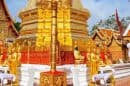
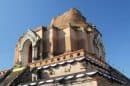
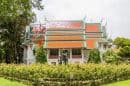
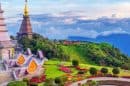
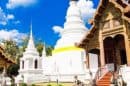









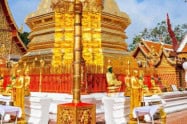






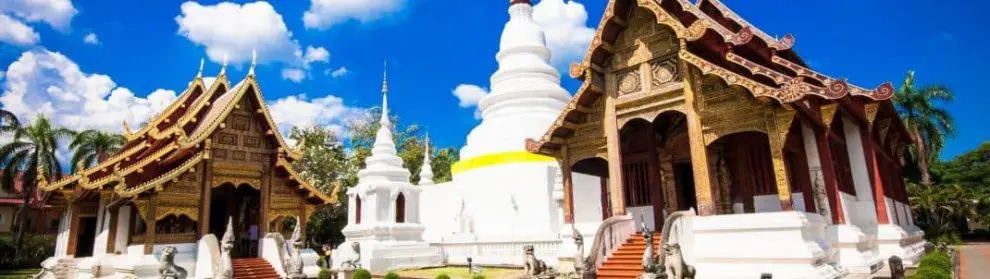
Wat Phra Singh is one of Chiang Mai’s most important Buddhist temples and a defining landmark of the Old City. Founded during the 14th century, the active monastery is known for its revered Phra Buddha Sihing image, finely decorated Lanna buildings, historic murals and prominent role in the city’s Songkran celebrations.
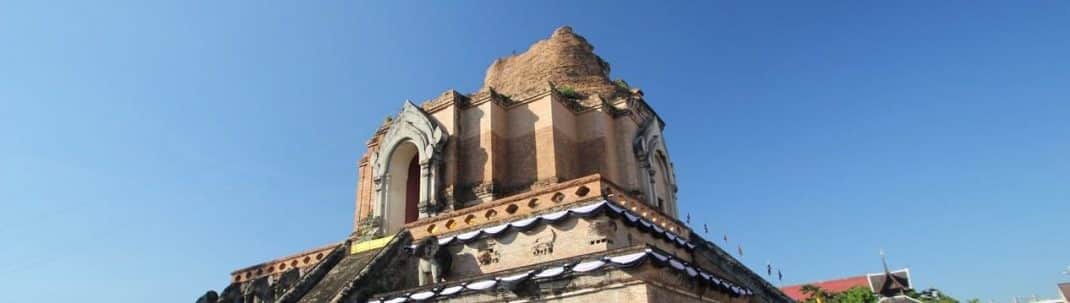
The temple stands at the western end of Ratchadamnoen Road, making it easy to include in a walking tour with Wat Chedi Luang, Wat Phan Tao and other historic Old City temples.
History and Religious Importance
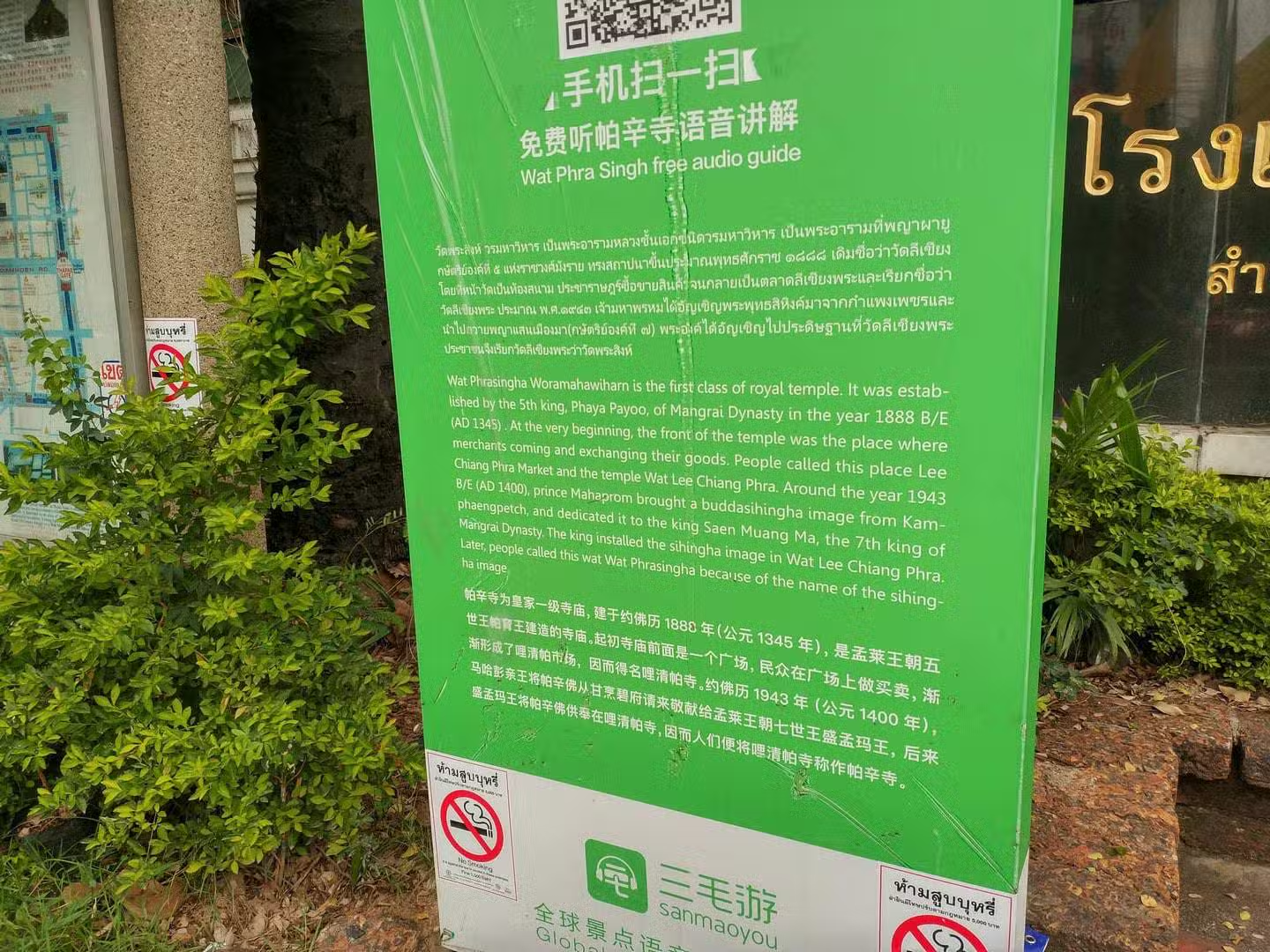
Wat Phra Singh was founded in 1345 during the reign of King Phayu, traditionally to house his father’s ashes. The complex later became closely associated with the Phra Buddha Sihing, a highly venerated Buddha image that gave the temple its present name.
Different traditions describe the image’s origin and journey to Chiang Mai, so its complete history cannot be established with certainty. Its continuing religious importance is much clearer. During Songkran, worshippers traditionally carry the image through the city so they can sprinkle it with scented water.
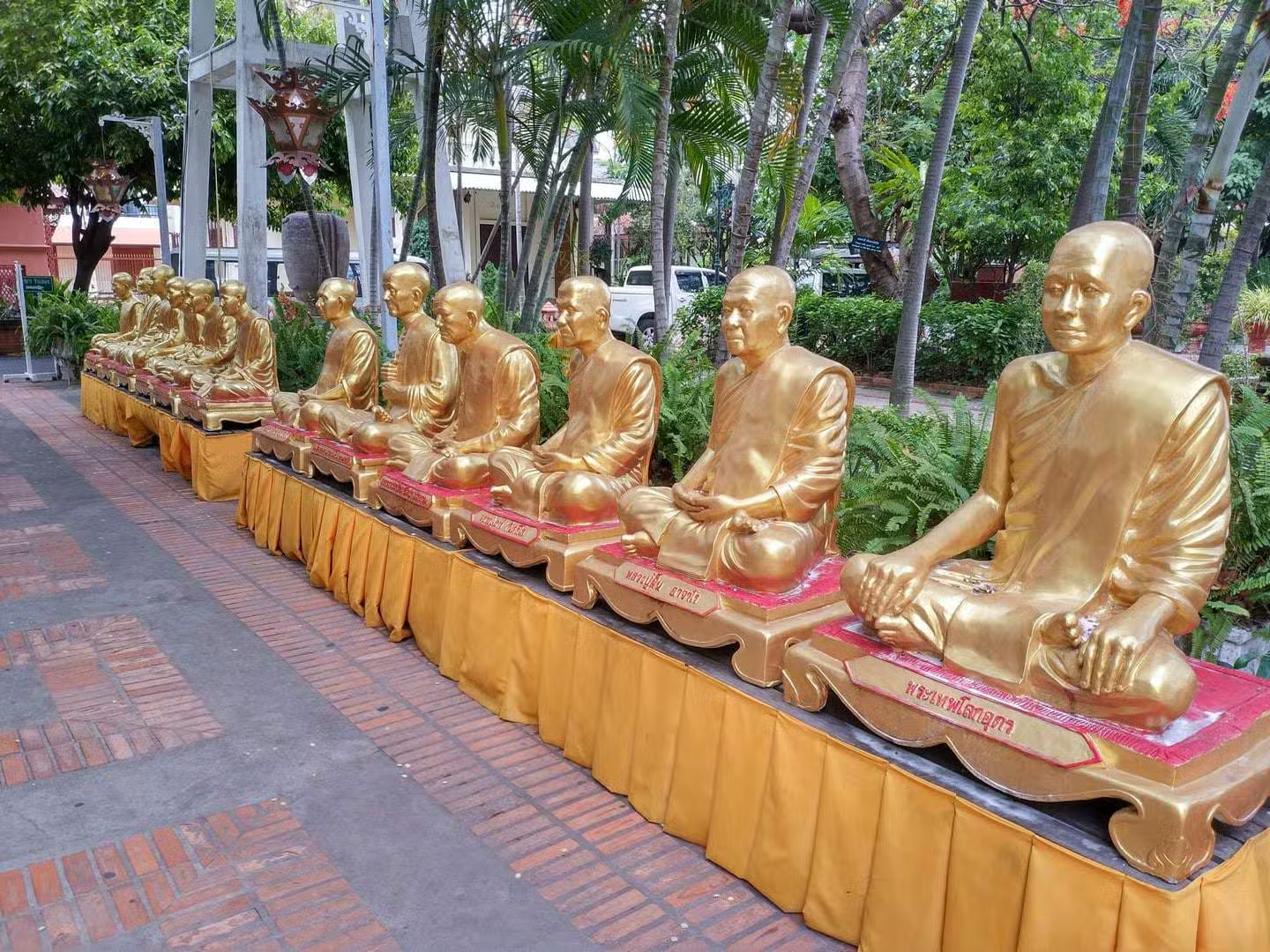
Wat Phra Singh remains a working monastery rather than a preserved historical monument. Visitors share the grounds with monks, novices and local worshippers attending ceremonies, making merit or spending time in quiet reflection.
Viharn Lai Kham and the Phra Buddha Sihing
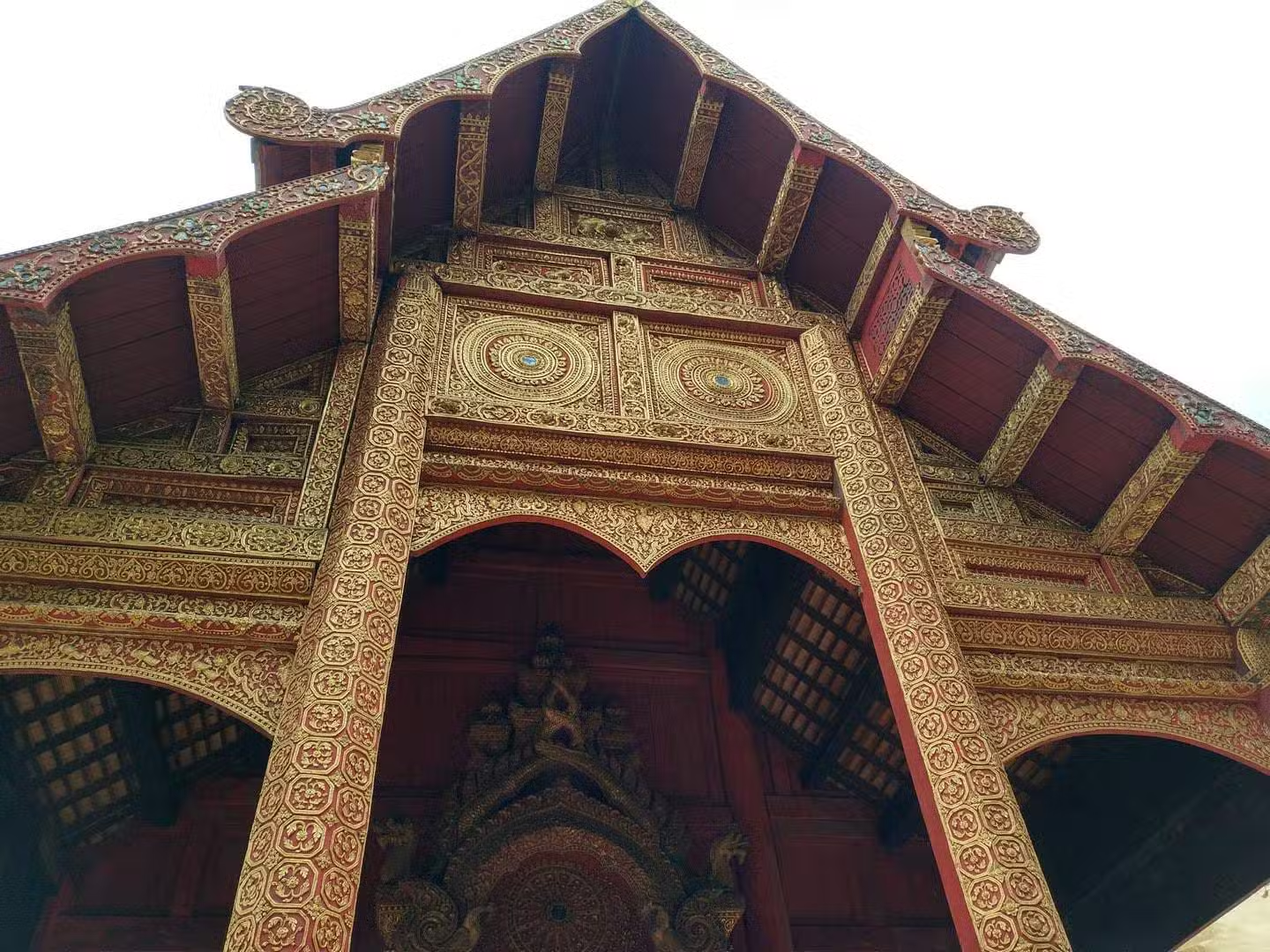
The smaller Viharn Lai Kham is the complex’s artistic and religious highlight. Its layered roof, carved gables, gilded woodwork and black-and-gold decoration make it one of Chiang Mai’s finest surviving examples of traditional Lanna architecture.
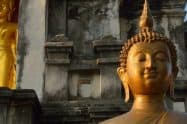
Inside, the Phra Buddha Sihing occupies a richly decorated altar. The image is comparatively small, and its importance comes from its religious history and continuing role in Chiang Mai’s spiritual life rather than its physical size.
The hall is also celebrated for its 19th-century murals. These illustrate Buddhist and local stories while preserving detailed scenes of northern Thai clothing, homes, markets, courtship and everyday work.
Interior light is deliberately subdued. Allow your eyes time to adjust, avoid using flash and follow any current photography restrictions displayed at the entrance.
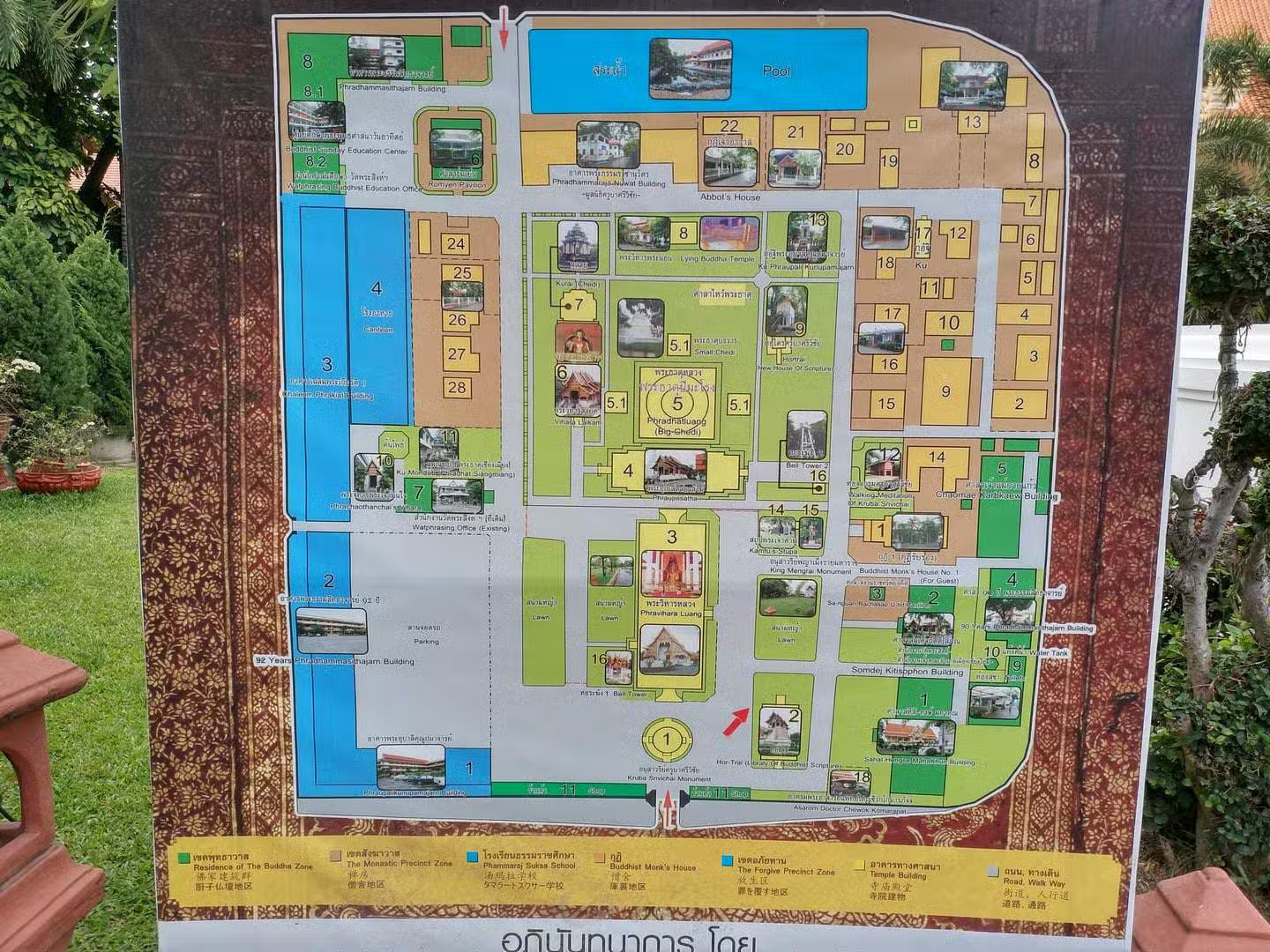
Main Viharn, Chedi and Scripture Library
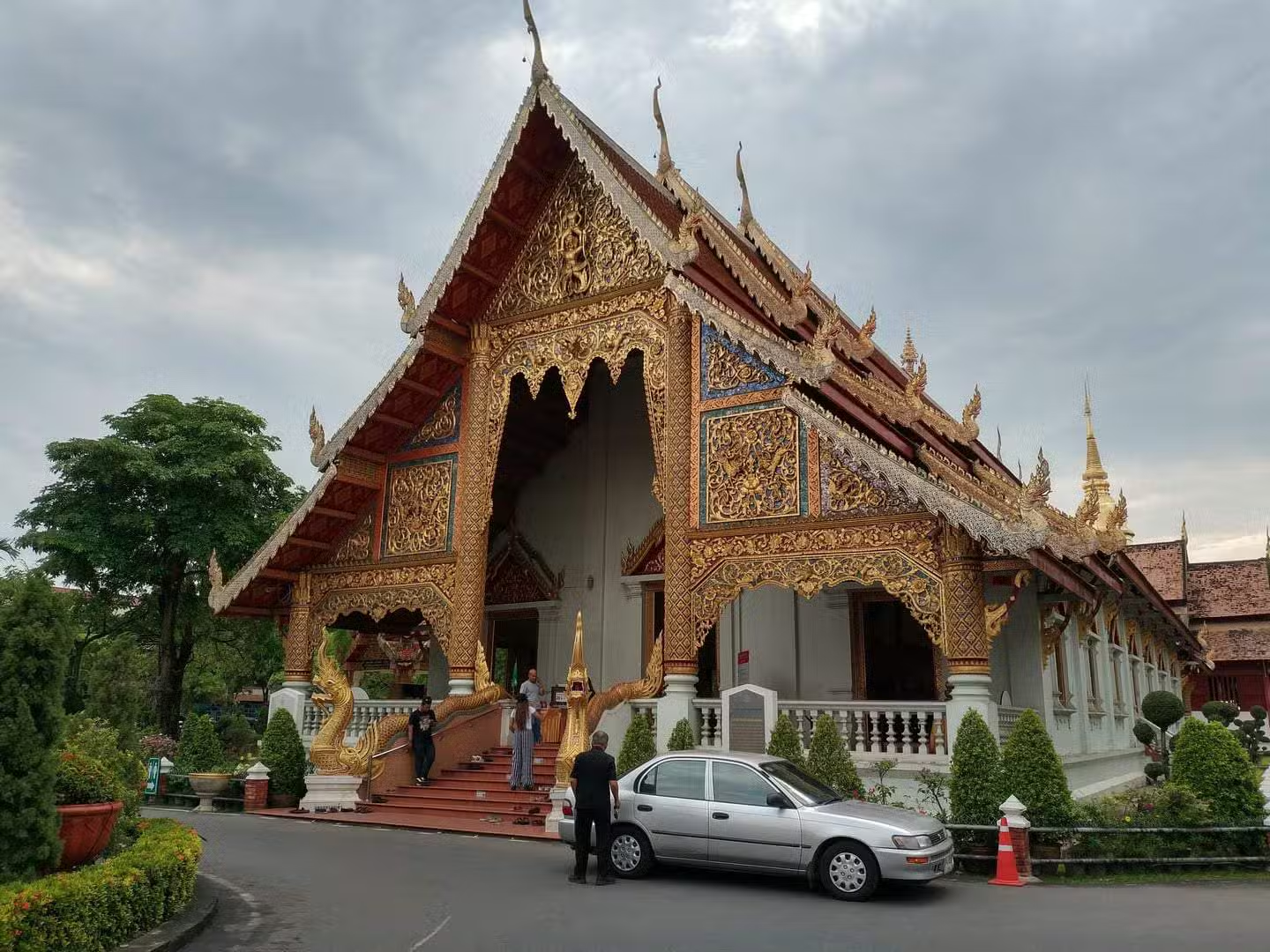
The large main viharn near the temple entrance is used for ceremonies and communal worship. Its elaborate facade and spacious interior provide a contrast with the more intimate Viharn Lai Kham.
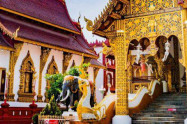
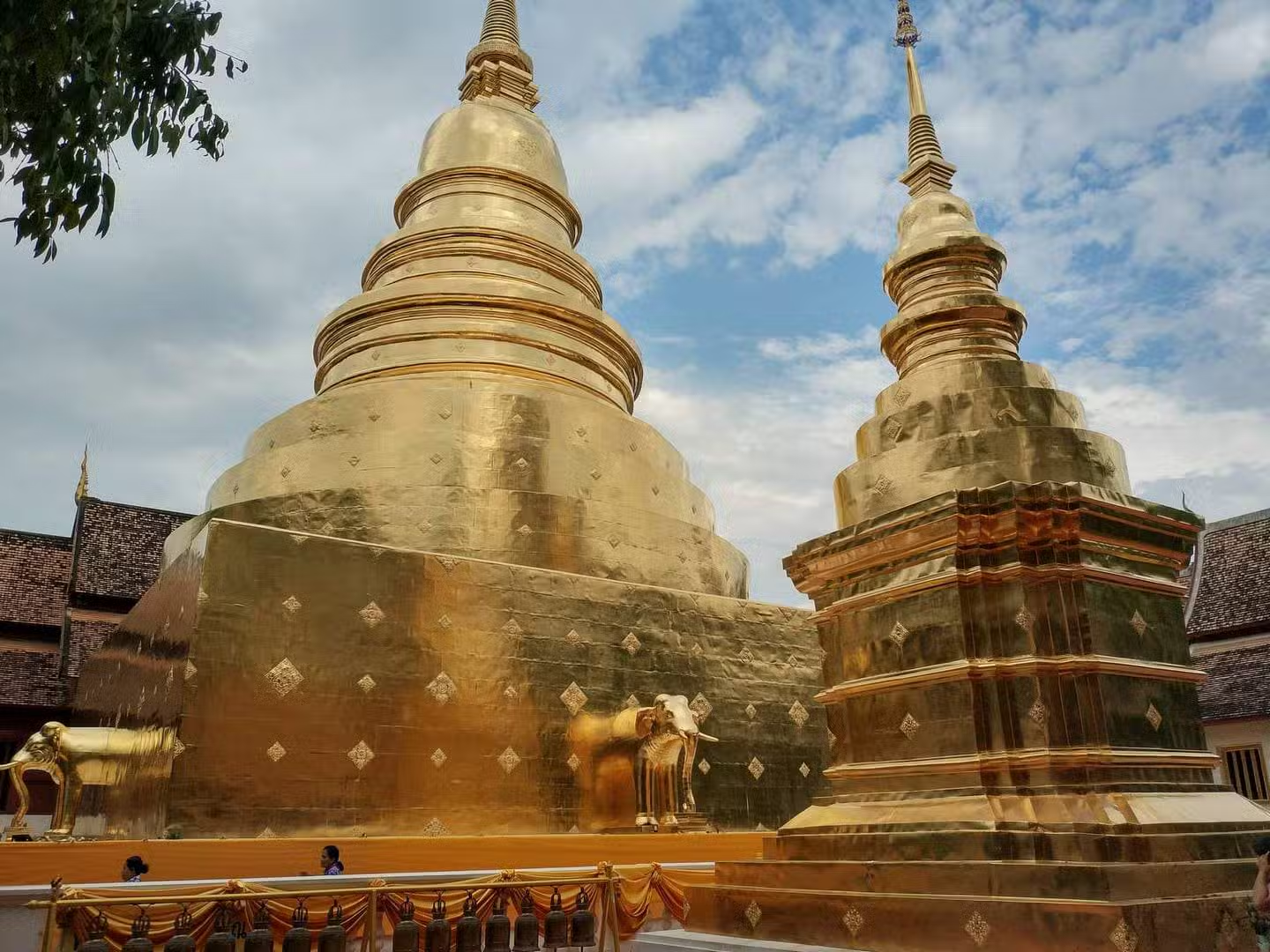
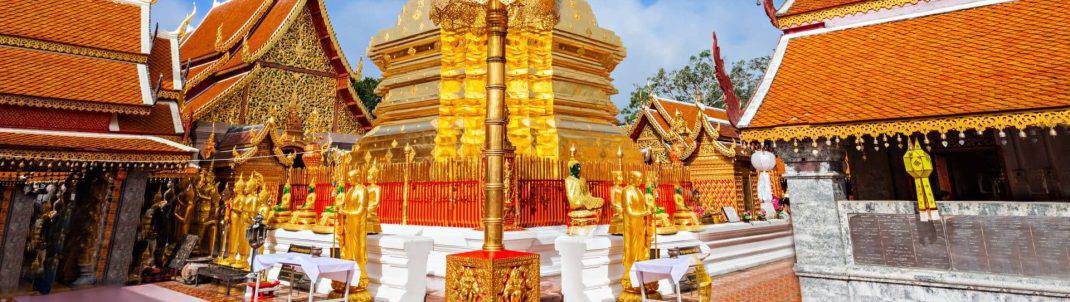
Behind the principal halls stands a prominent gilded chedi associated with the temple’s royal foundation. Smaller monuments and elephant figures surround the structure, while worshippers may be seen walking clockwise around it as part of their religious practice.
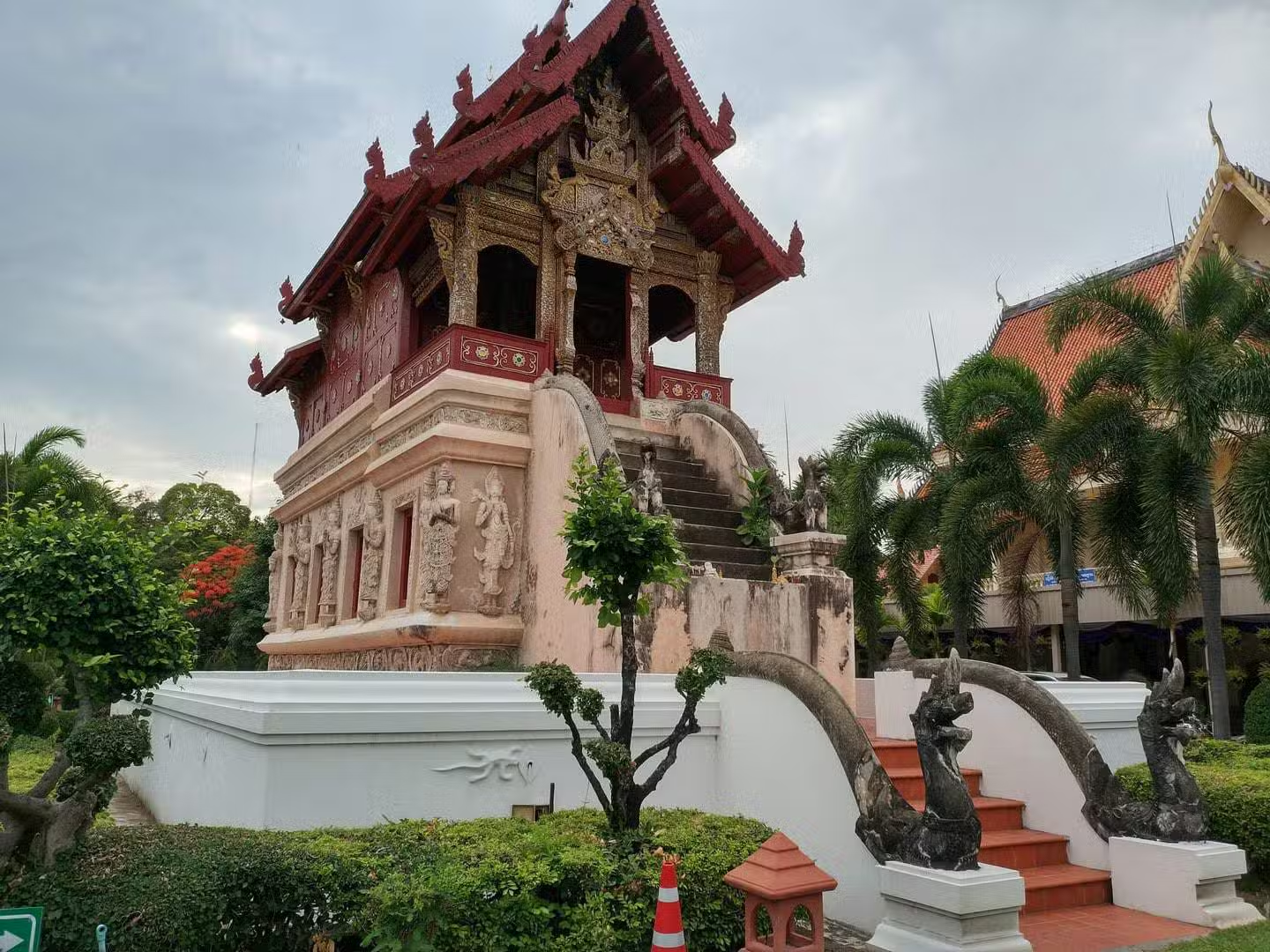
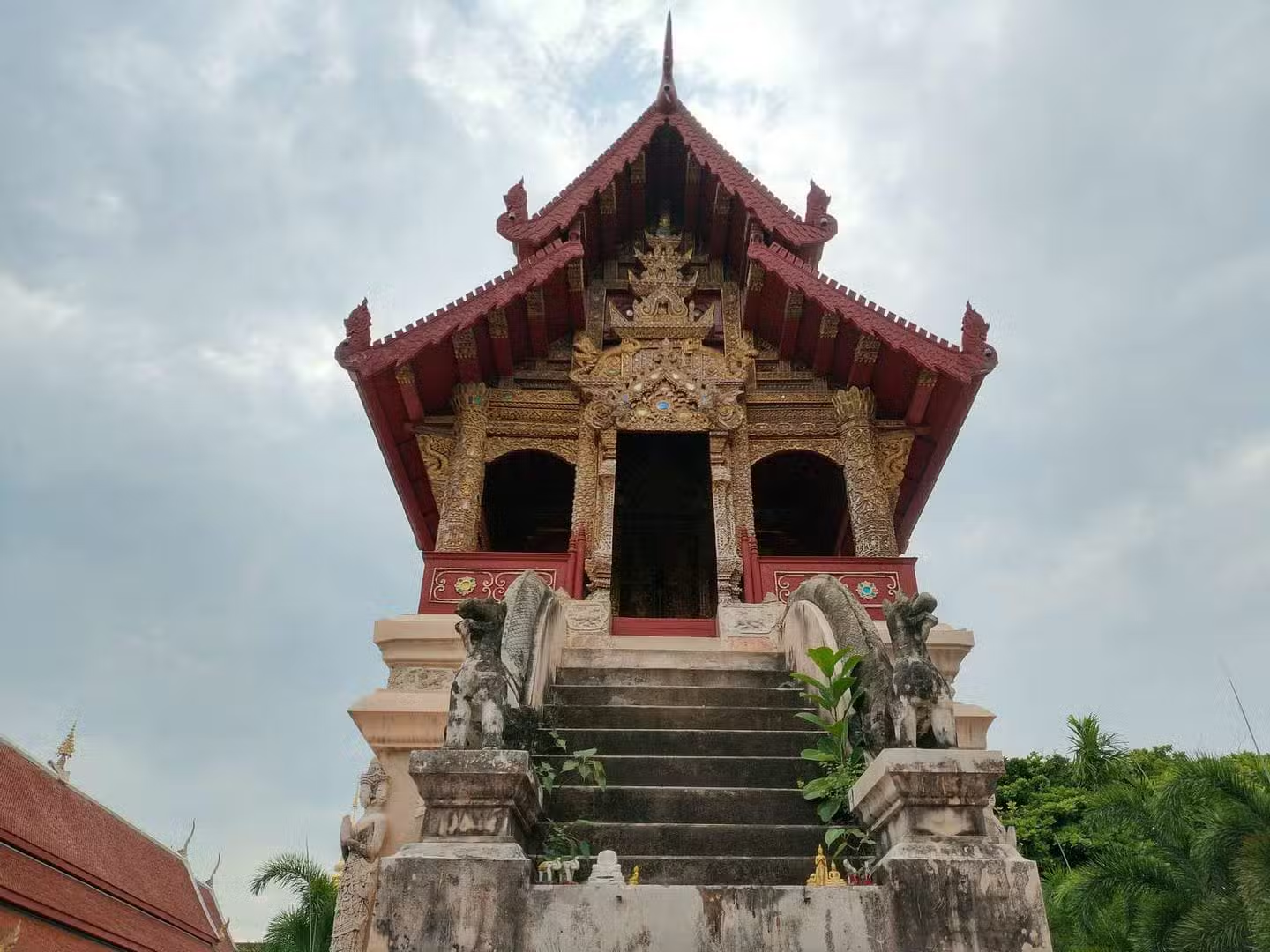
Another notable building is the raised scripture library, known as a ho trai. Its masonry base helped protect palm-leaf manuscripts from moisture, insects and rodents, while the ornate timber upper level demonstrates the skill of traditional Lanna craftspeople.
Songkran at Wat Phra Singh
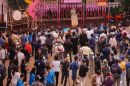
Wat Phra Singh becomes one of Chiang Mai’s main religious centres during Songkran, the Thai New Year festival held each April. The Phra Buddha Sihing is traditionally removed from its hall and carried through the city in a major procession.
Large crowds gather along Ratchadamnoen Road to pay respect to the image and sprinkle it with scented water. Traffic restrictions and road closures usually affect the surrounding Old City during the celebrations.
Songkran offers a chance to see Wat Phra Singh’s ongoing religious importance, but it is not the best time for a quiet architectural visit. Arrive early, allow additional travel time and avoid obstructing worshippers or processional routes.
Important Buddhist holy days can also bring chanting, candlelit processions and evening worship. Access to individual halls may change during ceremonies.
Opening Hours and Admission
Wat Phra Singh is generally open daily from 6am to 6pm, although the grounds, worship halls and visitor areas may follow different schedules. Buildings can close temporarily during ceremonies or monastery activities.
The wider temple grounds are free to explore. Foreign visitors may be charged approximately 20 THB to enter selected interior areas, including the principal assembly hall. Thai nationals generally enter free, and donations towards the temple’s upkeep are welcome.
Admission arrangements can change, so check the signs at the entrance rather than assuming one fee covers every building.
Planning Your Visit
Allow approximately 45 to 90 minutes to explore the main halls, chedi, scripture library and murals. Visitors with a particular interest in Lanna architecture or Buddhist art may wish to stay longer.
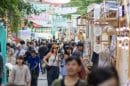
Early morning is usually cooler and quieter, while late afternoon provides warmer light across the gilded buildings. Sundays become busier as nearby Ratchadamnoen Road prepares for the Sunday Walking Street market.
A practical Old City itinerary is to start at Wat Phra Singh and walk east along Ratchadamnoen Road toward the Three Kings Monument, Wat Chedi Luang, and Wat Phan Tao. On Sundays, return to the same road later for the evening market rather than trying to combine detailed temple sightseeing with the busiest market period.
Temple Etiquette
Visitors should cover their shoulders and knees before entering temple buildings. Remove your shoes wherever indicated, and keep your voice low around people who are praying.
When sitting inside a worship hall, avoid pointing your feet towards Buddha images or other people. Do not climb on religious monuments, touch sacred objects or stage photographs directly in front of worshippers.
Women should avoid direct physical contact with monks. Ask permission before photographing monks, ceremonies or individual worshippers, and observe any signs restricting photography inside historic buildings.
Accessibility and Facilities
The central temple grounds are relatively level, but raised thresholds and steps lead into several historic halls. Repeated shoe removal and crowded conditions during festivals can create additional difficulties for visitors with limited mobility.
You can still view some important features from the surrounding grounds. Visitors with specific access requirements should check locally before travelling, particularly if entering Viharn Lai Kham or the main viharn is essential to their visit.
Toilets, cafes, drinks and other visitor services are available around the surrounding Old City streets.
Getting to Wat Phra Singh
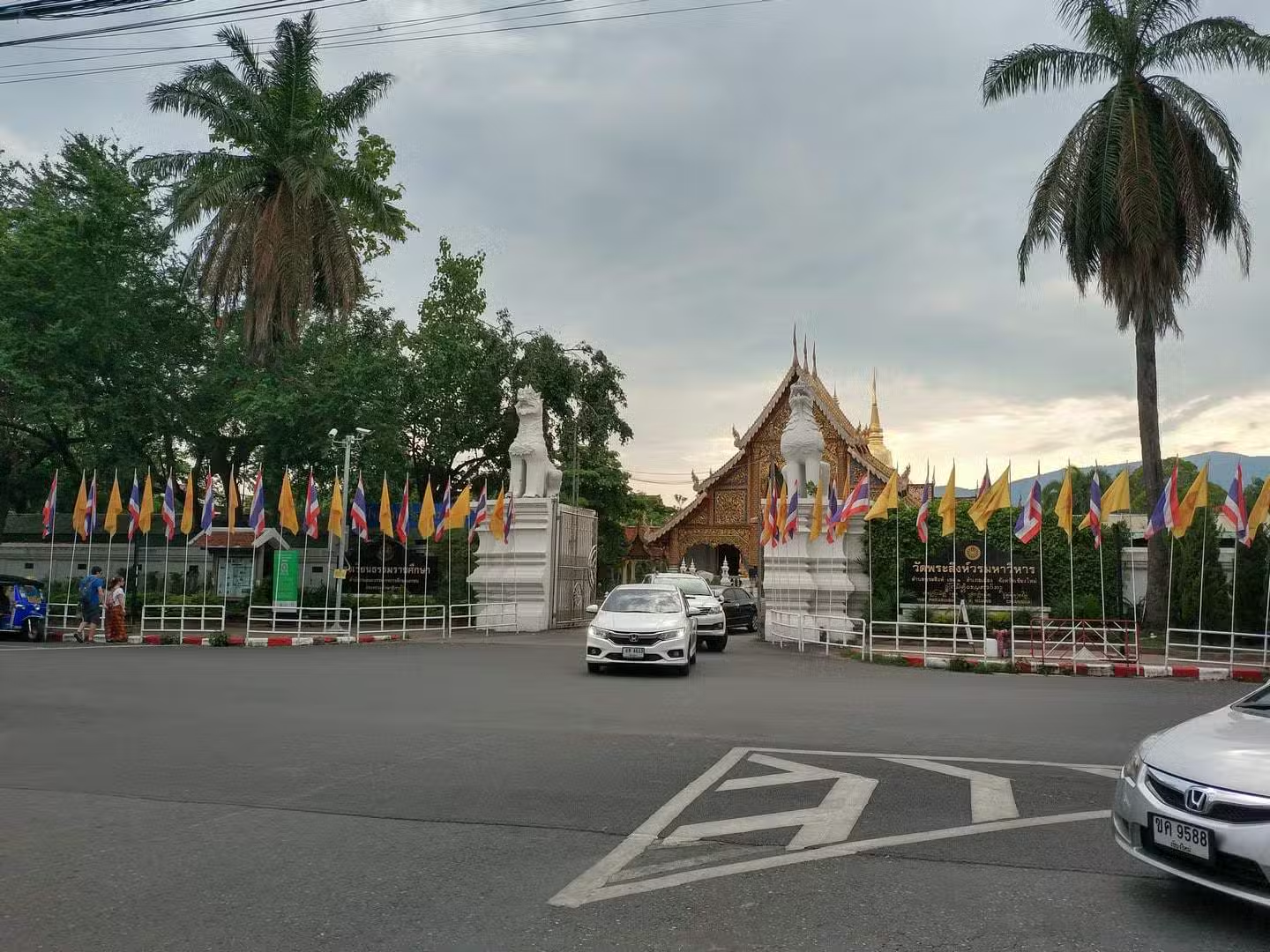
Wat Phra Singh stands at the western end of Ratchadamnoen Road within Chiang Mai’s walled Old City. From Tha Phae Gate, follow Ratchadamnoen Road west for approximately 1.2 kilometres.
Red songthaews, tuk-tuks and ride-hailing vehicles can drop passengers near the main entrance. Agree on the fare before departure when chartering a tuk-tuk or songthaew.
Parking is limited, and the Old City’s one-way streets become congested around festivals and markets. Walking is usually the easiest option for visitors already staying within or near the moat.
Wat Phra Singh FAQs
Is Wat Phra Singh free to visit?
The wider temple grounds are free. Foreign visitors may pay approximately 20 THB to enter selected interior areas, while Thai nationals generally enter for free.
What are the opening hours at Wat Phra Singh?
The temple is generally open daily from 6am to 6pm. Individual halls may close earlier or become temporarily unavailable during ceremonies.
What is the main attraction at Wat Phra Singh?
The main highlight is Viharn Lai Kham, which houses the revered Phra Buddha Sihing image and important 19th-century murals.
How long should you spend at Wat Phra Singh?
Allow approximately 45 to 90 minutes for the principal halls, chedi, scripture library and murals.
What should visitors wear to Wat Phra Singh?
Cover your shoulders and knees and remove your shoes before entering temple halls. Wear respectful clothing suitable for an active place of worship.
Can visitors photograph the murals?
Follow the current signs inside Viharn Lai Kham. Do not use flash around historic paintings, and photography may be restricted at times.
What happens at Wat Phra Singh during Songkran?
The Phra Buddha Sihing is traditionally carried through Chiang Mai in a major procession so worshippers can sprinkle it with scented water.
Is Wat Phra Singh near Wat Chedi Luang?
Yes. You can combine the temples in an Old City walk along Ratchadamnoen Road, along with Wat Phan Tao and the Three Kings Monument.
Is Wat Phra Singh wheelchair accessible?
The main grounds are relatively level, but steps and raised thresholds limit access to several historic halls.




Do You Have a Question to Ask?