




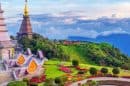












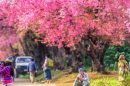

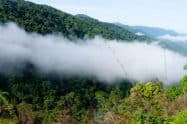







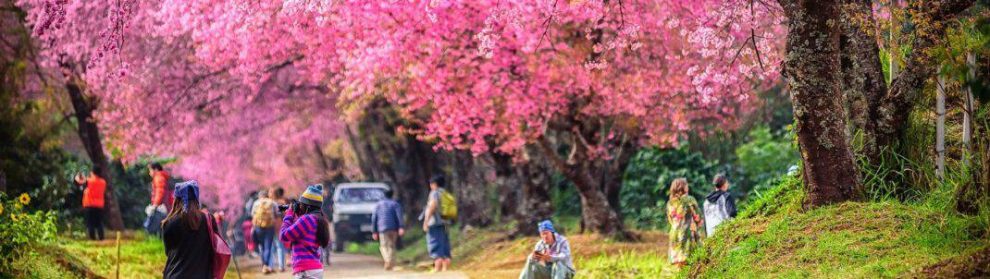
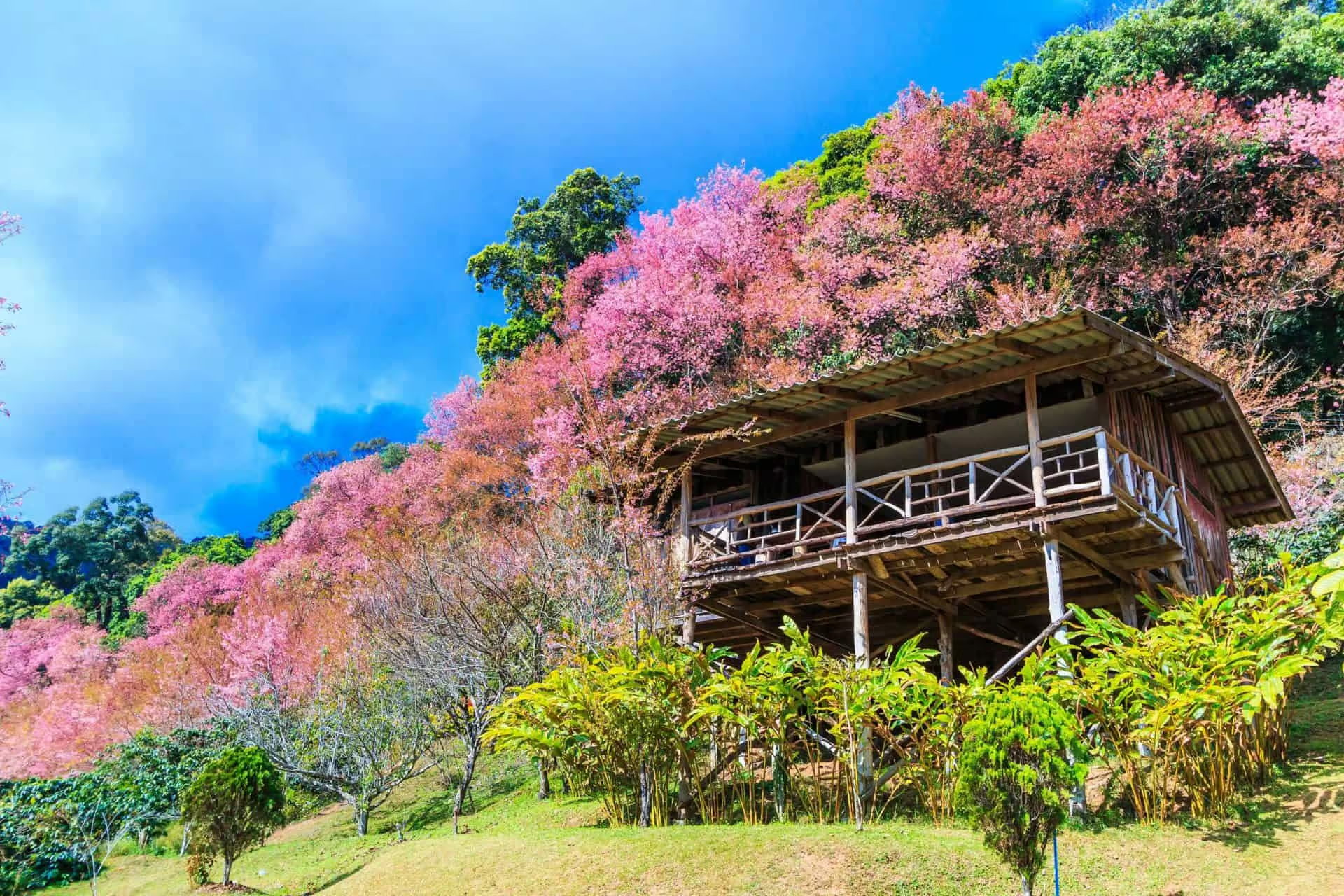
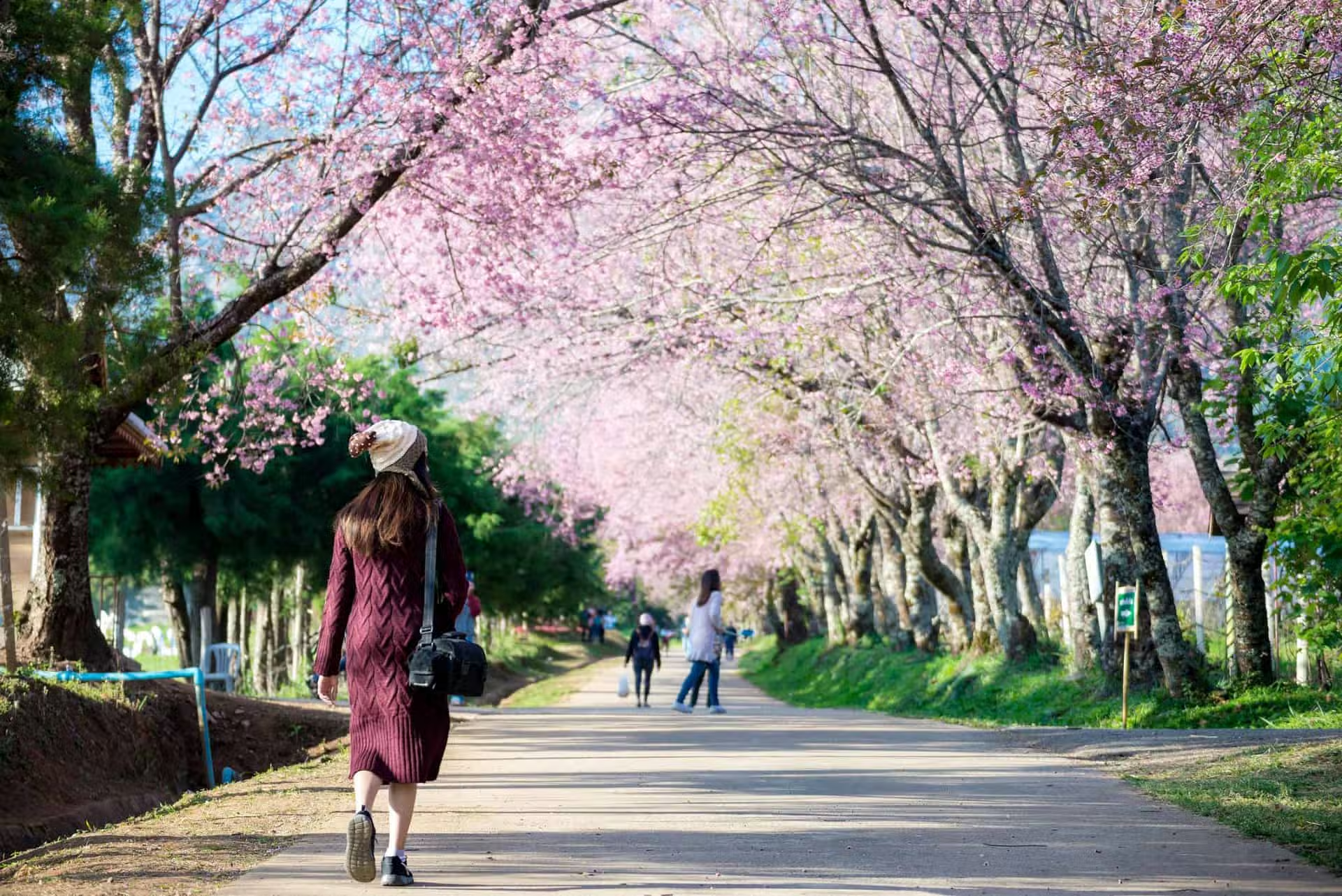
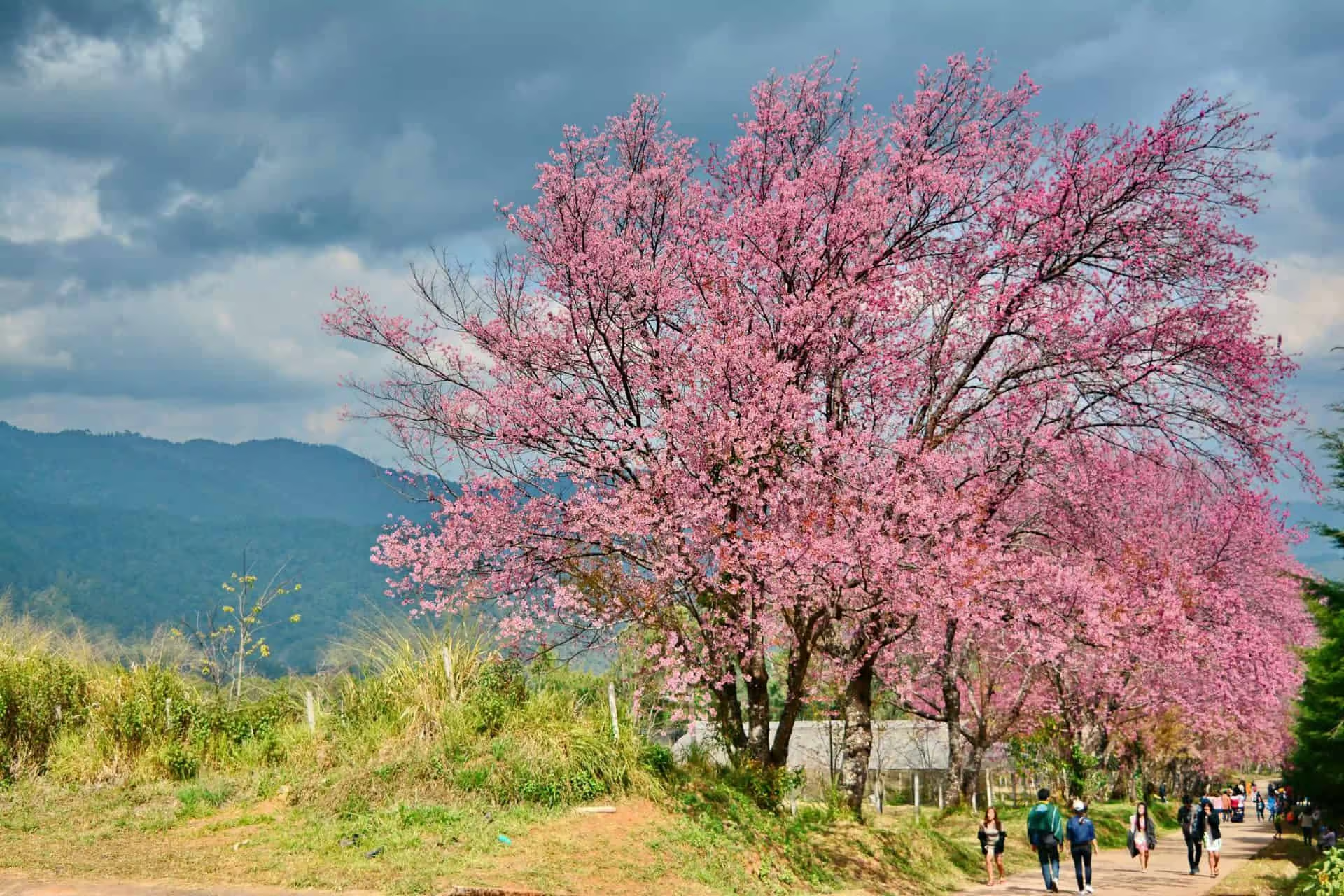
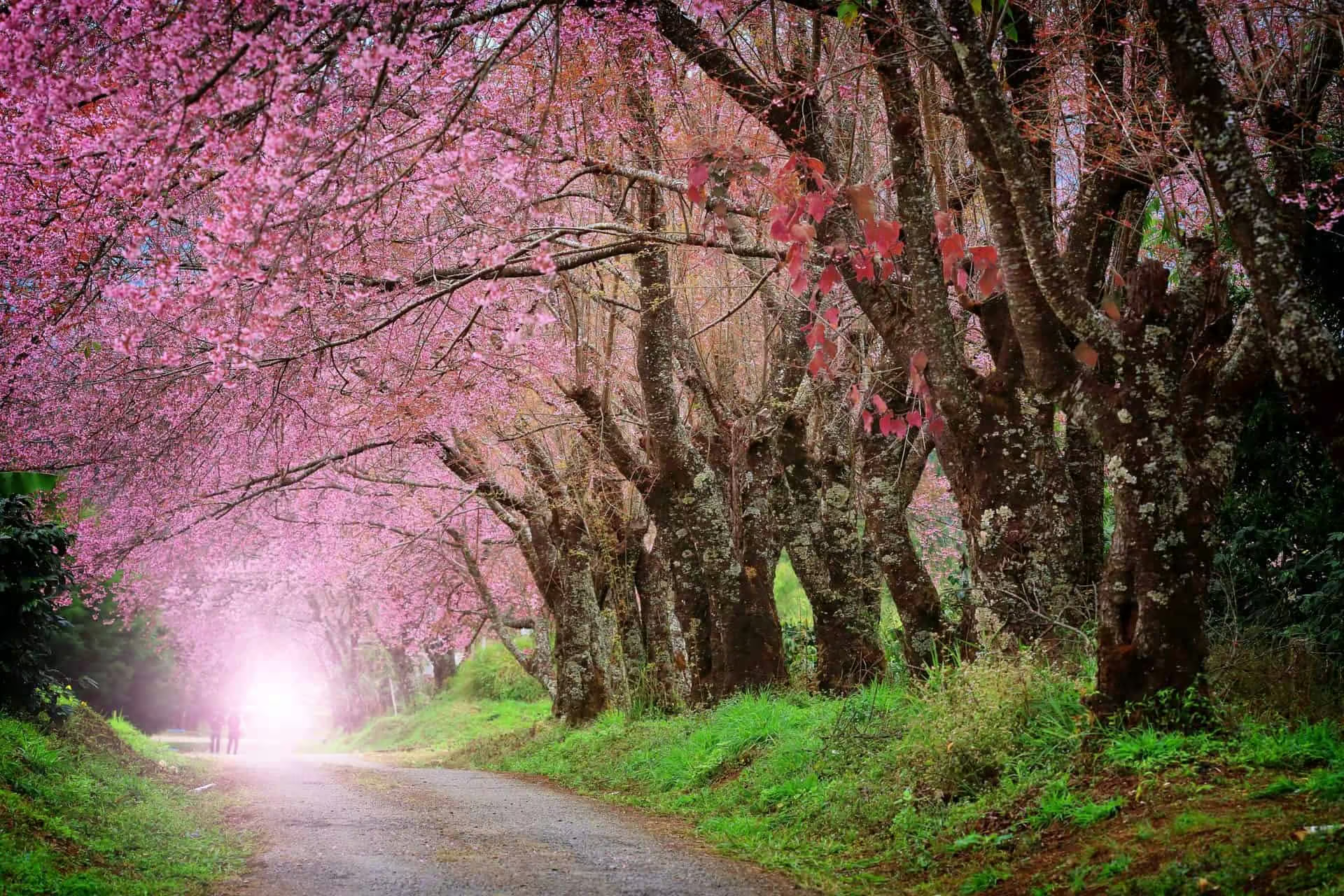
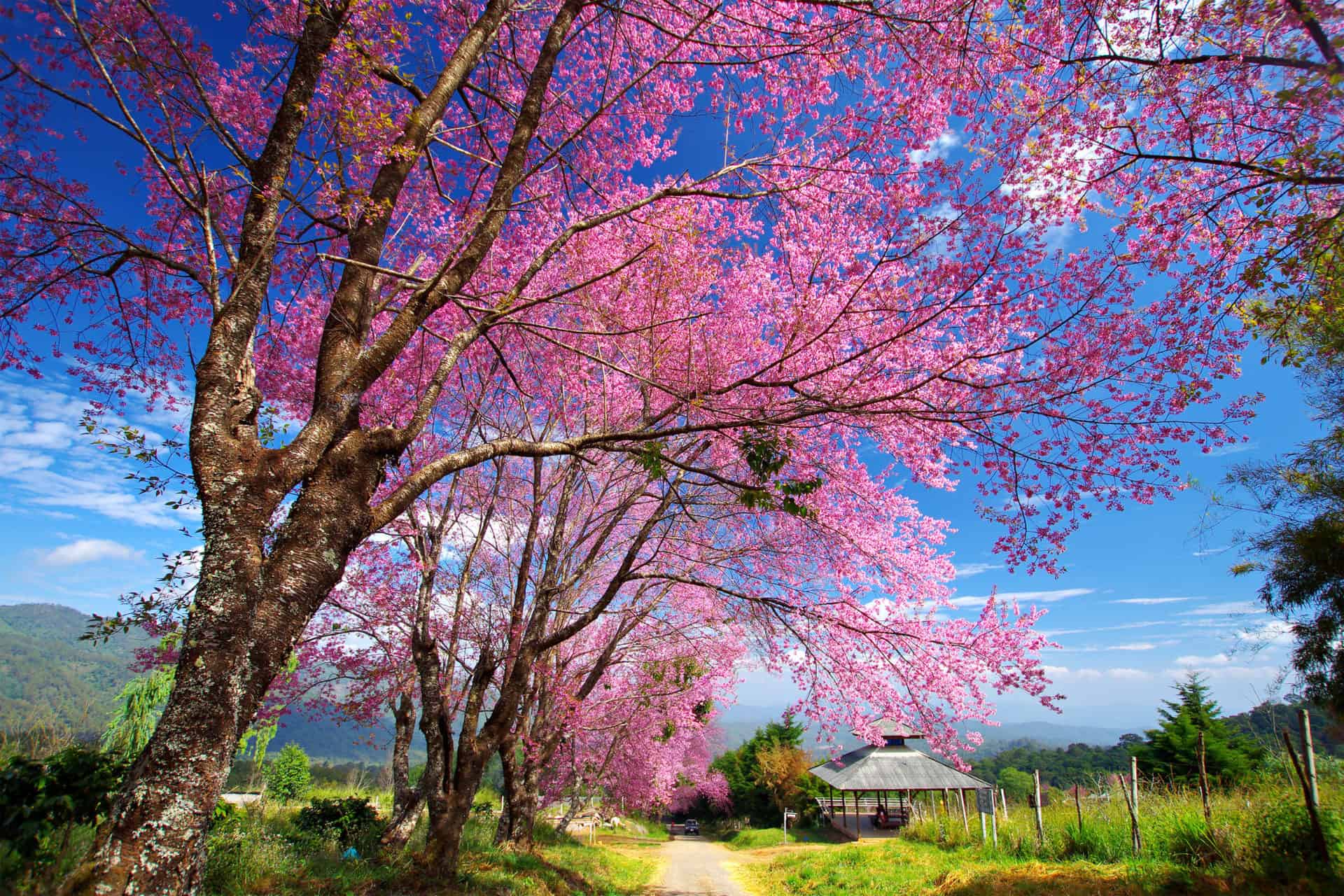
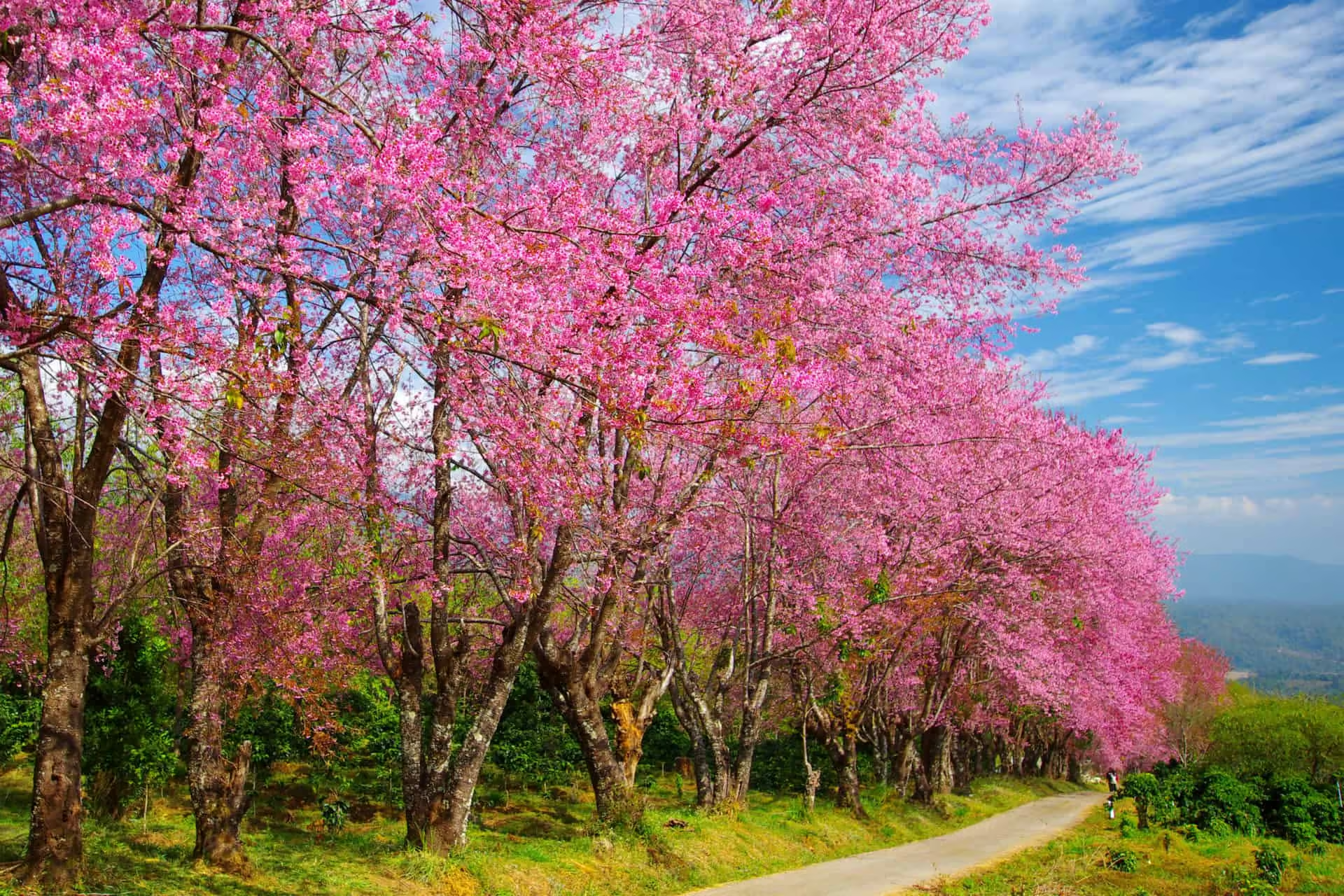
Cherry blossom viewing around Chiang Mai takes visitors into the highlands, where Wild Himalayan cherry trees bring pink flowers to research stations and mountain landscapes during the cool season. The pleasure is in the combination of blossoms and setting: branches above a walking route, a view across a slope and a journey into air that feels different from the city below.
This is a seasonal experience rather than one festival with fixed opening dates. For 2027, flowering will vary between locations according to weather and local conditions. January is a useful broad planning period, but no single date guarantees full bloom across the region.
Choose One Highland Destination First
The best base for a blossom outing is a current report from the place you intend to visit. Khun Chang Khian, Khun Wang and Doi Ang Khang are separate destinations, with different journeys and viewing settings. They should not be treated as three nearby stops on a short city excursion.
Khun Chang Khian
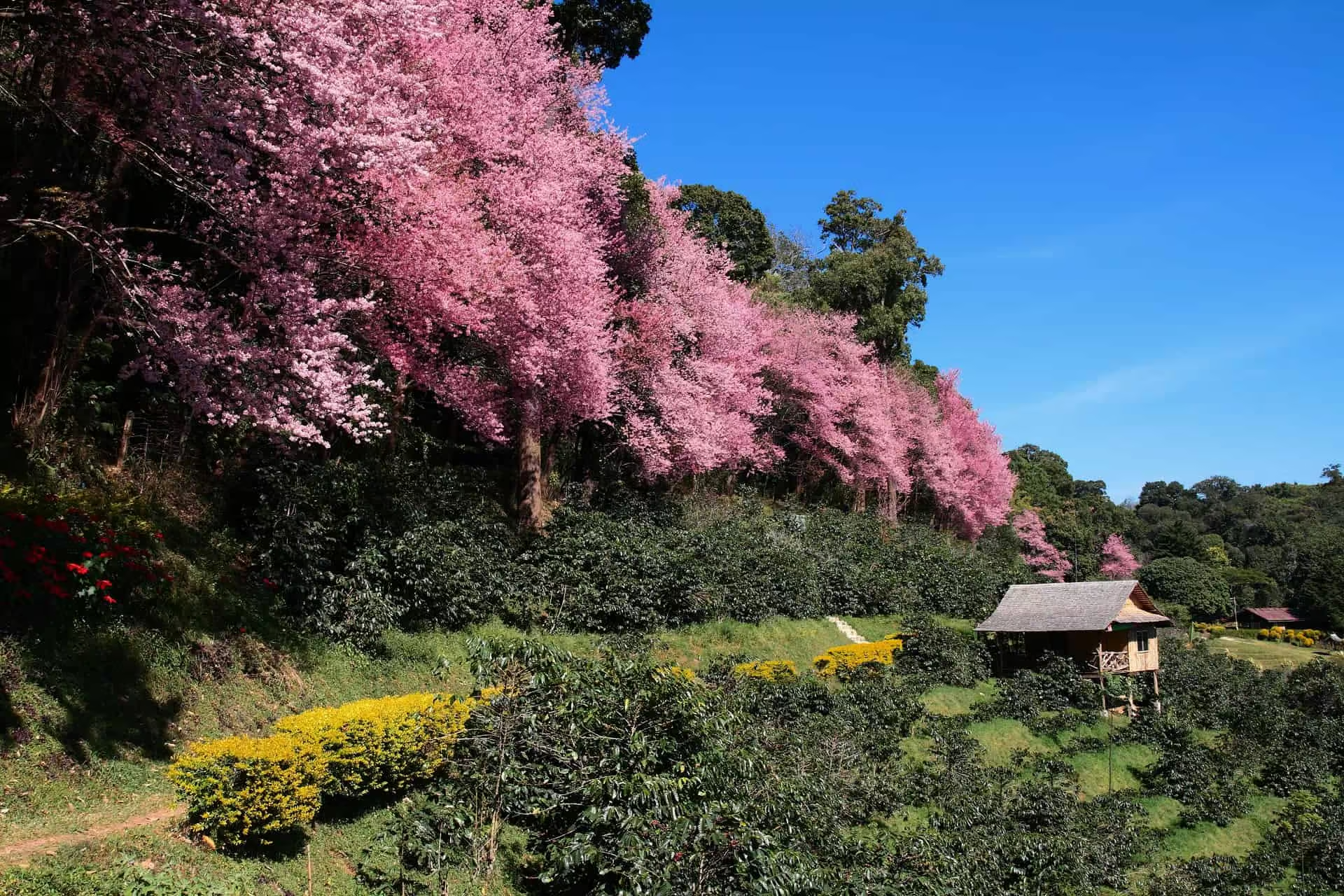
Khun Chang Khian is associated with the highland research station beyond Doi Suthep and Doi Pui. Wild Himalayan cherry trees are part of a working agricultural setting that also includes crops such as coffee and temperate fruit. It offers a way to combine blossom interest with the mountain landscape above Chiang Mai.
Its proximity to the Doi Suthep area does not make the final approach an ordinary city drive. Arrange the trip with someone familiar with the route and check current access conditions. If adding a temple visit, leave enough time for both rather than assuming a blossom stop is immediately beside the temple entrance.
Khun Wang
Chiang Mai Royal Agricultural Research Center at Khun Wang is another established place to see Wild Himalayan cherry. Its research and demonstration plantings give the visit an agricultural character, with blossoms forming one seasonal part of a larger landscape.
Flowering here is generally associated with mid-January into February, although the 2027 window will depend on conditions. It can be worth checking this location separately when another area’s flowers have passed; it should not be assumed to be in bloom simply because it is farther into the mountains.
Khun Wang is in the wider Doi Inthanon area, but it is not the same place as the Inthanon summit or every Royal Project garden in the region. Give your driver the exact research-centre destination and agree on any additional stops before setting out.
Doi Ang Khang
Doi Ang Khang offers a more substantial northern mountain trip, with the Royal Agricultural Station and its cool-climate growing areas providing context beyond the blossoms. It is a choice for visitors who want to spend more time in a highland setting rather than return quickly to a city itinerary.
Plan the journey and any overnight stay as a separate excursion. Mountain access requires care, and an experienced driver is particularly useful on the steep approach. Confirm where flowers are currently being reported before arranging a long trip whose main purpose is blossom viewing.
Reading the Season Realistically
The trees are commonly called Thai sakura, but the main blossom discussed here is Wild Himalayan cherry. Flowering can begin around the New Year period in some places, while other locations follow a later pattern. Weather can shift both the onset and how long the best display lasts.
Look for a recent, location-specific update rather than an undated photograph of a mountain covered in pink. Check when the image was taken, which station or village it shows and whether it describes buds, opening flowers or a peak already passing. Those differences can change the value of a journey.
Keep an alternative reason to enjoy the outing. A research-station visit, mountain scenery or a planned meal can still make the trip worthwhile if the flowers are less advanced than expected. Avoid building an entire short holiday around a promised peak day that no one can guarantee.
Enjoying the Trees and Taking Photographs
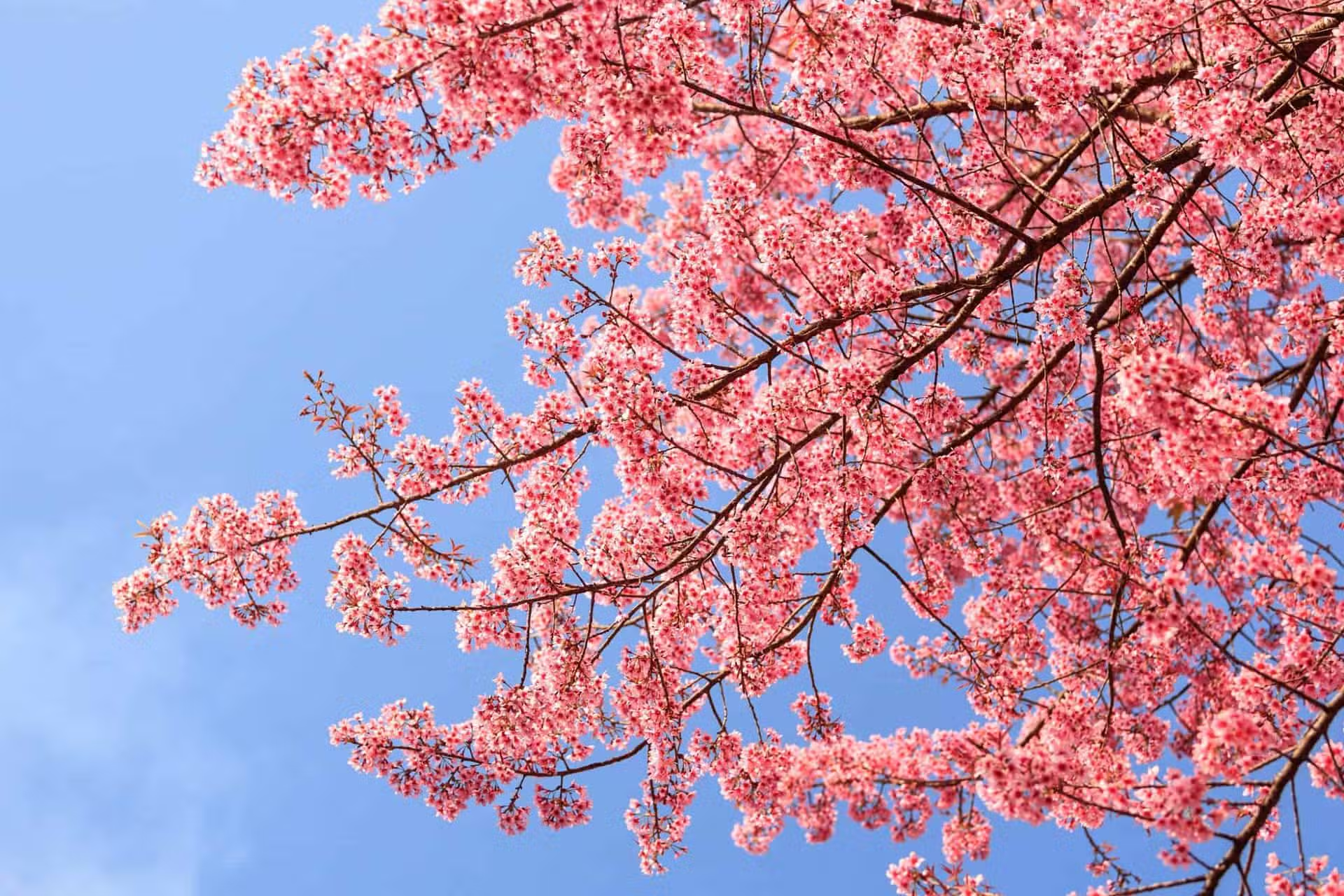
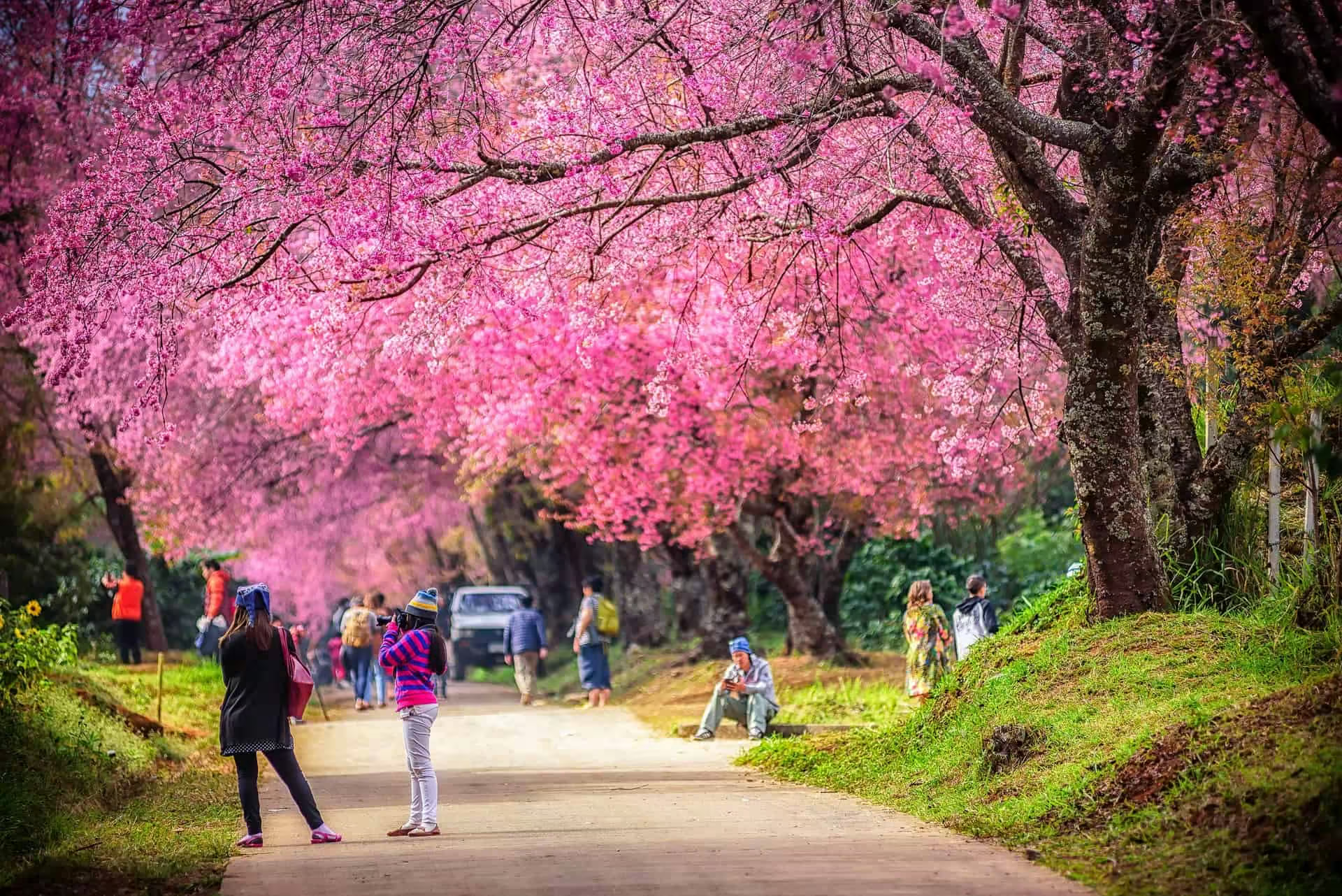
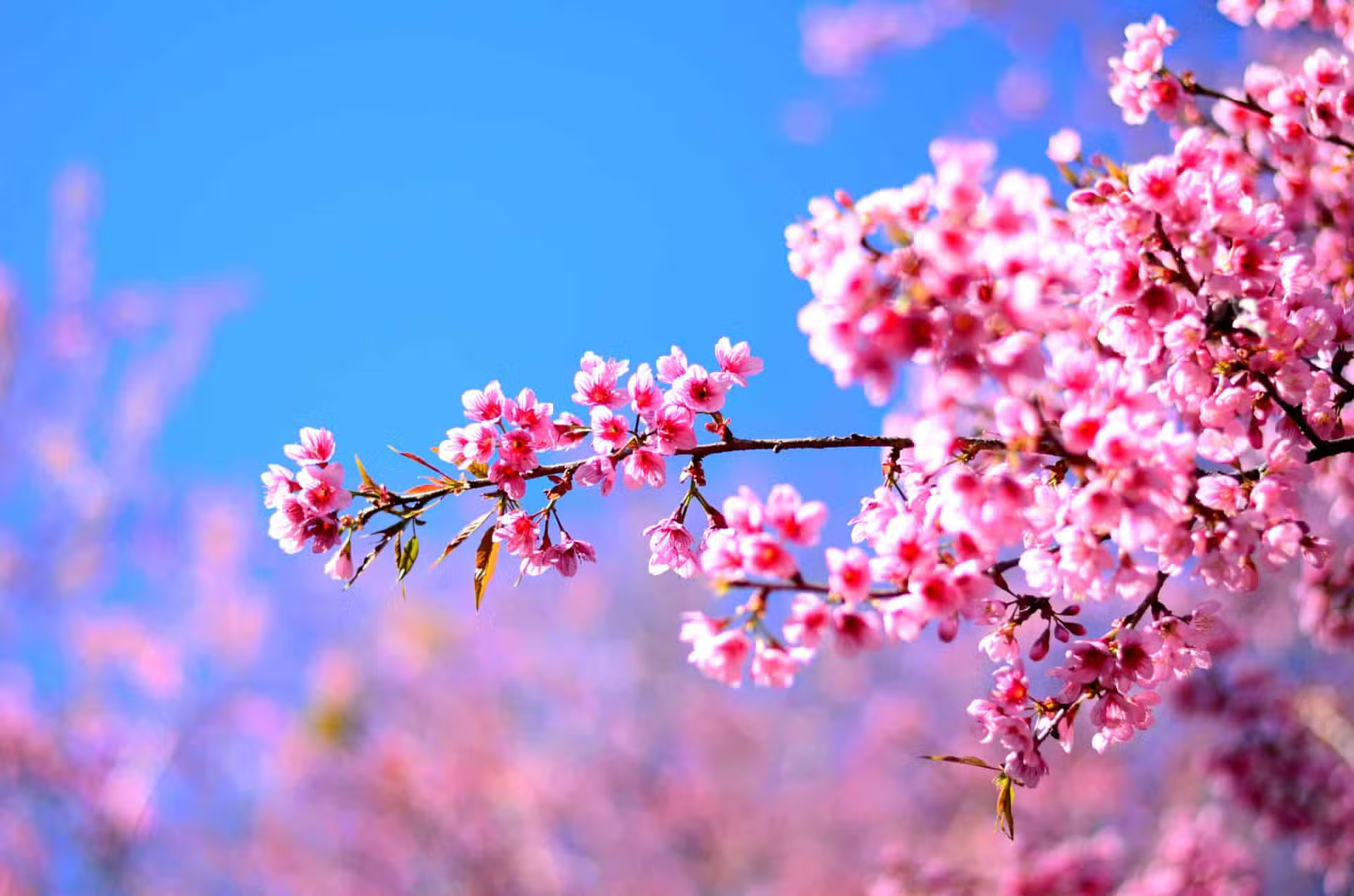
Once at a viewing area, slow down enough to notice different perspectives. A close look at a branch shows the detail of individual flowers; stepping back reveals how colour sits within the surrounding landscape. Changing position on an established path can be more rewarding than joining the tightest cluster of people around one tree.
Do not pull a branch into a photograph, shake petals loose or step into planted areas for a clearer view. Research stations and villages remain working places, and paths or boundaries help protect both trees and agricultural activity.
Morning light can be attractive, but access hours and road conditions should determine how early you travel. A very early start is not useful if the destination is closed or you have not arranged a suitable driver. Keep other visitors’ sightlines and walking space clear when using a tripod.
Mountain Travel, Access and Costs
Arrange the return journey along with the outward trip. Ordinary city transport is not a complete plan for dispersed highland locations, and waiting for an unplanned pickup after viewing may be difficult. Ask your driver about the exact destination, current route, stopping places and the time available on site.
Bring layers for the cooler air, shoes with useful grip and enough water for the outing. Check walking surfaces if someone in your group needs a firm route: arriving by vehicle does not establish that every viewing area is step-free.
There is no single Chiang Mai blossom ticket. Site admission, parking, transport and any separate national-park or attraction charges depend on the route and destinations you choose. Ask what a tour includes and confirm the current research-station visitor arrangements before travelling.
Chiang Mai Cherry Blossom Viewing FAQs
When will the blossoms peak in 2027?
A fixed peak has not been confirmed. January is a broad planning guide, with some locations flowering earlier or later. Use recent reports for your intended site and keep your travel plans flexible.
Which location should I choose for a first visit?
Start with current flowering and access information, then compare the journey. Khun Chang Khian relates to the mountains above Doi Suthep, Khun Wang to a separate research-centre outing and Doi Ang Khang to a more substantial northern trip.
Can I see all three in one short outing?
They are dispersed mountain destinations, not neighbouring gardens. Choose one principal location and give it time, adding other stops only when the route and your driver make a realistic day possible.
Are Khun Wang and the Doi Inthanon summit the same place?
No. Khun Wang is a specific agricultural research-centre destination in the wider area. Confirm its exact location when booking transport rather than asking only for a general Doi Inthanon tour.
Do I need warm clothing?
Bring layers because the highlands can feel substantially cooler than Chiang Mai city, especially early in the day. Comfortable footwear is also useful where viewing involves uneven paths or walking through agricultural grounds.
Is blossom viewing free?
There is no single admission arrangement across all locations. Confirm site access, parking and any separate park or attraction charges, with transport budgeted independently. A tour should specify what its quoted price includes.
Can I rely on photographs posted online?
Use them only after checking the location and the date the flowers were photographed. An old peak-bloom image or a picture from another mountain is not evidence of conditions at the site you intend to visit.






Do You Have a Question to Ask?