











































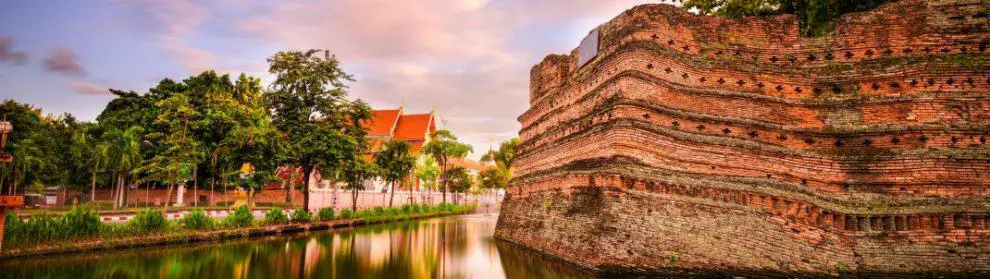
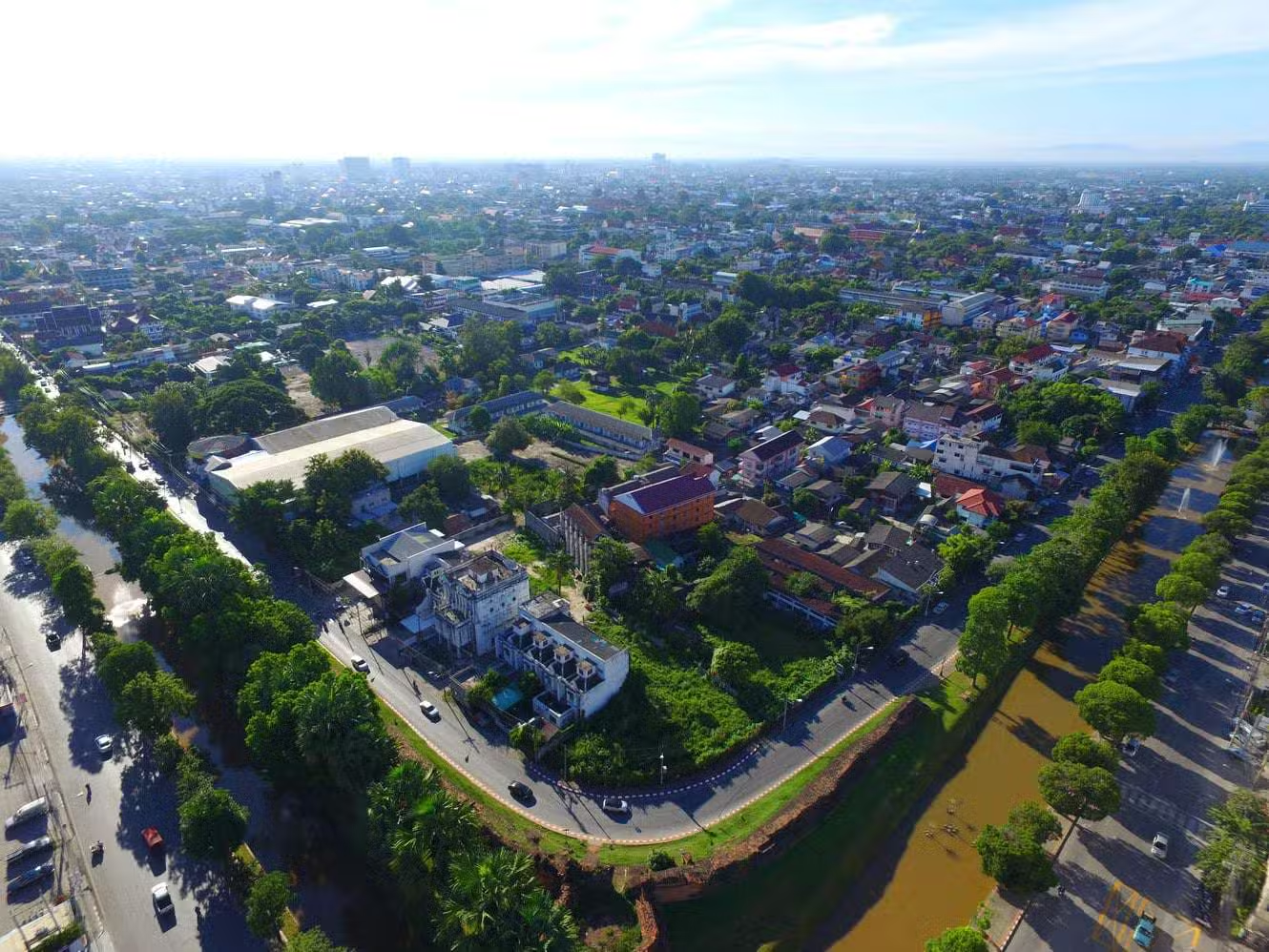
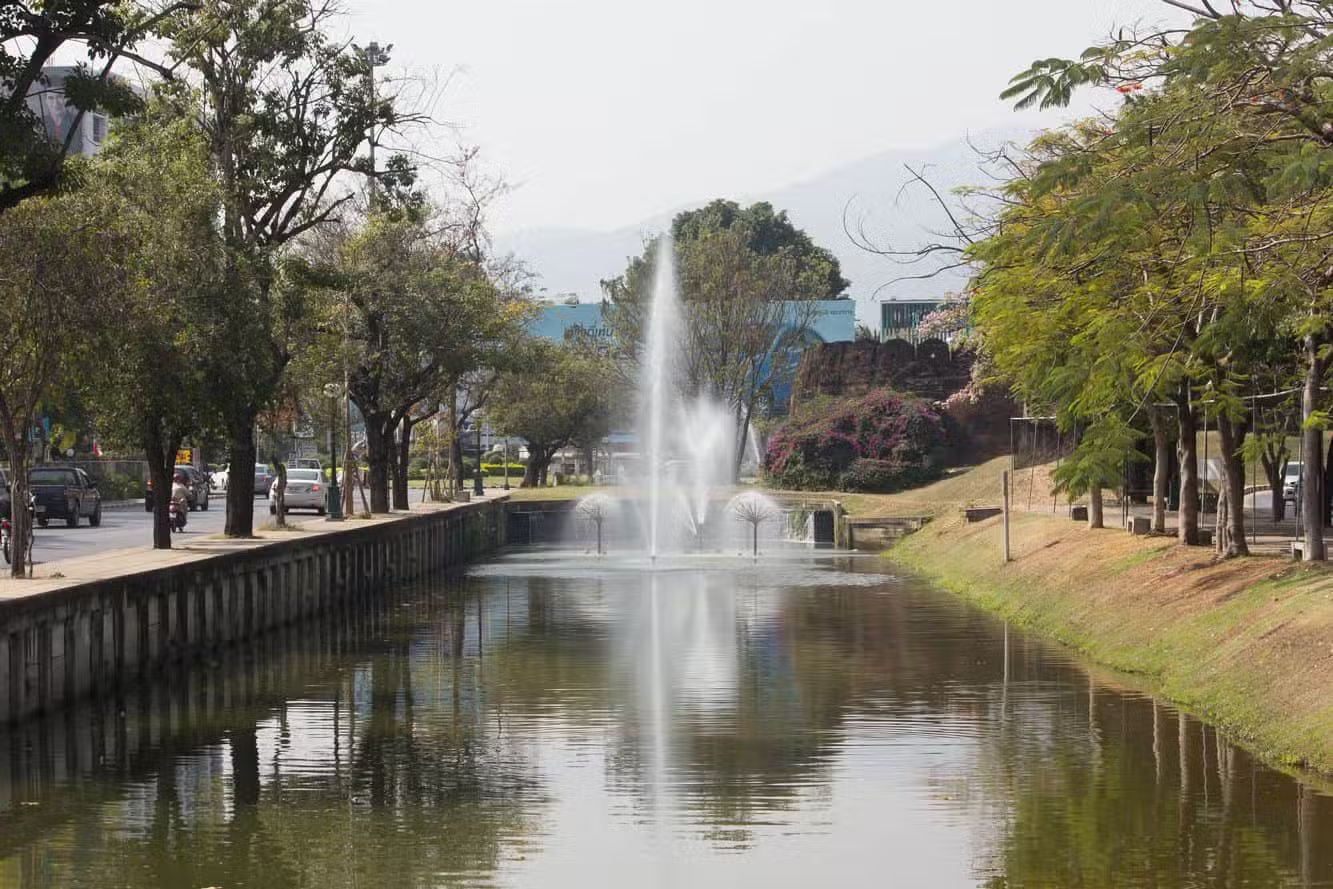
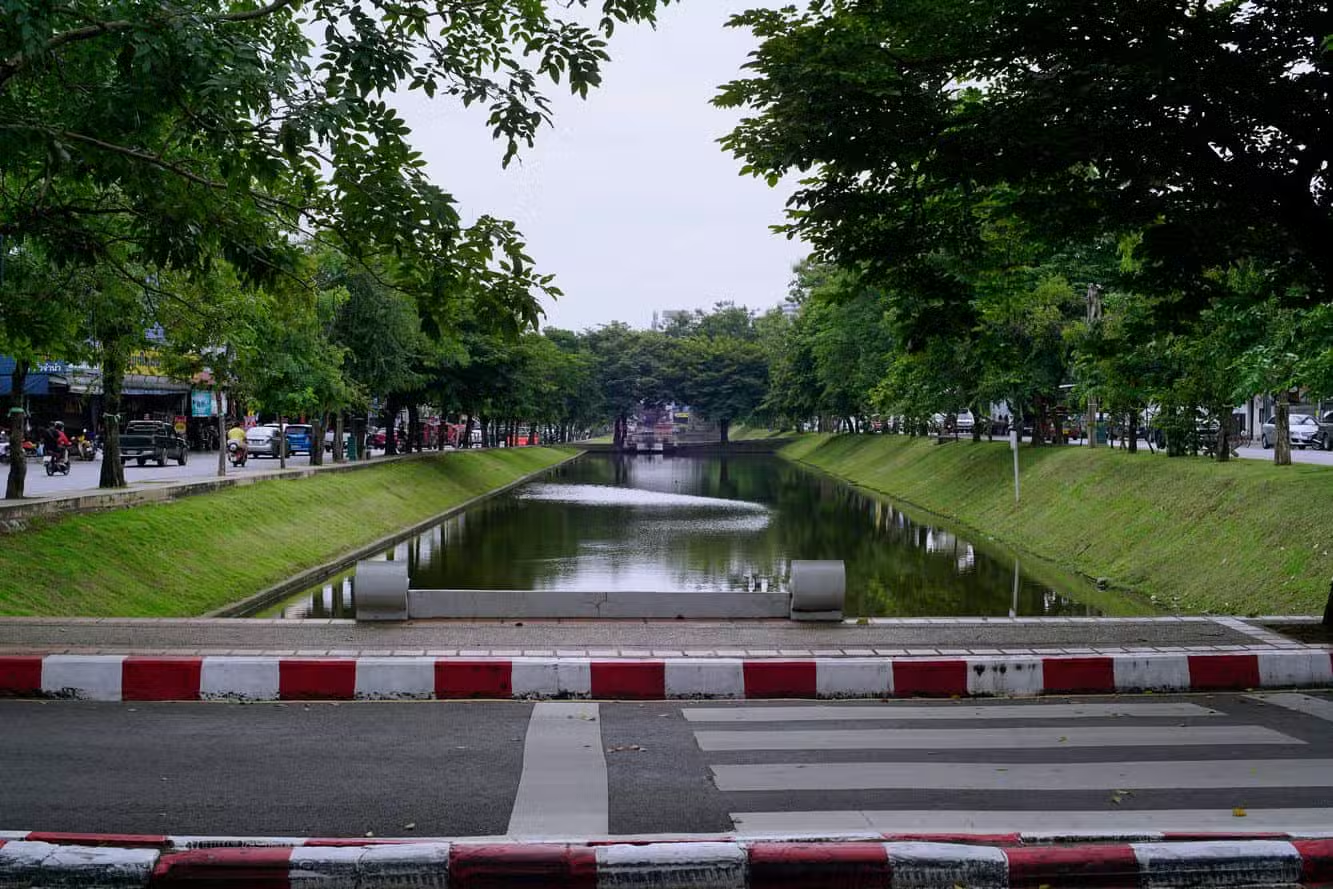
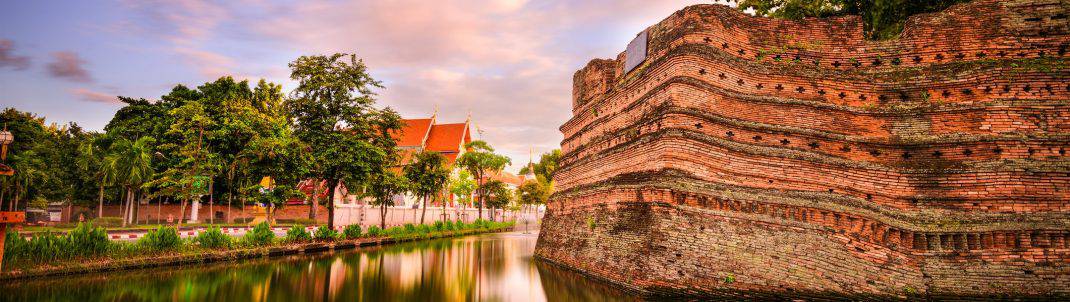
Chiang Mai Old City is the easiest place to understand the city’s historic core on foot. The moat encloses temples, lanes, guesthouses, and places to eat; the pleasure is in giving a few sites proper time rather than trying to collect every wat on a map. Choose two principal temples and one smaller stop for a manageable first visit.
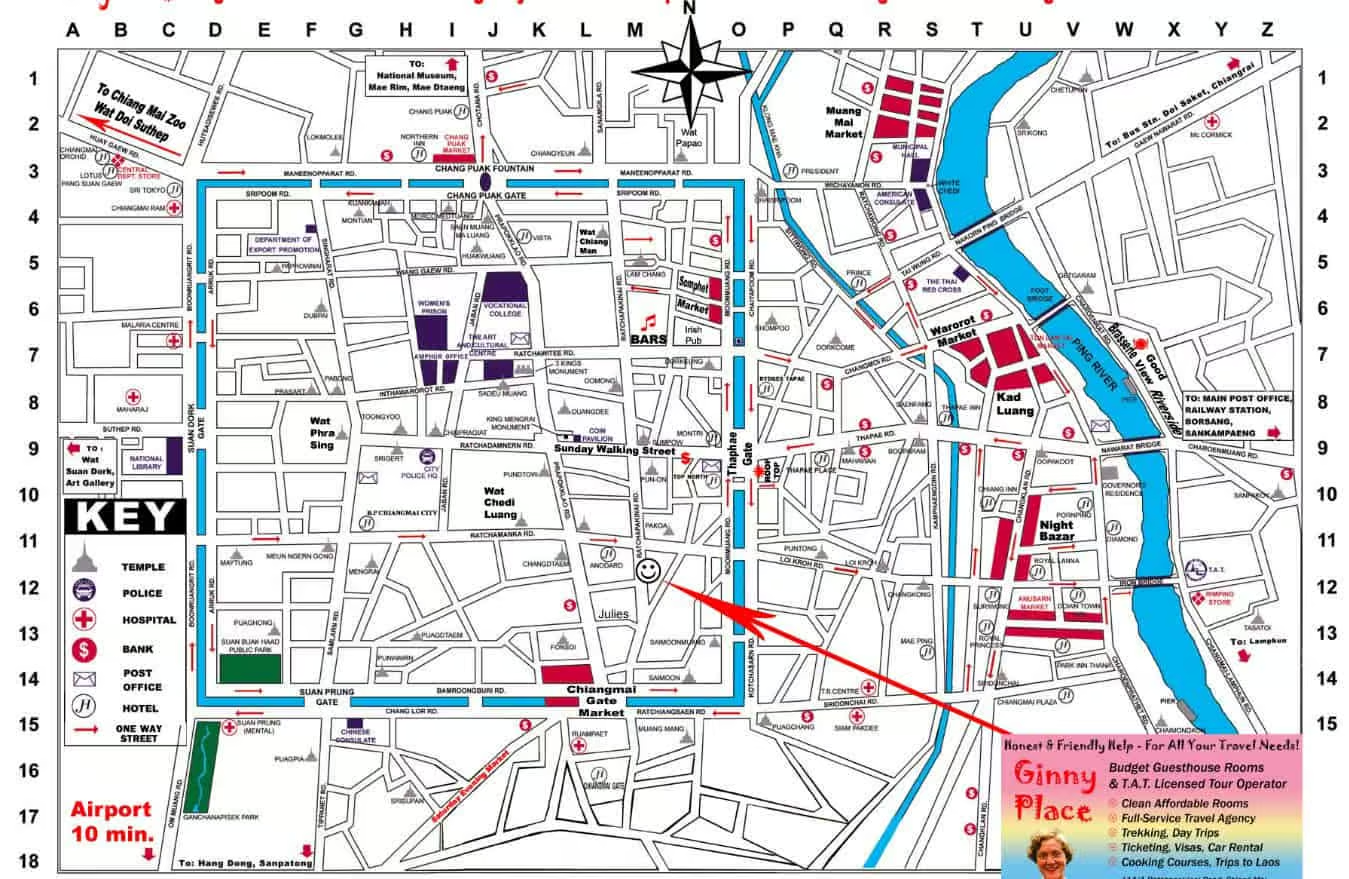
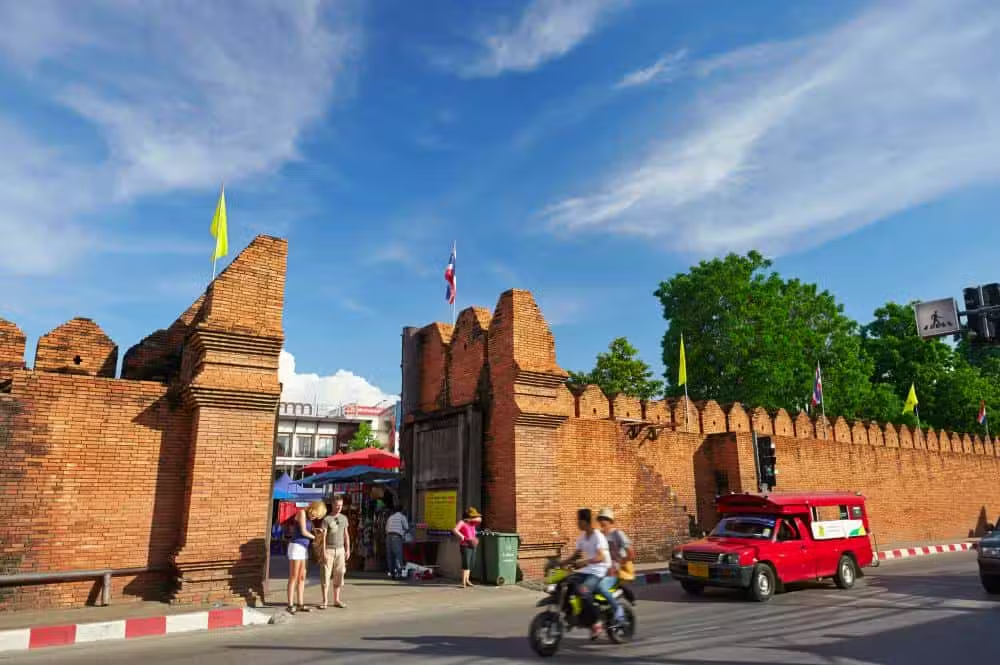
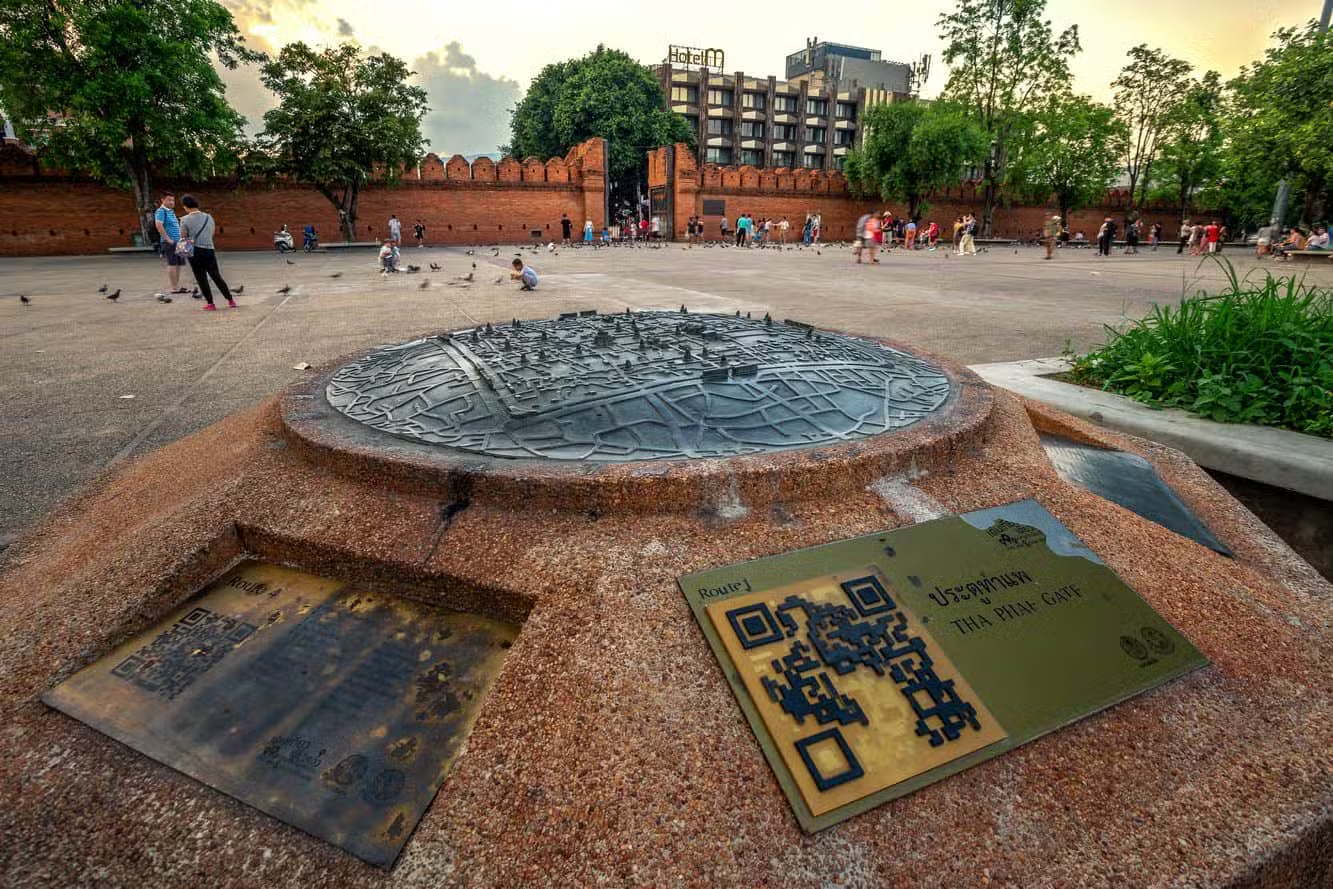
The square is larger in practice than it appears on a phone screen, especially in midday heat. Tha Phae Gate sits on the east side, Wat Phra Singh towards the west and Wat Chedi Luang near the centre. Their position makes a useful walking route, with shade and a meal built in.
Things to see and do in Chiang Mai Old City
Wat Phra Singh
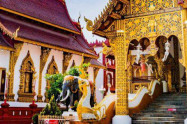
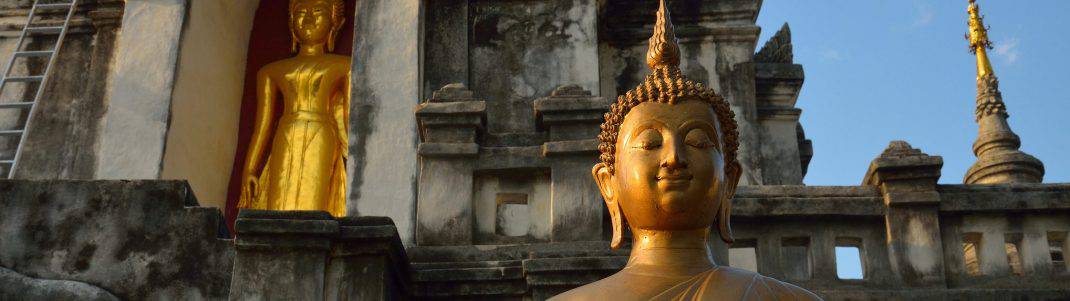
Wat Phra Singh is a living temple complex, and the western anchor of a first Old City walk. Look beyond the entrance at its Lanna buildings, especially the Viharn Lai Kham and its mural paintings when that interior is open to visitors. The grounds invite a slower circuit than a single photograph of the main hall, and worship takes priority over sightseeing. Start here in the cooler morning if approaching from the western lanes, then walk towards the central temples; dress respectfully and follow current signs for individual buildings.
Wat Chedi Luang
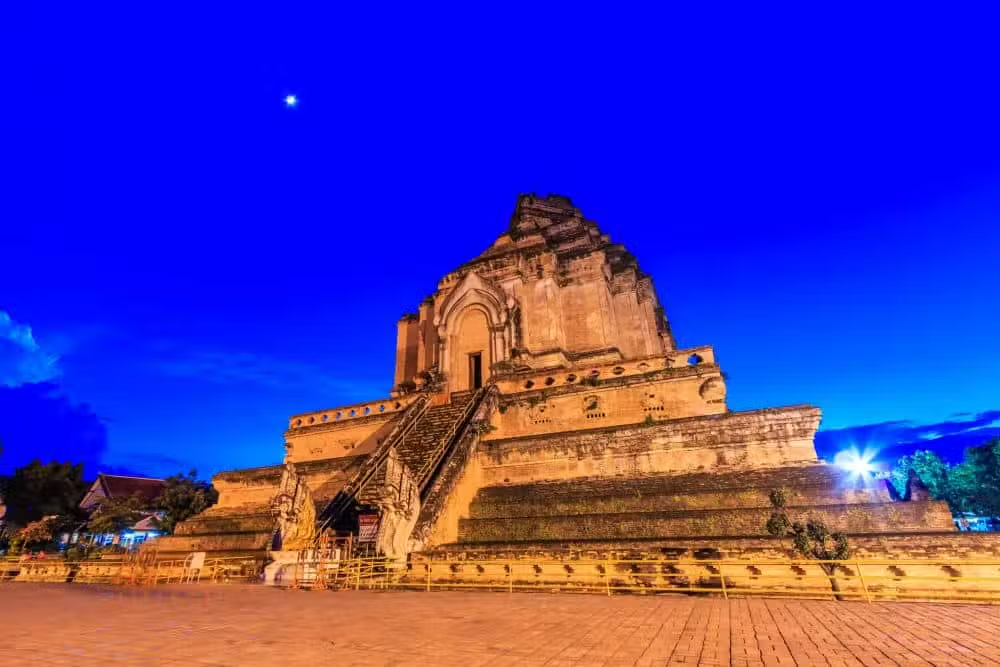
The great, partly ruined chedi gives this central temple a scale and silhouette unlike the smaller Old City courtyards. Walk around the visible sides to appreciate the brick structure and the contrast between the historic monument and the active temple spaces around it. Read the on-site interpretation if you want more than an exterior photograph, then continue towards lunch or the Three Kings area. Do not assume every hall is open to visitors: check entrance arrangements and photography rules, and leave room for people using the site for worship.
Gates, moat and local lanes
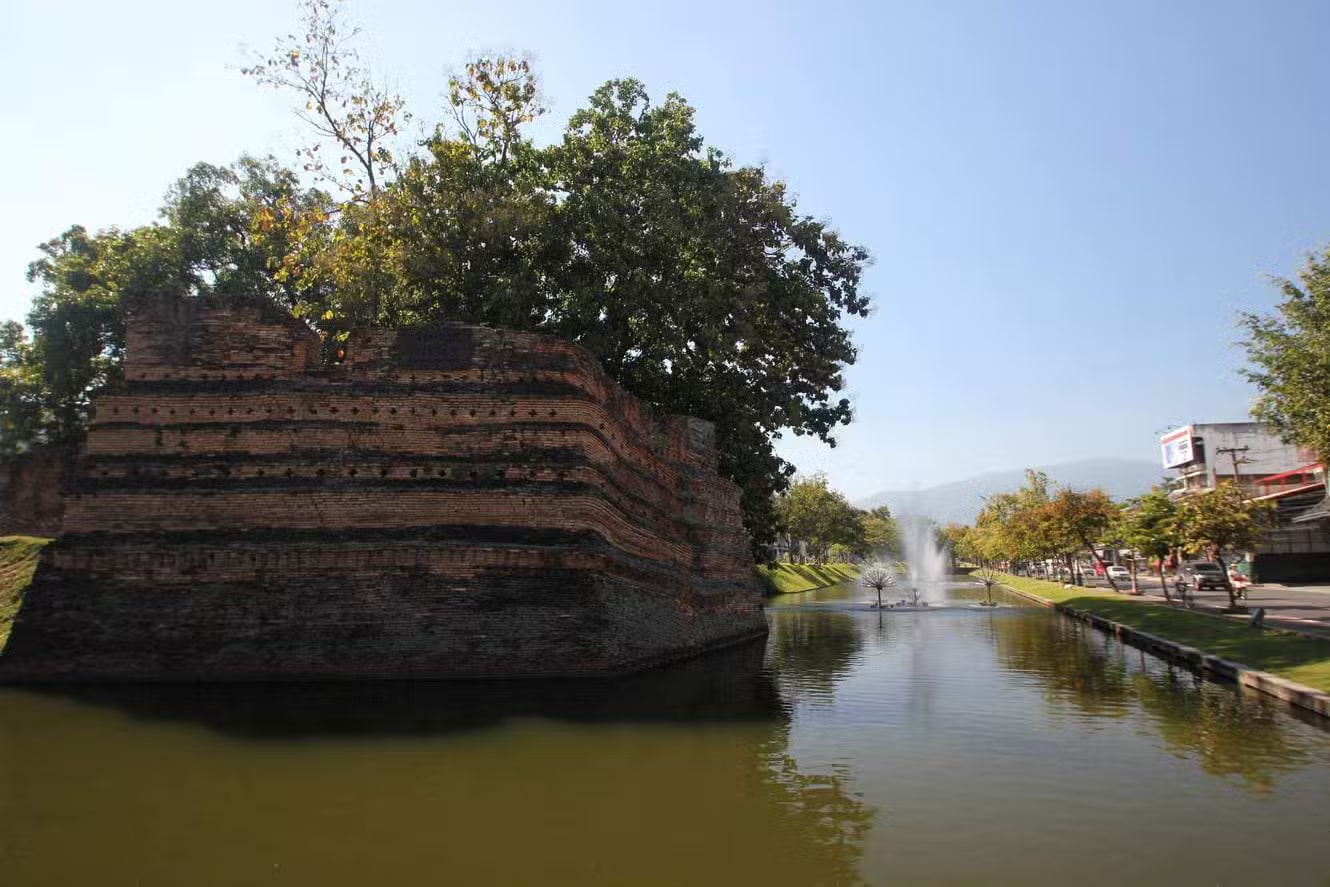
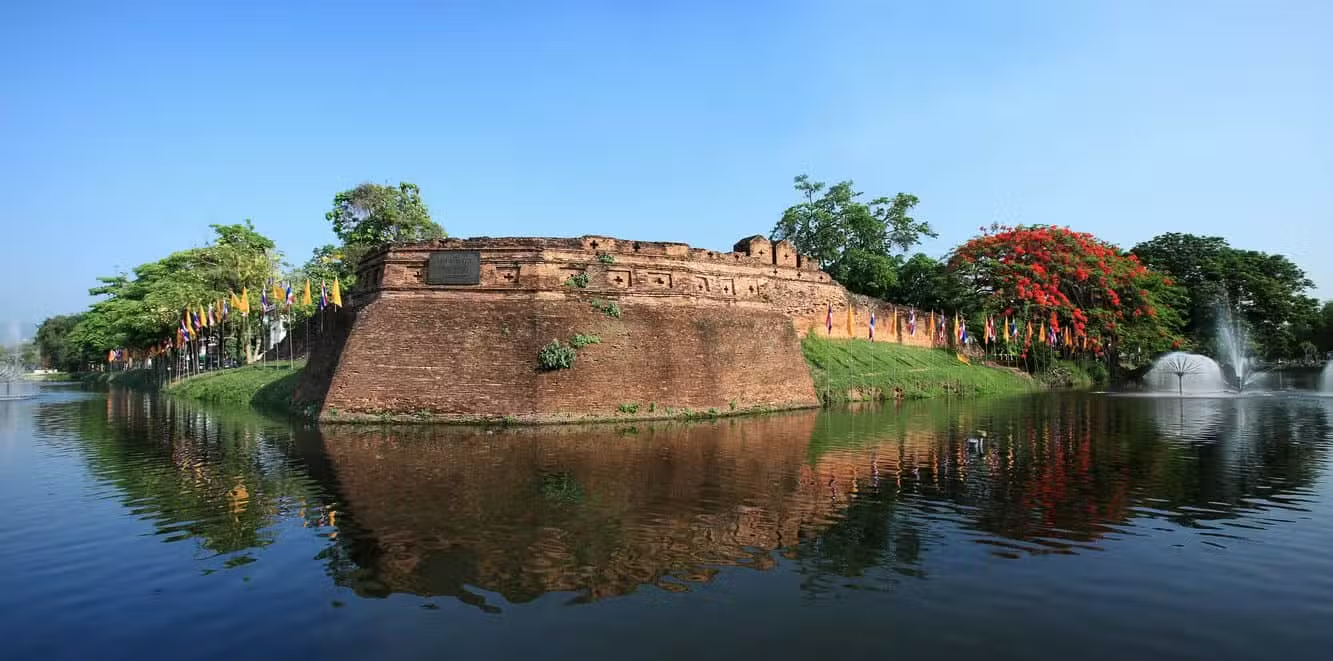
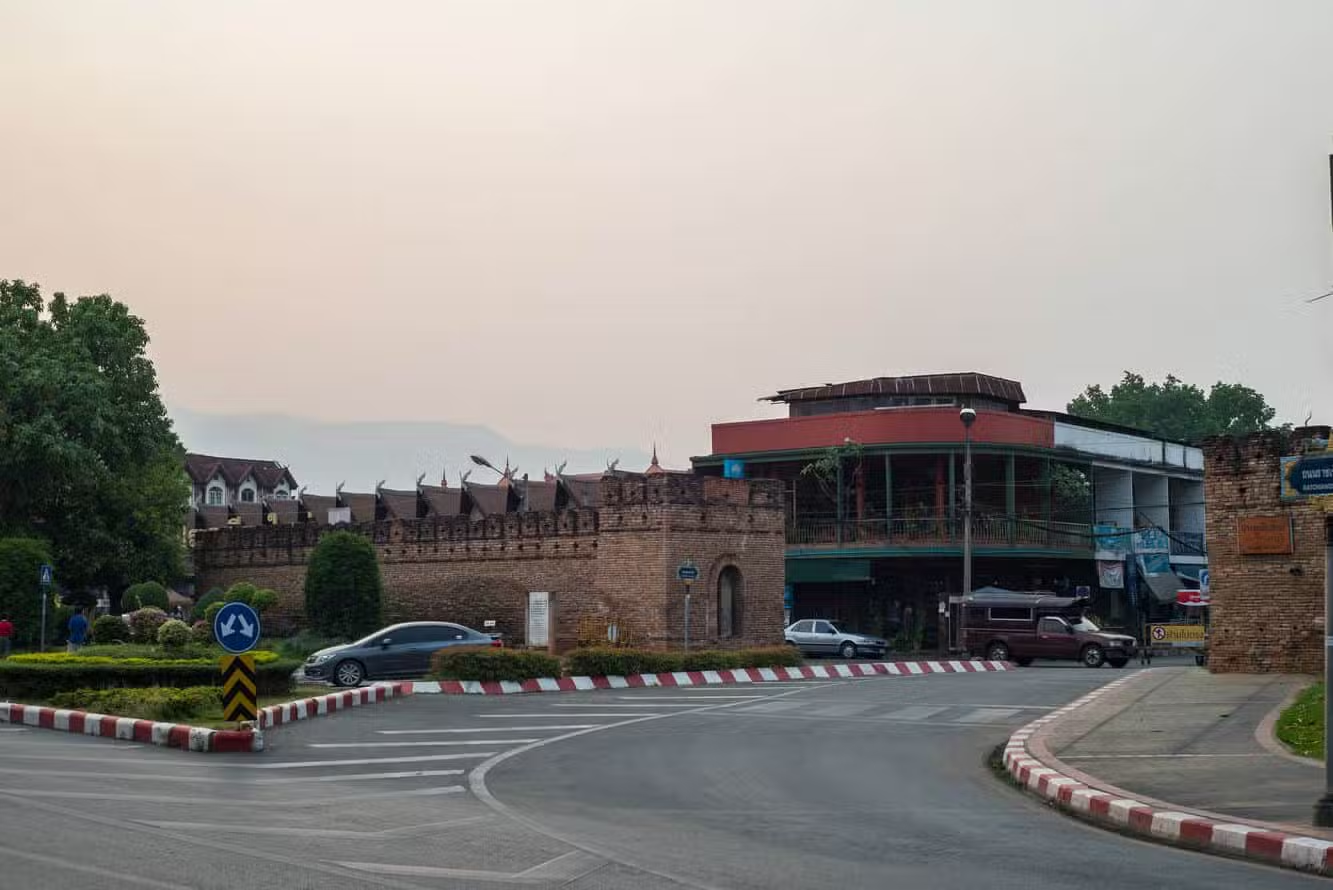
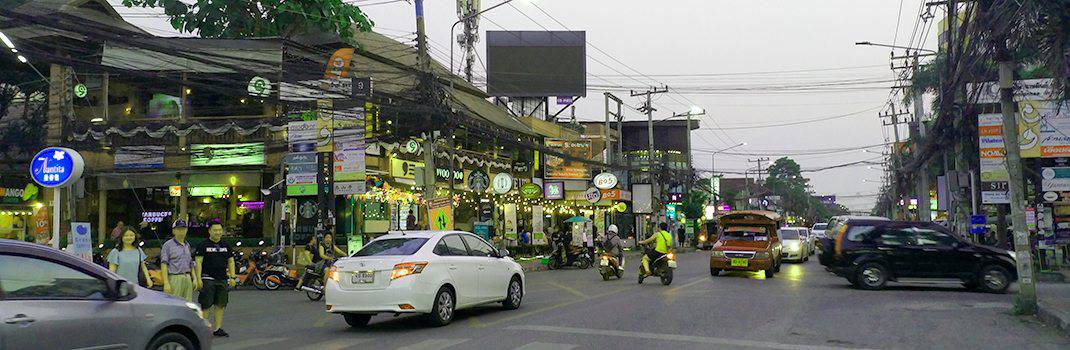
Tha Phae Gate is an obvious arrival landmark, while the lanes between main temples reveal cafés, houses and smaller religious sites. Choose a short route through the centre instead of walking all four sides of the moat for its own sake. At busy gates and crossings, watch traffic carefully and use the signalled pedestrian routes.
Wat Chiang Man and the northern lanes
Wat Chiang Man is a historic temple in the northern Old City and a useful alternative to repeating the busiest central stops. If you have extra time, take a short lane route from the Three Kings area, paying attention to crossings and temple etiquette. The northern streets offer a quieter meal or coffee pause before you return; check temple opening times and access on the day.
Three Kings Monument and the city museums
The central monument and nearby cultural museums can provide the historical background missing from a temple-only circuit. Choose a museum based on its current exhibits and opening day, then link it to Wat Chedi Luang or a nearby lunch stop. This is a manageable walking section; the river and Doi Suthep are separate trips.
A practical Chiang Mai Old City visit
Start near Tha Phae Gate, walk through the centre to Wat Chedi Luang, pause for lunch, then continue towards Wat Phra Singh. Add one museum or a quieter lane on the return. This gives you time for the major temple areas and avoids a long detour to Doi Suthep, which lies outside the Old City.
A shorter visit can focus on the gate, one temple and a meal. If you stay into the evening, check the actual day and route of any walking market and plan your return through busier streets.
Where to eat
A temple morning pairs naturally with breakfast or lunch inside the moat, where smaller streets offer northern Thai dishes, noodles and cafés without a long detour. Choose a meal near the next stop: the Tha Phae side suits an eastern start, while the Wat Phra Singh area is useful after a westward walk. Midday heat makes a seated break more valuable than squeezing in another temple.
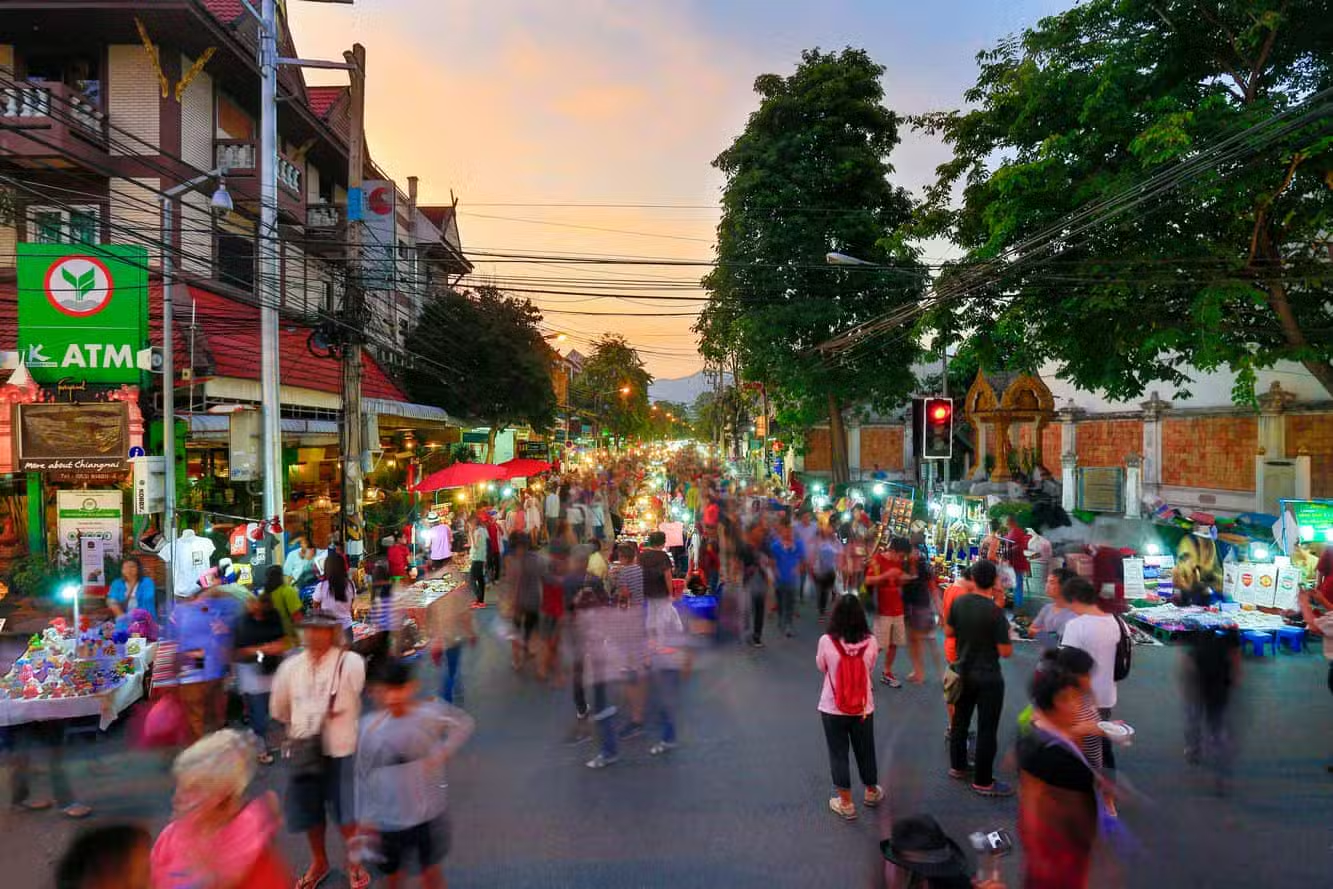
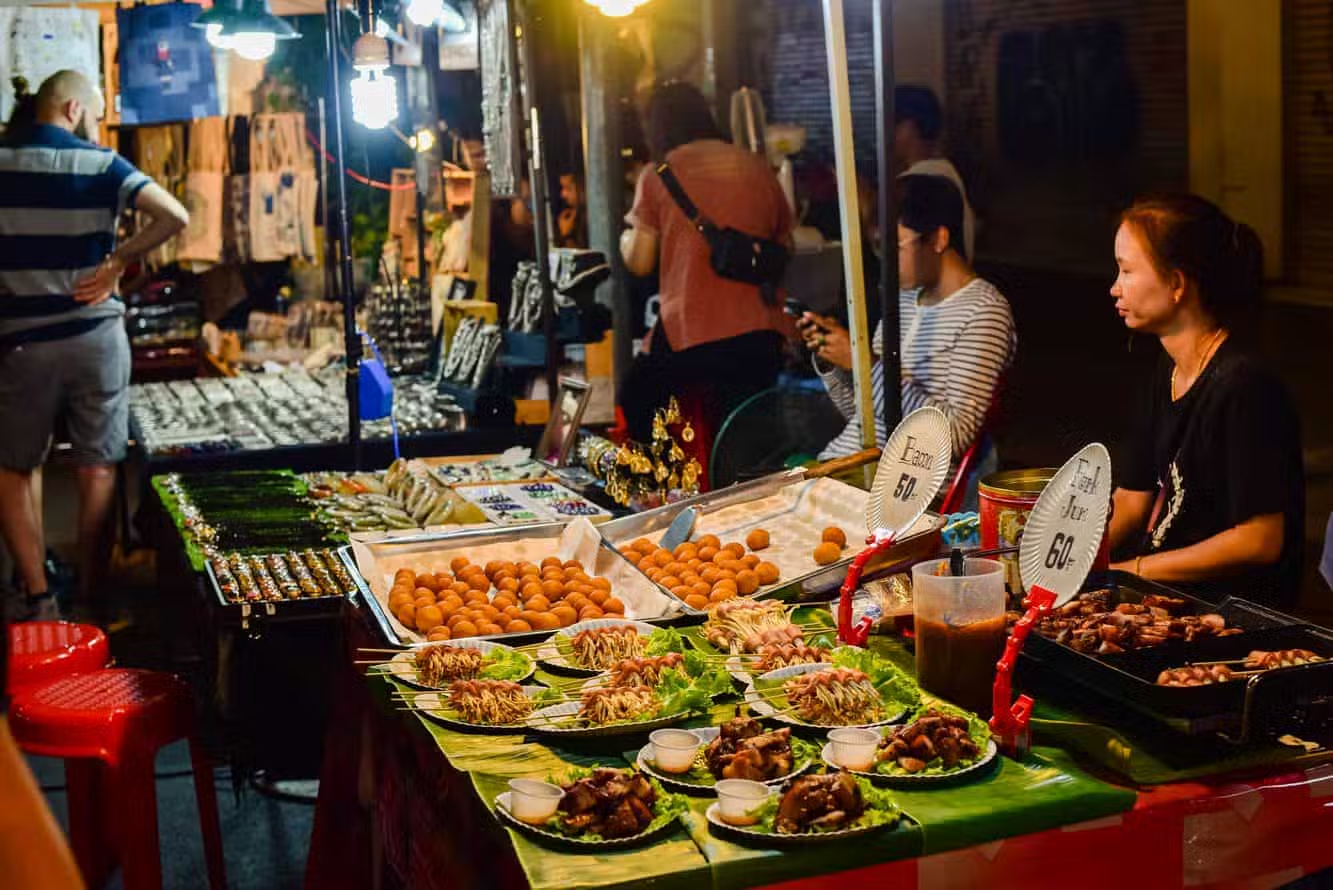
The Sunday walking market runs through part of the Old City when operating; check its current day, street layout and food choices rather than treating it as an everyday dinner option. Wualai’s Saturday market is south of the moat in Hai Ya and needs its own route. For an ordinary evening, book or choose a restaurant in a nearby lane and keep an alternative in mind if it is full.
Two different Old City meal ideas are SP Chicken for a straightforward grilled-chicken lunch around a temple walk and The House by Ginger for a more elaborate Thai dinner on the eastern side. Neither is essential to the route; check current trading, menu and reservations, and choose a nearby alternative if your temple visit runs long.
Where to stay
Stay near Tha Phae Gate if eastern access, arrivals and the Night Bazaar side of the city matter; choose central or western lanes for a quieter temple-focused routine. Compare the real hotel entrance with the sights you plan to walk to, rather than relying on an ‘Old City’ label that covers the entire moat. A property near a busy gate or market route can be convenient by day and noisy or difficult for a car to reach in the evening.
If you expect daily café visits in Nimmanhaemin or trips to the river, weigh those repeated transfers against the benefit of walking to Old City temples. Ask about steps, room position and vehicle pickup if mobility or luggage matters. A one-night Old City stay works well for sightseeing, but if you leave early for a bus or flight, book a reliable transfer from your exact lane.
Tamarind Village is a courtyard-style Old City hotel near the central temple and Sunday walking-street area. POR Thapae Gate is another named option near the eastern gate for guests who want that arrival point. Compare room access and street noise during market hours, along with the actual pickup location for your next excursion.
Getting to and around
The core temple route is best walked in sections, with water, sun protection and attention to uneven pavements and crossings. Tha Phae Gate, Wat Chedi Luang and Wat Phra Singh can form a clear east-to-west walk with lunch in the middle; a full lap of the moat adds distance without necessarily adding useful sights. Check entry and accessibility at each temple rather than assuming the entire circuit is step-free.
Use a vehicle for Doi Suthep, Nimmanhaemin, the airport and more distant markets. Market road closures can affect pickup, particularly around a Sunday walking-street visit, so agree on a nearby accessible meeting point and leave luggage time. A hotel inside the moat may have a narrow one-way approach; share its precise address with a driver.
Is Chiang Mai Old City Worth Visiting?
Yes. It offers the strongest introduction to Chiang Mai’s temple landscape and a good base for a few days, provided you plan wider excursions separately.
Chiang Mai Old City FAQs
Is Chiang Mai Old City walkable?
Yes, for a selected temple route with a meal break. The moat encloses a sizeable area, and heat, uneven paving and busy crossings make a complete perimeter walk less useful than a shorter route through the centre.
Which temples should I prioritise?
Wat Chedi Luang and Wat Phra Singh give you two distinct major sites on a central-to-western walk. Add Wat Chiang Man or a museum only if you have time to see it properly.
Is Doi Suthep in the Old City?
No. Wat Phra That Doi Suthep is on the mountain west of the city and needs road transport and a return plan. Give it a separate half-day rather than adding it to a temple walk.
Is the walking street market held every day?
No. The Sunday Walking Street depends on its operating day and route; Wualai Saturday market is south of the moat in Hai Ya. Choose a normal restaurant dinner when neither market fits your visit.
How much time should I allow for the Old City?
Allow a half-day for two major temples and lunch, or a full day if you want a museum, quieter lanes and an unhurried evening. Keep Doi Suthep for another outing.
Can I enter every temple building?
No. These are active religious sites, and individual halls may have different access or photography rules. Follow current signs and dress respectfully.






Do You Have a Question to Ask?