





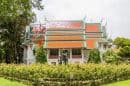



























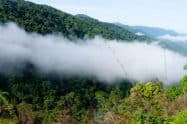










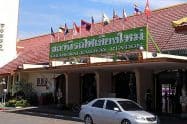


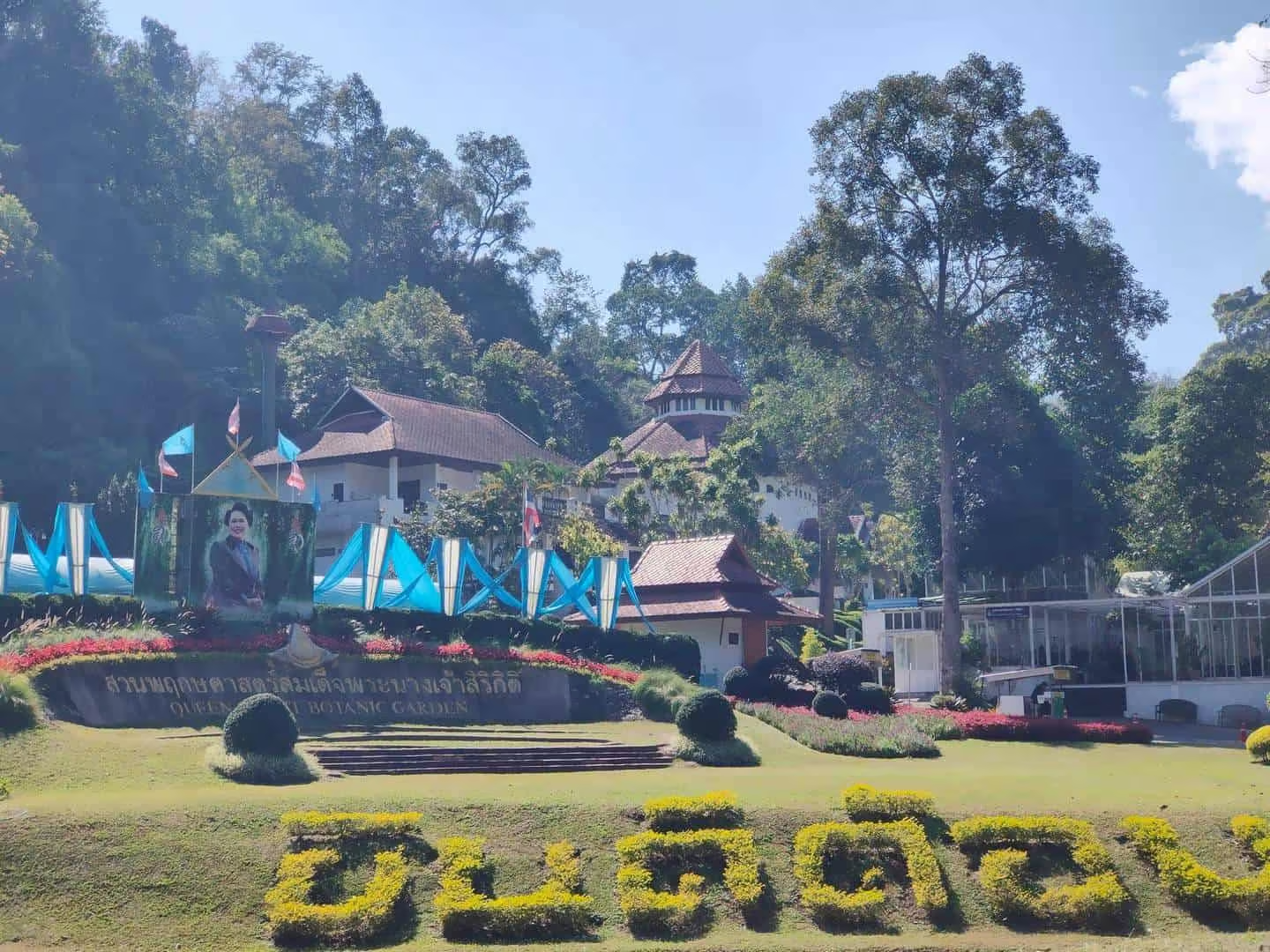
Queen Sirikit Botanical Garden is Thailand’s first major botanical garden and one of the best nature-based day trips from Chiang Mai. Spread across a mountainous site in Mae Rim, it combines scientific plant collections with landscaped gardens, forest trails, a glasshouse complex and a canopy walkway.
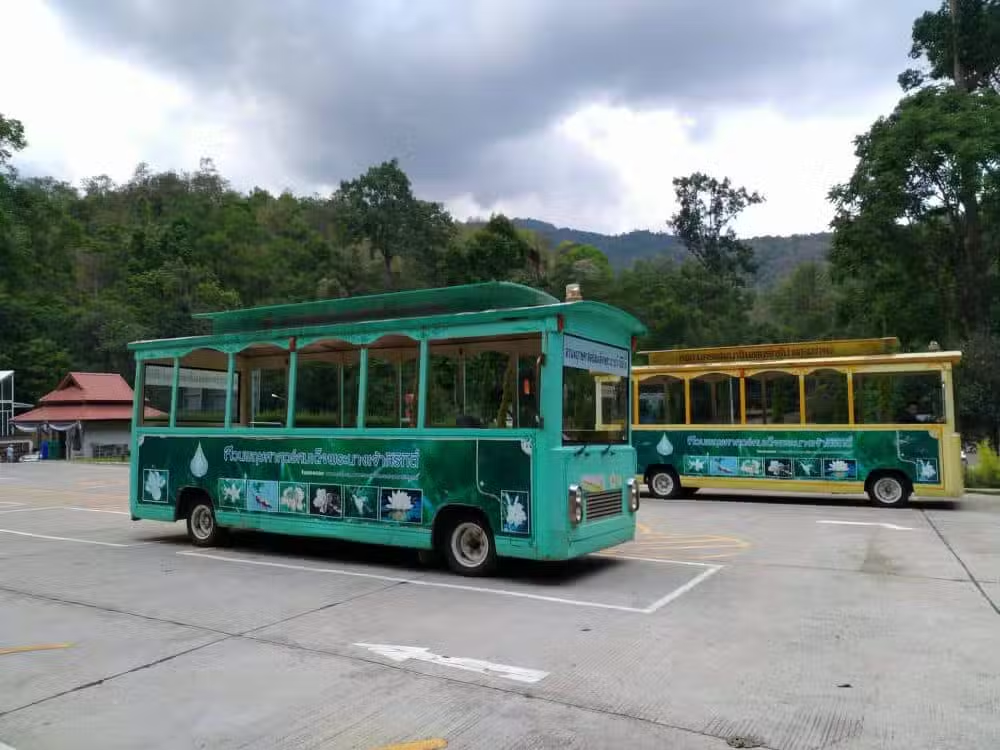
The large, hilly grounds reward at least half a day. Visitors with their own vehicle can move between distant zones, while an internal shuttle may operate for an additional fee.
Glasshouse Complex
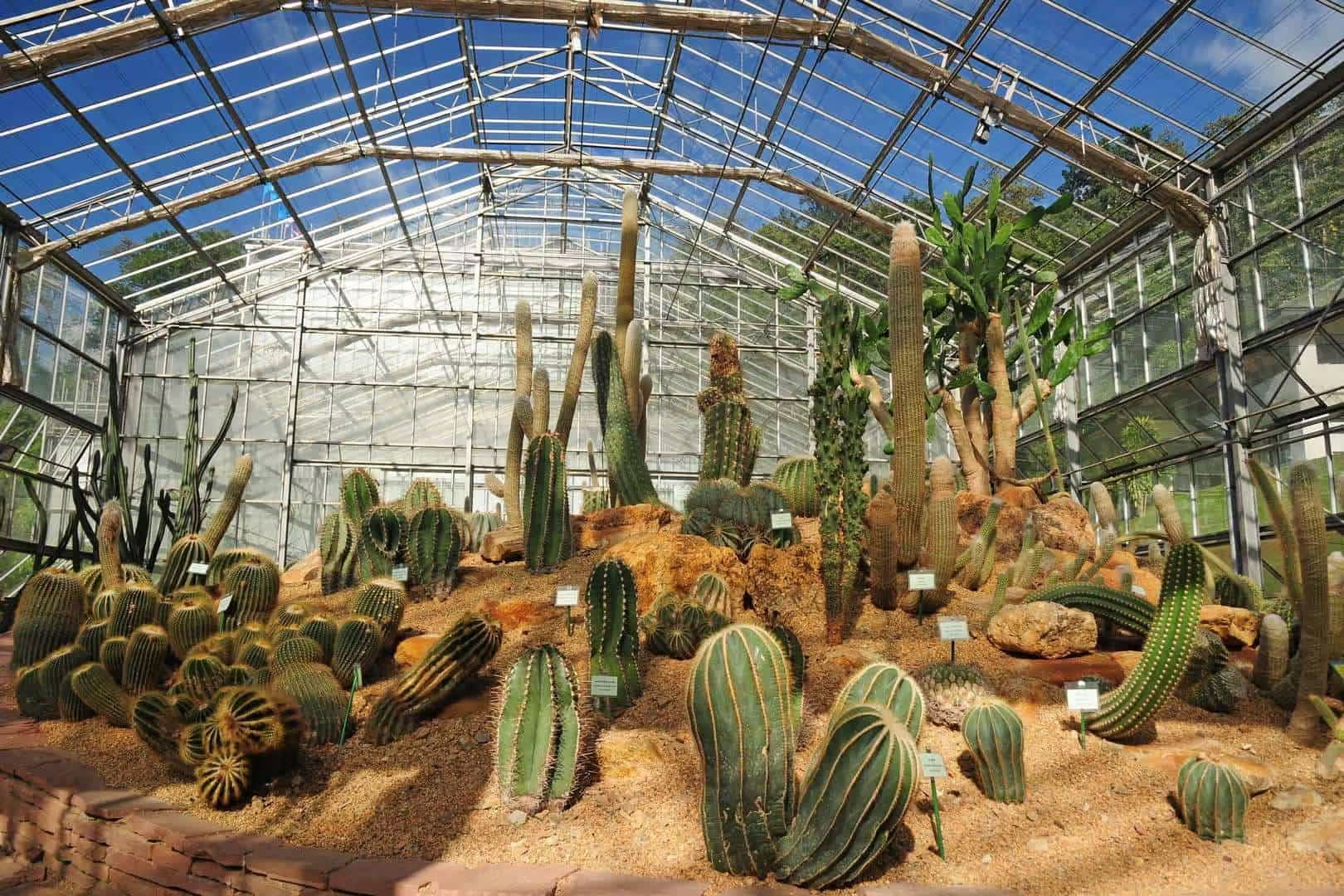
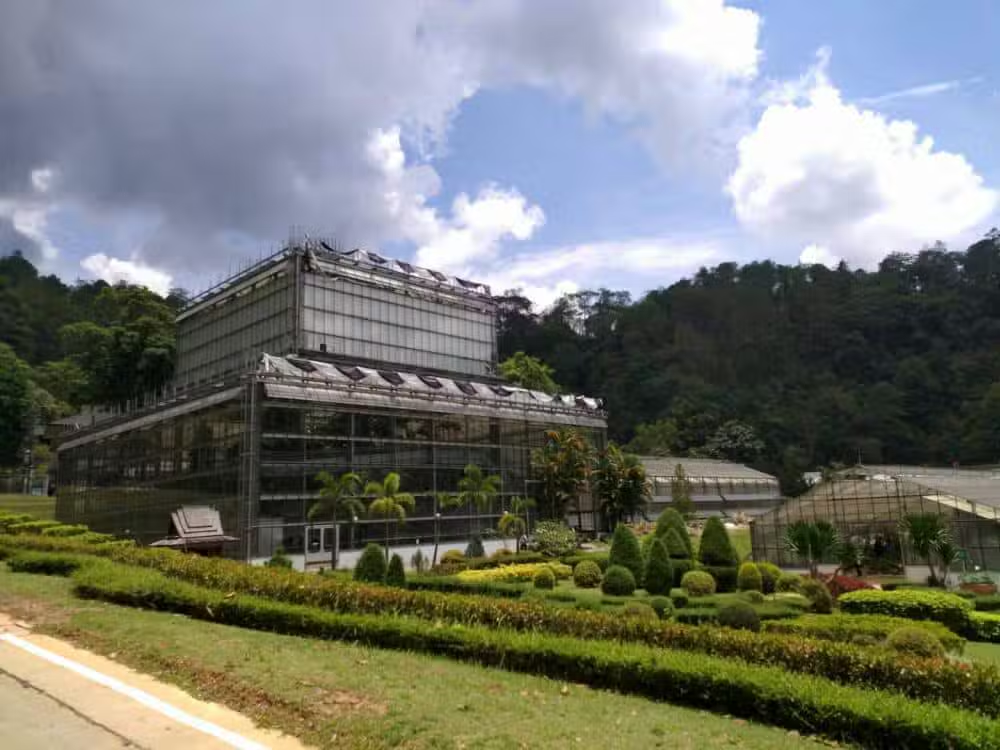
The hilltop glasshouses are among the garden’s main attractions. Separate houses recreate humid rainforest, arid and other specialised environments, displaying orchids, ferns, palms, aquatic plants, cacti and succulents. Interpretive signs introduce plant families and conservation work.
Conditions vary sharply between houses, so expect warmth and humidity even when the mountain air outside feels cool. The complex is a useful shelter during brief showers, although storms may affect other attractions.
Canopy Walkway
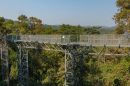
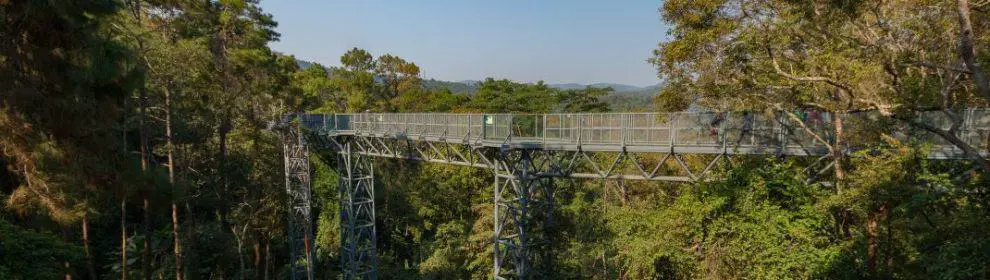
A long elevated walkway carries visitors through and above the forest canopy. Sections include glass viewing panels and open views across the Mae Rim hills. Visitors uncomfortable with heights can use the conventional deck sections or skip the walkway.
Access may close temporarily during heavy rain, wind or maintenance. Wear shoes with reliable grip and supervise children closely.
Gardens, Trails and Plant Collections
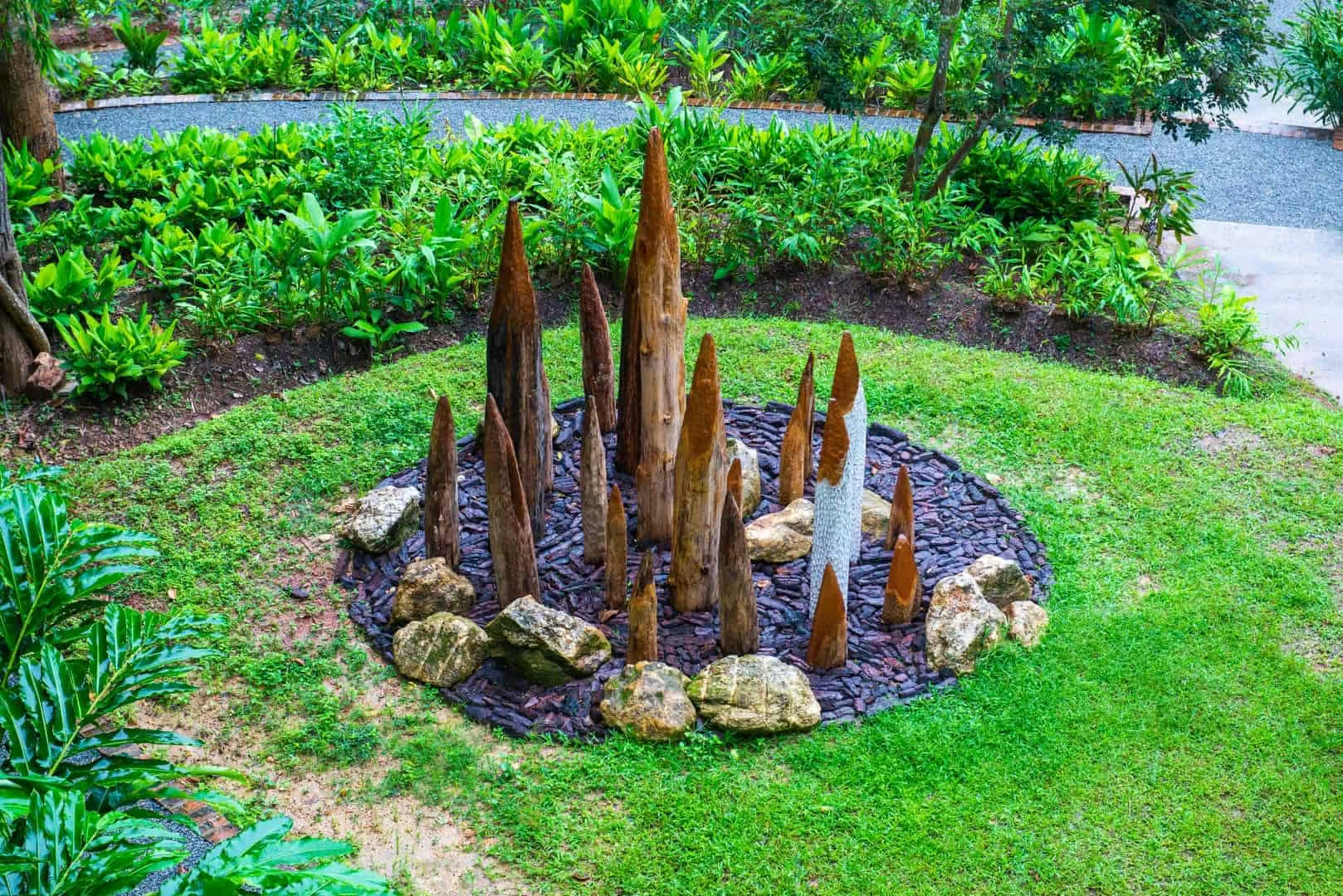
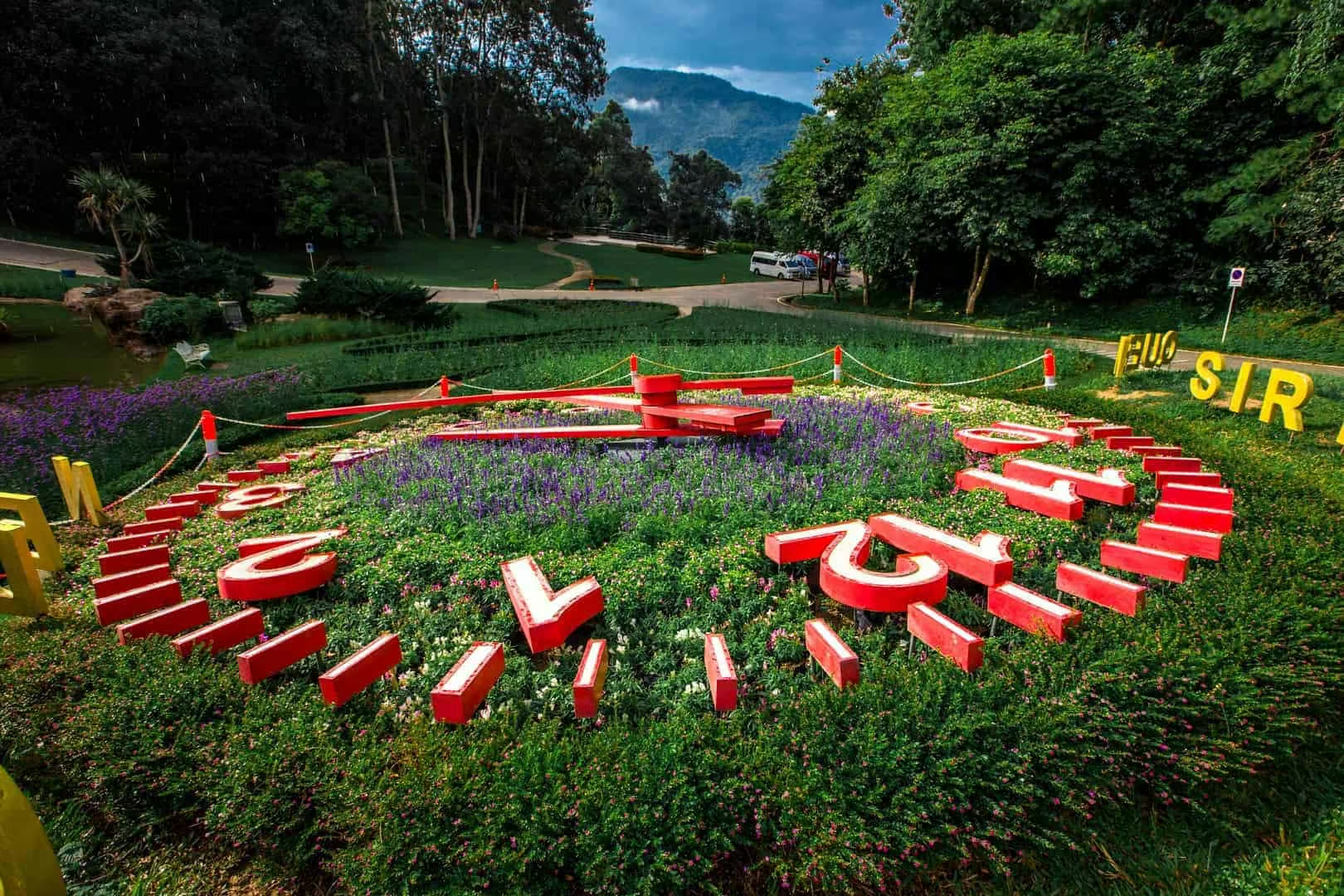
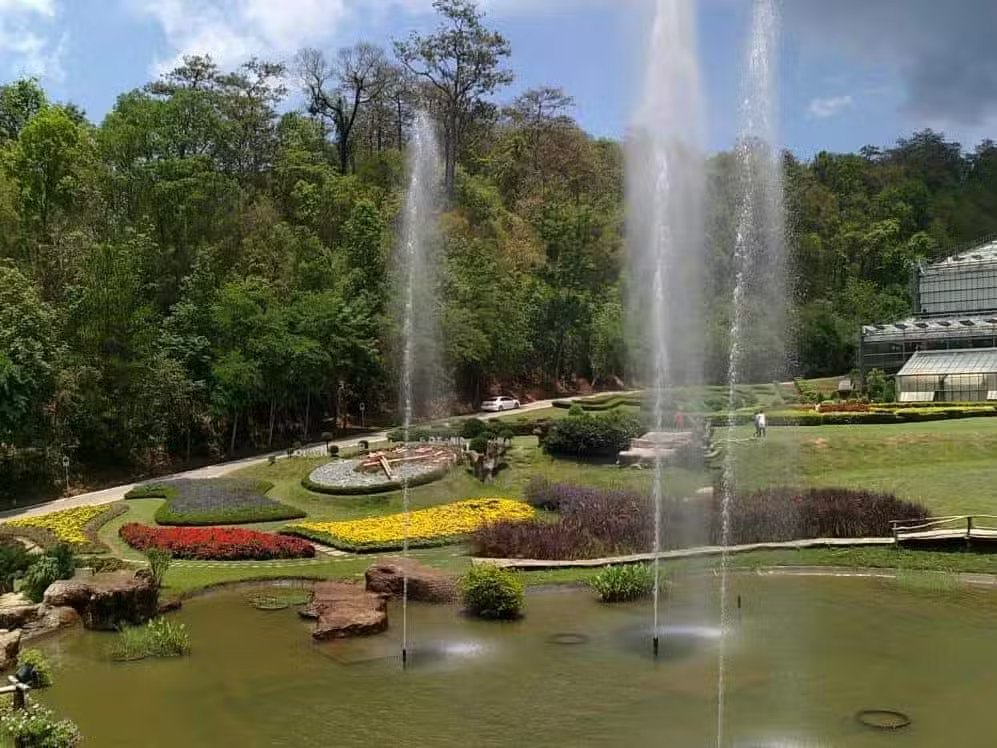
The grounds include collections devoted to bananas, palms, climbers, medicinal plants and native species, together with natural forest and seasonal displays. Waterfalls and walking trails may be accessible depending on weather and maintenance conditions.
Distances and slopes are easy to underestimate. Select a few priority areas rather than trying to walk the entire property in one visit. Bring drinking water, sun protection and rain protection in the wet season.
Best Time to Visit
November to February provides the most comfortable walking weather and often the best flowering displays. Arrive near opening for cooler conditions and fewer groups. The rainy season produces lush vegetation but also slippery paths and sudden downpours.
Allow three to five hours. Visitors interested in botany or photography can comfortably spend most of a day.
Accessibility and Facilities
Some principal attractions are accessible by road and have nearby parking, but the garden’s mountain terrain includes steep paths, stairs, and uneven surfaces. Ask staff about current shuttle operation and the most accessible route on arrival.
Toilets, parking, food and drink are available in designated parts of the grounds. Carry cash because small fees and local services may not accept cards.
Queen Sirikit Botanical Garden Visitor Information
Best for
Botany, families, forest scenery, glasshouses and a half-day Mae Rim excursion.
Recommended visit
Three to five hours.
Terrain
Large, steep and spread across multiple zones.
Practical transport
Private vehicle, hired driver or internal shuttle when operating.
History and Scientific Role
The garden opened in the early 1990s and became Thailand’s first major botanical institution. It operates under the Botanical Garden Organisation, combining public recreation with plant research, conservation and education.
Collections extend beyond decorative gardening. They document native and international species, habitat requirements and uses while supporting conservation of threatened plants.
Glasshouse Zones
The main complex contains separate environments devoted to rainforest plants, orchids, aquatic species, cacti and succulents. Moving between humid and arid houses demonstrates how dramatically plant adaptations differ.
Not every display or house is guaranteed to be open. Maintenance, seasonal planting and special exhibitions can alter the route.
Canopy Walkway Experience
The elevated walkway extends for roughly 400 metres through the forest, reaching heights of around 20 metres. Lookouts provide views over the Mae Rim mountains, while glass-floor sections create a stronger sense of height.
The walkway can close during high winds, thunderstorms or maintenance. Visitors who dislike heights can use surrounding ground-level areas without missing the glasshouses.
Walking Trails and Waterfalls
Natural trails and garden roads connect forest, streams and specialised plant collections. Conditions change substantially between the dry and wet seasons, with slippery surfaces and leeches possible on less developed trails.
Ask staff which trails are open and suitable for your time. The garden is too large to assume you can walk every labelled zone comfortably in one visit.
Visiting with Children
The canopy walkway and unusual glasshouses appeal to families, but steep terrain and long distances can tire young children. Use the shuttle or drive between zones where permitted.
Keep children close on elevated paths and beside roads. Bring food, water and weather protection rather than relying on a facility being open at every stop.
Combining Mae Rim Attractions
The garden lies on the Mae Rim–Samoeng route near waterfalls, farms and other visitor attractions. Select one additional stop rather than building an overloaded checklist.
Traffic returning to Chiang Mai can become slow in late afternoon, particularly on weekends and holidays.
Glasshouse Complex and Living Collections
The glasshouse complex is the botanical centrepiece, with separate environments for rainforest plants, arid species, orchids, aquatic plants and other specialist collections. Because the garden climbs a mountain slope, these conservatories are only one part of a much larger living collection that includes banana plantings, an arboretum, nursery areas and native forest.
The Canopy Walkway rises through the forest canopy and provides elevated views, but it can close in storms or high winds. Mae Sa Noi Waterfall, Giant Pill Millipede Trail and longer arboretum routes require suitable footwear and more time than the main glasshouse circuit.
Getting Around the Mountain Site
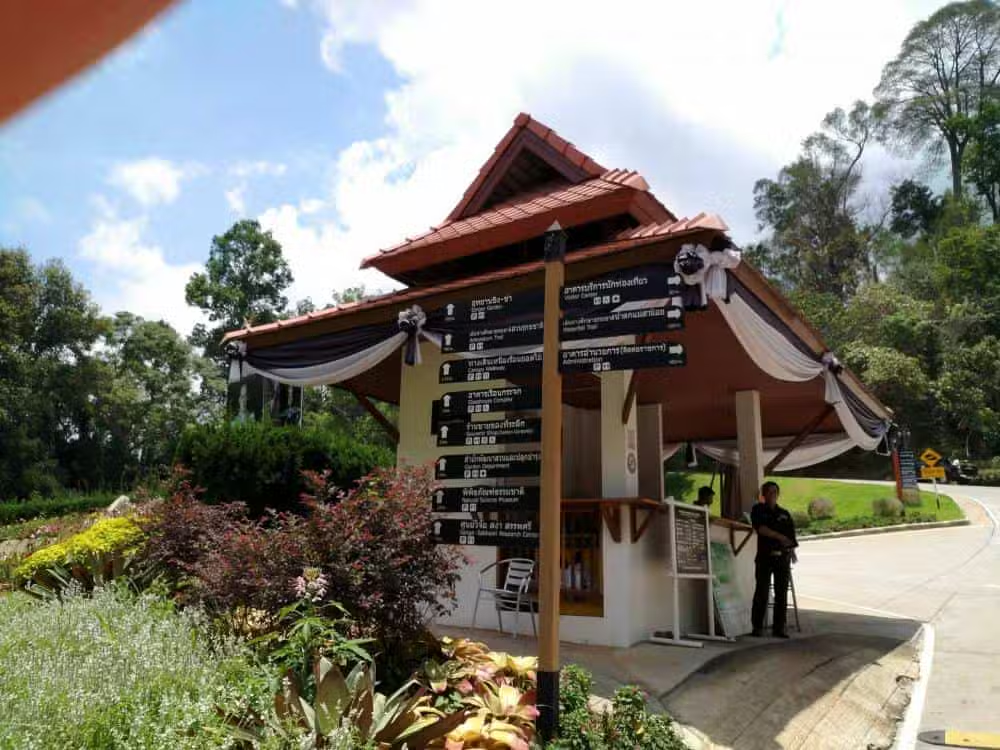
The garden is too large and steep for most visitors to cover entirely on foot. Private vehicles, internal transport and strategic drop-offs are part of a realistic visit. Decide whether the priority is glasshouses, canopy walk, trails or photography before ascending, then work downhill where possible.
Allow at least three hours, and closer to a full day for trails and specialist plant collections. Food, water and rain protection are important because facilities are spread across the property.
Queen Sirikit Botanical Garden FAQs
What are the garden’s highlights?
The glasshouse complex, canopy walkway and extensive tropical plant collections are the main attractions.
How long should visitors allow?
Allow at least three hours; half a day is more comfortable.
Can the whole garden be explored on foot?
It is possible for fit visitors, but the grounds are extensive and steep. Driving between zones or using the internal shuttle is easier.
Is the canopy walkway included?
It is normally included with admission, but access can change because of weather or maintenance.
Is the garden suitable for children?
Yes, although adults should supervise children on steep paths and the elevated walkway.
How much is admission?
Current published rates are approximately 100 THB for foreign adults and 50 THB for foreign children, with lower rates for Thai visitors.
How long is the canopy walkway?
It extends for roughly 400 metres and reaches around 20 metres above the forest.
Does the garden have a shuttle?
An internal shuttle may operate for an additional fee. Confirm the route and schedule when you arrive.
Is the garden wheelchair accessible?
Some main attractions are reachable by road, but steep terrain and steps limit complete access.
What should visitors bring?
Bring water, sun and rain protection, insect repellent and shoes suited to slopes.
Getting to Queen Sirikit Botanical Garden
From Chiang Mai
The garden is in Mae Rim, approximately 30 kilometres northwest of central Chiang Mai. Allow around 45 to 60 minutes depending on traffic.
Taxi or private driver
A return booking with waiting time is the simplest option for visitors without a vehicle. Confirm the total fare and pickup arrangements.
Driving
Follow Route 107 towards Mae Rim, then Route 1096 towards Samoeng. The garden entrance is on the Mae Rim–Samoeng road.
From Chiang Mai Airport
A direct taxi takes roughly 45 to 75 minutes depending on traffic. Agree on waiting or return arrangements.
Organised tour
Private Mae Rim tours can include the garden. Confirm how much independent time is provided.









Do You Have a Question to Ask?