



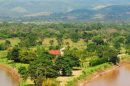











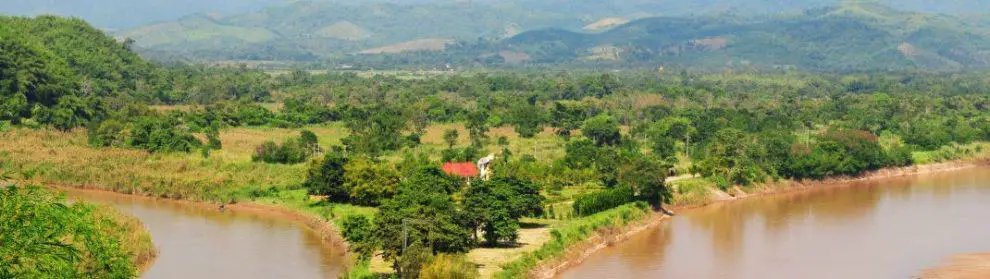
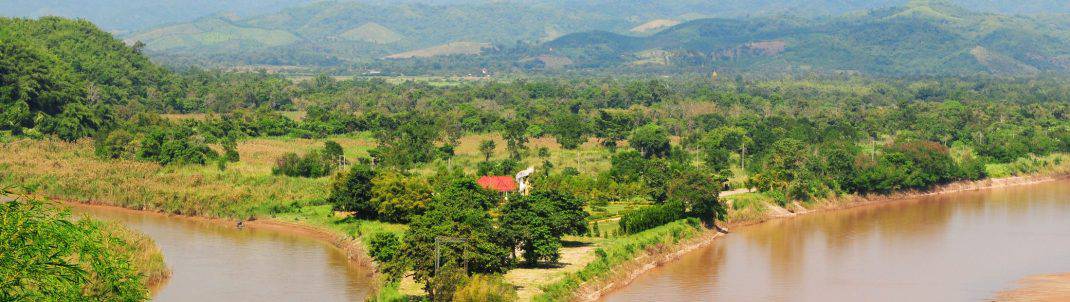
The Golden Triangle is the historic border region where northern Thailand meets Laos and Myanmar. For visitors, its most accessible focal point is Sop Ruak, a riverside village in Chiang Saen District where the Ruak River flows into the Mekong.
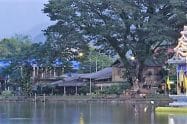
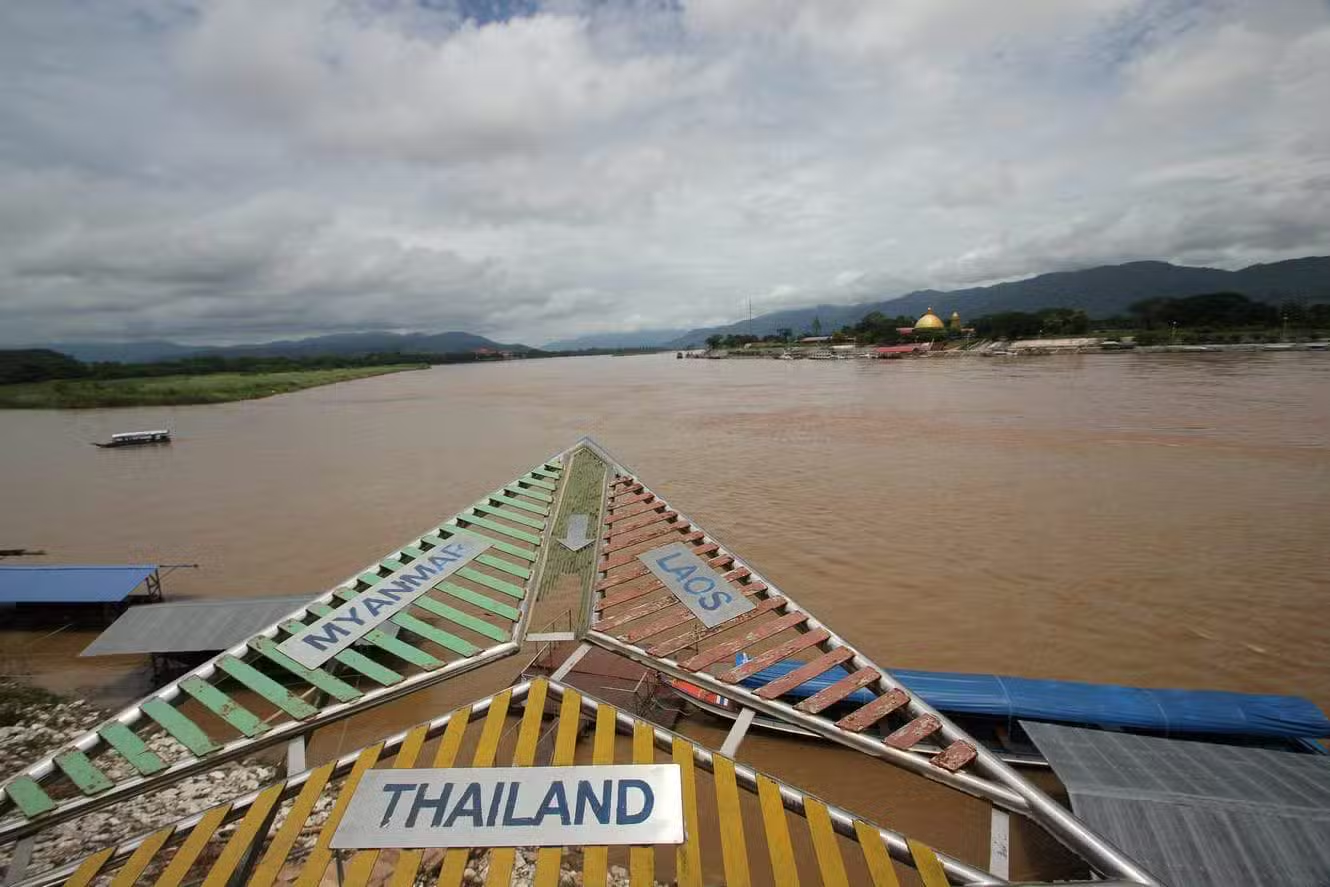
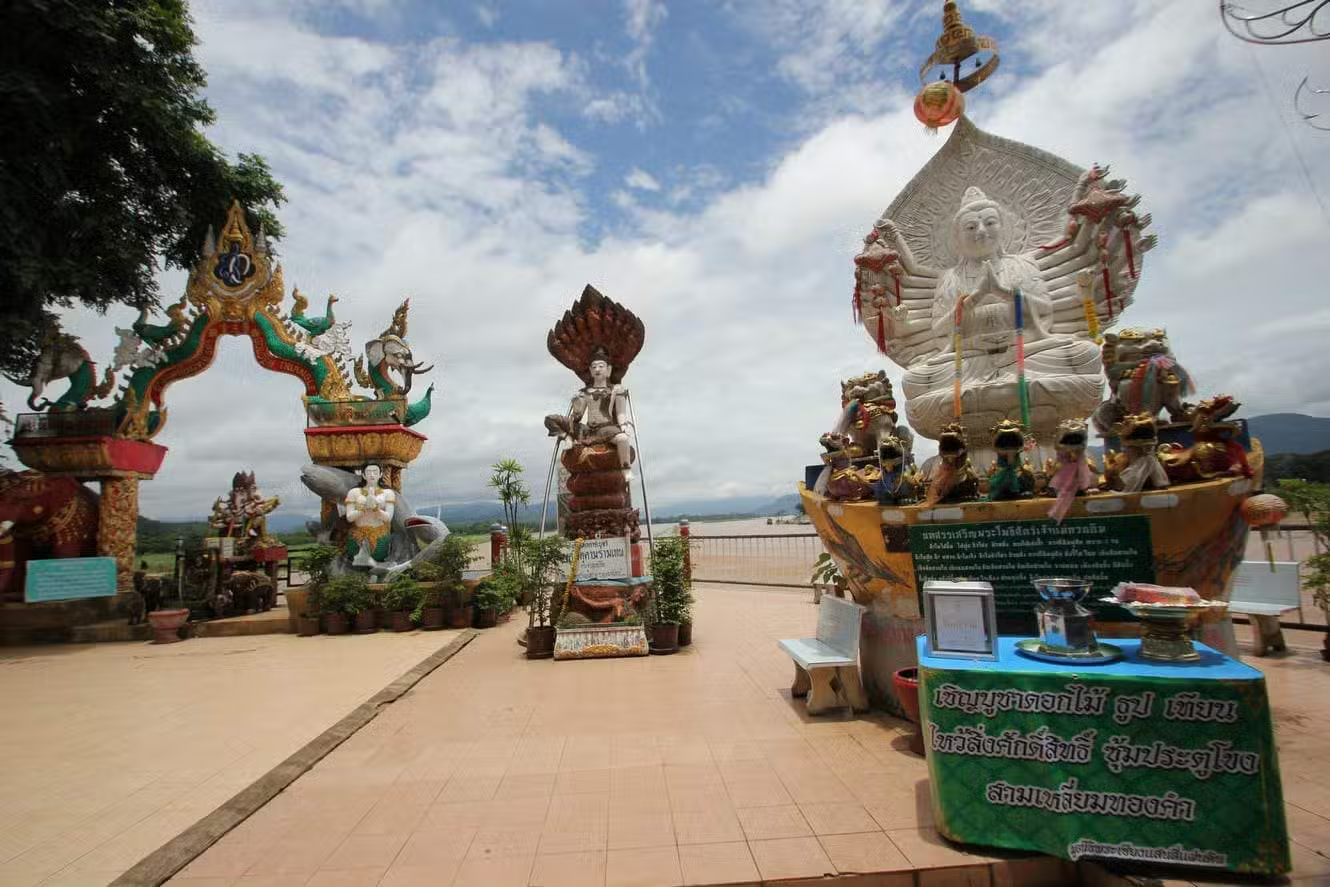
From the Thai riverbank, visitors can look across the water towards Laos and Myanmar, photograph the Golden Triangle markers and watch passenger boats travelling along the Mekong. The village also contains temples, monuments, restaurants, souvenir shops and two museums examining the opium trade that once shaped the wider region.
Sop Ruak is approximately 60 kilometres from Chiang Rai and ten kilometres north of Chiang Saen. It is much farther from Chiang Mai, making Chiang Rai the more practical base for an independent visit.
What to See at the Golden Triangle
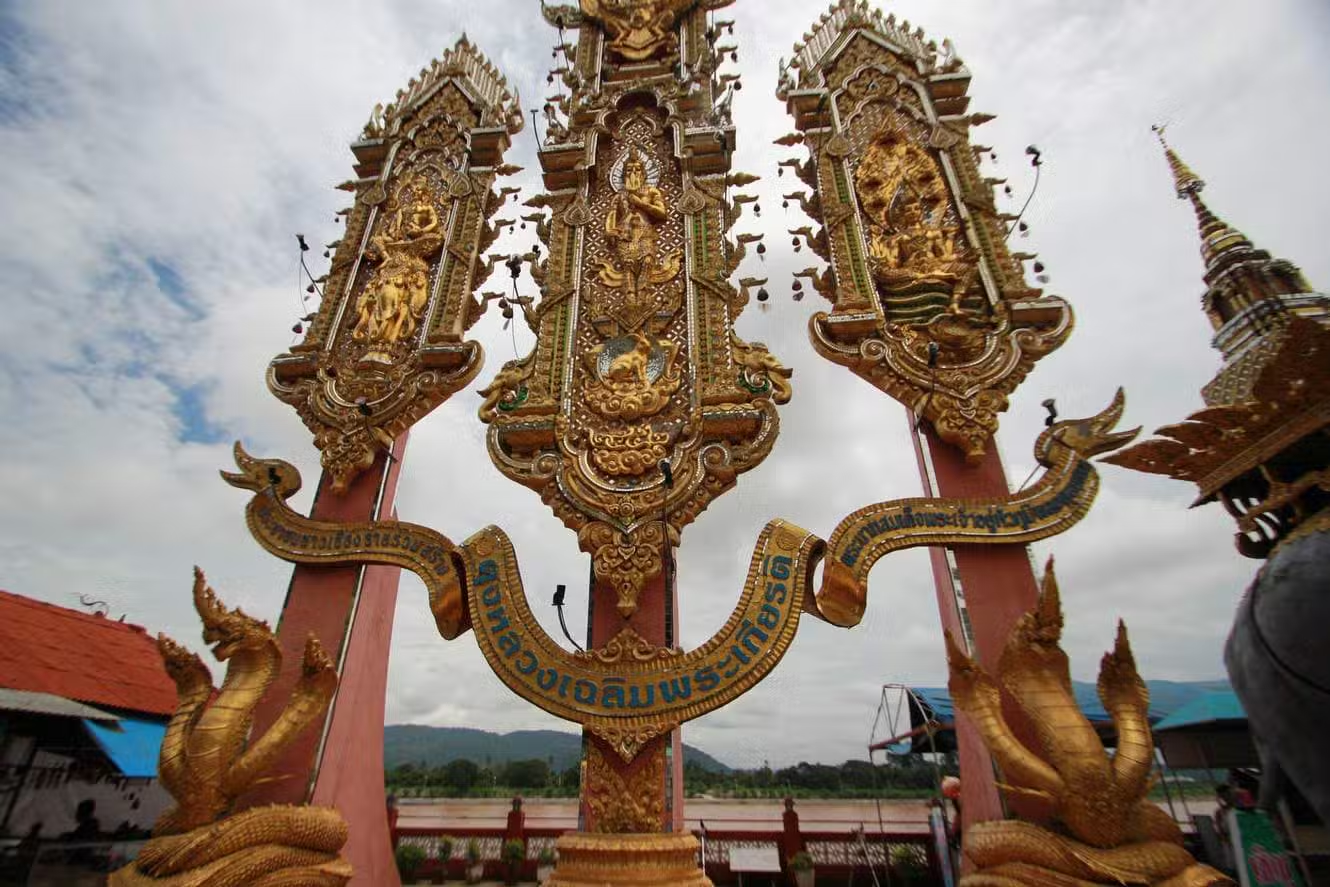
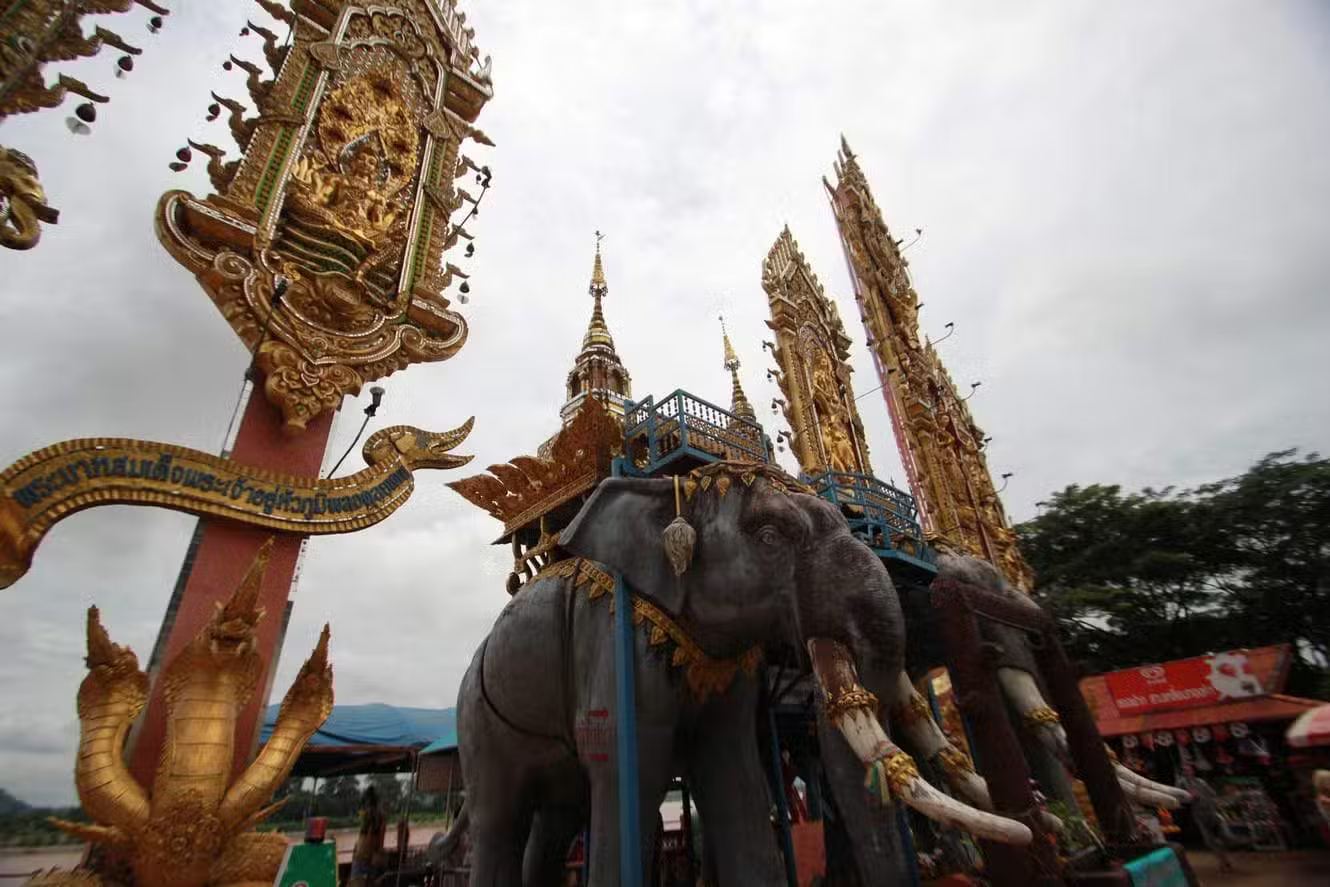
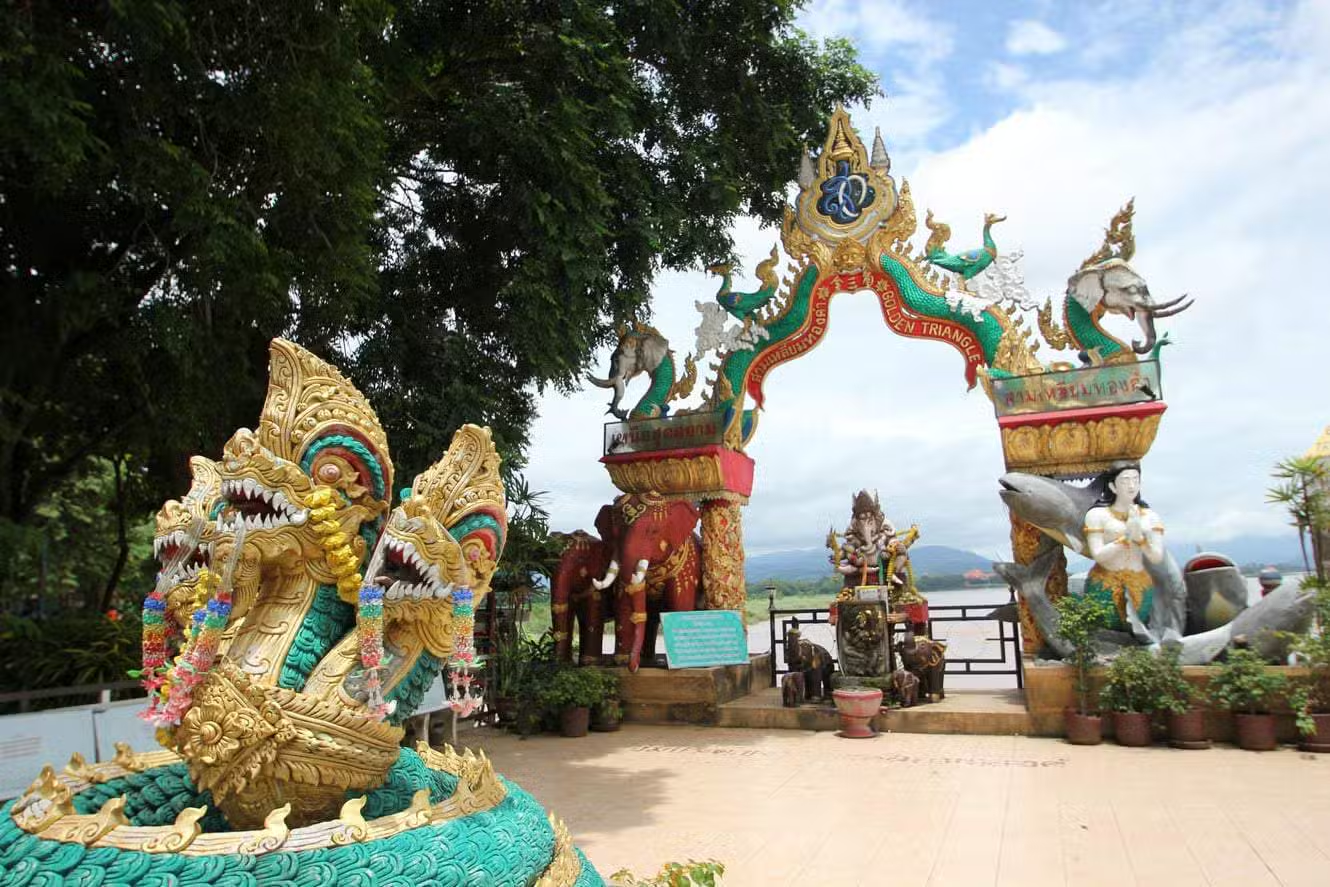
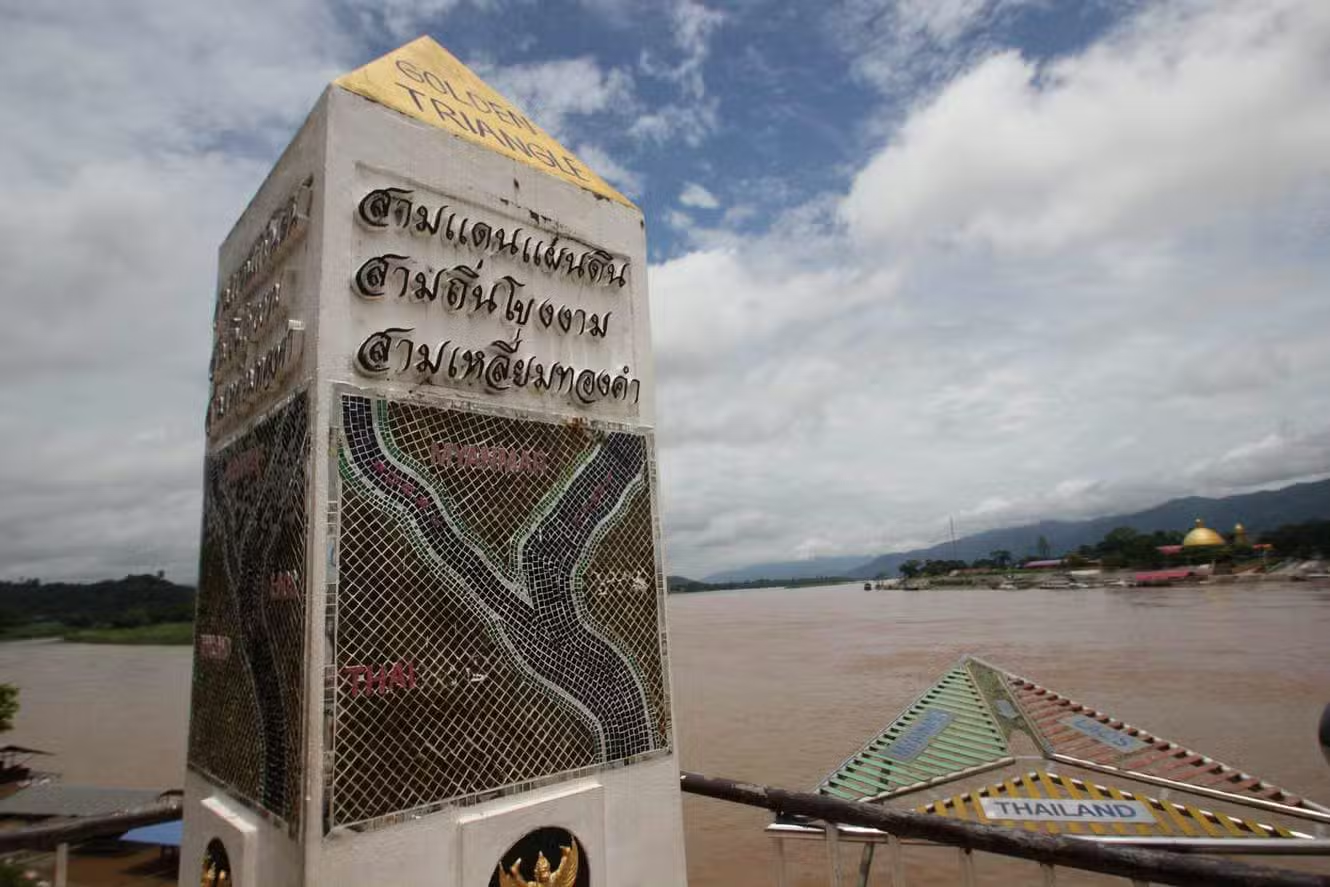
The main riverside area has several signs and monuments marking where the three countries meet. The borders meet in the waterways rather than at a single point where visitors can stand in all three countries simultaneously.
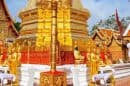
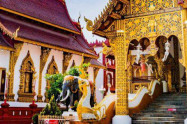
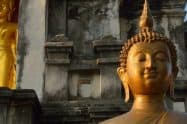
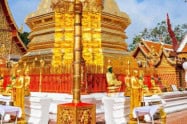
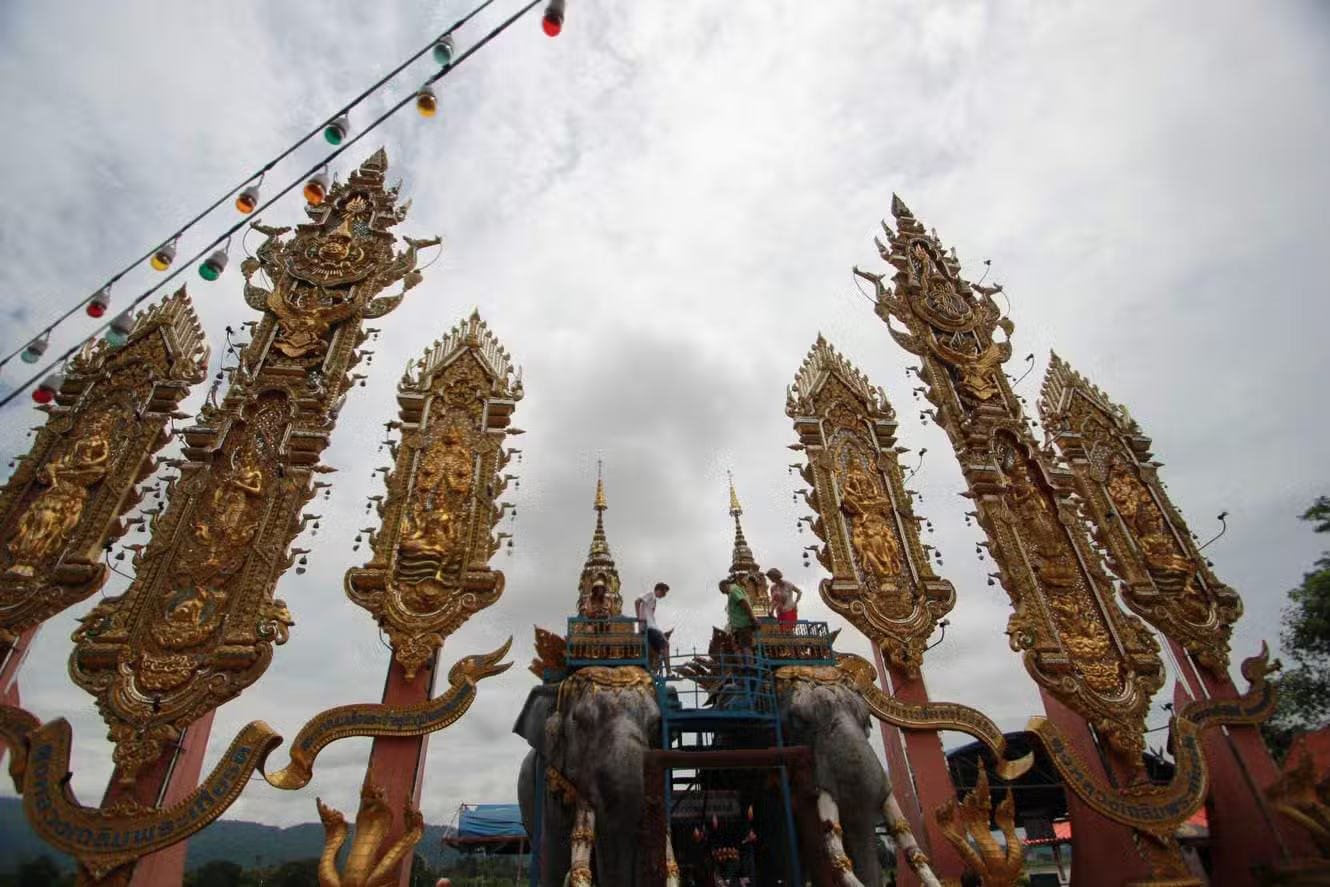
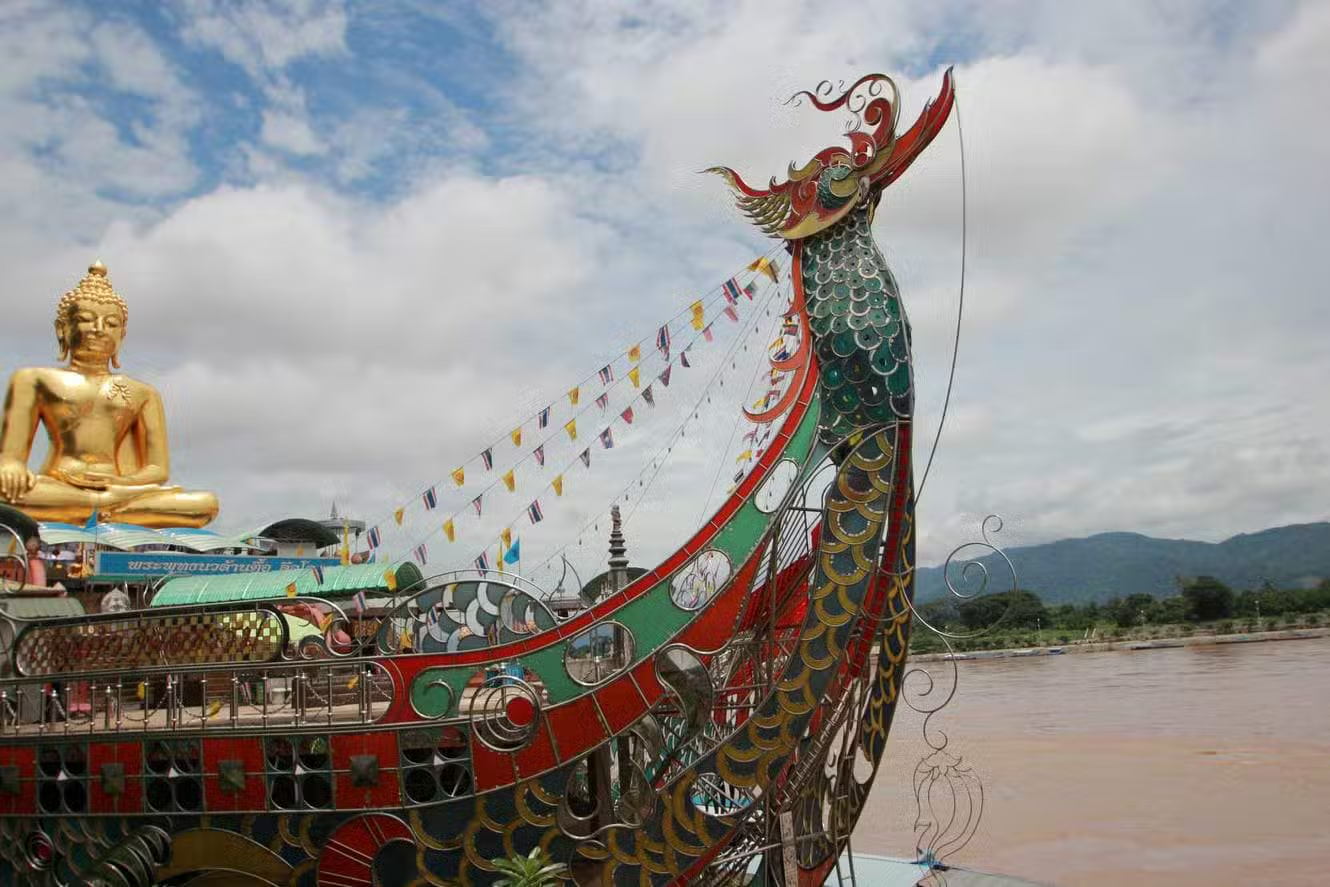
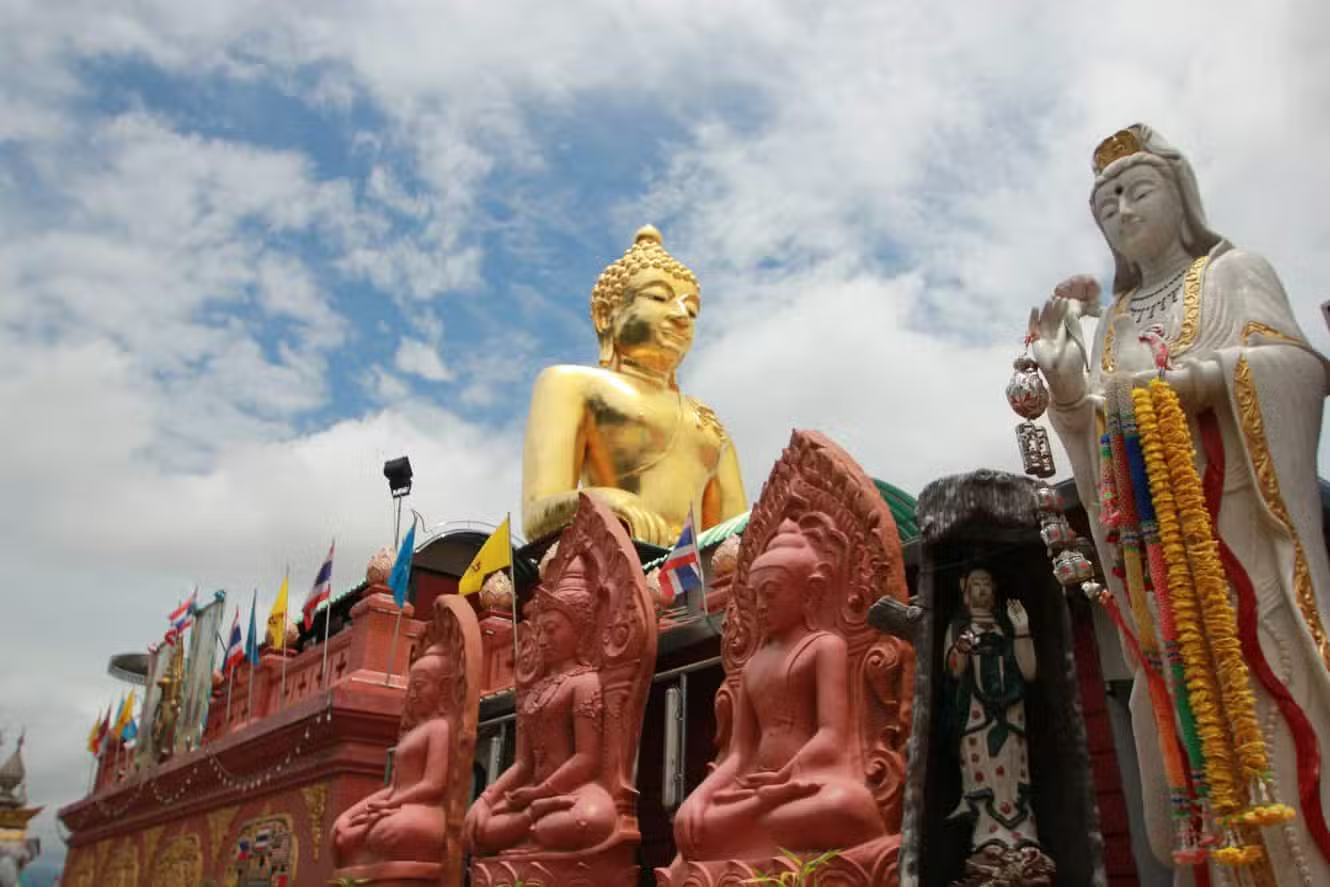
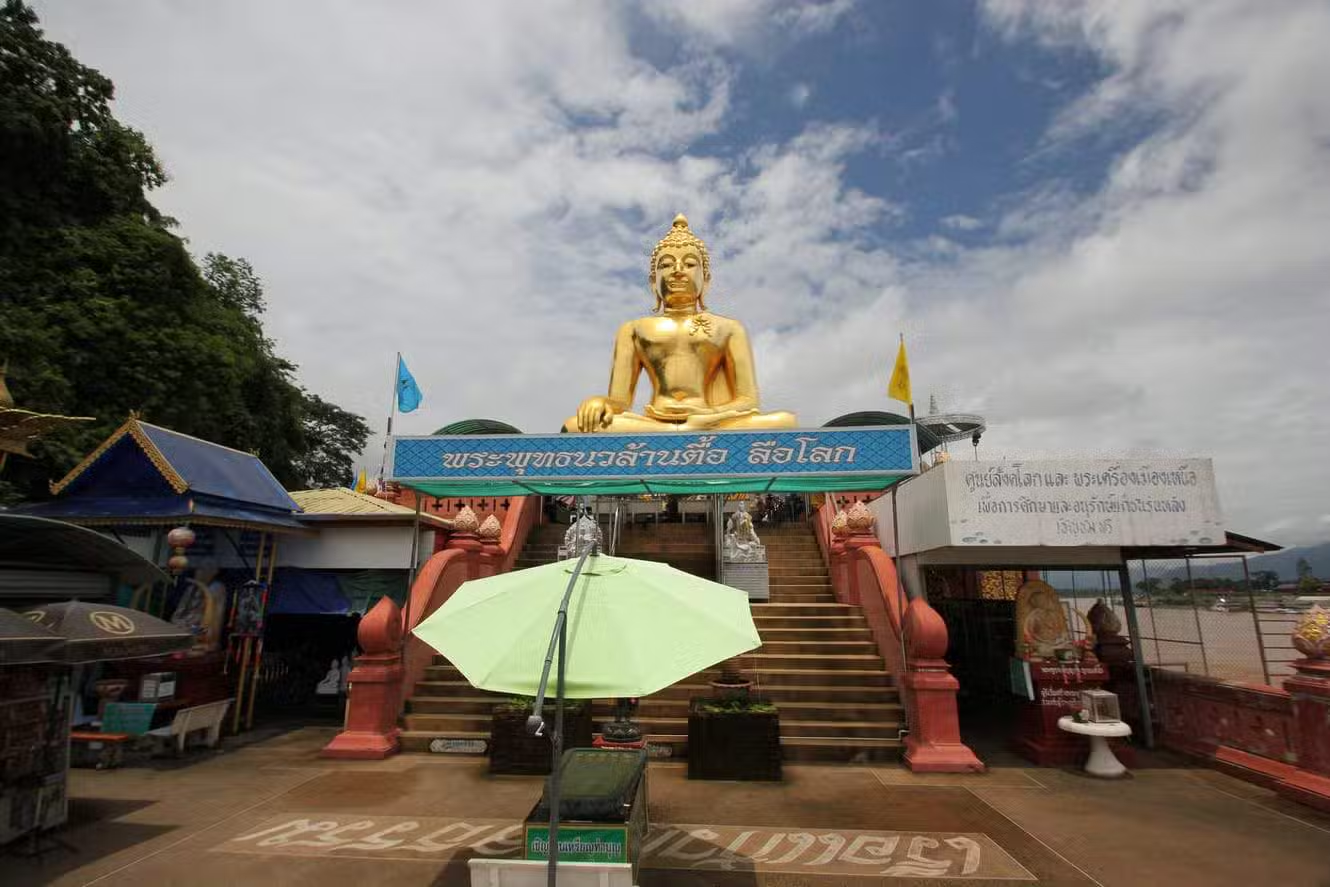
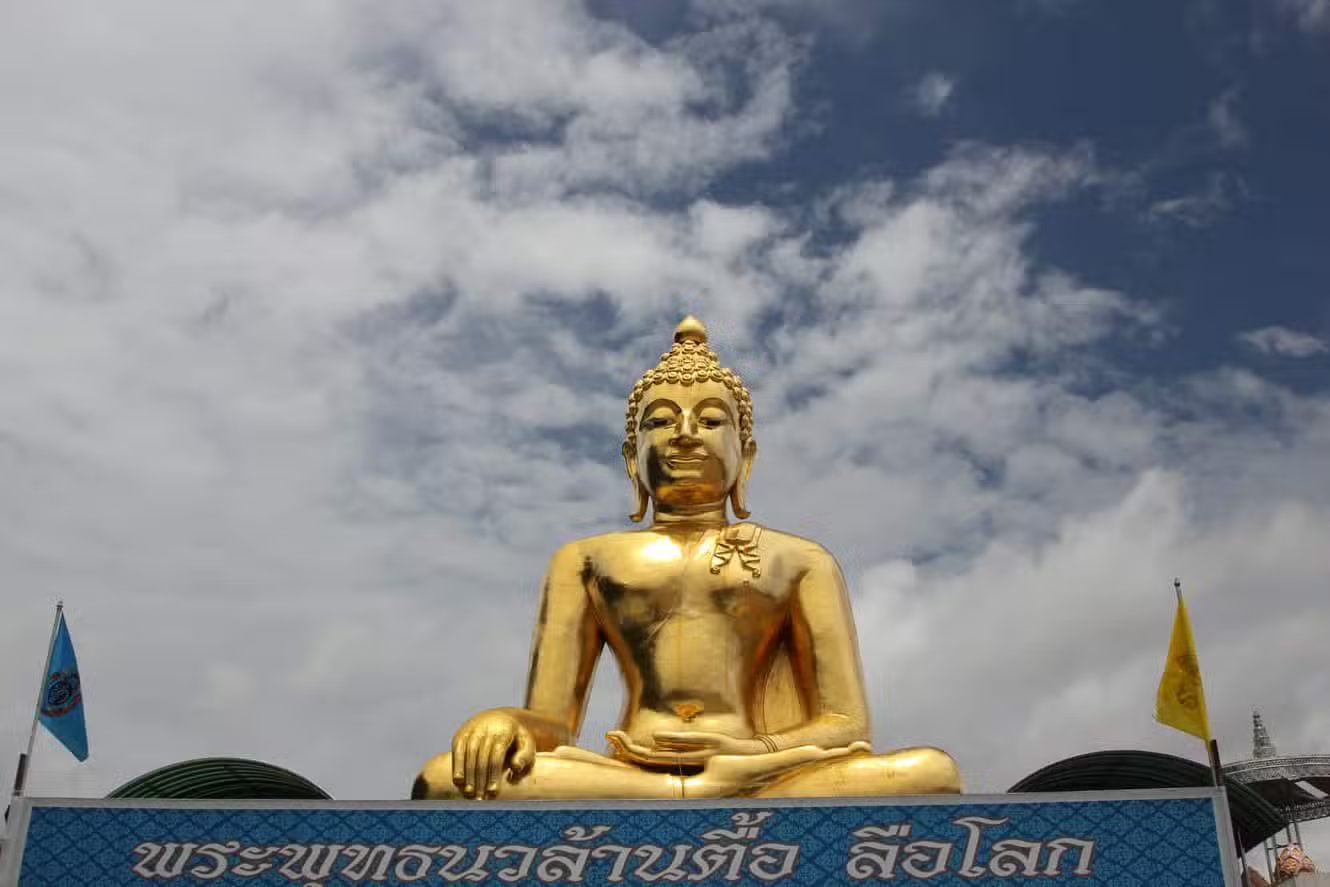
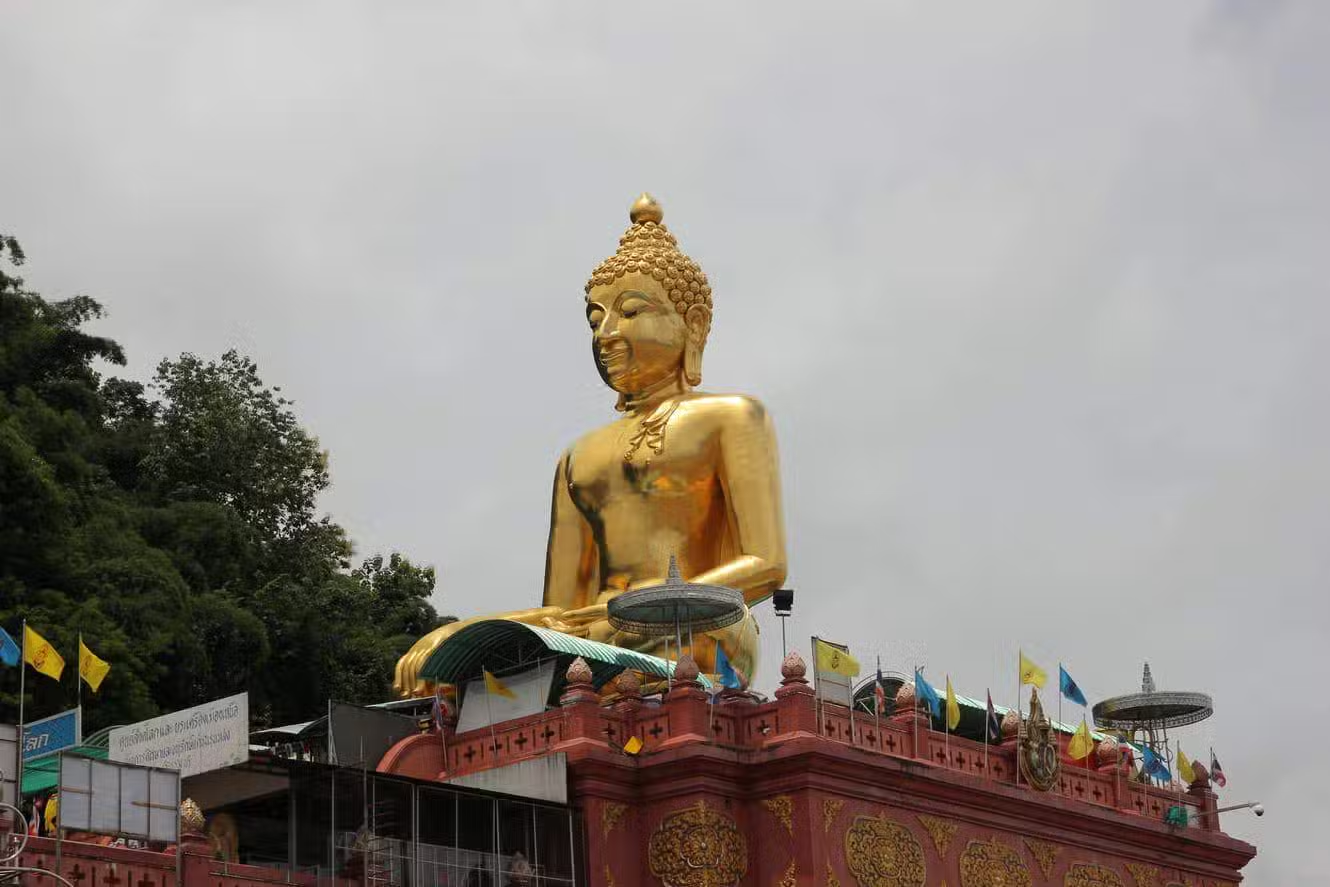
One of the area’s most prominent landmarks is Phra Chiang Saen Si Phaendin, a large golden Buddha seated on an elaborate boat-shaped platform beside the Mekong. Nearby terraces and riverside walkways provide views across the confluence.
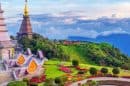
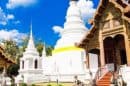
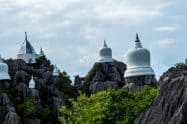
Wat Phra That Doi Pu Khao stands on a hill behind Sop Ruak. Reaching its elevated viewpoint requires climbing steps, but the higher position provides a clearer understanding of the river geography than the lower promenade.
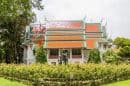
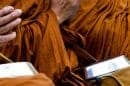
Visitors should dress respectfully when entering temples. Shoulders and knees should be covered, shoes removed where directed and religious objects treated with care.
Opium Museums and Regional History
The name Golden Triangle became internationally associated with the mountainous borderlands of Thailand, Myanmar and Laos because of the region’s former role in opium cultivation and trafficking. Although Sop Ruak now functions primarily as a tourist destination, this history is essential to understanding the area.
The House of Opium is the smaller and more accessible of the two local museums. Located near the centre of Sop Ruak, it displays tools, photographs, pipes, weights and other objects connected with opium production and trade.
The Hall of Opium at Golden Triangle Park is a larger interpretive museum approximately one kilometre north of the village. Its exhibitions examine the origins and global spread of opium, the regional trade, addiction and the social consequences of illegal drugs. Visitors with a serious interest in the subject should allow considerably more time here than at the House of Opium.
The museums are independently operated and have different admission fees and opening hours. Check the schedule before travelling, particularly if a museum is the main reason for your visit.
Mekong River Boat Trips
Sightseeing boats depart from piers around Sop Ruak and provide a water-level view of the three-country border area. Routes and durations vary, with some boats staying on the river while others may cross an international border.
Do not assume that a tour can land in Laos or Myanmar without immigration formalities. Border access, passport requirements and permitted landing points can change. Confirm the precise route with the operator and carry your passport if the trip involves formally leaving Thailand.
Prices commonly start at around 400 to 500 THB per person, although private boats may charge a total rate based on the vessel, route, and number of passengers. Agree on the itinerary, duration, total price and any border-related charges before boarding.
Planning a Golden Triangle Day Trip
You can see the viewpoint and central Sop Ruak landmarks in one or two hours. Allow half a day if you add a boat trip or one of the opium museums, and most of a day if you combine the area with Chiang Saen, Mae Sai, or other northern Chiang Rai attractions.
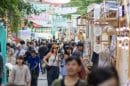
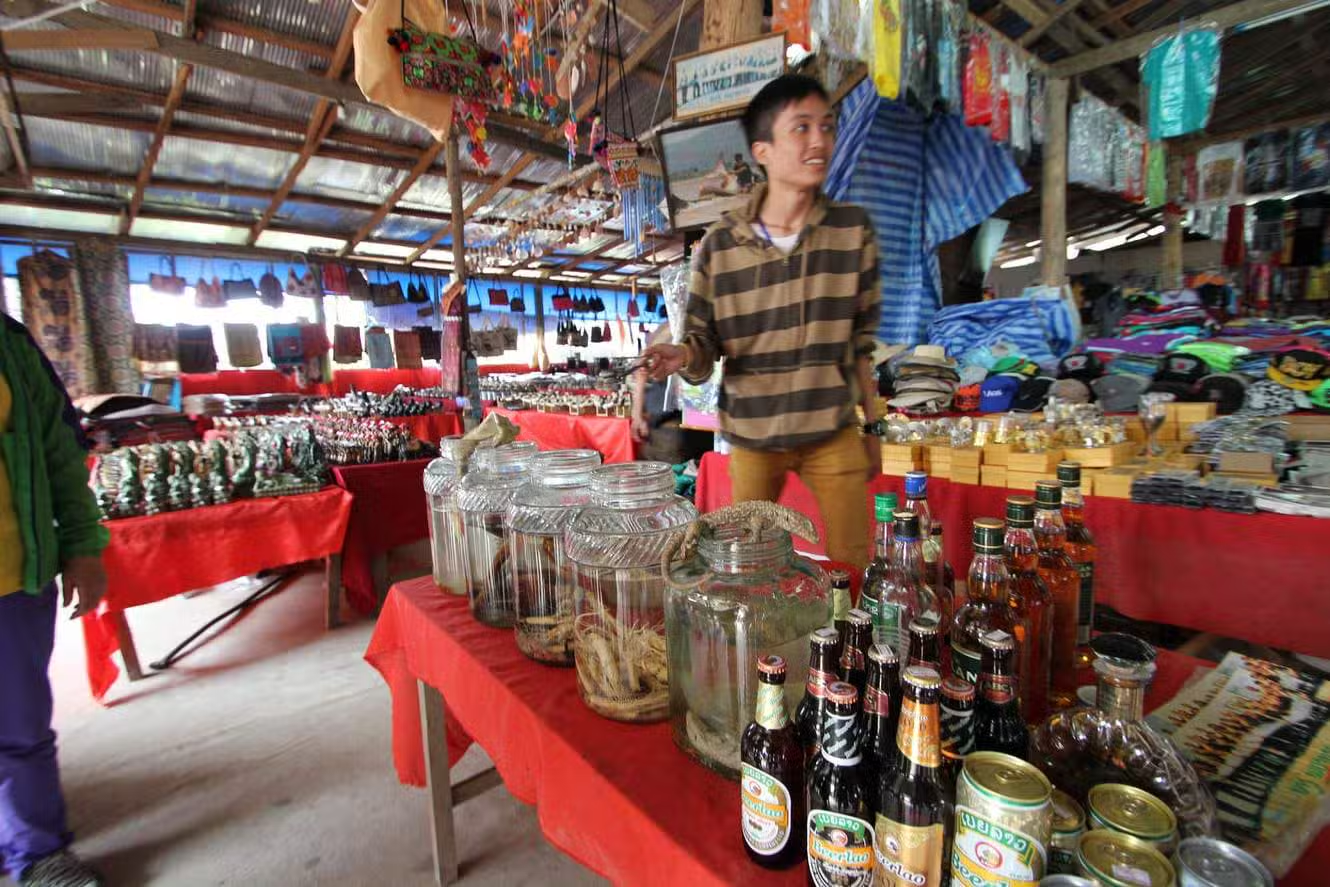
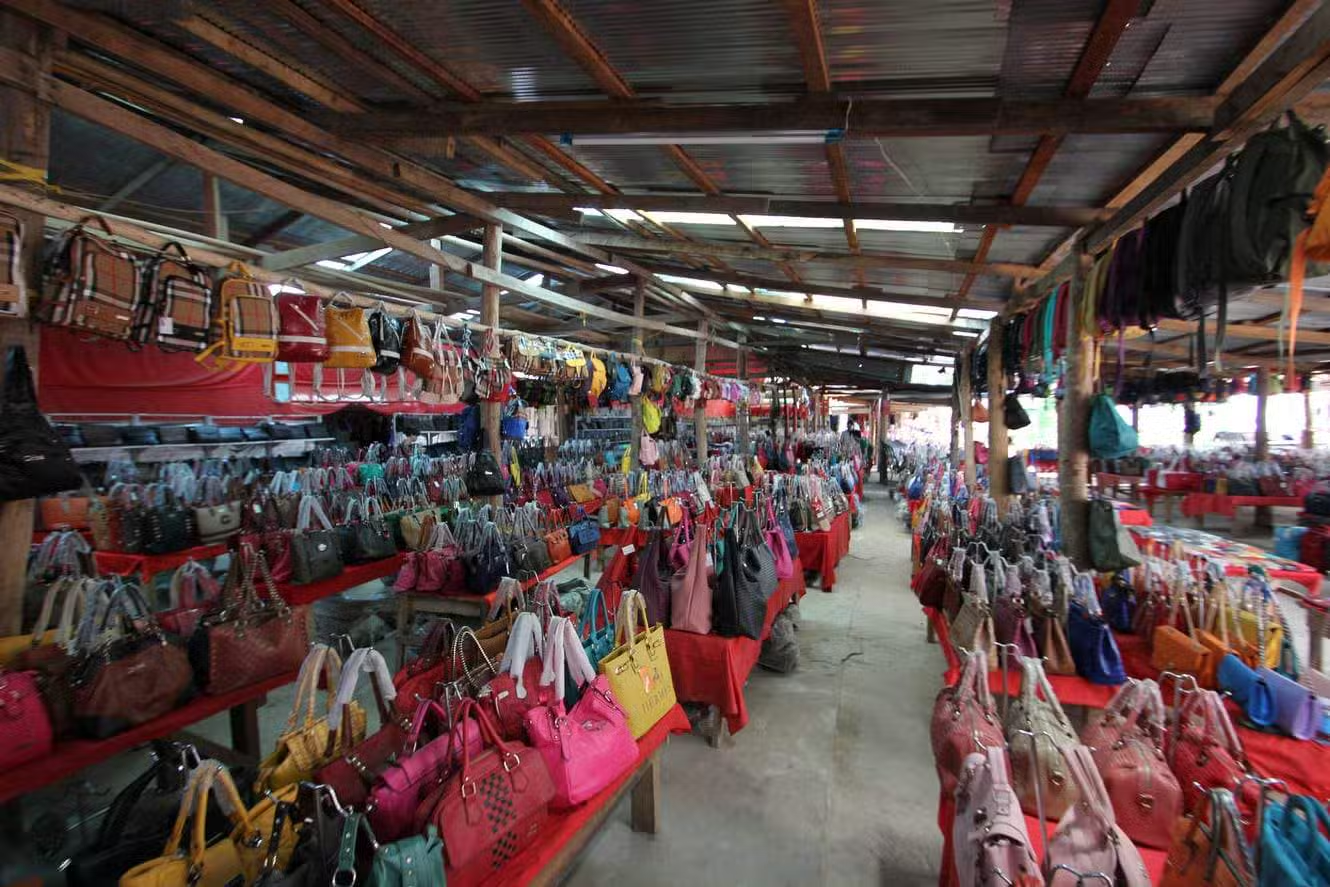
Food, drinks and souvenirs are readily available around the riverfront. Mornings are generally cooler, while late afternoons offer softer light across the Mekong. Haze during the dry-season burning period can reduce distant views.
The promenade is relatively level, but some pavements are uneven, and access to elevated temple viewpoints involves stairs. Boat access usually requires stepping down onto a moving vessel and may not suit visitors with limited mobility.
Getting to the Golden Triangle
From Chiang Rai, the journey normally takes around 75 to 90 minutes by car, depending on traffic and the chosen route. A private driver, rental vehicle or organised tour provides the simplest access. Public buses connect Chiang Rai and Chiang Saen, but reaching individual attractions may require additional local transport.
Travelling from Chiang Mai generally takes four to five hours each way. A same-day return tour is possible but involves a long period on the road. Staying in Chiang Rai or Chiang Saen makes for a more comfortable visit and leaves more time for the museums, river, and surrounding historic sites.
Golden Triangle FAQs
Where exactly is the Golden Triangle in Thailand?
The principal tourist viewpoint is at Sop Ruak in Chiang Saen District, where the Ruak River meets the Mekong at the borders of Thailand, Laos and Myanmar.
Does it cost anything to visit the Golden Triangle viewpoint?
No. The public riverside viewpoint and monuments are free to visit. Museums, boat trips and guided tours charge separate fees.
Can visitors enter Laos from the Golden Triangle?
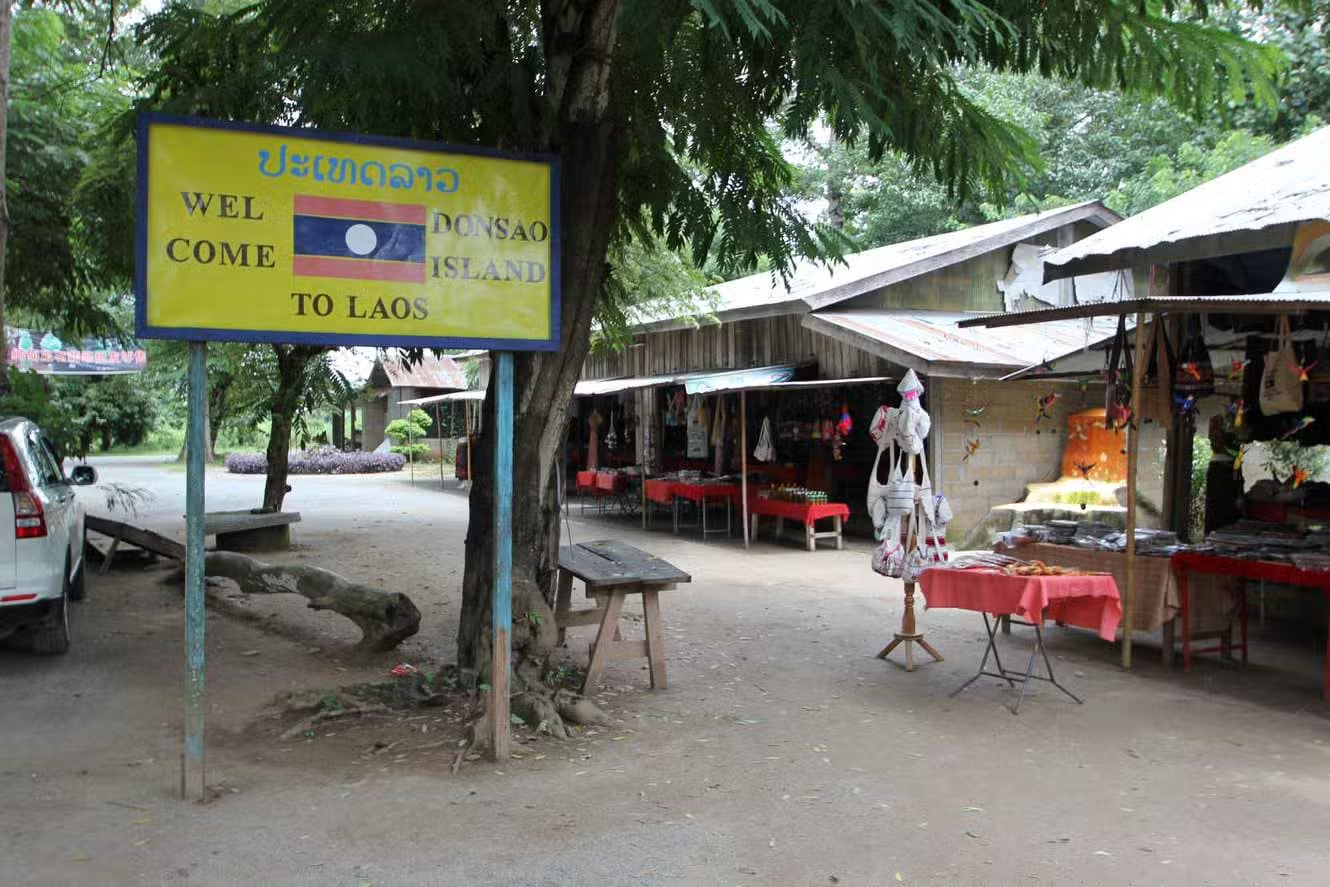
Some boat and ferry services may cross to authorised landing points in Laos, but this is an international border crossing. Confirm passport, immigration, and visa requirements before departure.
How long should visitors spend at the Golden Triangle?
Allow one or two hours for the viewpoint and central monuments, or half a day if you add a museum or Mekong boat trip.
Is the Golden Triangle a practical day trip from Chiang Mai?
It is possible, but the return journey can involve eight to ten hours of driving. Visiting from Chiang Rai or staying overnight in the province is considerably more practical.




Do You Have a Question to Ask?