



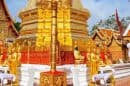
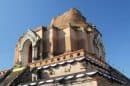
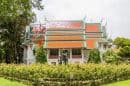

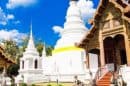



























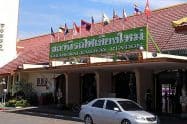



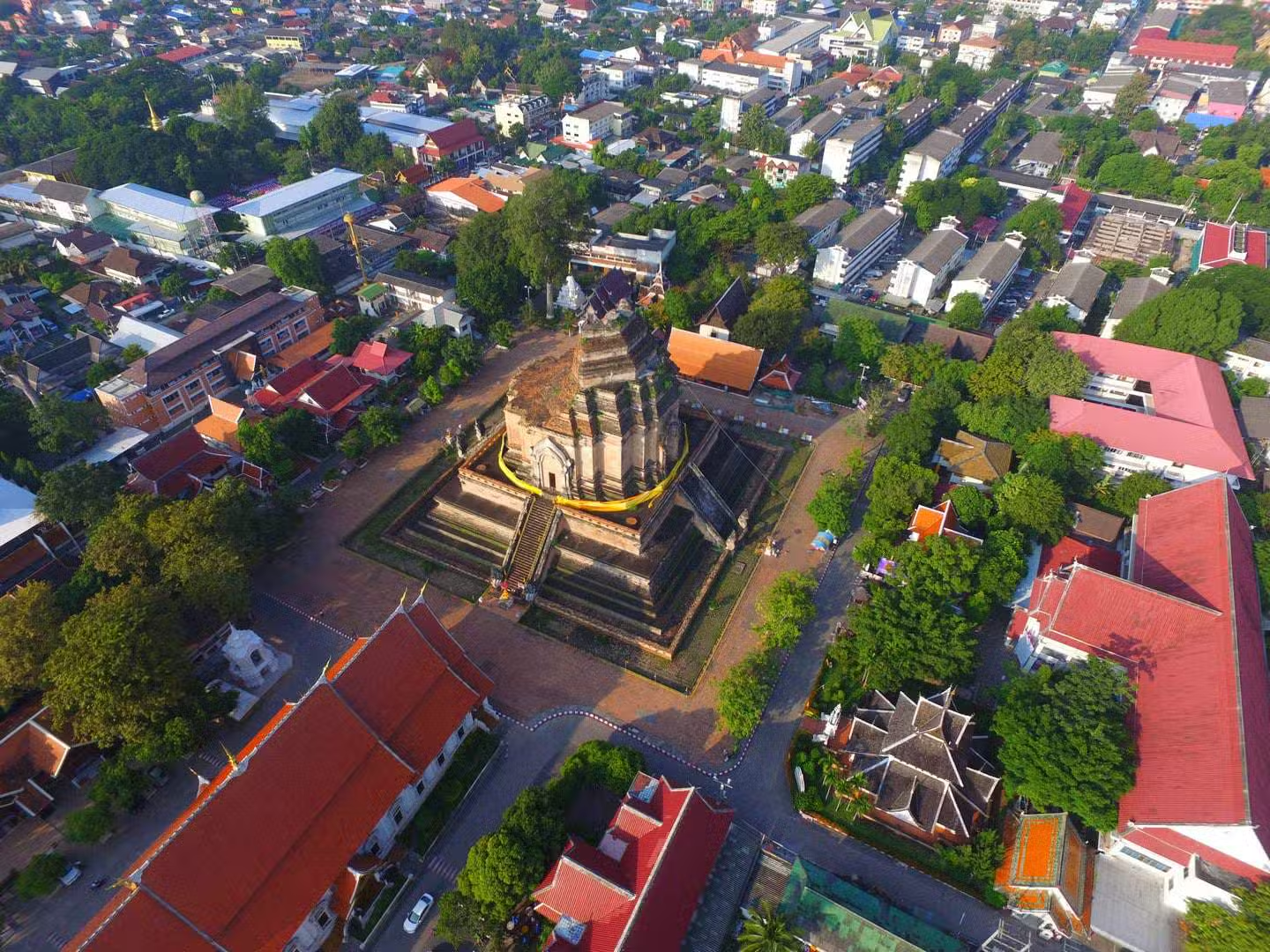
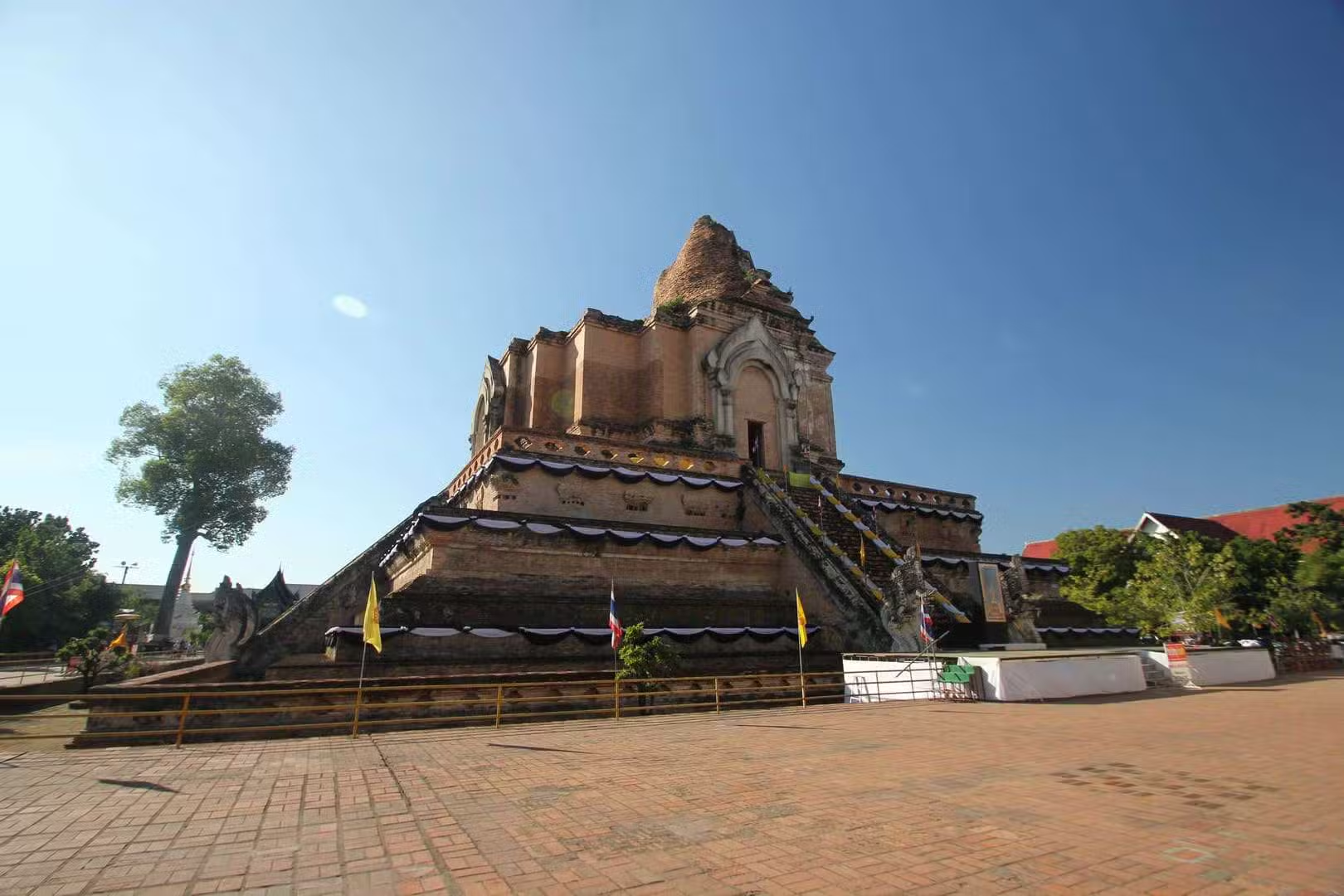
Wat Chedi Luang is one of the most important temple complexes within Chiang Mai’s Old City. Its defining feature is the enormous ruined chedi rising behind the active monastery buildings, a surviving part of what was once among the tallest and most important religious monuments in the Lanna kingdom.
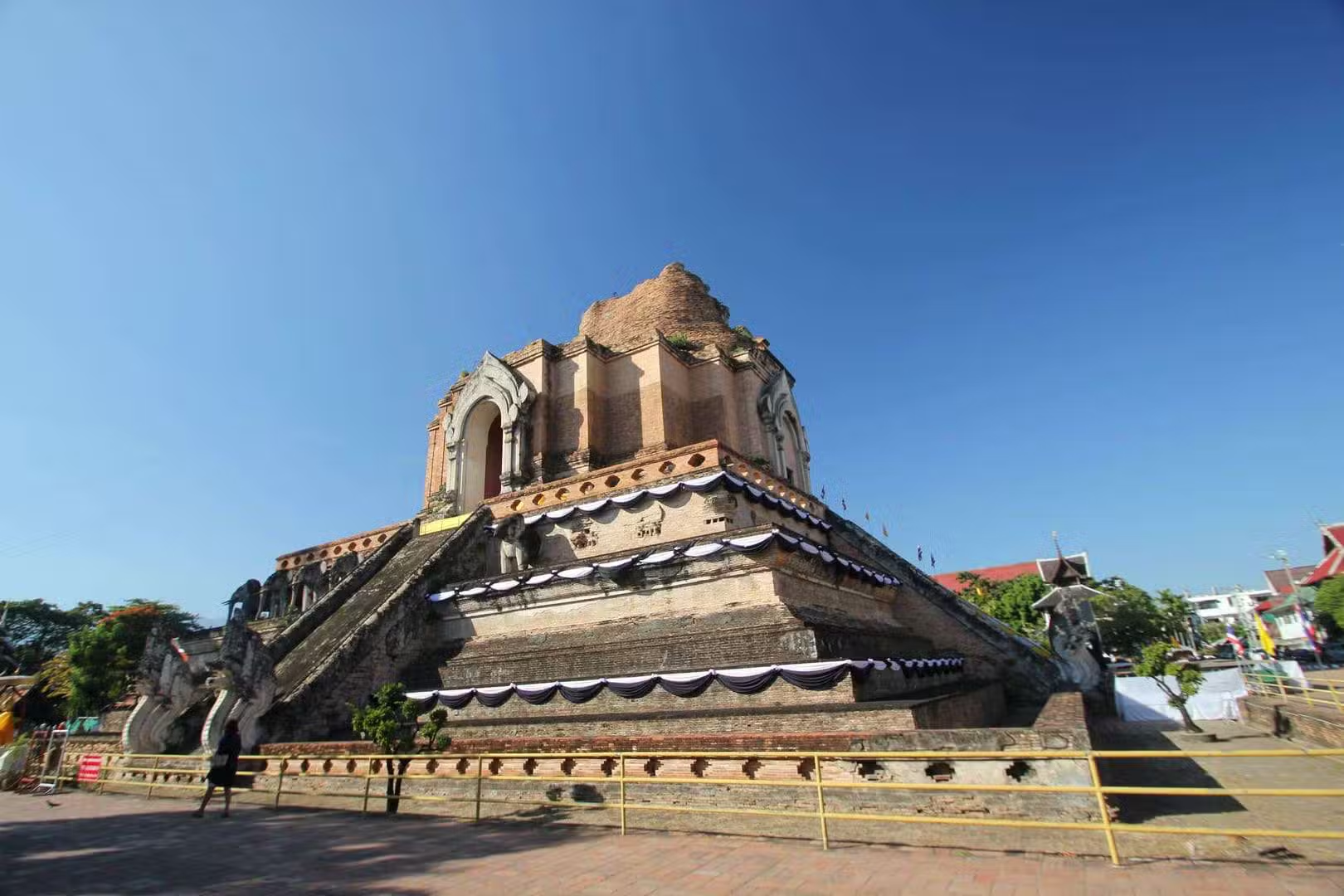
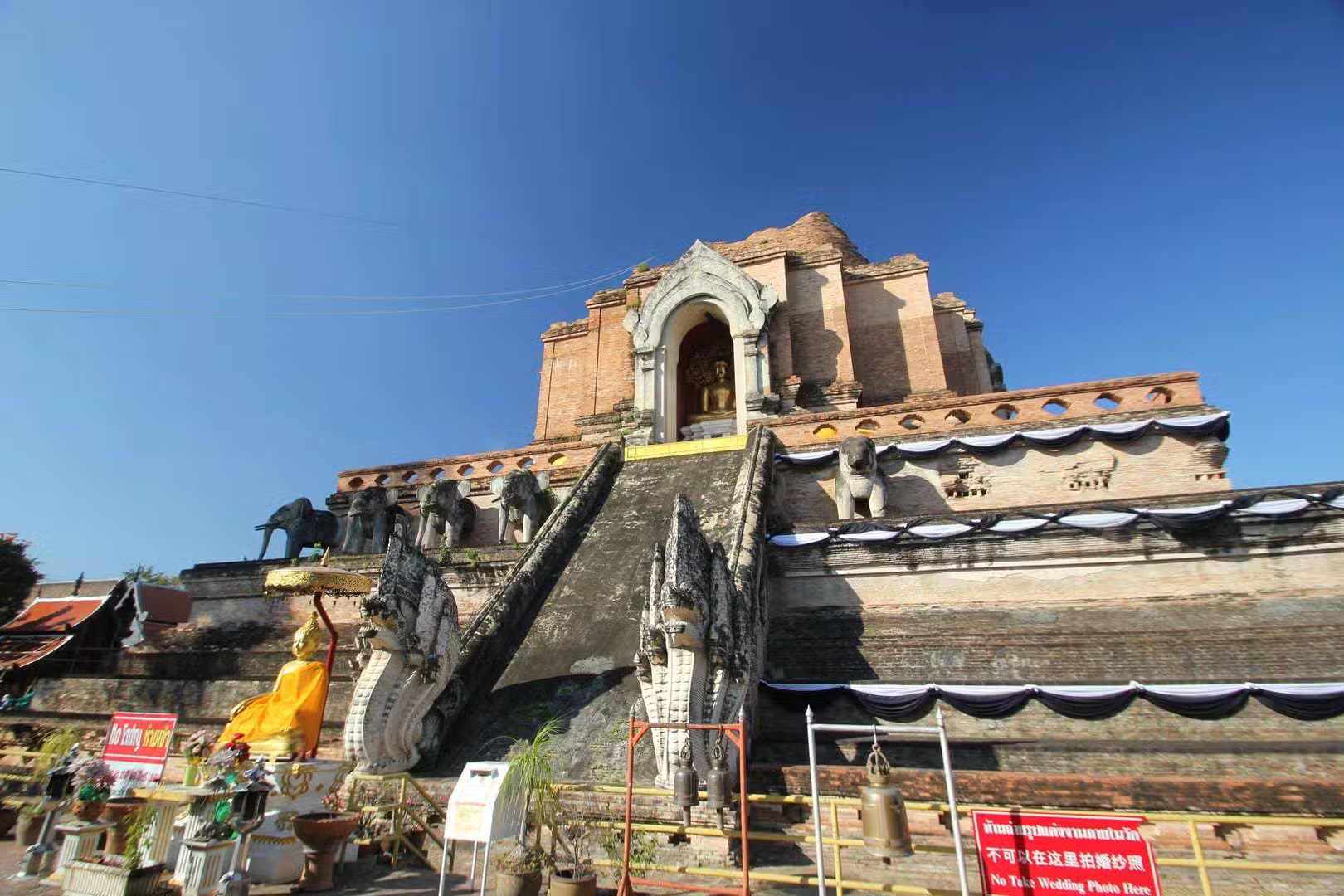
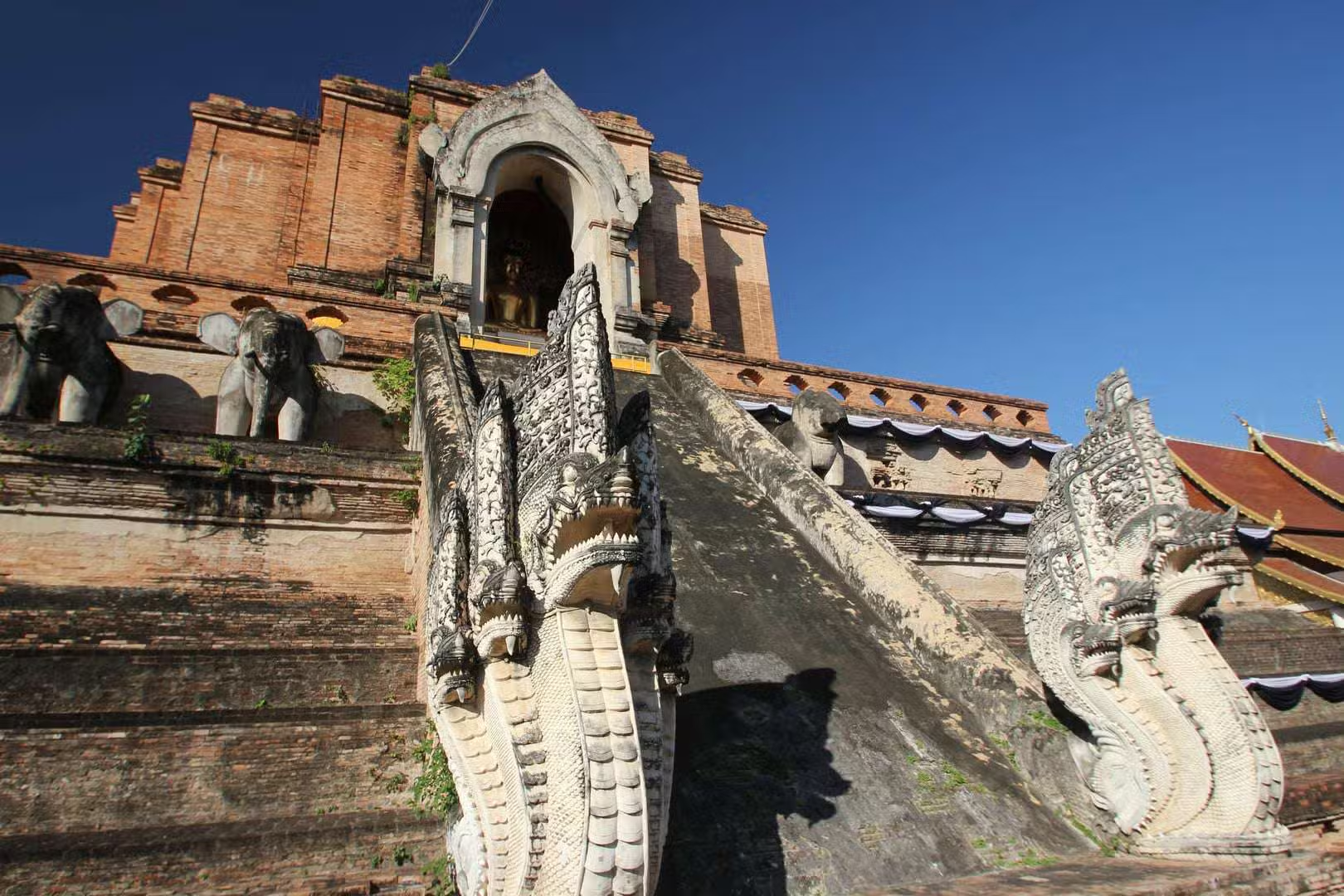
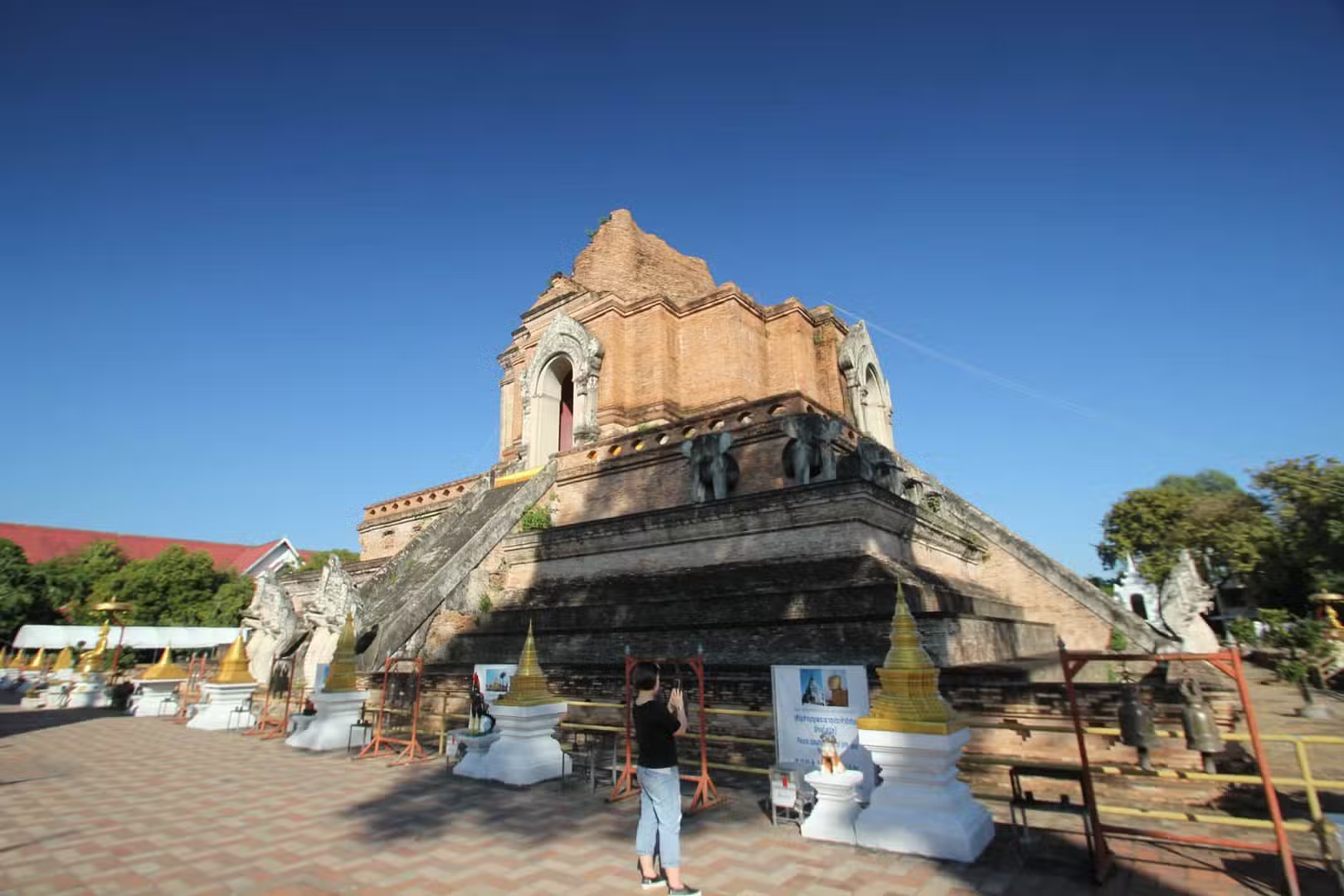
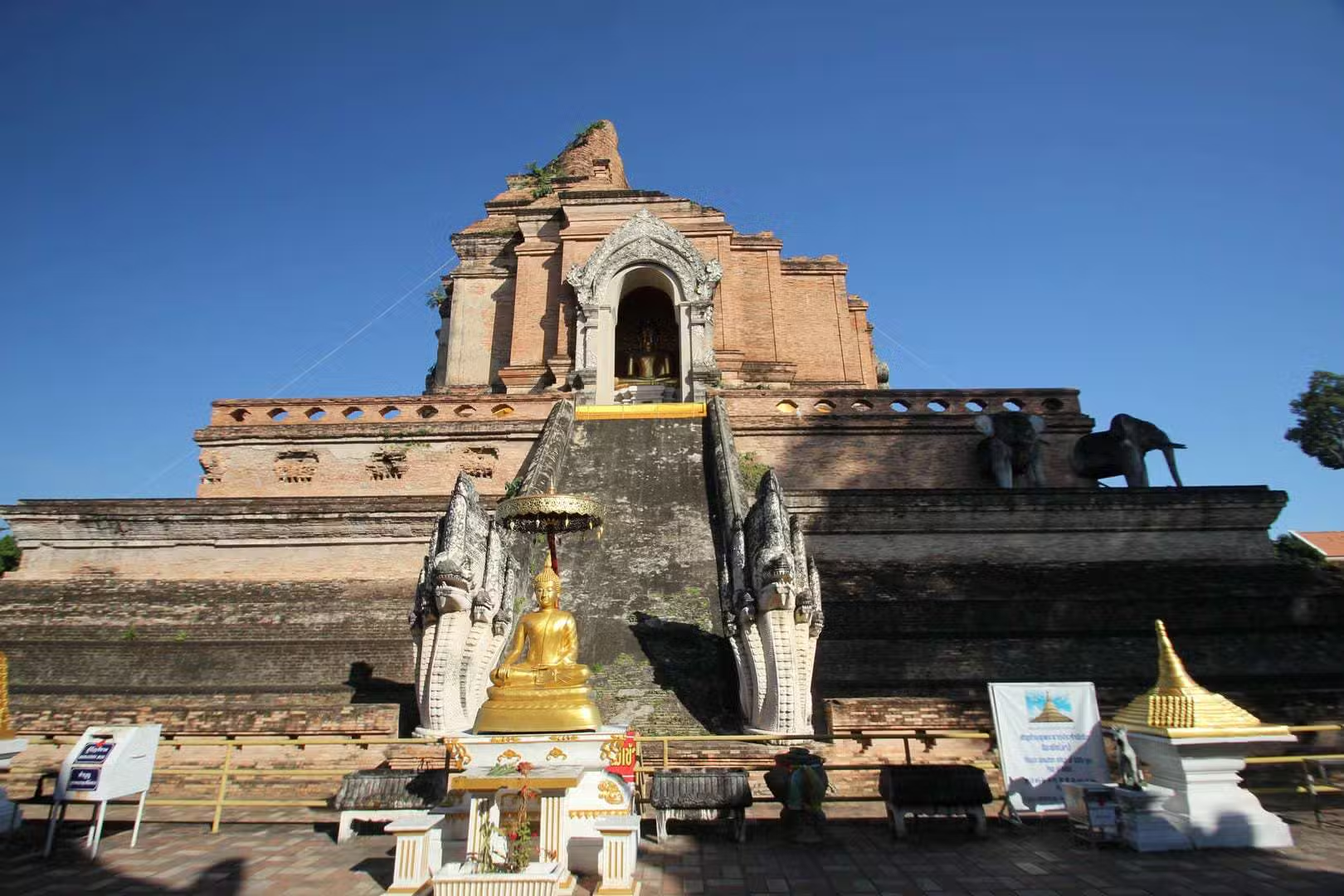
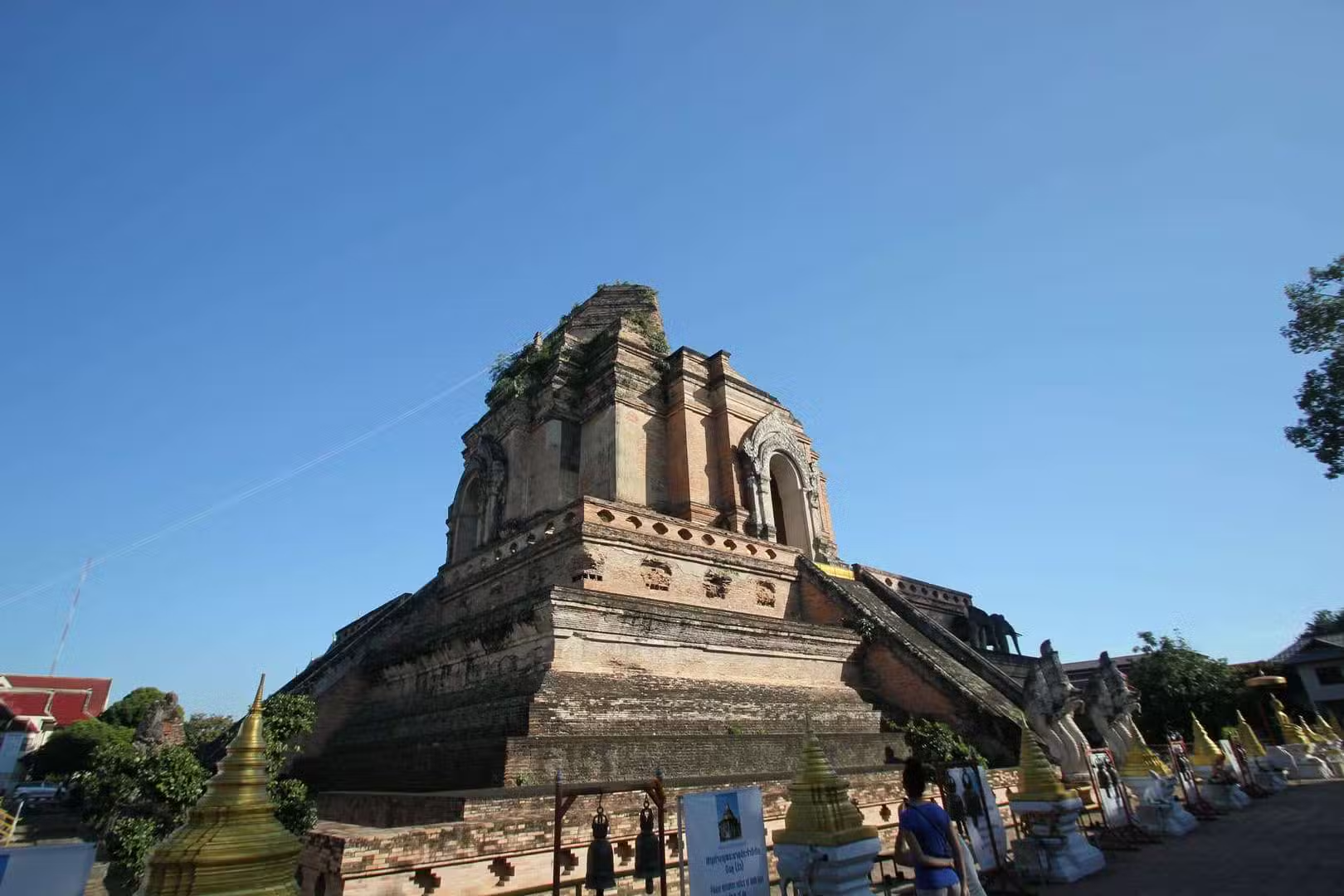
The chedi’s damaged form is part of what makes the site distinctive today. Rather than seeing a perfectly restored temple, visitors can walk around a centuries-old brick monument whose collapsed upper section, elephant sculptures, stairways and Buddha niches reveal both its former scale and the effects of earthquakes, weather and later conservation work.
Wat Chedi Luang is also more than the ruined monument. The compound remains an active Buddhist temple, contains Chiang Mai’s sacred city pillar, and offers opportunities to speak with monks about Buddhism and monastic life. Its central Old City location makes it easy to walk to Wat Phan Tao, Wat Phra Singh, and other historic sites.
The Great Chedi
Construction of the great chedi began in the late 14th century under King Saen Muang Ma and continued under later Lanna rulers. As the monument grew, it became an expression of Chiang Mai’s religious and political importance as the centre of the Lanna kingdom.
The Emerald Buddha, now enshrined at Wat Phra Kaew in Bangkok, was kept at Wat Chedi Luang during the 15th century. Its presence adds considerably to the temple’s historical importance, although the structure visitors see today changed dramatically after a major earthquake in 1545 caused much of its upper section to collapse.
Later restoration focused on stabilising and preserving the surviving monument rather than recreating an upper structure whose original form could not be established with certainty. That decision leaves the chedi with the distinctive truncated profile seen today.
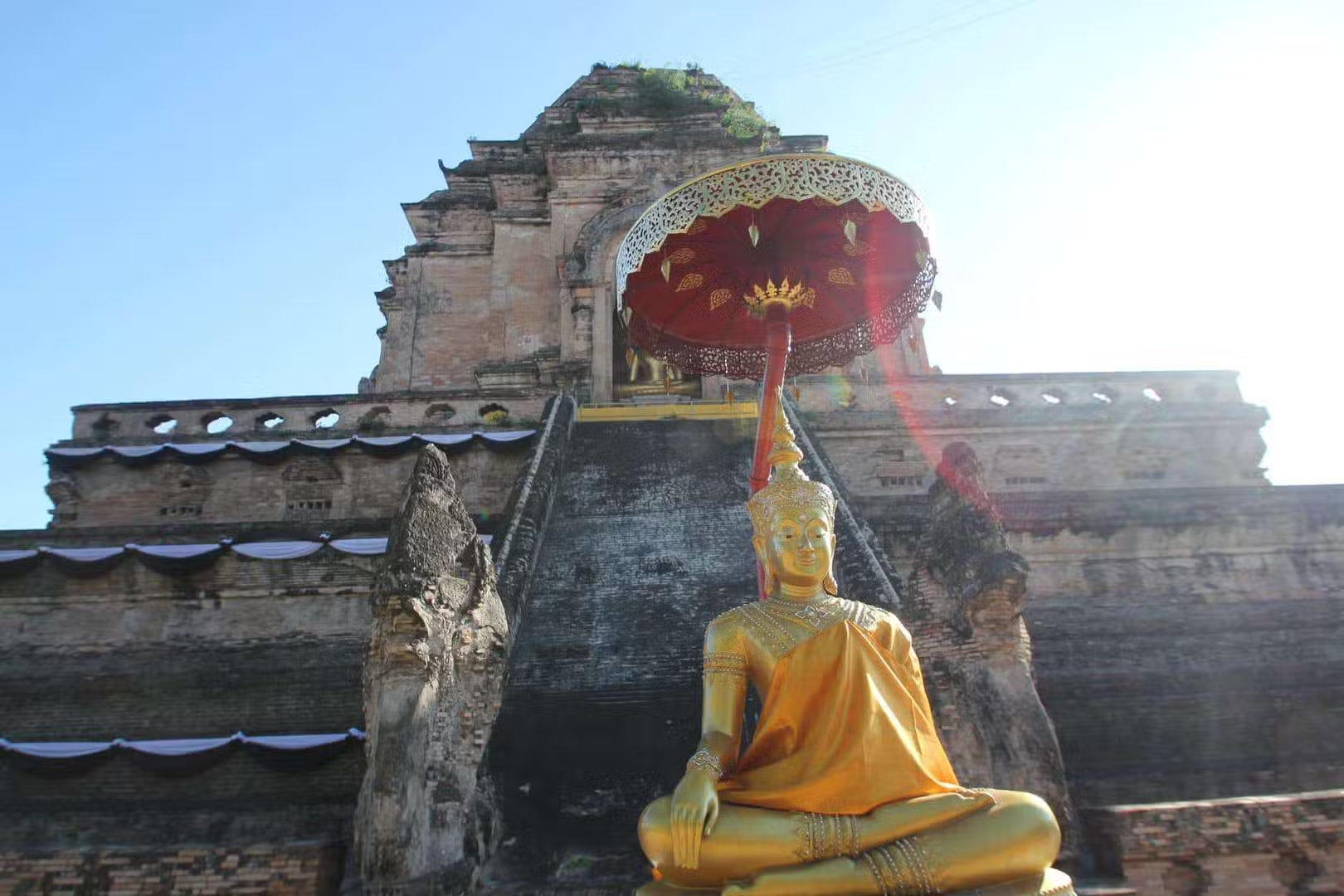
Visitors cannot climb the monument, but it is worth walking around the base rather than viewing it from only one side. Large elephant sculptures appear to support parts of the upper terrace, while steep stairways rise towards niches containing Buddha images. Weathering and restoration also vary around the structure, so different sides reveal different details.
The Temple Complex and City Pillar
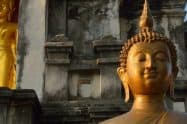
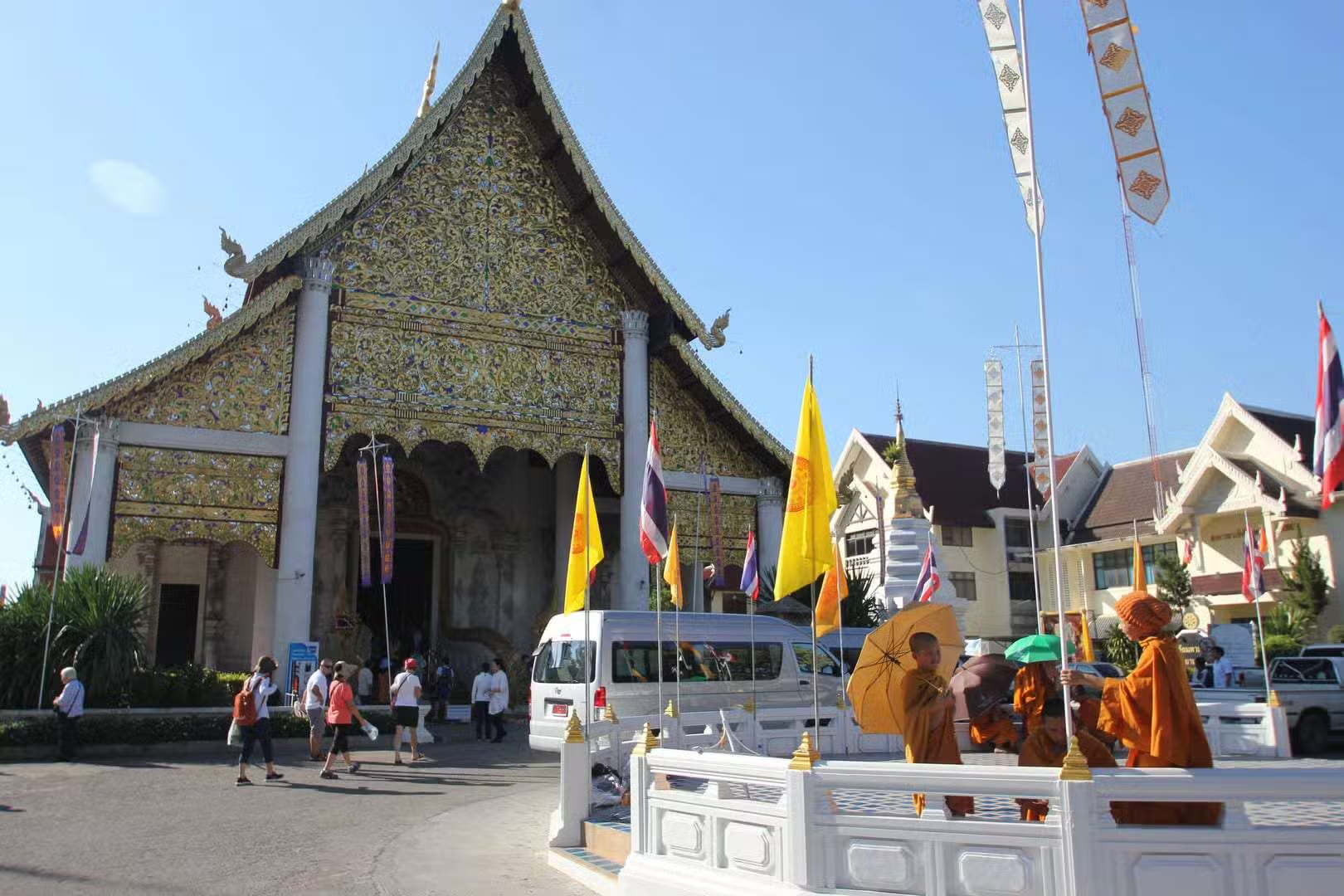
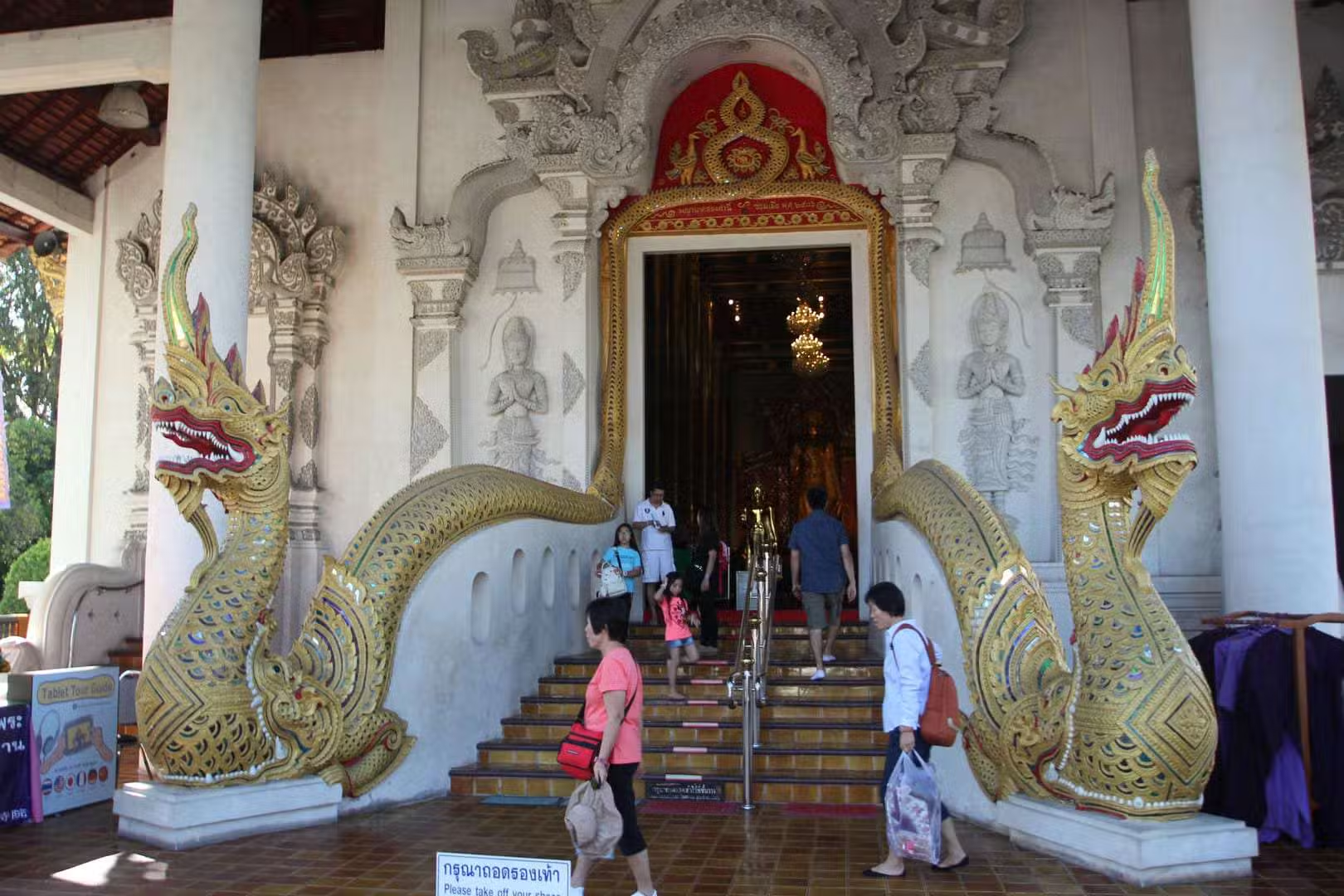
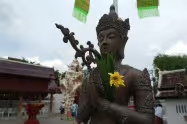
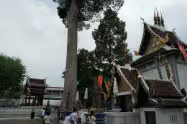
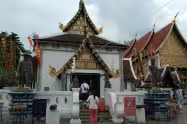
The main viharn in front of the chedi remains an active place of worship and contains a large standing Buddha image. Smaller shrines, monastic buildings and mature trees occupy the surrounding grounds, making Wat Chedi Luang feel quite different from an archaeological site preserved solely for sightseeing.
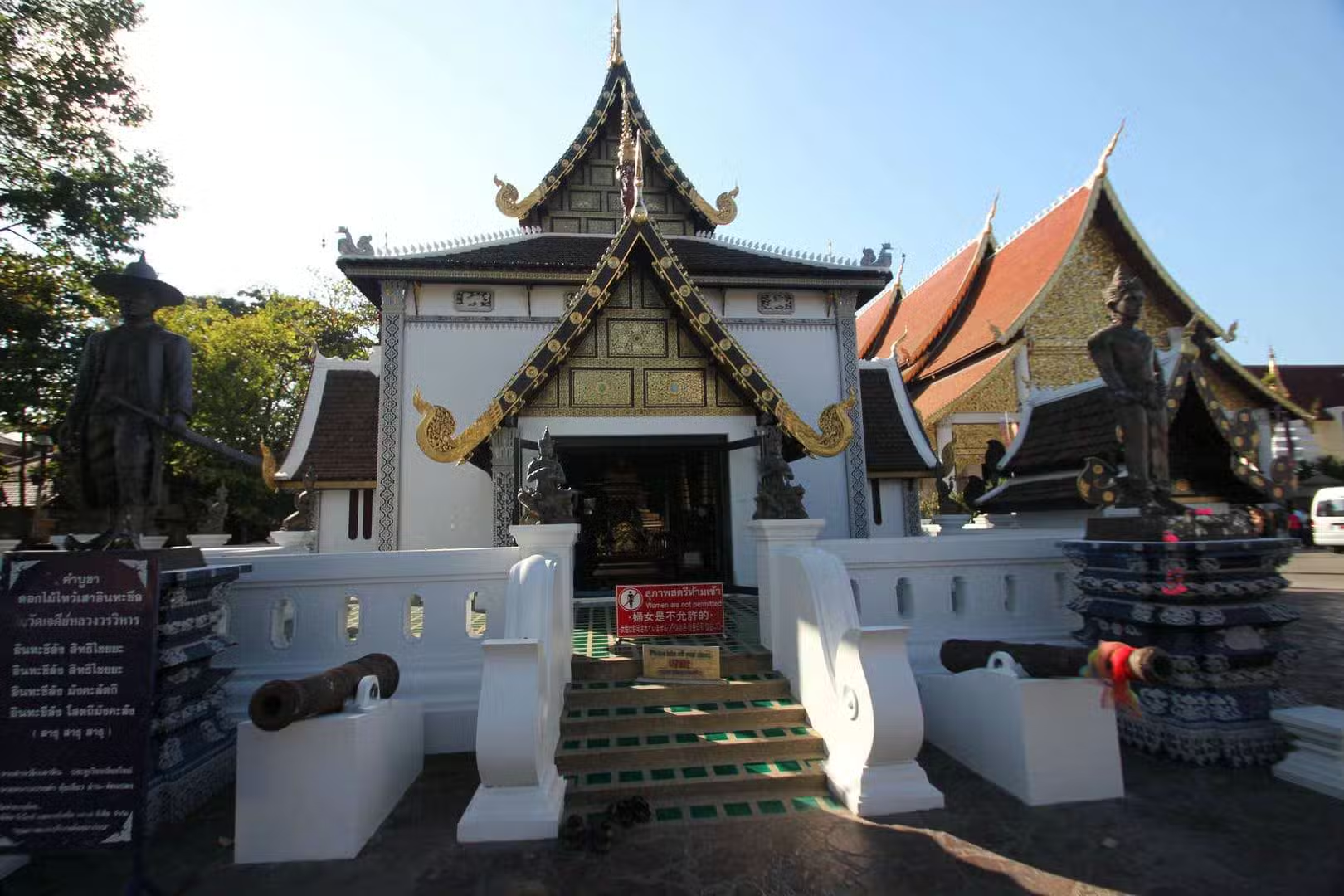
Chiang Mai’s sacred city pillar, known as Sao Inthakhin, is housed in a shrine within the temple grounds. The pillar is associated with the city’s protection and well-being and becomes the focus of the annual Inthakhin Festival.
Under the site’s traditional religious rules, women may not enter the shrine housing the city pillar. This restriction applies only to the city-pillar shrine; women may visit the wider Wat Chedi Luang complex, main viharn and areas surrounding the great chedi. All visitors should follow the signs and instructions displayed at individual buildings.
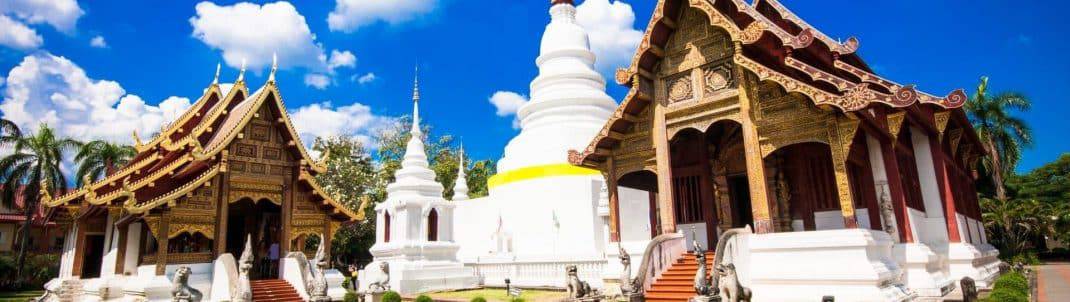
Neighbouring Wat Phan Tao is also easy to miss when attention is focused on the great chedi. Its traditional wooden viharn provides an interesting architectural contrast and can be included in the same Old City walk.
Monk Chat and Temple Life
Wat Chedi Luang has long been associated with Monk Chat, allowing visitors to speak informally with monks or novices about Buddhism, meditation, monastic life, and Thai culture. The conversations also provide monks with an opportunity to practise English.
Approach this as an exchange rather than a scheduled tourist performance. Availability can depend on the monks and current temple activities, so visitors shouldn’t assume a session will be operating at a particular time unless it has been confirmed.
Respectful questions are welcome when sessions are running. Give monks the same courtesy you would anyone else participating in a conversation, and don’t treat Monk Chat primarily as an opportunity for photographs.
Elsewhere around the compound, normal temple etiquette applies. Shoulders and knees should be covered, shoes are removed before entering worship halls, and voices should be kept low around people praying. Women should avoid direct physical contact with monks.
Planning a Visit
Allow around 45 to 90 minutes for Wat Chedi Luang if you want time to walk around the chedi, enter the principal temple areas and look through the wider compound. A longer visit makes sense if Monk Chat is operating or if you are particularly interested in Lanna history and architecture.
Early morning is generally quieter and cooler, while late afternoon can bring softer light across the brickwork. The chedi is also illuminated after dark, giving the monument a very different appearance from the daytime view.
Wat Chedi Luang sits close to the centre of Chiang Mai’s walled Old City, so there is little reason to visit it as an isolated stop. Wat Phan Tao is immediately nearby, while Wat Phra Singh lies farther west along Ratchadamnoen Road. The Three Kings Monument is also within walking distance.
On Sunday afternoons and evenings, Ratchadamnoen Road and surrounding streets become part of the Sunday Walking Street market. This can make the area considerably busier, but it also allows the temple to fit naturally into an Old City afternoon followed by the evening market.
Getting to Wat Chedi Luang
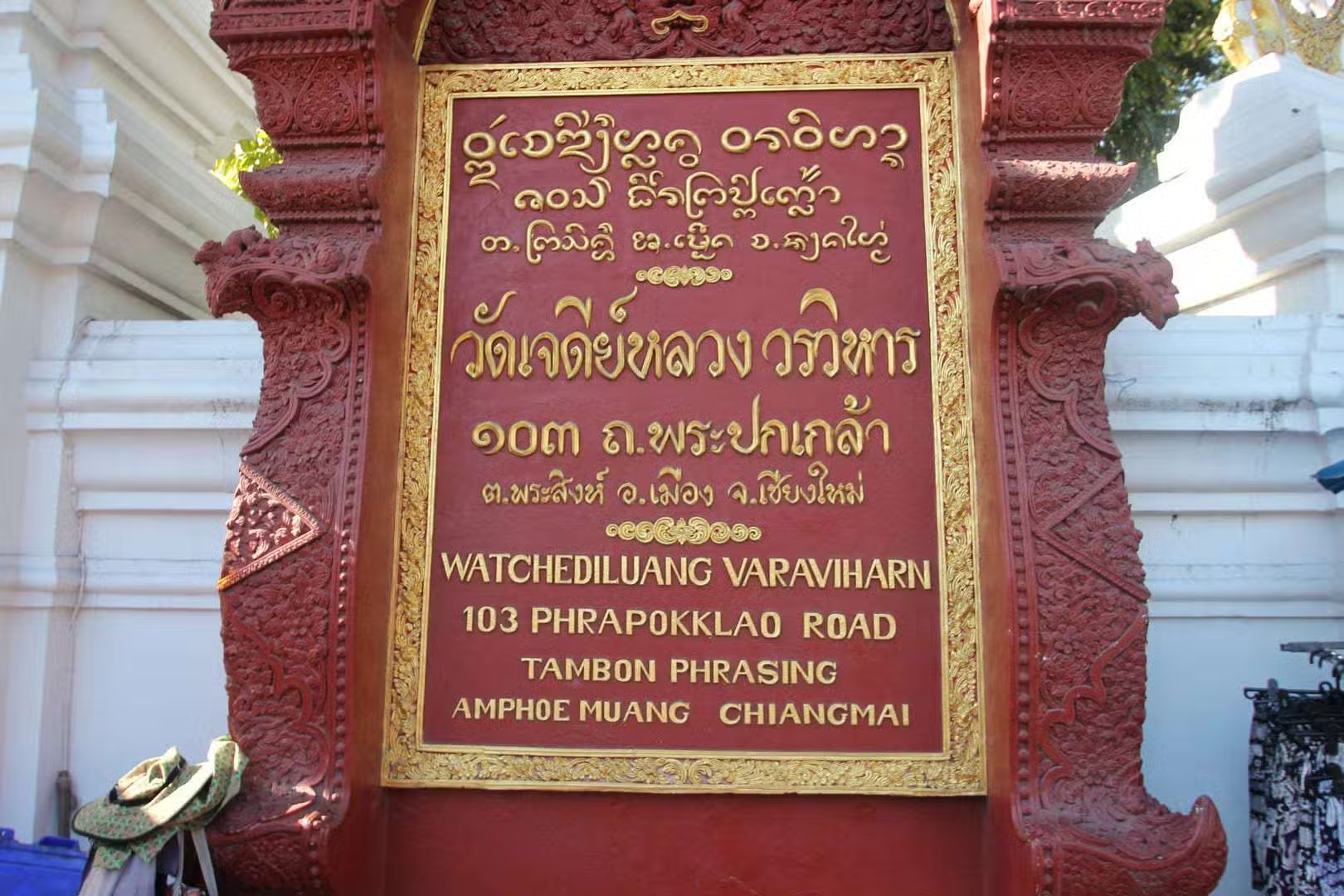
Wat Chedi Luang is on Prapokklao Road inside Chiang Mai Old City. From Tha Phae Gate, it is roughly a 15-minute walk west through the historic centre. From Wat Phra Singh, walk east along Ratchadamnoen Road before turning towards Prapokklao Road.
Songthaews, tuk-tuks and ride-hailing services can also reach the temple. Parking within the Old City is limited, and traffic becomes heavier around markets and festivals, so walking is often easier when visiting several central temples in the same outing.
The temple is only a few kilometres from Chiang Mai International Airport, but travel time varies considerably with traffic. Visitors arriving specifically to explore the Old City are generally better off treating Wat Chedi Luang as part of a walking itinerary once they reach the centre rather than moving between nearby temples by car.
Wat Chedi Luang FAQs
Why is Wat Chedi Luang damaged?
A major earthquake in 1545 caused much of the upper section of the great chedi to collapse. Later restoration stabilised the surviving structure without recreating sections whose original design was uncertain.
Can visitors climb the chedi?
No. Visitors must view the historic chedi from ground level and remain behind the conservation barriers.
Was the Emerald Buddha kept at Wat Chedi Luang?
Yes. The Emerald Buddha was housed at Wat Chedi Luang during the 15th century. It is now enshrined at Wat Phra Kaew in Bangkok.
What is Monk Chat at Wat Chedi Luang?
Monk Chat provides an opportunity to speak informally with monks or novices about Buddhism, Thai culture and monastic life while helping participants practise English. Availability and session times can change.
Can women visit Wat Chedi Luang?
Yes. Women may visit the wider temple complex, main viharn and great chedi. However, women may not enter the separate shrine housing the Sao Inthakhin city pillar.
How long should you spend at Wat Chedi Luang?
Allow approximately 45 to 90 minutes for most visits. Spend longer if Monk Chat is operating or if you want to explore the site’s architecture and history in greater detail.
What should you wear to Wat Chedi Luang?
Visitors should cover their shoulders and knees and remove their shoes before entering worship halls. Keep voices low and avoid disturbing people who are praying.
Is Wat Chedi Luang inside Chiang Mai Old City?
Yes. The temple is near the centre of the walled Old City on Phra Pokklao Road, within walking distance of Wat Phan Tao, Wat Phra Singh and the Three Kings Monument.
Can you combine Wat Chedi Luang with the Sunday Walking Street?
Yes. The Sunday Walking Street runs along nearby Ratchadamnoen Road from late afternoon, making the temple an easy stop before visiting the evening market.






Do You Have a Question to Ask?