












































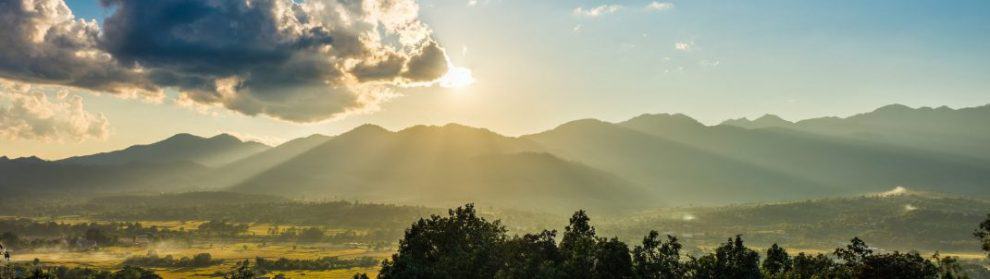
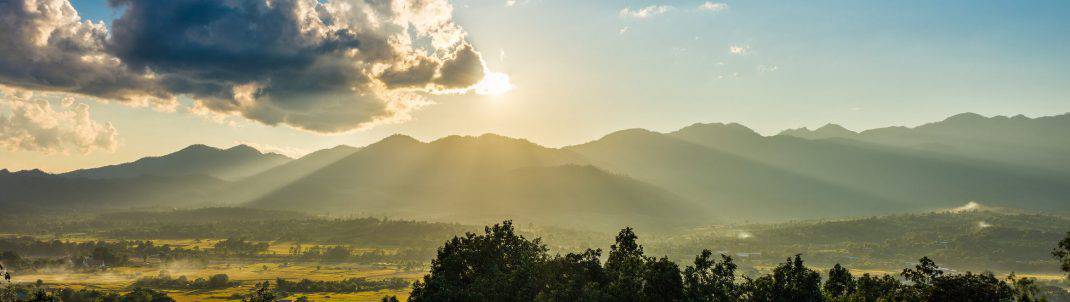
Pai is a mountain-valley town in Mae Hong Son Province, best enjoyed over at least one night rather than as a quick add-on to Chiang Mai. Its compact centre has food and places to stay, while canyon viewpoints, hot springs and waterfalls sit along separate roads. The winding drive is a substantial part of the trip; arrive with enough daylight to settle in.
For a relaxed visit, stay close to town and the river. If the viewpoints are your priority, organise a driver and select a few stops instead of assuming every attraction is walkable from your guesthouse. Weather and trail conditions can alter a planned sunset.
Things to see and do in Pai
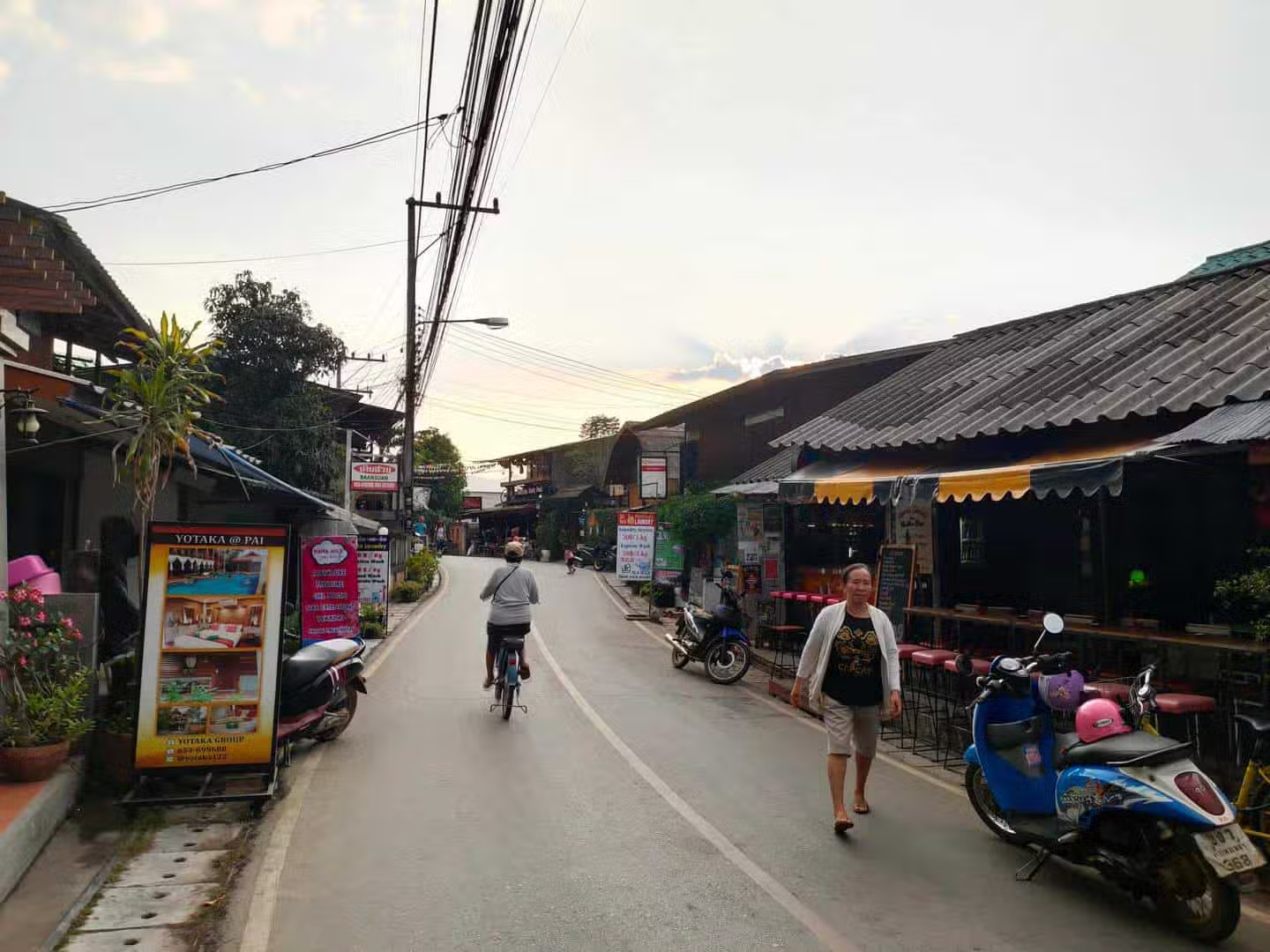
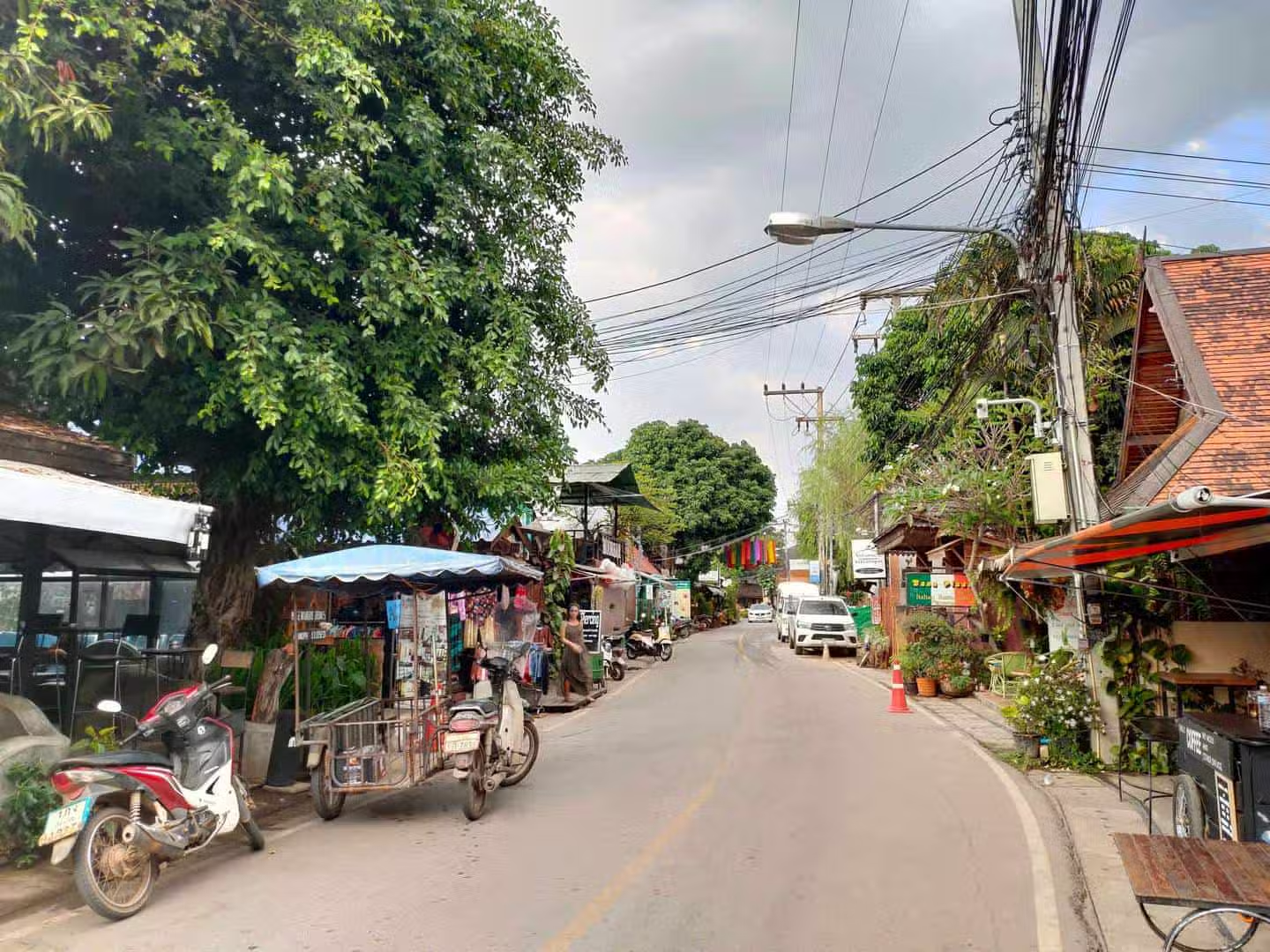
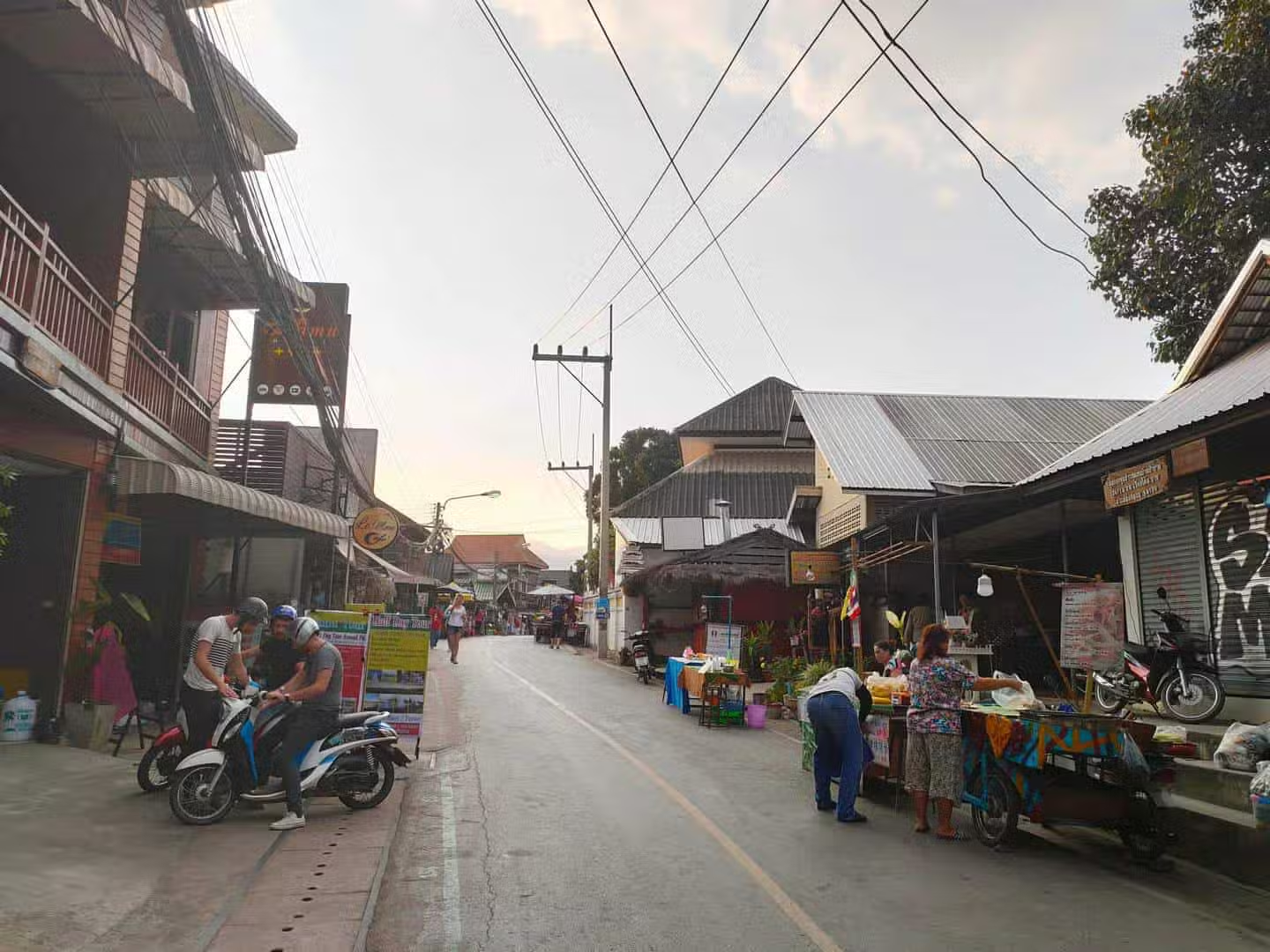
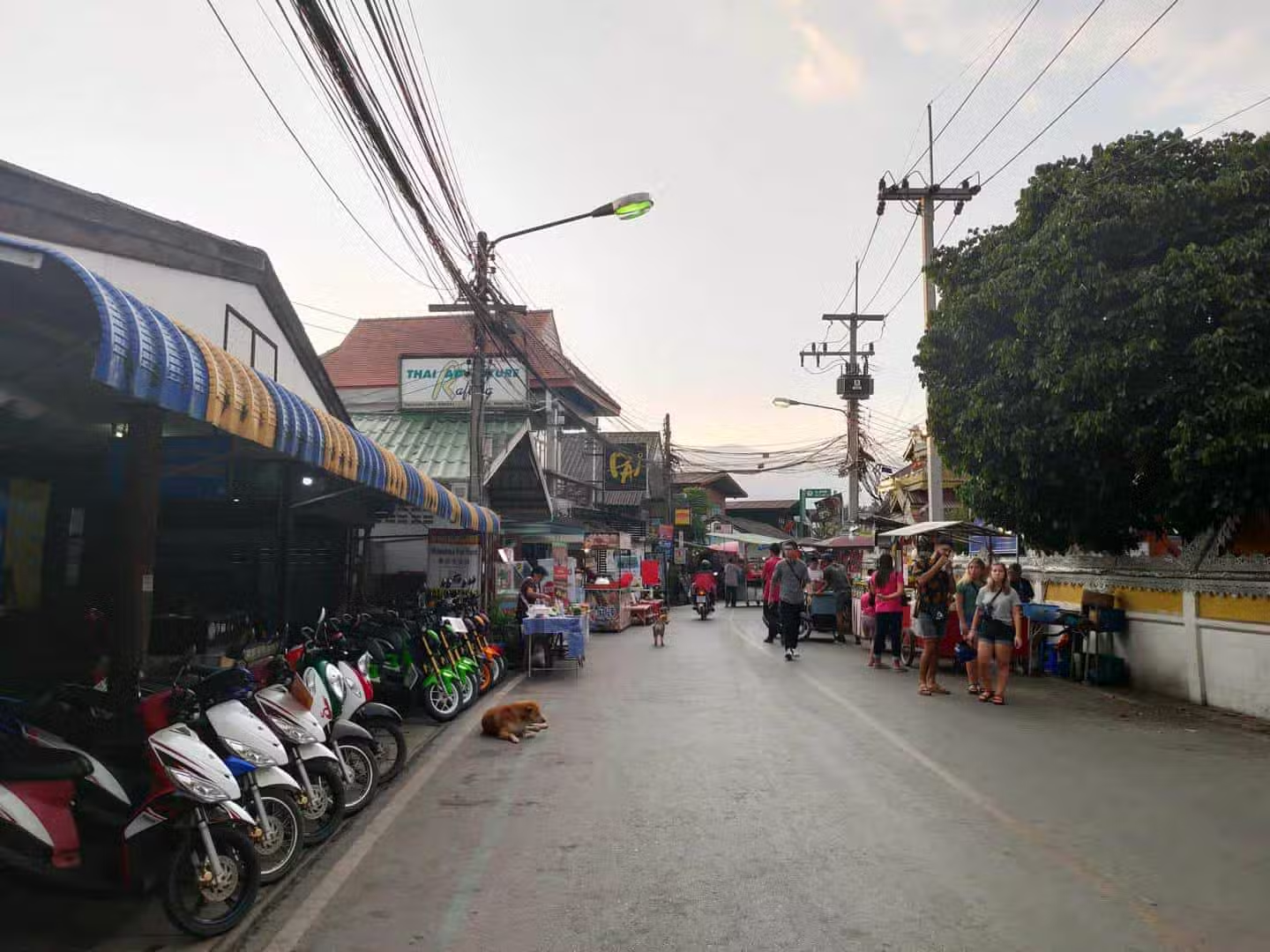
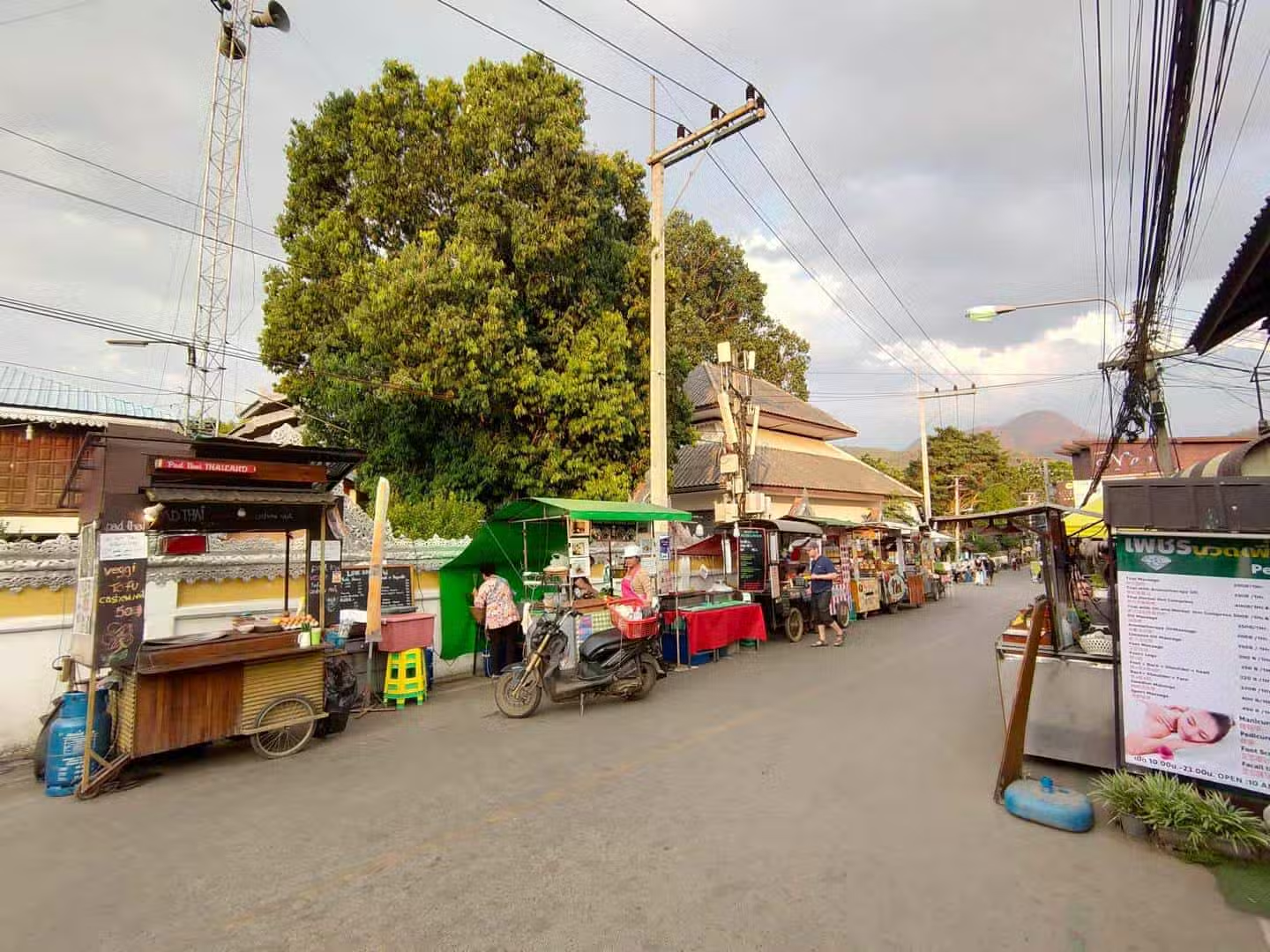
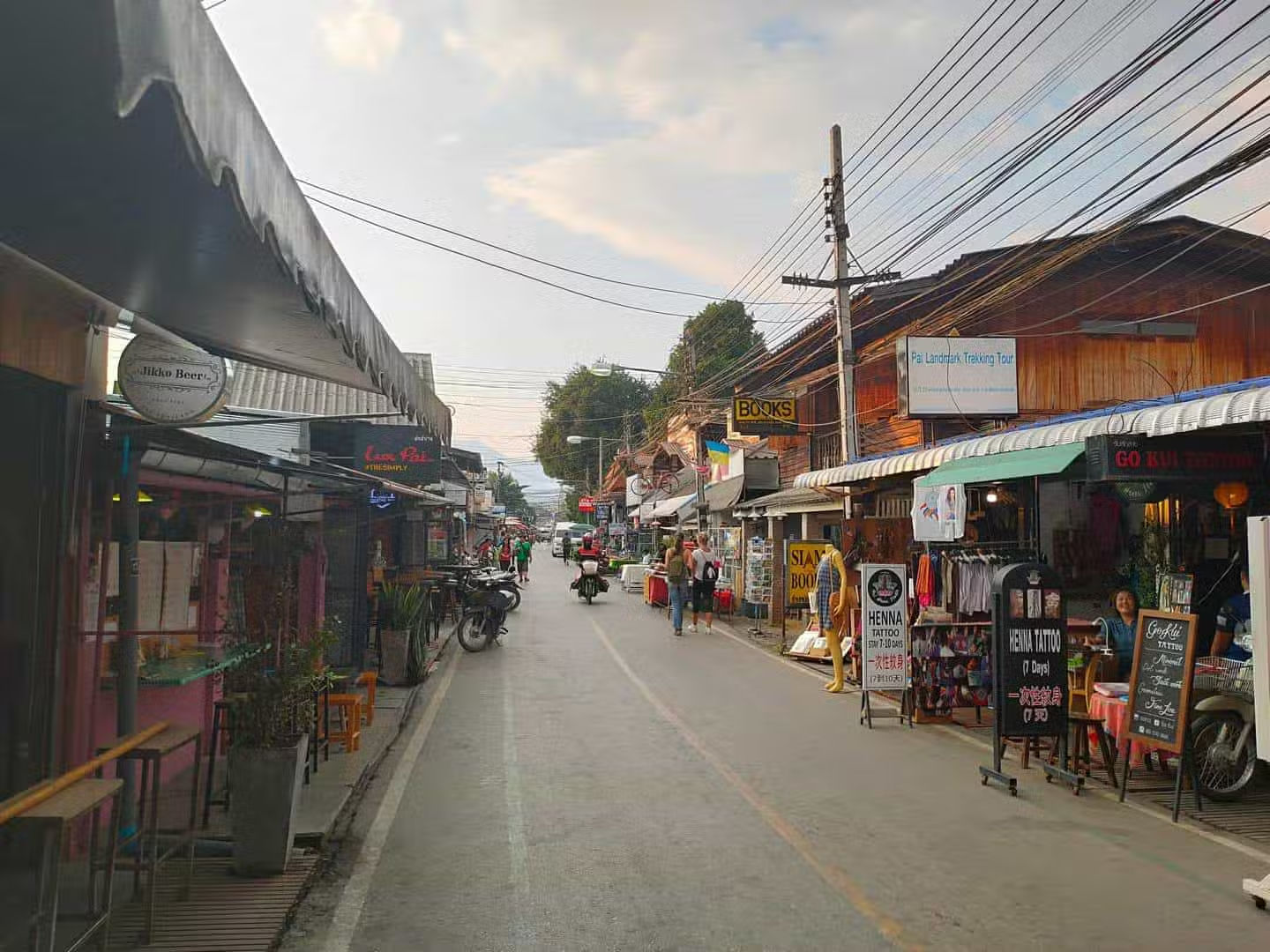
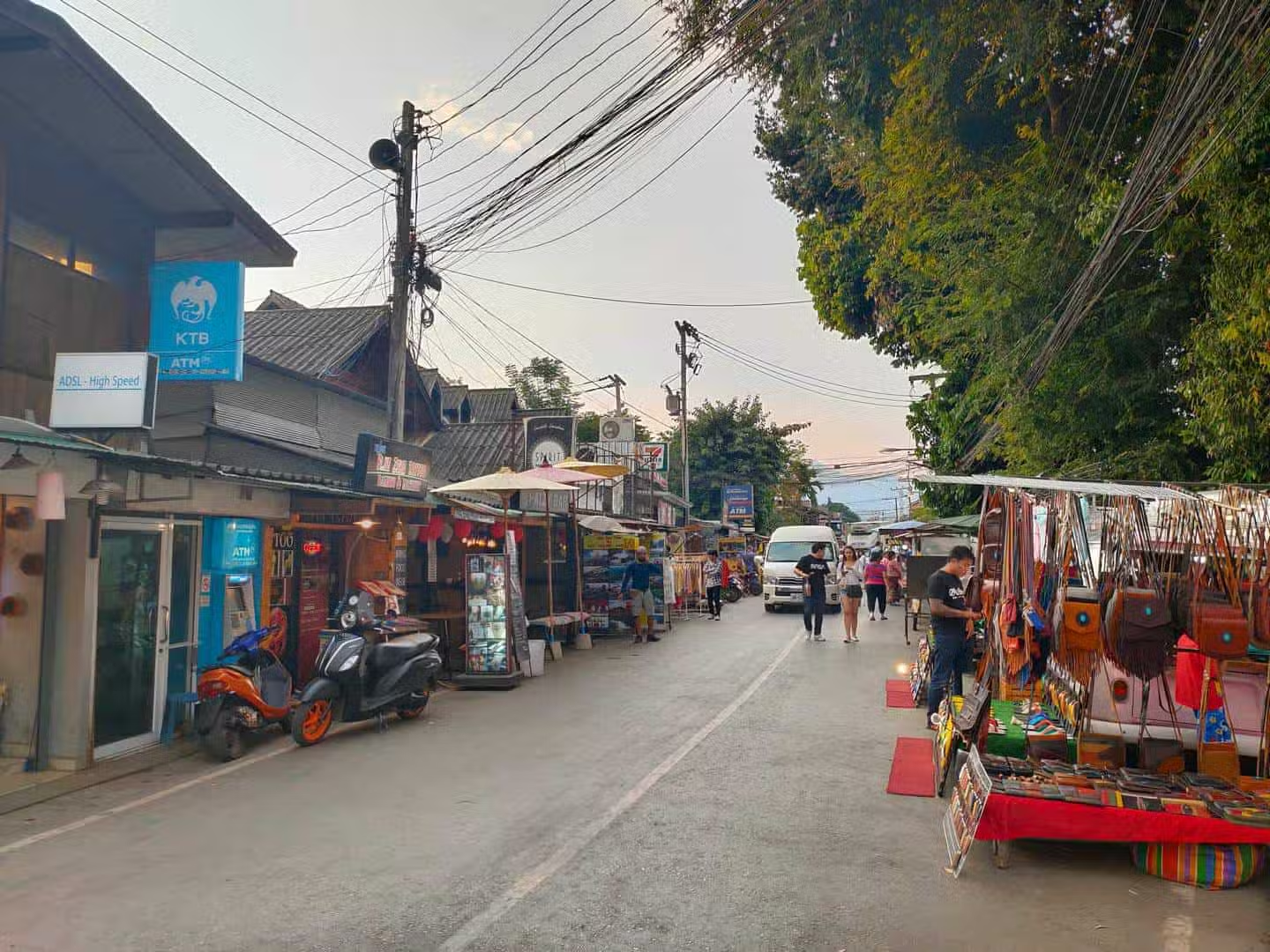
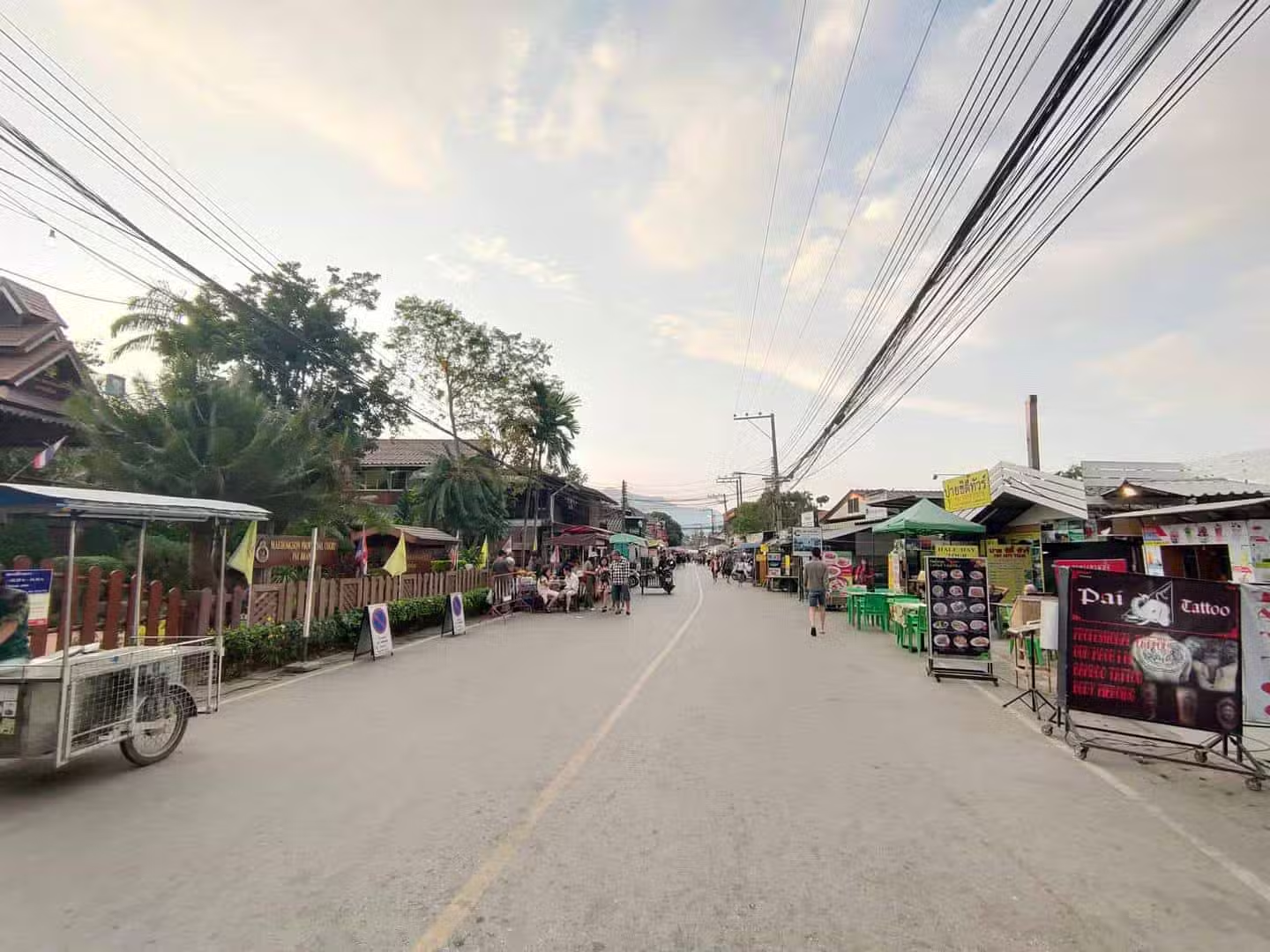
Pai town and evening streets
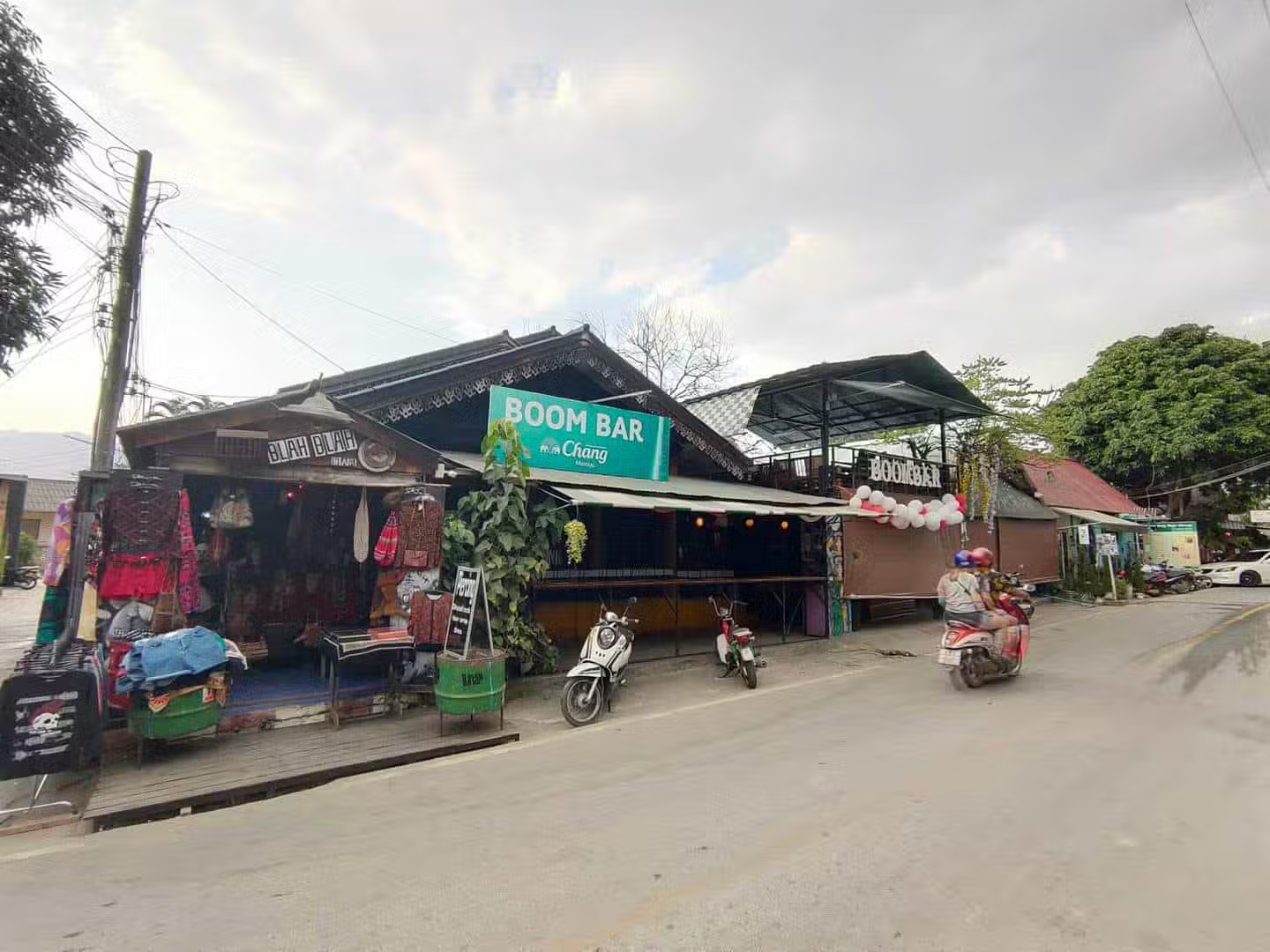
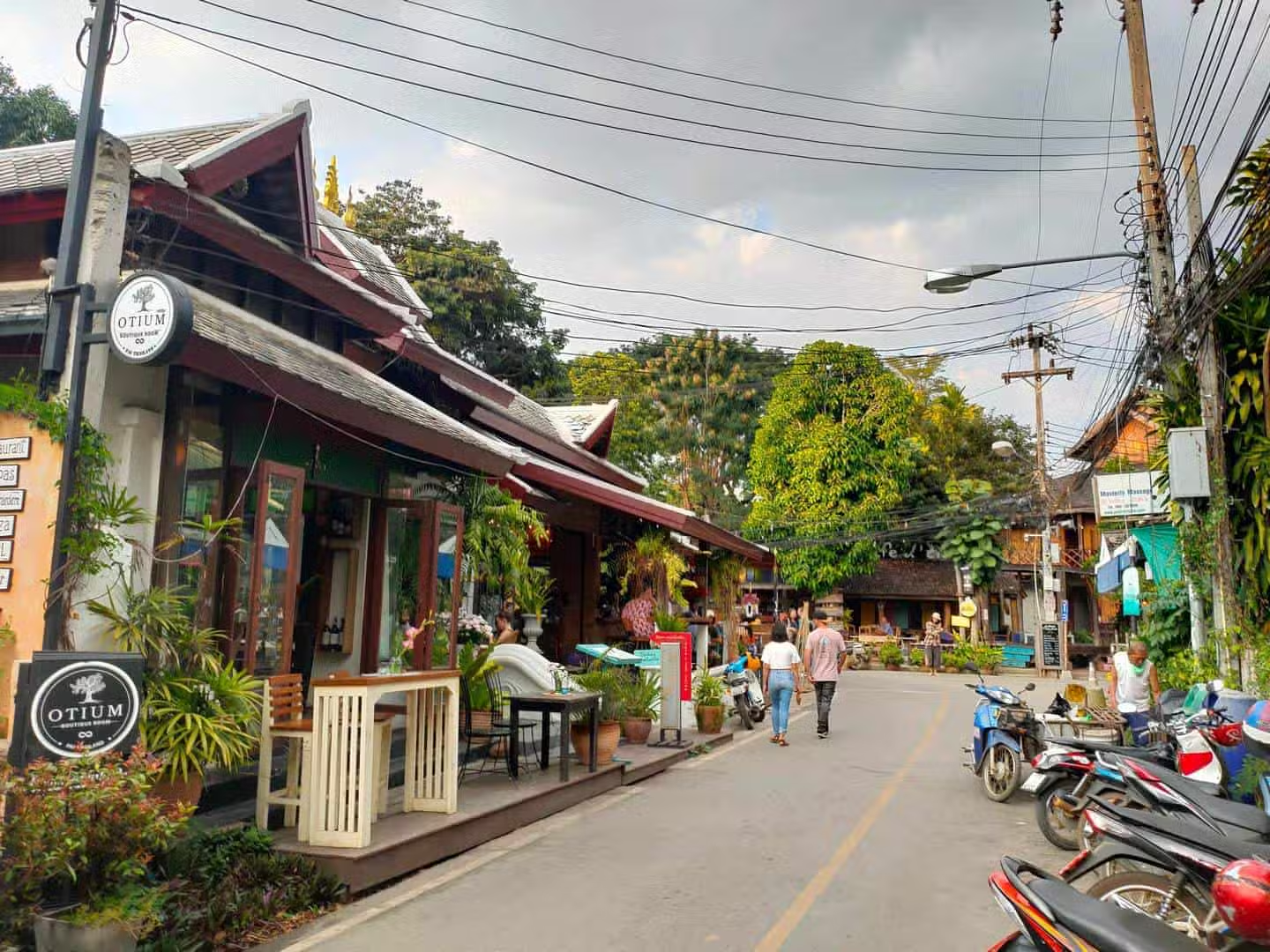
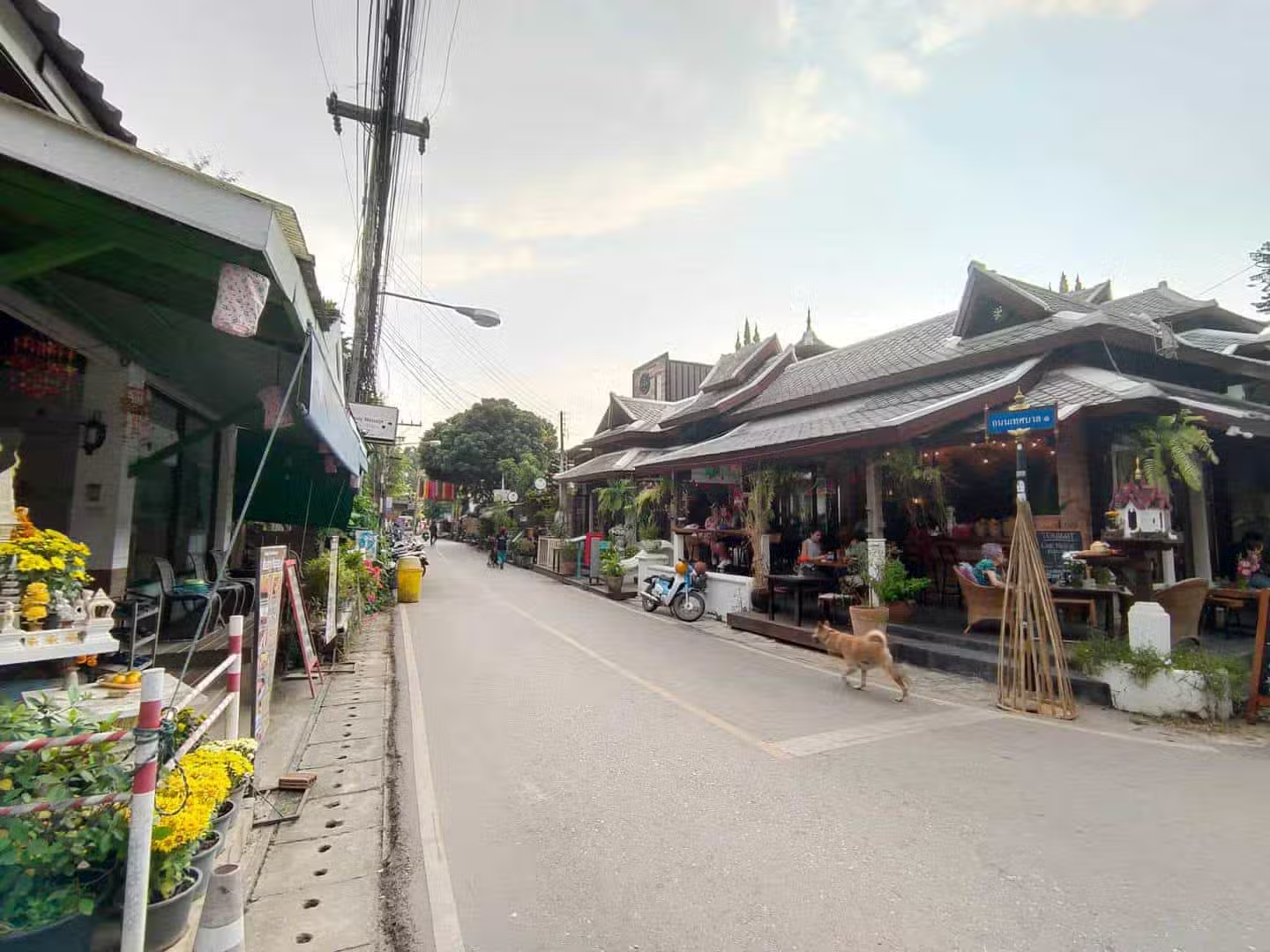
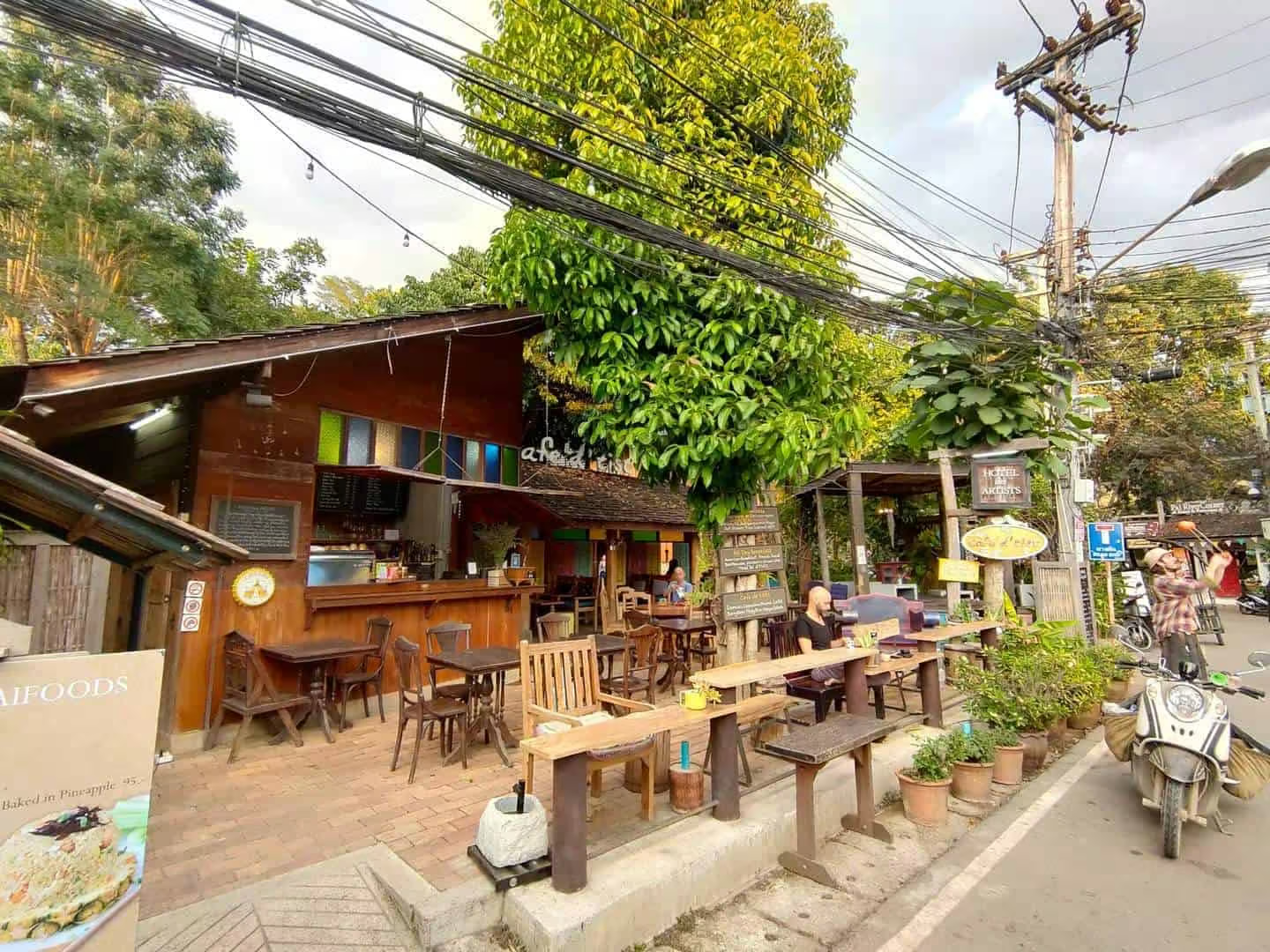
The small centre is a practical base for food, cafés and an evening stroll. Browse rather than planning the town as a full day of monuments; check the current market activity and restaurant hours if a particular stall matters. The surrounding rural roads are a different outing from the compact town streets.
Pai Canyon
The exposed sandstone ridges provide sweeping views but have narrow edges and uneven footing. Choose a viewpoint suited to your group and turn back before the trail becomes uncomfortable; sunset crowds and fading light make an ambitious scramble a poor last-minute plan. Use a vehicle to reach the site and return safely.
Tha Pai hot spring and Mo Paeng waterfall
Tha Pai hot spring and Mo Paeng waterfall are two different nature outings beyond the town centre. Choose one based on your day and current access, water, and weather conditions; the spring may have separate bathing rules, while a waterfall can change significantly after rain. Book or arrange a suitable return ride and follow posted safety advice. You don’t need to squeeze either site into the same afternoon as a sunset scramble at Pai Canyon.
Memorial Bridge and valley drives
The historic bridge south of town can fit a road trip to another confirmed stop. Its interest is the crossing and local history, not a destination requiring half a day alone. Slow down at roadside viewpoints only where parking is safe, especially in wet weather.
Wat Phra That Mae Yen viewpoint
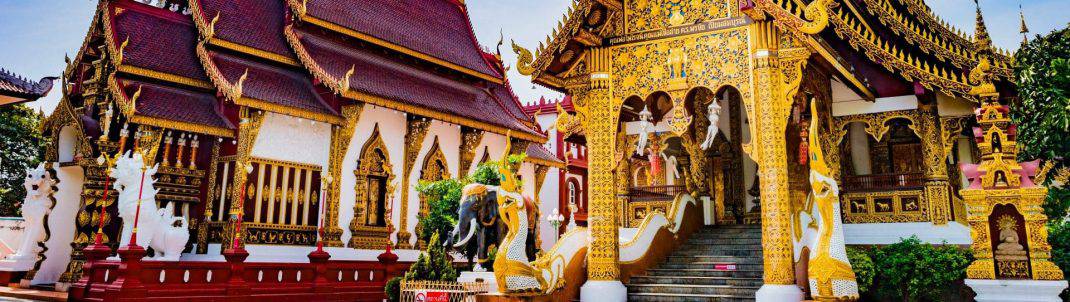
This hillside temple area overlooks Pai and can be a useful short excursion when conditions are clear. The approach involves an ascent and sun exposure, so plan transport to the right starting point and decide whether the steps suit your group. Visit respectfully and keep the temple stop separate from the more exposed footing at Pai Canyon.
Where to eat
Pai’s centre is the easiest place to eat without a vehicle, with cafés for a slow breakfast and a changing mix of Thai and international restaurants for dinner. The walking-street area becomes a food option when stalls are operating, but market hours and vendors aren’t a substitute for a dependable sit-down meal. After a winding arrival from Chiang Mai, dinner close to your room is usually more comfortable than another drive.
For a valley outing, decide on lunch before leaving town or choose a confirmed café on the route. Waterfalls, canyon trails, and hot springs aren’t reliable places to find the meal you want. If you stay in a rural resort, check whether it serves dinner and how you will get back after dark; a remote room with no evening transport changes the food plan.
Om Garden Cafe is a daytime garden café in Pai town for a slower breakfast or lunch; check its current trading hours before making it a fixed stop. The Blue Ox at Pai Village offers a different, sit-down dinner option near the walking-street area. This pair is more useful for different times of day than as a list of places to visit on one food crawl.
Where to stay
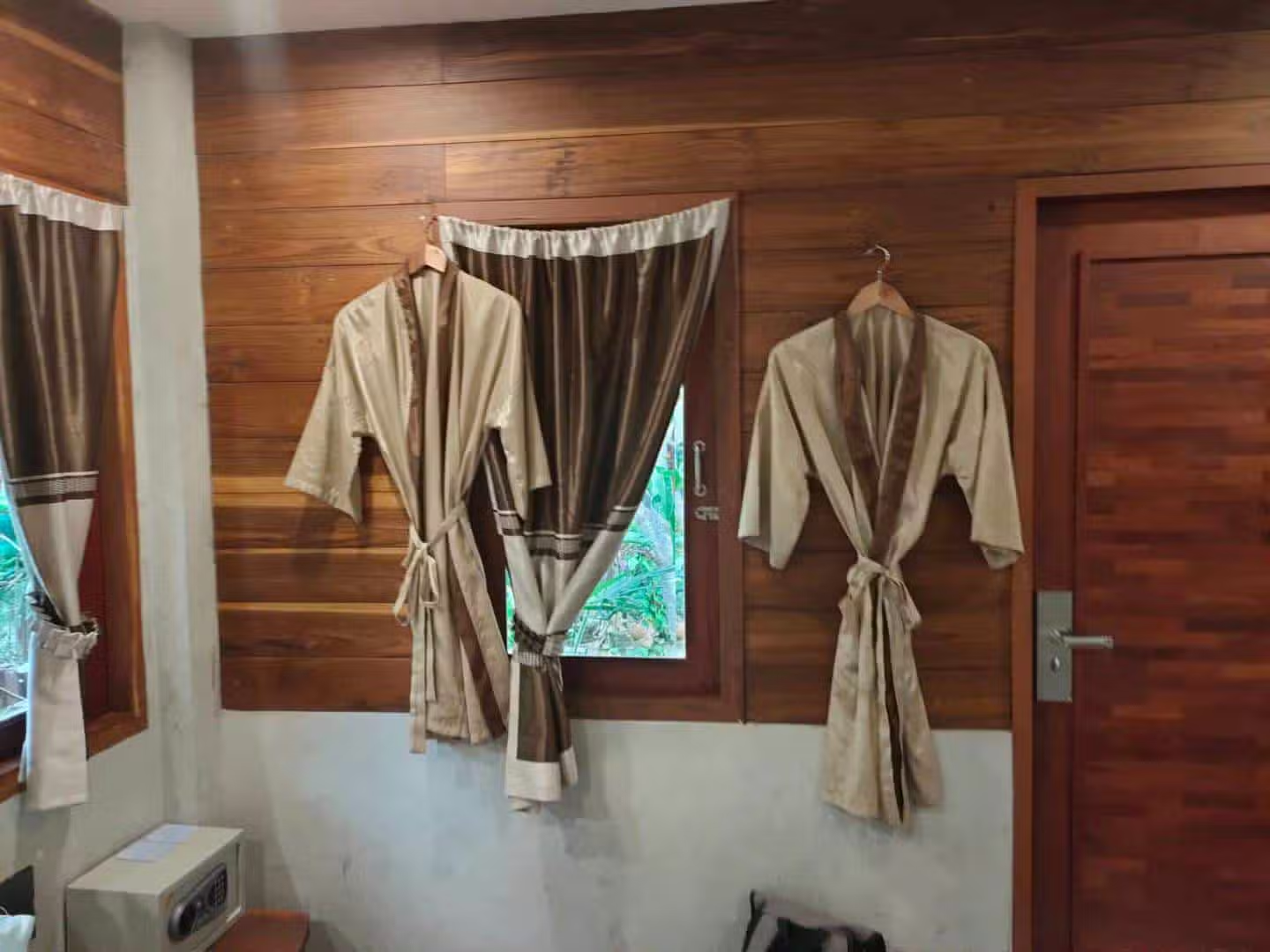
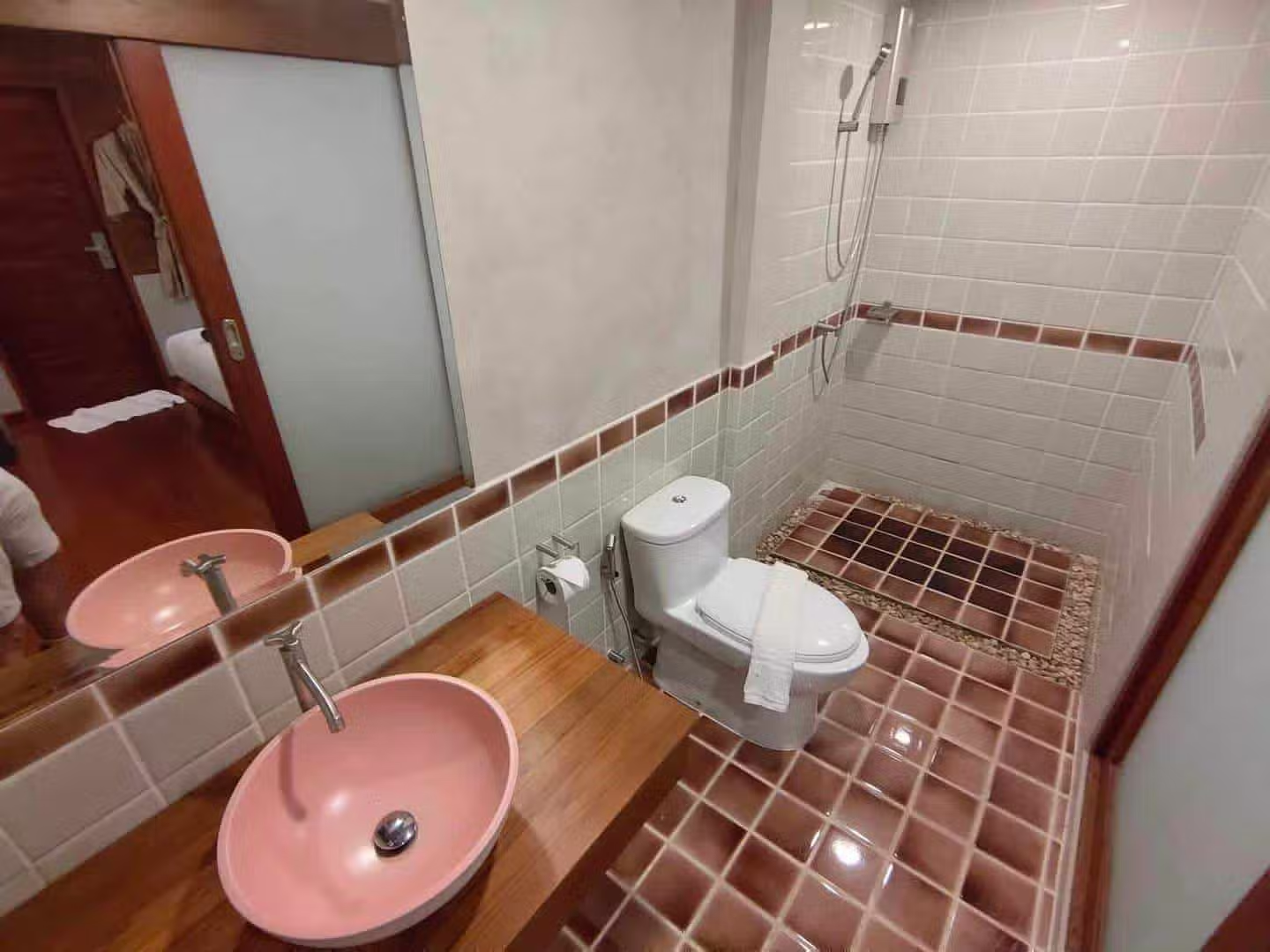
Choose a central guesthouse for a first visit if you want to walk to cafés, the evening streets and tour pickup. Check whether the room faces a lively lane and whether the approach is suitable with luggage. A riverside property can offer a quieter setting while staying close enough to town at the right address; compare the actual walking route, lighting, and any bridge rather than the map’s straight-line distance.
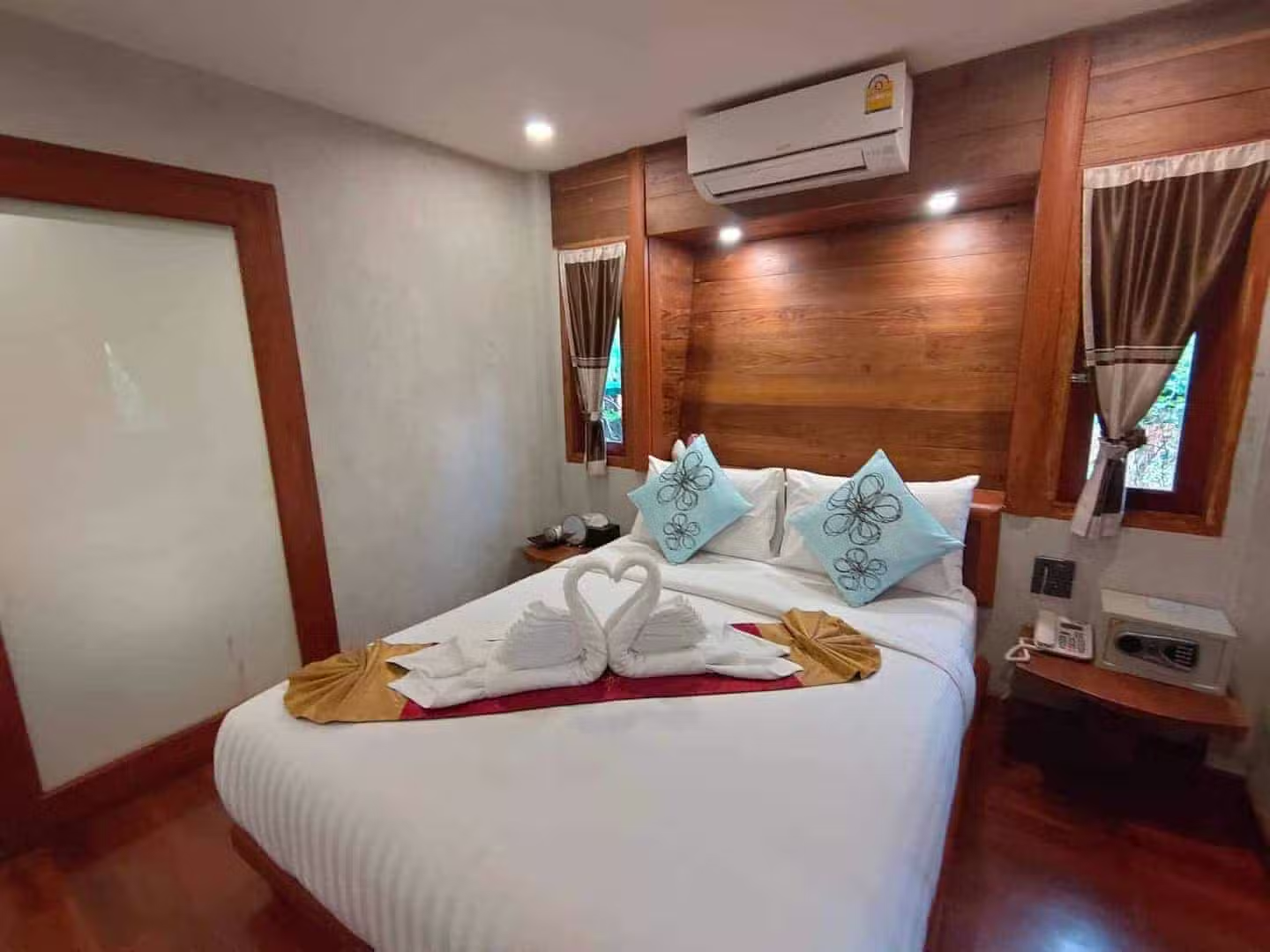
A countryside stay suits a couple of relaxed nights or a specific retreat, but it usually requires a driver or your own suitable vehicle for meals and nature stops. Ask about road access in rain, onsite food, parking and transfers before booking. If Pai is a stop on a Mae Hong Son road trip, a central overnight reduces detours when leaving the next morning.
Pai Village Boutique Resort gives a named example close to the walking street for travellers who want to reach dinner on foot. Reverie Siam is a more secluded resort-style stay that calls for attention to its transfer and evening-meal arrangements. Compare the exact room and route to town, especially if you will arrive by minivan without your own vehicle.
Getting to and around
Minivans and private road transfers link Pai with Chiang Mai, but the mountain road has many bends; leave recovery time after arrival and check your actual departure location and luggage allowance. You can walk the town core in short sections. Pai Canyon, springs, waterfalls, and more distant valley stops require a planned vehicle and return, especially around sunset or after rain.
A licensed, experienced rider may choose a scooter, but visitors unfamiliar with mountain roads should consider a driver, an organised excursion, or a car instead. Don’t make a rental the default recommendation for families or first-time riders. Confirm the state of the access road and trails for each outdoor stop, carry water, and leave daylight for the drive home. Mae Hong Son town is an onward mountain journey, not a short extension of a Pai afternoon.
Planning two nights in Pai
Keep the first day for arrival, a short town stroll, and dinner, because the road from Chiang Mai is winding. On the full day, choose a valley drive and one or two outdoor stops, allowing time to return before dark. The last morning can be a café stop or a gentle riverside walk before the onward journey. This schedule lets the trip feel like a mountain stay rather than a race through photo points.
If the sandstone at Pai Canyon is wet or the air is poor, replace a viewpoint drive with a slower town morning, a café meal and a short walk that suits conditions. A river or street stroll is flexible; exposed ridges are not. Hot springs and waterfalls also depend on current access and water conditions, so check the exact site before leaving and keep a town-based day as a legitimate part of a Pai stay. Don’t make up for a cancelled trail by adding a longer, unfamiliar mountain drive late in the day.
Is Pai Worth Visiting?
Yes, for an overnight mountain-town break with a few chosen valley stops. A rushed same-day return from Chiang Mai sacrifices much of the appeal.
Pai FAQs
Is Pai a day trip from Chiang Mai?
The winding mountain journey takes a substantial part of the day, so an overnight stay is much more rewarding. Arrive with daylight, eat near your room and use the next day for a chosen valley outing.
Can I walk to Pai Canyon?
Pai Canyon is outside the compact town centre. Arrange a vehicle and return ride, then choose a viewpoint or trail that suits the weather and your footing.
Is Pai Canyon suitable for everyone?
No. Some ridges are narrow and exposed, and conditions can worsen after rain or near sunset. Turn back before a section becomes uncomfortable and do not rely on the site for a safe bad-weather activity.
Do I need a scooter?
No. A driver, arranged tour or suitable car can reach outlying sites. Rent a scooter only if you are licensed, experienced and comfortable on mountain roads.
What can I do in Pai if outdoor conditions are poor?
Stay close to town for a relaxed café meal and a short walk if conditions permit. Recheck canyon, spring and waterfall access rather than replacing an unsuitable trail with another remote road trip.
Where should I stay without my own vehicle?
Choose a central room within a practical walk of meals and your arrival point. A rural property can work if it confirms transfers and dinner arrangements in advance.



Do You Have a Question to Ask?