



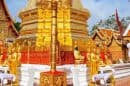

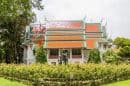
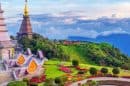
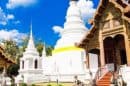












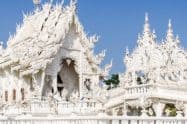
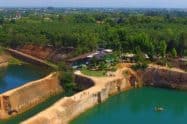
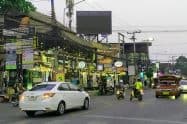

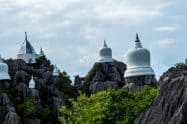
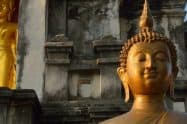
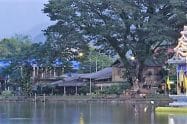
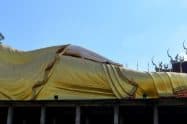
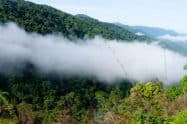




Phrae is a northern provincial town where teak-era buildings and temples give the centre its own identity. The eroded formations of Phae Mueang Phi add a nature stop outside town, but they are not part of a walking heritage loop. Stay long enough to enjoy the older streets rather than using the city only as a road pause.
A central day works best with one heritage property and one or two temple stops. Regional parks and caves require different roads, current access checks, and ideally another day.
Things to see and do in Phrae
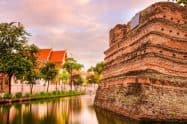
Old-town lanes and teak architecture
Walk around the centre to notice wooden houses and older public buildings that recall Phrae’s trading history. Some named mansions are museums while others are private or have variable entry, so confirm the current visitor arrangement for any interior. A slow street walk is rewarding, without crossing a threshold you haven’t checked.
Khum Chao Luang and a heritage interior
The historic residence offers a more specific cultural stop when open to visitors. Check current opening and interpretation before making it the entire reason for travel, then pair it with nearby streets and lunch. If closed, the town still supports a temple and exterior heritage circuit.
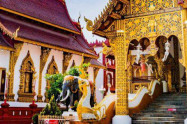
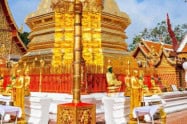
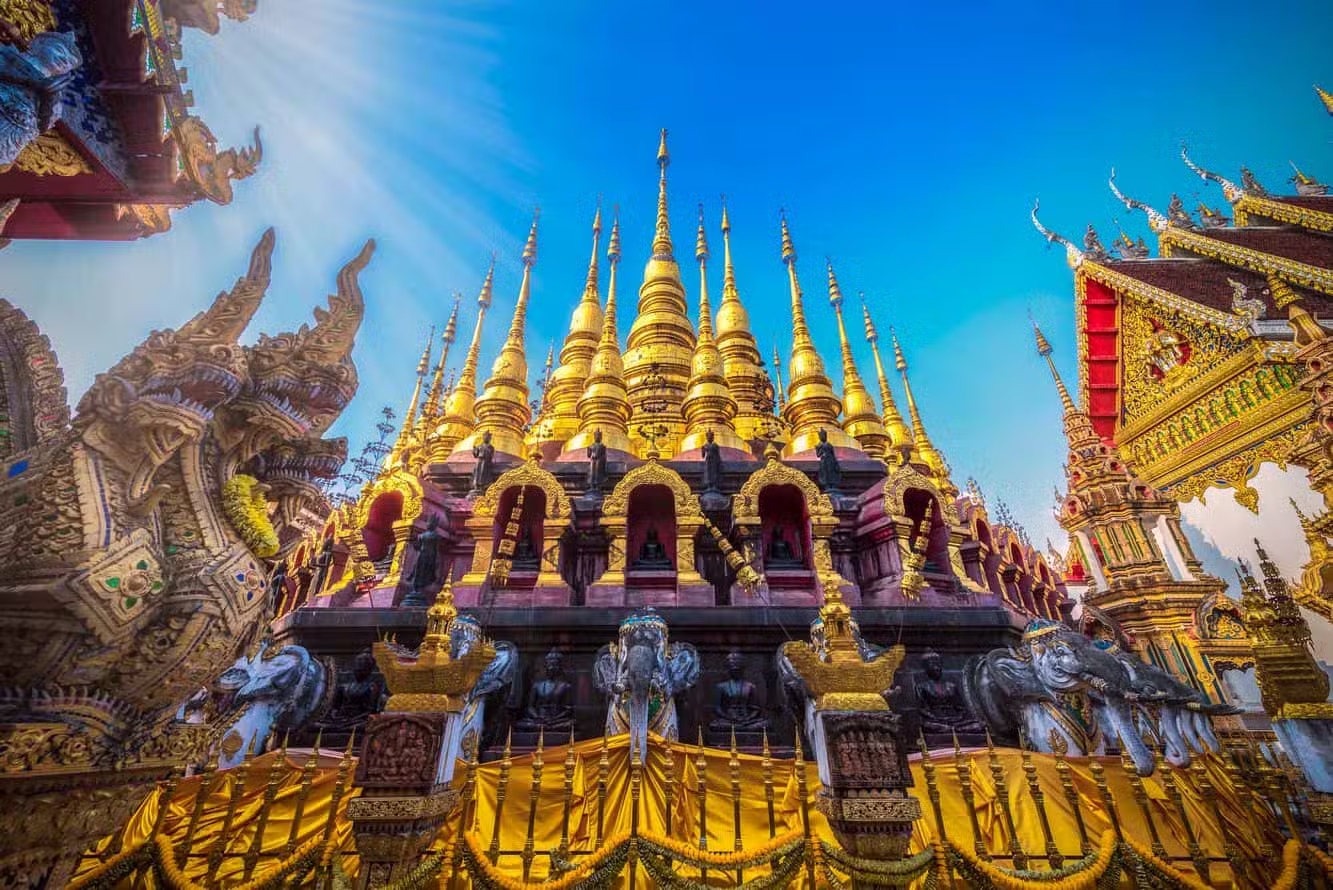
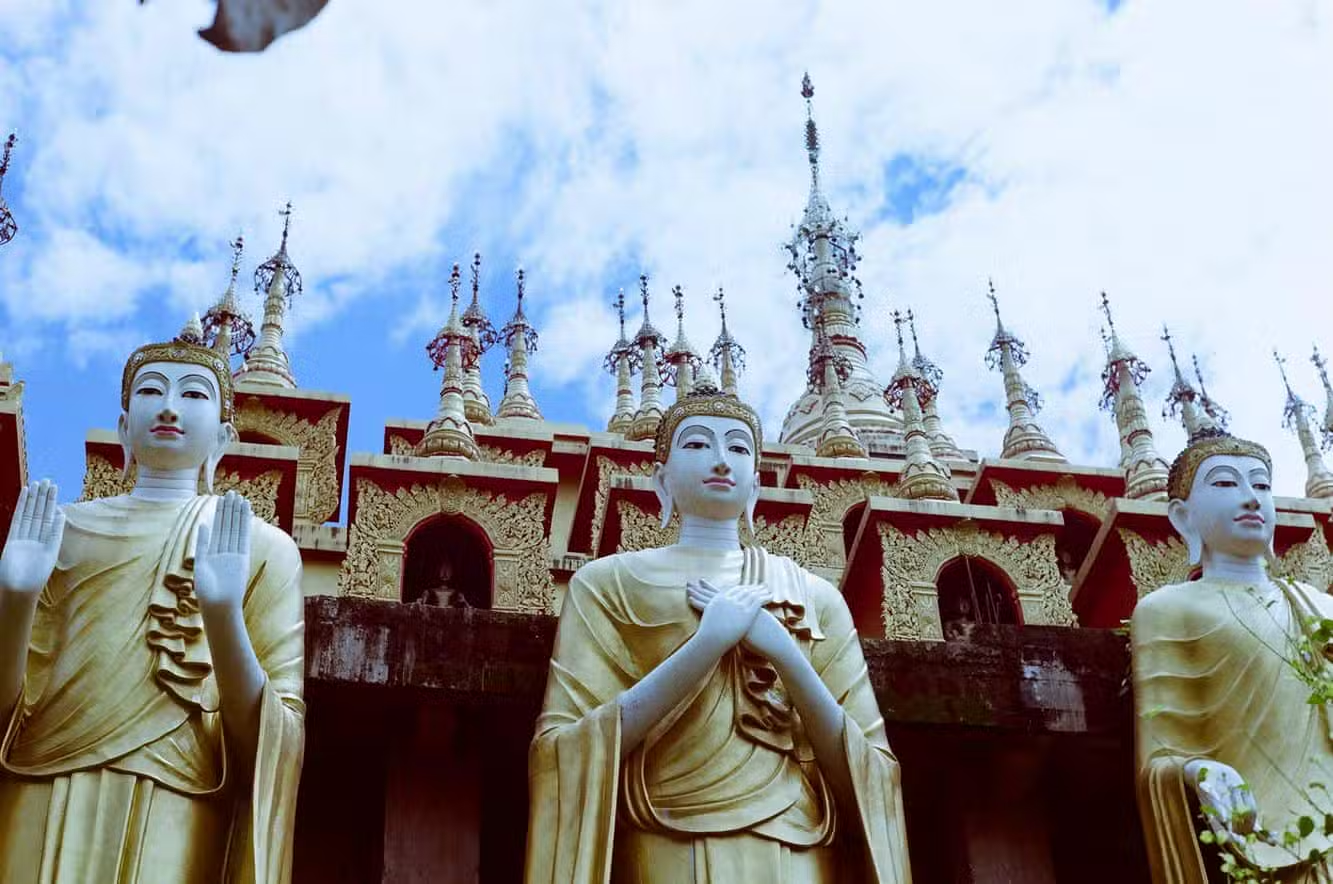
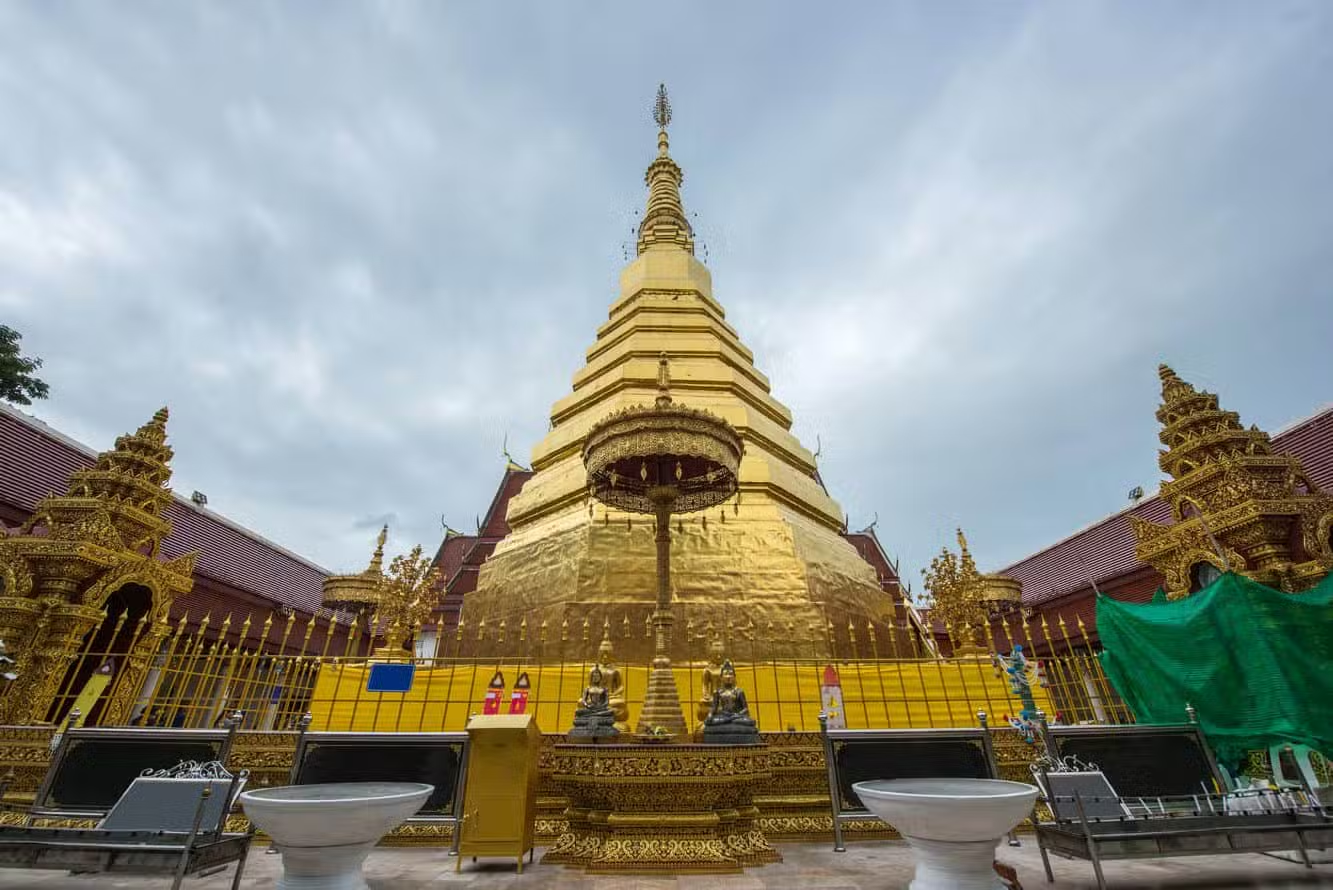
Wat Phra That Cho Hae
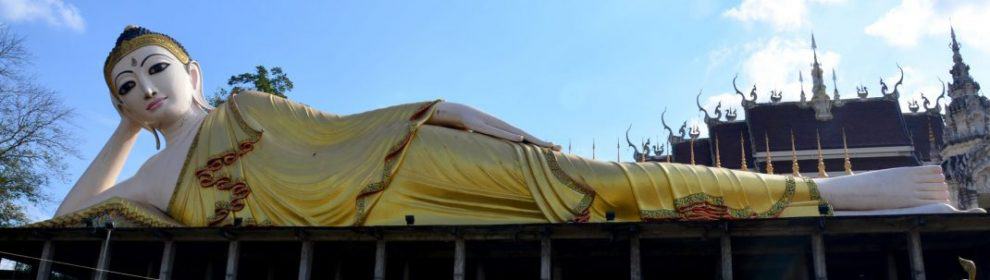
This significant temple lies outside the tight centre and warrants a planned vehicle trip. Dress for a religious site, allow time on the grounds and check access on a festival or special day. It is a stronger extension than an indiscriminate list of shrines across the province.
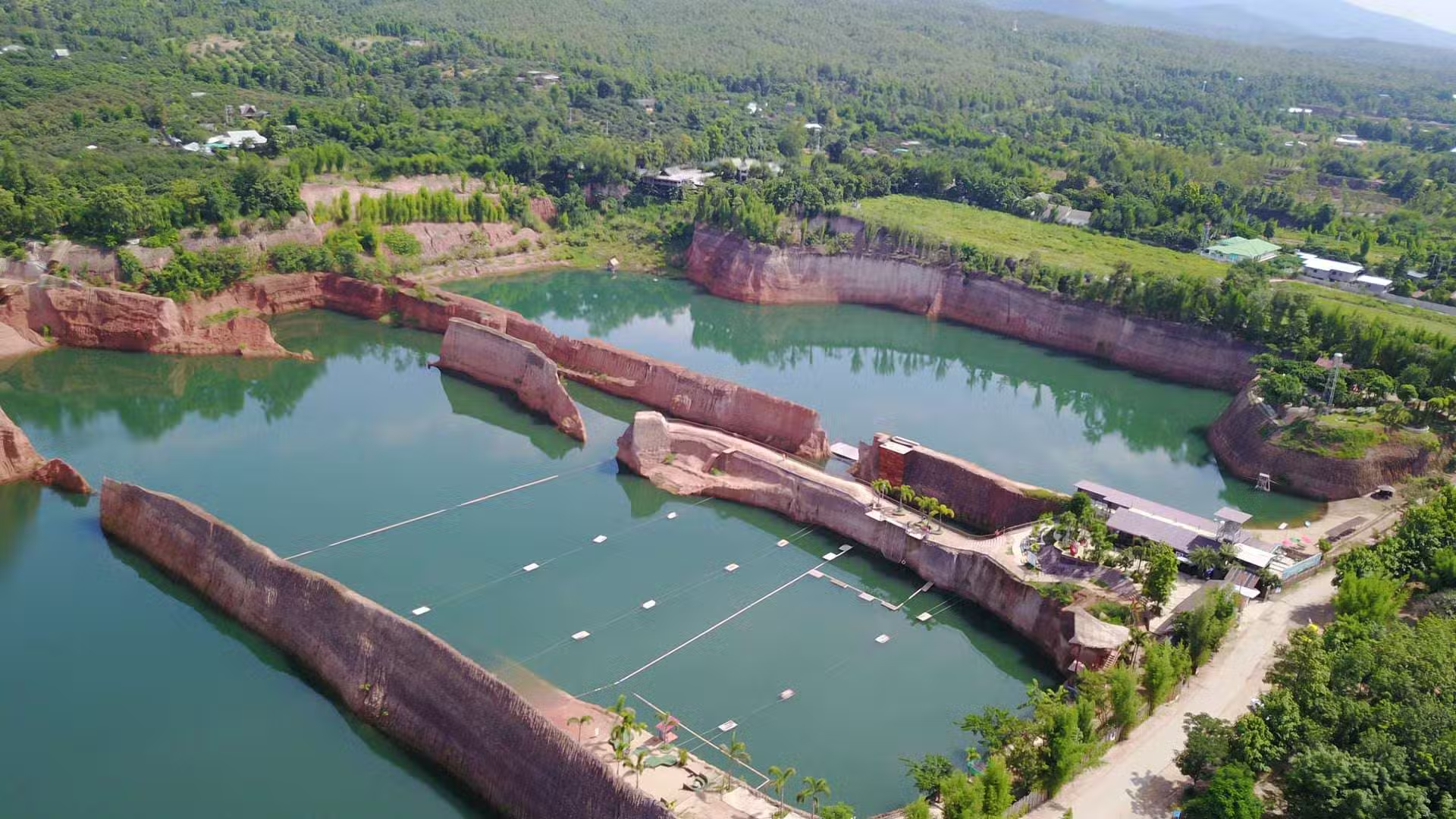
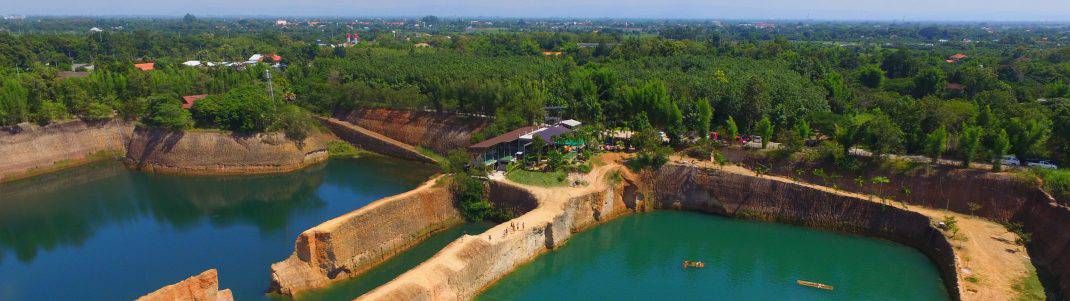
Phae Mueang Phi
The eroded earth formations make a striking landscape visit on a separate drive. Follow marked paths, avoid fragile edges and check conditions after rain or in strong heat. Combine it with a sensible nearby stop only after confirming both routes, rather than promising a walk from the city.
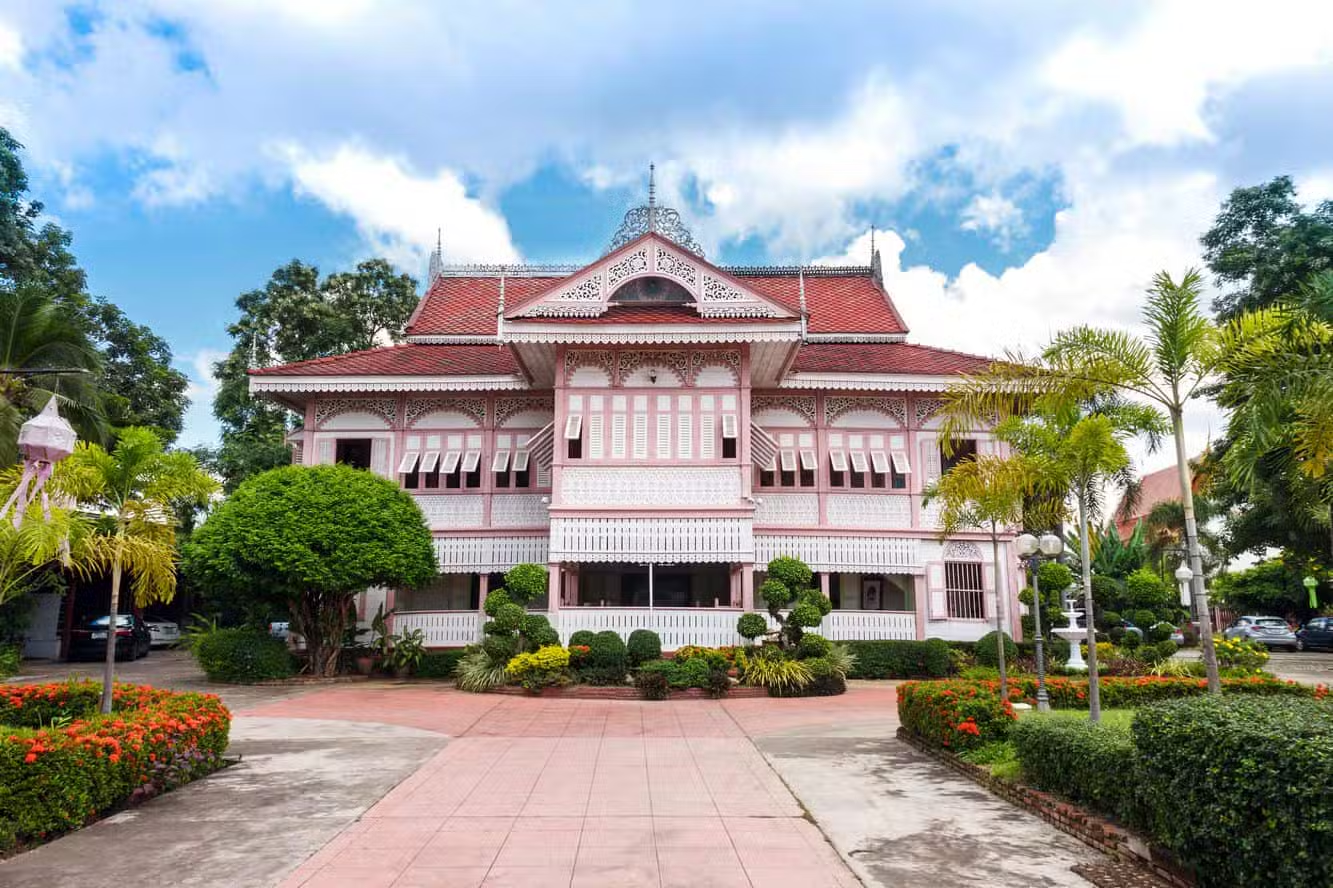
Khum Wong Buri and Phrae timber houses
Khum Wong Buri is another noted heritage house in Phrae and helps visitors see why the town is associated with teak-era architecture. Check whether interiors admit visitors on the day you go and treat private buildings respectfully. Pair one or two open houses with an unhurried old-street walk rather than assuming every historic-looking facade is a museum.
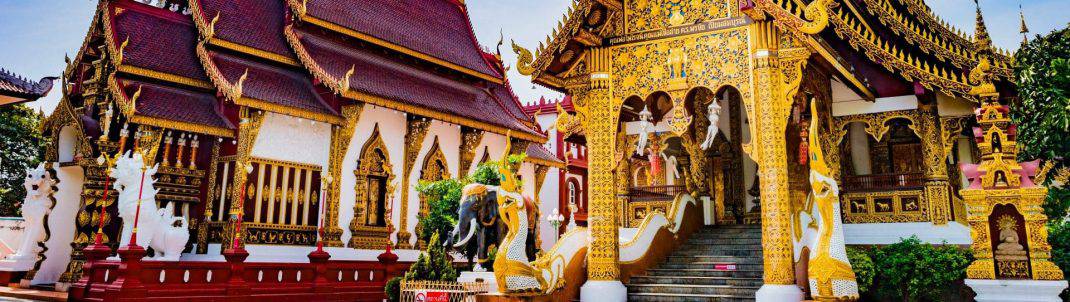
Wat Luang and a town temple circuit
A short temple circuit within Phrae can add context before driving to Wat Phra That Cho Hae. Choose the central temples you can actually visit, and allow time for worship, heat, and opening arrangements. The town day is most useful when it combines architecture, local food and religious history without turning every temple into a rushed photo stop.
Where to eat
Central Phrae is the easiest place for a proper meal. Choose food before an outlying viewpoint or temple trip and carry water, especially in hotter months; rural attraction entrances may not offer a reliable lunch.
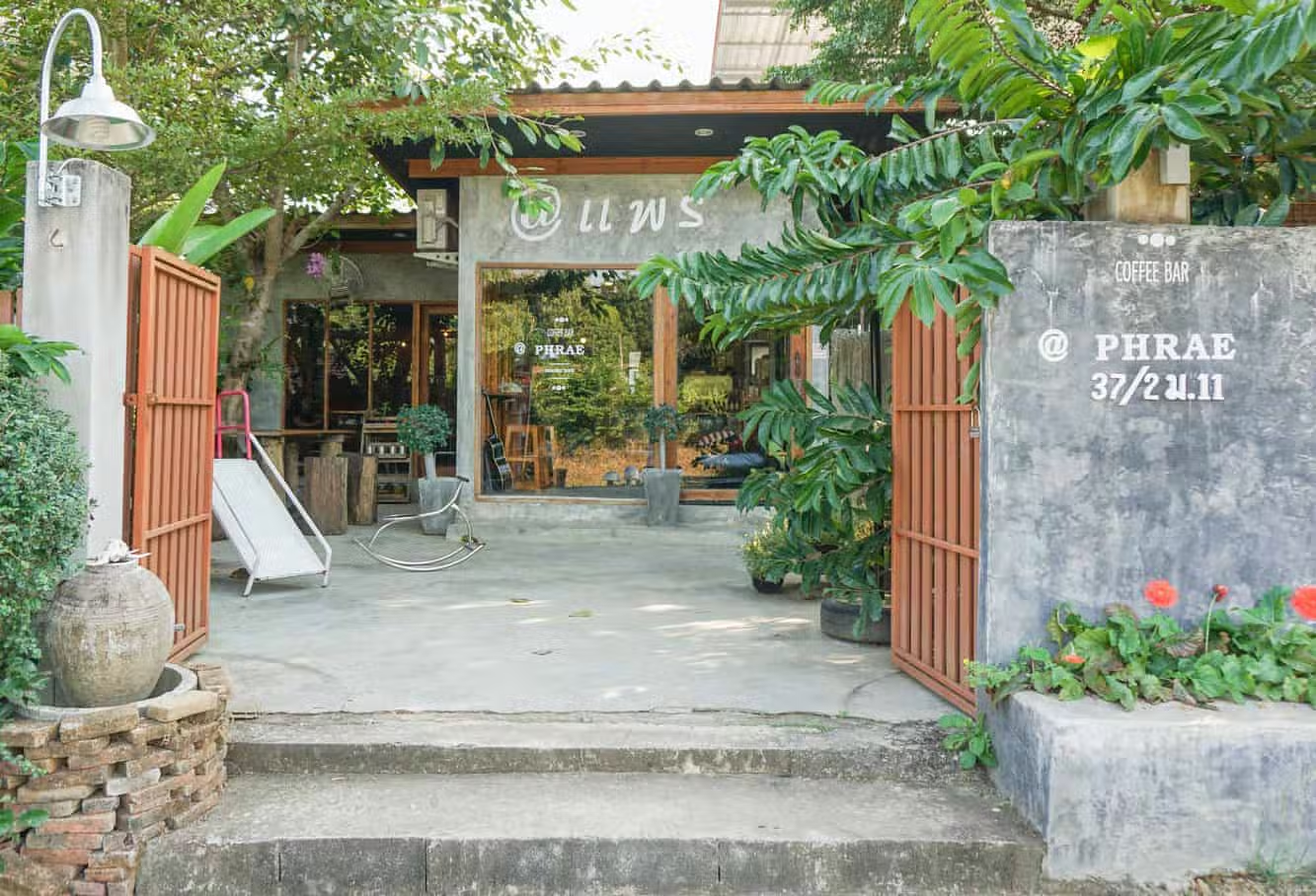
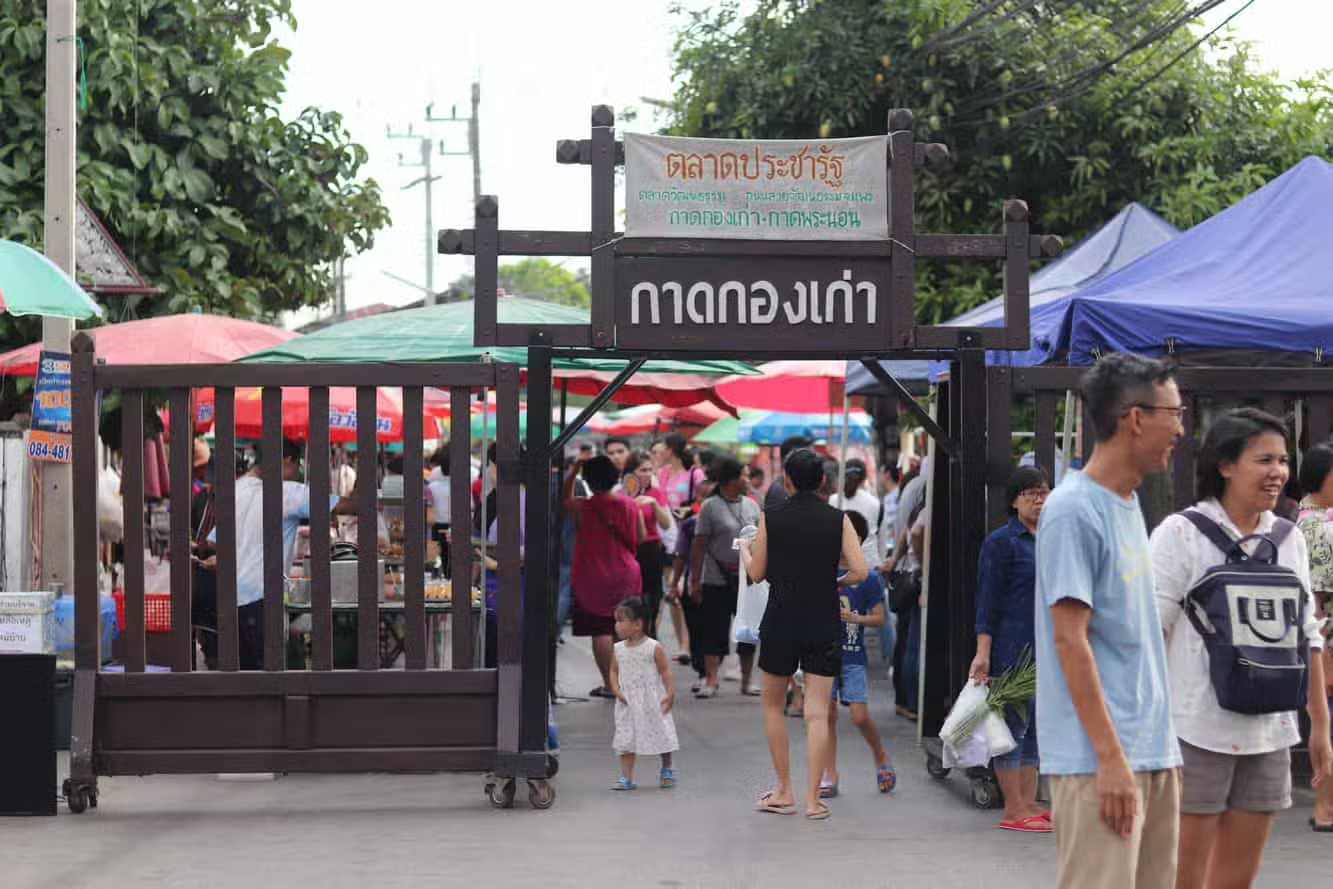
Use the old-town streets for a relaxed lunch between heritage stops, then choose a central restaurant for dinner if staying overnight. Small house museums are not dining districts; check where the next meal sits before driving to Cho Hae or Phae Mueang Phi. Market activity depends on the day, so confirm in advance.
Where to stay
A town-centre hotel suits an evening meal and the next morning’s heritage walk. A country property can suit a specific park route but may leave you dependent on your vehicle for dinner. Phrae also works as an overnight break between northern provincial capitals.
A central guesthouse or hotel supports an evening walk and lets you start the heritage circuit without a vehicle. Compare it with the actual bus arrival point or Den Chai rail transfer. Rural accommodation fits a particular park or driving route, but check dinner options before booking a room outside town.
Getting to and around
Reach Phrae by intercity bus or private vehicle, and check current timetables. The old centre is walkable in sections, but Cho Hae and Phae Mueang Phi need transport. Allow return time and confirm the exact park access point.
Den Chai station is outside Phrae town and requires an onward road transfer. Within town, combine a few old streets and open heritage buildings on foot; use a driver or vehicle for Wat Phra That Cho Hae and Phae Mueang Phi. Check the last return connection if you have only a day between intercity services.
A two-day Phrae stay
Use the first day for the old centre, a confirmed heritage interior and a relaxed evening meal. On the second morning, visit Wat Phra That Cho Hae, then decide whether Phae Mueang Phi fits the weather and your departure time. The eroded earth formations reward daylight and sensible footwear; check access and conditions locally after heavy rain.
Phrae has intercity road links, while the rail connection is at Den Chai rather than beside the old town. Check the station-to-town transfer and onward timetable if travelling without a car. A central hotel gives you the best chance of walking to dinner, but the outlying temple and landscape still need arranged transport.
Is Phrae Worth Visiting?
Yes, for travellers who enjoy a genuine heritage town and one carefully chosen provincial excursion.
Phrae FAQs
What should I see in Phrae town?
Old streets, a confirmed heritage interior and one selected temple make a good start.
Is Phae Mueang Phi in the centre?
No. It is a separate landscape trip by road.
Do I need a car?
A town walk does not, but the best-known outlying stops require arranged transport.
Is one day enough?
One day covers a focused town circuit plus one extension; longer park routes need more time.

Do You Have a Question to Ask?