
























Chiang Rai is a separate northern city and province, not an outer Chiang Mai neighbourhood. Its distinctive contemporary temple art sits alongside older city shrines, food streets and routes into the Mekong border country. A day trip from Chiang Mai can show a headline landmark, but at least one night gives the city and surrounding sites time to breathe.
Decide first whether your visit is centred on the city and its art sites or a longer drive into the province. A few well-chosen stops and a night in town make a more useful introduction than trying to cover the Mekong border country on the same temple afternoon.
Choose a Chiang Rai route
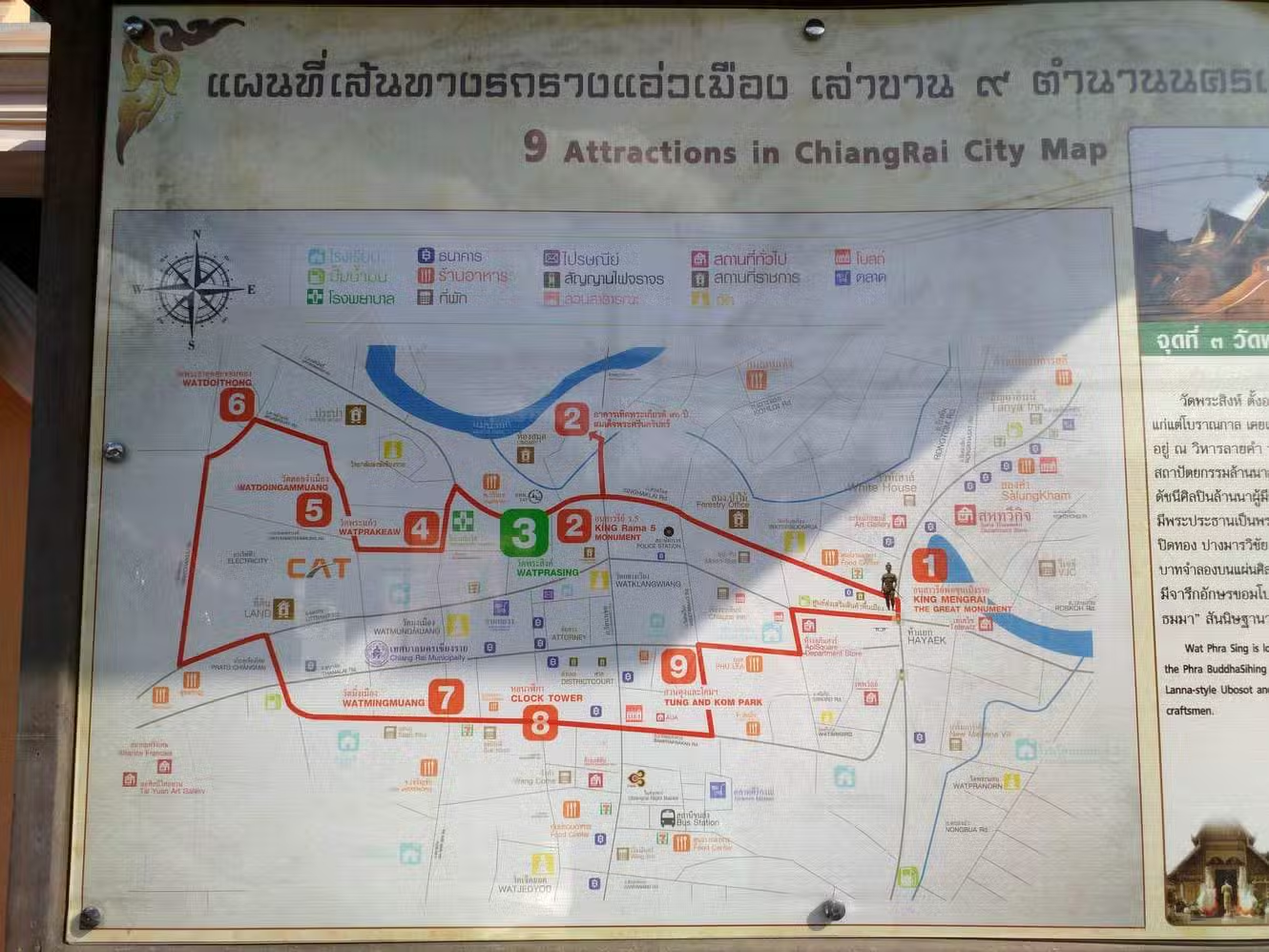
A central hotel puts the Clock Tower, a meal and older town temples within a manageable local outing. The headline art sites are different journeys: Wat Rong Khun lies south of town, while Wat Rong Suea Ten and Baan Dam sit in other parts of the area. Choose one or two based on your interests and available transport, rather than imagining a single pedestrian temple strip.
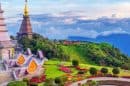
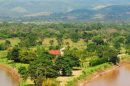
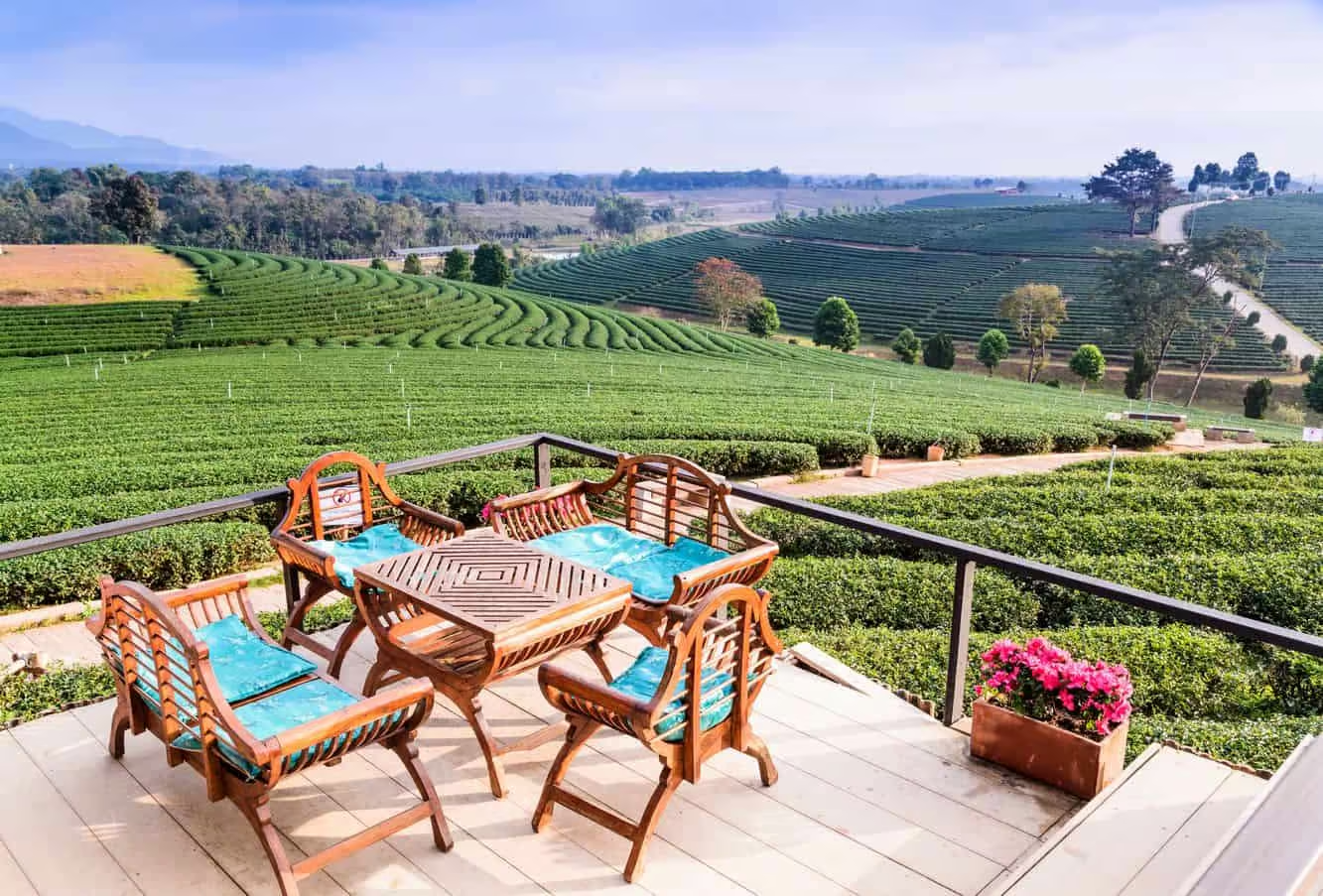
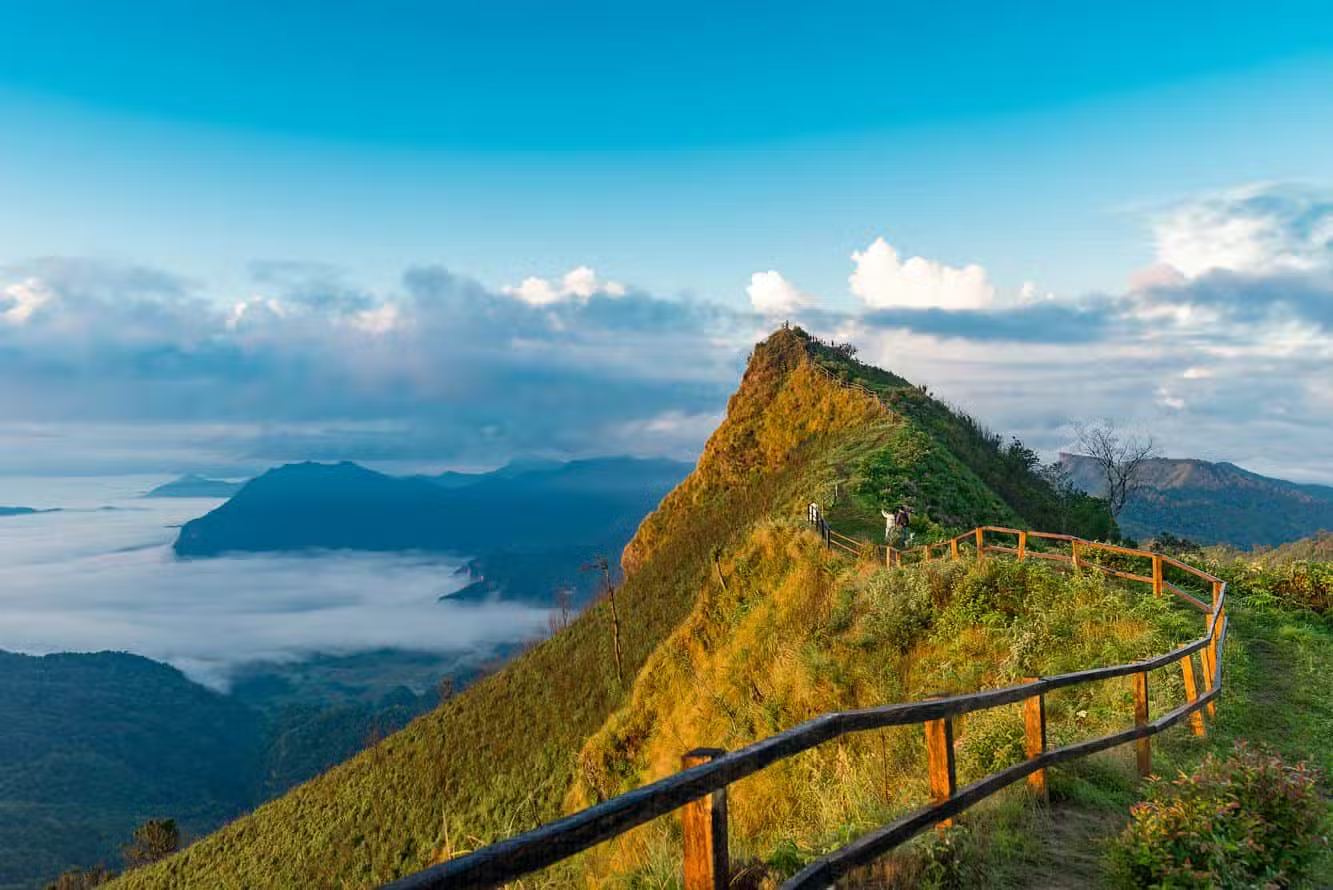
For a regional day, choose one direction. Chiang Saen and the Golden Triangle suit Mekong history and scenery; Mae Salong is a hill-country tea trip. Phu Chi Fa is a longer, sunrise-oriented journey that may require nearby accommodation. Allow for mountain roads, weather and a daylight return, and treat any border crossing as a separate immigration plan.
Things to see and do in Chiang Rai
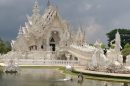
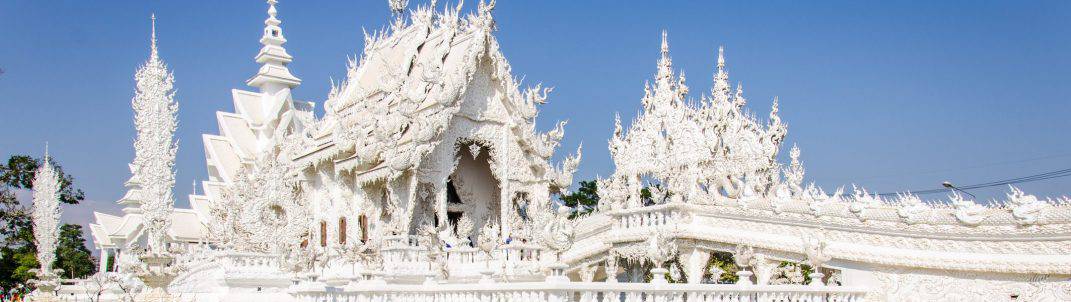
Wat Rong Khun, the White Temple
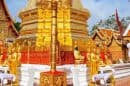
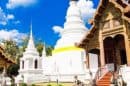
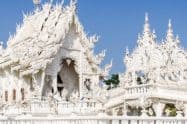
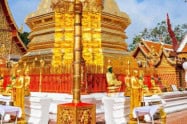
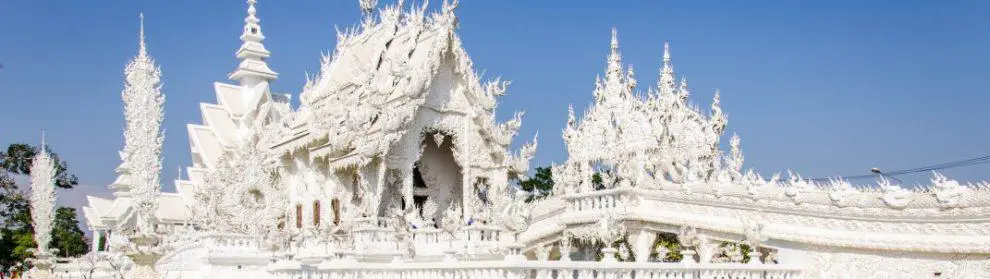
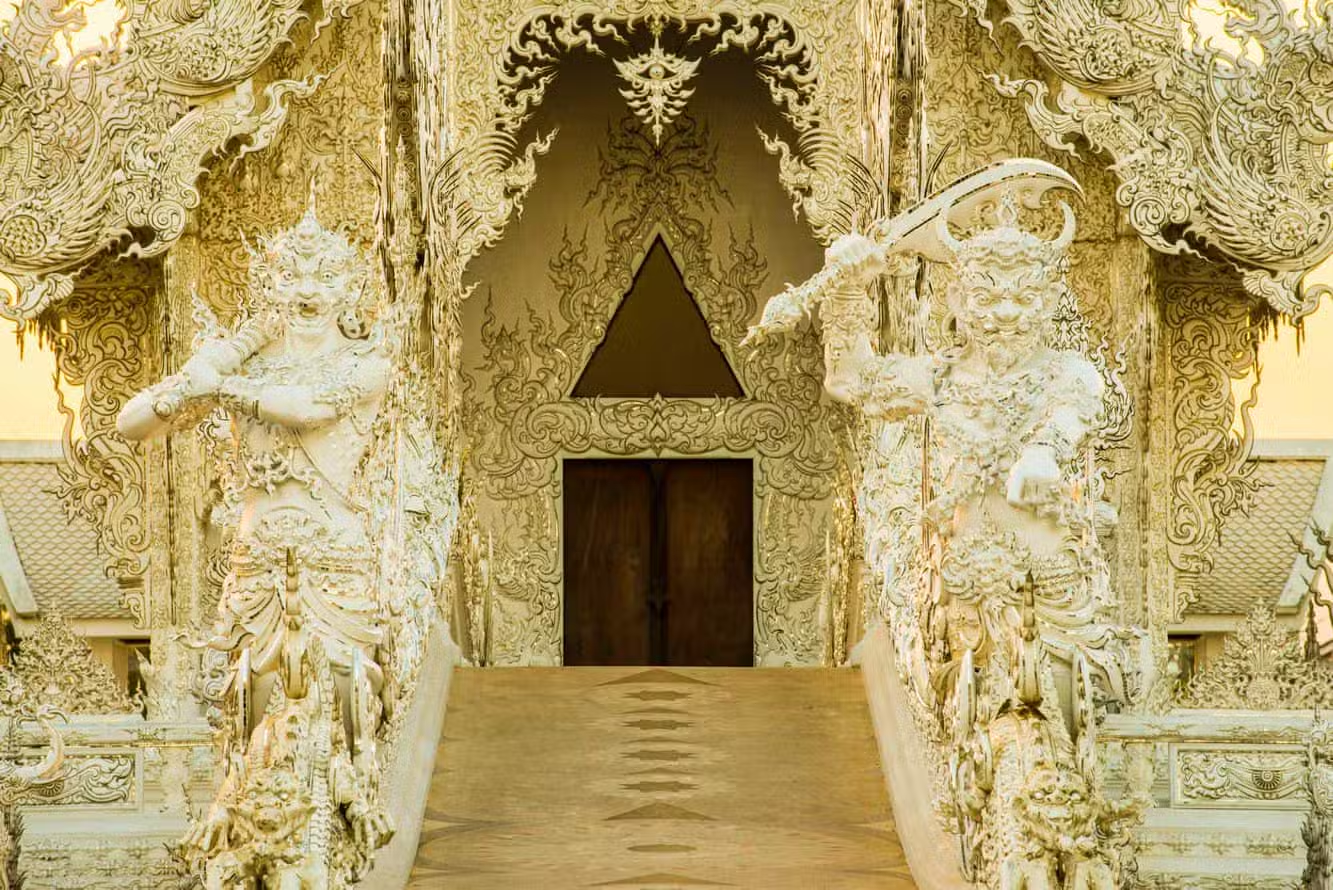
Artist Chalermchai Kositpipat’s white complex is Chiang Rai’s best-known contemporary landmark. The detailed surfaces and symbolism reward a proper visit, but it is a busy religious and artistic site with managed visitor access. Dress respectfully and check current ticket, photography, and opening rules before travelling.
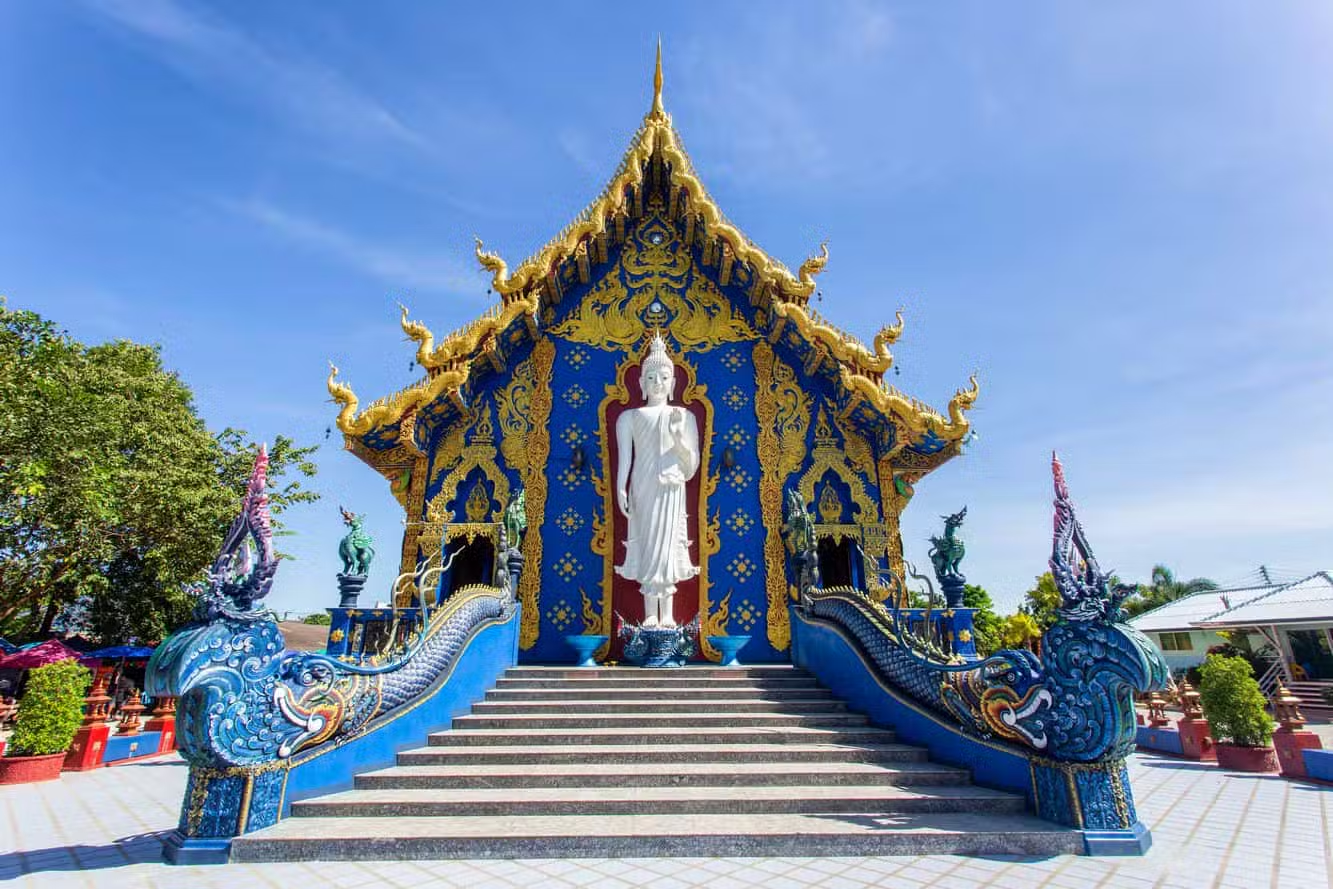
Wat Rong Suea Ten, the Blue Temple
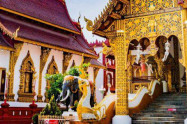
This blue-and-gold temple offers a visually different stop from Wat Rong Khun and pairs well with the city or a wider art circuit. It is an active place of worship rather than a studio set: follow local signs and leave space for visitors praying. Its location requires a vehicle from most central hotels.
Baan Dam Museum
The group of dark buildings and art associated with Thawan Duchanee provides a contrasting experience to the White Temple. Give it time as an exhibition environment, not simply a black-coloured counterpoint for photographs. Check museum hours, admission and which spaces are accessible before fitting it into a multi-stop drive.
City centre and Clock Tower
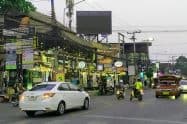
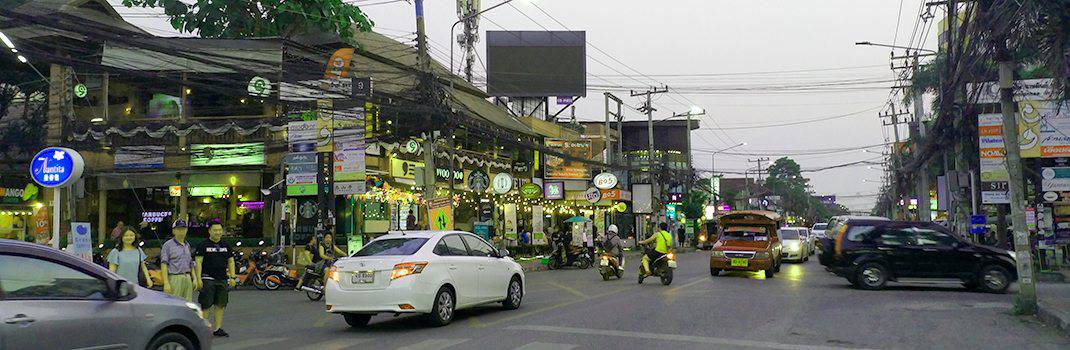
The central streets and Clock Tower are a practical base for a meal and an evening walk. Add a city temple or market if it is open on your date, and explore at an easy pace between longer vehicle journeys. This part of Chiang Rai makes an overnight stay more useful than arriving only for a distant roadside attraction.
Golden Triangle as a separate day
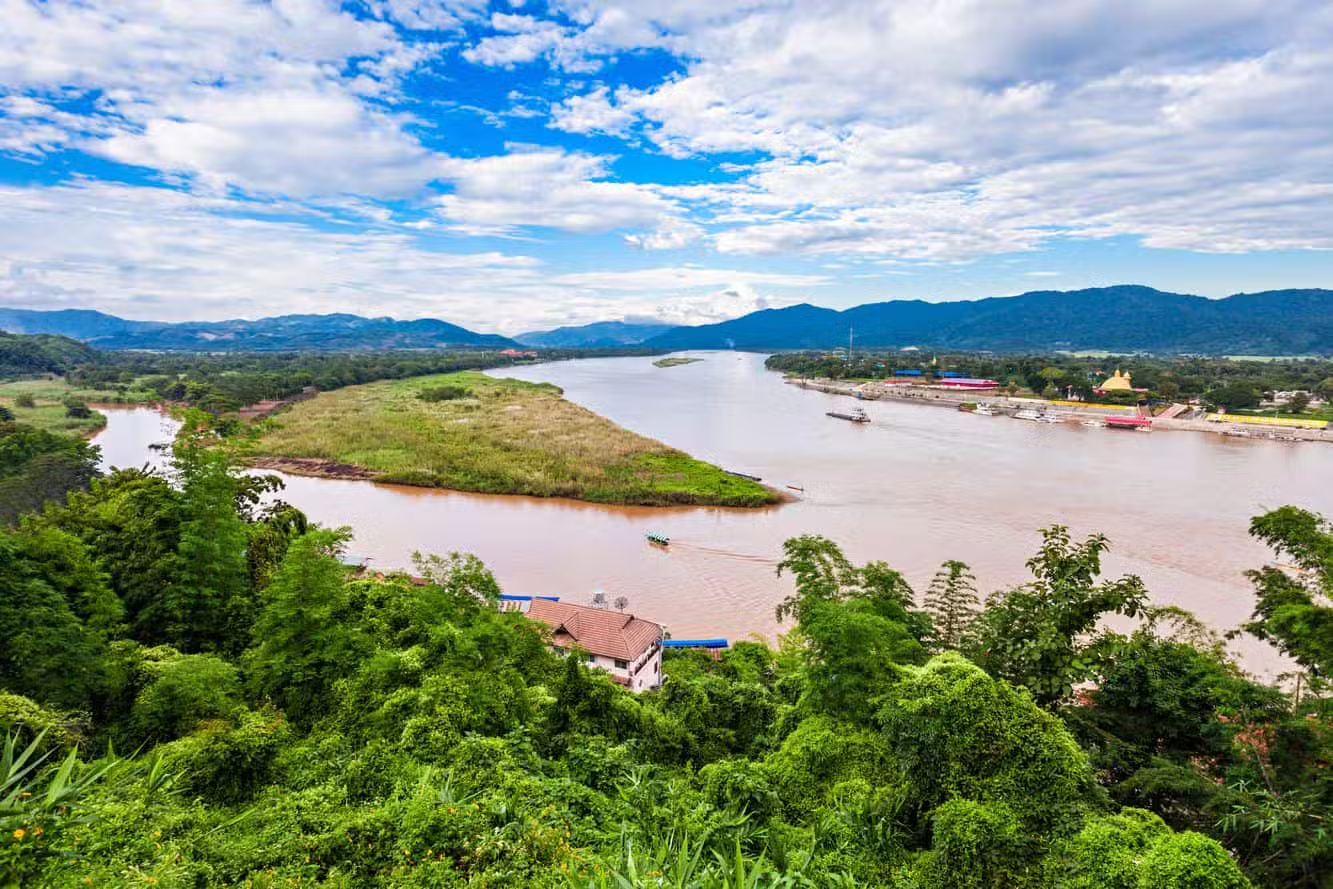
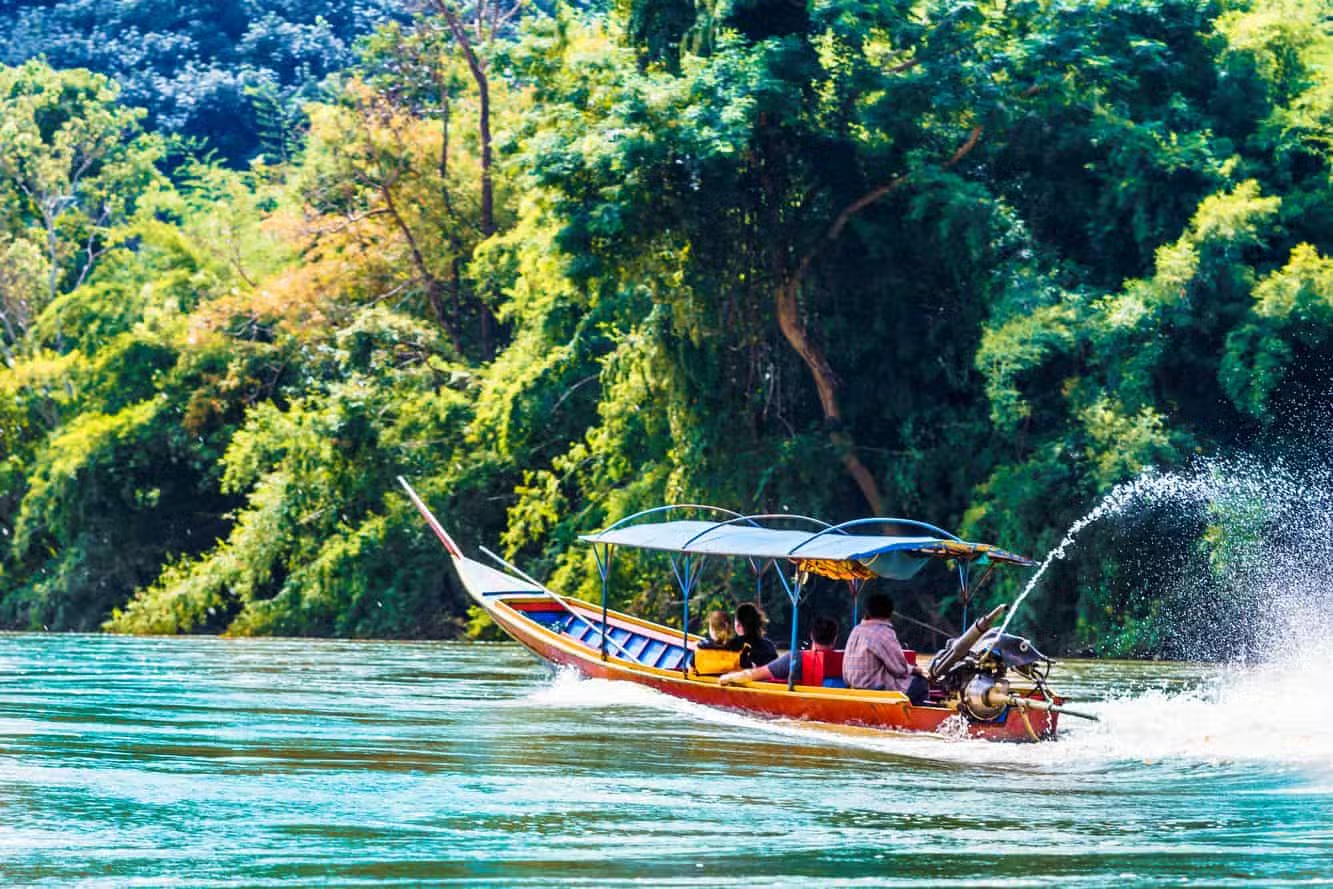
Chiang Saen and the Mekong viewpoint at the Golden Triangle lie well beyond the city circuit. A river outing or border-area stop needs a defined route and return rather than being tacked onto a temple afternoon. Check with any boat operator and never assume that viewing another country permits entry without immigration requirements.
Wat Phra Kaew and older city temples
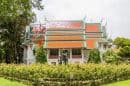
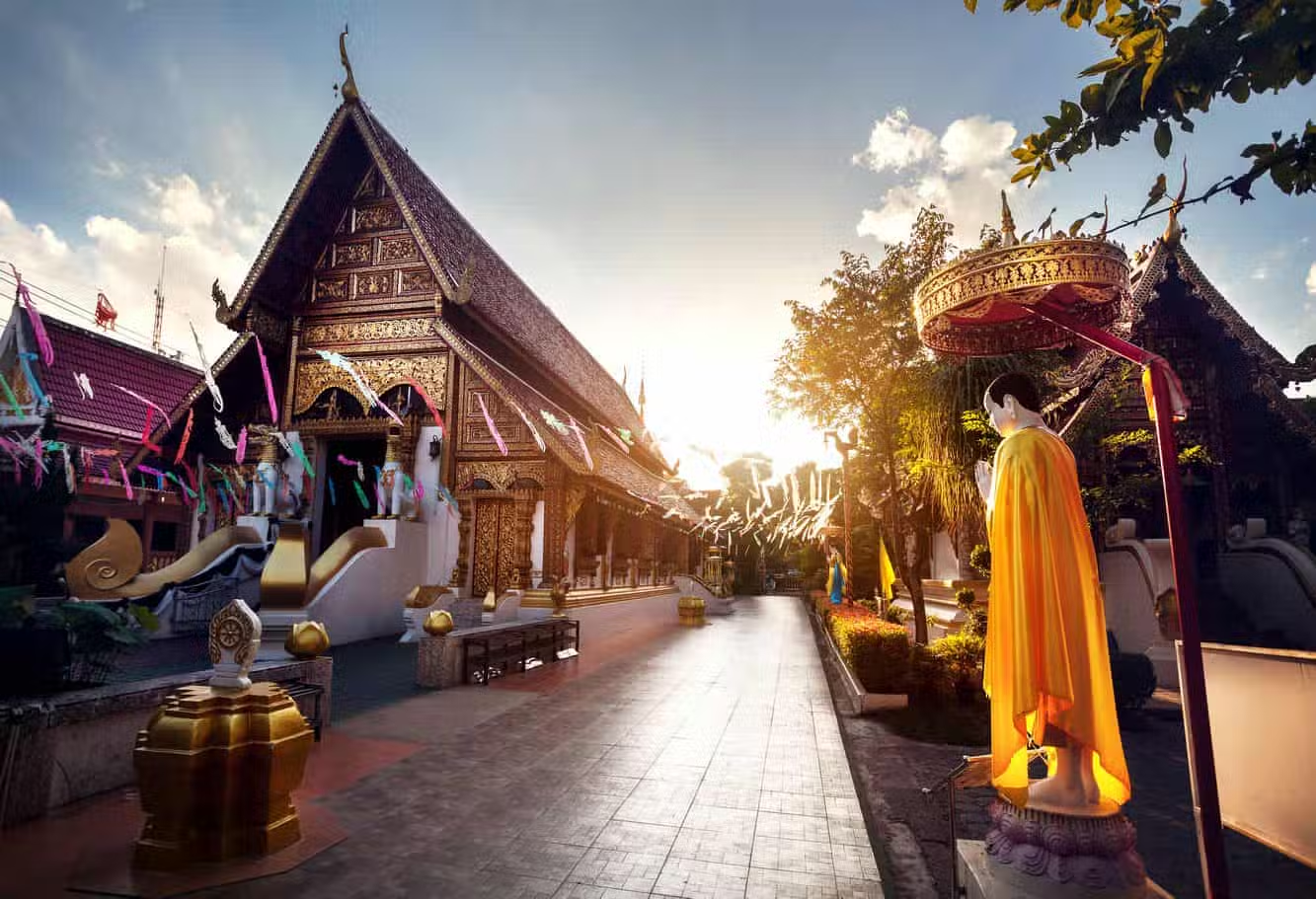
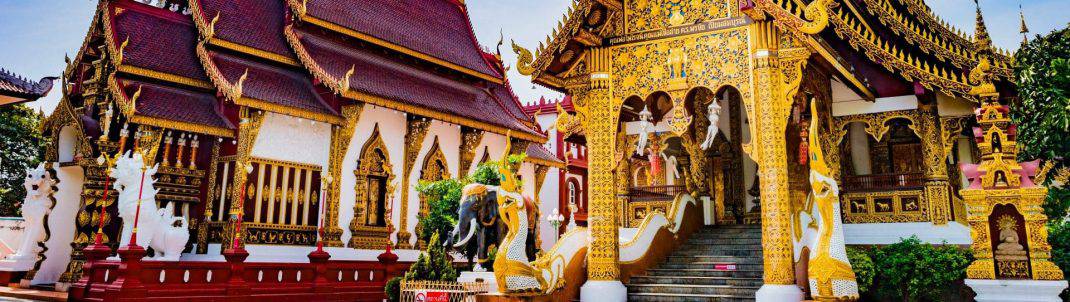
Wat Phra Kaew offers a quieter historic temple visit in Chiang Rai town and provides a useful contrast to the contemporary visual impact of Wat Rong Khun. Add it to a city-centre morning with another nearby temple if you are interested in religious history. Check which parts of the precinct are open to visitors, and keep the same respectful dress and photography approach used at active temples elsewhere.
Wat Huay Pla Kang as an additional temple trip
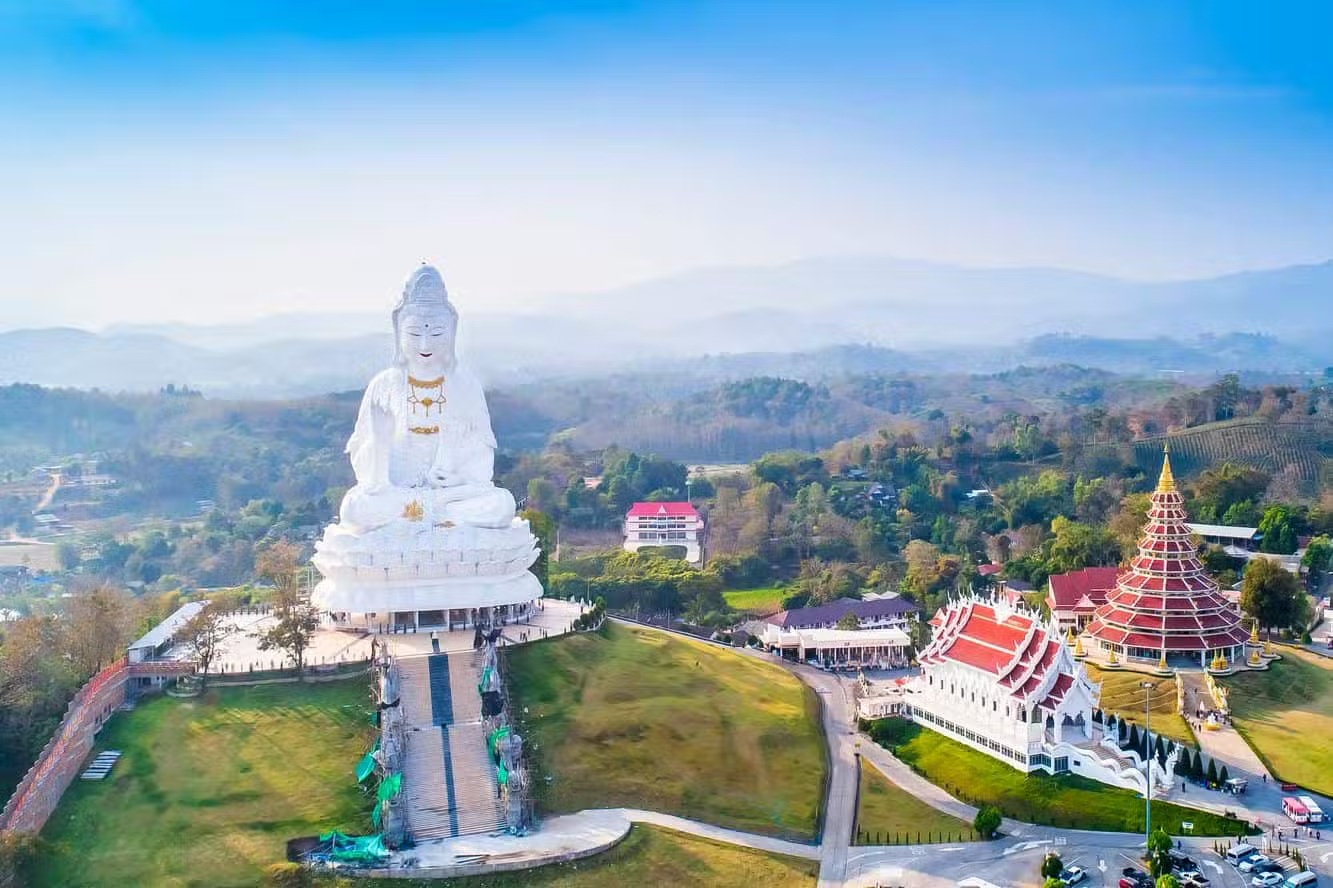
Wat Huay Pla Kang is a separate temple complex outside the compact Clock Tower area. Add it if you want another significant religious stop and have a driver or suitable vehicle; it is a better use of extra time than repeating a short central walk. Allow time for the grounds, worshippers, and the return journey, and check current access to individual buildings or viewpoints before setting off.
A practical Chiang Rai visit
For a first full day, start with breakfast in the city, drive to Wat Rong Khun, then choose the Blue Temple or Baan Dam based on time and interest. Return for dinner in Chiang Rai rather than driving on to the Golden Triangle after dark. Use a second day for Chiang Saen, tea country or another rural focus.
If coming from Chiang Mai just for the day, the intercity journey consumes a large share of daylight. Limit the stops and verify your return bus or driver’s hours before adding a final attraction.
Where to eat
The central streets around the Clock Tower and Chiang Rai Night Bazaar make a practical dinner area after a day of separate temple transfers. Choose a restaurant for a northern Thai meal, noodles, or a simpler café dinner depending on your return time; market trading and individual kitchens vary by day. A morning near your city hotel leaves room for a proper breakfast before driving to Wat Rong Khun.
Outlying attraction stops don’t always offer a convenient lunch when you need it. If the White Temple, Blue Temple and Baan Dam are on one route, agree on a real lunch stop with your driver and carry water. Tea-country food belongs to a separate Mae Salong day rather than a city-centre dining promise. Confirm dietary options directly with a venue if they are important to your trip.
Chivit Thamma Da offers a riverbank café and restaurant outing rather than a quick central-market meal. Khao Soi Chiang Rai Mae Pimphon is a noodle stop near Wat Rong Khun, useful if the White Temple shapes your day; it is not beside the Clock Tower. Pick a meal that fits the road route and confirm each kitchen is serving before leaving your hotel.
Where to stay
A central Chiang Rai hotel is the easiest choice for a first visit, especially if you arrive by bus or want to walk to dinner around the Clock Tower. Check its exact distance from the bus terminal you will use and whether you can arrange transport for the next day’s sights. The city centre gives you an evening between excursion days, but it doesn’t put Wat Rong Khun, Baan Dam, or the Golden Triangle within walking distance.
An airport-side property may make a very early flight easier, but it can make dinner and downtown visits less convenient. A countryside or tea-hill stay is worthwhile when the landscape is the trip’s main purpose, and you have a driver or vehicle, not as a substitute for a city hotel. For a two-night visit, avoid changing hotels merely to add one outlying temple; use one base and a planned day route.
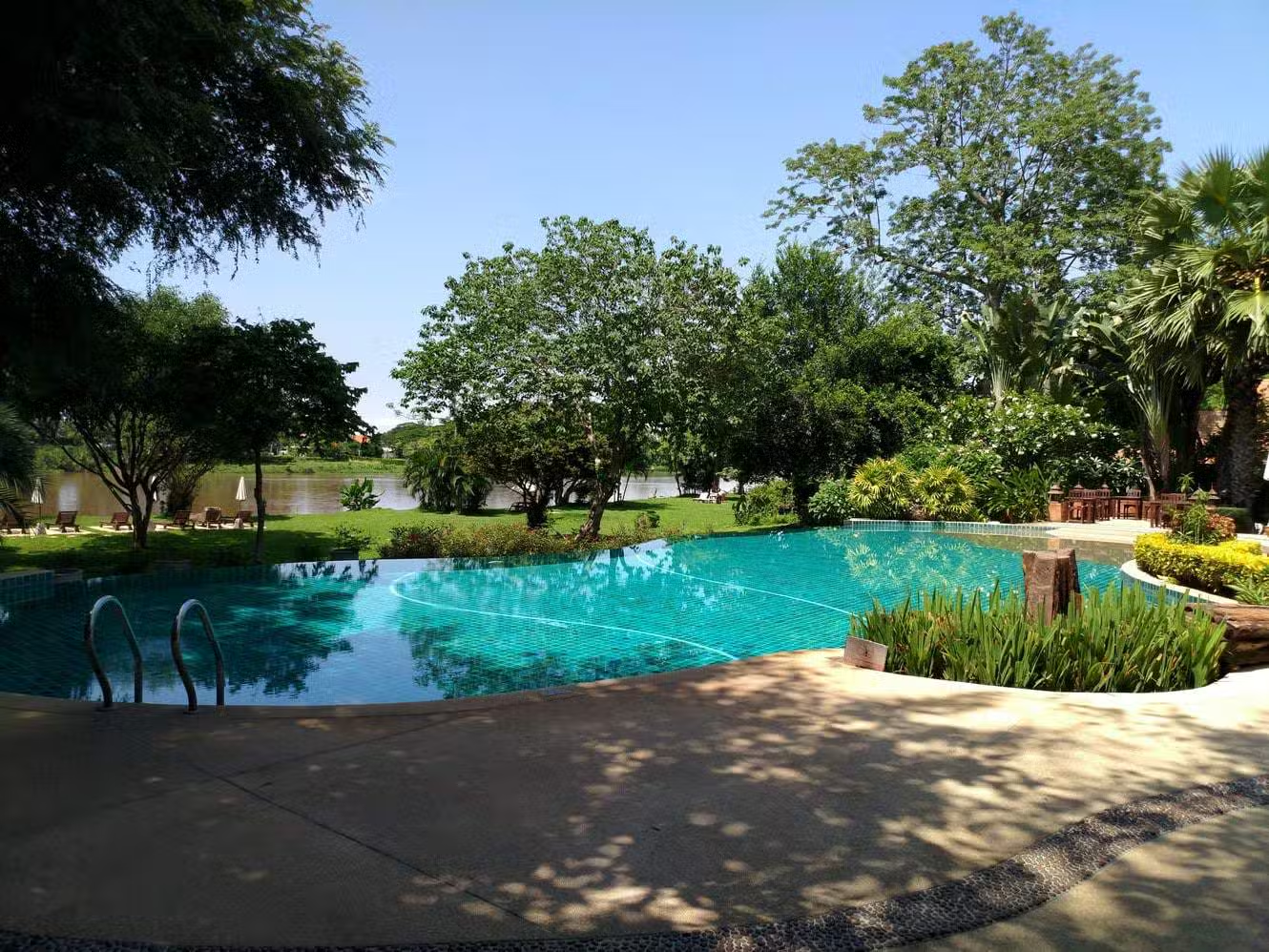
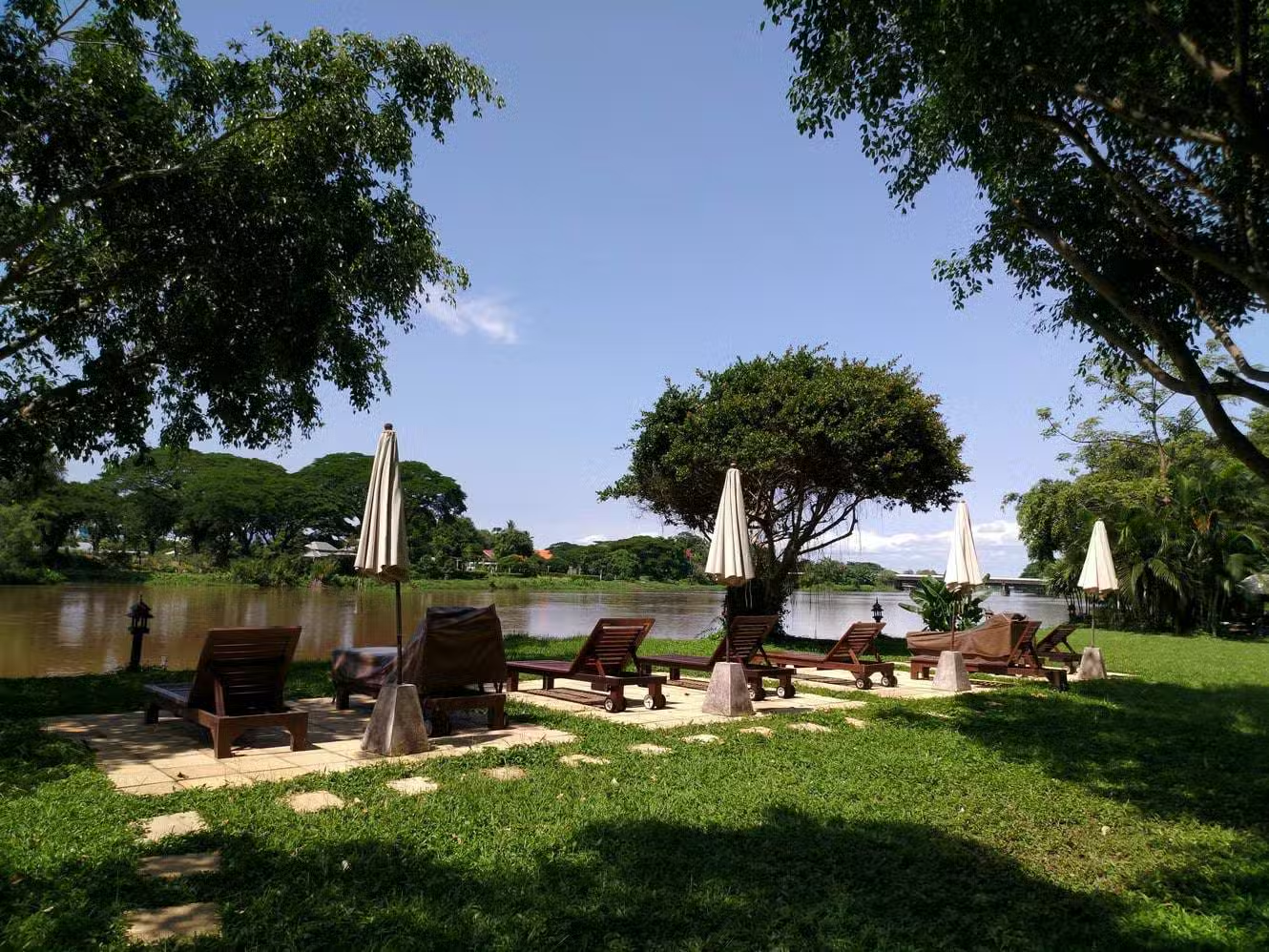
Le Patta is a concrete central option close to the old bus terminal, Clock Tower and Night Bazaar area, useful if you want to walk to dinner. The Legend Chiang Rai is a separate riverside resort choice on the Kok River that requires a ride into the centre. Compare that evening transport with the quieter setting before choosing between them.
Getting to and around
You can reach Chiang Rai by air and by intercity bus, but check the current flight or bus timetable and the terminal your operator uses. Arrange onward transfers to your exact hotel. The Clock Tower area is manageable on foot in sections, while Wat Rong Khun lies south of town, Wat Rong Suea Ten is in another part of the urban area, and Baan Dam needs another road trip. A hired driver or suitable vehicle is the simplest way to connect them without assuming a single walkable temple district.
Allow a separate travel day or overnight for longer regional roads to Chiang Saen, Mae Salong or Phu Chi Fa. If arriving from Chiang Mai, keep the arrival evening light and confirm the next day’s pickup and return. Mountain visibility, rain and border procedures can change an excursion; check the specific destination before departure. A market or dinner in the centre is easiest after the driver has brought you back to town.
Is Chiang Rai Worth Visiting?
Yes. The city’s art and temples justify a stay, and the wider province rewards additional days when each long-distance route has its own plan.
Chiang Rai FAQs
Is Chiang Rai close enough for a Chiang Mai day trip?
A road day trip is possible, but the intercity journey leaves limited time at the art sites. An overnight stay gives you a calmer dinner in Chiang Rai and a better start for a chosen regional excursion.
Are the White and Blue Temples the same place?
No. Wat Rong Khun is a contemporary art and religious complex south of the city, while Wat Rong Suea Ten is a separate active temple. Arrange transport between them and follow each site’s visitor rules.
Is the Golden Triangle in Chiang Rai city?
No. It is a separate Mekong-area excursion beyond the city.
Do I need a car or driver?
You can explore a central meal and a few town streets on foot. Wat Rong Khun, Baan Dam and regional destinations are spread apart; a suitable vehicle or arranged driver makes a multi-stop day practical.
Can I cross a border from a viewpoint?
No. International travel requires an operating checkpoint and the documents required for your nationality.
How many days should I spend in Chiang Rai?
Allow one full day for a selected city and art-site route. Add another day for Chiang Saen, Mae Salong or another regional destination rather than squeezing a long drive into the same afternoon.

Do You Have a Question to Ask?