












































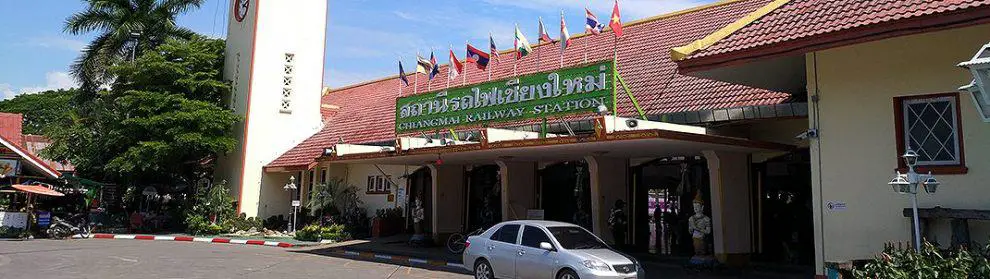
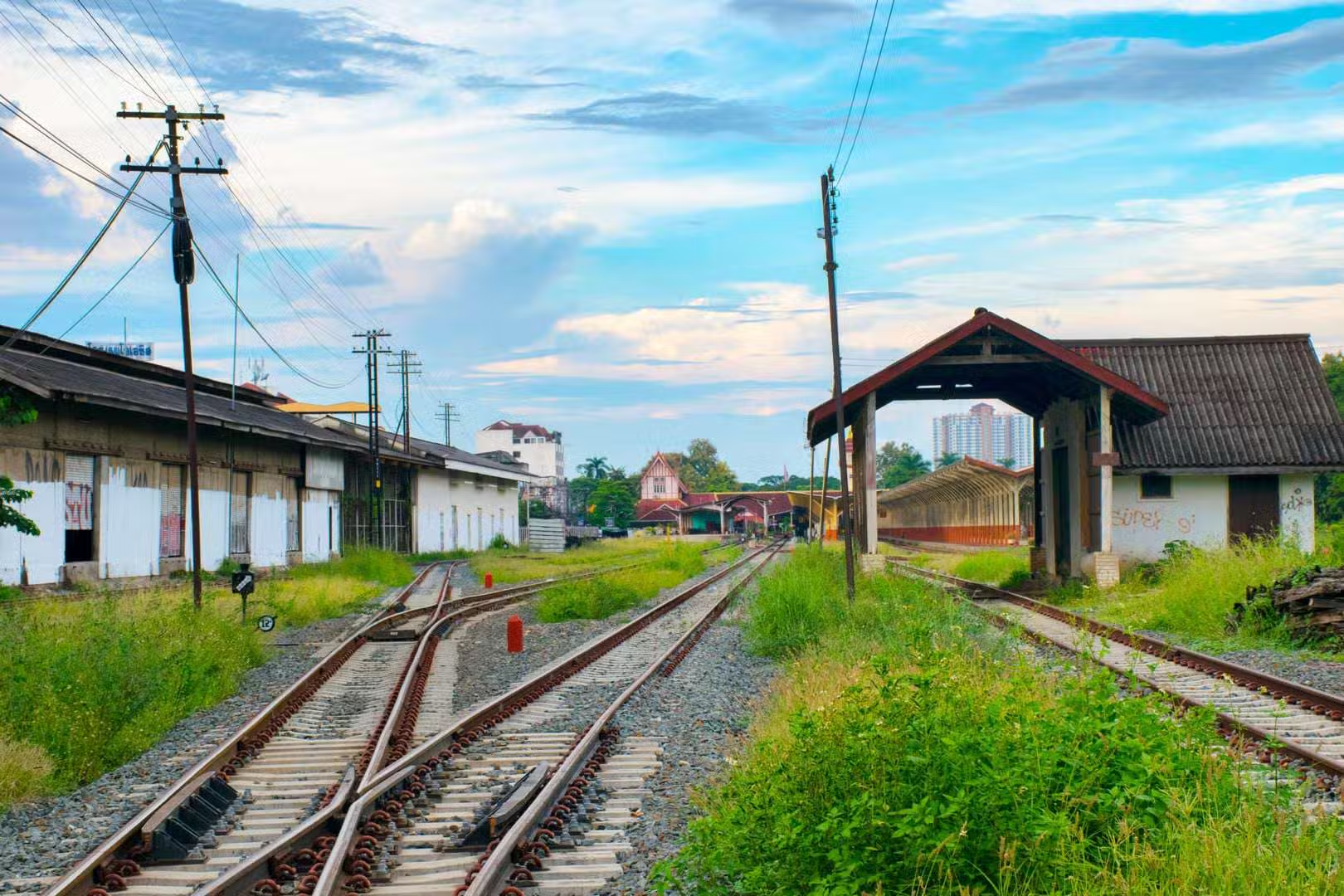
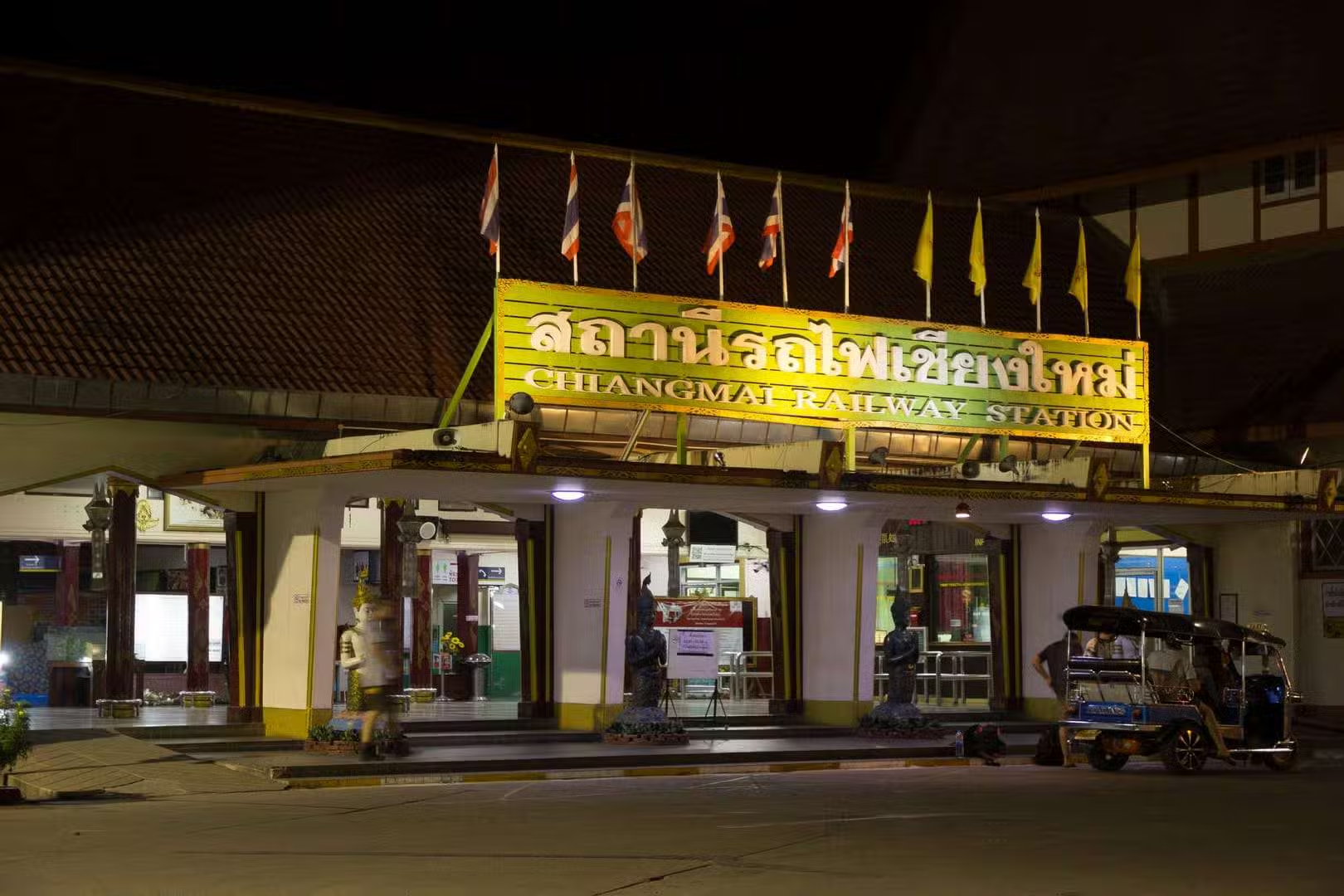
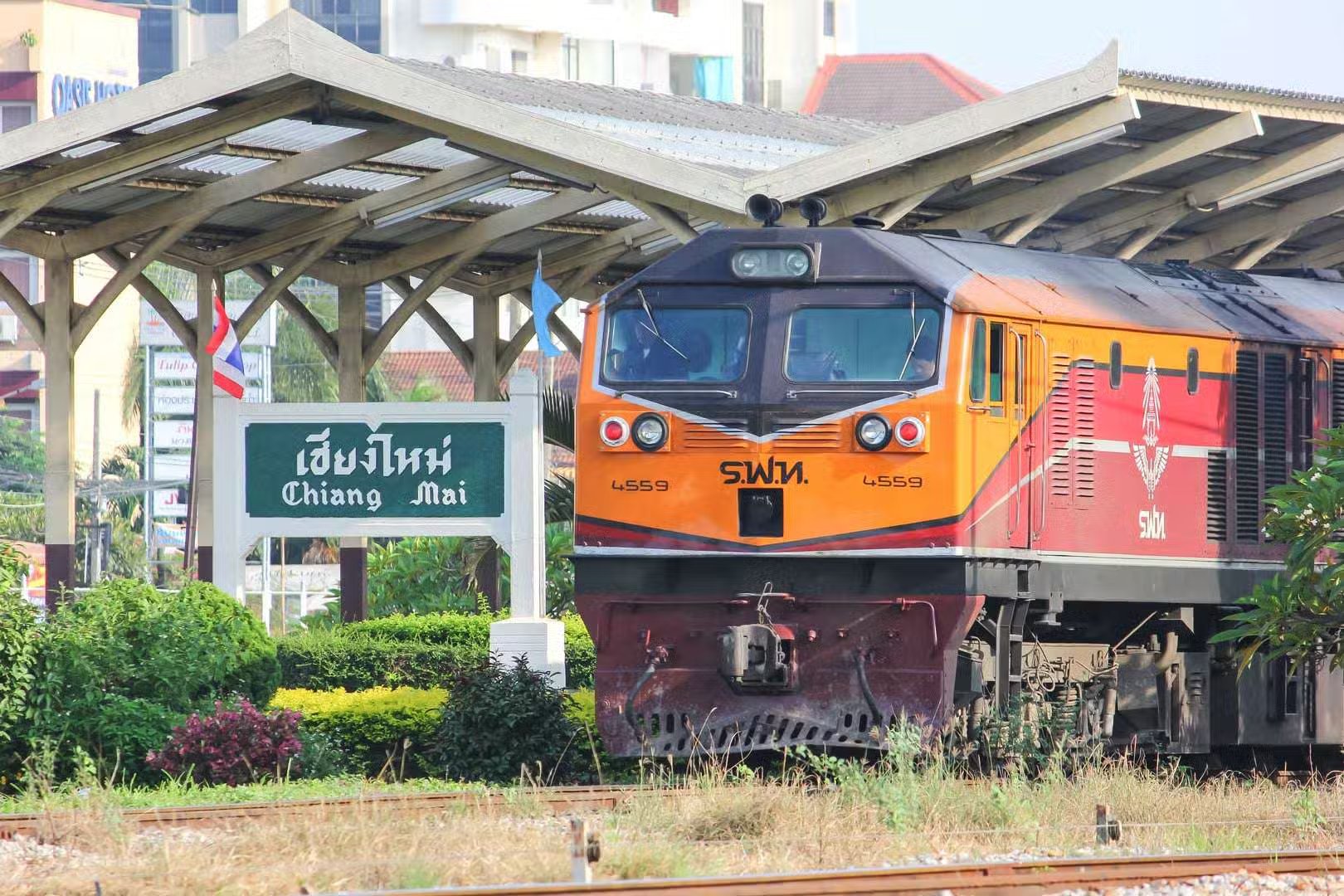
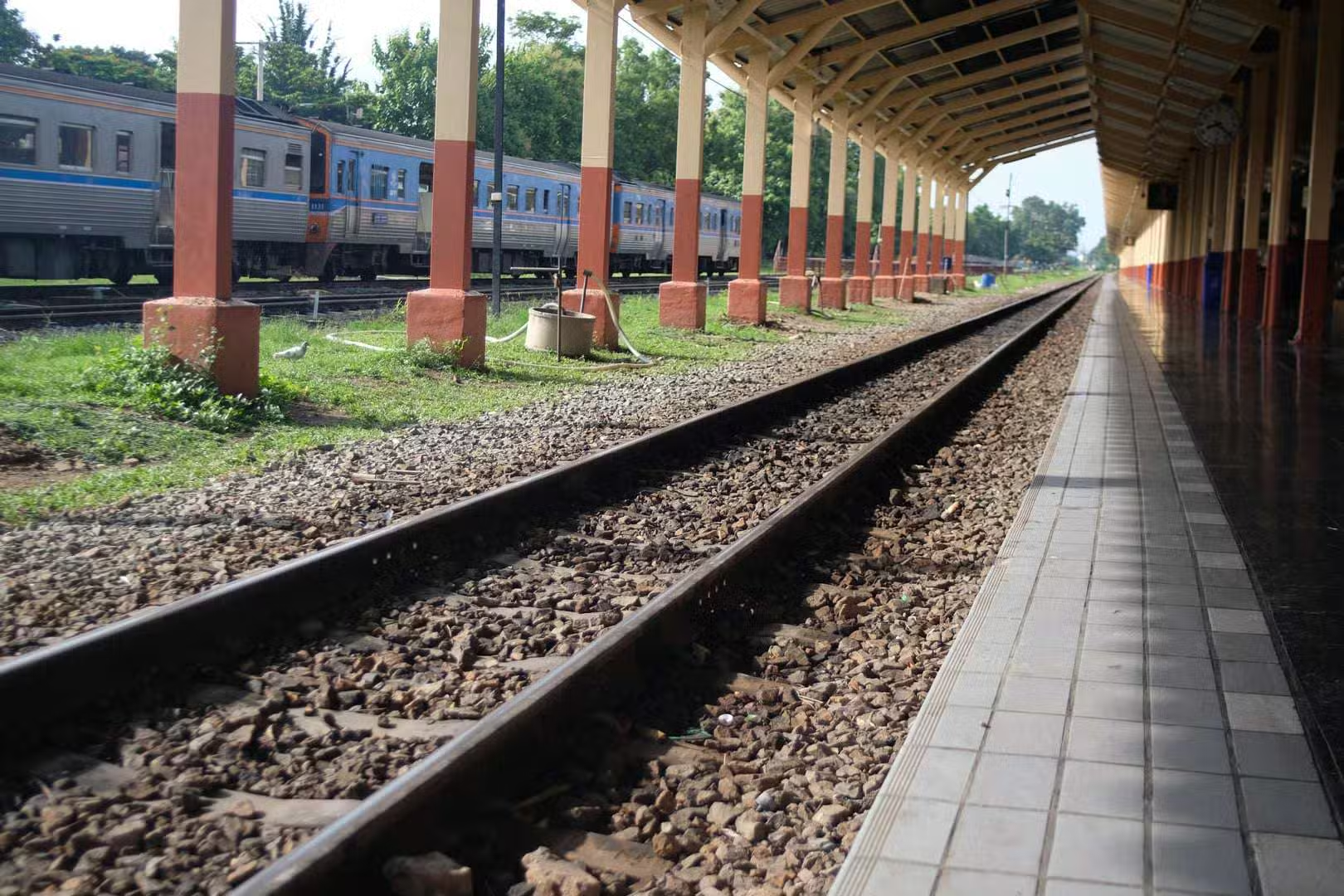
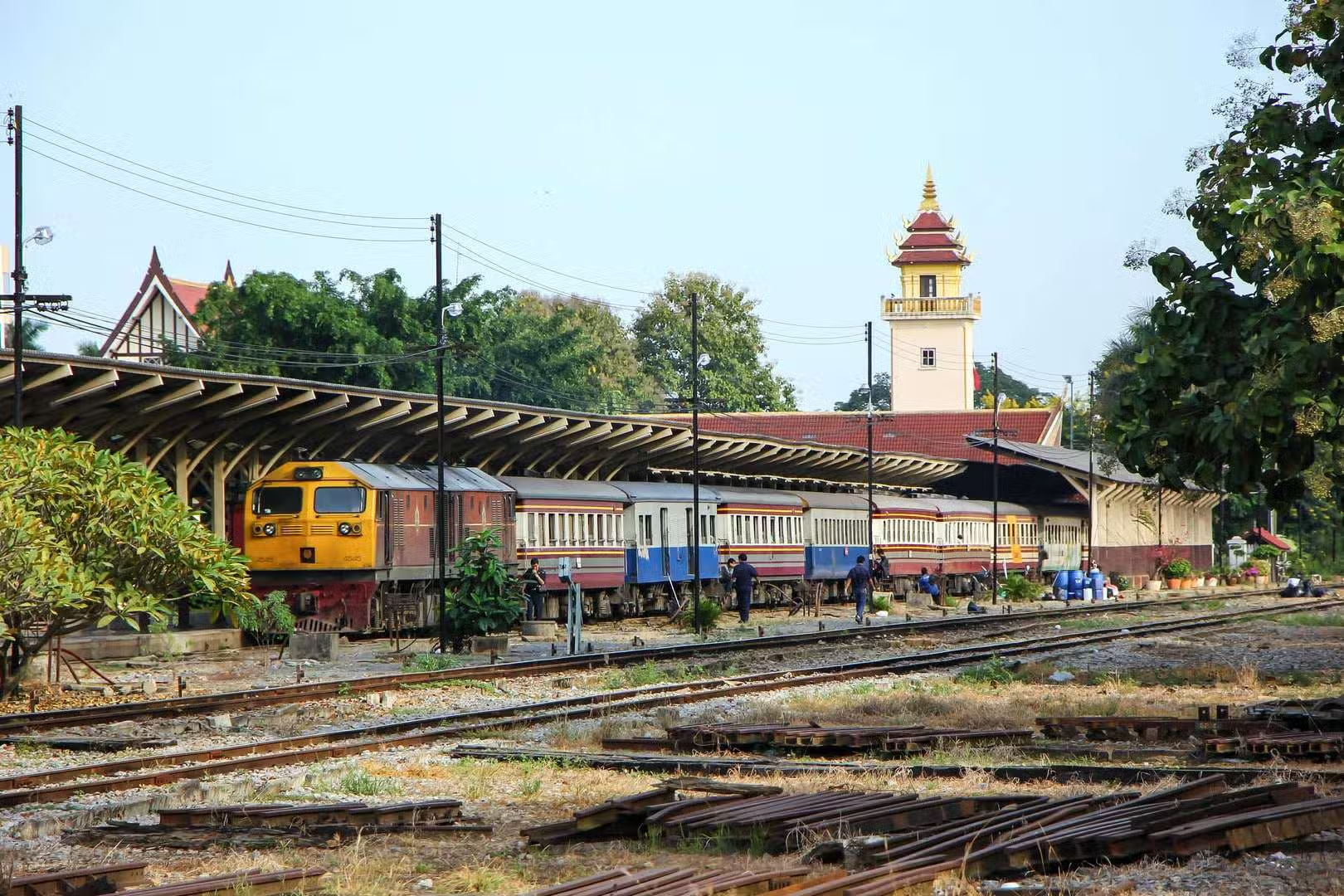
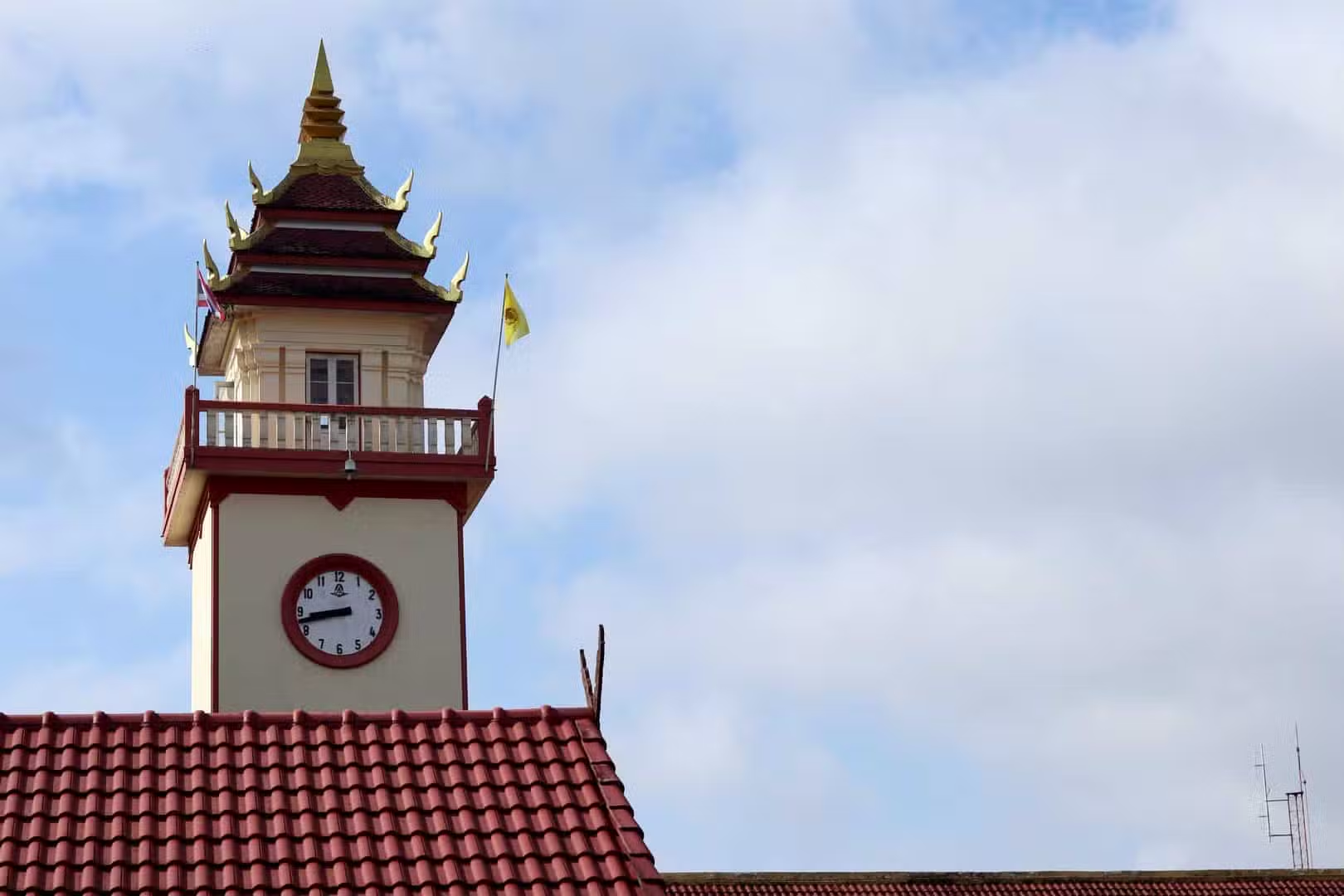
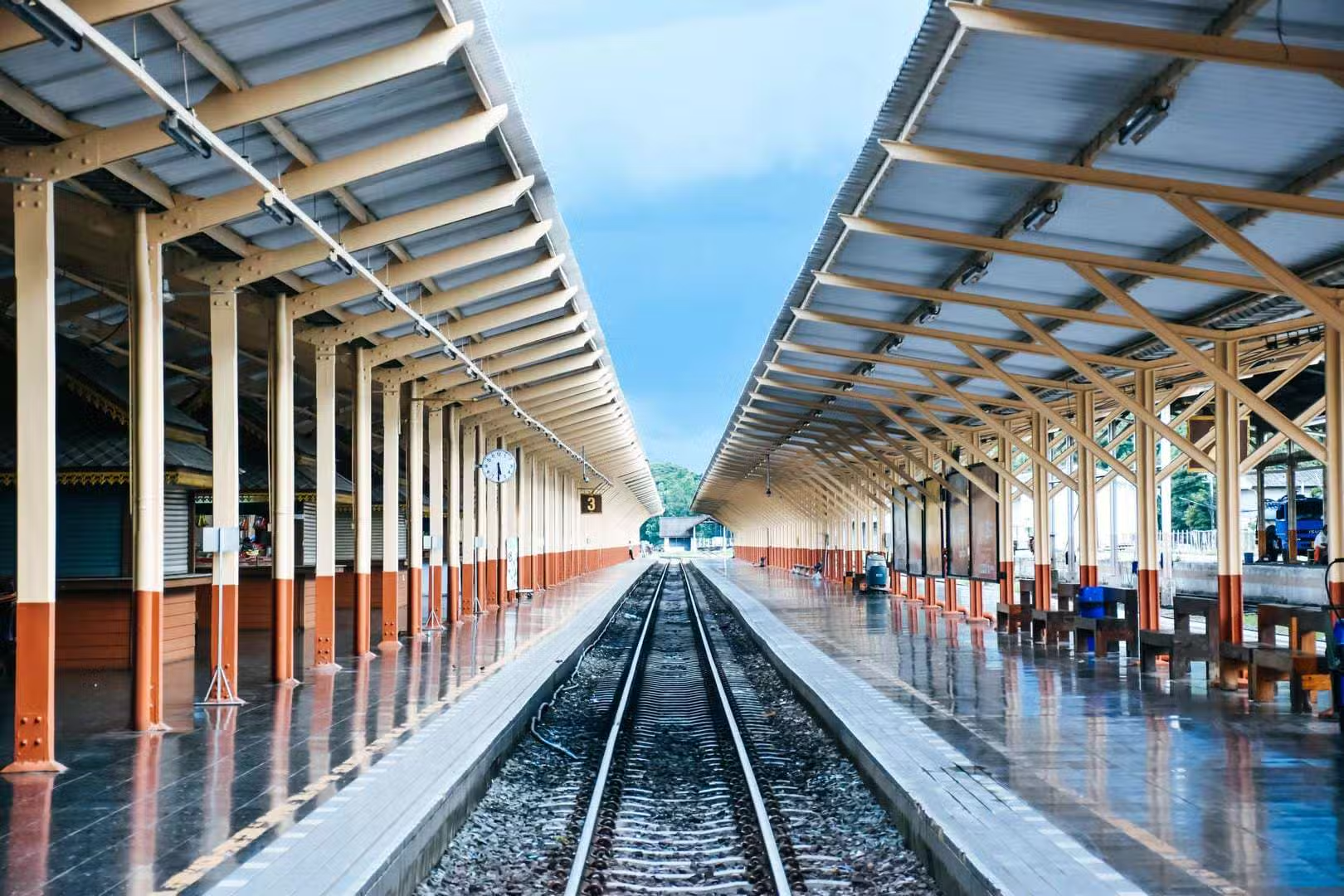
Chiang Mai Train Station is the northern terminus of Thailand’s main railway line from Bangkok and the principal rail gateway to Chiang Mai. Located east of the Ping River in Wat Ket, around three kilometres from Tha Phae Gate, it handles both daytime trains and popular overnight sleeper services to and from the capital.
For most visitors, the station is useful for one journey in particular: Chiang Mai–Bangkok.
Several trains operate each day, with different combinations of travel time, carriage type and comfort. Overnight sleepers are particularly popular because they replace a night’s accommodation while covering the long journey south.
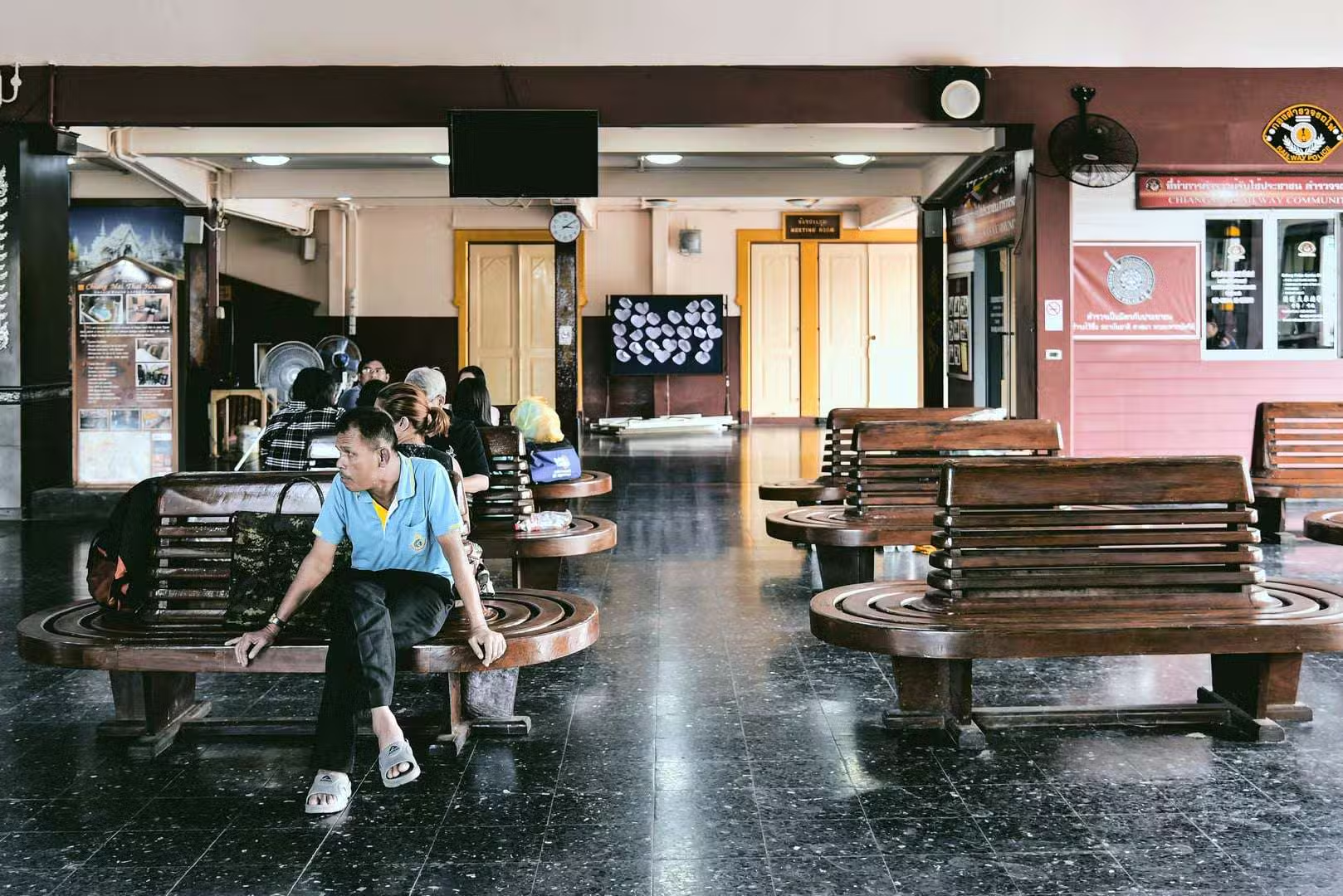
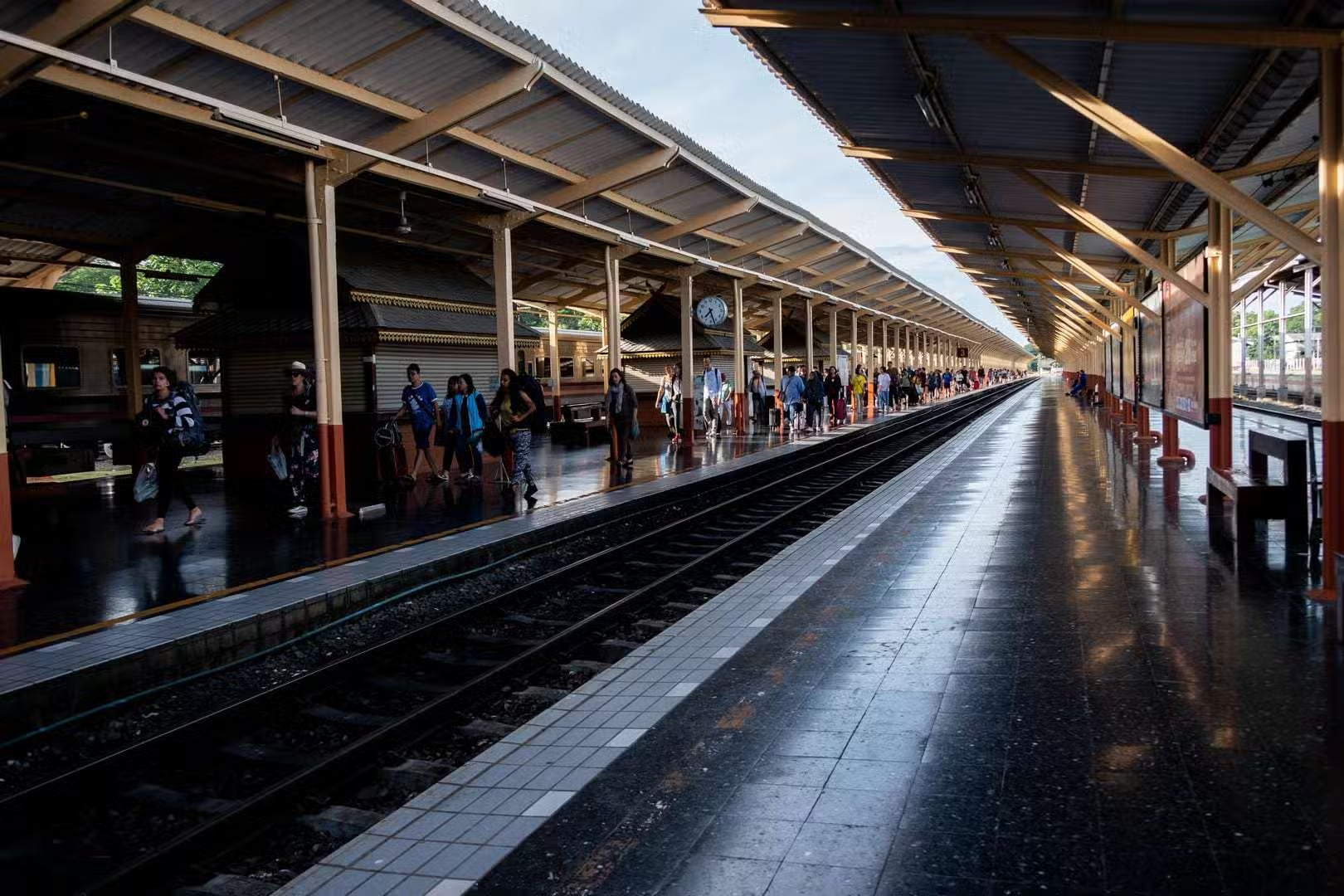
The station itself is relatively small and straightforward compared with Bangkok’s major rail terminals, but passengers should still arrive with enough time to find the correct platform and carriage.
Chiang Mai to Bangkok by Train
The railway between Chiang Mai and Bangkok remains one of Thailand’s classic long-distance journeys.
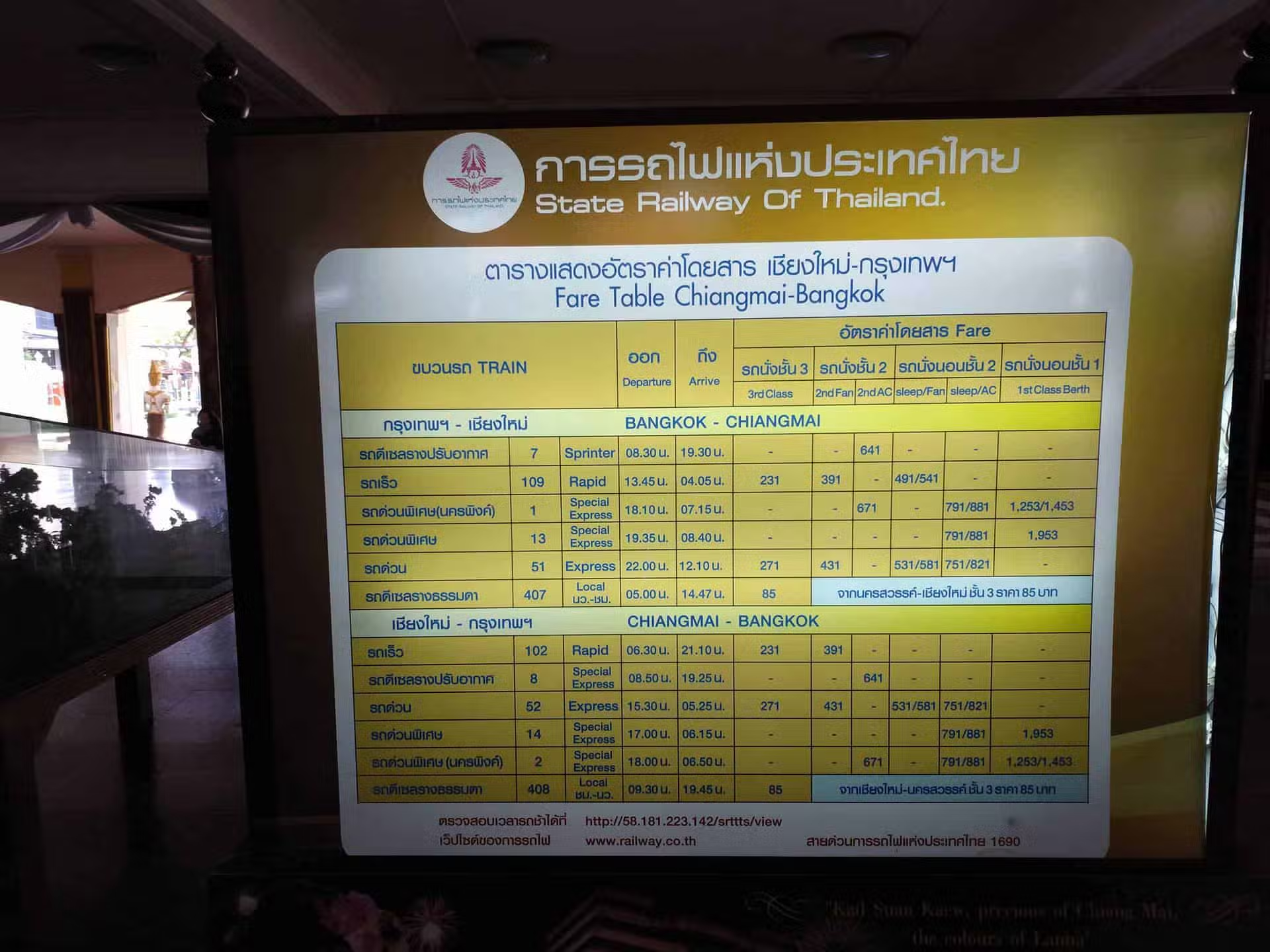
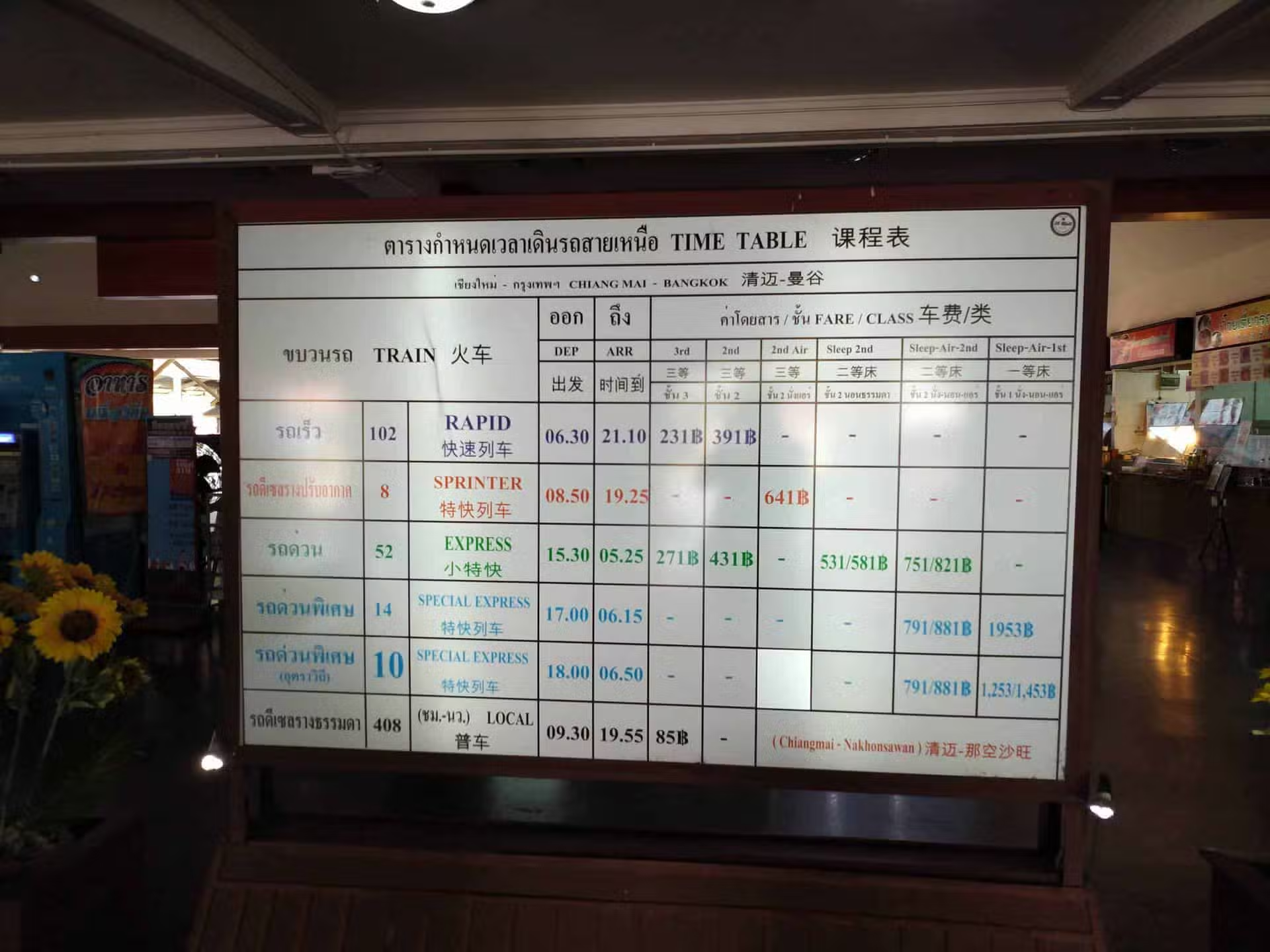
Current 2026 schedules show around five daily services connecting the two cities.
These include a mixture of:
- daytime Special Express services;
- Rapid trains;
- evening Special Express trains;
- overnight sleeper services.
Journey time varies significantly by train.
Faster services can complete the route in around 10–11 hours, while slower trains may take 13 hours or more.
Delays can also occur, so travellers should not make a tight flight connection immediately after the scheduled arrival in Bangkok.
Bangkok Station Has Changed
Older travel guides often say Chiang Mai trains terminate at Bangkok Hua Lamphong Station.
That is no longer the normal arrangement for most long-distance northern-line services.
The main Bangkok terminal is now Krung Thep Aphiwat Central Terminal, though booking systems still show it as Bangkok or Bangkok Central.
This distinction matters if:
- meeting someone in Bangkok;
- connecting with another train;
- booking accommodation near the station;
- arranging airport transport.
Always check the actual Bangkok arrival station printed on the ticket rather than relying on an old Chiang Mai travel article.
Day Trains
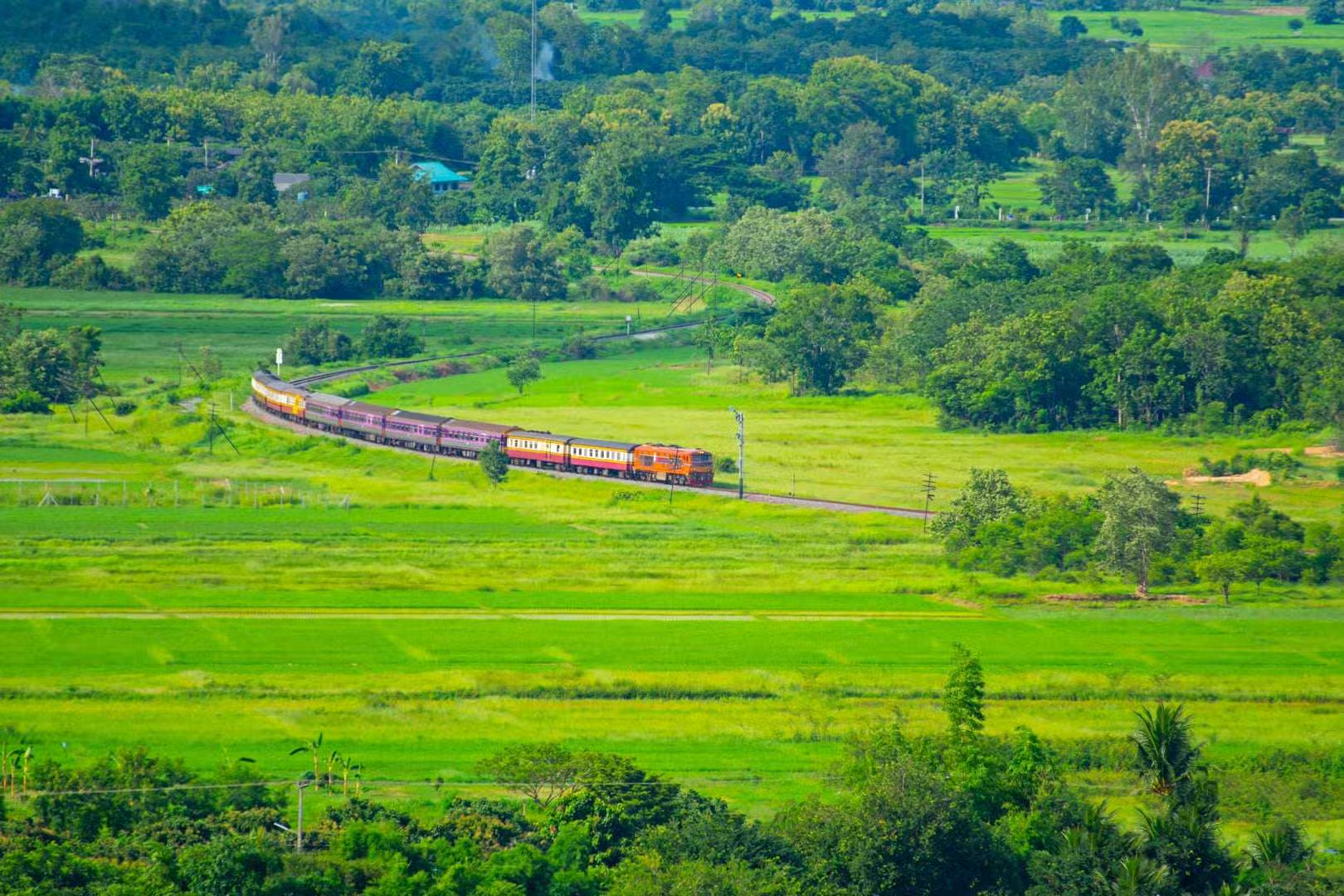
A daytime train can be useful for visitors who want to see the countryside rather than sleeping through most of the journey.
Current schedules include a morning Special Express service from Chiang Mai towards Bangkok.
Day trains pass through northern and central Thailand, with changing scenery that can include:
- mountain country;
- rural towns;
- agricultural land;
- river valleys;
- central plains.
The trade-off is that you spend an entire day travelling.
For a short holiday, an overnight train or flight may use time more efficiently.
Overnight Sleeper Trains
Overnight trains are the most popular railway option for many international visitors.
Depending on the service and carriage, passengers can book:
- 2nd Class sleeper;
- air-conditioned sleeper;
- 1st Class sleeper compartment.
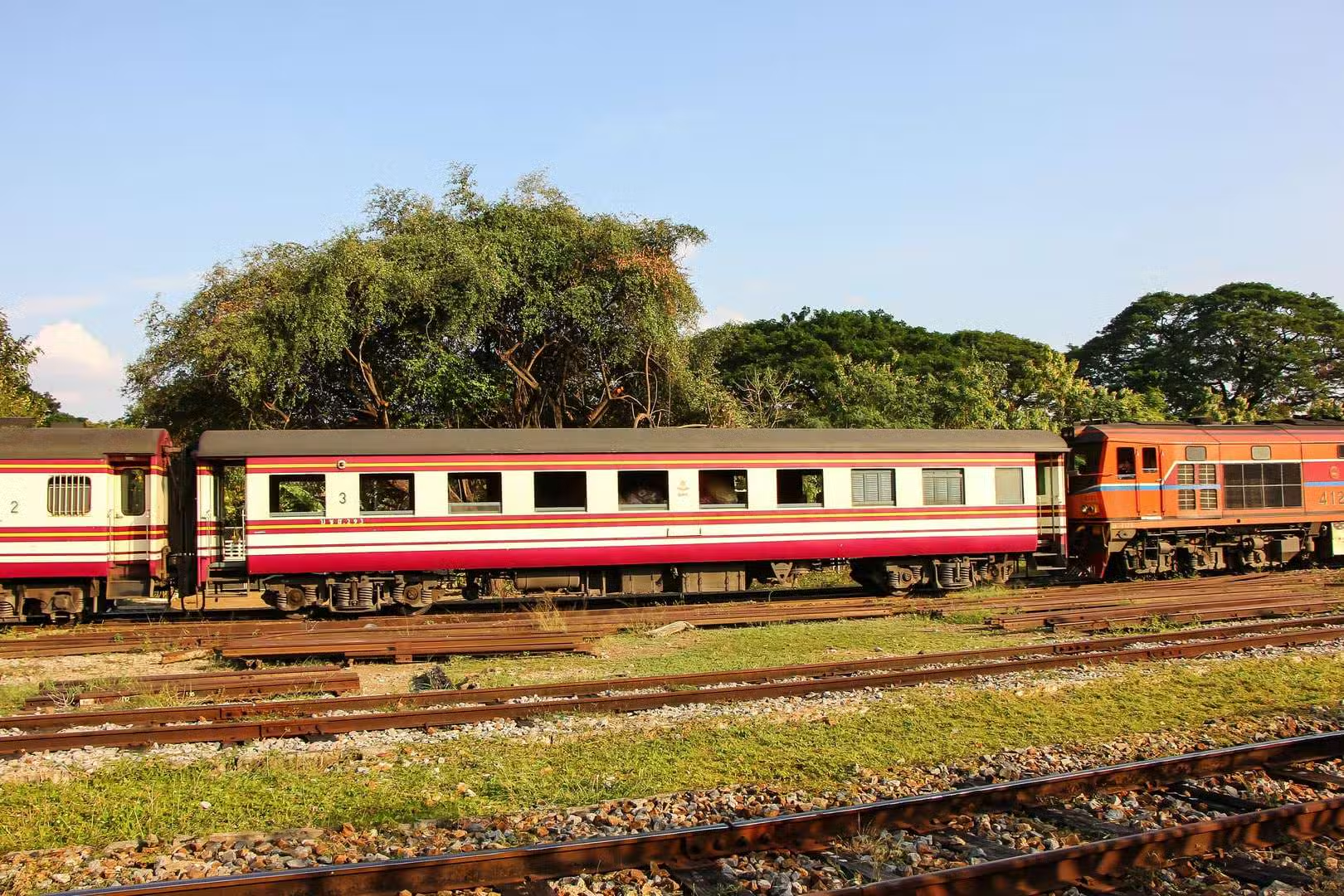
In a typical 2nd Class sleeper carriage, daytime seats are converted into upper and lower berths for the night.
Curtains provide privacy around each berth, but the carriage remains shared.
The lower berth is generally wider and tends to sell first.
First Class provides a more private compartment, normally with two berths.
Availability is limited, so booking is especially important.
First Class
First Class is the most private conventional option on the Chiang Mai–Bangkok railway.
Compartments generally contain:
- two sleeping berths;
- air conditioning;
- closing compartment door;
- basic wash facilities depending on carriage.
Bathrooms remain shared in most conventional First Class sleeper configurations.
First Class tickets can sell out quickly because there are far fewer compartments than 2nd Class berths.
Couples and travellers who value privacy should book as early as practical.
Solo travellers may share a compartment unless purchasing the applicable occupancy arrangement.
Second Class Sleeper
Second Class sleeper is often the best balance between price and comfort.
The carriage contains rows of seats during the day.
At night, railway staff convert these into upper and lower beds.
Advantages include:
- lying flat;
- lower cost than First Class;
- air-conditioned options;
- convenient overnight travel.
The main disadvantages are:
- shared carriage;
- limited luggage space;
- less privacy;
- possible noise from other passengers and station stops.
Earplugs and an eye mask can be useful.
Keep passports, money and electronics in a small bag with you rather than placing valuables deep inside unattended luggage.
Second Class Seats
Some services provide air-conditioned or fan-cooled 2nd Class seating.
These can be practical on a daytime train.
For the full overnight journey to Bangkok, an upright seat is considerably less comfortable than a sleeper berth.
A seat may still make sense when:
- sleepers are sold out;
- budget is more important than comfort;
- travelling only part of the route.
Check the exact carriage type before purchasing.
A ticket labelled “2nd Class” does not necessarily include a bed.
Third Class
Third Class is the lowest-cost railway option.
Carriages generally use upright seats and have fewer comfort features.
This can work well for shorter regional journeys.
For the full Chiang Mai–Bangkok trip, the low fare needs to be weighed against spending 12 hours or more seated.
Budget travellers do use Third Class for the entire route, but it should not be presented as equivalent to a sleeper experience.
For shorter trips to places such as Lamphun, an inexpensive ordinary seat can be much more practical.
Buying Train Tickets
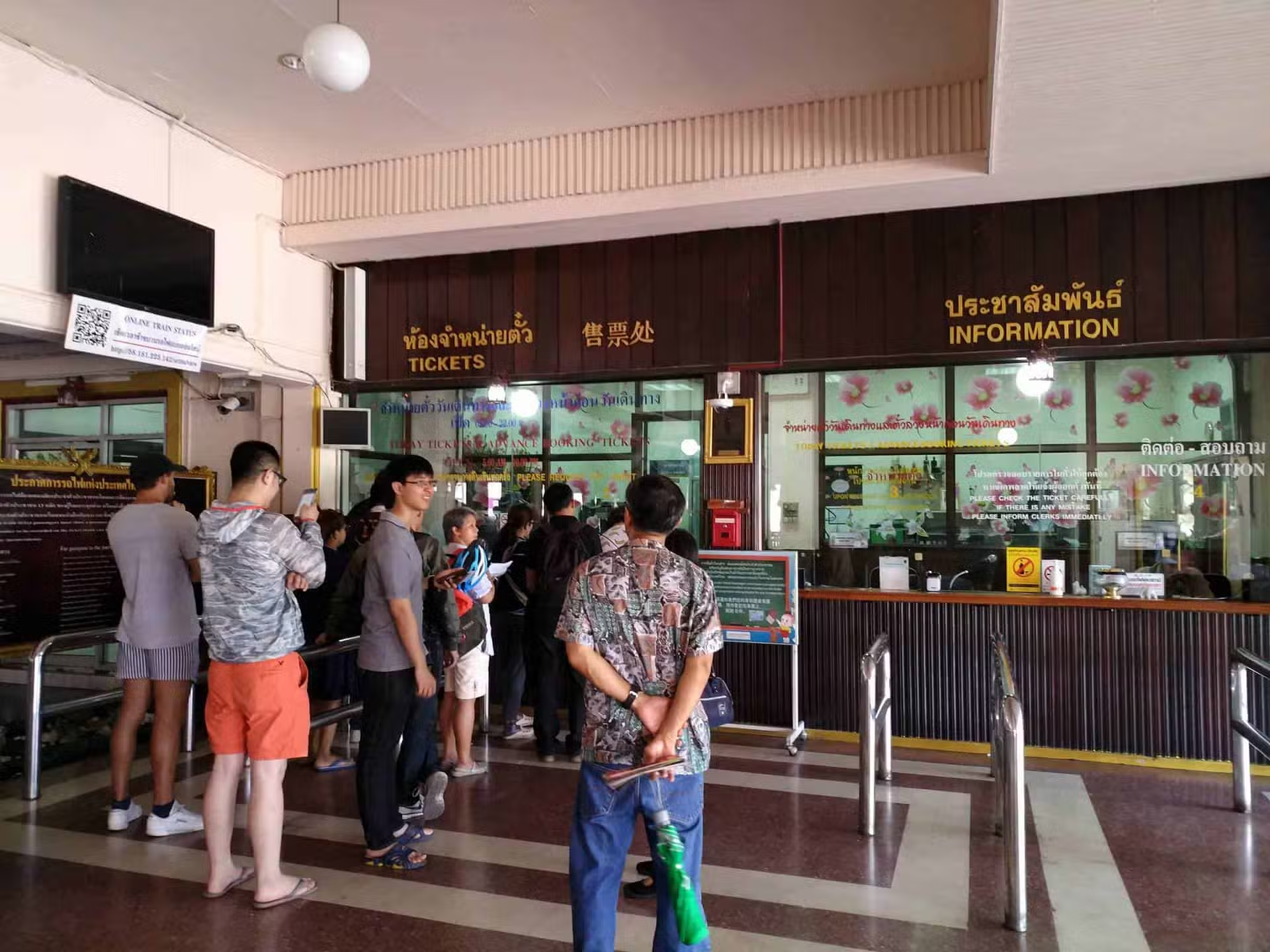
You can buy tickets through official State Railway of Thailand channels and at station ticket counters.
For long-distance travel, booking is recommended.
This is particularly important for:
- First Class sleepers;
- lower 2nd Class berths;
- Friday and Sunday travel;
- Thai public holidays;
- Songkran;
- New Year;
- peak tourism season.
The most desirable overnight accommodation can sell out well before ordinary seats.
Buying an expensive ticket from someone approaching passengers inside or outside the station is unnecessary.
Use recognised railway counters or established booking channels.
Passport and Passenger Details
Long-distance railway bookings can require passenger identification information.
Foreign travellers should have passport details available when booking.
Carry the passport used for the reservation when travelling.
The name on the ticket should match the passenger.
Do not book everyone in a group under one person’s name simply because that is faster.
How Early Should You Arrive?
For an ordinary domestic departure, arriving around 30 minutes early is generally comfortable.
Allow more time if:
- collecting tickets;
- unfamiliar with the station;
- travelling with children;
- carrying substantial luggage;
- boarding an overnight sleeper.
The station is not enormous, so you don’t need to arrive three hours early as you might for an international flight.
However, arriving at the scheduled departure minute is risky.
Thai trains may sometimes run late, but passengers should never assume a delay will rescue a late arrival.
Platforms and Boarding
Departure boards and railway staff direct passengers towards the appropriate platform.
Check:
- train number;
- departure time;
- carriage number;
- seat or berth number.
Long-distance trains can be lengthy.
Finding the correct carriage before the train begins moving is considerably easier than walking through several coaches after departure with luggage.
Staff can help if the carriage numbering is unclear.
Keep the ticket accessible until seated.
Luggage
Ordinary passenger luggage can generally be carried onboard.
Storage depends on carriage type and can include:
- overhead areas;
- space near seats;
- space around lower berths;
- designated luggage sections.
Large suitcases are more cumbersome in sleeper carriages than backpacks or medium bags.
Keep essential items separately, including:
- passport;
- wallet;
- medication;
- phone;
- charger;
- water.
For an overnight sleeper, pack anything you need during the night where you can reach it without unpacking the entire suitcase.
Food and Drinks
Food and drinks are available around Chiang Mai Station and may also be sold onboard some trains.
Availability varies by service.
It is sensible to buy water and snacks before boarding.
For an overnight trip, consider carrying enough food that you are not dependent on onboard sales.
Do not assume that every train has a full restaurant carriage or that a particular meal will remain available throughout the journey.
The area around the station also has convenience stores and local food businesses.
Toilets
Toilets are available at the station and onboard long-distance trains.
Onboard facilities vary by train and carriage age.
Newer rolling stock has more modern toilets than older services.
Using the station toilet before boarding is still sensible, particularly if travelling with young children.
Carry tissues and hand sanitiser as a basic backup.
Chiang Mai Station to the Old City
The station is east of the Ping River, around 3 kilometres from Tha Phae Gate.
Transport options include:
- red songthaew;
- tuk-tuk;
- Grab;
- Bolt;
- taxi;
- hotel transfer.
A red songthaew can be inexpensive if the driver is operating as a shared service and your destination fits the route.
For passengers arriving with large luggage, an app-based car or taxi is usually easier.
Show the driver the exact hotel location rather than assuming every accommodation name is immediately recognised.
Red Songthaew from the Station
Red songthaews commonly wait around train arrivals.
A normal shared city fare may apply where the driver is carrying several passengers heading in similar directions.
However, drivers waiting specifically for arriving railway passengers may offer a private trip at a higher price.
Ask whether the quoted fare is:
- per person;
- total for the vehicle.
There is nothing wrong with paying more for a direct private journey, but establish which service you are buying before getting in.
Tuk-Tuks
Tuk-tuks are another easy option.
They are usually quicker and more direct than a shared songthaew, although more expensive for one passenger.
Agree on the fare before departure.
For two or three people, the total tuk-tuk fare may compare reasonably with individual songthaew fares.
Luggage capacity is limited, so large groups should use a car or larger vehicle.
Grab and Bolt
App-based cars make station transfers easier because:
- the destination is entered digitally;
- the fare is shown before booking;
- the journey is private;
- luggage can be placed inside the vehicle.
Pickup locations can become congested when a major train arrives.
Follow the app’s location and vehicle details rather than accepting someone claiming to be your driver.
Chiang Mai Station to Nimman
Nimmanhaemin is northwest of the station on the opposite side of central Chiang Mai.
Allow approximately 15–25 minutes by road in normal traffic.
Evening congestion can make it longer.
If you arrive after an overnight train, Grab or another direct vehicle is usually easiest.
A shared songthaew can be cheaper if the driver is travelling in that direction.
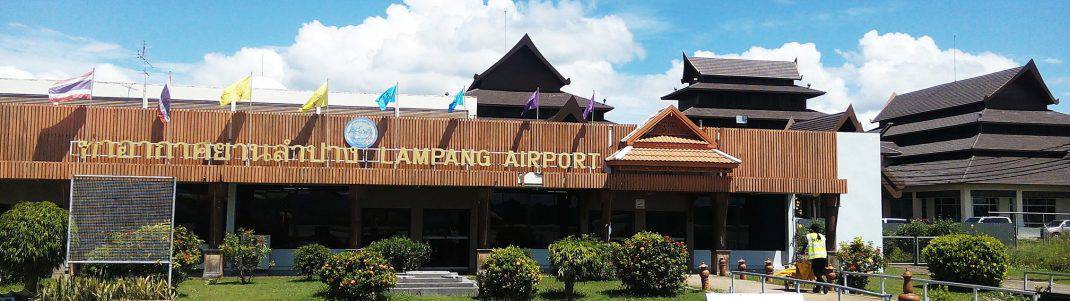
Chiang Mai Station to the Airport
Chiang Mai International Airport is southwest of the city.
Allow around 20–30 minutes under ordinary conditions and more during heavy traffic.
Do not make a tight flight connection from an arriving train.
Rail delays can occur, and you still need to complete the road transfer before airline check-in closes.
For an important flight, several hours of buffer is considerably safer than planning around the scheduled train arrival alone.
Regional Train Travel
Not everyone using Chiang Mai Station needs to travel all the way to Bangkok.
The railway also serves destinations south of Chiang Mai including:
- Lamphun;
- Lampang;
- Den Chai;
- Phitsanulok;
- Ayutthaya.
This can make rail useful for slower multi-stop journeys through northern and central Thailand.
For very short regional trips, ordinary seating is usually sufficient.
The sleeper classes are primarily useful for the longer overnight route.
Chiang Mai Train vs Flying
Flying is much faster.
Chiang Mai Airport has frequent Bangkok services, with the flight taking roughly an hour.
The train offers something different:
- overnight travel;
- sleeper accommodation;
- city-centre-style arrival compared with airports;
- overland scenery;
- a more traditional Thai travel experience.
For someone with limited holiday time, flying may be more efficient.
For someone interested in the journey itself, the sleeper train can be worthwhile.
Chiang Mai Train vs Bus
Long-distance buses also connect Chiang Mai and Bangkok.
A bus can sometimes be cheaper than a sleeper berth and may offer more departure choices.
A sleeper train’s major advantage is that you can lie down.
For many travellers, that makes the overnight railway journey more comfortable than spending a similar period sitting in a coach.
Bus services use Arcade Bus Terminal rather than the railway station.
Accessibility
Accessibility depends on both the station and the particular train.
The station itself has relatively level public areas, but boarding can involve:
- steps;
- gaps between platform and train;
- narrow carriage corridors.
Older railway carriages are not designed to modern universal-access standards.
Travellers with significant mobility requirements should contact the railway before travel and confirm assistance arrangements for the selected service.
Do not assume that a First Class ticket automatically guarantees step-free boarding.
Chiang Mai Train Station FAQs
Where is Chiang Mai Train Station?
It is on the east side of the Ping River in Wat Ket, around three kilometres from Tha Phae Gate.
Are there trains from Chiang Mai to Bangkok every day?
Yes. Current 2026 schedules show several daily services, including daytime and overnight trains.
How long is the train from Chiang Mai to Bangkok?
Depending on the service, the trip generally takes around 10–14 hours, with delays possible.
Can you sleep on the Chiang Mai to Bangkok train?
Yes. Selected overnight trains have 1st and 2nd Class sleeper accommodation.
Should you book sleeper tickets in advance?
Yes. First Class and popular lower 2nd Class berths can sell out well ahead of departure.
Does the Chiang Mai train go to Hua Lamphong?
Most current long-distance northern services use Bangkok’s Krung Thep Aphiwat Central Terminal rather than the old Hua Lamphong terminus.
How far is Chiang Mai Station from the Old City?
It is roughly three kilometres east of Tha Phae Gate.
Can you get a songthaew from Chiang Mai Train Station?
Yes. Red songthaews commonly operate around the station, along with tuk-tuks and app-based cars.
Can you take the train from Chiang Mai to Ayutthaya?
Yes. Bangkok-bound trains travel south through destinations including Ayutthaya, depending on the service you choose.
Is flying faster than the train?
Yes. Flying is much faster, while the train is useful for overnight travel and travellers who want the rail journey itself.









Do You Have a Question to Ask?