







































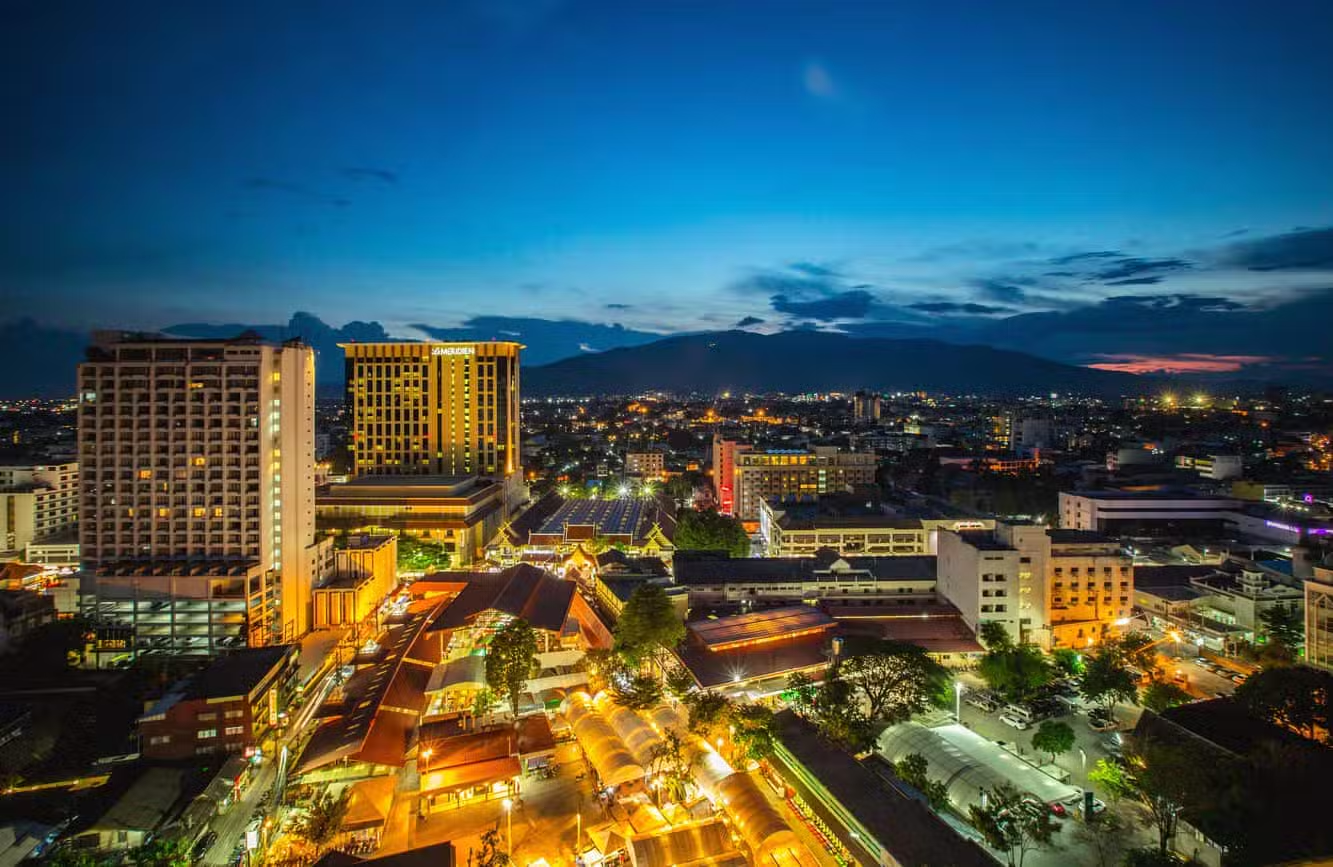
Chiang Mai is both a city worth exploring on foot and a starting point for the wider north of Thailand. Its moat and Old City temples make an easy first day, while Nimmanhaemin, the Ping River and nearby mountain roads reward separate outings. Decide whether this visit is about urban culture, food and markets, or excursions; trying to add Doi Inthanon to an Old City stroll turns a pleasant day into a long drive.
The city is an effective base for several nights. Choose one urban area at a time, leave mountain drives for their own daylight, and plan any market you particularly want to visit for the day. Seasonal weather and air quality can change a viewpoint’s or outdoor excursion’s value.
Choose a Chiang Mai area
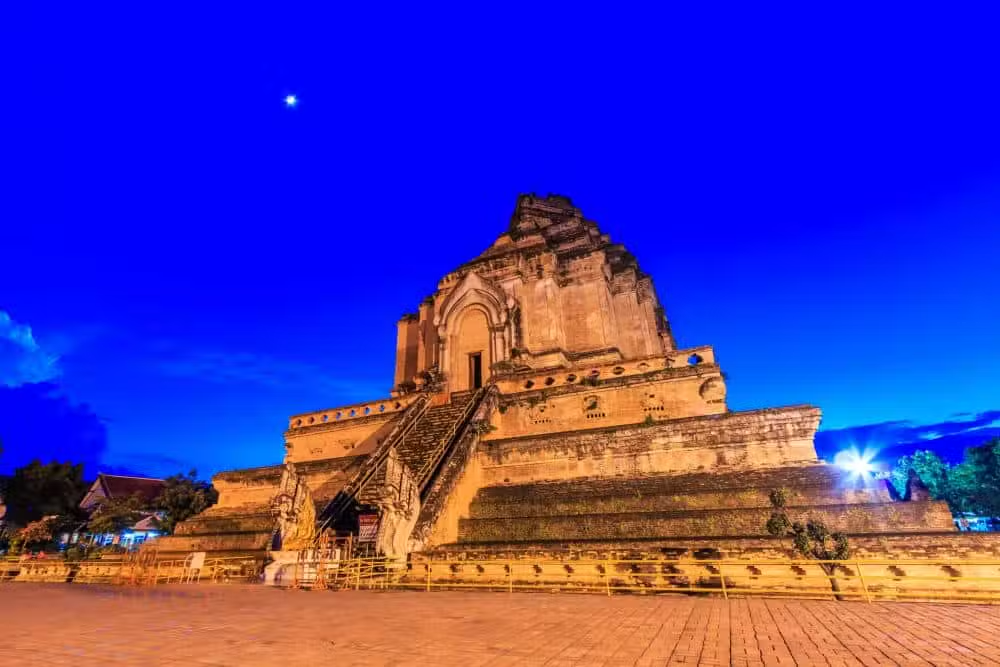
For a first walking day, choose the Old City inside the moat. Tha Phae Gate and the eastern lanes suit an arrival from the Night Bazaar side, while Wat Chedi Luang and Wat Phra Singh offer a route through the centre toward the west. Add a museum or meal between temples rather than walking the perimeter simply because it forms a square.
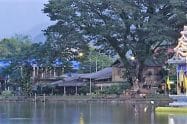
For a different half-day, choose Nimmanhaemin for west-side cafés and design businesses, or Chang Moi and Warorot Market for daytime shopping east of the moat. A Ping River dinner needs a particular restaurant and a return ride. Wat Phra That Doi Suthep is a separate mountain journey; Doi Inthanon needs a full excursion day. Those choices matter more than fitting every familiar Chiang Mai name onto one city map.
Things to see and do in Chiang Mai
Old City temples and gates
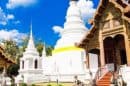
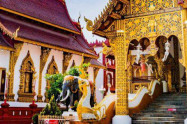
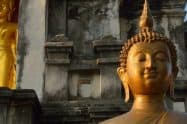
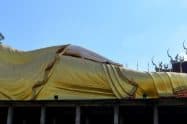
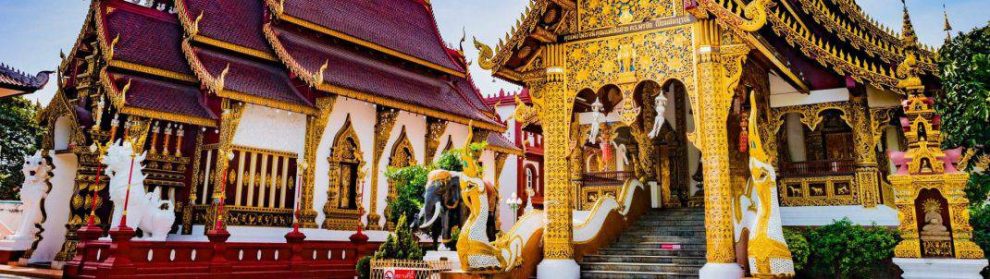
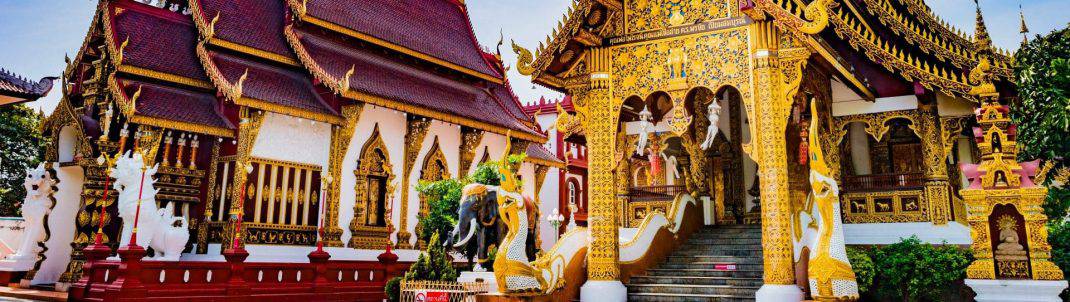
Begin inside the moat with Wat Phra Singh and Wat Chedi Luang, allowing time to enter respectfully rather than photographing one facade after another. Tha Phae Gate is a useful orientation point on the eastern side. Temples are living religious sites: dress appropriately, follow signs at each building, and check any admission rules. A selective walking circuit leaves time for lunch and a museum, rather than exhausting the first morning.
Doi Suthep as a separate mountain trip
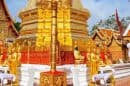
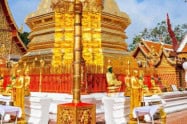
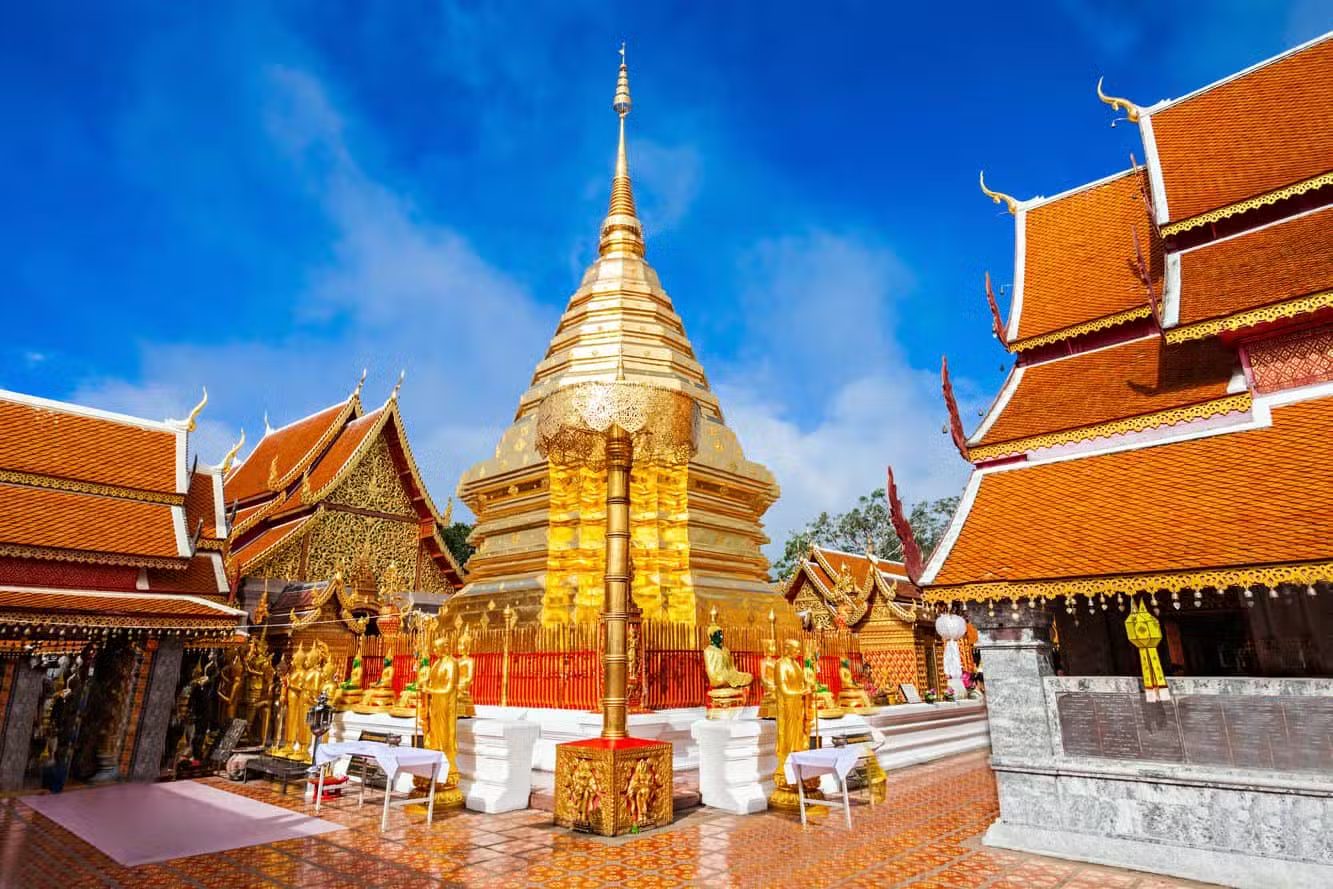
Wat Phra That Doi Suthep overlooks the city from the mountain to the west. The winding journey, stair approach and temple precinct deserve a dedicated half-day rather than a rushed stop after several city temples. Check road and weather conditions, arrange a return vehicle and leave room for the journey down. Other stops on the mountain have separate opening rules; do not assume they are included in temple entry.
Nimmanhaemin and the west-side city
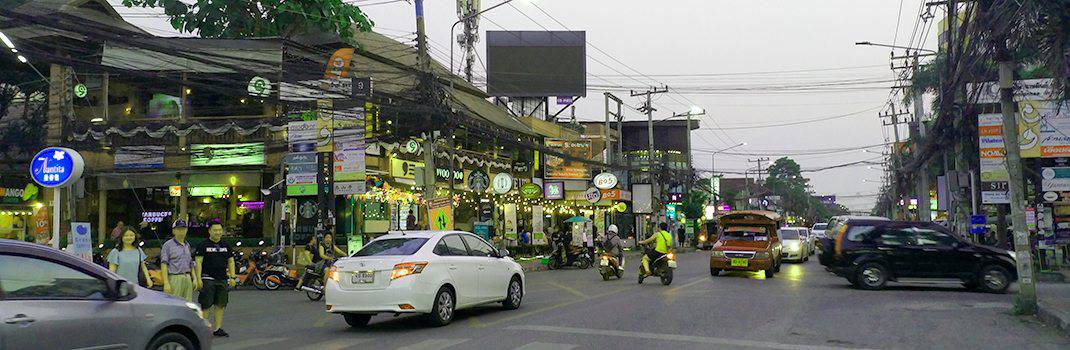
The Nimmanhaemin streets offer cafés, design businesses and a distinct evening dining area west of the moat. A west-side temple such as Wat Umong makes another outing for visitors interested in quieter religious sites, but it needs its own road transfer and current entry check. Pick one cluster for a half-day, then return for a meal; this is not a continuation of a compact Old City walking route.
Doi Inthanon and other full-day excursions
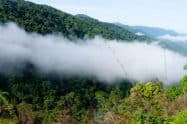
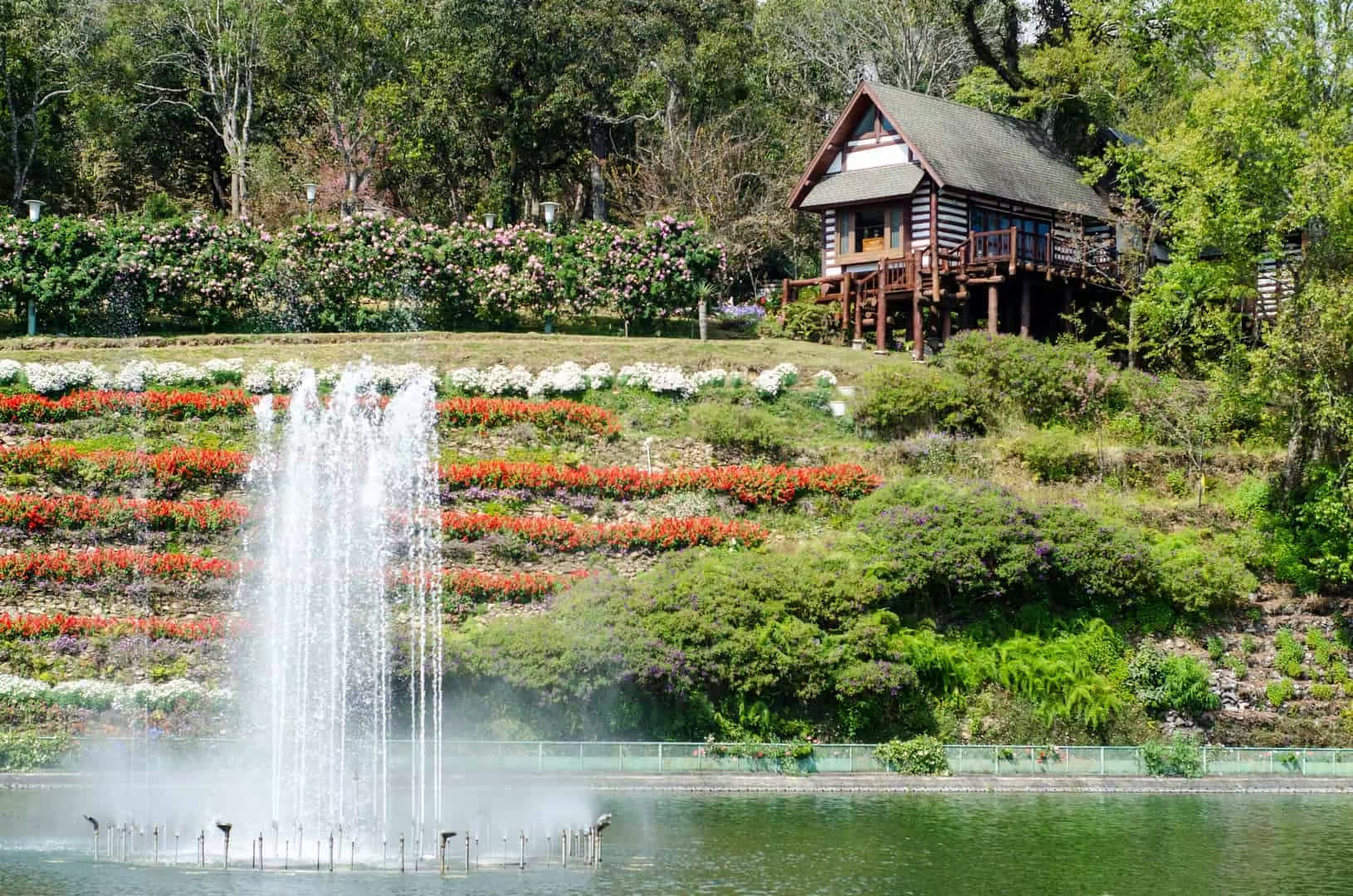
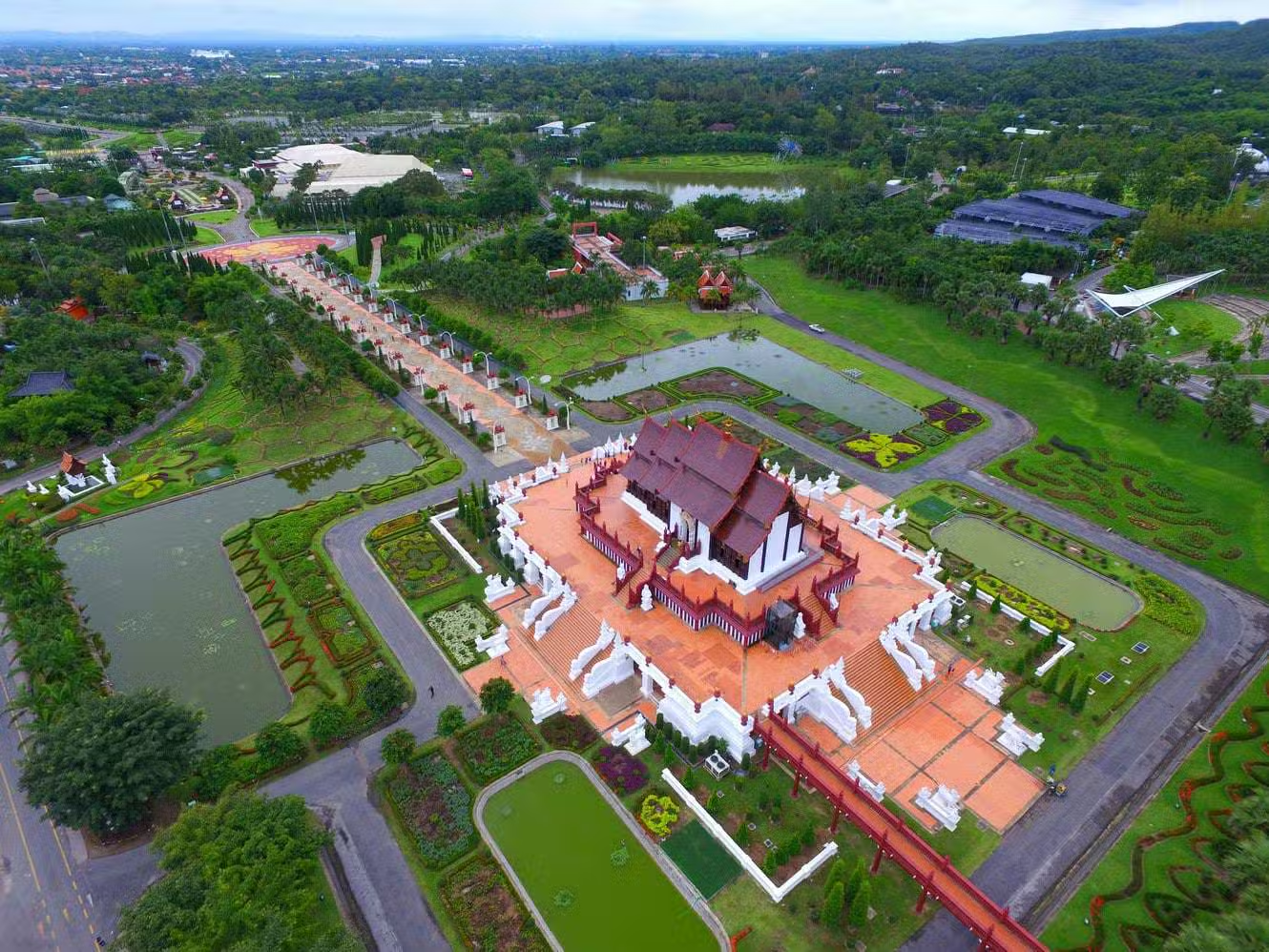
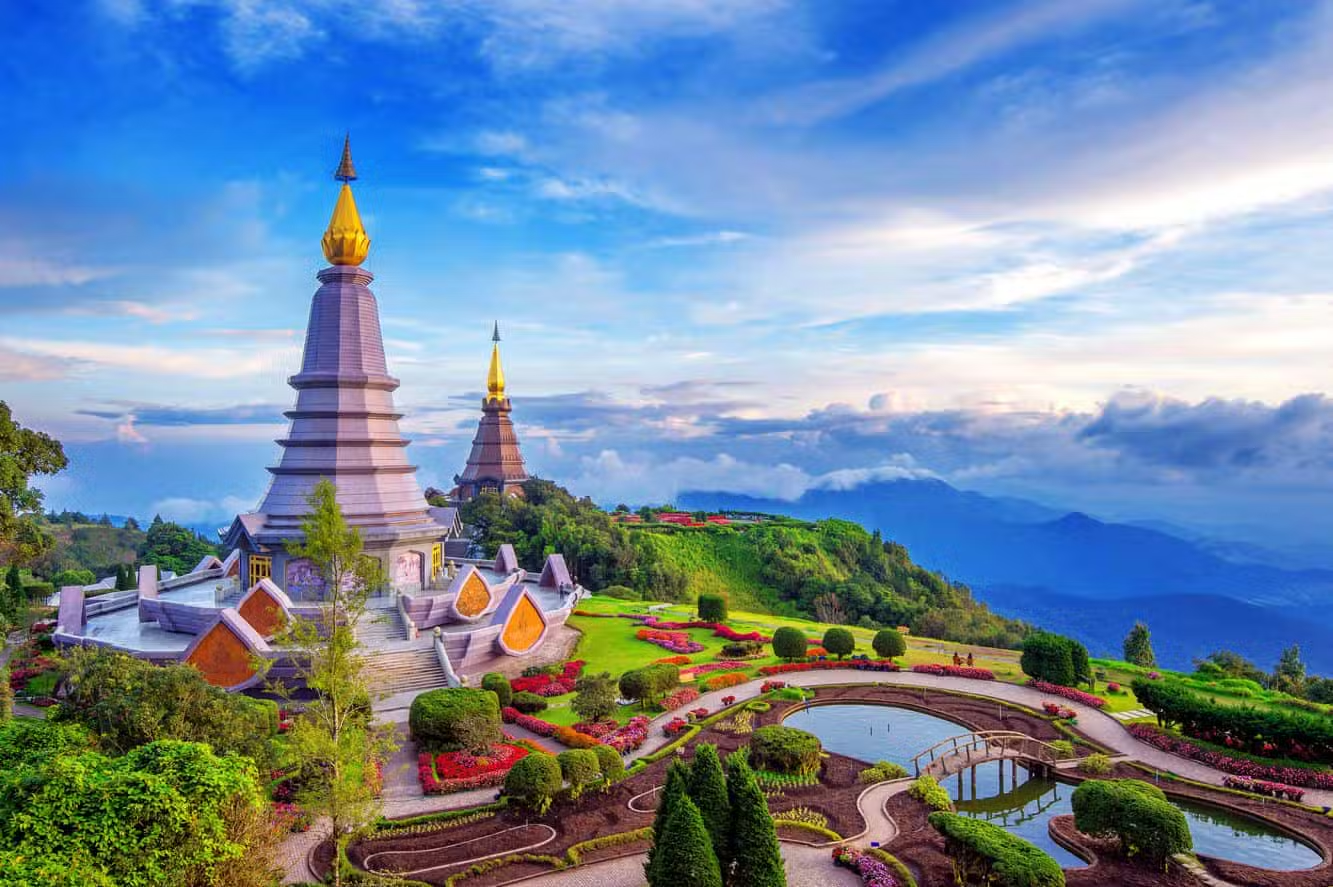
Doi Inthanon National Park is a substantial outing from the city, with viewpoints, nature trails and changing mountain weather. Start early, select a few park stops and confirm trail or seasonal restrictions before leaving. Mae Rim and Mae Taeng offer different directions for gardens or booked activities. Give each excursion its own travel day if you want to experience it rather than spend most of the time in transit.
City museums and the Three Kings area
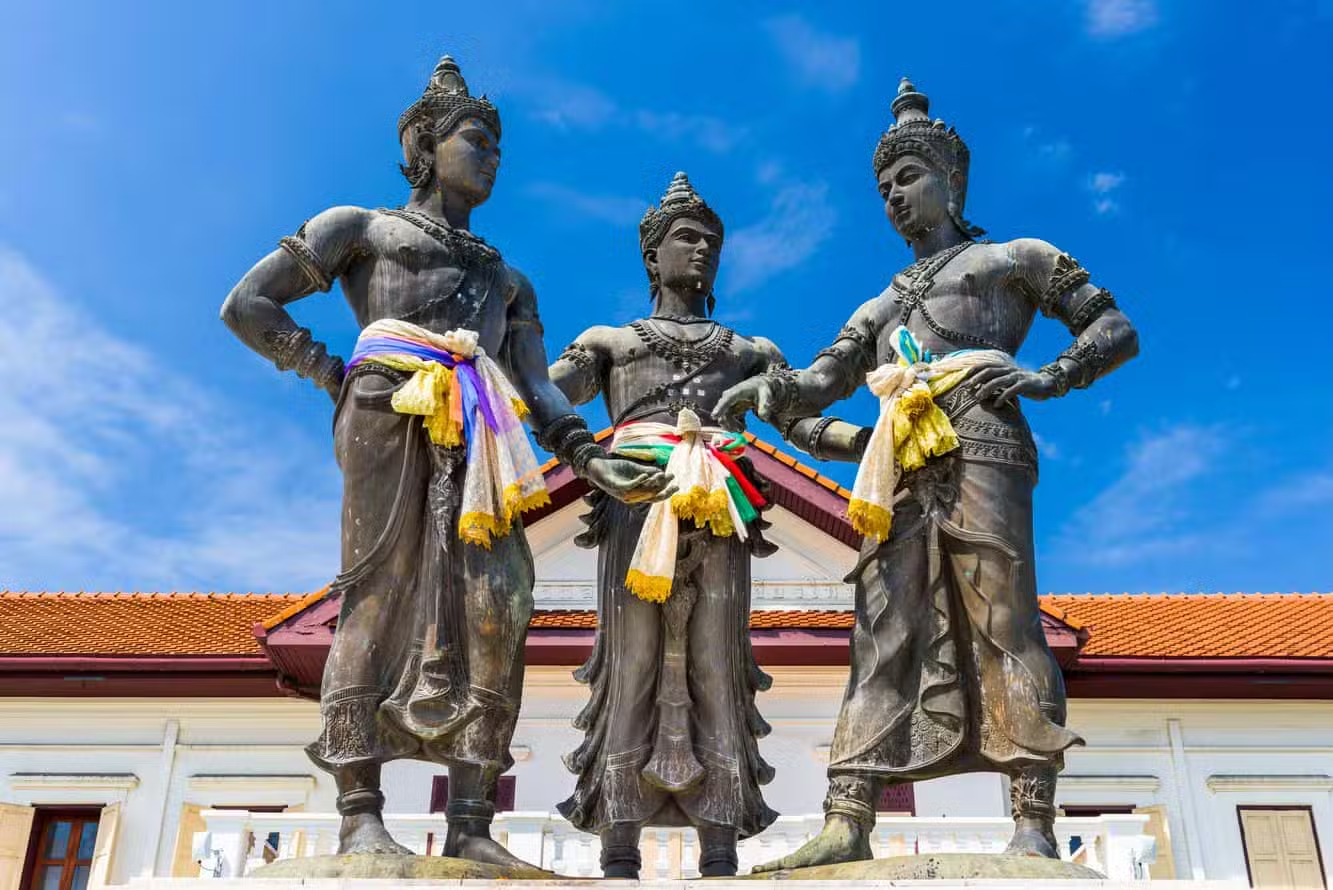
The Chiang Mai City Arts and Cultural Centre and Lanna Folklife Museum can add historical context to a temple walk in the centre. Choose one exhibition that is open on your visit and allow proper viewing time, rather than using the buildings as a quick photo stop. The nearby Three Kings Monument area makes an easy orientation point before continuing through smaller Old City streets. Check museum schedules and any temporary closures before setting out.
Warorot Market and the Ping River
Warorot Market offers a different look at everyday shopping east of the Old City, with food and dry goods for a daytime browse. Continue to a specific riverside restaurant or neighbourhood if you want an evening out; the riverfront stretches along several roads and isn’t one continuous visitor promenade. Keep temple clothes, purchases and a return ride in mind if you combine this with a morning inside the moat.
A practical Chiang Mai visit
For a first city day, begin at a gate, visit two Old City temples, stop for lunch and choose either a museum or a slower neighbourhood walk. Use a vehicle for Doi Suthep on another morning, then spend an evening in Nimmanhaemin or by the Ping River. If you have only one day, keep the city visit focused; the mountains merit a return.
With three or more days, add a full-day mountain or countryside excursion and leave time free for markets or a cooking class. Check the actual location and standards of any animal activity before booking; an advertised ‘Chiang Mai’ venue may be well outside the city.
Where to eat
Use the Old City for an easy first meal between temple visits. Its lanes offer breakfast cafés, northern Thai restaurants and dinner without another transfer. Khao soi is a useful starting point, while a longer menu might include sai ua, nam prik noom and other northern dishes. Check ingredients and spice levels rather than assuming a dish suits every dietary need. A cooking class is more rewarding when it fits the day’s route and gives proper time for the market visit or lesson.
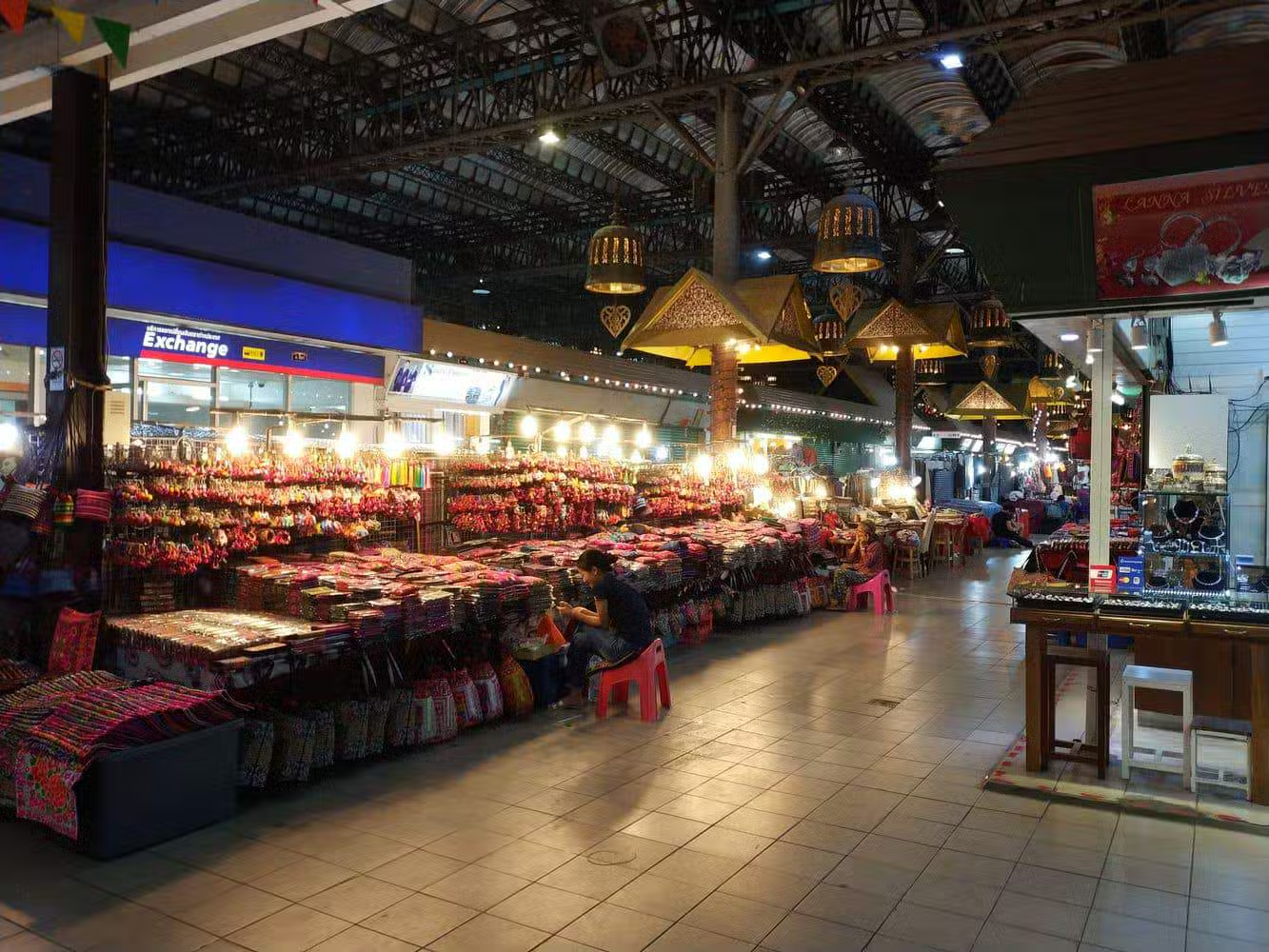
For a different setting, browse Warorot Market and nearby Chang Moi during the day, choose Nimmanhaemin for a café-led afternoon and modern restaurants, or plan a Ping River meal as its own evening outing. The Night Bazaar area is convenient for visitors staying east of the moat. Markets vary by day, and stalls come and go, so choose the right market and a backup meal before travelling across town.
For a named food stop, Khao Soi Mae Sai in Chang Phueak focuses on northern curry noodles and suits a daytime visit north of the moat. Kiti Panit on Tha Phae Road is another option for a seated Lanna meal on the eastern side of the city. They serve different routes and styles; confirm the day, menu and any booking before crossing town for either.
Where to stay
Inside or just outside the Old City moat is the most versatile first base: temples, daytime food and parts of the evening circuit are walkable. Check the specific gate and lane. An east-side hotel can ease trips towards Tha Phae Gate and the Night Bazaar, while a quieter interior lane may suit an early night; neither description guarantees a quiet room during a market or festival.
Nimmanhaemin is stronger for cafés, contemporary dining and frequent evenings west of the moat, with daily transport needed for many Old City sights. Riverside hotels offer a calmer, more spread-out stay but require a chosen restaurant and return ride. Airport access, late-night arrival, traffic, stairs and excursion pickup points may matter more than a district name. A country resort only makes sense if its space or a nearby activity is central to the trip.
For concrete examples of the base trade-off, U Nimman Chiang Mai puts you on Nimmanhaemin Road near the west-side dining area, while Anantara Chiang Mai Resort offers a riverside stay on the Ping. Both are full-service hotels, not substitutes for a small Old City guesthouse. Compare their exact location, room type and daily temple transfers against your own itinerary.
Getting to and around
From Chiang Mai International Airport, take an authorised taxi or other confirmed transfer to the exact hotel entrance; the airport’s proximity doesn’t make every Old City lane equally convenient. Walk temple clusters inside the moat in manageable stretches. For Nimmanhaemin, the Night Bazaar or a riverside dinner, arrange a taxi, app-based ride where available or a suitable songthaew, and confirm the pickup point and fare or app quote before setting off.
Doi Suthep needs a road ascent and a return plan. Doi Inthanon, Hang Dong, Mae Rim and Mae On are separate excursions in different directions, so use a driver, appropriate vehicle or reputable tour that specifies its stops and return time. Do not rely on a city walking map for provincial trips. Allow for traffic, mountain weather and seasonal smoke, and check a tour’s actual meeting point rather than assuming pickup from every hotel.
Practical choices for first-time visitors
Visit active temples respectfully, dress for entry and check photography rules on site. If a museum or special exhibition is essential, check the current programme before arranging the rest of the day. The Sunday walking market, other weekend markets, and regular night-time trading are different experiences in different locations and on different days; confirm which market you mean before choosing a hotel or booking a ride.
For a family trip, leave midday breaks between outdoor stops and choose one booked activity per day. For a food-led trip, make room for khao soi and other northern dishes, but select a real restaurant or class that suits your diet and location rather than assuming every venue offers the same menu. Mountain visibility, heat and seasonal smoke can change the value of a viewpoint day; check conditions shortly before travel.
Is Chiang Mai Worth Visiting?
Yes. The city offers several strong days of temples, food, and neighbourhood walks, and serves as a practical base for well-planned northern Thailand excursions.
Chiang Mai FAQs
How many days should I spend in Chiang Mai?
Two days allow an Old City day and a separate Doi Suthep visit. Add at least another day for a park or countryside trip.
Can I walk around Chiang Mai?
The Old City is walkable in manageable sections. Nimmanhaemin, the river, Doi Suthep and other outlying stops call for a separate vehicle journey; choose one cluster before setting off.
Is Doi Inthanon in Chiang Mai city?
No. It is a separate national park day trip that requires transport, time, and current park checks.
Where should a first-time visitor stay?
The Old City is the easiest base for temple walks and local meals. Choose Nimmanhaemin if west-side cafés shape most days, or the river for a quieter hotel stay with more transfers.
When should I check air quality?
Check current conditions shortly before outdoor or mountain plans, particularly during the northern smoky season. If views or strenuous walking are the main reason for an outing, keep an alternative city day.
Are the Sunday Walking Street and Night Bazaar the same market?
No. They’re in different locations and have different trading patterns. Check the specific market and date before building an evening around it; the Night Bazaar area also has other dining options.





Do You Have a Question to Ask?