


















































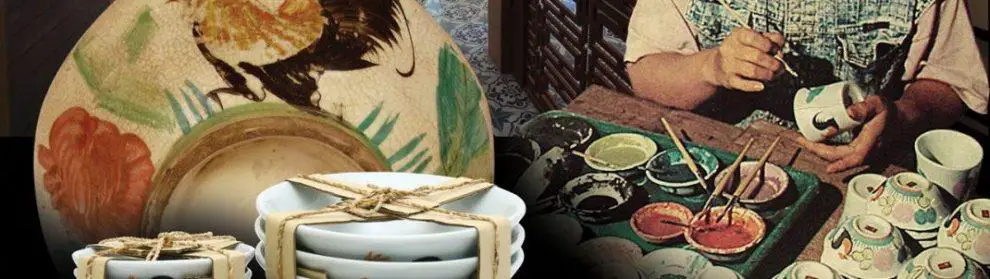
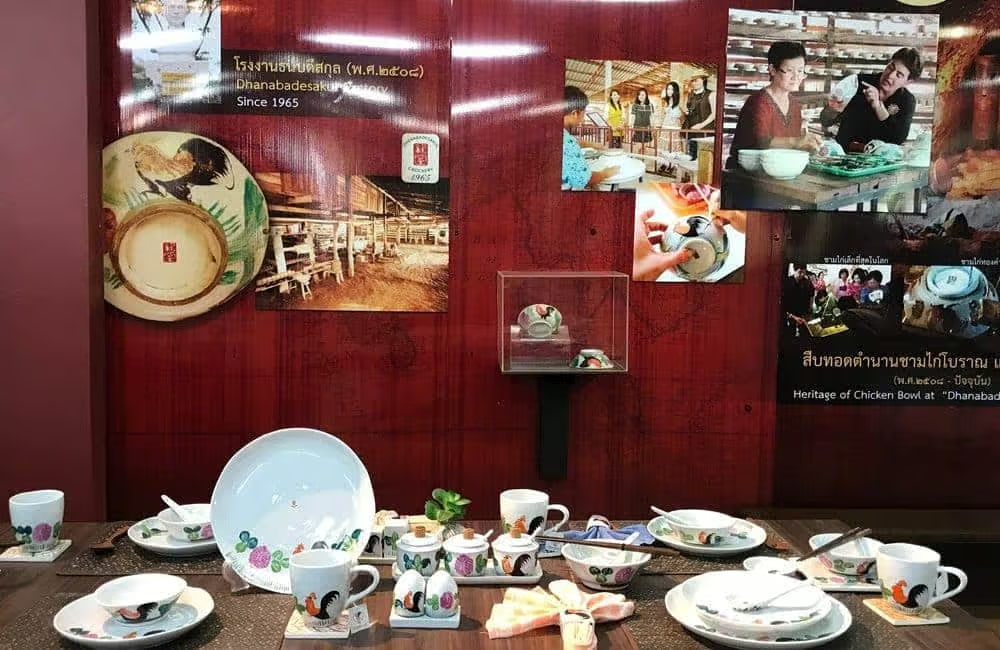
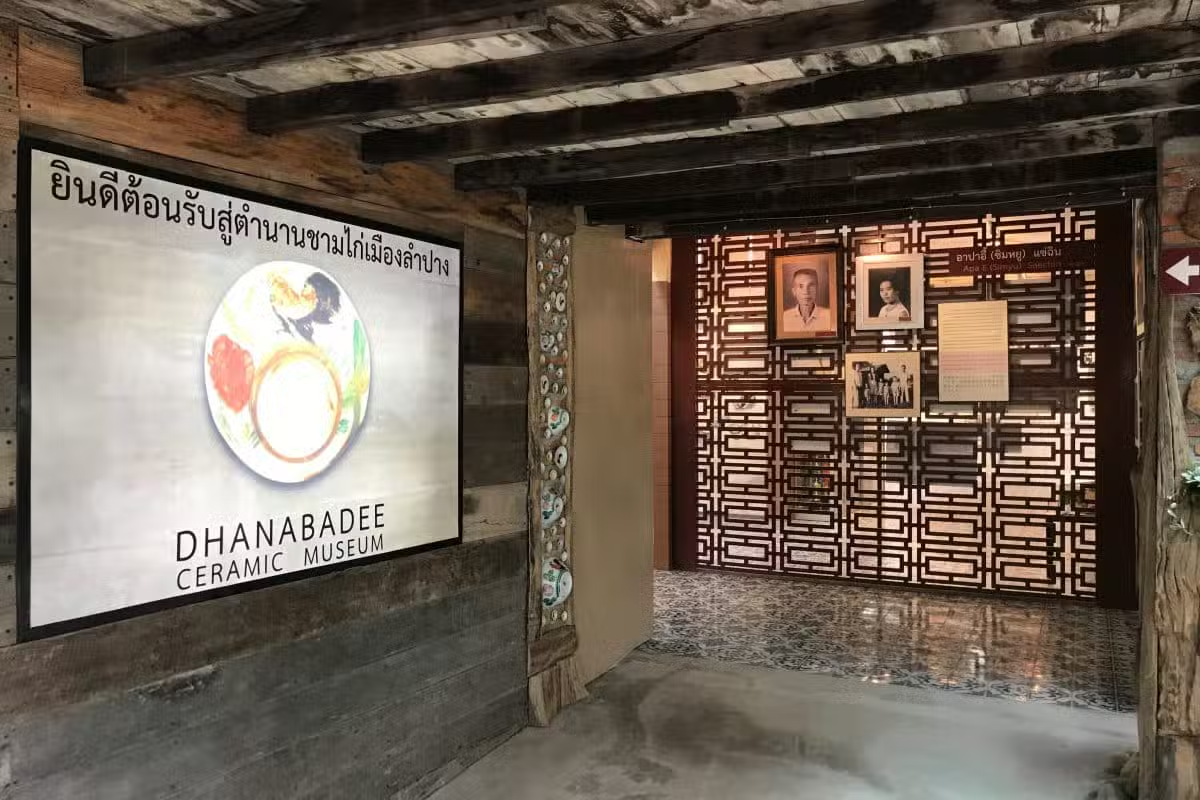
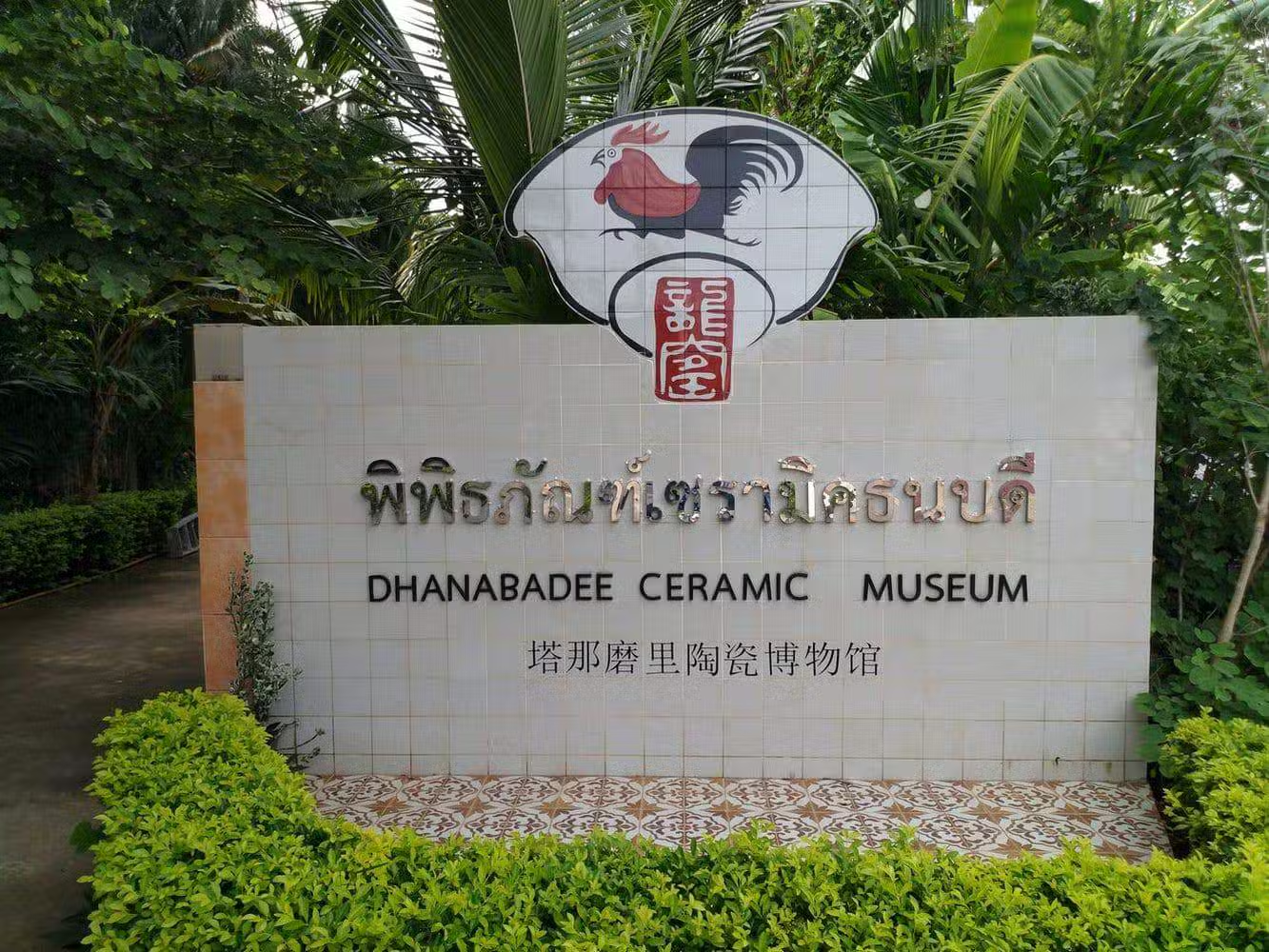
Dhanabadee Ceramic Museum in Lampang tells the story of the familiar rooster-patterned bowl used in noodle shops and homes across Thailand. Its guided visit connects that everyday object with local clay, family craft history and the practical work of shaping and decorating ceramics.
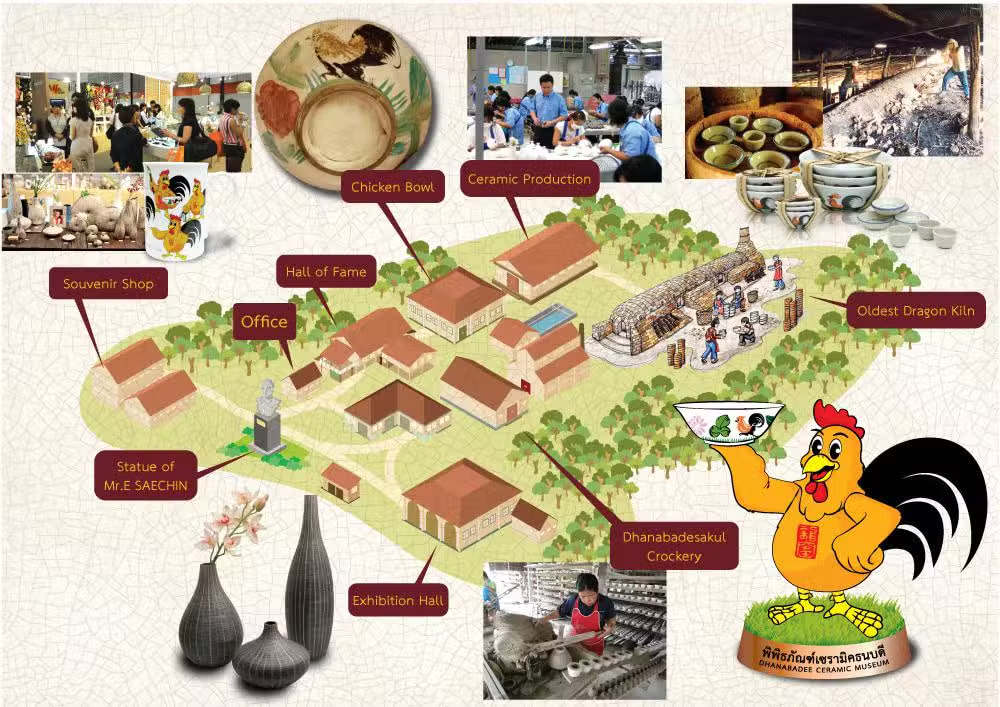
The museum combines displays with production demonstrations, an old dragon kiln and optional ceramic-painting activities. It is a useful stop for visitors who want to understand how an object is made, with enough variety to interest adults and children beyond simply browsing a shop.
The Story Behind Lampang’s Chicken Bowls
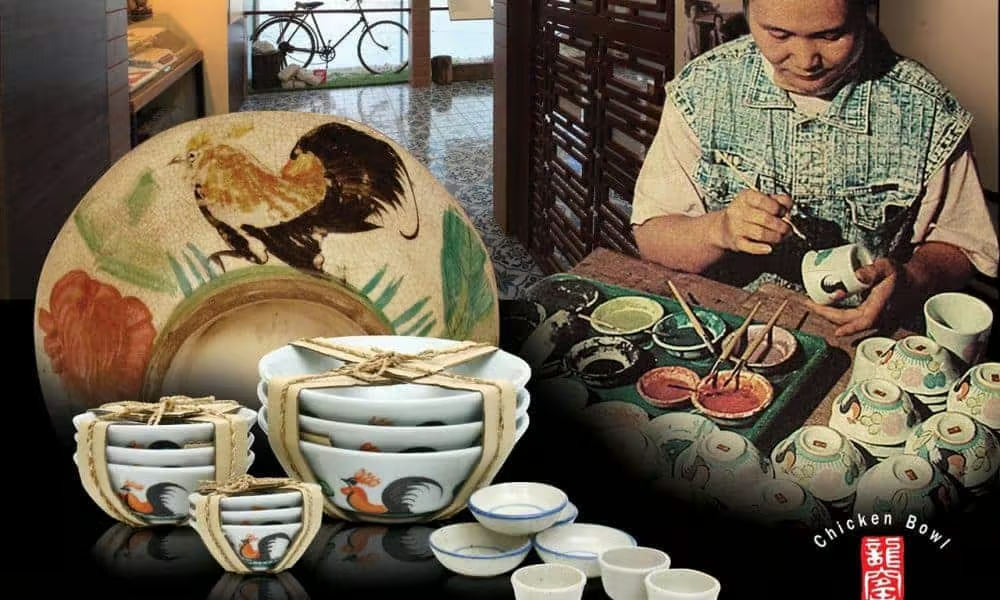
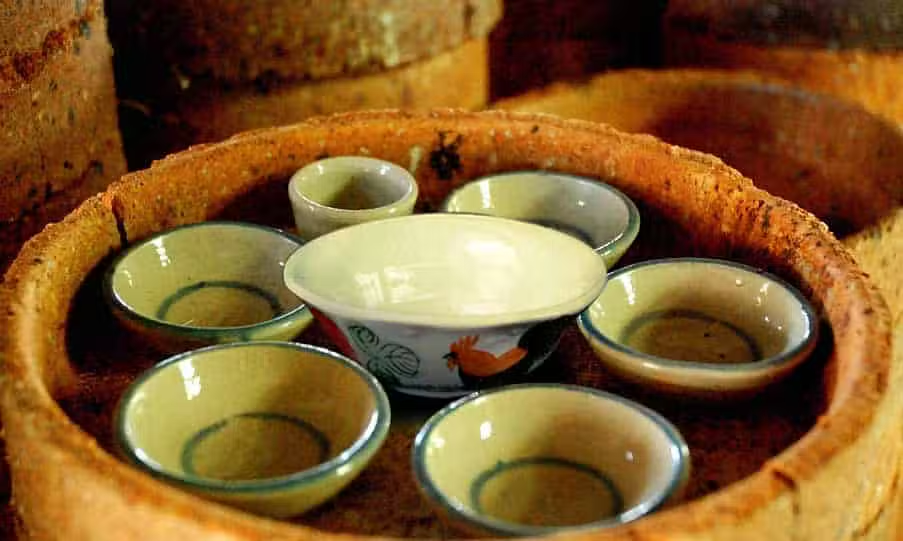
The rooster or chicken bowl is closely associated with Lampang’s ceramic industry. The museum follows the story from the discovery and use of kaolin clay to the development of local production. Looking at the bowls after learning that background gives the painted motif a significance beyond decoration.
The family’s manufacturing history extends back to the mid-20th century, when Ee, also known as Simyu Chin, brought bowl-making knowledge from China to Lampang. Later generations helped preserve and revive the design. The museum opened to visitors in 2013, bringing the older factory story into a public tour.
Displays also explore how the familiar bowl has been adapted and celebrated. Special examples include tiny, thin-walled and gold versions, which show how a practical tableware form can become a demonstration of skill. Treat these as museum objects rather than samples visitors can pick up.
The Guided Tour and Making Demonstrations
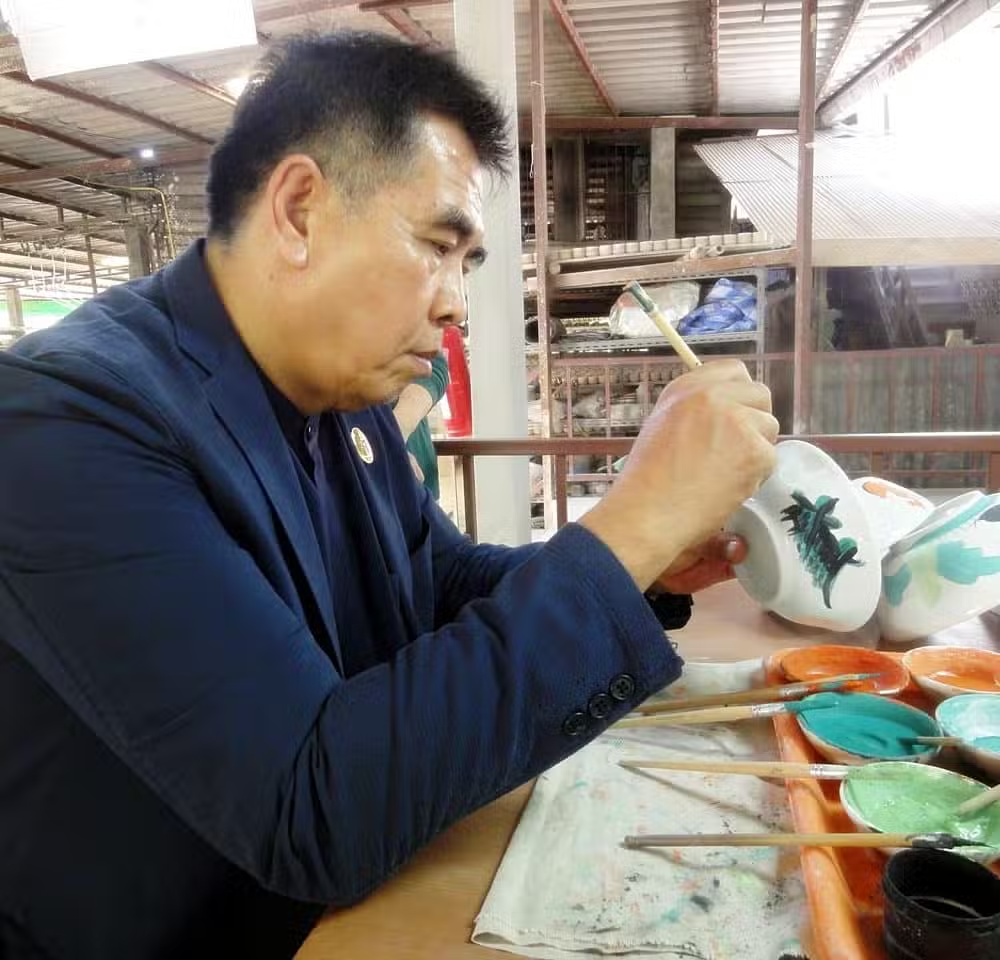
The guided tour is the main way to understand the museum. It connects the history displays with demonstrations of shaping and painting, so you can see the difference between a finished bowl and the individual steps needed to produce it. Watch the handling of clay and the way a few painted marks develop into the recognisable chicken design.
Traditional methods are presented alongside modern ceramic production. The value is in seeing the craft at close range and having its purpose explained, rather than assuming that every object sold by the company is made through one identical process. The demonstrations available can depend on the tour and work taking place that day.
An old dragon kiln is another important part of the visit. It provides a physical link with the factory’s earlier production and helps put firing into context after watching clay preparation and decoration. Viewing a historic kiln does not mean visitors will see it firing during every session.
Tour Times and Language
The operator lists morning tour starts at 8:30am, 9am, 10am and 11am, followed by afternoon starts at 1pm, 2pm, 3pm and 4pm. Aim to arrive before a listed session rather than turning up just before the museum closes. Confirm the day’s arrangement when booking, particularly for a group.
Ask for an English-language tour if you need one. Confirm the language of your chosen departure when booking. Booking or calling ahead helps establish the language, available space and any additional arrangements for your party.
Painting Your Own Ceramic Piece
An optional painting workshop lets you decorate a selected ceramic item. The operator lists a typical activity time of around 15 to 30 minutes and prices from 50 to 390 THB, depending on the piece and activity. This is separate from museum admission, so choose the item and confirm its charge before starting.
Ask when the finished piece can be collected and whether any further processing is required. Delivery can be arranged for suitable items, but shipping charges and timing need to be established separately. This matters if you are visiting Lampang briefly or leaving Thailand soon after the workshop.
Children may enjoy the change from watching demonstrations to making something of their own. Keep the activity realistic for their patience and leave time after the tour. If you only have an hour, prioritise the guided visit rather than assuming you can complete every optional activity.
Admission, Opening Hours and the Shop
The museum’s usual usual visiting hours are 8:30am to 5pm daily. The last listed guided session begins at 4pm, so a late arrival leaves less room for a workshop and shopping. Confirm special-day arrangements before making a dedicated journey.
Published admission categories include 60 THB for Thai adults, 30 THB for students and 100 THB for foreign visitors. The operator also lists free-entry categories, including children under 13 and visitors aged 60 or over. Confirm eligibility and any concession documentation when booking, especially for a mixed Thai and international group.
Tickets may include purchase-related discount coupons, but those have spending conditions. Check the minimum purchase before using a coupon. The shop offers a chance to buy ceramic souvenirs, while the café can extend the stop if you want refreshments.
Allow around one to one-and-a-half hours for a tour and a short browse, adding time for painting or a café break. The museum publishes 061 273 3344 and pr.dcm89@gmail.com for enquiries. Ask about access requirements in advance if steps or standing through demonstrations are likely to affect your visit.
Getting to Dhanabadee Ceramic Museum
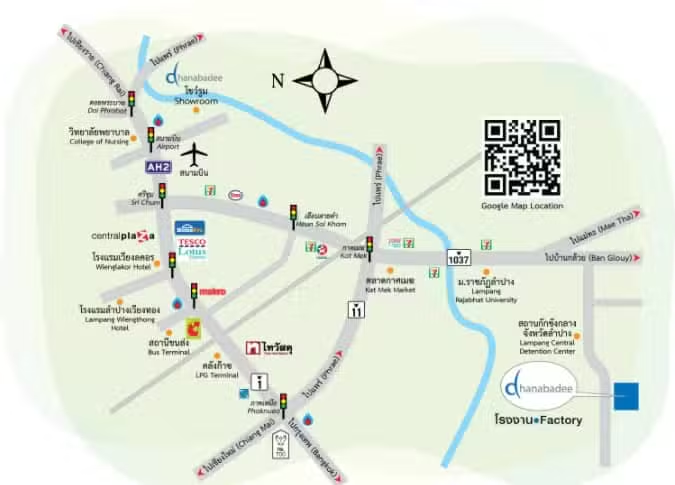
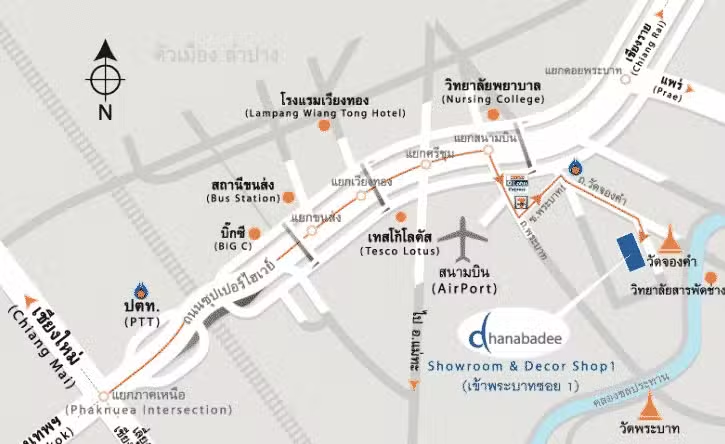
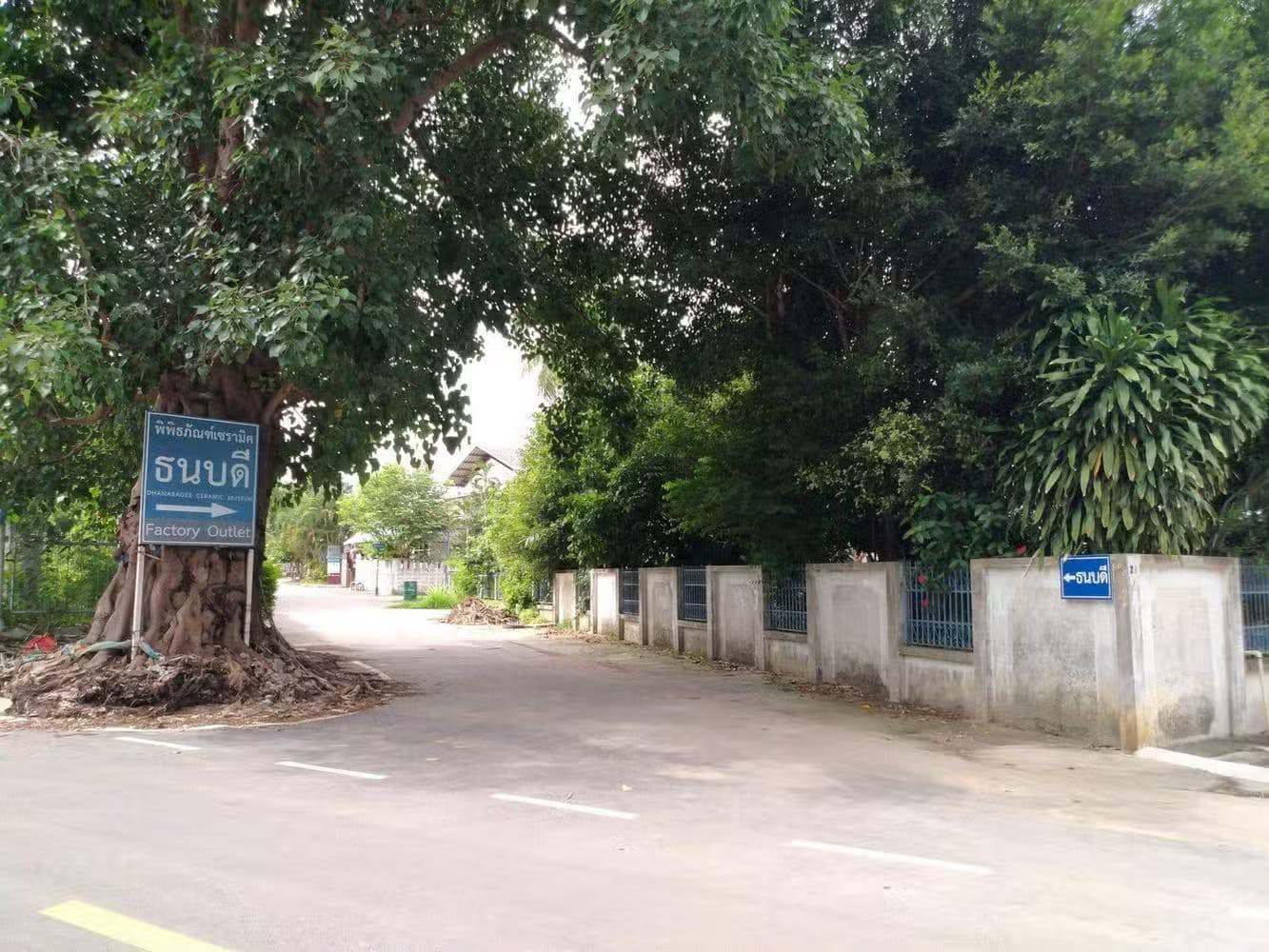
The museum is at 32 Wat Chong Kham Road, Phra Bat Soi 1, in Phra Bat, Mueang Lampang, postcode 52000. Navigate specifically to Dhanabadee Ceramic Museum. The group’s factory and corporate addresses are different and should not be used as the museum entrance.
From Chiang Mai, travel south towards Lampang along the main Route 11 corridor, allowing roughly one-and-a-half to two hours by car in ordinary conditions. A private driver or day trip makes it easier to fit the museum around other Lampang sights. Confirm the tour start before agreeing how long the driver will wait.
If arriving at Lampang railway station or bus terminal, arrange a local songthaew or taxi to the museum. The onward road journey is usually short, but the exact fare and return need to be agreed locally. A train or bus ticket to Lampang does not include the museum transfer.
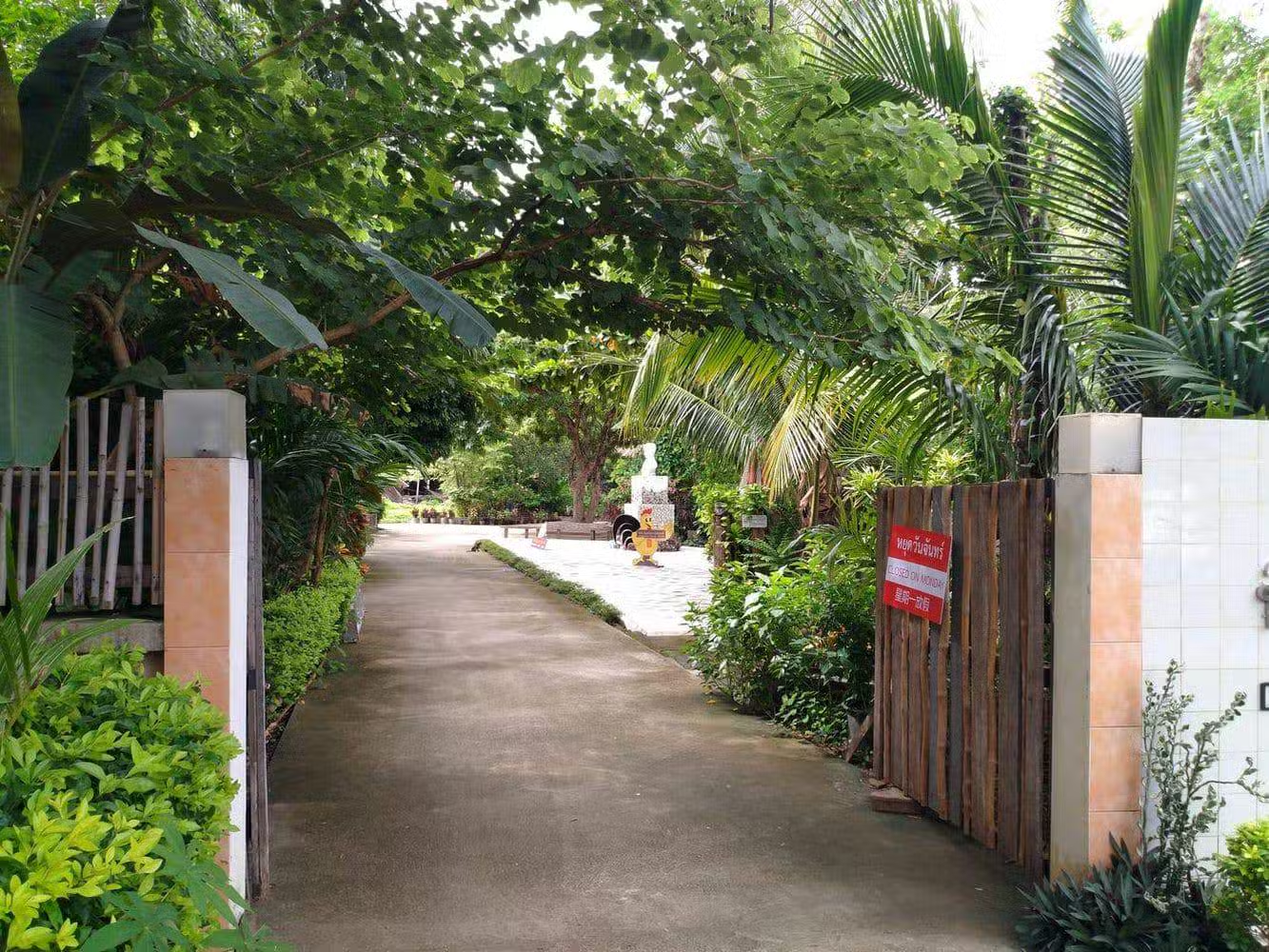
Drivers should use the museum’s parking directions and allow time to find reception before the tour. Keep the specific address and contact number available in case a driver knows the Dhanabadee factory better than the visitor museum.
Dhanabadee Ceramic Museum FAQs
What is a chicken bowl?
It is the familiar ceramic bowl decorated with a rooster motif, closely associated with Lampang. The museum explains its materials, history and making process rather than simply displaying finished products.
Is the museum open on Mondays?
The operator lists daily opening from 8:30am to 5pm. Confirm special-day arrangements and arrive before a guided session if the tour is your main reason for visiting.
When do guided tours start?
Listed starts are 8:30am, 9am, 10am and 11am, then 1pm, 2pm, 3pm and 4pm. Confirm the chosen session and request English-language guiding if needed.
How much is admission?
Published categories include 60 THB for Thai adults, 30 THB for students and 100 THB for foreign visitors. Confirm concessions and the listed free-entry categories, including under-13s and visitors aged 60 or over, when booking.
Is ceramic painting included in admission?
Painting is an optional extra, with listed activities from 50 to 390 THB. Confirm the chosen item, collection timing and any delivery costs before starting.
Will you see the dragon kiln firing?
The old dragon kiln is part of the museum experience, but a visit does not guarantee a live firing. Demonstrations and kiln viewing explain different stages of ceramic production.
Where should you ask a driver to go?
Use the museum address at 32 Wat Chong Kham Road, Phra Bat Soi 1, Lampang. The company has other factory addresses, so specify the visitor museum and show its pin.









Do You Have a Question to Ask?