


















































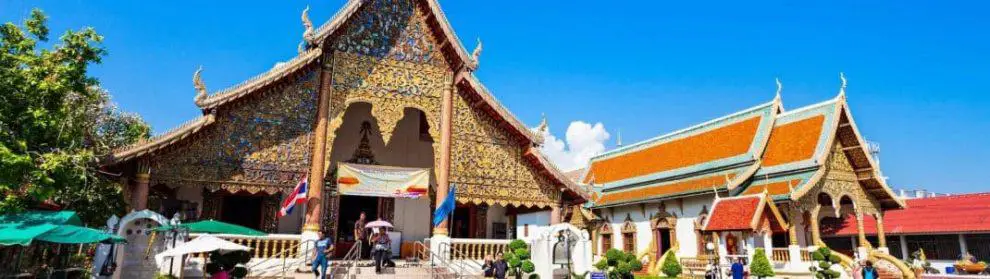
Wat Chiang Man is Chiang Mai’s oldest temple, associated with King Mangrai and the foundation of the city in 1296. Set inside the northeastern Old City, it brings together an elephant-supported chedi, Lanna-style halls and two particularly revered Buddha images in a compact working temple.
The grounds are straightforward to include in an Old City walk, but the temple deserves more than a quick photograph of its golden chedi. Its buildings connect the city’s early history with later royal patronage and religious traditions that remain important to local worshippers.
The Elephant Chedi and Temple Grounds
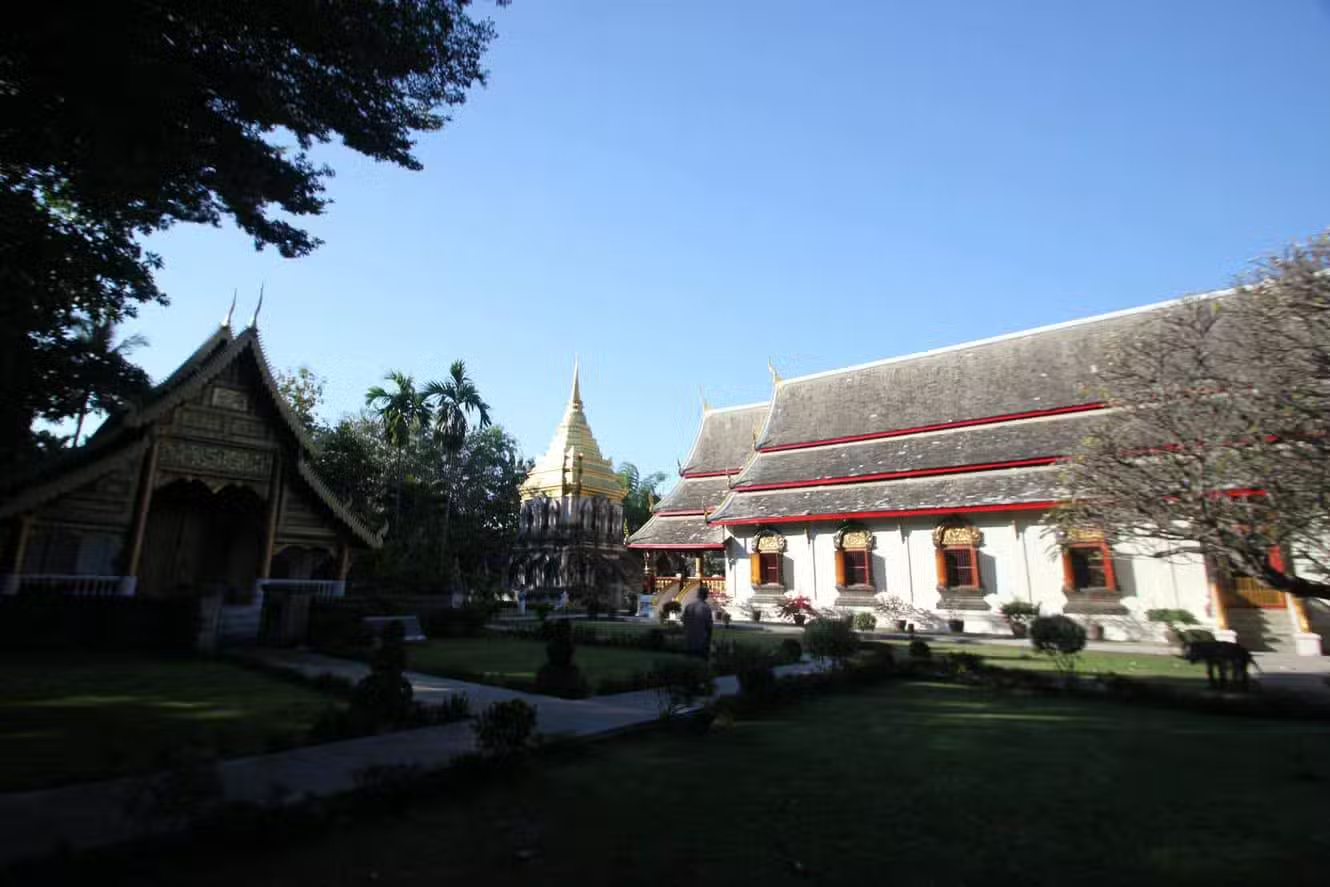
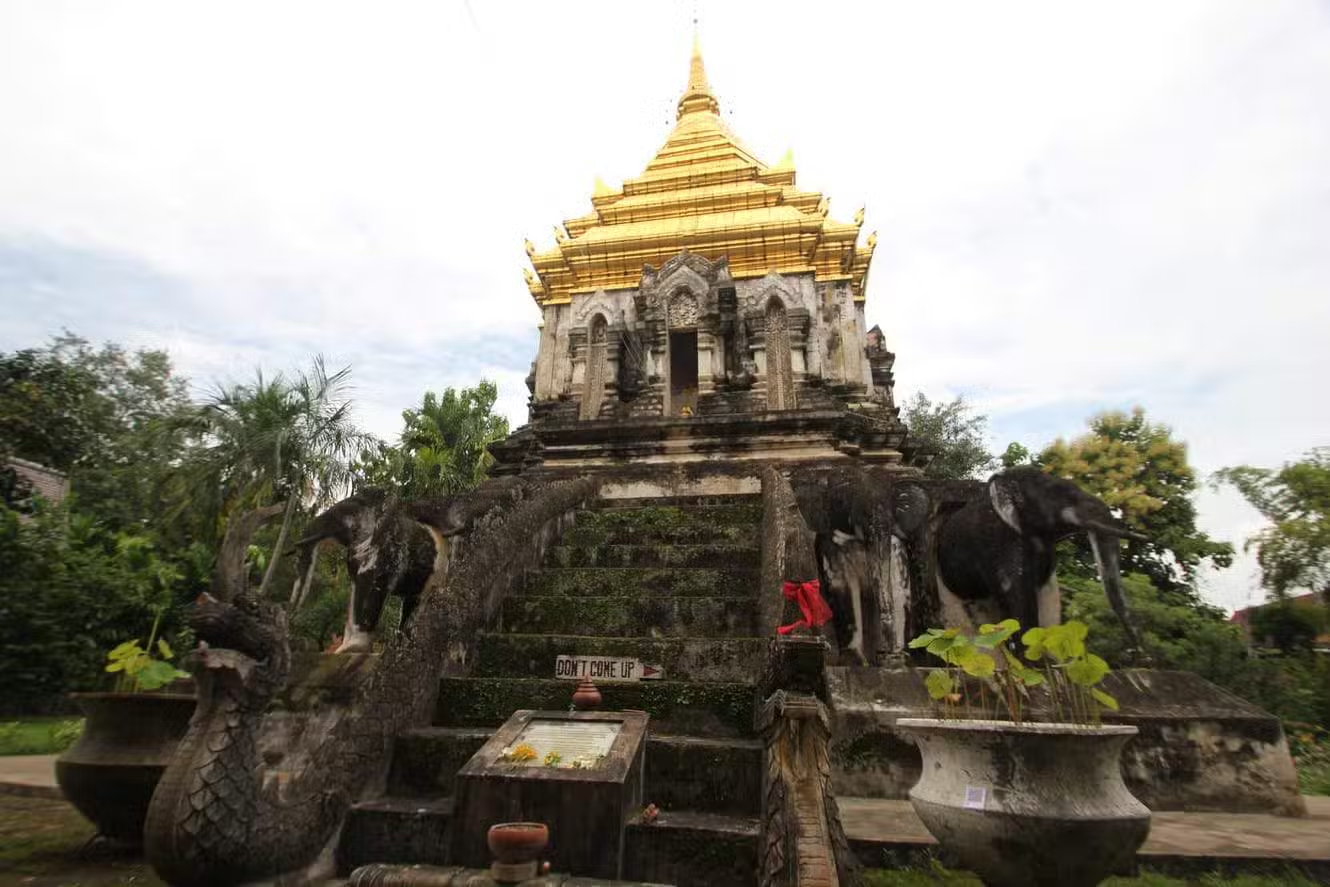
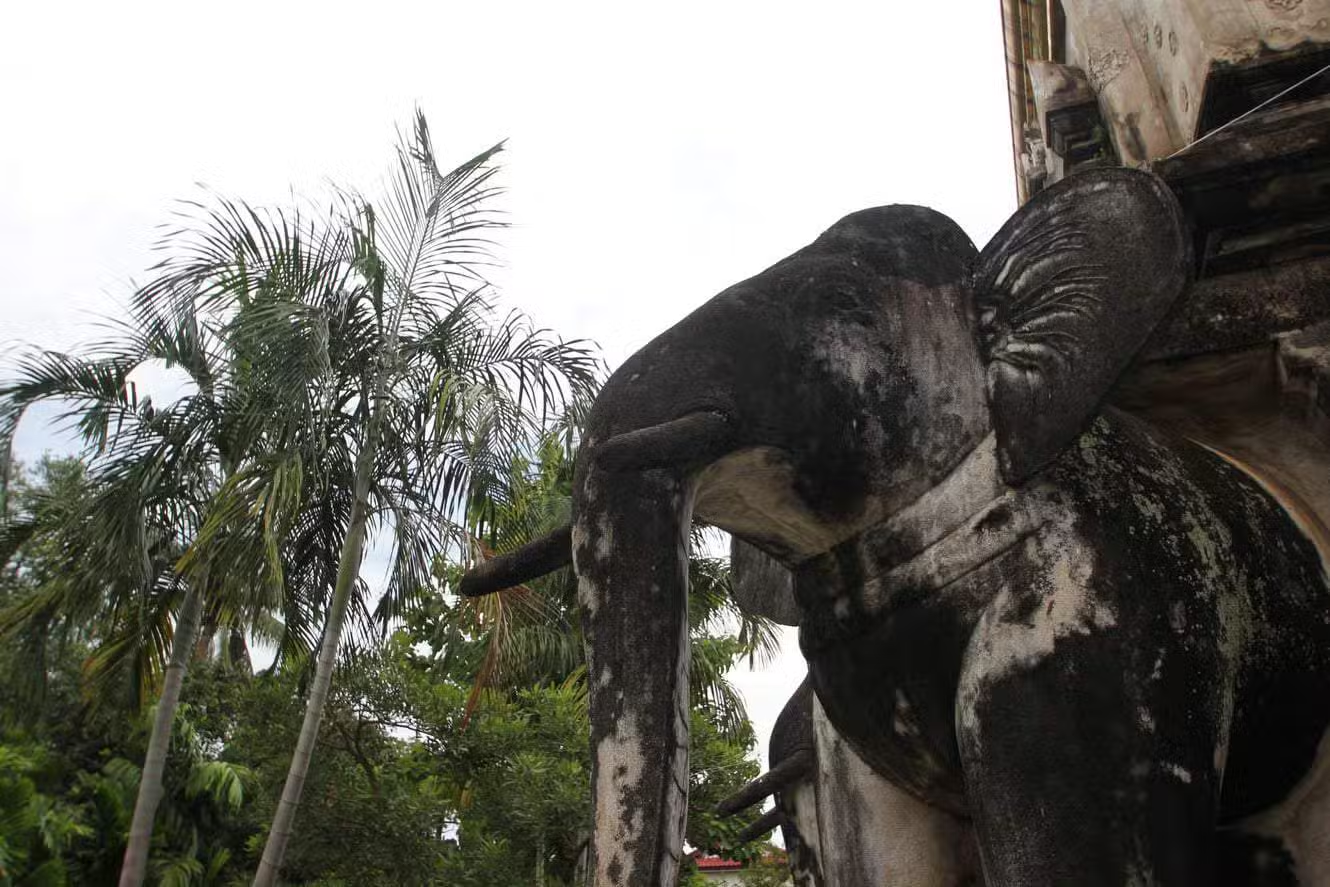
The most distinctive feature is the Chang Lom chedi, whose lower section is surrounded by sculpted elephants. Their bodies appear to support the structure above, creating a striking contrast between the pale, weathered base and the gilded upper section. Walk around the available paths to appreciate the design from different sides.
The chedi combines a substantial square base with the rising form of the upper shrine. It is a useful place to begin looking at the temple, particularly when the halls are busy with worship. Keep off the structure itself and give people making offerings room to move.
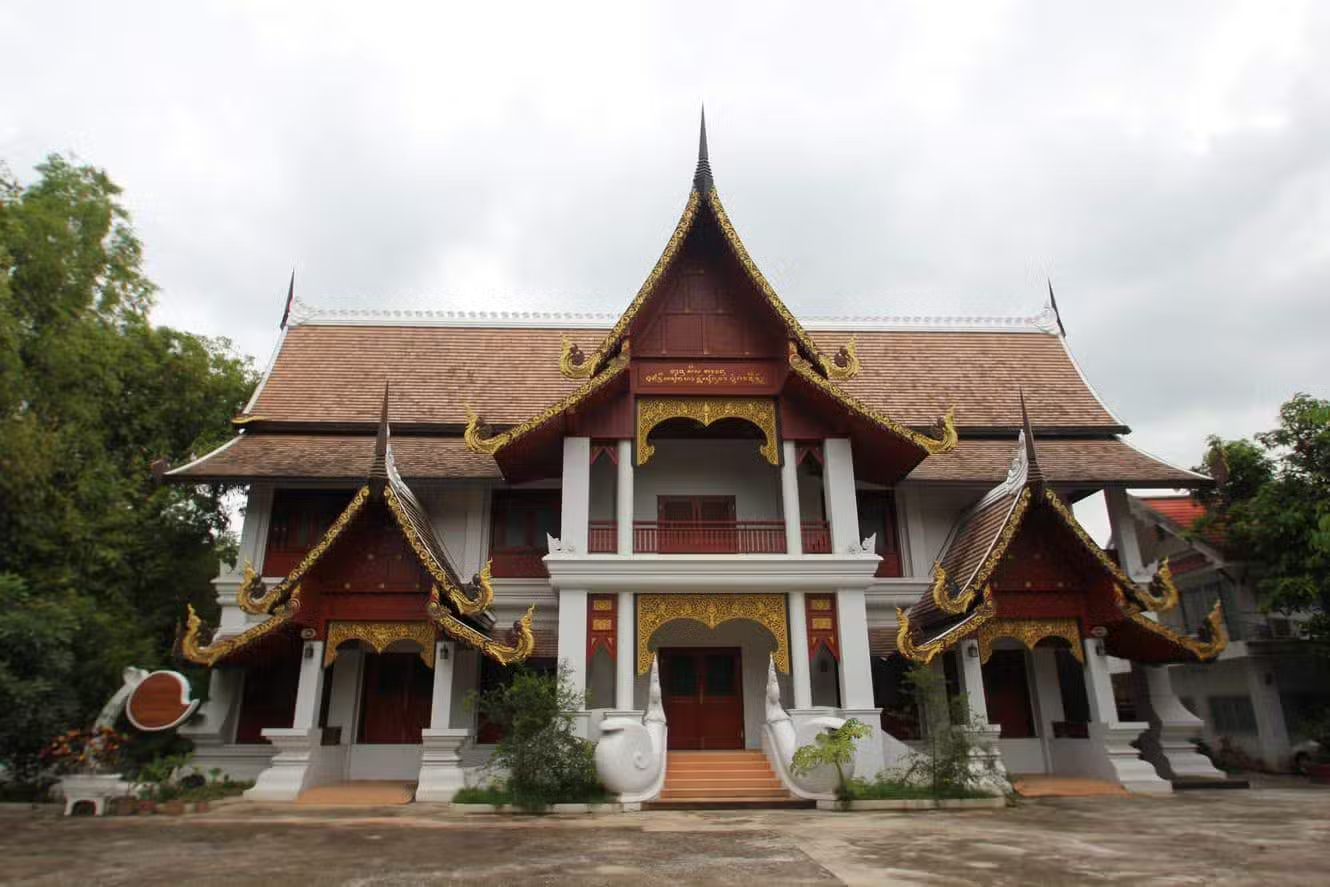
Other buildings include an ordination hall and a raised scripture-library building, or ho trai. The library’s elevated construction is associated with protecting religious manuscripts from pests and damp. These are religious spaces rather than a promise of public access to every room.
The Main Assembly Hall
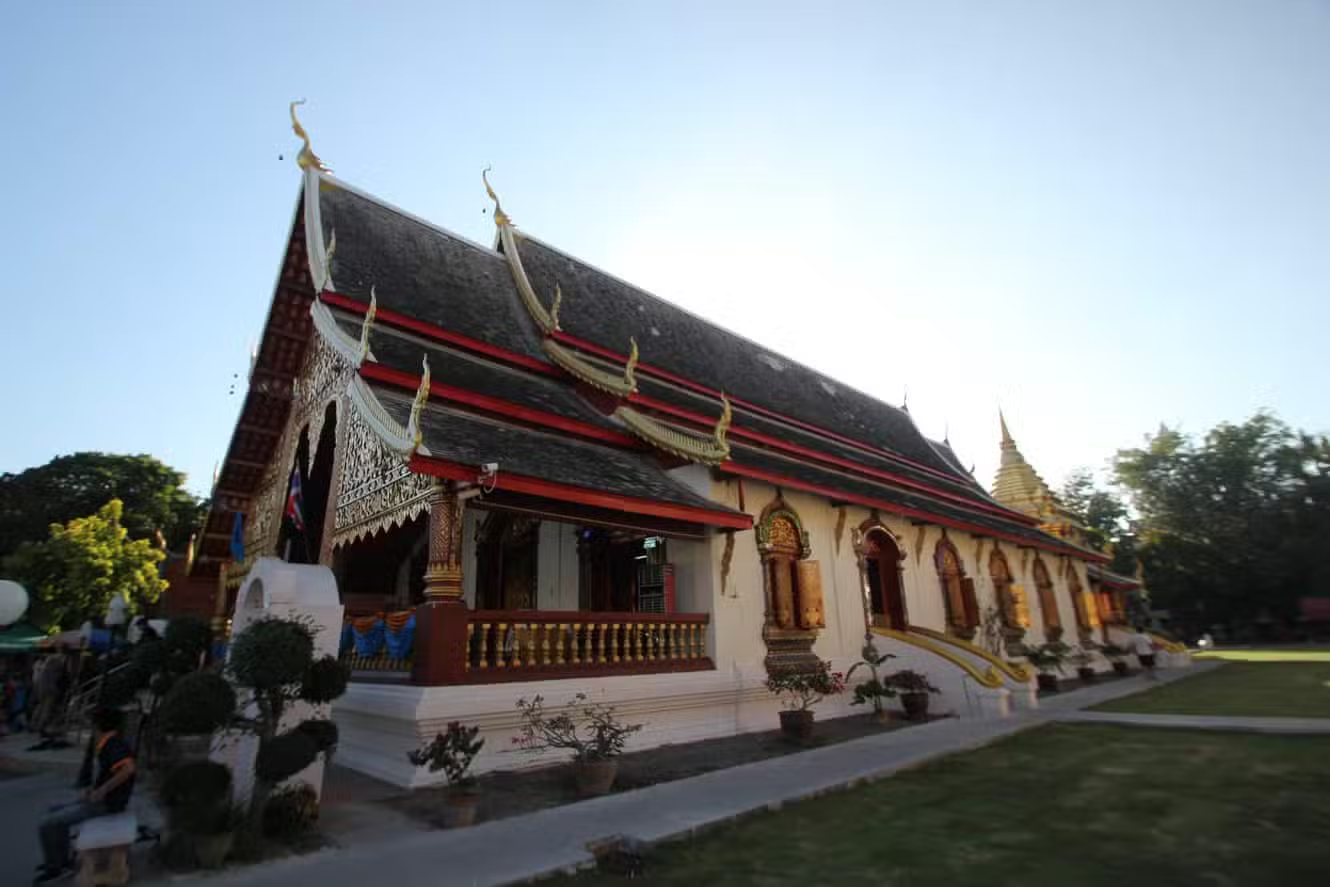
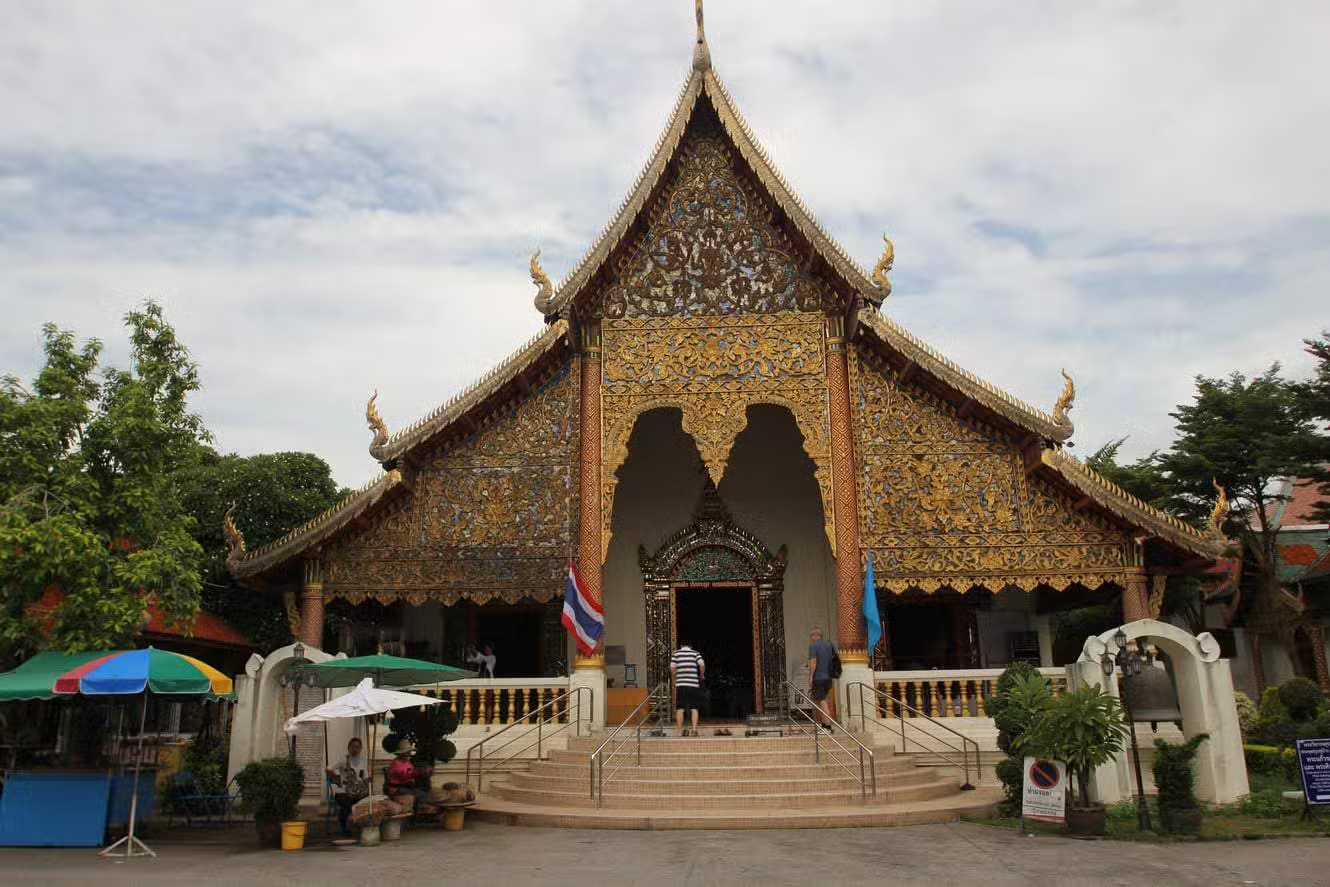
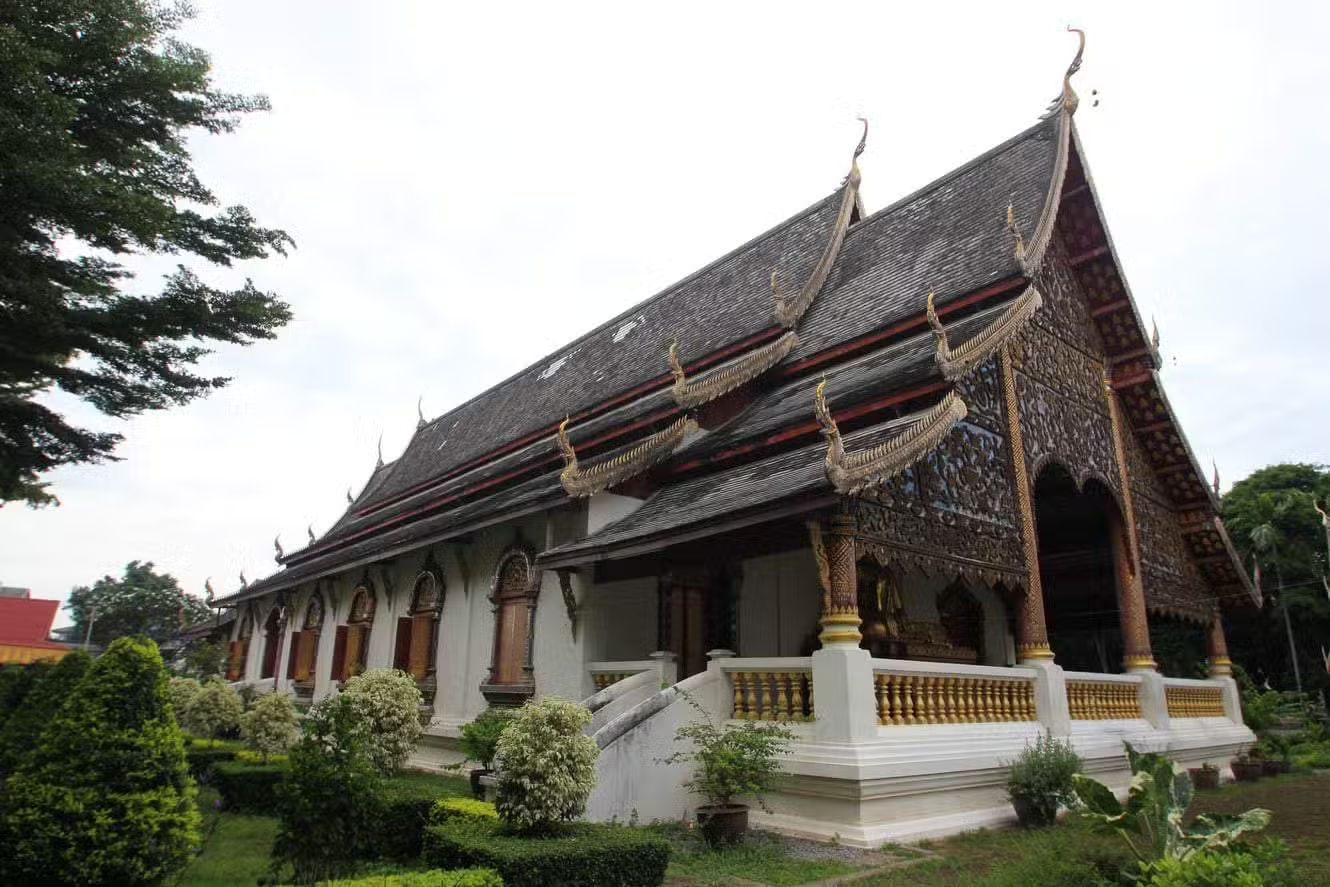
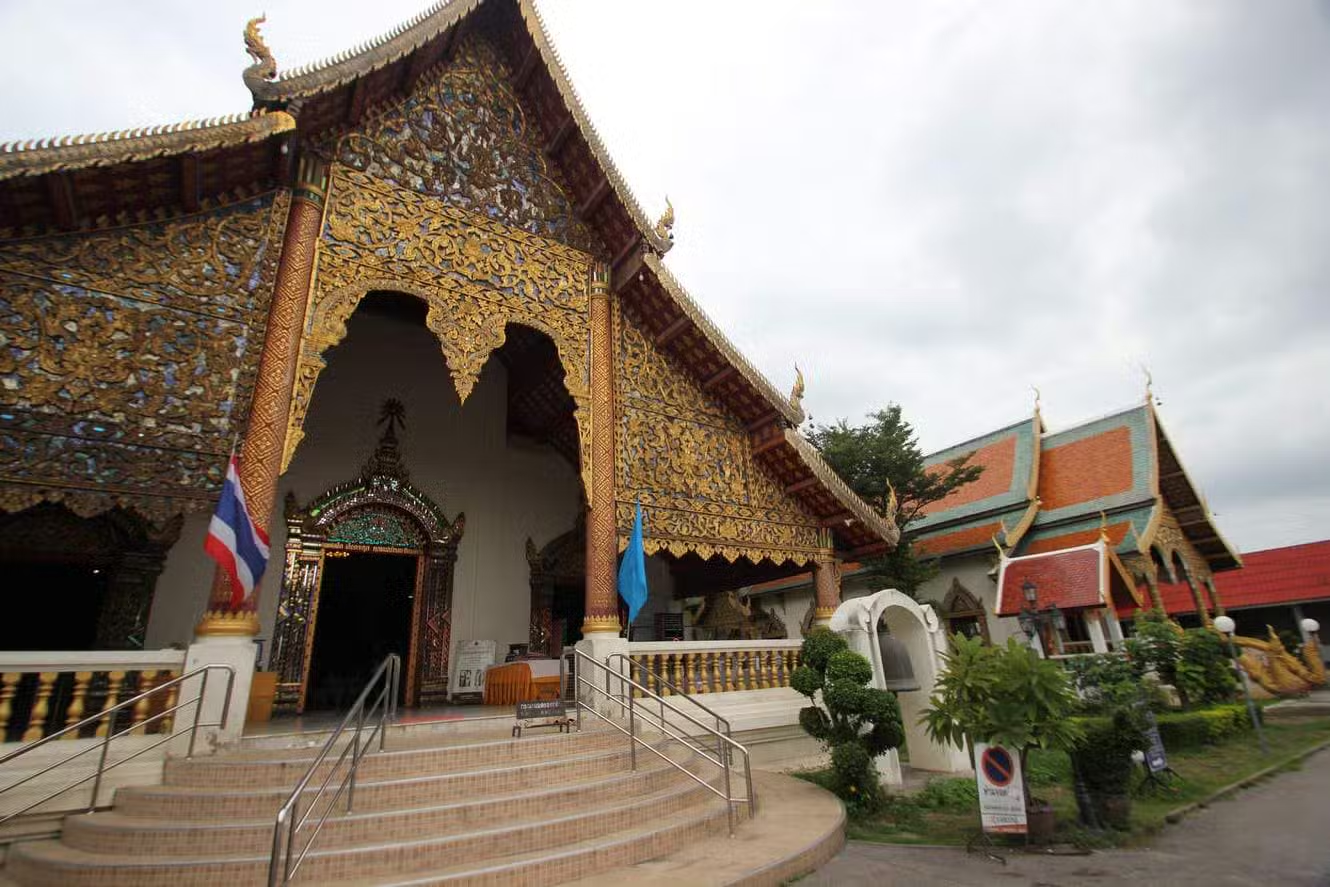
The larger assembly hall has the layered rooflines, decorated woodwork and Buddha images associated with Lanna temple design. Look at the entrance and roof before stepping inside: those exterior details help explain the building even when a ceremony limits access.
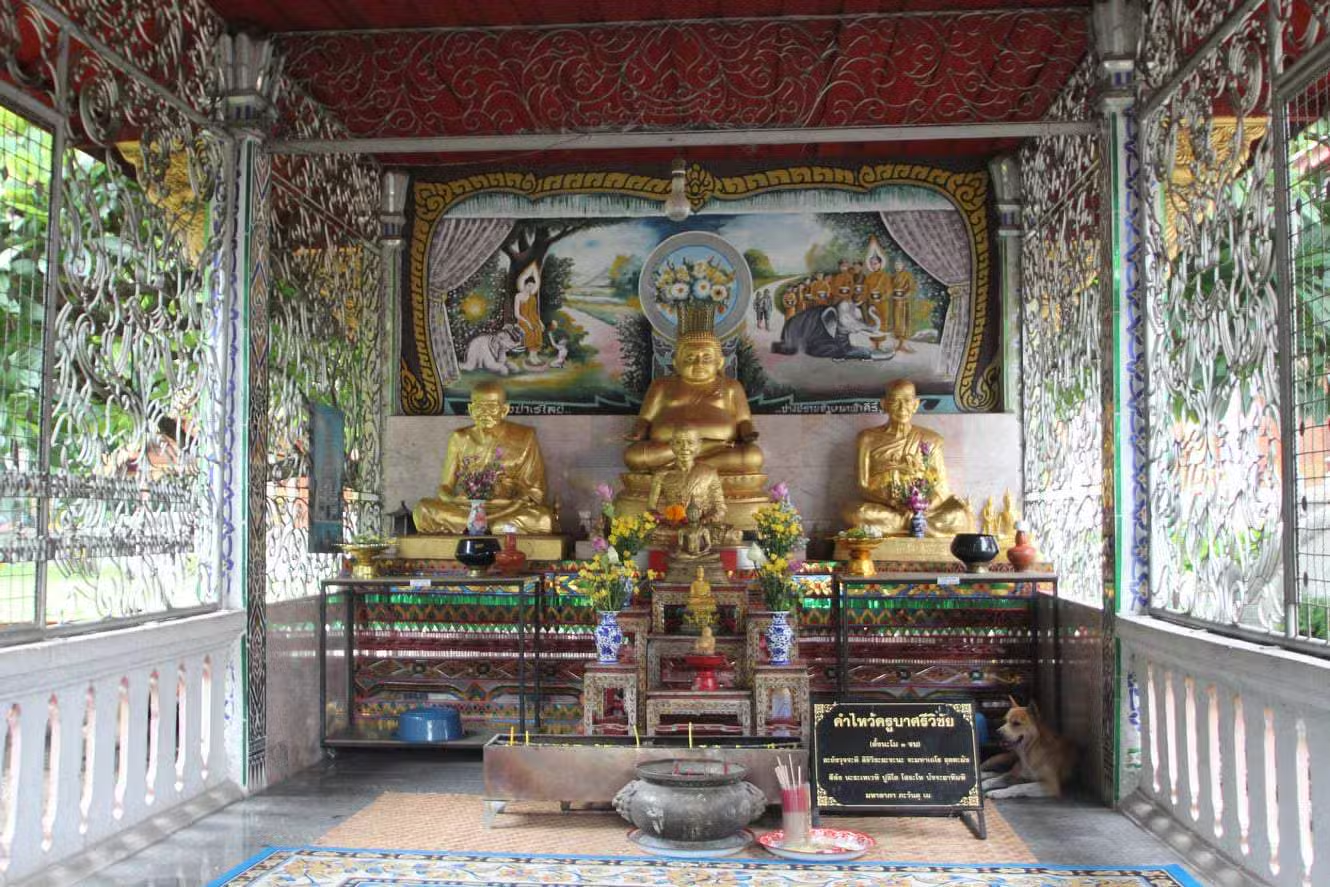
Inside, the altar and images are the focus for worship. A standing Buddha holding an alms bowl is associated with a dated inscription from 1465. Treat the hall as an active place of prayer, removing shoes where indicated and keeping photography discreet.
The Hall of the Revered Buddha Images
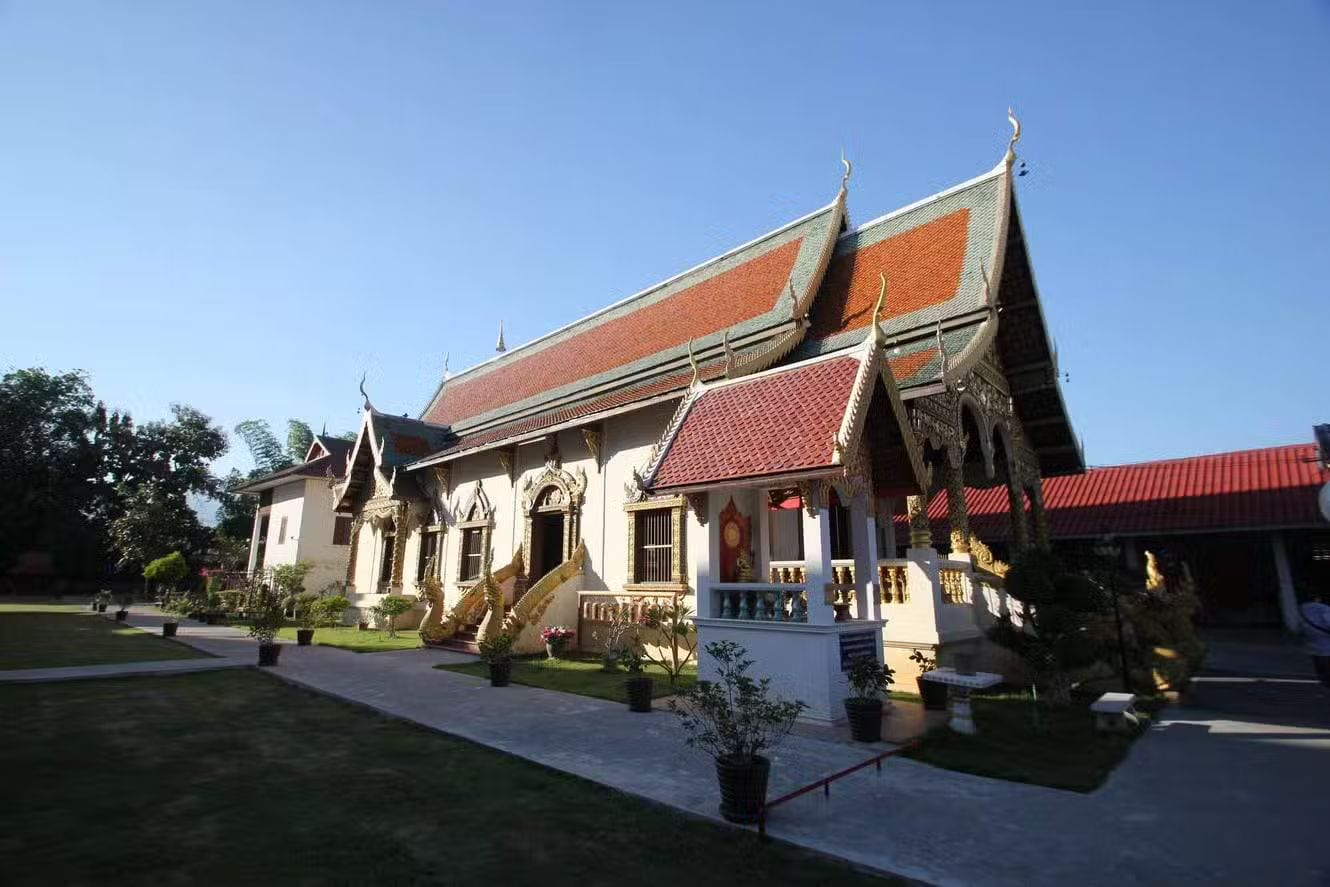
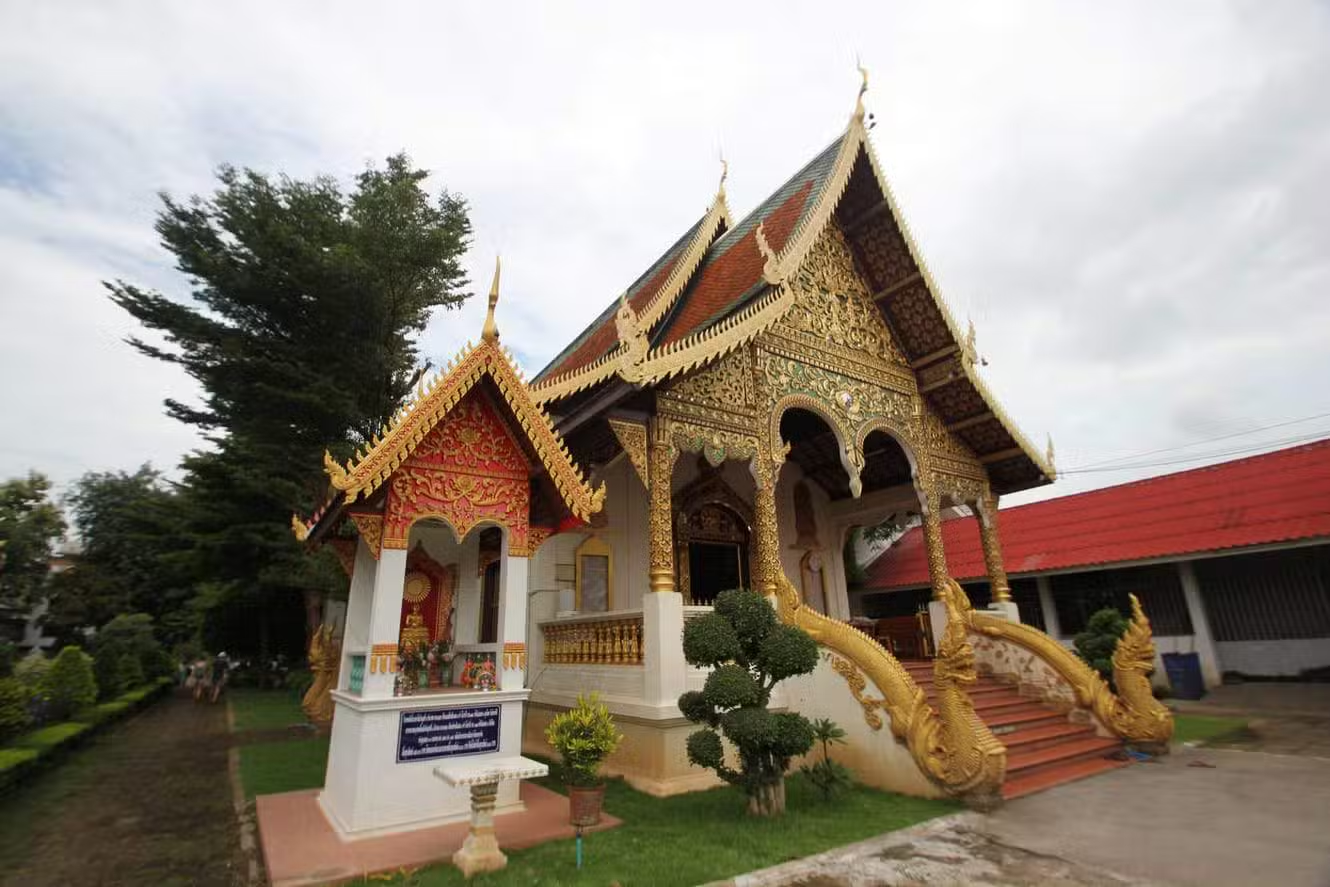
The smaller hall houses Phra Sila and Phra Sae Tang Khamani, often called the Crystal Buddha. Phra Sila is a carved stone relief, rather than the large marble statue sometimes implied in brief descriptions. It is linked with local traditions concerning rain and seasonal ceremonies.
The Crystal Buddha is a small quartz image traditionally connected with Hariphunchai, the earlier kingdom centred on present-day Lamphun. Its significance comes from that religious and historical association as much as its material. Accounts of the images’ early journeys belong partly to tradition, so they should not be read as a fully documented chain of ownership.
Wat Chiang Man and the Foundation of Chiang Mai
King Mangrai is associated with staying at this site while the new city was being established in 1296. Wat Chiang Man consequently holds a special place in the story of Chiang Mai’s foundation. Later additions and restoration mean the buildings seen today do not all date from that first period.
An inscription associated with the ordination hall records the city’s early history. The stele itself dates from 1581, which should not be confused with the city’s founding year. This distinction makes the site more interesting: the temple preserves later accounts of events that occurred centuries earlier.
Admission, Hours and Temple Etiquette
Entry is normally free, with donations welcome. Usual visiting hours are around 6am to 5pm, though individual halls may open later or close during religious activities. Daylight is the most useful time to appreciate the grounds and architectural detail.
Wear clothing that covers shoulders and knees, and remove shoes before entering halls where signs or local practice require it. Keep your feet directed away from Buddha images when seated. Speak quietly and avoid standing between a worshipper and the altar for a photograph.
Allow roughly 45 to 60 minutes for the chedi, accessible halls and a careful look at the images. A shorter grounds visit is possible if you are passing nearby. Ceremonies, closed rooms or busy periods may change how you move through the complex.
Getting to Wat Chiang Man
The temple is on Ratchapakhinai Road in Si Phum, inside the northeastern part of the Old City. The published address is 171 Ratchapakhinai Road. Use the temple’s full name when arranging transport, as its spelling can resemble the city’s name in English.
From Tha Phae Gate, head into the Old City along Ratchadamnoen Road and then north along Ratchapakhinai Road. Visitors staying near the northern moat can approach on foot from the Chang Phueak area. Use a map for the street turns and allow for heat rather than assuming the walk takes only two minutes.
A red songthaew, tuk-tuk or taxi is convenient from accommodation outside the Old City. Confirm the destination and fare before boarding, and ask for a safe drop-off near the entrance. Parking availability depends on activity at the temple; follow local directions without blocking access.
Wat Chiang Man FAQs
When was Wat Chiang Man founded?
It is associated with King Mangrai and Chiang Mai’s foundation in 1296. The present complex includes later buildings and restorations, so not every structure dates from the founding period.
What is the elephant chedi?
Chang Lom is the temple’s distinctive chedi, with sculpted elephants around its lower base and a gilded upper section. View it from the surrounding paths without climbing onto the structure.
Which Buddha images are especially important?
Phra Sila is a carved stone relief, and Phra Sae Tang Khamani is the small Crystal Buddha. Both are revered religious objects with traditions extending beyond the temple’s architecture.
Is admission free?
Entry is normally free and donations are welcome. Religious activities may limit access to particular halls even when the grounds are open.
What are the usual visiting hours?
The usual daytime window is around 6am to 5pm. Halls can operate on different schedules, so a grounds opening time does not guarantee access to every interior.
How long should you spend there?
Allow around 45 to 60 minutes for a considered visit to the chedi and accessible halls. A shorter stop can suit an Old City walk, particularly if interiors are closed.
What should you wear?
Cover shoulders and knees and remove shoes where required before entering halls. Keep voices low, respect worshippers and follow any photography notices.









Do You Have a Question to Ask?