

































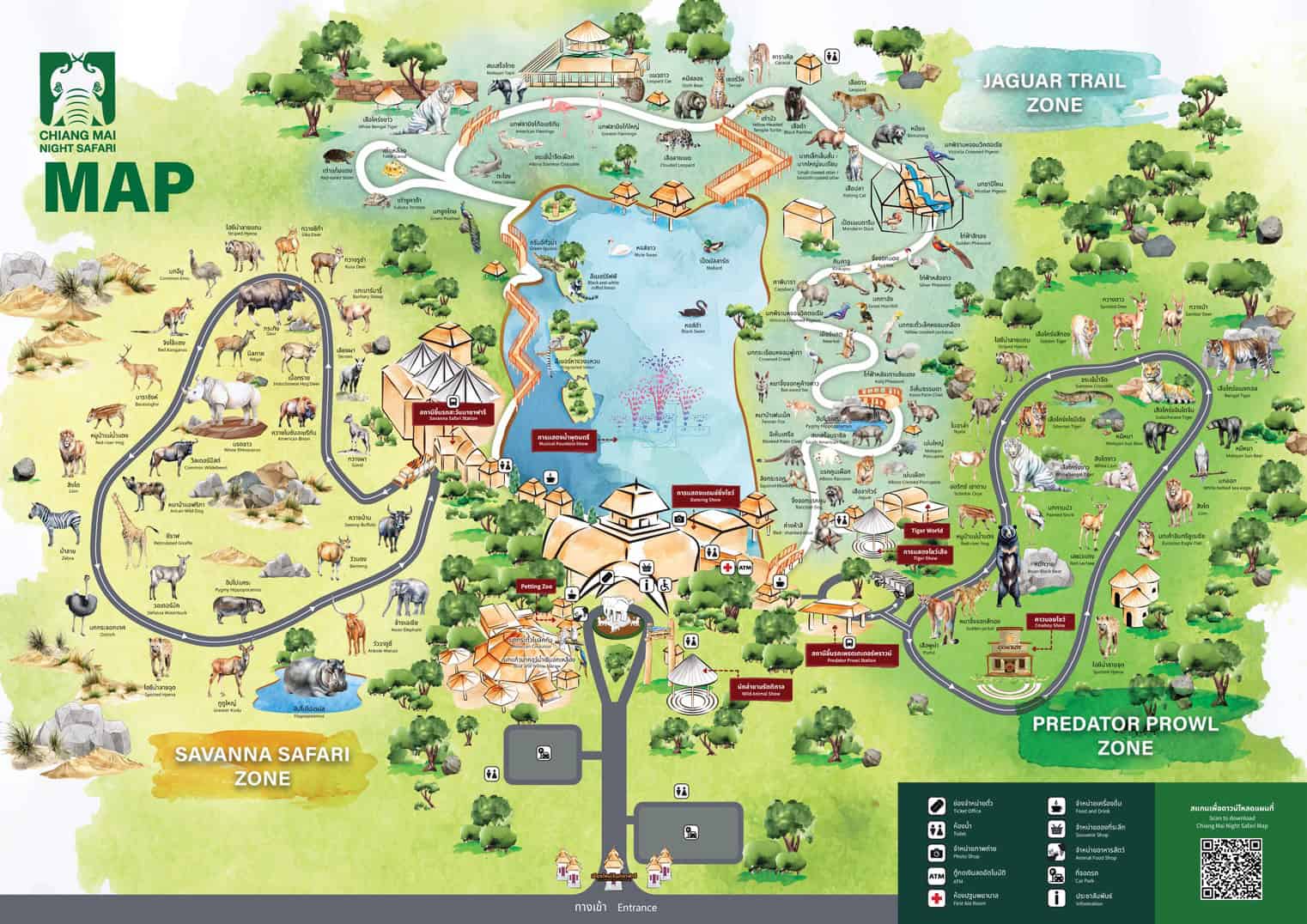
Chiang Mai Night Safari is a large zoological park southwest of the city, combining open-sided safari trams with a walking trail, animal presentations and evening entertainment. Savanna Safari and Predator Prowl are the main tram zones, while Jaguar Trail gives you a slower way to look around the lake and its animal enclosures.
The park opens during the day as well as at night. Arriving in the late afternoon lets you explore on foot before dark, then use the evening for tram rides and selected presentations. Allow several hours if you want to experience the main areas without trying to hurry between every activity on the timetable.
Riding through the safari zones
Savanna Safari
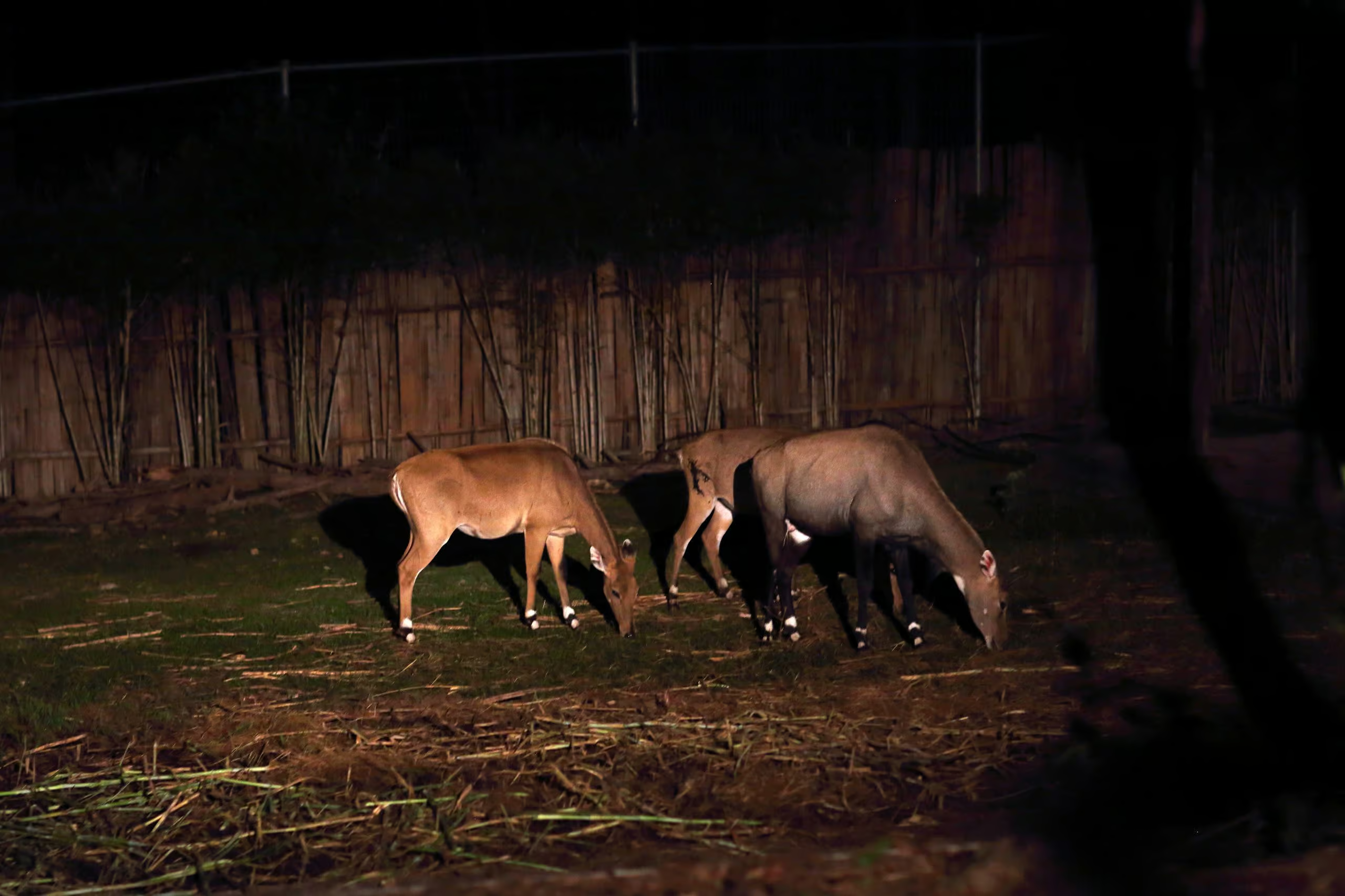
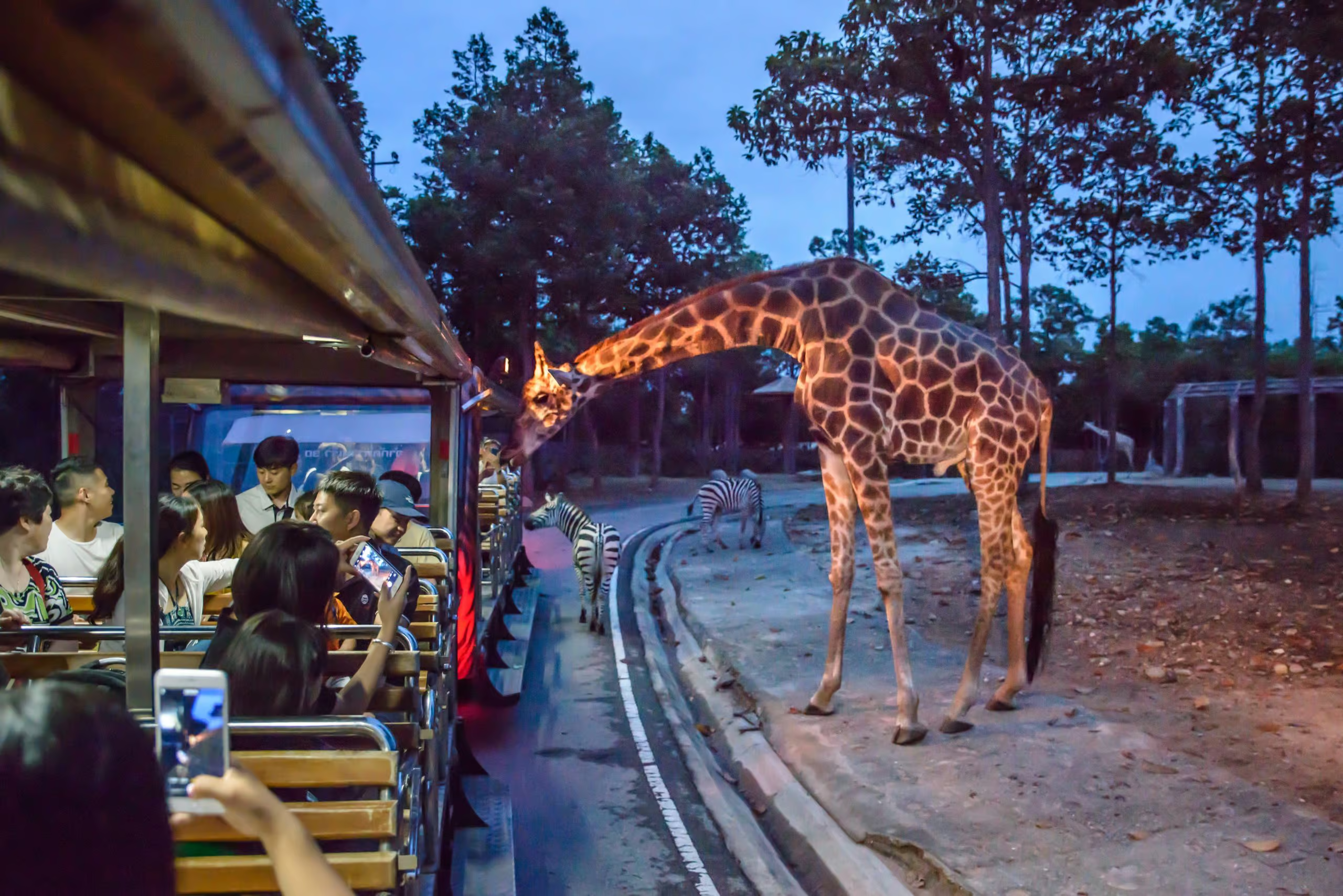
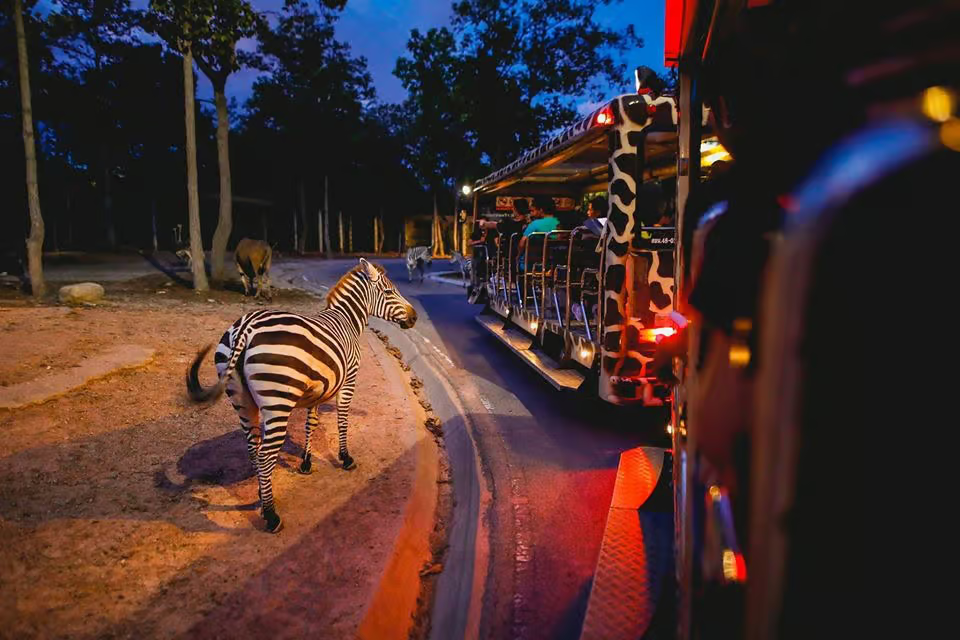
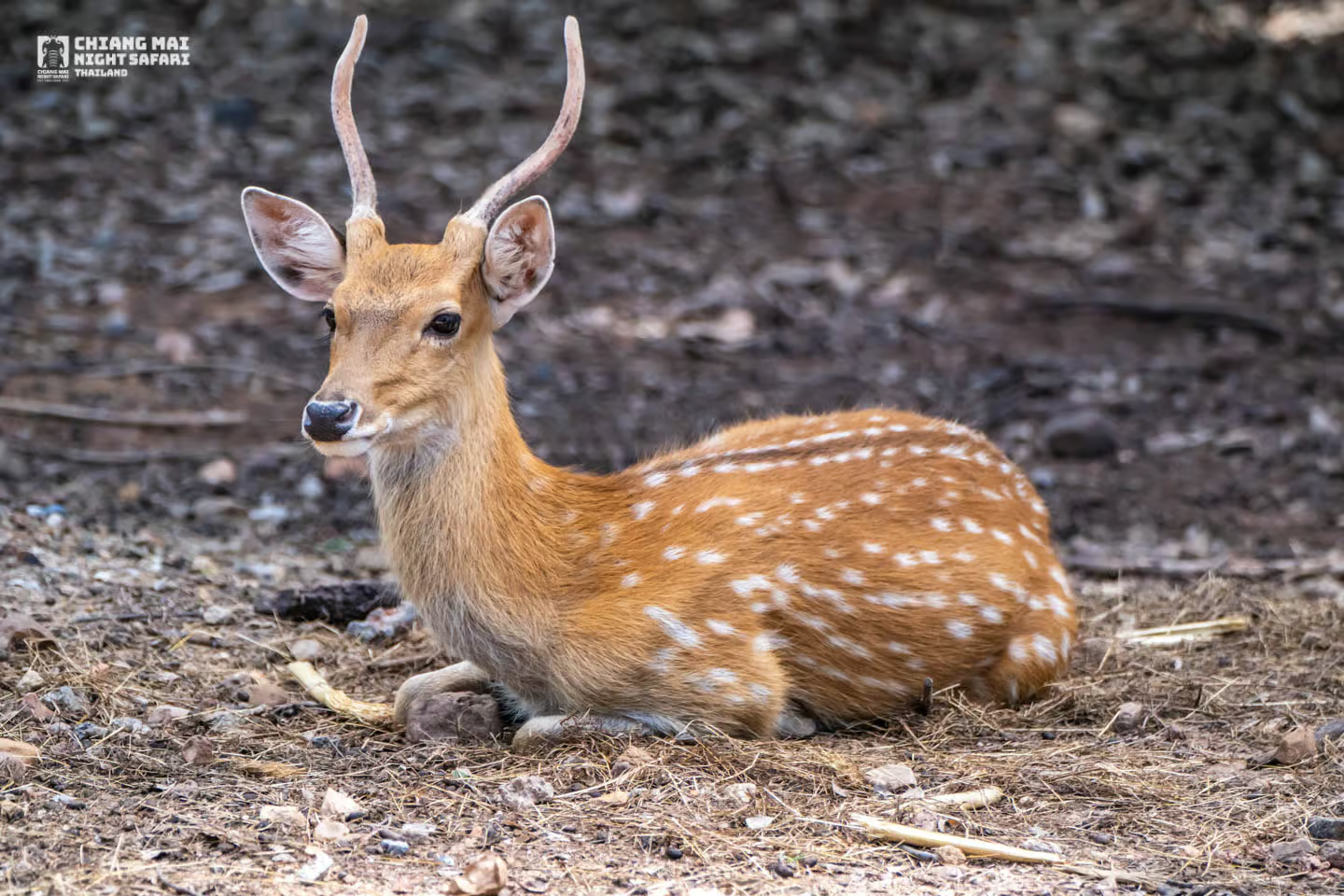
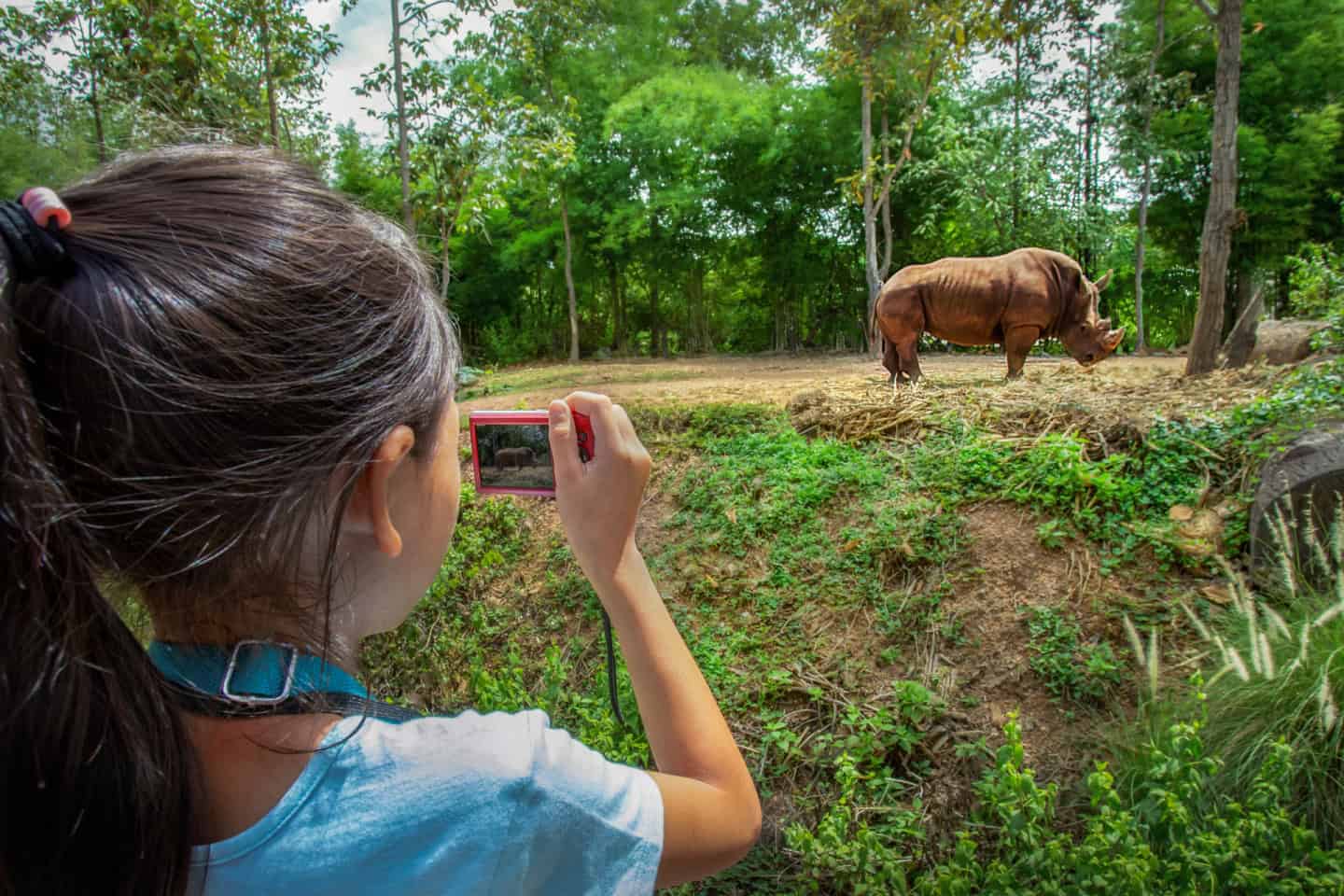
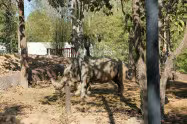
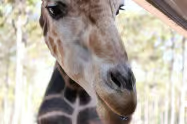
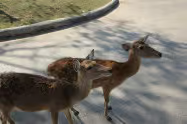
Savanna Safari takes visitors through open habitats associated mainly with grazing animals. Giraffes, zebras, antelopes and other species are part of the advertised setting, although the animals you see depend on their location and activity at the time. The vehicle gives you a different view from looking through a conventional zoo enclosure on foot.
Watch the broader landscape as well as animals close to the tram. Groups moving across an open area, feeding behaviour and differences between species make the journey interesting even when an animal does not approach. Daylight and dusk can make it easier to see the surroundings and take photographs.
Some supervised feeding opportunities may be offered. Use only approved food and follow the staff’s instructions about participation and how to hold it. Do not reach out, stand up or try to attract an animal simply to improve a photograph; the tram route is a managed visitor experience.
Predator Prowl
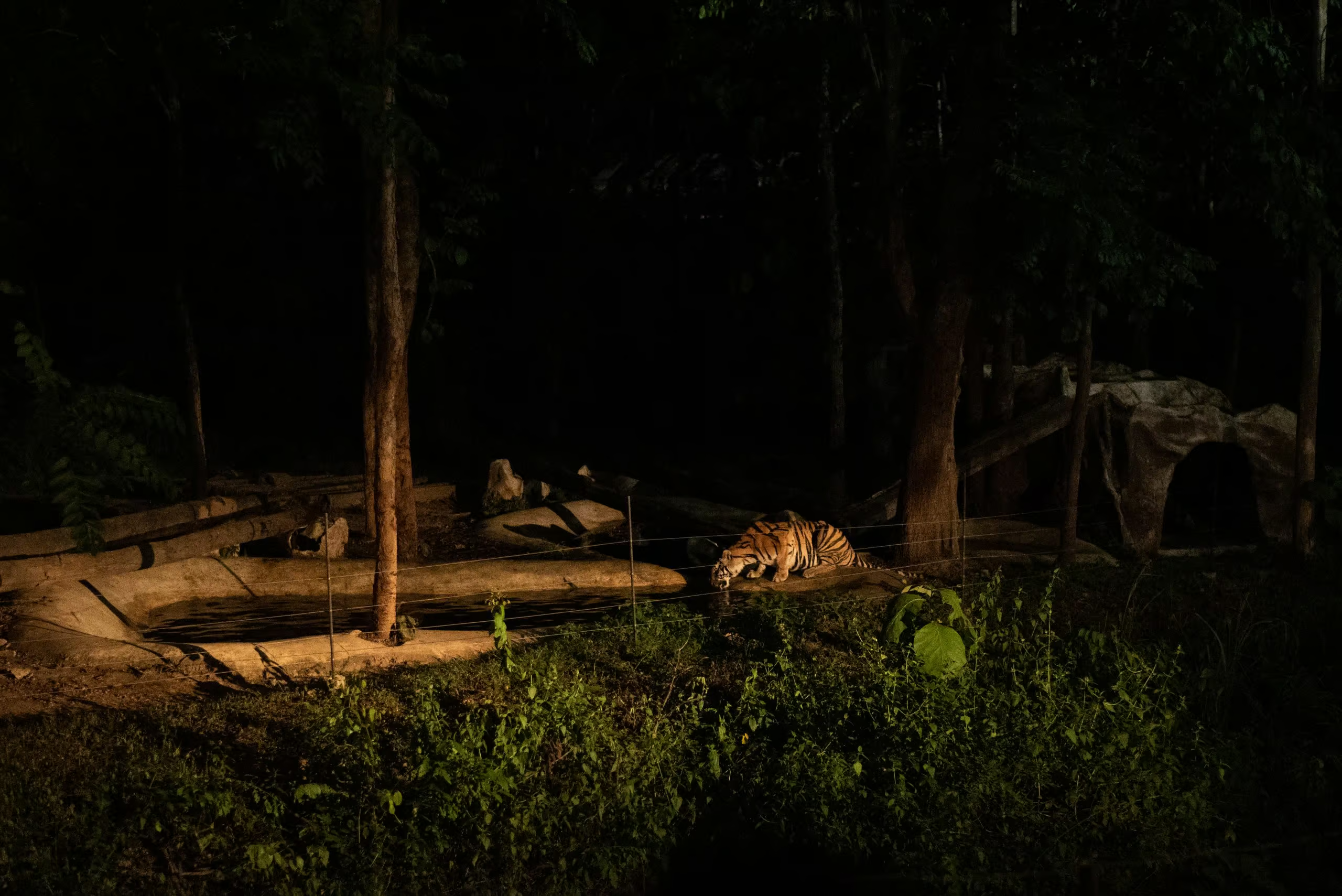
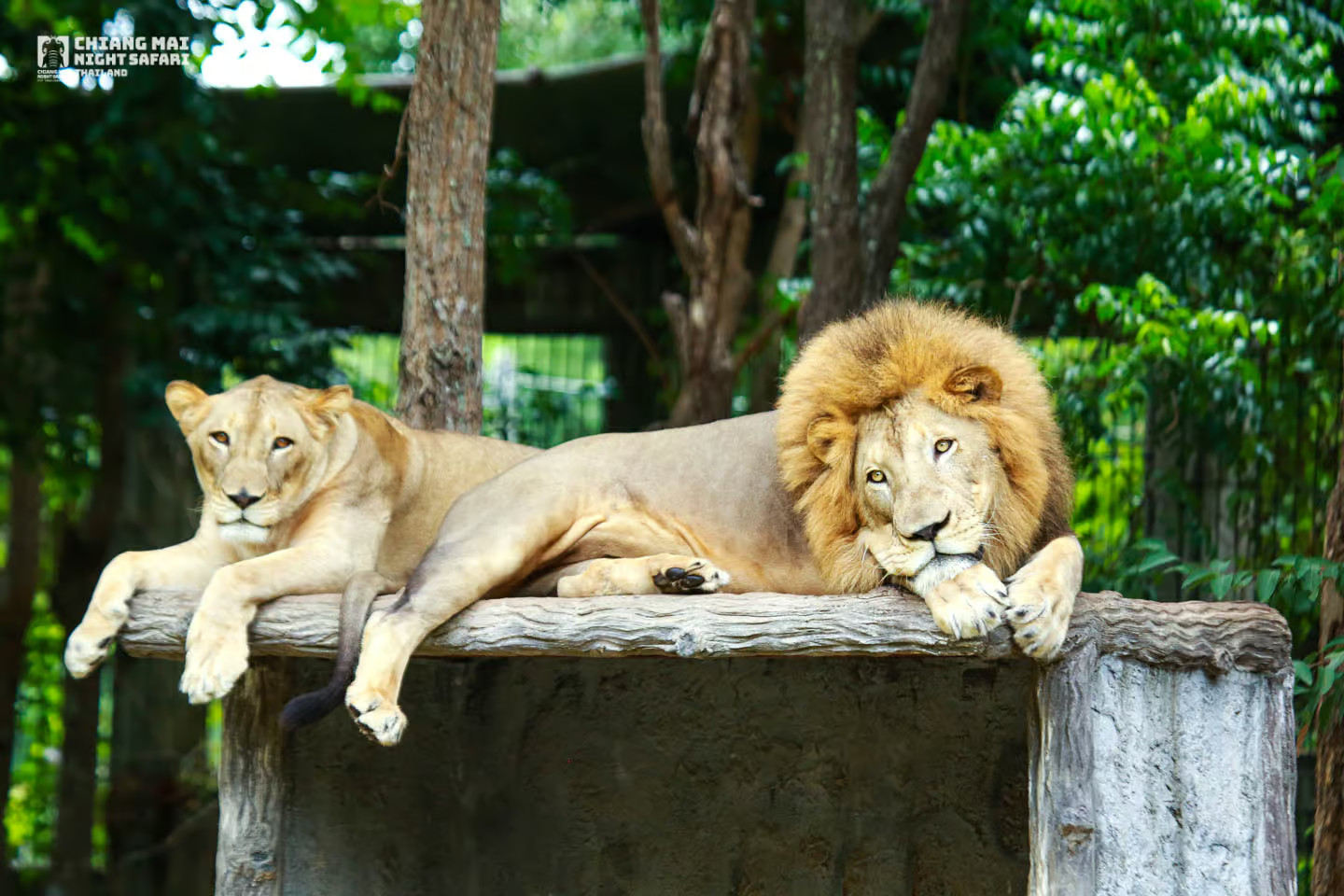
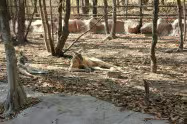
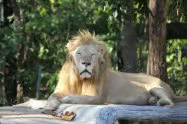
Predator Prowl passes habitats associated with carnivores, including lions, tigers and hyenas. It creates a different atmosphere from the more open grazing-animal route, particularly once darkness changes what you can see. Barriers and habitat layout still separate visitors from the animals.
Treat this as a wildlife-viewing experience rather than a guarantee of a close encounter with every species. Animals may rest out of sight, move into shadow or remain farther from the vehicle. Listening to the commentary helps make sense of the setting when a photograph is difficult.
Low light and movement make consistently sharp pictures challenging. Keep flash off where restricted and avoid disturbing animals for a better view. An unobstructed moment is worth enjoying even when the camera cannot capture it well.
Departures and planning both rides
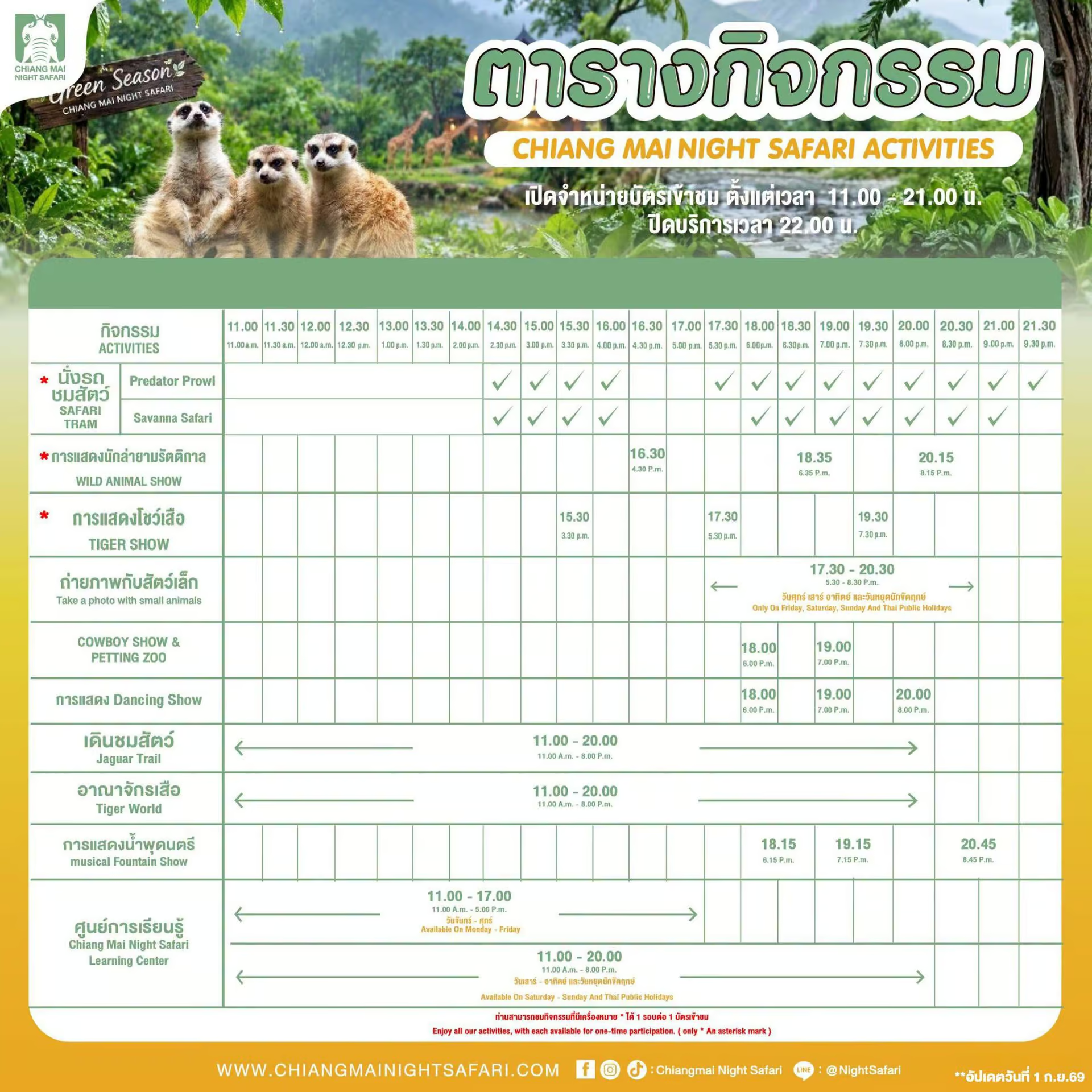
Trams operate at advertised afternoon and evening times, rather than continuously from the park’s 11am opening. The current activity schedule lists afternoon departures from 2:30pm, with evening departures beginning later and varying by zone. Confirm the day’s times and commentary language when you arrive.
Leave room in your plan for both routes and for waiting or boarding. The marked safari-tram activities are limited to one participation per admission in the current programme, so check the conditions before expecting repeat rides. A tram-inclusive ticket and a walking-only ticket are different products.
Exploring Jaguar Trail and Tiger World
Jaguar Trail follows approximately 1.2 kilometres around Swan Lake. Walking gives you more control over your pace, with opportunities to stop at enclosures and compare the animals’ behaviour instead of moving on with the tram. It is a useful first part of the visit while there is still daylight.
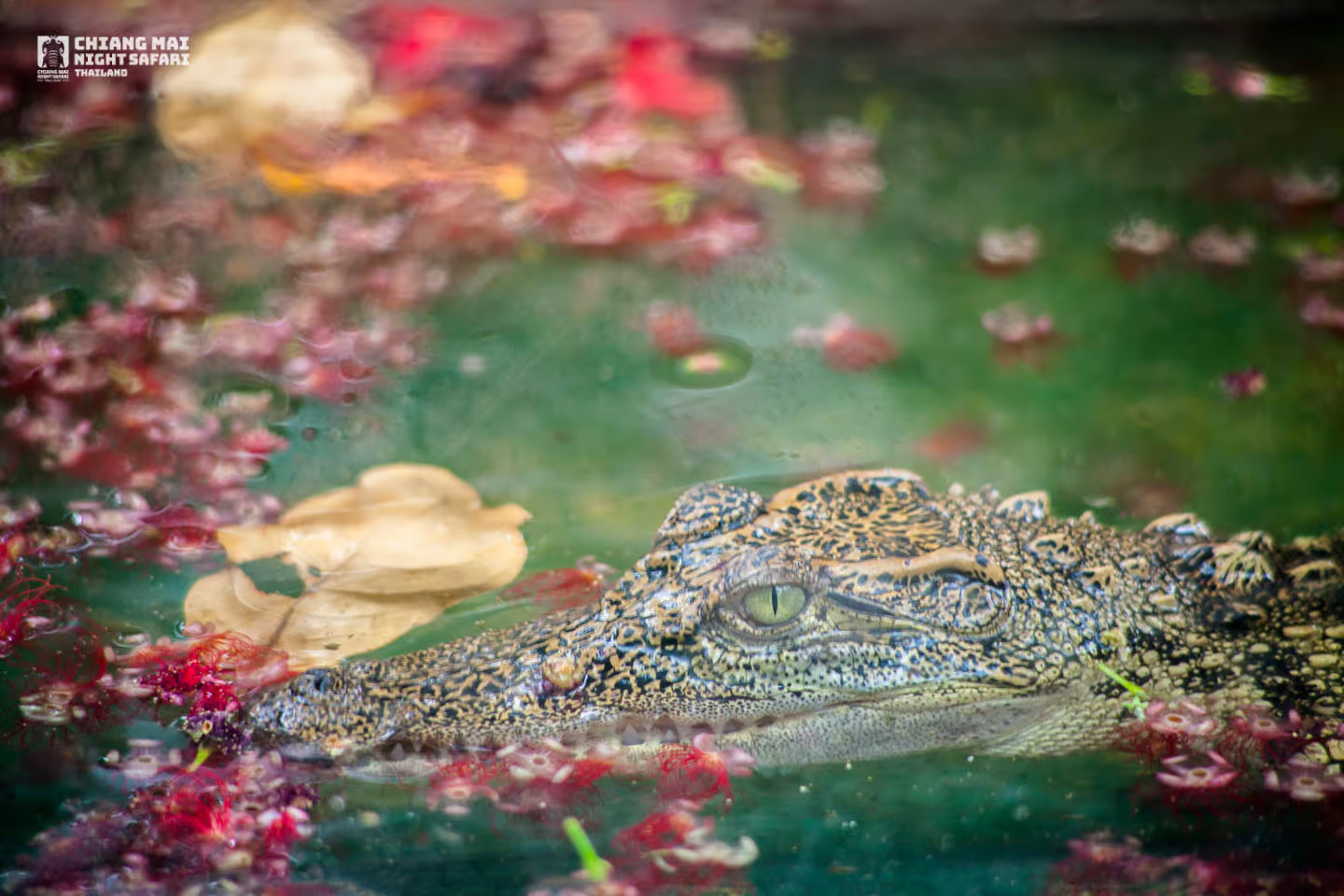
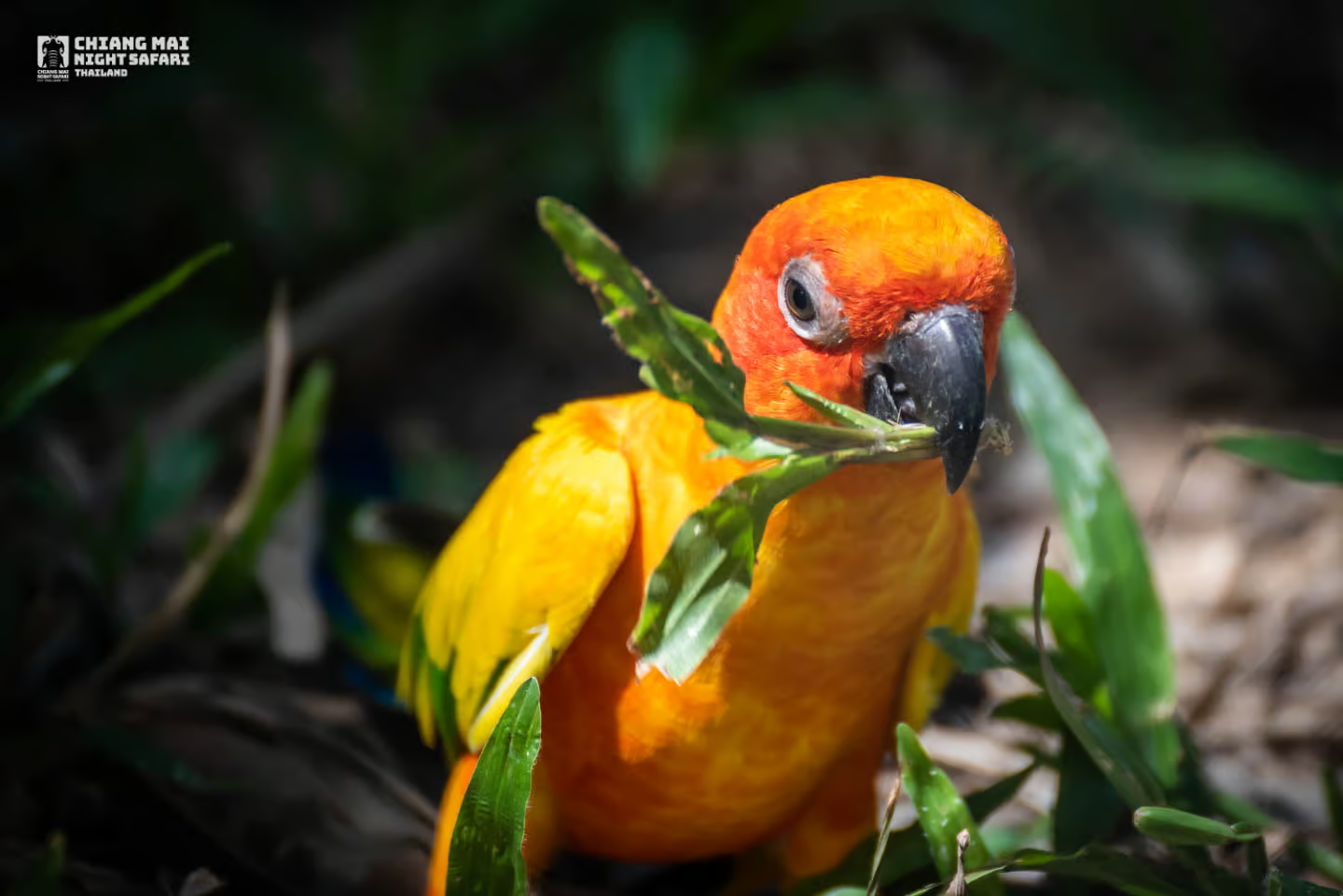
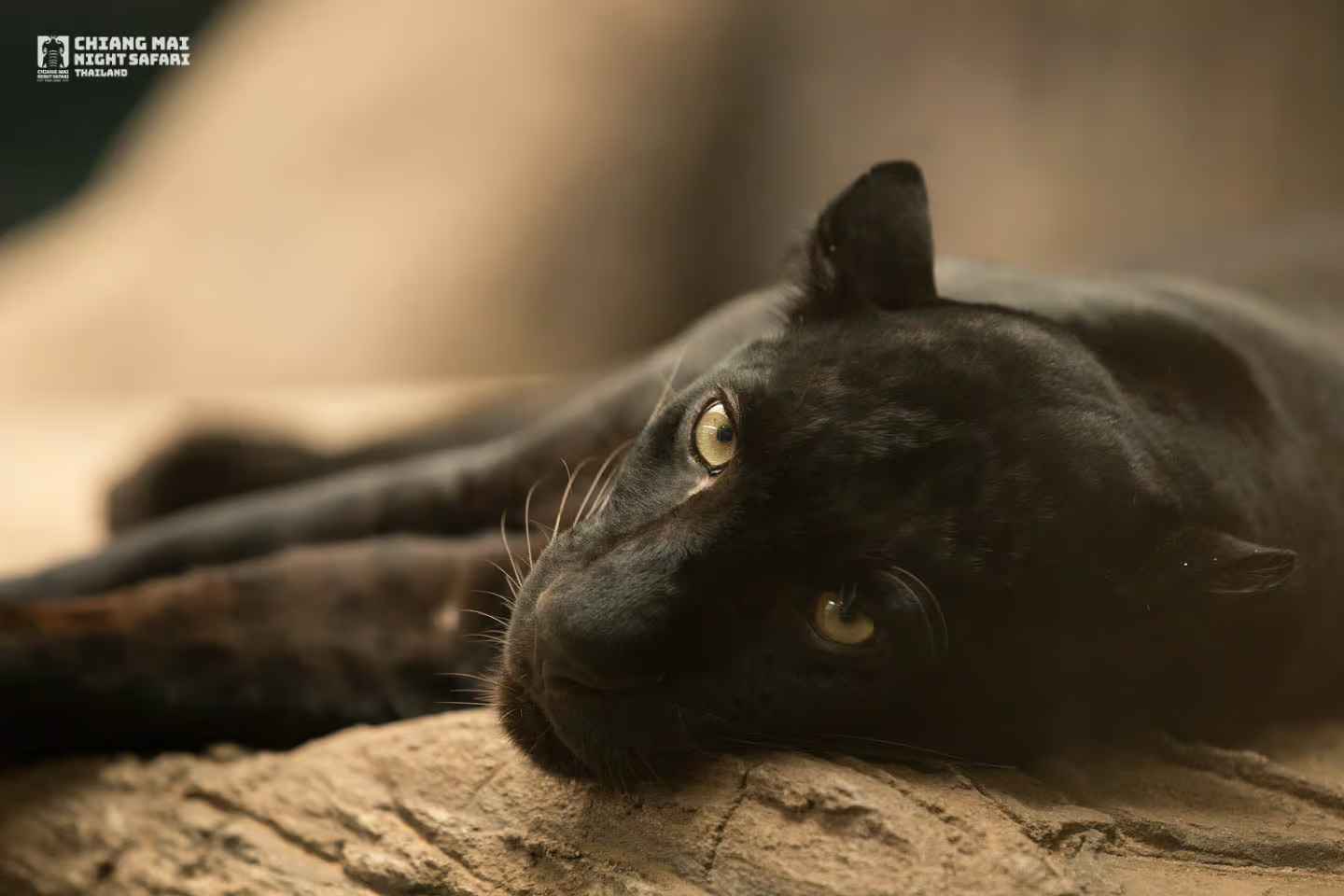
The route includes a variety of mammals, birds and reptiles, with big cats and smaller carnivores among the animals described in the walking area. The collection and visible animals can change, so use the current map and signs rather than treating a species list as a guaranteed checklist.
Tiger World is another named animal-viewing area shown in the current programme. The timetable lists both it and Jaguar Trail from 11am-8pm, earlier than the park’s overall 10pm closing time. Complete the walking areas before that cut-off instead of leaving them until after a late tram ride.
Wear comfortable shoes and allow rests around the walking circuit. Supervise children beside the lake and barriers, and be careful on wet surfaces or dimmer sections after sunset. A short route on a map can still take time when you stop to watch animals.
Choosing presentations and evening entertainment
Animal presentations
The programme includes Wild Animal Show and Tiger Show, with separate scheduled sessions. These are presentations involving animals, rather than the same experience as observing them along the walking route or from a tram. Decide which activities fit your interests before building the evening around the show list.
A current timetable helps you avoid crossing the park for a presentation that has already finished. The marked animal shows also have one-time participation conditions. Check the day’s programme and seating arrangements, since weather, animal health and operating requirements can change a session.
Fountain, dance and other activities
A musical fountain performance combines water, lighting and music, providing an evening break from animal viewing. Dancing Show and Cowboy Show & Petting Zoo are other names on the programme. Choose a few activities that appeal to you instead of assuming it is possible or necessary to attend them all.
Small-animal photo sessions have their own advertised days and times, including selected weekend and holiday operation. Check availability and any extra costs before promising the experience to children. An activity appearing on a general timetable does not mean it is available throughout every day.
The Learning Center provides another option for visitors interested in the park’s educational side. Its advertised closing time differs between weekdays and weekends or Thai public holidays. Ask whether it fits your arrival time rather than treating every indoor facility as open until the park closes.
Tickets and what admission includes
The Safari Tram category combines animal-viewing tram rides with the walking zone. Standard listed prices are 300 baht for Thai adults and 150 baht for Thai children, or 1,200 baht for foreign adults and 600 baht for foreign children. Confirm the package and any special promotion before paying.
Jaguar Trail walking-only admission is listed at 50 baht for Thai adults and 25 baht for Thai children, or 400 baht for foreign adults and 200 baht for foreign children. This cheaper product should not be assumed to include the safari trams. Choose it deliberately if walking is the experience you want.
Children under 100 centimetres are listed as free, while the child-rate height band is listed as 101-140 centimetres. Ask how the ticket desk classifies a child at the boundary. Check eligibility and documentation for any other concession rather than assuming a discount applies to every visitor.
Optional purchases, meals and some encounters may cost extra. Read the chosen ticket’s details and keep its confirmation available, particularly if booking through a seller. A reduced package price is useful only if it includes the activities you actually plan to do.
Building a realistic afternoon and evening
General opening hours are 11am-10pm, with the ticket office closing at 9pm. Different zones and activities finish earlier. Arriving at the ticket-office cut-off leaves too little time for a complete walking-and-tram visit, even though the park itself has another hour to run.
Four to five hours is a useful allowance for walking, both tram zones, a food break and selected presentations. An arrival around 4pm-5pm gives you daylight for part of the walking circuit and time to move into evening activities. Earlier arrival gives more flexibility, but trams and shows still follow their own schedule.
Start by checking the day’s map and departures, then identify any presentation you particularly want. Fit the walking route and food around those fixed sessions instead of walking across the site repeatedly. Families may prefer one or two shows and rest breaks to an exhausting attempt to complete the entire programme.
Food, weather and physical access
Food outlets, toilets, seating and other visitor facilities are available around the park. Check what is operating when you arrive, especially outside the busier evening period. Discuss dietary needs or permitted food in advance if eating at the venue is essential to your plan.
Bring water as permitted, sun protection and insect repellent, with a light layer for cooler evenings on an open-sided tram. A compact raincoat is useful in wet weather. Ordinary rain may leave the park operating, but heavy weather can affect presentations, departures and walking conditions.
Principal visitor areas have paved surfaces, but the park is extensive and some routes have slopes or uneven sections. Ask about the most suitable route and current assistance if mobility affects your visit. Wheelchair and stroller users should also check boarding arrangements for the actual trams.
Some visitors prefer to focus on observation and skip animal performances or close encounters. Review the programme before buying the ticket and choose accordingly. During the visit, follow staff instructions, keep behind barriers and avoid touching or feeding animals except where specifically permitted.
Getting there from Chiang Mai
Chiang Mai Night Safari is at 33 Moo 12, Nong Kwai, Hang Dong, southwest of the Old City near the Royal Park Rajapruek area. Allow roughly 25-40 minutes by car from central Chiang Mai, with the time depending on your hotel, traffic and the route. Give the full attraction name so the driver takes you to Night Safari’s visitor entrance.
A taxi, booked car, private driver or arranged tour transfer is practical from the city. Hired red songthaews can also provide a private journey, but agree on the fare, waiting and return arrangements before leaving. Do not assume that a one-way drop-off includes collection after the evening programme.
On-site parking is available for visitors with their own vehicle. Follow the current signs for entry and parking, and allow extra time on holidays or busy evenings. Organising the return before arrival is useful if you intend to stay until late, when passing transport may be less convenient.
Chiang Mai Night Safari FAQs
What time should I arrive?
Around 4pm-5pm is useful for walking before dark and continuing with evening tram rides. Arrive earlier if you want more flexibility, and check the day’s departures and presentations as soon as you enter.
Does every ticket include the trams?
No. Jaguar Trail walking-only admission is separate from the Safari Tram category combining rides and walking. Read the product details before paying so you do not buy a ticket that omits your main activity.
How much is tram-inclusive admission?
Standard listed Safari Tram prices are 300 baht for Thai adults and 150 baht for Thai children, or 1,200 and 600 baht for foreign adults and children. Check the height rules, category and current promotions for your booking.
Can I walk around until 10pm?
The park closes at 10pm, but Jaguar Trail and Tiger World are currently listed to finish at 8pm. Complete those areas earlier and leave the later part of the evening for activities still operating.
How long does a full visit take?
Allow around four to five hours for the walking route, both safari zones, food and some presentations. Trying to attend every activity can mean more waiting and movement than is comfortable, especially with young children.
Is it suitable for wheelchair or stroller users?
Many principal areas are paved, but slopes, distance and tram boarding need separate consideration. Ask the park about the route and vehicle arrangements that suit your needs before committing to a full circuit.
What happens if it rains?
Ordinary rain does not necessarily close the park, but heavy weather can affect outdoor shows, trams and paths. Bring a raincoat and use the day’s operating information to adjust your plan.










Do You Have a Question to Ask?