





























New Year’s Day in Chiang Mai can begin with Buddhist worship, a slow breakfast or an outing into the city after the previous night’s celebrations. The change of calendar year is widely observed, but the most meaningful experience for many people is making merit and starting the year with reflection, rather than continuing a countdown party.
Friday, 1 January 2027 is the coming New Year’s Day holiday. It is separate from Songkran, the traditional Thai New Year in April. Local temple programmes, special meals and entertainment for the December 2026-January 2027 period are still to be announced.
From overnight chanting to the first morning
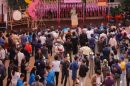
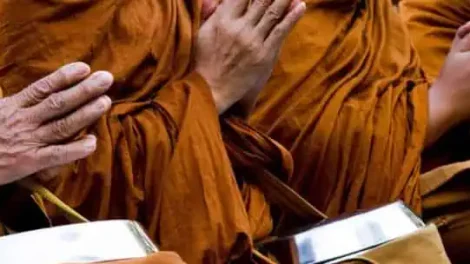
One established Buddhist practice is chanting across the turn of the year, known as suat mon kham pi. Where offered, the gathering begins on 31 December and continues into 1 January. A visitor who wants to experience that transition needs the evening programme, rather than arriving the following afternoon expecting an overnight ceremony still to be underway.
Chiang Mai’s temple traditions
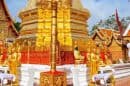
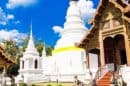
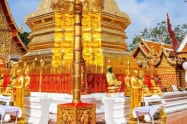
For the transition into 2026, Chiang Mai’s provincial programme included overnight chanting at Wat Phra That Doi Suthep, with Buddhist devotees and tourists taking part. Other temples named in that period’s arrangements included Wat Phra Singh, Wat Chedi Luang and Wat Suan Dok. These are examples of local religious participation, not a confirmed list of venues or times for the coming year.
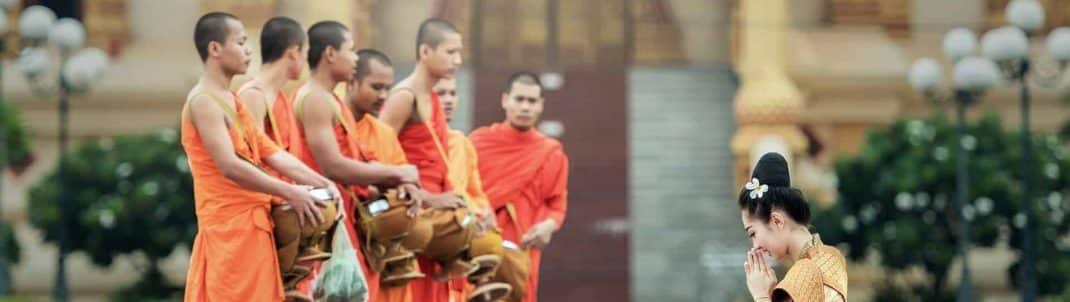
Almsgiving and other merit-making activities also belong to the New Year tradition. If you hope to participate, ask your host or the temple about the appropriate offering, place and time. A quiet sightseeing visit later in the day is a different experience from joining a congregation at the start of its service.
Choosing how to take part
Look for a temple’s invitation and follow its instructions about clothing, seating and the duration of the gathering. Cover shoulders and knees, remove shoes where required, and keep photography from interrupting worship. If you do not wish to stay for an extended ceremony, ask whether there is a suitable shorter visit rather than repeatedly entering and leaving during prayers.
Arrange transport home before attending a late service, especially at a site outside your immediate neighbourhood. The outward journey can be straightforward while the return requires advance coordination; a public holiday does not provide a special shuttle or guarantee a vehicle waiting at the end.
A realistic plan for 1 January
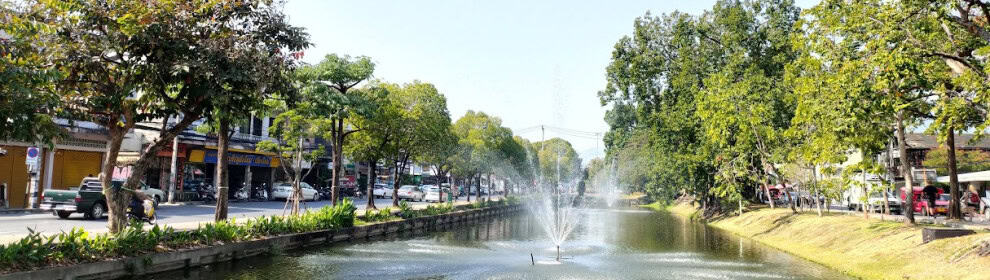
Choose one main outing and give it enough time. A walk through the Old City, a meal with travelling companions or a separately booked excursion can work well around the amount of rest you need after New Year’s Eve. If a temple visit matters most, establish its arrangements first and fit the rest of the day around it.
A mountain trip calls for a different commitment from a city stroll. Doi Suthep and the more distant Doi Inthanon should not be treated as interchangeable quick stops, particularly when an early start follows a late night. Confirm the itinerary, pickup and return with your operator, and take suitable layers if your plan includes higher elevations.
Meals, markets and family plans
Book a special New Year’s meal only against the venue’s actual dated offer, including the sitting, menu, child policy and total price. A hotel offering a countdown dinner on 31 December is not necessarily offering the same product on 1 January. Families should also check whether evening entertainment admits children before building the day around it.
New Year’s Day is a Friday in 2027. A public holiday does not move a weekly walking street to that day, so select a market by its own trading schedule. Keep an alternative meal or short outing available if a small business opens later or takes the holiday off.
Travel and holiday services
Reserve accommodation and intercity travel early if your dates are fixed, and allow a generous margin for an airport or station transfer. Avoid scheduling an unconfirmed morning activity immediately before departure. If you have a late checkout or luggage-storage need, settle it with your accommodation ahead of the holiday.
The 2027 financial-sector calendar includes 1 January. Complete essential staffed transactions beforehand and check any official appointment with the relevant office. Individual visitor venues and transport providers set their own arrangements, so confirm the parts of the day that are important to your trip.
New Year’s Day FAQs
When is New Year’s Day in Chiang Mai in 2027?
It falls on Friday, 1 January 2027. Overnight religious gatherings, where offered, begin on 31 December 2026 and need to be planned as an evening visit.
Is 1 January the Thai New Year?
It is the start of the Gregorian calendar year and a national holiday. Songkran is the traditional Thai New Year in April, with its own religious, family and water-celebration customs.
Can visitors attend overnight chanting?
Use the coming temple announcement to establish whether guests are welcome and how the service is arranged. Past public participation demonstrates the tradition, but does not confirm every temple’s 2027 programme.
Will there be fireworks on New Year’s Day?
Do not assume a fireworks display is scheduled for the evening of 1 January. Countdown entertainment generally concerns the transition from 31 December; any display needs its own confirmed date and location.
Does the Sunday Walking Street run on 1 January?
The date is a Friday in 2027. The holiday alone does not change a weekly market’s normal day, so check for an explicit special announcement before planning to attend.
Should I book a full-day excursion?
That depends on your previous evening and departure plans. Confirm the start time, travel involved and cancellation conditions, then choose a trip you can enjoy without rushing or relying on a late return before a flight.




Do You Have a Question to Ask?