



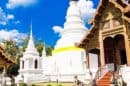
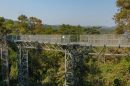
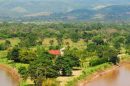
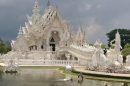


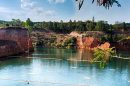











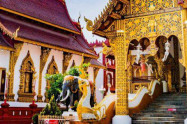

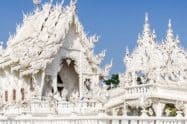
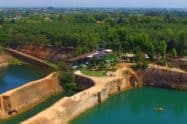


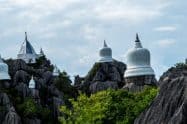
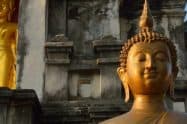
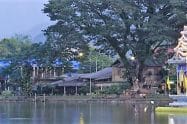

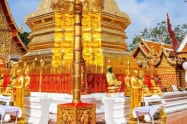





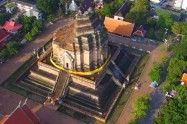
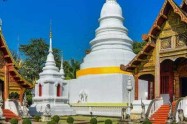

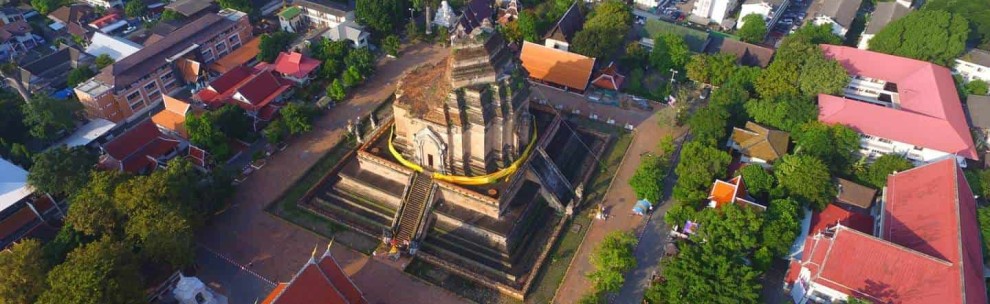
Chiang Mai’s temples offer different reasons to visit: Lanna art at Wat Phra Singh, the monumental chedi at Wat Chedi Luang, a mountain setting at Doi Suthep and forest surroundings beyond the Old City. Choose a small number that contrast with one another and leave time to look closely.
These remain places of worship. Ceremonies and local rules can affect visitor access, so leave flexibility in a temple circuit. Two unhurried visits and a break offer more than a long list of entrances rushed in the midday heat.
Wat Phra Singh and Wat Chedi Luang
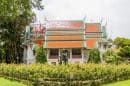
Begin at Wat Phra Singh on the western side of the Old City for its ornamented religious buildings and Lanna artistic tradition. Look at the structures and details rather than treating the compound as a single photo stop. Entry to particular halls may depend on worship and current arrangements.
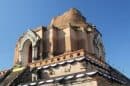
Continue east towards Wat Chedi Luang, where the large, partly ruined chedi creates a different sense of scale. The two temples make a rewarding Old City walk, with a meal or cafe break between them. Allow for road crossings, heat and uneven footpaths rather than treating the area inside the moat as a pedestrian precinct.
Adding Wat Chiang Man
Wat Chiang Man in the northern Old City adds another historic temple to a city-focused visit. It suits travellers who want to spend more time exploring the old town rather than move immediately to the mountain. Give it a separate unhurried stop or add it only if you still have energy after the first two temples.
Wat Phra That Doi Suthep
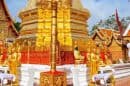
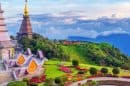
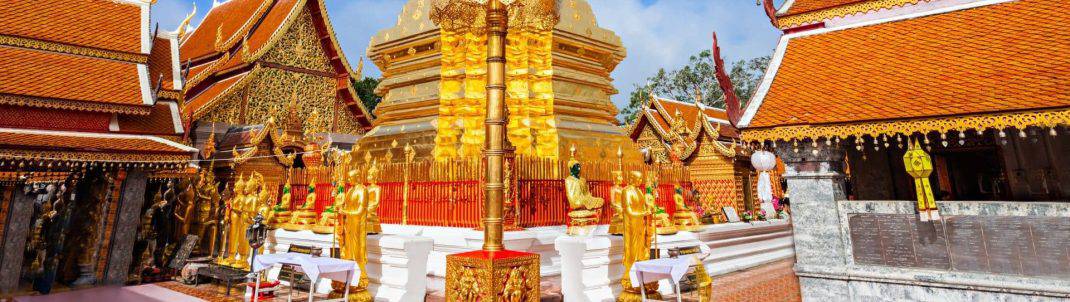
Doi Suthep is a separate mountain outing west of the city, reached by a winding road. Its gilded chedi and elevated setting contrast strongly with the Old City temples. Allow around half a day for transport and an unhurried visit, adjusting for your starting point and any extra stops.
Book the return journey as part of the outing, allowing time for the substantial temple staircase. Visitors unable to manage steps need an arrangement suited to their mobility requirements; arrival at the compound does not provide step-free access throughout. The city panorama adds to the visit when weather and air quality allow, while the temple remains the main reason to go.
Wat Umong and Wat Pha Lat
Wat Umong, a forest temple southwest of the Old City, is known for its historic tunnels and wooded grounds. Use the full name, Wat Umong Suan Phutthatham, when arranging transport to distinguish it from the similarly named Old City temple. Its quieter forest setting contrasts with the larger central compounds, with thresholds and outdoor paths to navigate.
Wat Pha Lat provides another mountainside temple setting below Doi Suthep. A road-based visit and a forest-walking approach make for different outings. The trail needs suitable shoes, fitness and good weather, with a plan for the return; it is not a paved connection between shrines. Choose the approach that leaves time and energy to appreciate the temple.
Wat Suan Dok and Choosing Your Route
Wat Suan Dok lies west of the moat and offers a different setting from the crowded Old City circuit. It suits a visit when staying or travelling on that side of town. Give the religious buildings and grounds time rather than adding it solely to increase the number of temples seen.
For a short first visit, focus on Wat Phra Singh and Wat Chedi Luang. With another half-day, choose Doi Suthep; with a stronger interest in quieter surroundings, investigate a forest temple instead. A vehicle can reduce walking between sites, but each temple still needs its own assessment.
Dress, Photography and Admission
Cover shoulders and knees, and wear footwear that is practical to remove where instructed. Keep voices low, avoid interrupting prayers and follow signs for restricted halls or sacred objects. Do not climb onto Buddha images or use monks and worshippers as photo props.
Photography rules differ between public grounds, interiors and individual ceremonies. Ask when unsure and avoid intrusive images of people praying. Admission and donations also vary: a free compound may contain an area with a separate charge or restriction. Carry small cash, follow the posted arrangements and allow religious use to take priority.
Chiang Mai Temple Guide FAQs
Which temple should I visit first?
Wat Phra Singh and Wat Chedi Luang make a useful introduction, with contrasting architecture inside the Old City. Allow a meal or rest between them. Add another temple only when the group has time and energy to look around without rushing.
What is the most famous temple?
Wat Phra That Doi Suthep is Chiang Mai’s landmark mountain temple. Give it a separate outing with time for the winding road, temple approach and return. City views depend on weather and haze, so enjoy the religious setting as well as the panorama.
What should I wear?
Cover shoulders and knees with modest clothing, and wear shoes that are practical to remove where instructed. Follow signs at individual halls and give worshippers space. Light, suitable clothing helps make a warm-weather visit more comfortable.
Are temples free?
Admission varies between temples and sometimes between areas of the same compound. Some visits are free or donation-supported, while particular visitor areas charge. Carry small cash and respect restricted halls; a donation does not grant entry everywhere.
Can I take photos?
Photography is often possible in public areas, with different rules for interiors and ceremonies. Follow signs and avoid interrupting worship or taking intrusive photographs of people praying. Do not climb on sacred objects or use monks and worshippers as photo props.






Do You Have a Question to Ask?