


































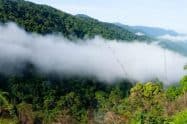












Smoke pollution can change a Chiang Mai holiday, particularly when mountain views, cycling or long outdoor walks are the main attraction. The timing and severity vary between years and days, so a fixed ‘burning season’ calendar cannot tell you whether your travel dates will have acceptable air quality. Check measured conditions and the weather forecast.
Use seasonal risk when choosing dates, then make daily activity decisions based on current local information and your group’s needs. A flexible tour booking and a room with effective particle filtration can matter more than an itinerary packed with prepaid outdoor excursions.
When Haze Can Affect a Visit
Northern Thailand experiences smoke haze during the dry season. Late dry-season travel deserves particular attention, but an often-quoted February-to-April window should not be treated as a boundary outside which the air is always clear. Fires, emissions and weather across the wider region can influence conditions in Chiang Mai.
Choose dates around your priorities and tolerance for uncertainty. If long hikes or mountain photography are the reason for travelling, compare other dates and cancellation terms before committing. Cooler weather alone does not mean clean air, and one clearer afternoon does not mean a haze episode has ended.
PM2.5, AQI and Useful Local Readings
PM2.5 refers to fine airborne particles, with concentrations commonly reported in micrograms per cubic metre. An air-quality index translates pollution measurements into a scale and associated advice. Different national AQI systems can use different calculations, so two unexplained index numbers are not necessarily comparable.
Thailand’s official Air4Thai service reports local air-quality information. Use a nearby monitoring location and note the timestamp, units and averaging period, following the advice associated with that scale. A daily average and a recent short-period reading describe different intervals, so they should not be read as a direct before-and-after comparison.
A city station describes a different location from Doi Inthanon or a rural cycling route. Regional smoke can reach mountain areas, so going higher does not guarantee cleaner air. Use a forecast for planning and measured local conditions for the final decision about an exposed or strenuous outing.
Change the Activity, Not Just the Departure Time
When air is poor, shorten outdoor exposure and reduce strenuous activity in line with current health guidance. A long temple walk, cycle ride, or forest hike differs from a short transfer between suitable indoor places. No dependable rule says every morning will be cleaner than every afternoon.
A slower hotel day or time in a museum, gallery or shopping venue can reduce exposure when the indoor air is cleaner. Open-sided cafes, roofed markets and open-air cooking kitchens still share outside air. Choose the setting for its air quality rather than simply moving an activity indoors.
Choose Accommodation With Cleaner Indoor Air
A room that closes to outdoor smoke and has effective particle filtration provides a useful retreat during haze. If relying on an air purifier, choose a unit sized for the room and keep the filters maintained. Air conditioning controls temperature; it does not, by itself, effectively remove fine particles.
During smoke episodes, keep outdoor smoke out where practical and use the available filtration. Avoid adding indoor smoke from incense, candles or smoking. A purifier in a lobby is not the same provision as a suitable unit in the bedroom where you spend the night.
Respirators and Personal Health Needs
A well-fitting particulate respirator can reduce exposure when you must go outside, but it does not make a long outdoor excursion risk-free. Fit and correct use matter, and ordinary cloth or loose face coverings do not provide equivalent protection. Reducing exposure remains the main planning decision.
Discuss the trip with a clinician beforehand if you have a condition affected by air pollution or need advice for a child. Do not assume an adult respirator will fit a young child. Seek medical help for new or worsening symptoms, particularly breathing difficulty or chest discomfort, rather than continuing a booked activity.
Keep Bookings and Mountain Plans Flexible
Choose flexible bookings when mountain scenery or outdoor exercise is central to the trip. A poor view or polluted day may fall outside a tour’s refund conditions, so the ability to move a date or change activity can be valuable. Reassess the rest of your stay if conditions persistently prevent the experiences your group came for.
Rain can reduce airborne particles, but ongoing emissions and wider weather determine how long any improvement lasts. Use fresh readings after a shower before resuming strenuous outdoor activity. Assess wet trails, waterfall flow and road conditions separately; clearer air does not make a rain-affected route suitable.
Chiang Mai Burning Season & Air Quality FAQs
When is Chiang Mai burning season?
The late dry season often deserves particular attention, but no fixed start or end guarantees clear air outside it. Use seasonal risk when choosing dates and local readings for daily decisions. Flexible arrangements help when outdoor scenery is the main reason for the trip.
Should I avoid Chiang Mai completely?
The choice depends on current conditions, personal health needs and the purpose of the stay. An indoor-focused visit with cleaner room air differs from several strenuous mountain days. Consider other dates or a change of plan when conditions prevent suitable activities, and seek medical advice when needed.
Does haze affect Doi Suthep views?
Haze can obscure the panorama, and travelling uphill does not guarantee cleaner air. The temple remains worthwhile for its religious setting, with views dependent on conditions. Adjust outdoor time and exertion based on local air-quality guidance rather than chasing a clear photograph.
What should sensitive travellers do?
Plan with a clinician before travel if pollution affects your condition. Use local advice, reduce outdoor exertion and arrange cleaner indoor air during poor conditions. Seek medical help for new or worsening symptoms rather than relying on a face covering to continue the itinerary.
Does rain improve air quality?
Rain can reduce particles, but the result depends on broader weather and ongoing emissions. Fresh readings give better guidance than the sight of a recent shower. Wet roads and trails still need separate consideration before a mountain outing.








Do You Have a Question to Ask?