


















































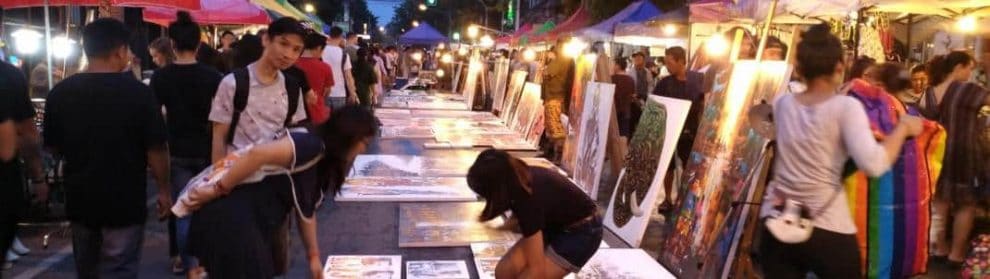
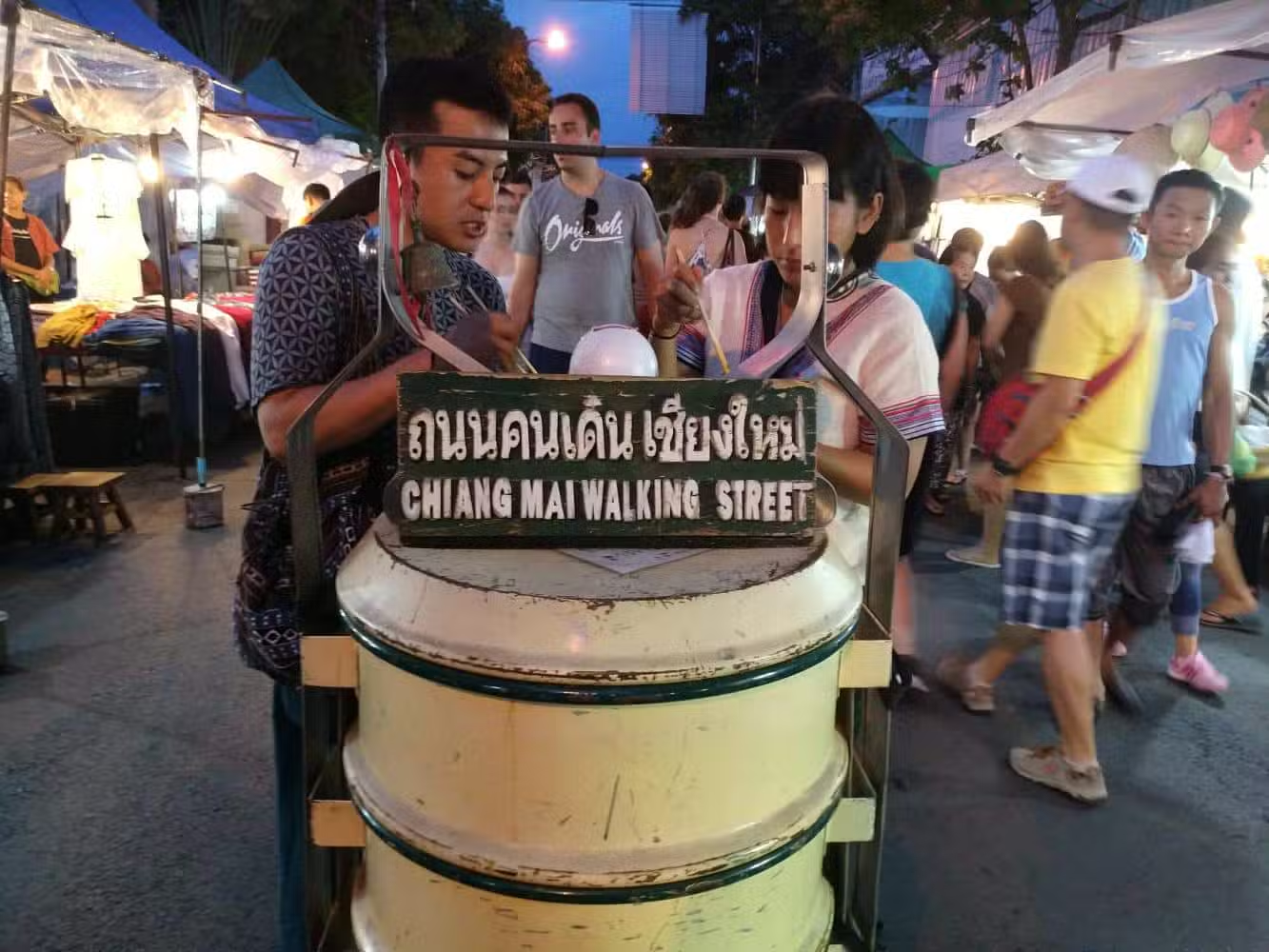
Chiang Mai Sunday Walking Street Market transforms Ratchadamnoen Road into a large weekly pedestrian market through the Old City. Every Sunday afternoon and evening, the road fills with handicrafts, artwork, clothing, street food and performers, with additional stalls extending into side streets and temple courtyards.
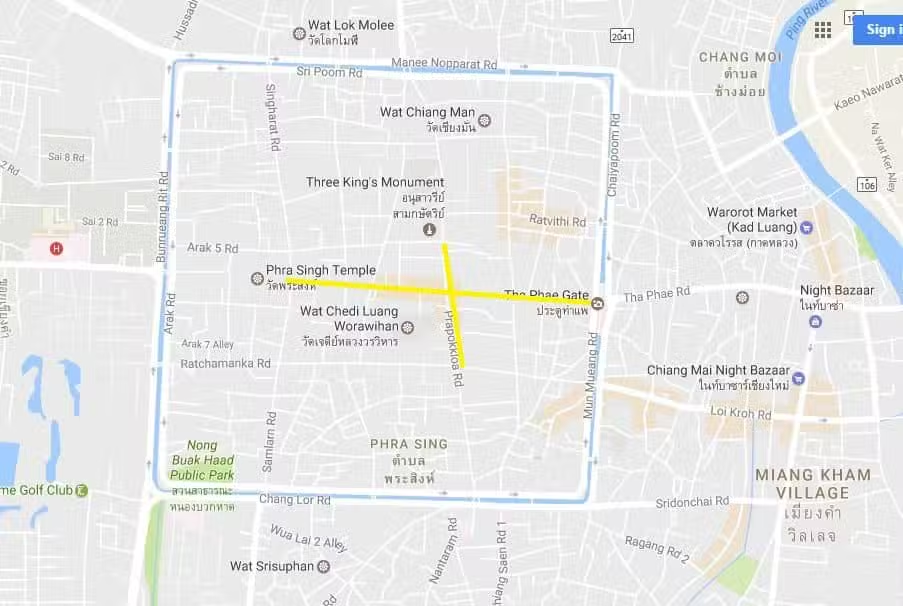
Also known as Tha Phae Walking Street and the Sunday Night Market, the market begins near Tha Phae Gate and continues west through the Old City towards Wat Phra Singh. Entry is free, and visitors can spend anything from an hour browsing one section to most of the evening exploring the complete route.
Sunday Walking Street Route
The principal market follows Ratchadamnoen Road for roughly one kilometre between Tha Phae Gate and Wat Phra Singh. Branches also extend along nearby streets, particularly around the Three Kings Monument and Prapokklao Road.
Tha Phae Gate is the most recognisable starting point, but it is also where the heaviest crowds tend to gather. Starting near Wat Phra Singh and walking east can offer a calmer start, especially during the busiest evening period.
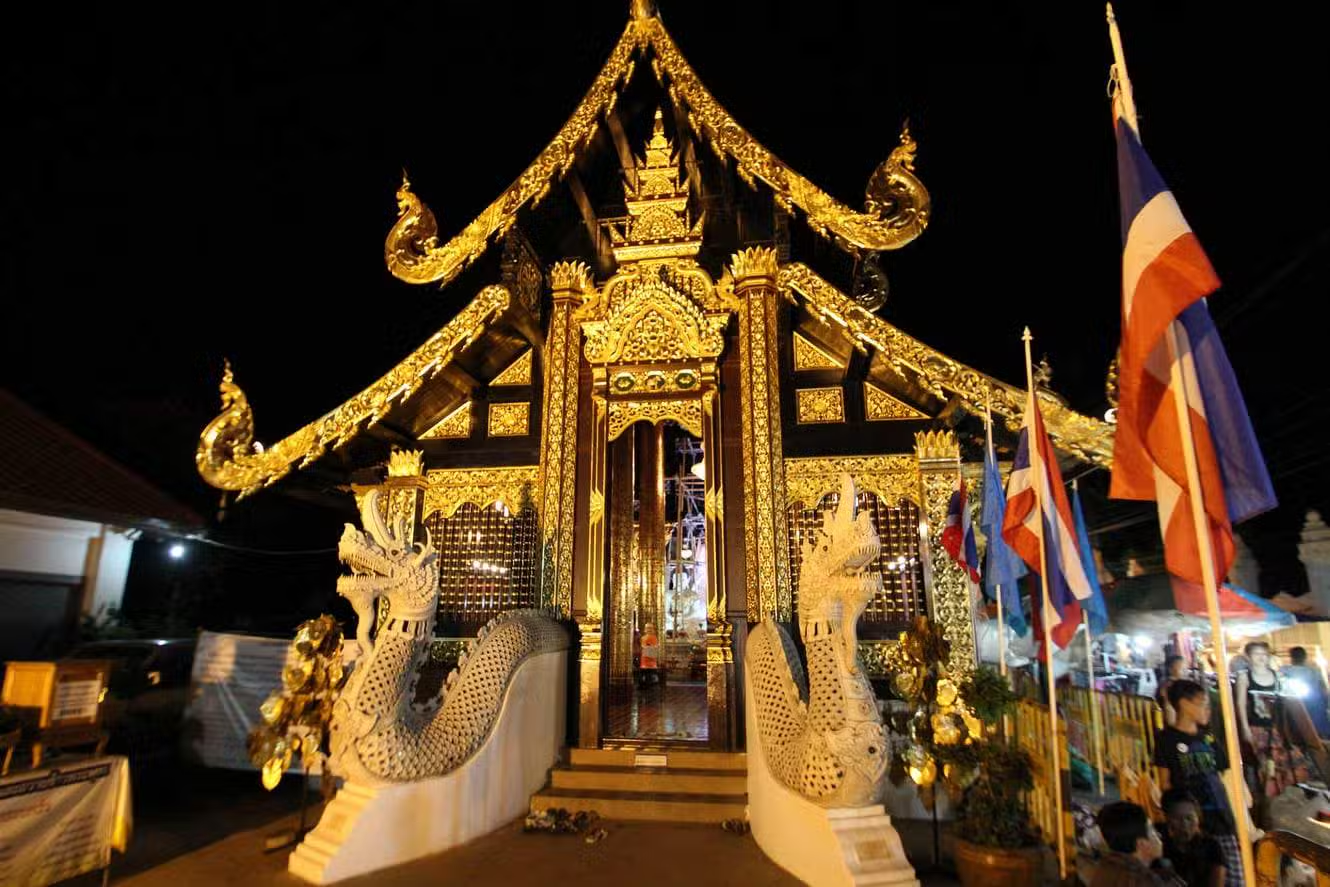
The route and adjoining streets pass several temples, with Wat Phan Tao and Wat Chedi Luang close to the central section. Temple courtyards become important places to eat and rest during the market, but they remain religious spaces. Visitors should dress reasonably, dispose of rubbish properly and behave respectfully around active shrines and worshippers.
Shopping and Handicrafts
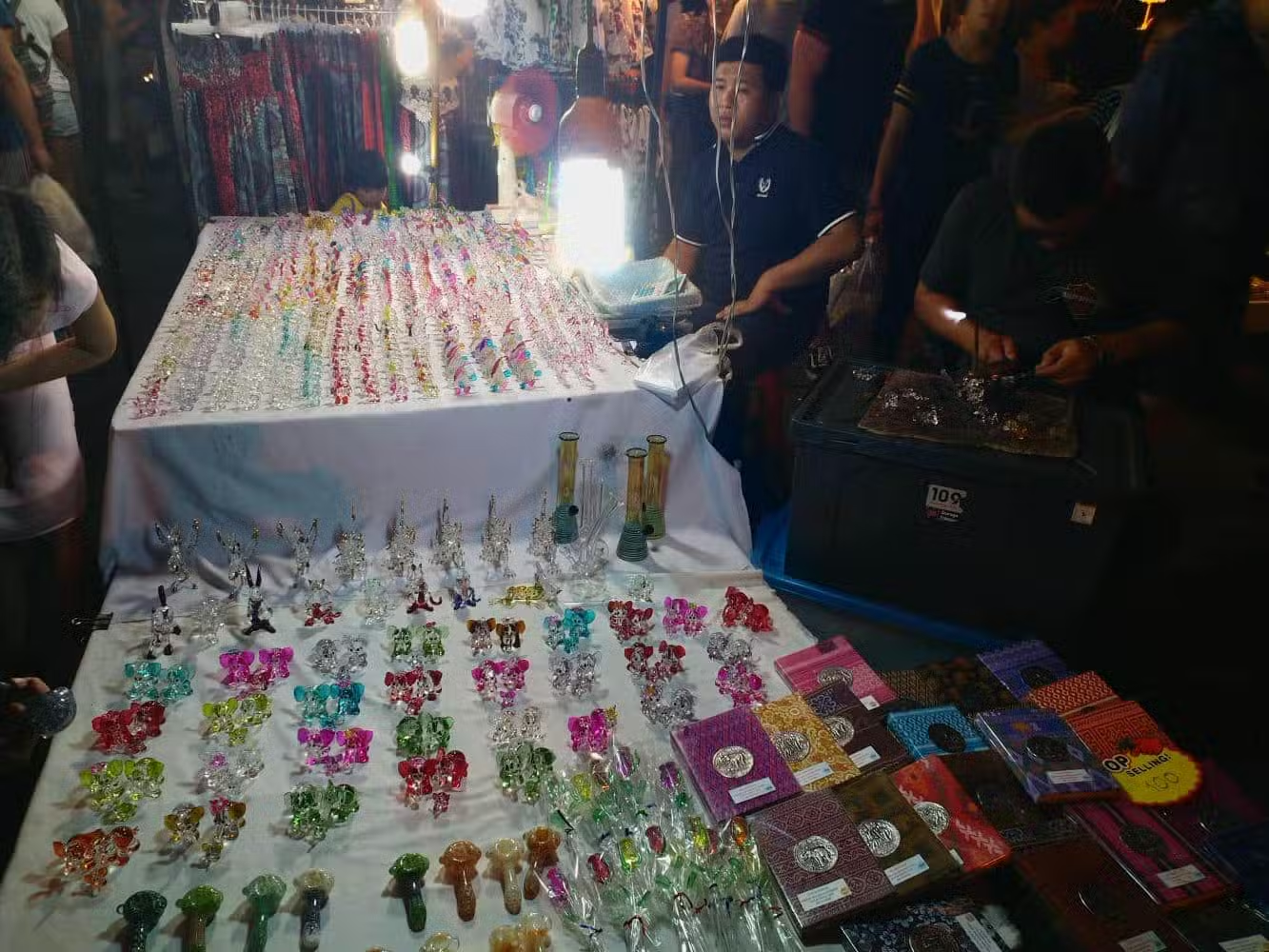
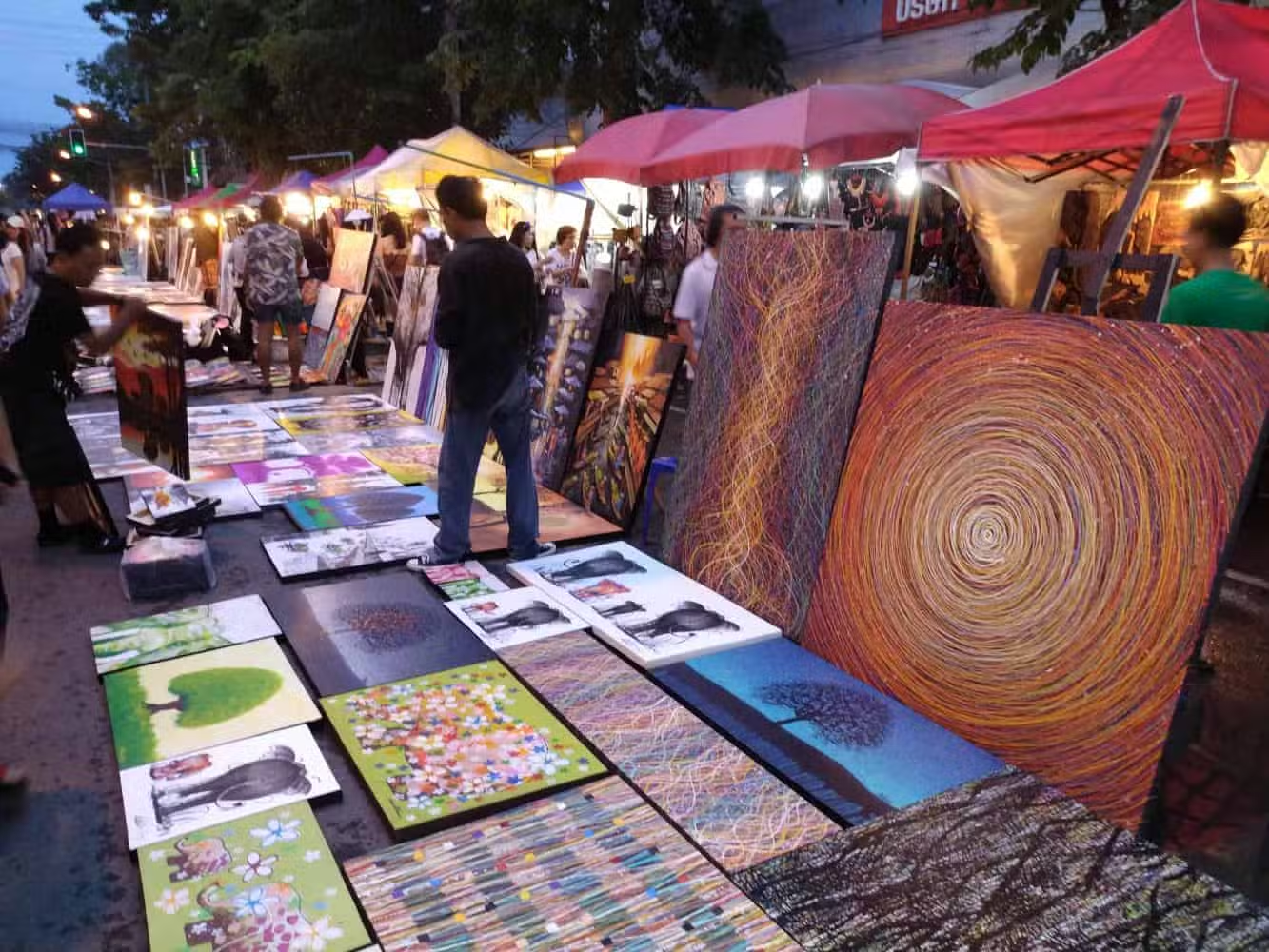
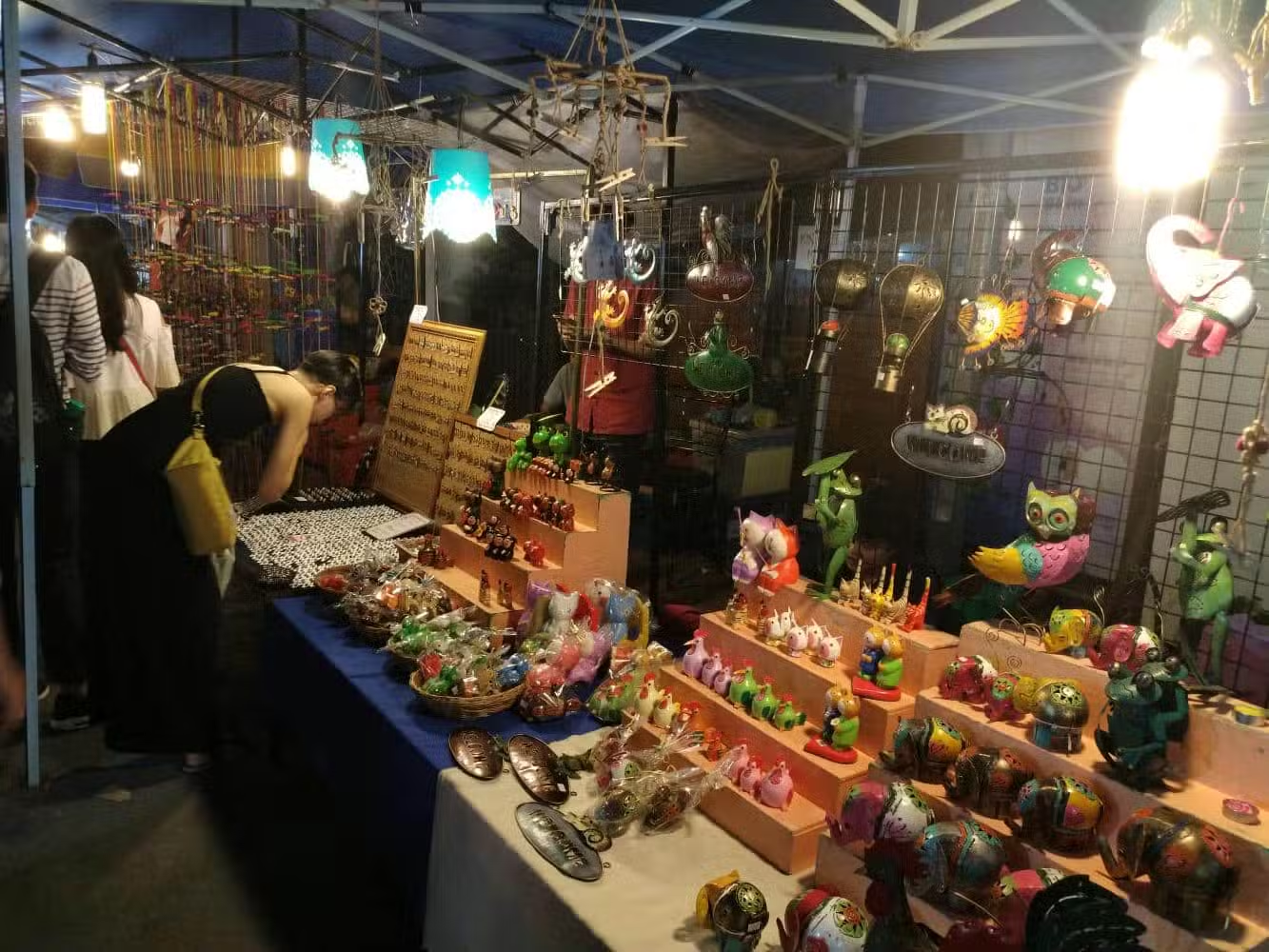
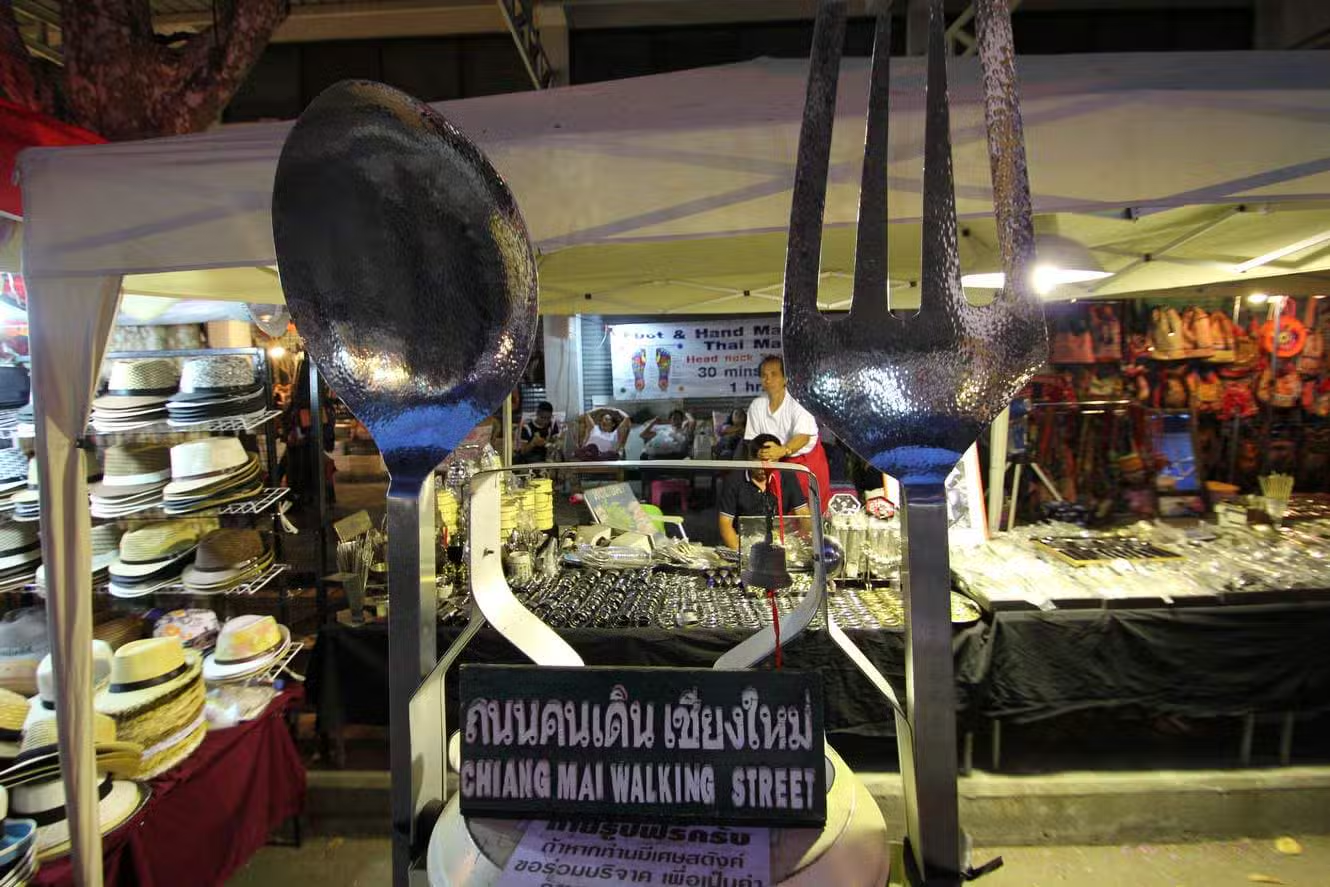
The market is particularly known for northern Thai crafts and products made by independent artists. Stalls sell textiles, ceramics, carved wood, jewellery, paintings, lanterns, soaps, handmade notebooks, clothing and small homewares.
Some artisans operate their own stalls and can explain how an item was produced. However, not everything sold at the market is handmade or locally made. Visitors interested in authentic craftwork should compare several stalls, inspect the finishing and ask about the materials or production process.
Some souvenir and clothing vendors may accept polite bargaining, but it is not expected everywhere. Food prices are generally fixed, and aggressive negotiation over inexpensive handmade goods is inappropriate.
Cash remains useful, especially in small denominations. Some Thai customers pay electronically, but local payment systems may not be accessible to international visitors, and not every vendor accepts cards.
Street Food and Temple Food Courts
Food stalls appear throughout the route, with larger groups of vendors inside temple grounds and adjoining courtyards. Choices commonly include northern Thai sausage, grilled meats, noodles, dumplings, rice dishes, fresh fruit, sweets, drinks and vegetarian options.
Temple food courts can be easier to navigate than the busiest sections of Ratchadamnoen Road. Some have tables or seating, although places fill quickly during peak hours.
Choose stalls that prepare food freshly and have a steady flow of customers. Visitors with allergies or dietary restrictions should not assume an unfamiliar dish is free of fish sauce, shellfish, nuts, or other ingredients. Language barriers and shared cooking equipment can make it hard to confirm precise allergy information.
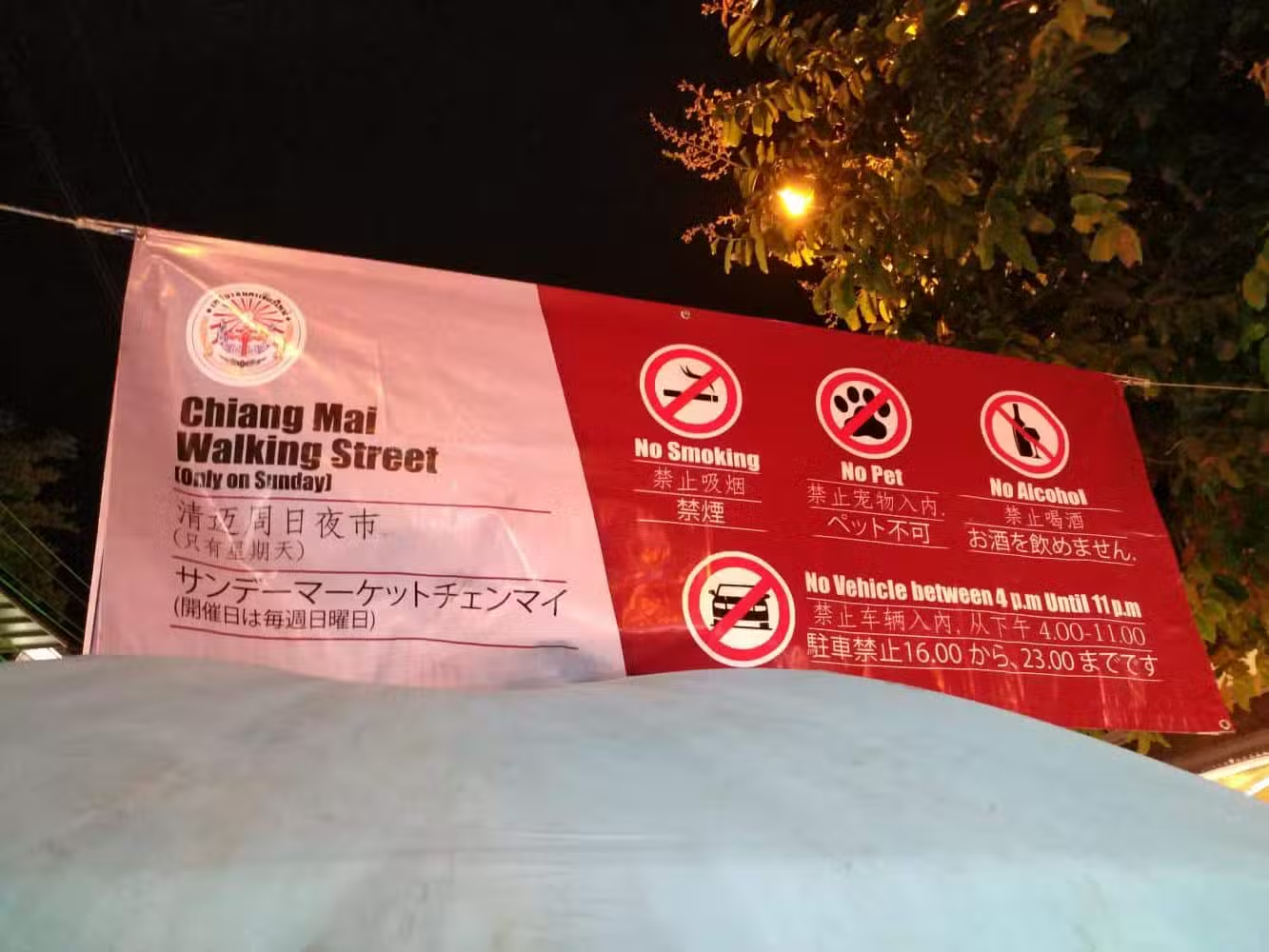
Alcohol is not the focus of the market, and restrictions may apply around temples and during Buddhist observances.
Performers and Market Atmosphere
Musicians, dancers, school groups and independent performers appear at intervals along the market. Many performances are informal and supported by donations, so it’s appropriate to leave a small contribution when you stop to watch.
The Thai national anthem may be played around 6pm. When this happens, traders and visitors commonly stop and stand quietly until it finishes. International visitors should follow the lead of the surrounding crowd.
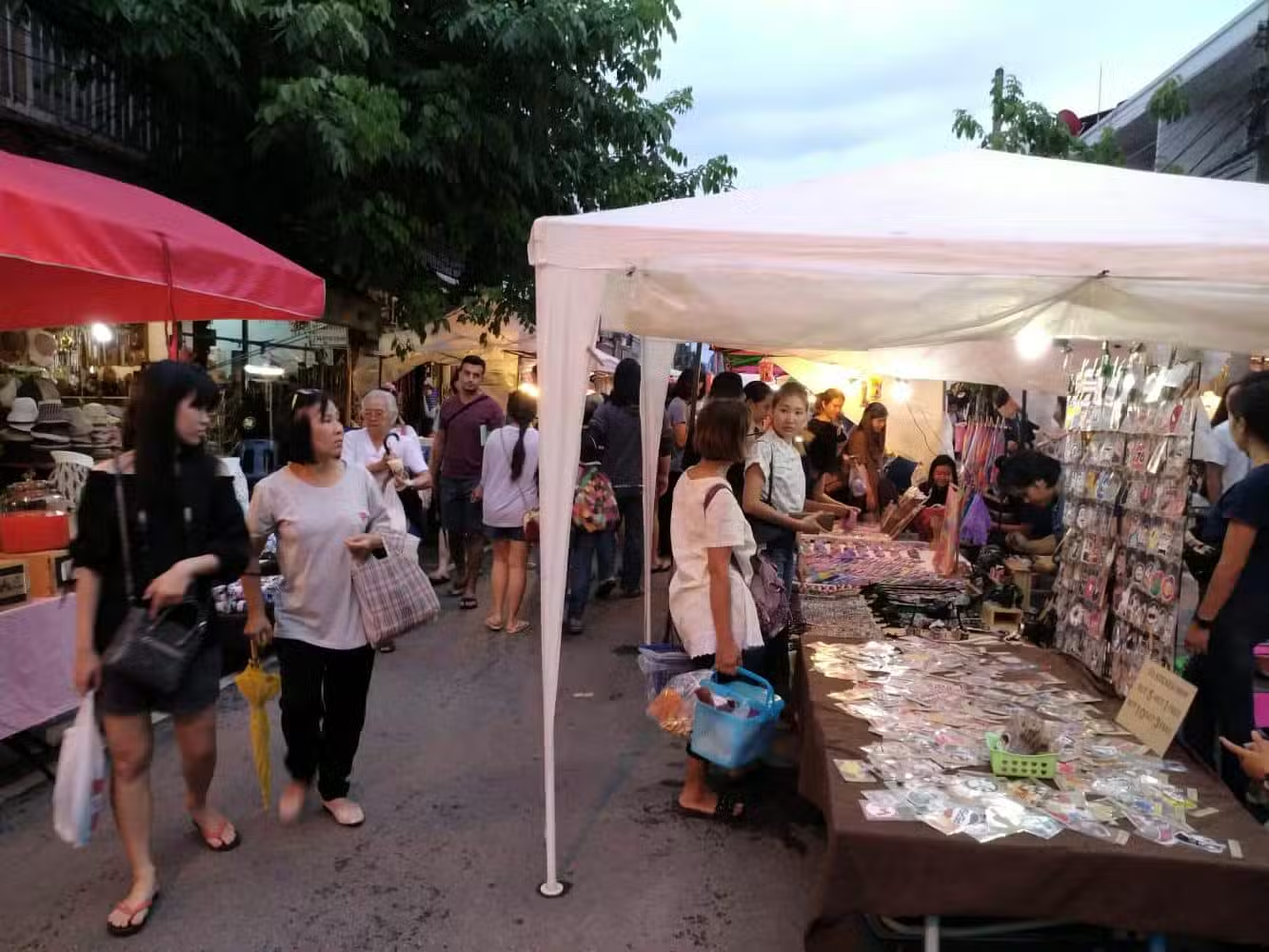
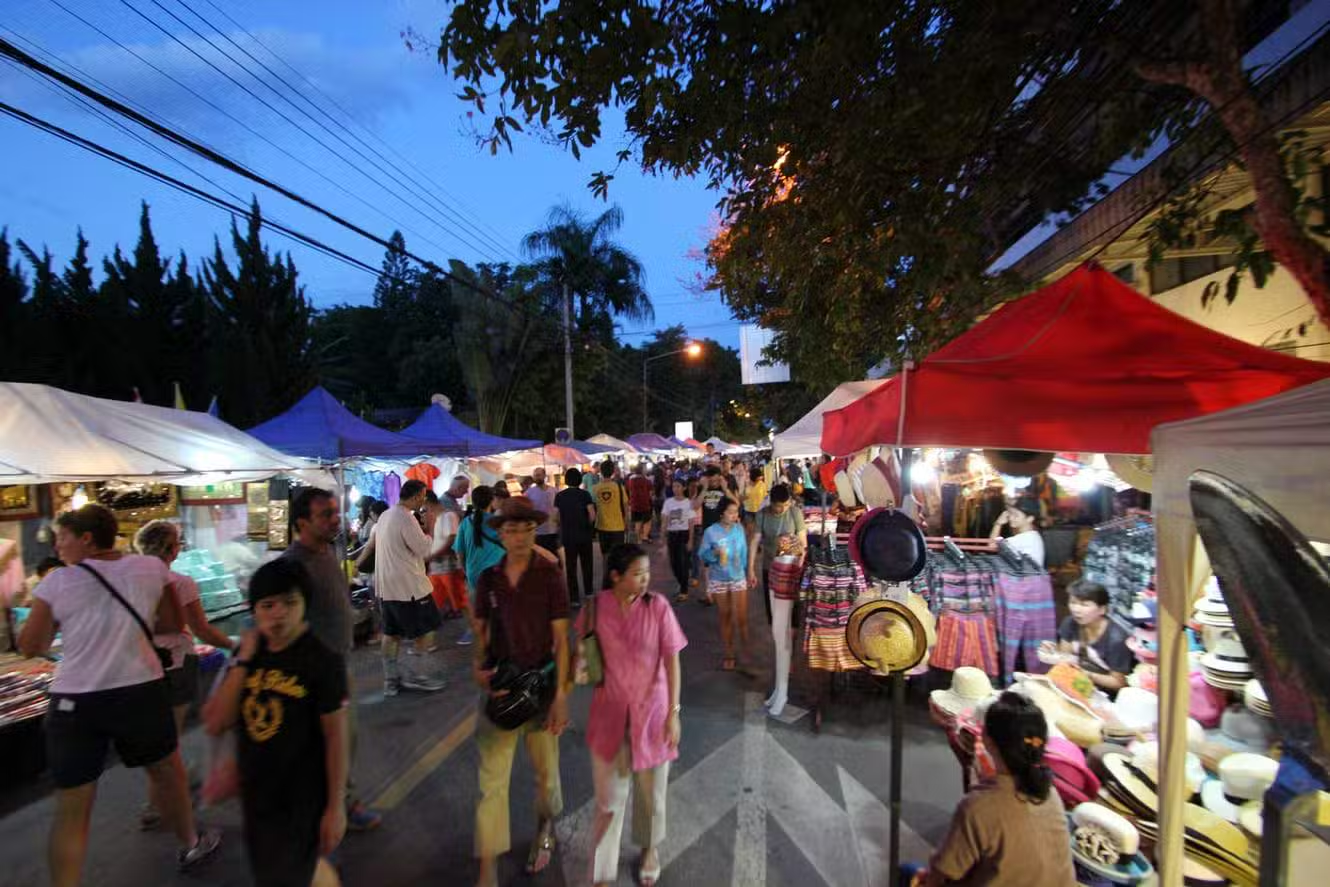
The atmosphere changes as the evening progresses. Early visitors can browse while stalls are still being arranged, while after sunset it is brighter, busier, and more energetic.
Best Time to Visit
Arriving between approximately 4pm and 5pm provides the easiest browsing conditions. Not every stall will be fully open, but browsing is generally easier before the heaviest evening crowds arrive.
The busiest period is generally between 6pm and 9pm. During these hours, movement near Tha Phae Gate, Wat Phan Tao and the central intersections can slow to a shuffle.
Allow approximately two to four hours for a useful visit. Travellers mainly interested in food or a quick look can explore one section, while those who want to browse the full route and side streets will need most of the evening.
Wear comfortable shoes and carry drinking water. The market covers a much larger area than its main one-kilometre route suggests, and seating is limited outside the temple food areas.
Rain does not automatically cancel the market, but heavy weather may delay vendors, reduce the number of stalls or cause trading to finish early.
Sunday Walking Street, Saturday Market and Night Bazaar
Chiang Mai’s main walking-street markets are held in different locations. Sunday Walking Street occupies Ratchadamnoen Road through the Old City, while Saturday Walking Street follows Wua Lai Road south of Chiang Mai Gate.
Sunday Walking Street is generally the larger of the two and offers the broadest combination of crafts, food, temples and street performances. Saturday Walking Street is often easier to explore and has a stronger connection with the Wua Lai silversmith district.
The Chiang Mai Night Bazaar is a separate market held nightly around Chang Khlan Road, east of the Old City. The Night Bazaar is more commercially focused, while Sunday Walking Street emphasises local crafts and community participation.
Getting There
Visitors staying in or near the Old City can usually walk to the market. Tha Phae Gate is the easiest landmark for the eastern entrance, while Wat Phra Singh is a useful destination for the western end.
Red songthaews, tuk-tuks, taxis and app-based transport can drop passengers close to the market, but vehicles cannot enter Ratchadamnoen Road once closures are in place. Arrange a pickup point away from Tha Phae Gate, where congestion becomes particularly heavy later in the evening.
Drivers should not attempt to park along the market route. Parking near the Old City is limited, and surrounding streets become crowded. Using public transport or walking is usually easier than driving.
The main roadway is relatively level once closed to traffic, but dense crowds, temporary cables, stall fittings and uneven temple entrances may affect wheelchair and stroller access. Arriving early provides the easiest conditions for visitors who need more space.
Chiang Mai Sunday Walking Street Market FAQs
What day is Chiang Mai Sunday Walking Street Market held?
It is held on Sunday afternoons and evenings along Ratchadamnoen Road. Weather, special events or local restrictions can affect trading, so check current arrangements if the market is central to your itinerary.
What are the opening hours?
Stalls begin setting up from around 4pm, with much of the market active by approximately 5pm. Many vendors wind down around 10pm, but there is no uniform closing time for every stall.
Where does the main route begin?
Tha Phae Gate is the best-known eastern starting point, with the route continuing west towards Wat Phra Singh. Starting from the western end can also work, especially if it better suits your accommodation or temple itinerary.
Is there an entry fee?
General entry is free, with food, shopping and services priced separately. Bring small cash for individual vendors and check any service charge before agreeing to a purchase.
How long should you allow?
Two to four hours suits shopping, food and exploring the side streets. A shorter visit can focus on one section; avoid trying to cover the entire route quickly when the evening crowds are heavy.
Is this the same as the Night Bazaar?
No. Sunday Walking Street is the weekly Old City market, while the Night Bazaar is a separate nightly shopping area around Chang Khlan Road. Saturday Walking Street is another distinct market on Wua Lai Road.
Can you visit in the rain?
Light rain does not necessarily stop trading, but heavier weather can delay vendors or cause stalls to close early. Bring rain protection and keep flexibility rather than assuming the full market will operate in all conditions.










Do You Have a Question to Ask?