














































Doi Luang National Park protects a large mountain and forest landscape spanning Chiang Rai, Phayao and Lampang. Waterfall walks are its most accessible visitor experiences, while the Doi Luang-Doi Nok mountain route offers a more demanding outing that requires advance arrangements.
The park covers around 1,170 square kilometres and has several access areas rather than one entrance serving every attraction. Choose the waterfall or trail you want to visit first, then plan the approach from the appropriate province. Doi Luang National Park is separate from Doi Luang Chiang Dao in Chiang Mai.
Waterfall Walks Through the Forest
Pu Kaeng Waterfall and the Headquarters Area
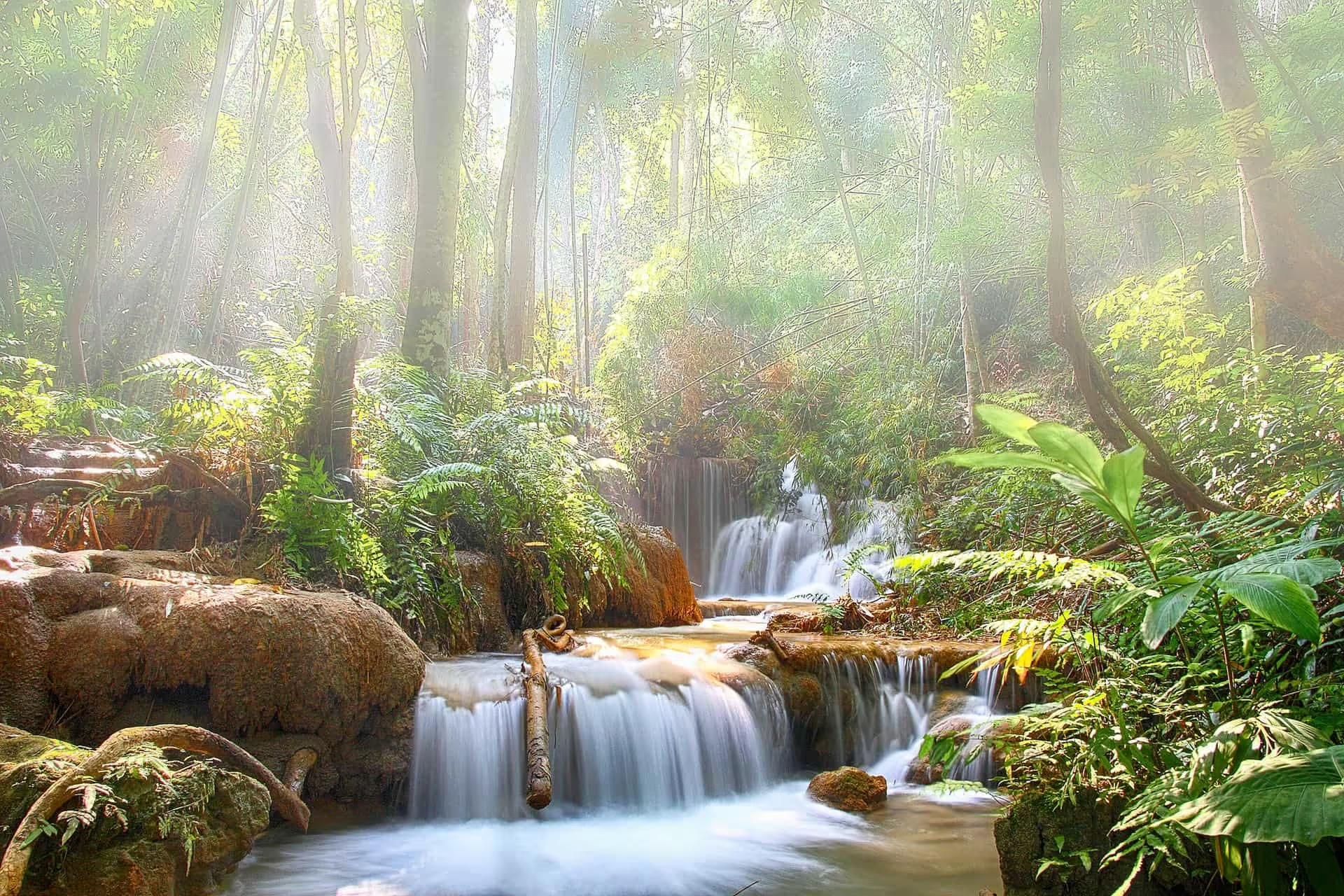
Pu Kaeng, also written Poo Kaeng, is near the park headquarters in the Mae Yen area of Phan District, Chiang Rai. The waterfall descends over limestone in a series of tiers, with a forest trail connecting views of the cascades. It is a useful starting point for a visit from the Chiang Rai side of the park.
The appeal is the combination of flowing water, shaded vegetation and the changing shape of the falls as you walk. Ask staff which tiers and paths are accessible, and turn back when directed rather than assuming the complete route is always open. Damp limestone and steps can be slippery even when the surrounding trail appears dry.
Champa Thong and Wang Kaeo
Champa Thong, sometimes written Cham Pa Thong, is approached from the Phayao side. Its waterfall and forest setting suit visitors based around Phayao who want a nature excursion without travelling to the Chiang Rai headquarters first. Check the current walking route and facilities at that access area.
Wang Kaeo is another waterfall area, on the Lampang side around Wang Nuea. Its tiered limestone cascades are part of the park’s broader variety, but it is not a nearby extra stop from Pu Kaeng. Plan it as a separate approach and obtain directions for the waterfall entrance rather than a general park pin.
Other areas include Pha Klet Nak. Distances across the park and mountain roads make it impractical to treat every named waterfall as one compact sightseeing circuit. Choosing one area gives you more time to enjoy the forest and avoids spending most of the day driving between entrances.
Mountain Trekking and Overnight Visits
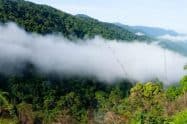
The Doi Luang-Doi Nok route is a different undertaking from a short waterfall walk. It involves sustained climbing and exposed mountain terrain, with the reward of ridge views when conditions are clear. Ask park staff about the permitted season, booking procedure, guides, group limits and the route suitable for your experience.
Do not arrive at Pu Kaeng assuming a national-park ticket gives immediate access to an independent summit hike. The trek has its own starting arrangements and may require an overnight itinerary. Confirm the exact meeting point and any transport between the finish and your vehicle.
For camping or park accommodation, enquire about the specific visitor area, available facilities and advance booking. Bring the equipment and supplies required for your confirmed stay; tent hire, meals and bedding should not be assumed. Keep a day-visit plan available if an overnight route is closed or fully booked.
Admission, Hours and Seasonal Conditions
The usual published admission categories are 100 baht for foreign adults and 50 baht for foreign children, or 20 baht for Thai adults and 10 baht for Thai children. Vehicle fees are separate, commonly 30 baht for a car and 20 baht for a motorcycle. Confirm the current categories and charges at the entrance, particularly if your visit involves trekking or camping services.
Plan waterfall visits during daylight and check the local entry and final-walk times. Each area can have different access arrangements, while longer treks require prior permission. Heavy rain, maintenance and seasonal conservation closures can restrict particular trails without closing every part of the park.
Water volume changes with rainfall, and a powerful cascade is not an invitation to swim. Follow posted restrictions, keep away from fast currents and use only permitted paths. Wear footwear with grip, carry water and protect equipment from rain. Wildlife sightings are unpredictable; the forest itself is a reason to visit, even if you see few animals.
Choosing the Right Entrance and Transport
For Pu Kaeng and the headquarters, approach from Highway 1 in the Phan area south of Chiang Rai, then follow signs towards the Mae Yen park entrance. Obtain the current local turn and access information from the park before leaving, especially after heavy rain.
For Champa Thong, use directions from Phayao to that waterfall; for Wang Kaeo, plan through Wang Nuea on the Lampang side. A car with a driver or an organised excursion is convenient because rural entrance roads and return transport are not equivalent to a city bus route.
If travelling from Chiang Mai, choose an access area that fits your wider northern itinerary and allow a substantial road journey. Tell your driver the exact waterfall or trail meeting point. A booking for Doi Luang Chiang Dao would take you to a different protected area and mountain altogether.
Doi Luang National Park FAQs
Which provinces does Doi Luang National Park cover?
It spans Chiang Rai, Phayao and Lampang. Different waterfall areas have different entrances, so choose the attraction first and use its specific directions rather than navigating only to the park name.
Is this Doi Luang Chiang Dao?
No. Doi Luang Chiang Dao is a separate mountain in Chiang Mai’s Chiang Dao Wildlife Sanctuary. This national park lies across Chiang Rai, Phayao and Lampang and has its own visitor areas and trekking arrangements.
Where is Pu Kaeng Waterfall?
It is near the national-park headquarters in Mae Yen, Phan District, Chiang Rai, approached from Highway 1. Check which trail sections are open before starting the walk to the tiers.
Can you hike to the mountain peaks?
The Doi Luang-Doi Nok route requires advance planning with the park. Confirm season, permits, guides, start point and overnight arrangements; a waterfall admission ticket does not provide unrestricted summit access.
How much is admission?
Published ordinary admission is generally 100 baht for foreign adults and 50 baht for foreign children, with Thai rates of 20 and 10 baht. Vehicle, camping and guiding charges are separate, and current conditions should be confirmed at the entrance.
Can you swim at the waterfalls?
Follow the rules at the particular waterfall and do not enter fast water or a closed area. Rainfall changes the conditions, and a published description of pools does not establish that swimming is permitted or safe on your visit.






Do You Have a Question to Ask?