
















































Chiang Mai rewards a food itinerary built around northern dishes, everyday markets and time to enjoy a meal. Start with khao soi, then try a shared spread of sticky rice, herb sausage and chilli dips. A daytime ingredient market and an evening food area offer different experiences; you don’t need to cross the city for every plate.
Choose a few meals that fit your sightseeing and leave room to discover something along the way. Nimman’s coffee shops can provide a change of pace, while a cooking class or guided tasting can help explain ingredients you might otherwise overlook.
Khao Soi and Other Northern Noodles
Khao soi combines a curry broth, soft noodles and a crisp noodle topping, often with chicken or beef. Lime, pickled mustard greens and shallots let you adjust the bowl at the table. Recipes differ between shops, so trying a second version can be more interesting than searching for one definitive winner.
For contrast, try khanom jeen nam ngiao, with rice noodles and a tangy, tomato-based broth. Its flavour and texture differ from khao soi’s richer curry bowl. Both dishes use prepared broths, so explain dietary requirements before ordering rather than simply removing a visible meat topping.
Sai Ua, Chilli Dips and a Shared Meal
Sai ua is a northern herb sausage that works well with sticky rice and vegetables. Pair it with nam prik noom, a roasted green chilli dip, or nam prik ong, which commonly contains minced pork and tomato. The different textures make a shared meal a useful introduction beyond a single bowl of noodles.
For two people, a sausage portion, one dip and sticky rice can be a manageable start, with more dishes added to appetite. A shared spread encourages tasting without ordering a full individual meal for every person. Describe dietary needs when ordering, since vegetables beside a dip don’t make the whole plate vegetarian.
Warorot: Ingredients and Everyday Shopping
Warorot Market, also called Kad Luang, makes a useful daytime stop for prepared northern foods, sausages, chilli pastes and sweets alongside everyday shopping. Browse before buying, and distinguish ready-to-eat food from ingredients meant for cooking. Ask how a purchase should be stored if you will carry it around in the heat.
Combine the visit with the surrounding lanes and nearby Ton Lamyai flower market rather than making another long journey immediately afterwards. It is a working market district with shoppers, deliveries and uneven or crowded routes. Keep the visit manageable if travelling with a large pram or mobility equipment.
Evening Food Areas and Walking Streets
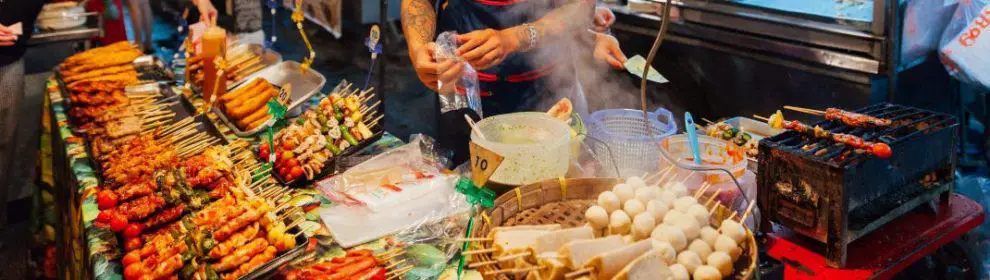
Food areas around Chiang Mai Gate and Chang Phueak Gate suit informal evening meals. The Night Bazaar district on Chang Khlan Road combines shopping and dining, while Saturday Wualai and Sunday Walking Street offer weekly market outings. Choose one area for the evening instead of travelling between several places for individual snacks.
Choose somewhere you can sit comfortably if you want a full meal rather than a succession of snacks. Browse menus, portions and prices, then order gradually. In busy pedestrian areas, agree on a meeting place and arrange a vehicle pickup outside the restricted streets.
Nimman Coffee and Cooking Classes
Nimman offers speciality coffee, bakeries, brunch and contemporary restaurants. A slower cafe morning or afternoon break provides a change from market meals, usually with a different menu and price level. Leave another meal for northern dishes rather than making every food stop a familiar international cafe order.
Choose a cooking class based on the menu and how much hands-on cooking it offers. A general Thai course and one focused on northern specialities teach different dishes. A market component and hotel transport affect the day’s length, while class size determines how individual the experience feels. Arrange dietary needs before paying and leave room for the meal you prepare.
Dietary Needs and Food Handling
Vegetarian and vegan venues provide useful choices, but check stock, fish sauce, shrimp paste, egg and garnishes when ordering elsewhere. Explain allergies separately from a preference to avoid an ingredient. A translated explanation can help communication, but cannot establish that a stall can prevent cross-contact through shared utensils, pans or prepared sauces.
Look for food cooked thoroughly and served hot, or kept properly chilled when required. A busy stall does not, by itself, ensure safe handling. Clean your hands before eating, choose safe drinking water and use care with food left unrefrigerated in the heat. If a vendor cannot explain ingredients or accommodate a serious allergy, choose another option.
A Food Plan That Leaves Room to Enjoy It
On one day, browse Warorot in the morning, have a noodle lunch nearby or along your sightseeing route, then choose one evening food area. On another, make a cooking class the main meal or share a northern spread at a restaurant—fit coffee, sweets and extra tastings around appetite rather than booking several large meals back to back.
Chiang Mai Food Guide FAQs
What food is Chiang Mai famous for?
Start with khao soi, sai ua herb sausage and northern chilli dips: a noodle lunch and a shared spread with sticky rice offer different flavours and textures. Describe dietary requirements when ordering, since broths and pastes can contain ingredients beyond the visible meat.
Where should I eat street food?
Chiang Mai Gate and Chang Phueak Gate offer evening food areas, while Warorot suits daytime food shopping and prepared foods. Weekly walking streets add snacks and browsing. Choose based on the actual menu, ingredients, and food handling rather than a stall’s popularity alone.
Is Chiang Mai good for vegetarians?
Vegetarian and vegan venues offer useful choices. Elsewhere, explain whether you avoid fish sauce, shrimp paste, stock, eggs and garnishes as well as visible meat. Serious allergies need a separate discussion about ingredients and cross-contact before ordering.
Are food tours worthwhile?
A tour can add context to unfamiliar dishes and help with ordering. Choose tastings and walking suited to your appetite and group, with dietary arrangements settled before booking. A route offering something beyond a market you already plan to visit will add more to the trip.
Should I take a cooking class?
A class suits visitors who want to understand ingredients and cook, not just taste. Choose a menu focused on northern dishes if that interests you, and allow time for the market visit and hotel transfers. Arrange dietary needs and keep space in the day for the meal you make.







Do You Have a Question to Ask?