




















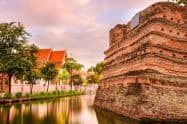










Chiang Mai is easier to enjoy with a suitable hotel, booked transport and a few selected visits than with a long walking circuit. Modern buildings and some visitor facilities provide useful access, while older streets, moat crossings and temple thresholds can interrupt a short journey. Choose the parts of the city you want to experience and plan around your equipment and preferred pace.
A central temple visit, a meal, and time back at the hotel can make for a satisfying day. A mountain temple or large garden needs more travel and a different assessment of paths and transport. Keep these as separate outings rather than trying to combine the whole city and countryside into one circuit.
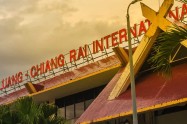
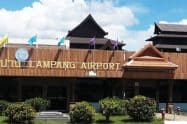
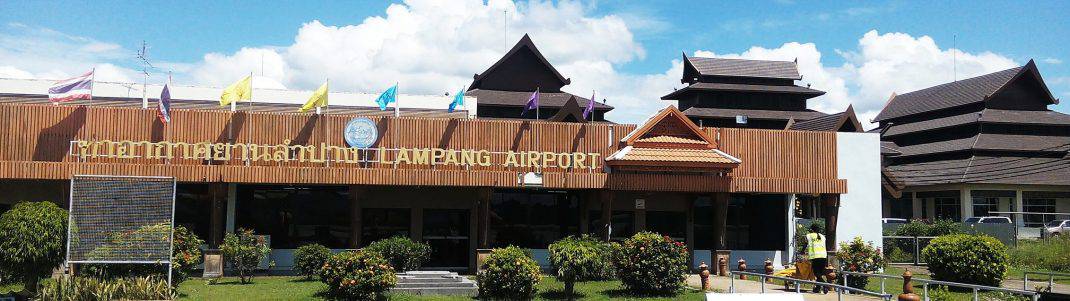
Arriving at Chiang Mai Airport
The airport provides wheelchair assistance through airline counters and service points, covering terminal movement and help with boarding, disembarking and baggage collection. Arrange the assistance with your airline before travel so the booking reflects where you need support. Give your onward driver the meeting point where that assistance ends.
If bringing a powered chair, send the operating airline its dimensions, weight and battery information. Equipment carriage and airport assistance are different arrangements. Keep the handling instructions and return-flight assistance details with the booking, allowing time for the agreed process on departure day.
Vehicles and Hotel Choice
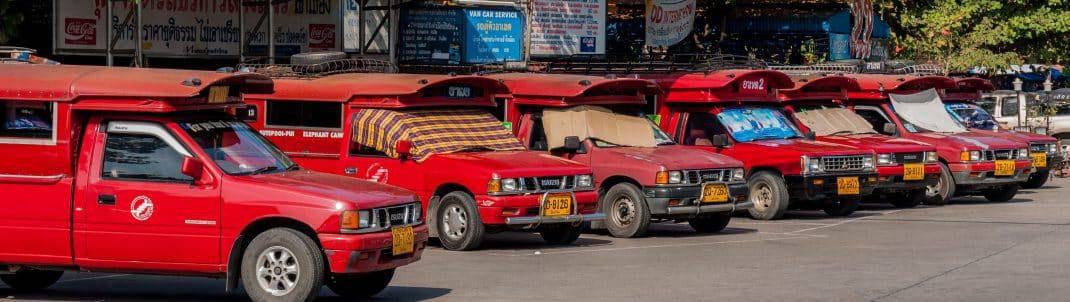
The first transport decision is whether you transfer into a vehicle seat or remain in your chair. A folding chair in a car boot needs a different booking from a ramp- or lift-equipped vehicle with wheelchair securement. Reserve the required vehicle for both directions, and provide equipment dimensions, luggage, and any waiting time. Red songthaews generally have high steps and bench seats, making them a poor choice when climbing or transferring is difficult.
For accommodation, request photographs and measurements of the room category you will use: entrance thresholds, lift and door clearance, turning space, bed access and the bathroom layout. Shower entry, toilet transfer space, grab rails and seating deserve particular attention. Obtain written confirmation of essential features before paying, including the route to breakfast and any equipment delivery.
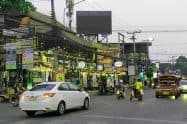
A hotel near Nimman or the Old City can put preferred restaurants and pickup points close by, but the last few hundred metres still matter. Narrow footpaths, obstructions and missing kerb ramps can make a direct vehicle easier than wheeling along a busy street. Choose accommodation with manageable meals and vehicle access rather than expecting the entire surrounding neighbourhood to have continuous accessible paving.
Choosing Temple Visits
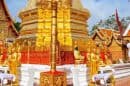
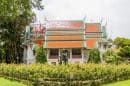
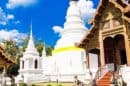
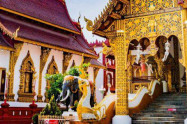
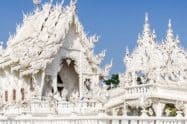
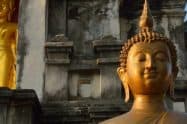
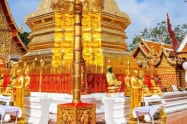
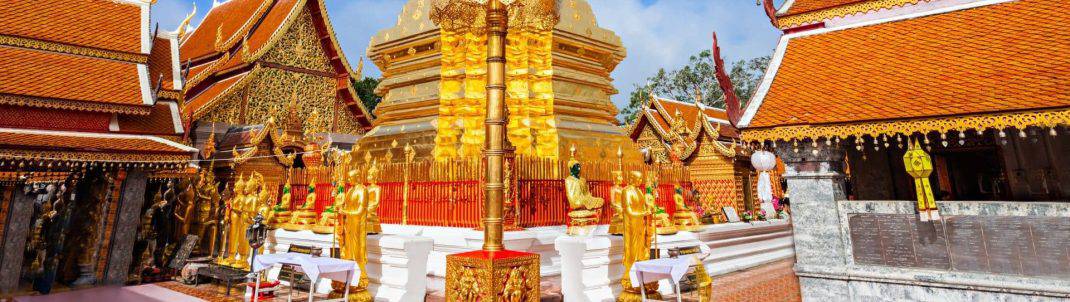
Wat Phra Singh and Wat Chedi Luang offer central visits where the compounds, architecture and everyday worship can be the focus. Access to a particular hall can involve thresholds, uneven paving and footwear rules. Decide which public areas you want to see, then use a suitable entrance and drop-off rather than assuming every shrine is reached in the same way.
Doi Suthep is a separate mountain outing with a winding approach and a long staircase. A central temple visit can provide a shorter cultural outing when the mountain drive or climb would make the day too demanding.
Gardens, Indoor Stops and Toilets
Royal Park Rajapruek and Queen Sirikit Botanic Garden offer different countryside settings from the Old City. Choose one section or experience rather than expecting to cover every garden area. Slopes, distances and movement between displays can make the vehicle arrangement as important as the paths themselves; include a meal, toilet and rest stop in the outing.
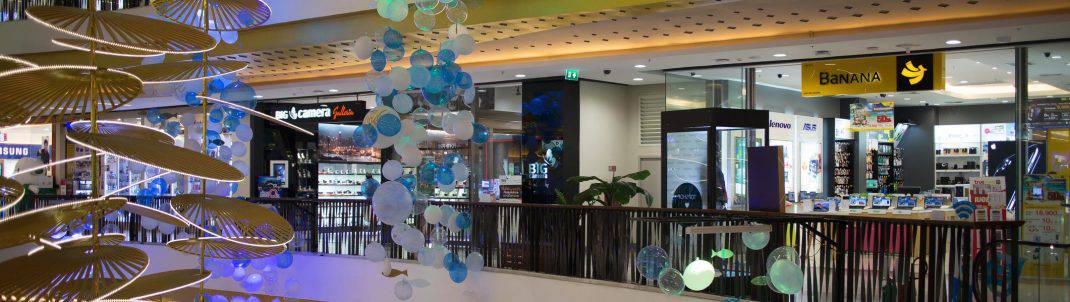
Modern shopping centres can provide an indoor meal or rest stop between outings. Choose a convenient entrance and nearby lift and toilet so the break does not add another long journey through the building.
A Comfortable Day in the City
Start with breakfast at the hotel, then use the booked vehicle for one temple or attraction and a nearby meal. Allow time for boarding, assistance and rest before adding another stop. Keeping the afternoon flexible leaves room for a longer lunch, a return to the hotel or a short indoor outing.
Weather and air quality can change which activity is comfortable. Use current conditions when choosing outdoor activities, and have an indoor alternative that works for you. During smoke haze, a room with cleaner, filtered indoor air is more useful than assuming that any enclosed building reduces exposure.
Keep the room features, vehicle specification, pickup point and provider contact details together. This gives hotel and transport staff a clear plan to follow, and makes it easier to replace one unsuitable part of the day without starting again.
Accessible Chiang Mai FAQs
Is Chiang Mai wheelchair friendly?
Access is uneven, especially on older footpaths and at historic sites. A suitable hotel, booked vehicle and selected attraction visits can make a workable holiday. Focus on a few experiences with manageable entrances, and rest stops rather than relying on continuous accessible pavements across the Old City.
Is the airport accessible?
Chiang Mai Airport provides wheelchair assistance through airline counters and service points. Arrange your boarding, terminal, and baggage needs with the airline before travel, and agree on where the onward driver will meet you. A powered chair also needs the operating airline’s equipment and battery approval.
Are songthaews wheelchair accessible?
Ordinary red songthaews generally have high steps and bench seating. They are unsuitable for many visitors who cannot climb or transfer, and a wheelchair space with securement is not part of a standard booking. Choose a vehicle that fits your needs, including the return journey.
Are temples accessible?
Access differs between the compound and individual halls. Consider Wat Phra Singh or Wat Chedi Luang for a central visit focused on suitable public areas, with the entrance and drop-off arranged first. Doi Suthep involves a mountain drive and a long staircase; a central temple is a shorter option if those demands don’t suit you.
Where should I stay?
Choose the actual room, bathroom, entrance and vehicle pickup rather than a neighbourhood label. A modern hotel near your preferred Old City or Nimman restaurants can reduce travel, as long as the final approach works. Photographs and measurements help establish the room layout and route to meals before booking.




Do You Have a Question to Ask?