


















































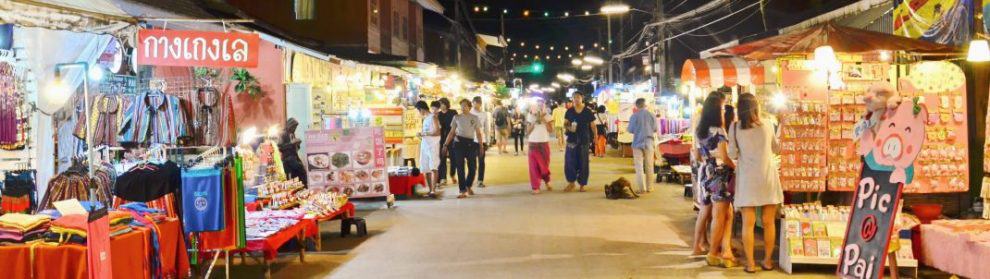
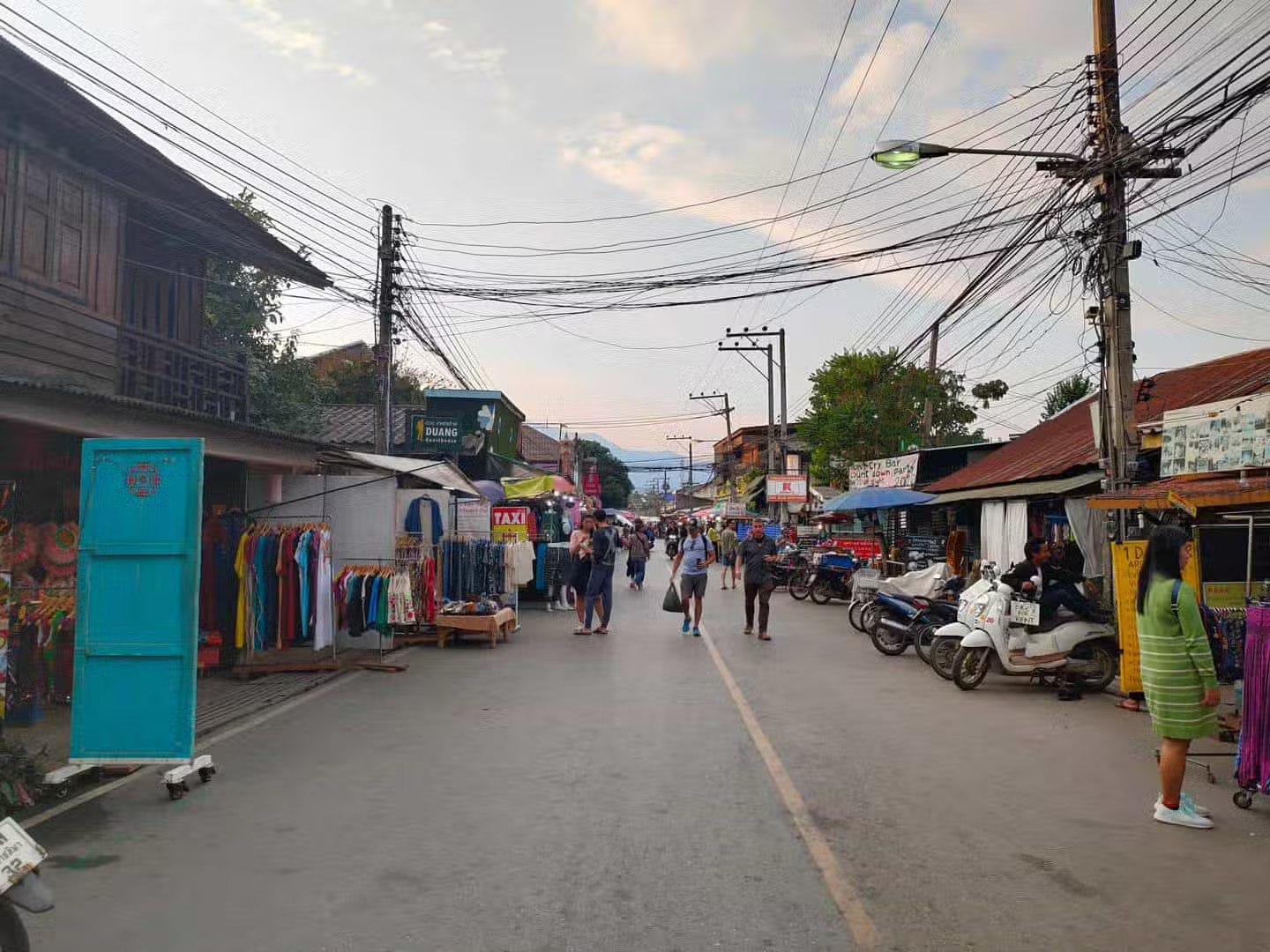
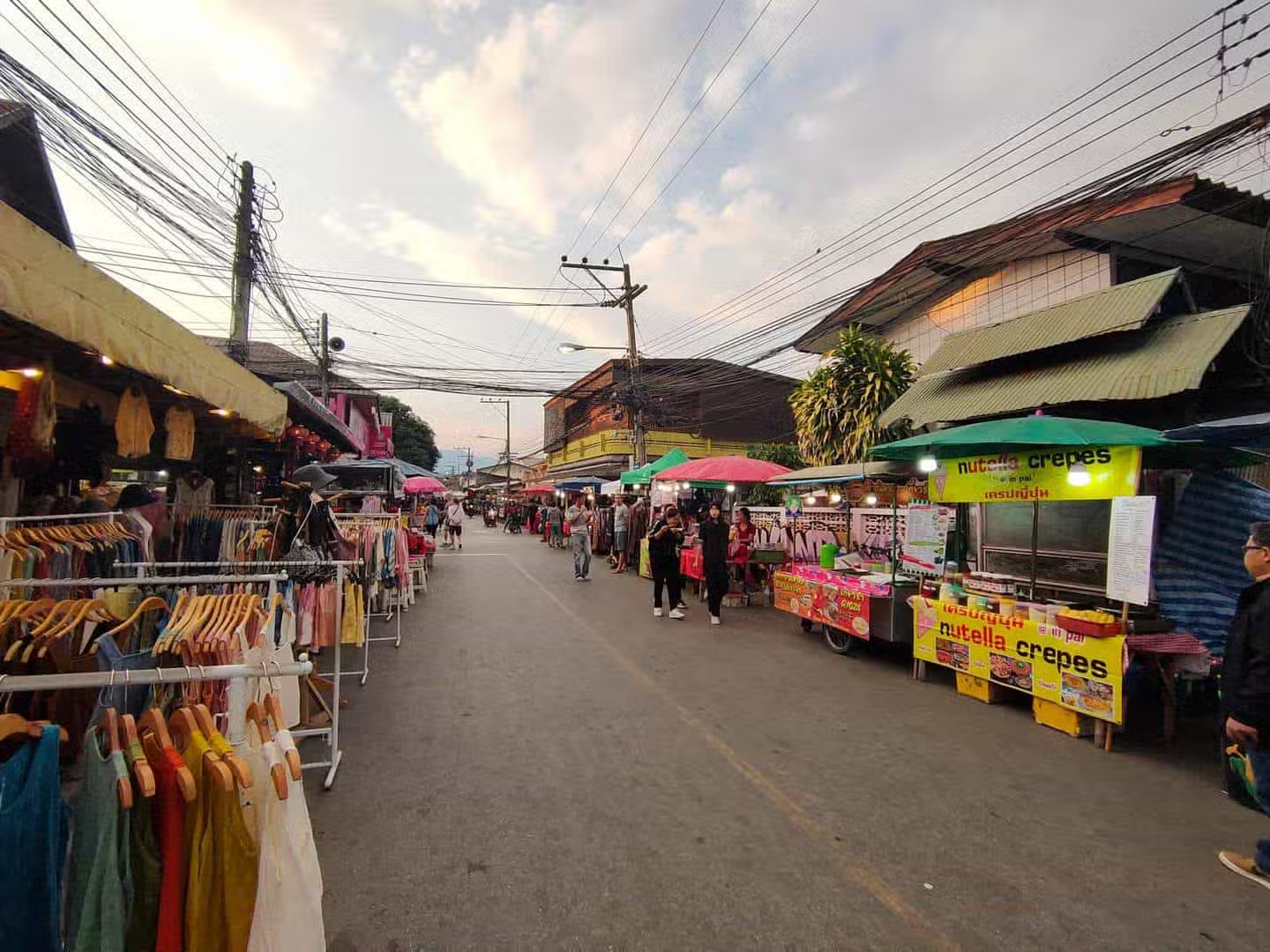
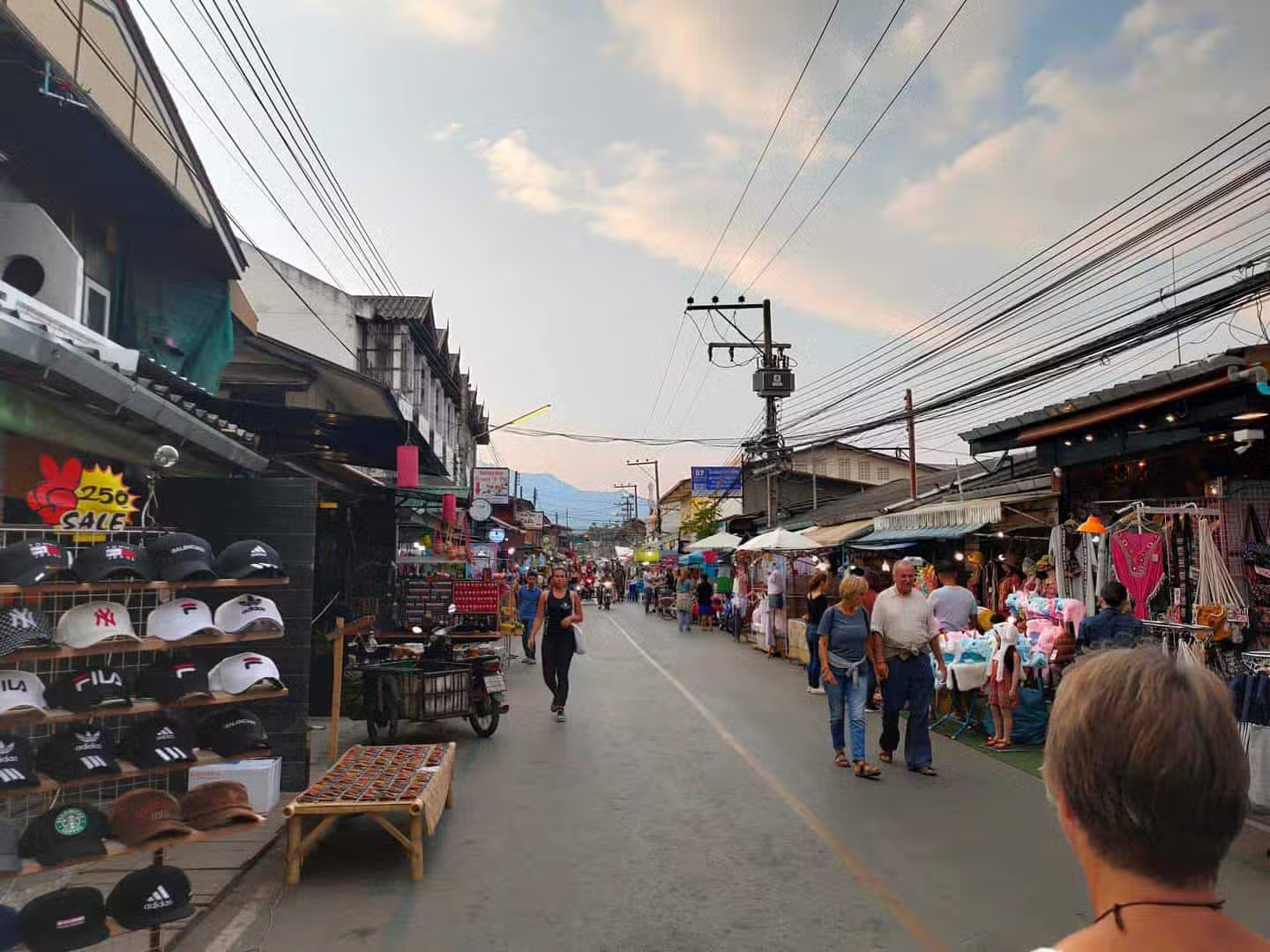
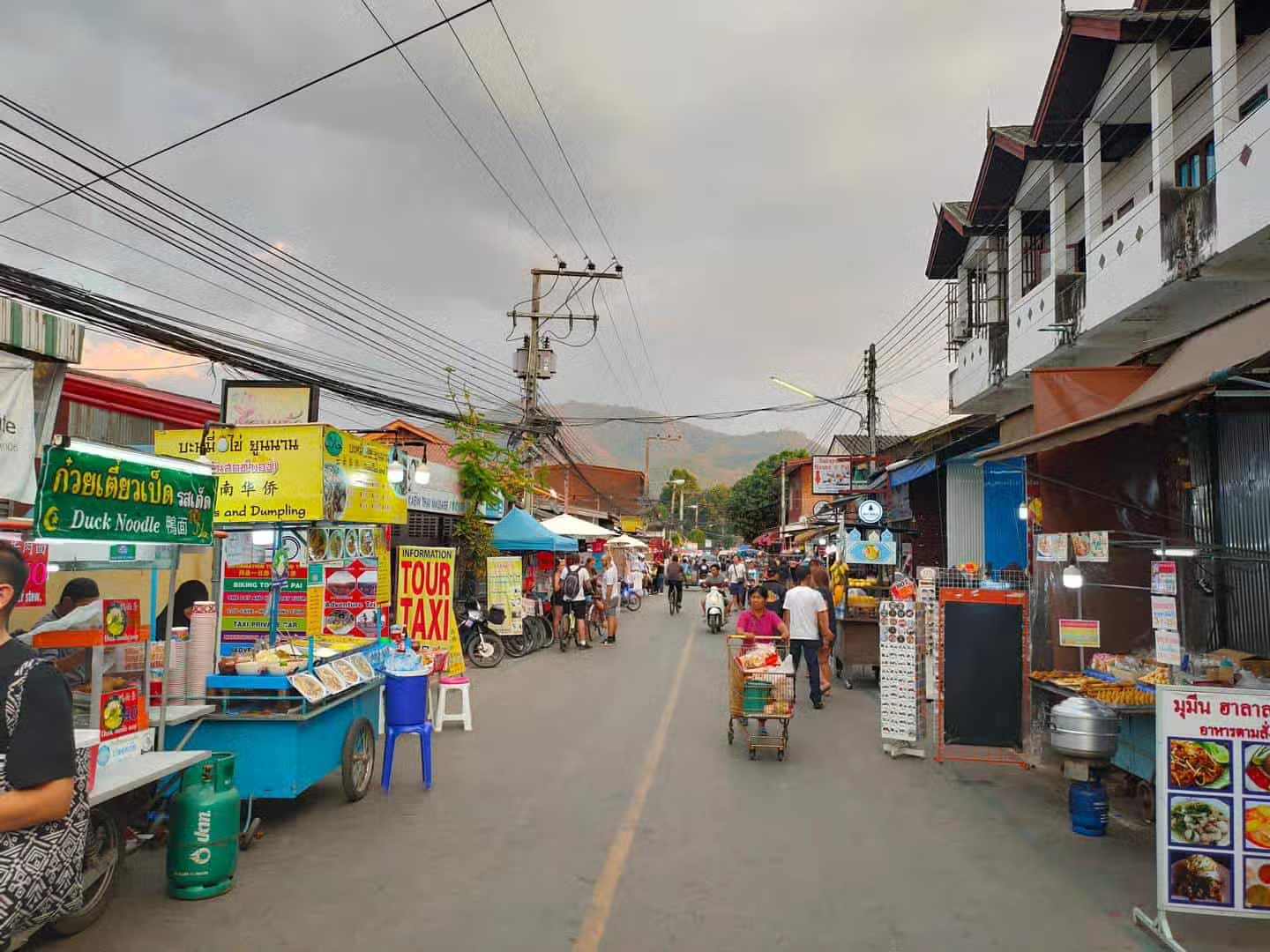
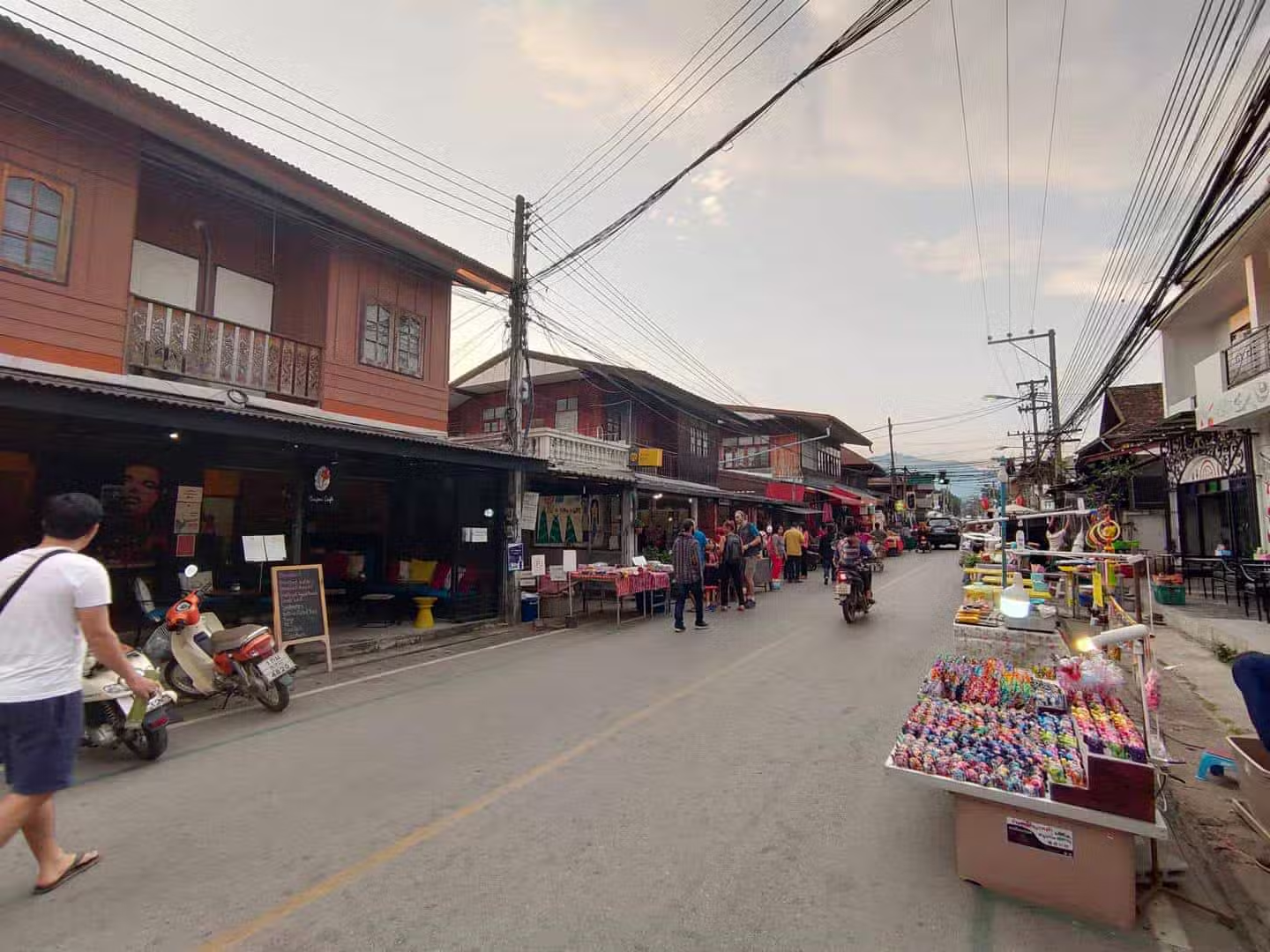
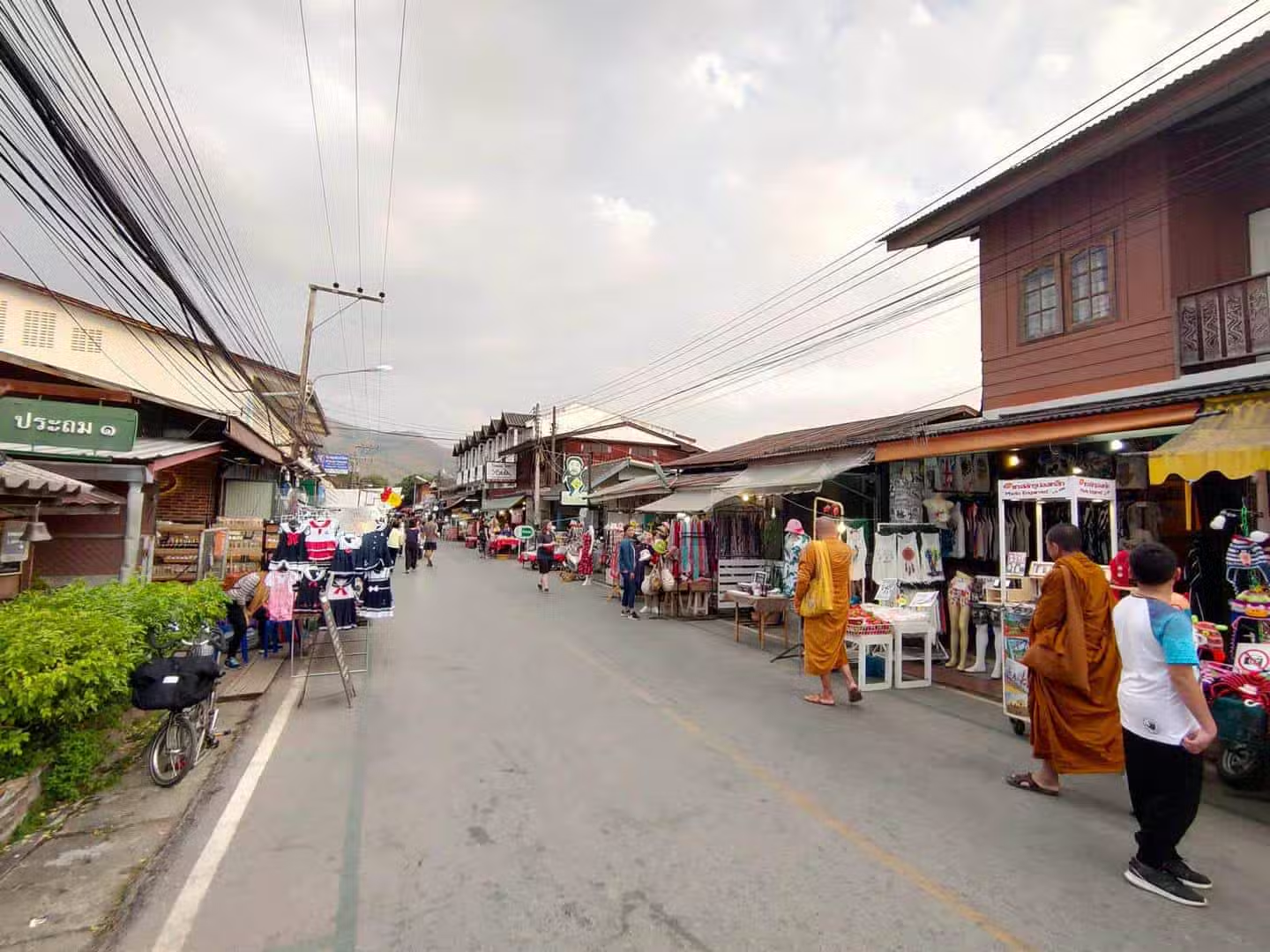
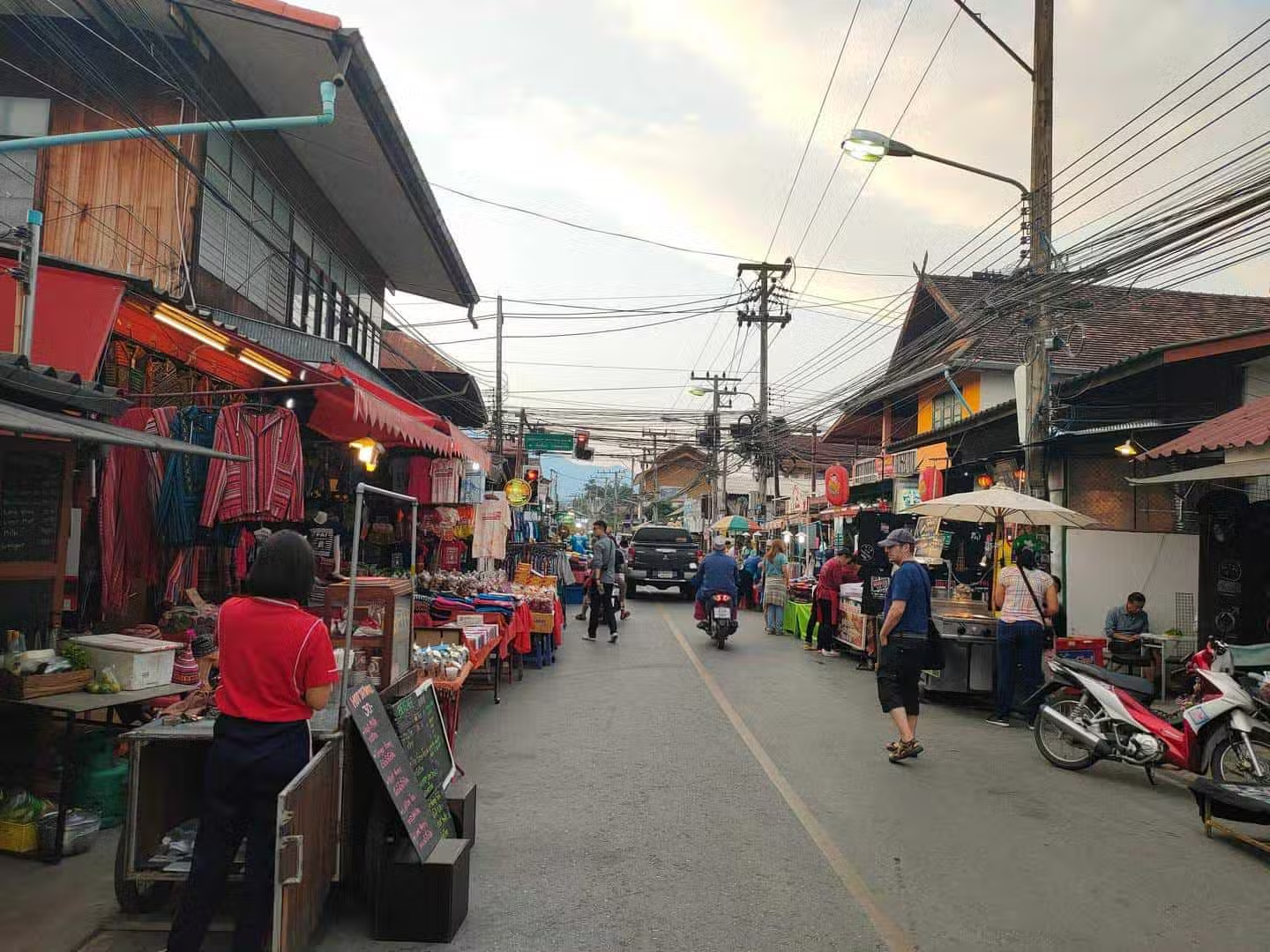
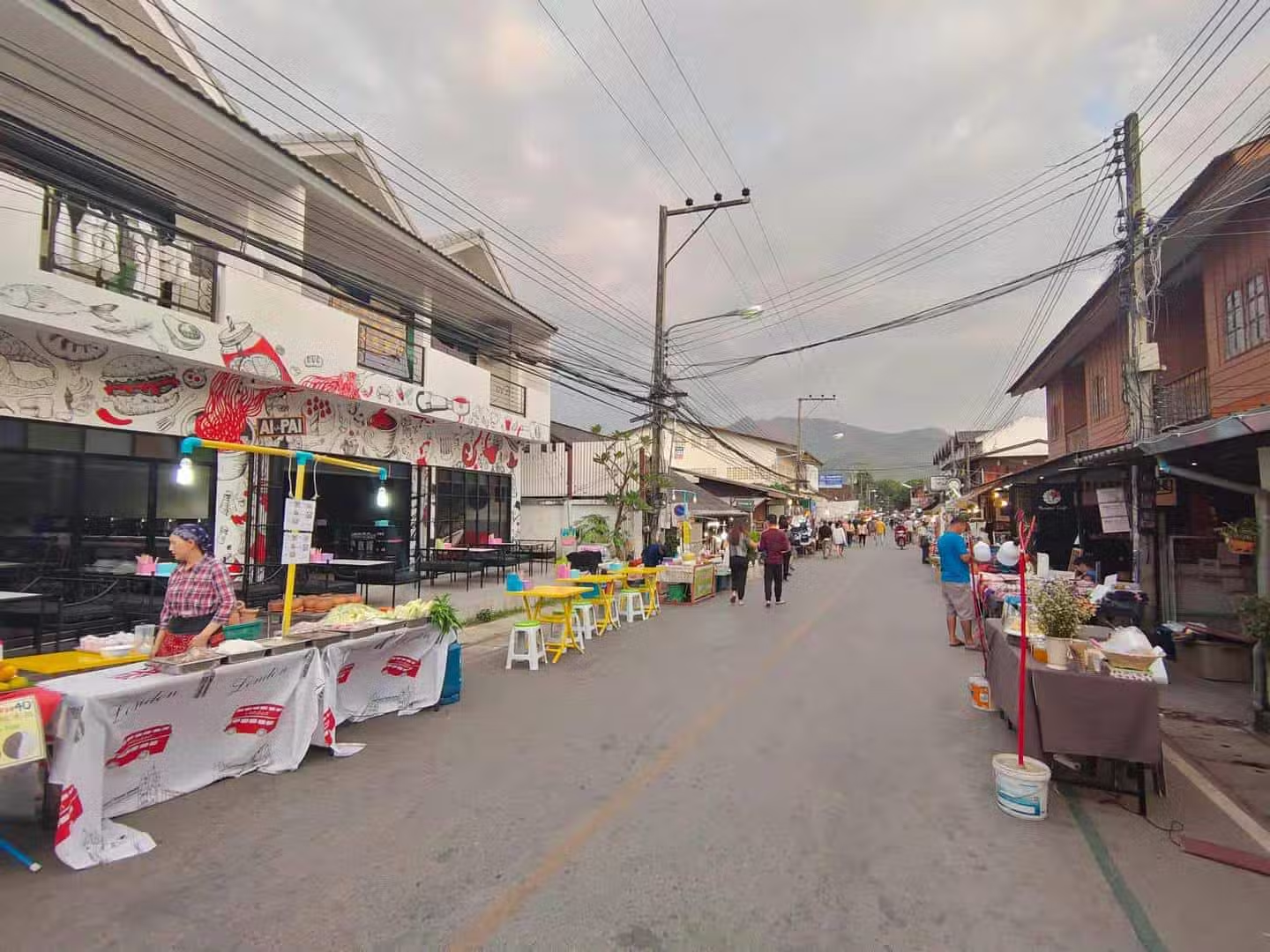
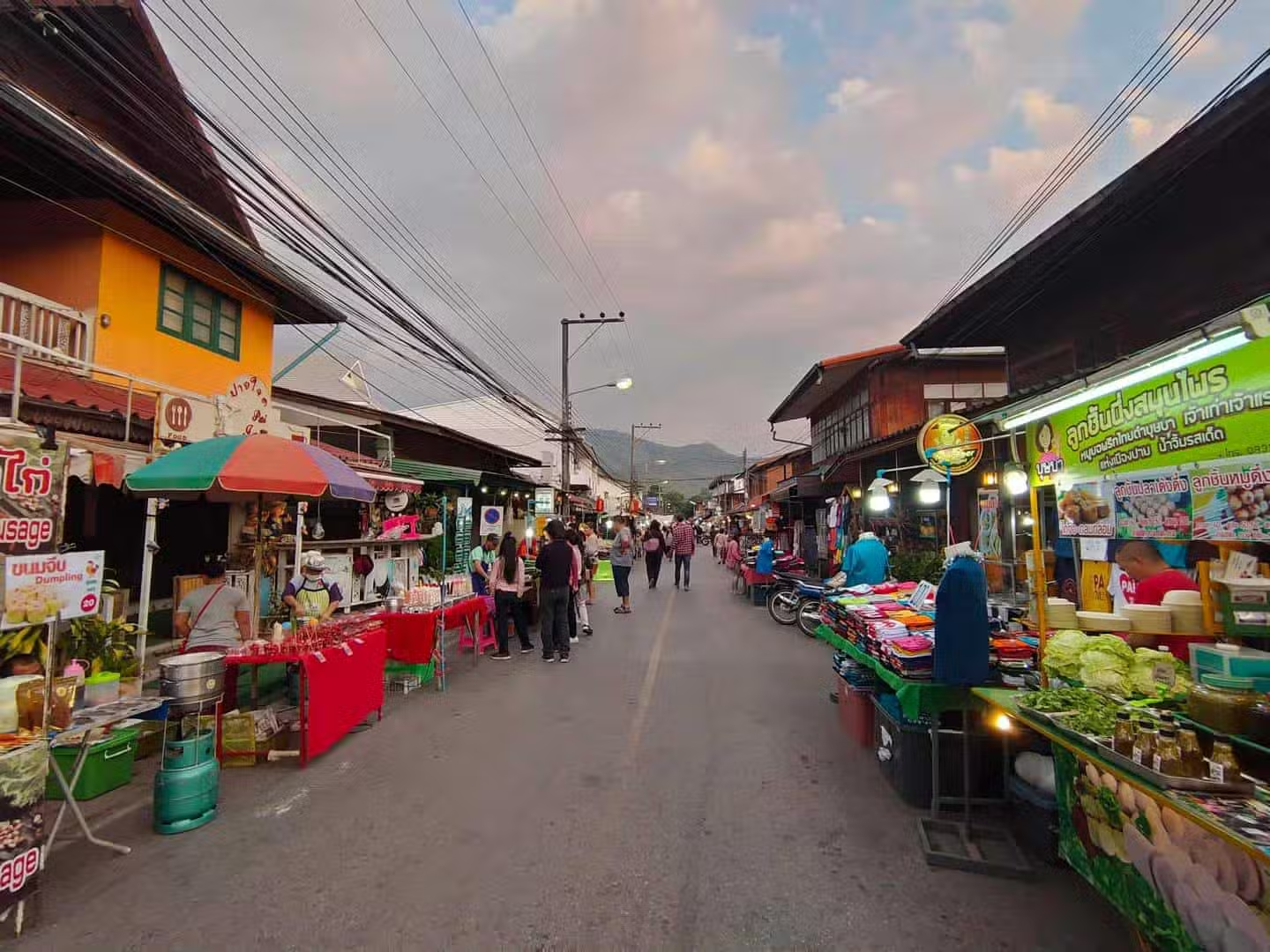
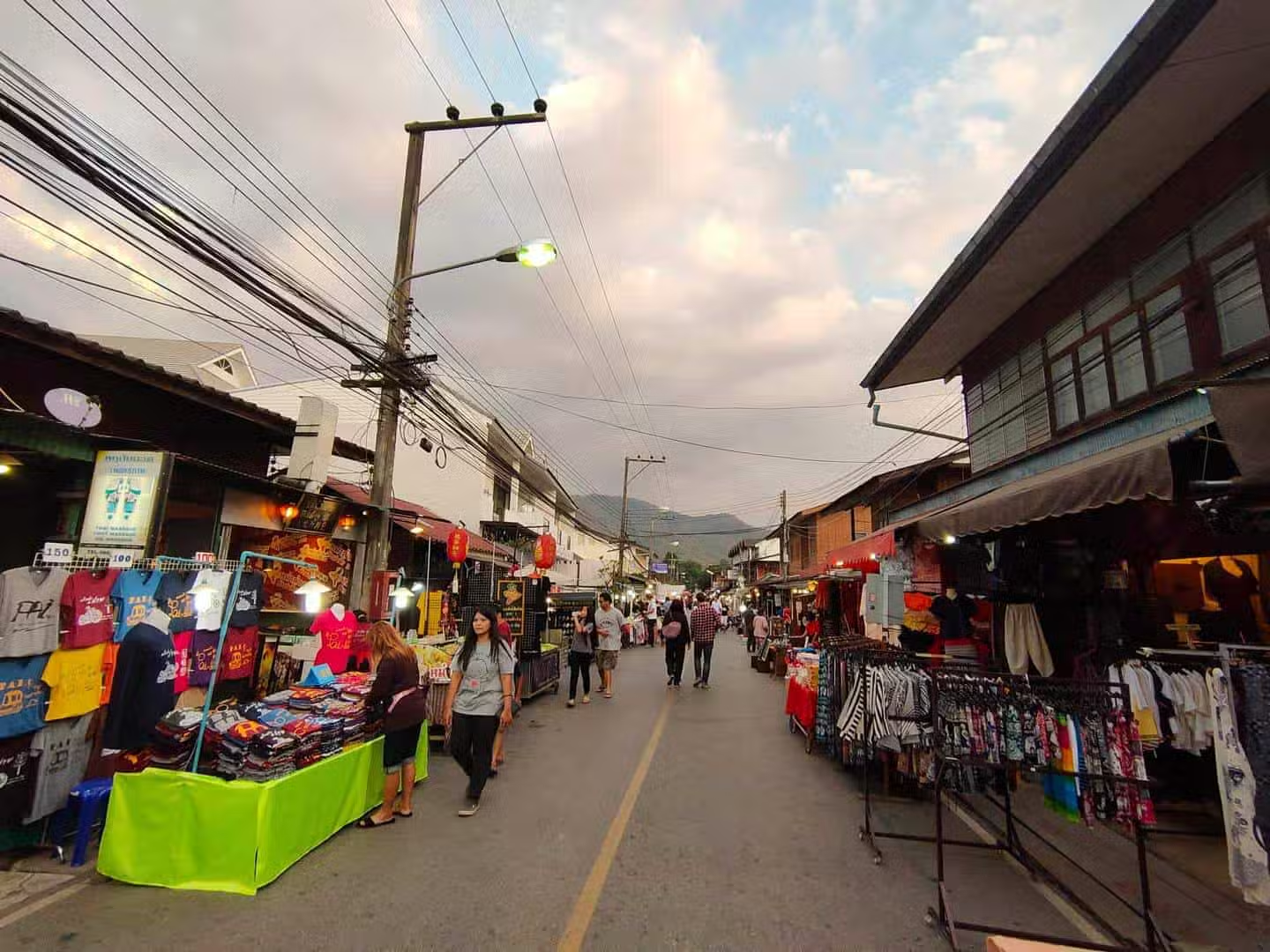
Pai Walking Street is the centre of Pai’s evening activity, bringing food stalls, handicrafts, clothing, drinks and live music to the streets of this small mountain town. The market operates in central Pai in Mae Hong Son Province and is within easy walking distance of many guesthouses, restaurants and the local bus station.
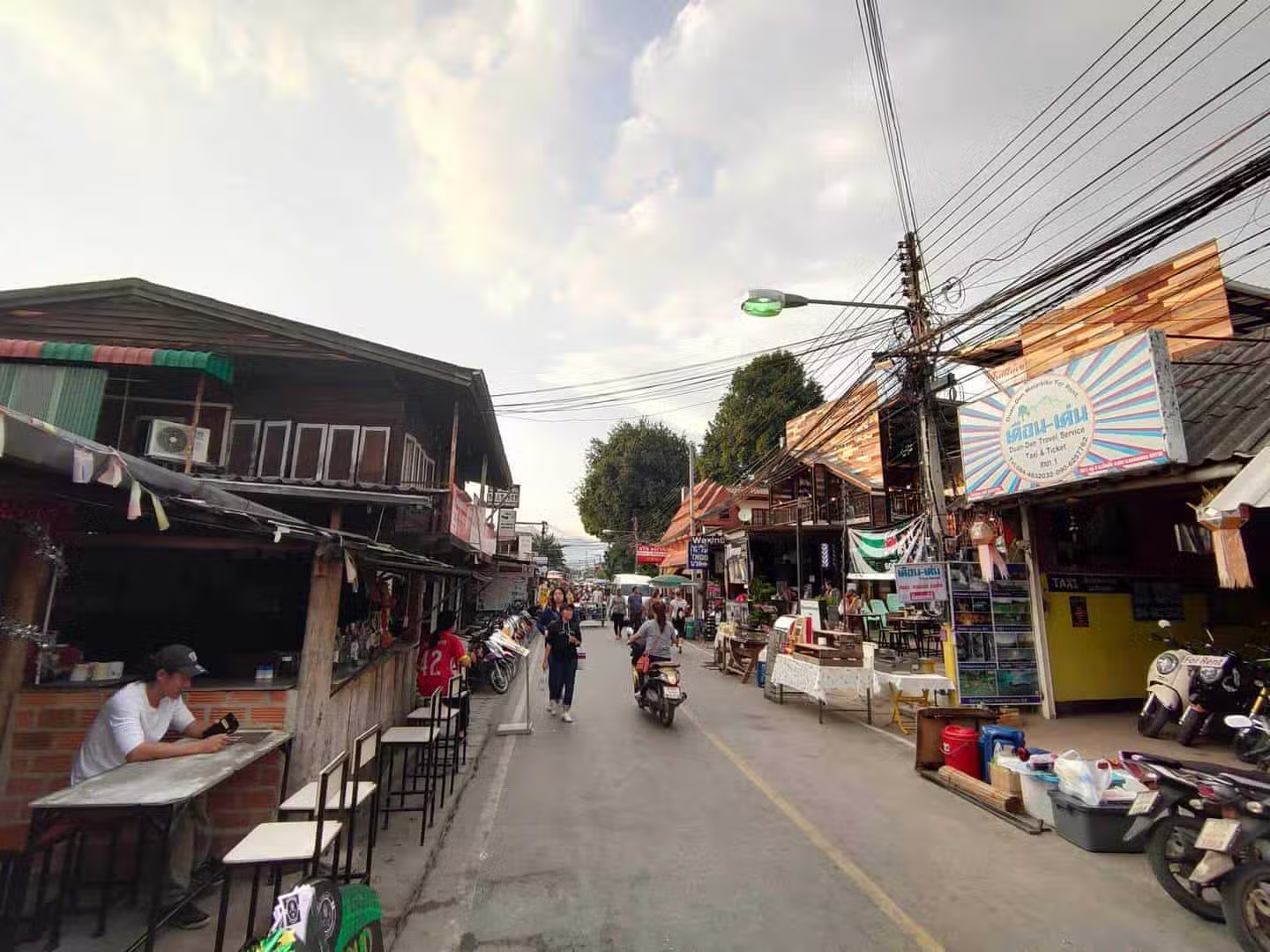
Rather than being a separate market complex, Pai Walking Street takes over part of the existing town centre each evening. Permanent shops, cafes and bars remain open while temporary vendors set up along the streets, creating a lively but relaxed night-market atmosphere.
Entry is free, and most visitors spend around one to two hours eating, shopping and exploring. Those staying in central Pai often return on several evenings rather than trying everything in one visit.
Where Is Pai Walking Street?
The market runs through central Wiang Tai, primarily around Chai Songkhram Road and Rungsiyanon Road near Pai Bus Station. Its exact footprint can change slightly depending on the season, vendor numbers, and local events.
Pai’s town centre is compact, so the market is easy to find. From the bus station, restaurants and most central accommodation are nearby; walk toward Chai Songkhram Road as stalls begin opening in the late afternoon.
The market area sees regular traffic during the day. In the evening, its busiest sections become pedestrian-oriented, although motorcycles and other vehicles may still appear around side streets and market access points.
Opening Hours and Best Time to Visit
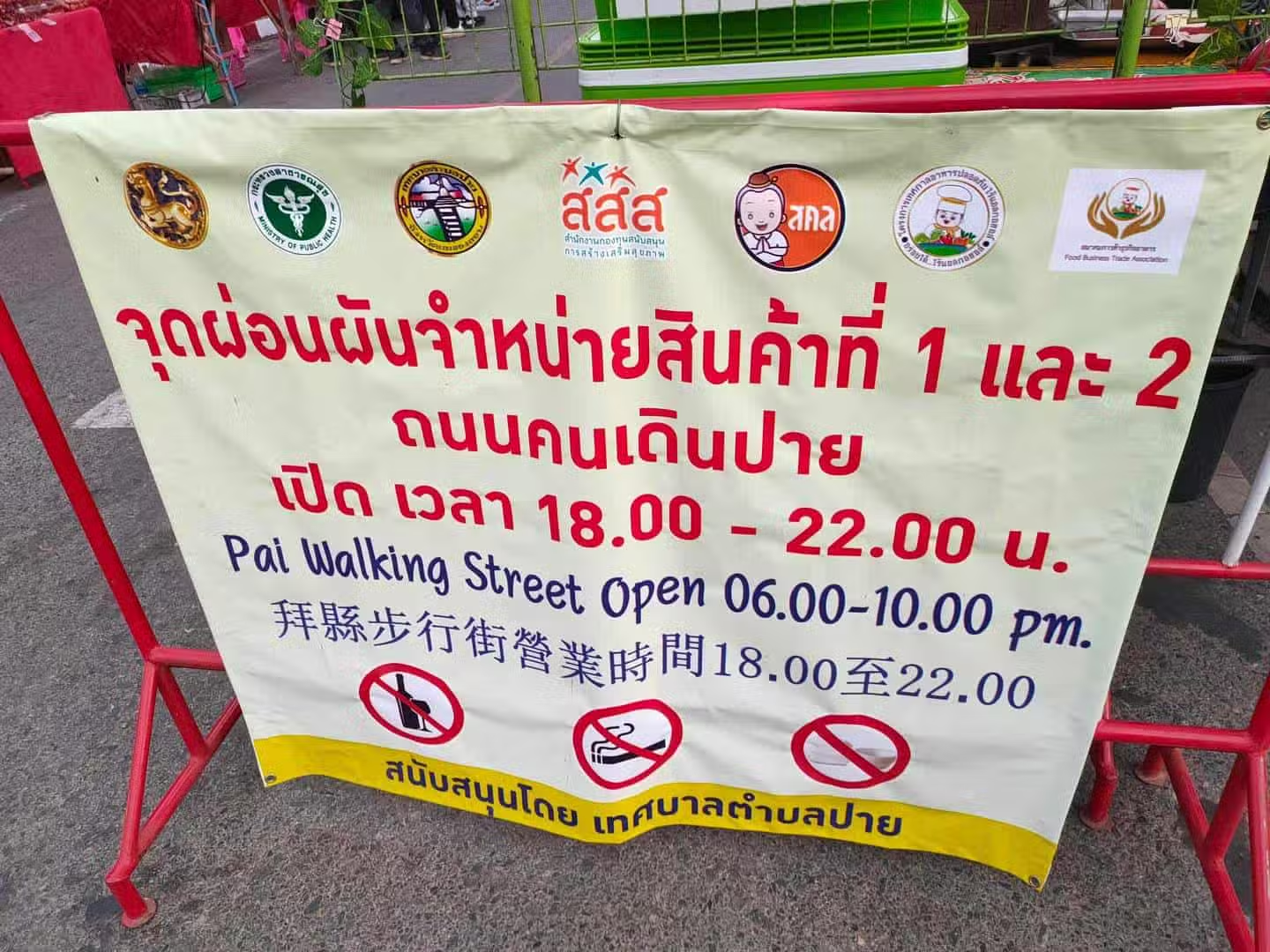
Pai Walking Street is an evening market, with vendors generally beginning to set up from around 4pm or 5pm. Aim for about 6pm-9pm for dinner and browsing, with many stalls finishing around 10pm. Check locally which evenings have the fuller market during the quieter season.
There is no single entrance or closing gate. Individual stalls may open later or pack up earlier depending on customer numbers, weather and whether their food has sold out.
The best time to visit is generally between 6pm and 9pm. Arriving near 6pm provides a good selection with slightly more room to move, while the market becomes busier and more atmospheric later in the evening.
The largest number of stalls usually operates during Pai’s cooler high season, particularly from November to February. During the wetter low season, the number of stalls and trading nights can change, and rain can cause an earlier finish. Ask your accommodation about the current evening arrangements if the market is a main reason for your trip.
Cool-season evenings in Pai can be noticeably colder than in Chiang Mai or Thailand’s southern regions. A light jacket can be useful during December and January.
Street Food and Drinks
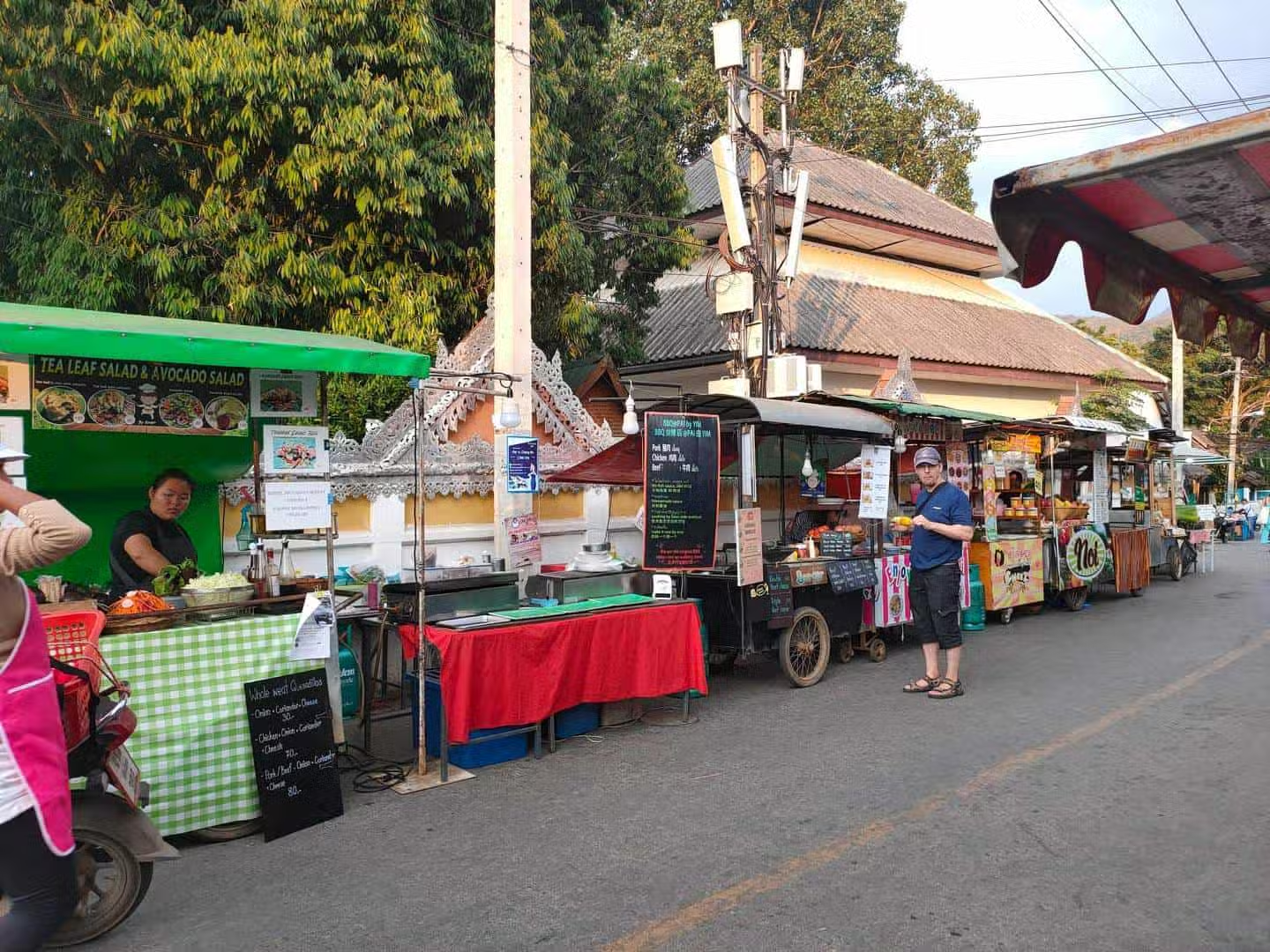
Food is one of the main reasons to visit Pai Walking Street. Many visitors create their own dinner by buying several small dishes rather than choosing a single sit-down restaurant.
The selection changes from one evening to another but can include grilled meats, northern Thai sausage, noodles, dumplings, sticky rice, roti, pancakes, fruit, desserts, fresh juices and smoothies. Regional snacks and dishes influenced by northern Thai food traditions and neighbouring Myanmar may also appear.
Pai has a large international travel community, and the market reflects this. Alongside Thai food, vendors may sell Indian, Middle Eastern, Mexican-style and European dishes, as well as burgers, baked goods and other familiar options.
Vegetarian and vegan food is widely available compared with many smaller Thai towns. Visitors with strict dietary requirements should still ask about fish sauce, shrimp paste, oyster sauce and cooking oils because a dish that appears meat-free may contain animal products.
Food prices are generally displayed and fixed. Carry smaller Thai-baht notes, as vendors may struggle to make change for large denominations during busy periods.
Fresh juices, smoothies, Thai tea, coffee and soft drinks are commonly available. Bars and cafes along the surrounding streets offer more places to sit, have a drink, or continue the evening after the market stalls begin closing.
Handicrafts, Clothing and Souvenirs
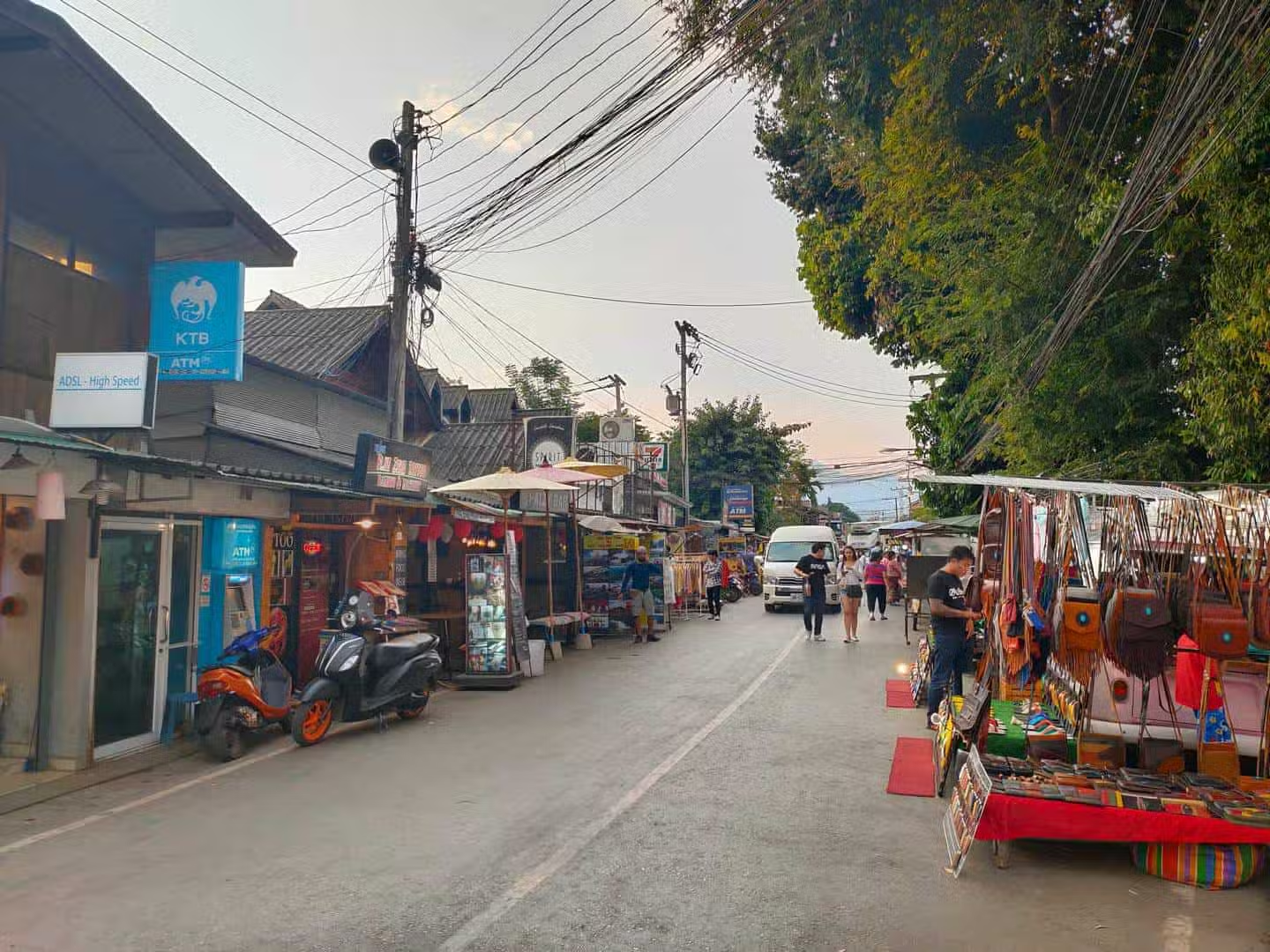
Shopping includes jewellery, woven bags, clothing, artwork, postcards, leather goods and small souvenirs. Pai-based artists and craftspeople make some products, while others are standard items found in tourist markets across Thailand.
Visitors seeking locally made products should ask the seller where and how an item was produced. Small independent stalls can be a good place to find artwork, handmade accessories and gifts that differ from mass-produced souvenirs.
Food prices are usually fixed. Limited bargaining may be possible for clothing and other goods, but it should remain friendly and reasonable. Respect a clearly displayed fixed price.
Cash and Payments
Cash remains the most reliable payment method at Pai Walking Street. Thai QR payments are common among local customers, but international banking applications may not work with every system.
ATMs are available in central Pai. Withdraw cash before the market gets busy, and carry smaller notes for food stalls and inexpensive purchases.
Keep money and valuables secure in crowded areas. Pai Walking Street is generally relaxed, but ordinary precautions remain sensible wherever visitors gather closely.
Live Music and Evening Atmosphere
Buskers, acoustic performers and musicians contribute to Pai Walking Street’s atmosphere. Performances vary each evening, and no fixed entertainment programme covers the entire market.
Music also comes from the permanent bars and cafes surrounding the market. This makes the area convenient for visitors who want dinner, shopping and nightlife within the same compact part of town.
Accommodation directly beside the market can experience noise from crowds, music, bars and motorcycles. Travellers seeking quieter evenings may prefer to stay a short walk outside the busiest central streets.
Visiting with Children and Accessibility
Pai Walking Street suits families, with plenty of snacks, desserts, and colourful stalls to interest children. However, adults should watch for hot cooking equipment, uneven surfaces and motorcycles near the edges of the pedestrian area.
Prams can be used, but movement slows during the busiest evening period. Visiting closer to opening time usually provides more space.
Central Pai is relatively flat, but the market is not a purpose-built accessible attraction. Uneven footpaths, kerbs, parked motorcycles, crowded sections and stalls narrowing the route may present difficulties for wheelchair users and people with limited mobility.
An earlier visit provides the easiest conditions. Access to individual shops, bars and restaurants varies, with some premises having steps or narrow entrances.
Getting to Pai Walking Street
Pai Bus Station is located within the central Walking Street area, making the market easy to reach for visitors arriving by minivan from Chiang Mai. Most accommodation in central Pai is also within walking distance.
Visitors staying outside town can arrange a transfer through their accommodation or a local driver, or use a scooter if appropriately licensed and experienced. Scooter parking becomes limited near the market during busy periods, so use a legal space on a nearby street and walk into the central area. Do not park across shop entrances or within pedestrian sections.
Pai is approximately three to four hours by road from Chiang Mai. Minivans are the most common public transport option, while private transfers and self-drive vehicles offer greater flexibility. Route 1095 contains hundreds of bends, so travellers prone to motion sickness should prepare before the journey.
Pai Walking Street FAQs
What time is best for Pai Walking Street?
Aim for around 6pm-9pm, when many food and shopping stalls are trading. Vendors set up at different times in the late afternoon, and individual stalls may finish before or after the commonly listed 10pm close.
Is the full market available every night?
It is commonly described as a nightly market, particularly in the busy cool season, but quieter-season trading nights and vendor numbers can vary. Check with your accommodation locally if you are planning a visit mainly for the market.
Is there an entry fee?
Entry to the market streets is free. Pay individually for meals, drinks and purchases, with transport an additional cost if you are staying outside central Pai.
Where is Pai Walking Street?
It runs through central Wiang Tai around Chai Songkhram Road and Rungsiyanon Road, close to Pai Bus Station. Its precise footprint varies with vendor numbers and local arrangements.
What food can you expect?
Thai dishes, grilled snacks, noodles, roti, desserts and drinks sit alongside international food choices. Menus change by vendor, and vegetarians or anyone with allergies should ask about sauces, stock and shared preparation.
Do you need cash?
Small Thai-baht notes are the most dependable option for food stalls and modest purchases. Some vendors accept electronic payments, but an international card or banking app will not work everywhere.
How long should you allow?
One to two hours suits dinner and an unhurried look through the stalls. Staying nearby lets you return on another evening instead of trying to fit every food and shopping choice into one visit.
Is the market suitable for children and wheelchair users?
Families can enjoy the food and colourful stalls, with supervision near hot cooking equipment and traffic at the edges. Crowds, kerbs and narrow sections can impede wheelchair movement, so choose an earlier visit and check access to individual premises.











Do You Have a Question to Ask?