


















































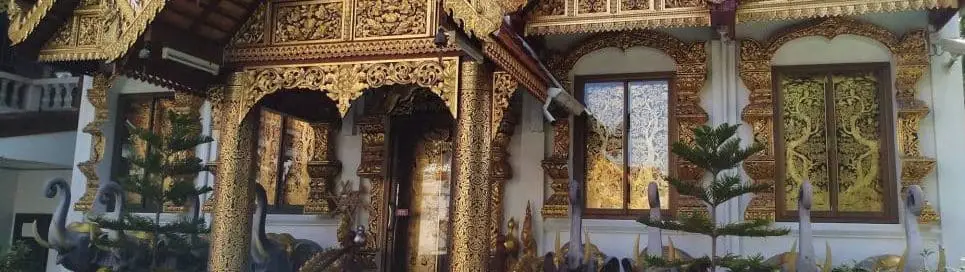
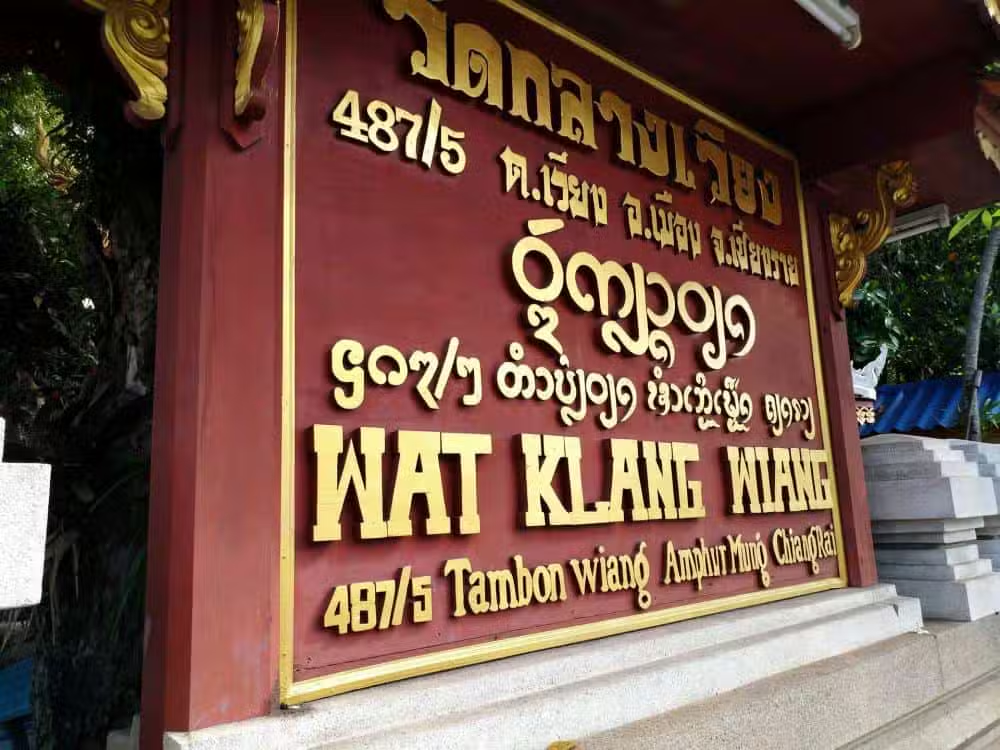
Wat Klang Wiang is a compact, richly decorated Buddhist temple in central Chiang Rai. A white chedi, red-and-gold halls and a city-pillar shrine give visitors several distinct features to explore without making a long journey out of town.
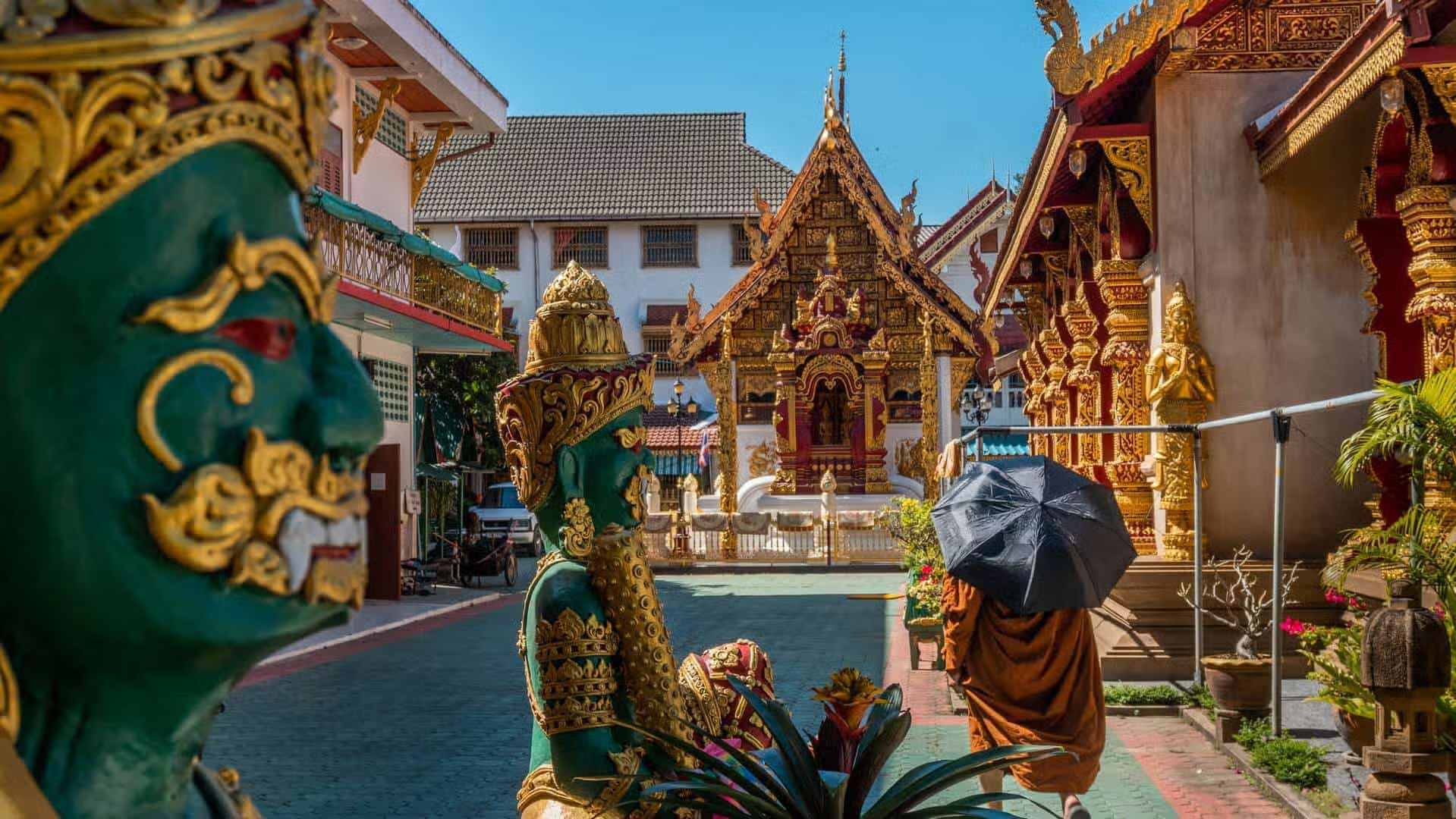
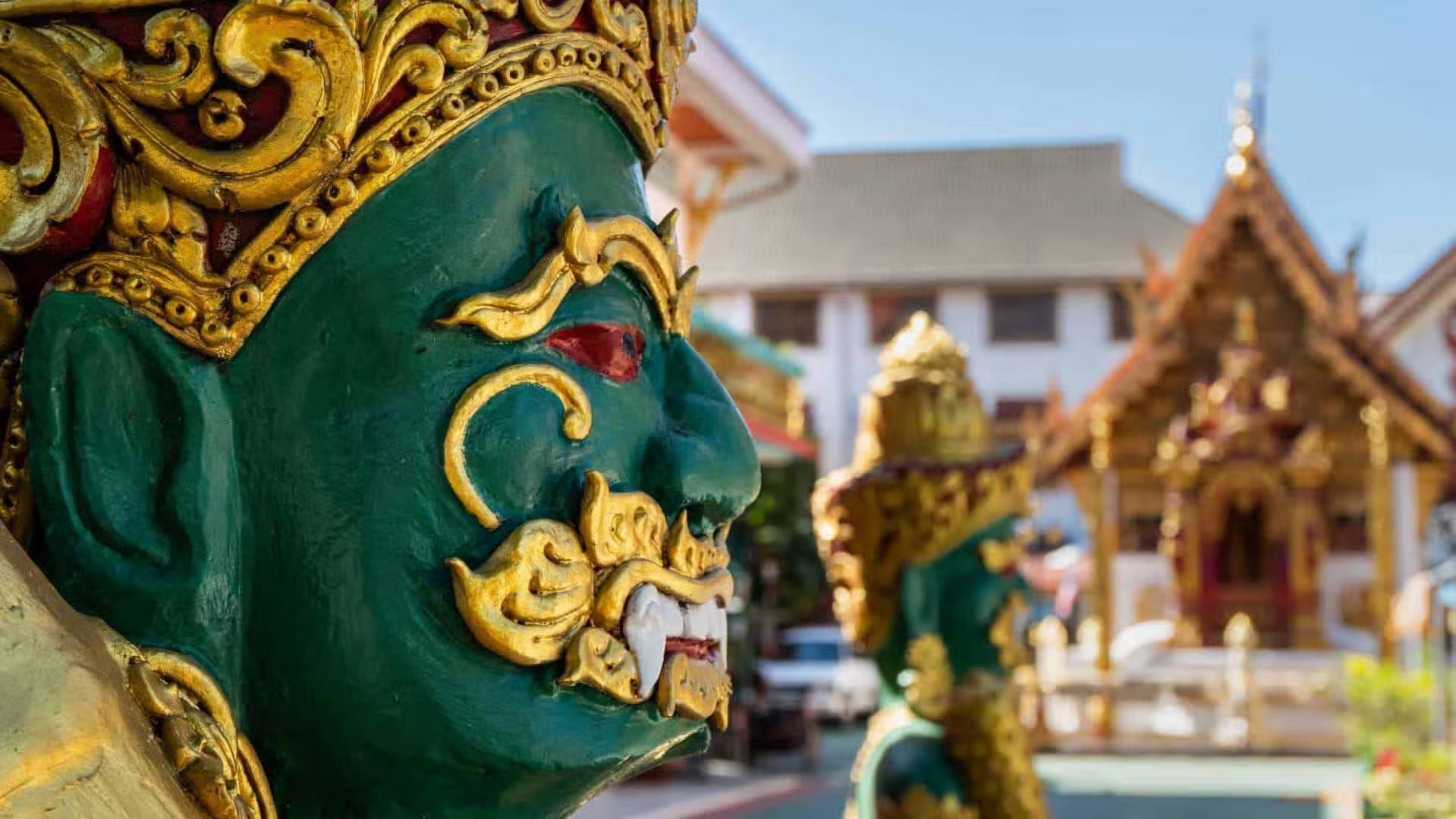
The temple’s appeal lies in close architectural detail: sculpted elephants, naga guardians, gilded patterns and the contrast between its pale chedi and colourful buildings. It is a working religious complex, so the most rewarding visit combines a slow look at those details with respect for worshippers and any closed interiors.
The White Chedi and Decorated Halls
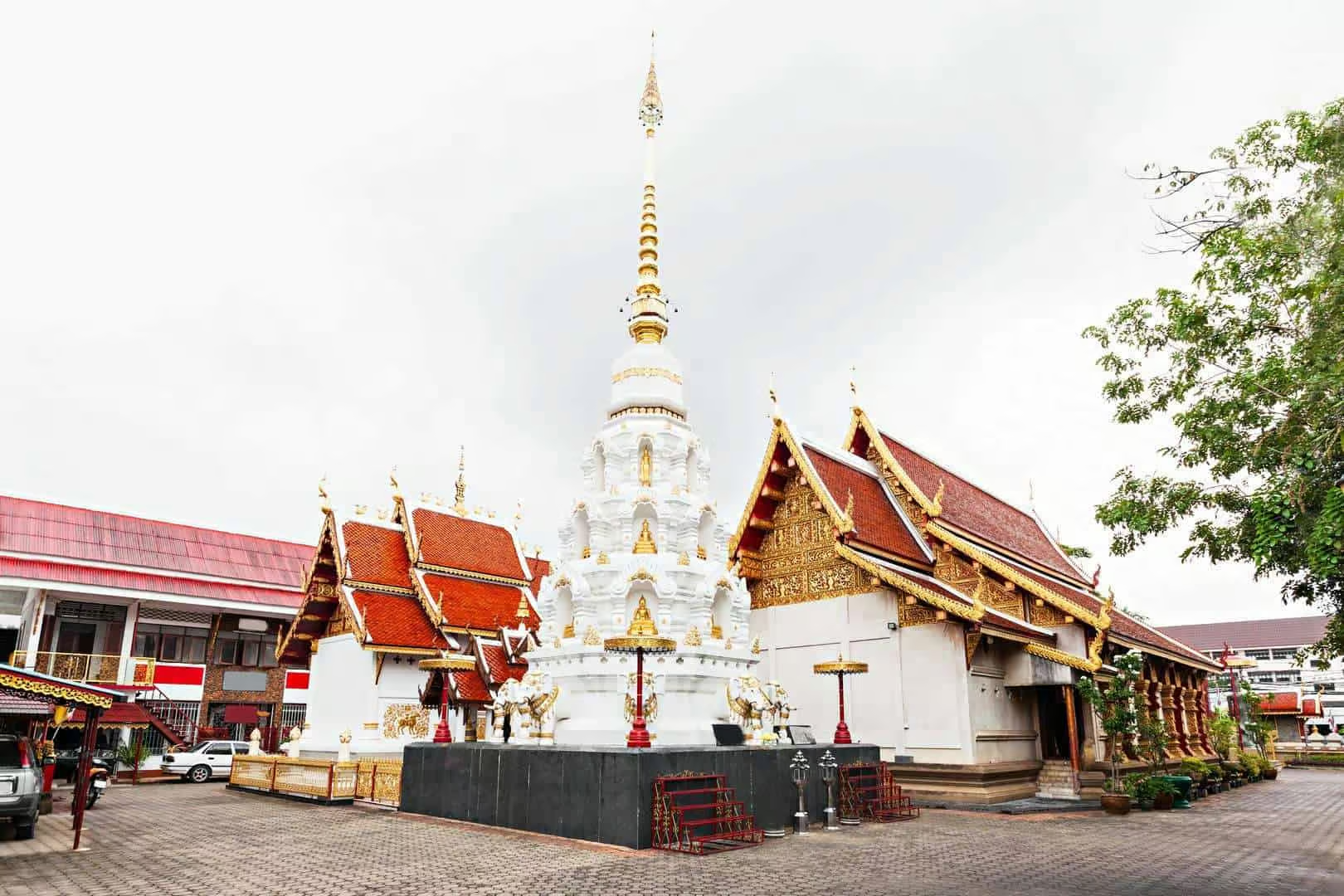
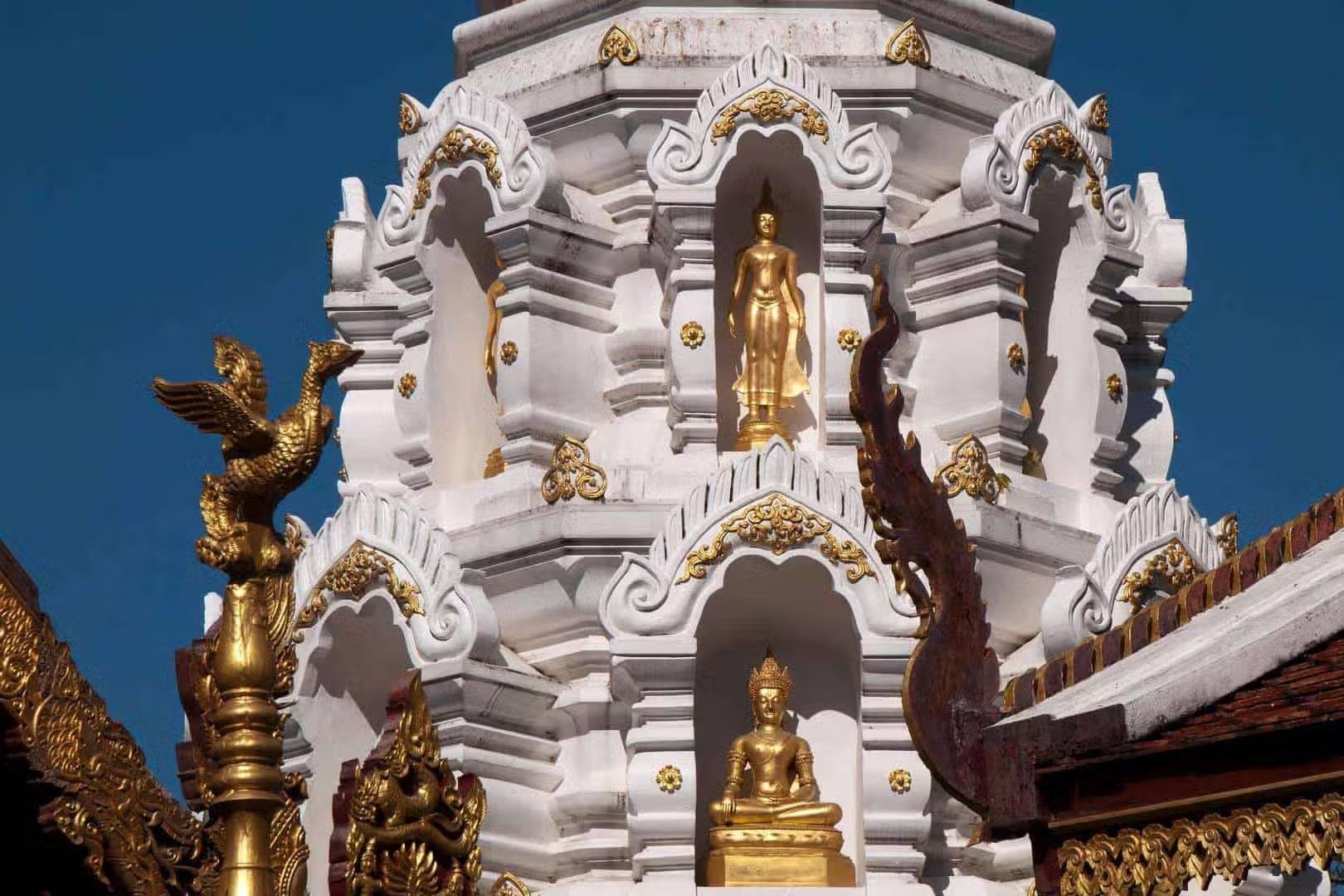
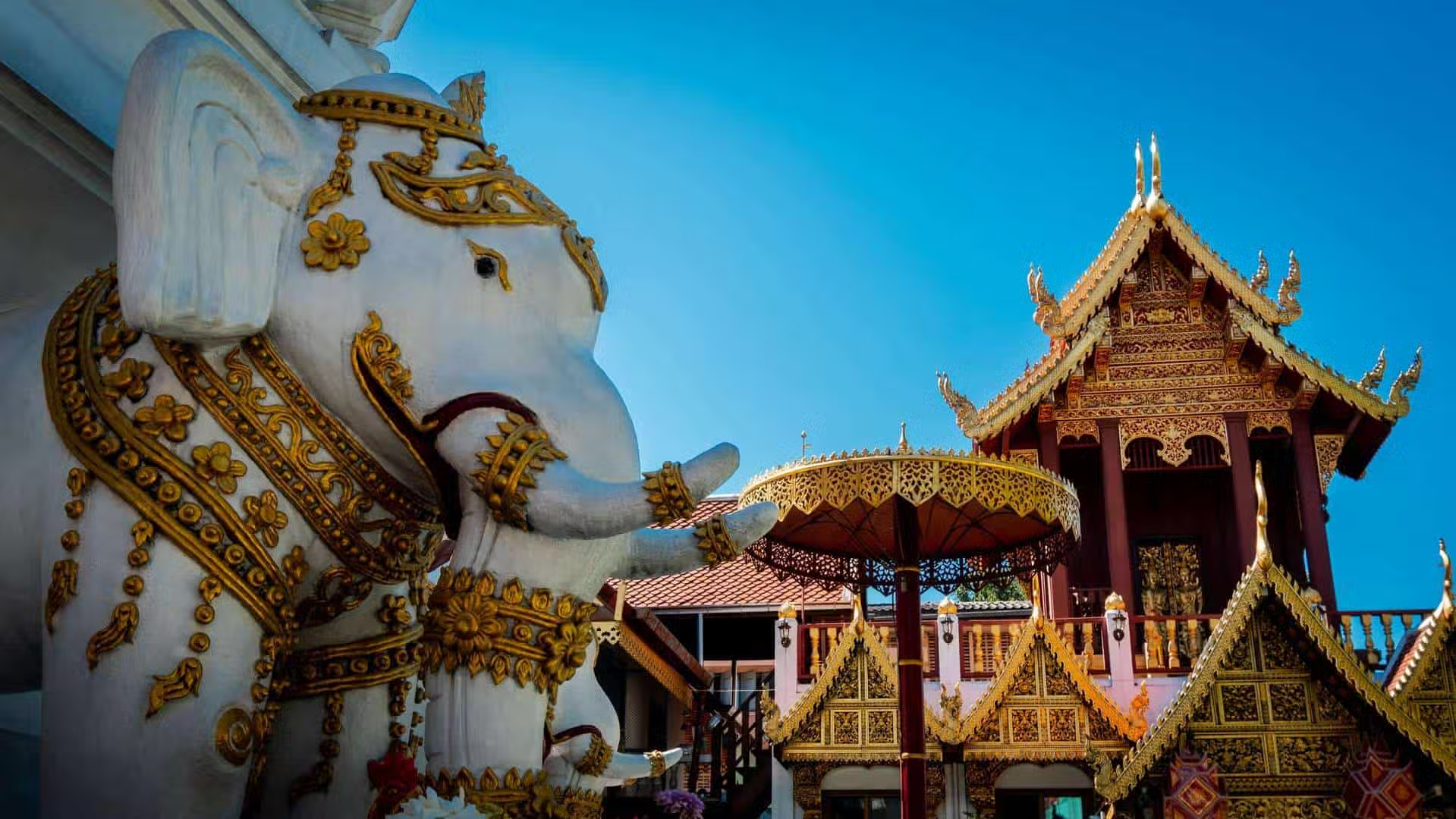
The courtyard chedi rises through three narrowing levels, with niches for Buddha images and a gilded upper finial. White elephant figures surround its platform. Walk around the visitor-accessible paths to see how the sculptural detail changes from one side to another.
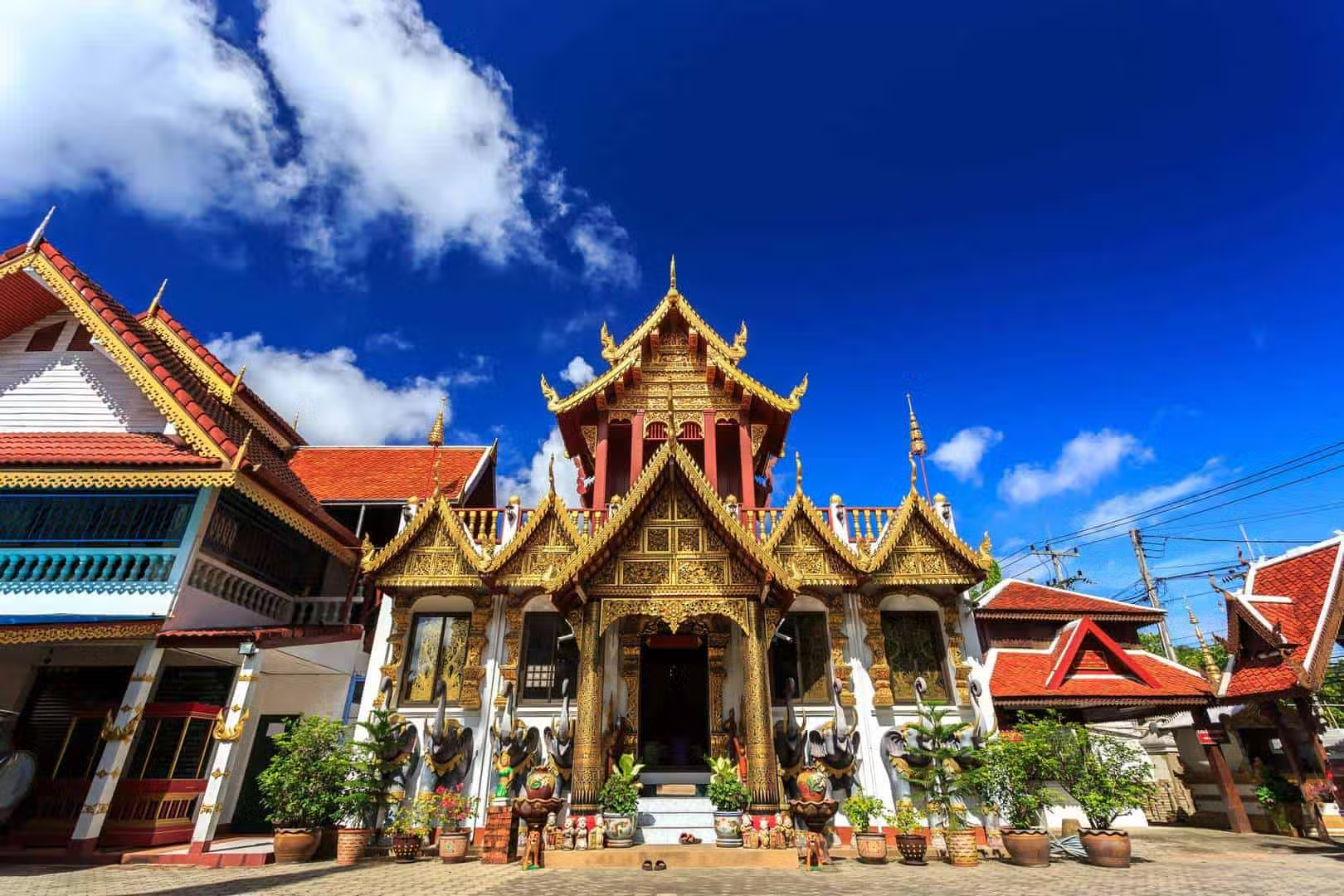
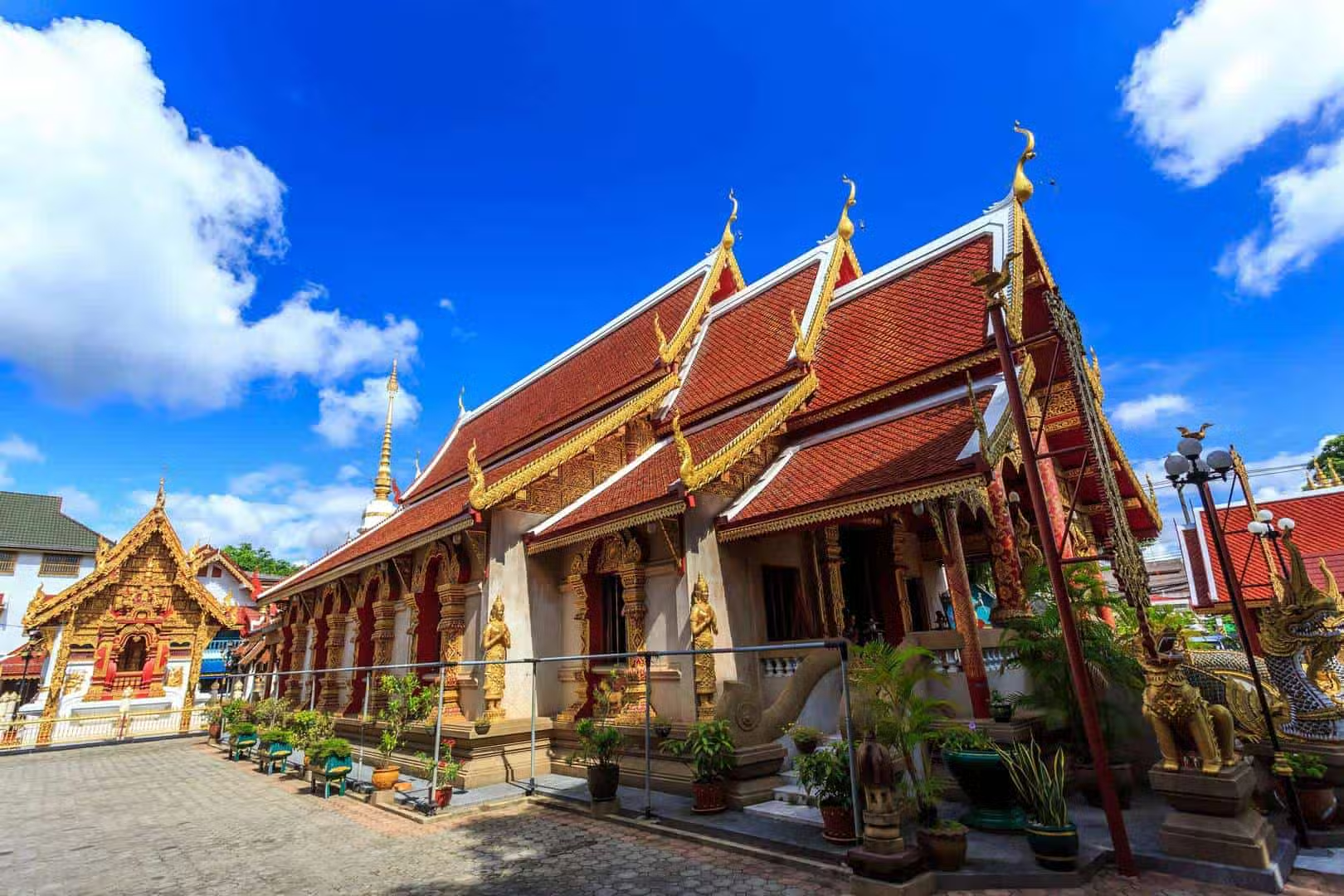
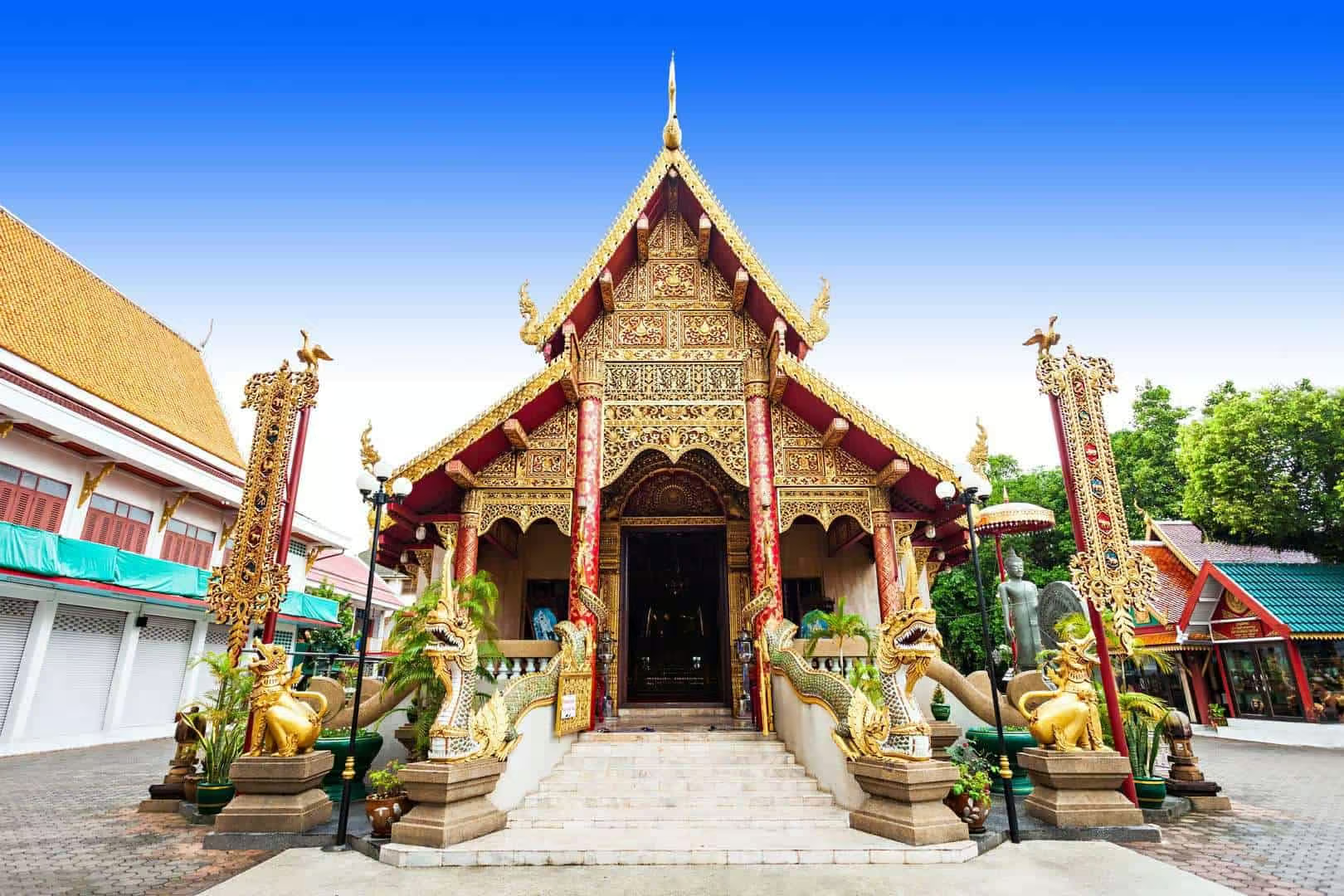
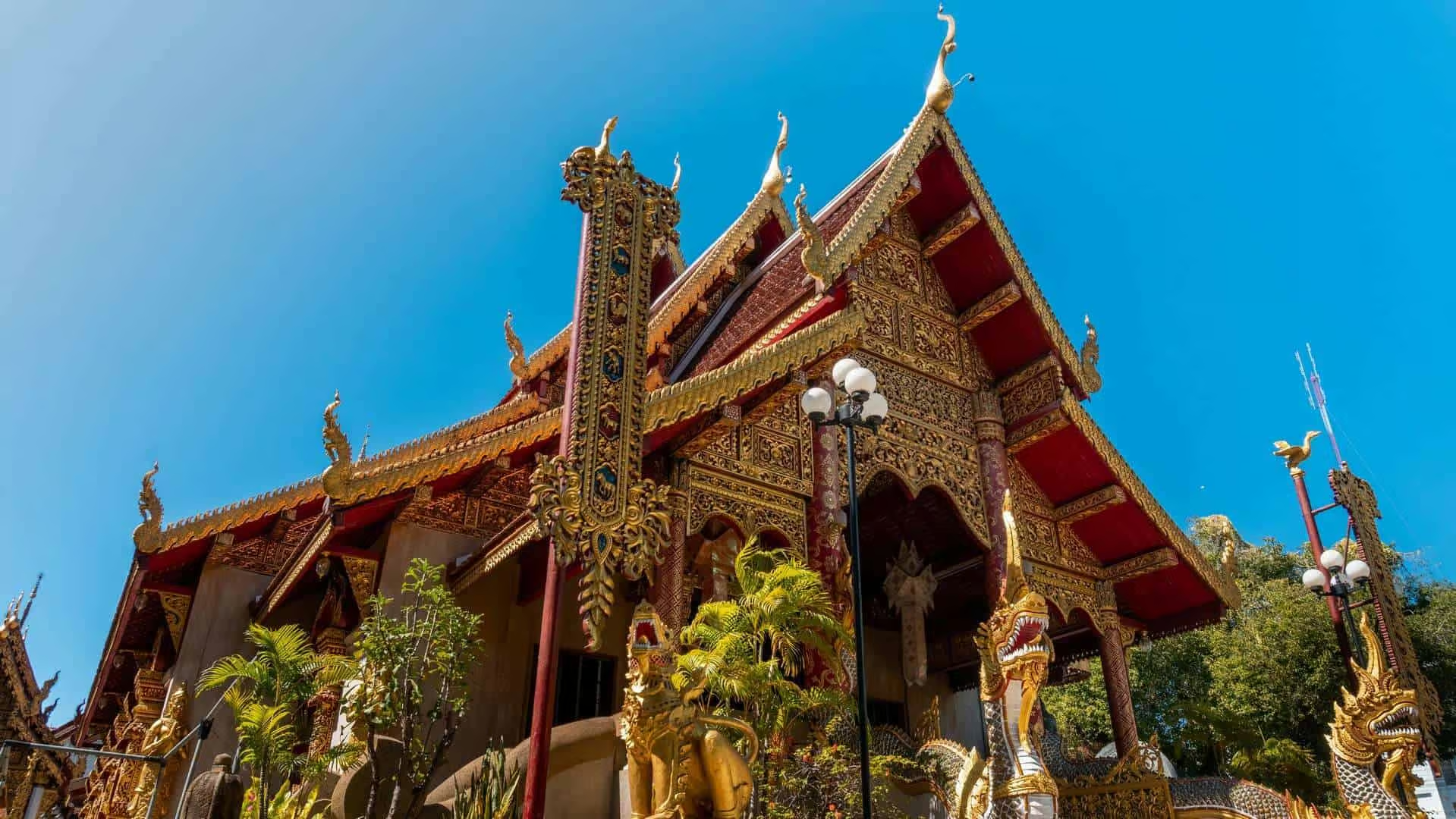
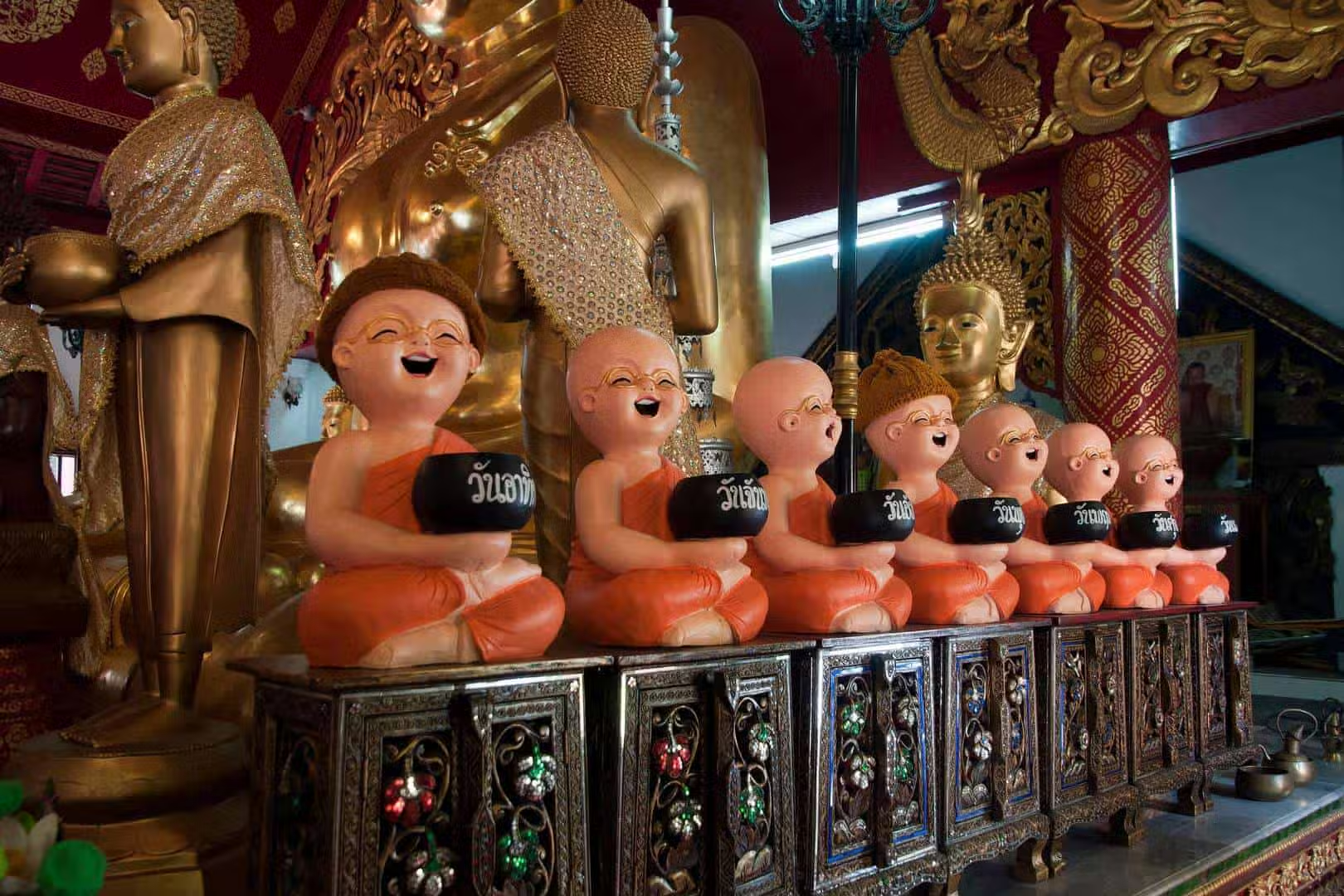
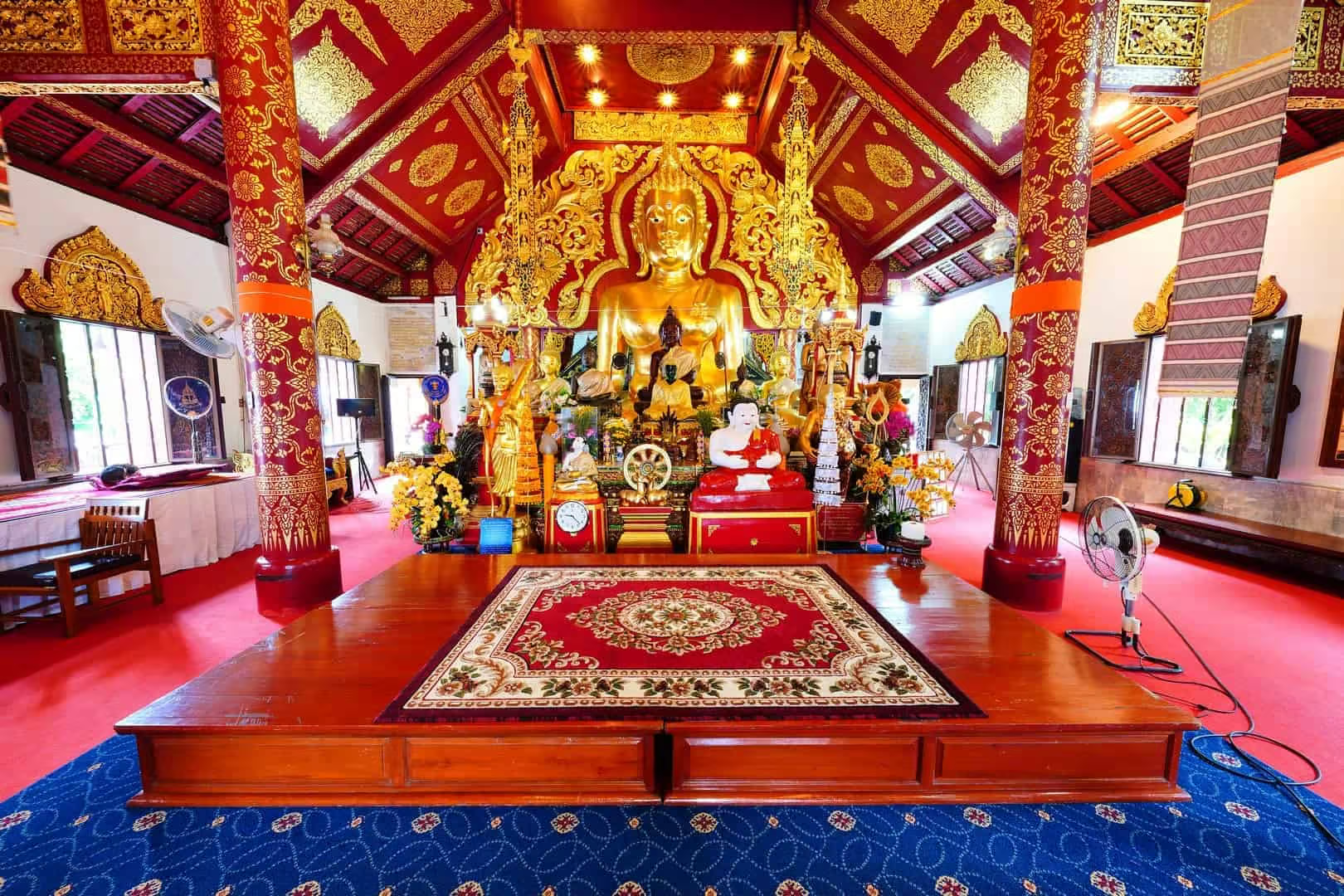
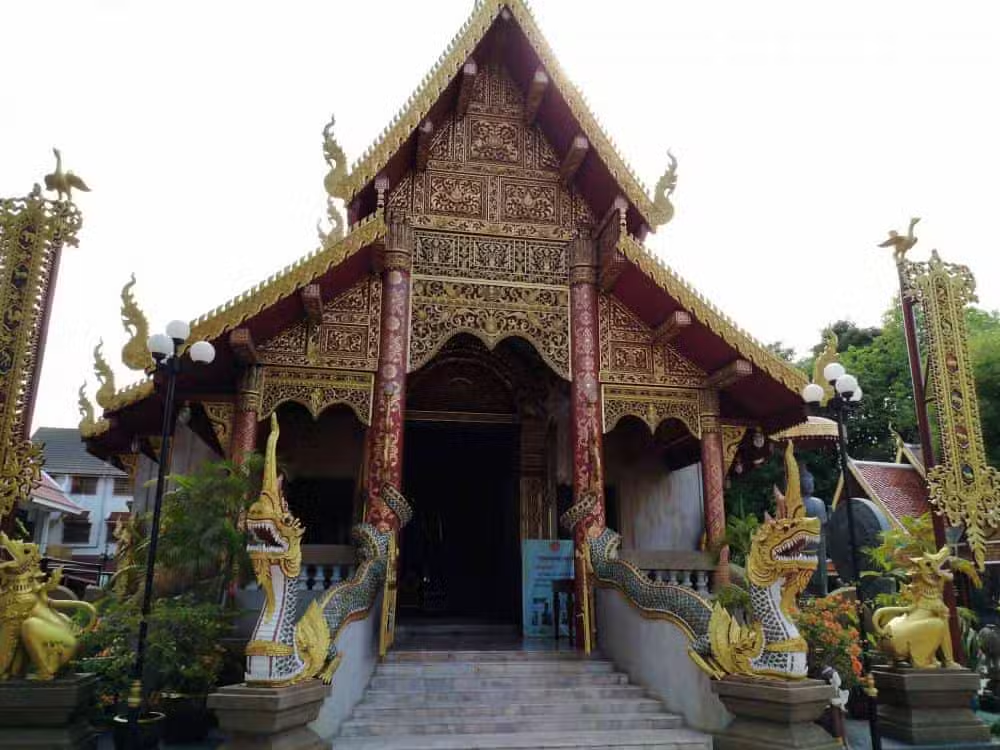
Behind the chedi, the assembly hall has a layered roof and an elaborate entrance guarded by naga serpents and lion-like singha figures. Red columns and golden motifs give it a different character from the white shrine outside. When the hall is open, its seated Buddha image forms the focus of the interior.
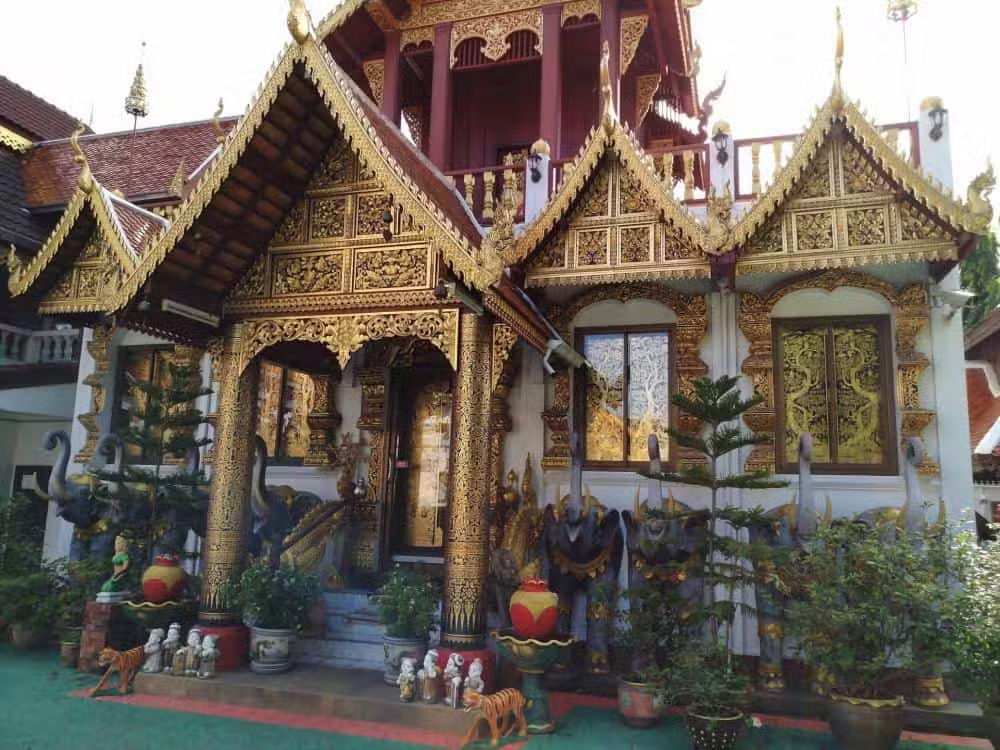
The smaller ordination hall and scripture library add further decorative work to the grounds. The library’s raised structure incorporates elephant figures near its stairs. Neither a library nor an ordination hall should be assumed to be open for casual entry; exterior viewing still reveals much of their design.
The City-Pillar Shrine and Temple History
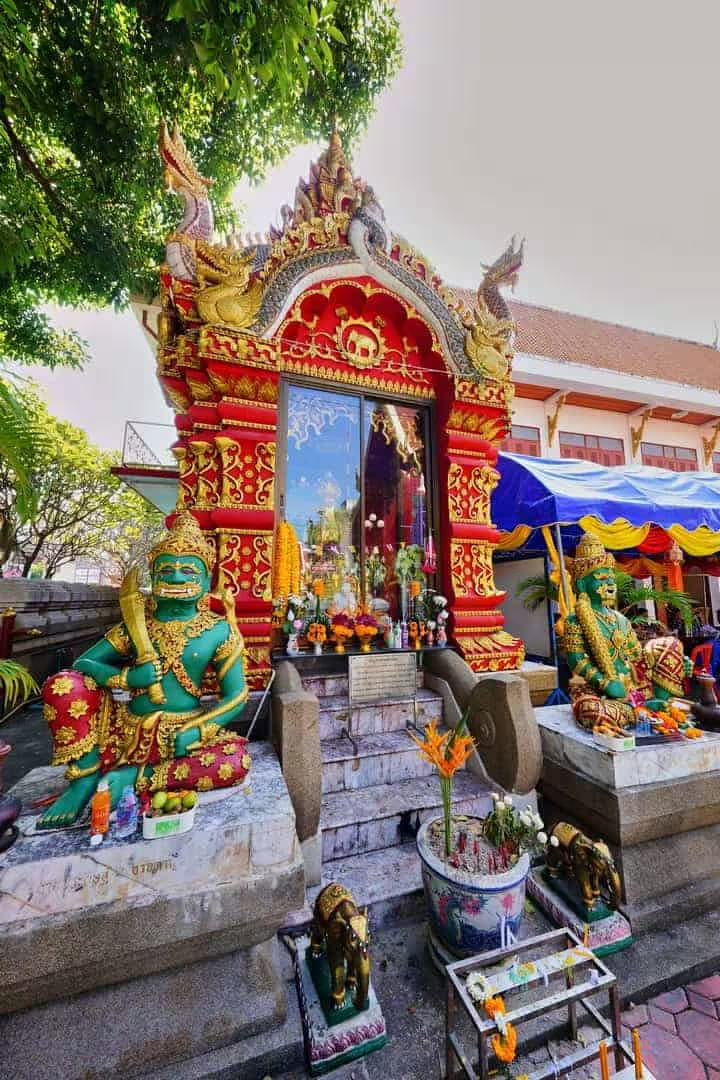
A dedicated shrine within the complex houses a city pillar, connecting the temple with Chiang Rai’s civic and spiritual traditions. Its red-and-gold decoration and guardian figures make it worth looking for during the courtyard walk. Follow any directions around offerings and avoid disturbing people paying respects.
The temple is associated with the 15th century and an earlier name, Wat Chanthalok. Much of its present appearance reflects later rebuilding, including work following a damaging storm in 1903. The historic foundation and the age of each visible building are therefore different questions.
This is an especially useful stop for appreciating Lanna decorative forms on a smaller scale. You do not need specialist architectural knowledge to notice the rooflines, guardians and repeated patterns. Allow time for those details rather than expecting a large museum-style collection.
Visiting Hours, Admission and Etiquette
Admission is normally free, with donations welcome. Plan a daytime visit; the usual grounds window is around 6am to 5pm, while individual halls may have more limited access. A ceremony or temple activity can alter what is available to visitors.
Around 30 to 45 minutes is a reasonable allowance for the chedi, shrine and accessible hall. Cover shoulders and knees, remove shoes where required and keep your voice low. Photography should follow local notices and give worshippers plenty of space.
Getting to Wat Klang Wiang
The temple stands at the intersection of Uttarakit Road and Rattanakhet Road in Wiang, central Chiang Rai. Use that junction or the full temple name when arranging a taxi or tuk-tuk. It is a Chiang Rai attraction, so a Chiang Mai hotel pickup involves an intercity trip rather than a short local ride.
Wat Phra Singh is only a few hundred metres away, and Wat Phra Kaew can also be included in a central temple walk. Check your route between the street entrances and allow for crossings and heat. These nearby stops are easier to combine on foot than the more distant White Temple.
If arriving by car, follow local parking directions and keep entrances clear. A short drop-off near the temple may be more convenient than trying to park at the street junction. Use designated spaces and confirm any local charges before leaving your vehicle.
Wat Klang Wiang FAQs
Is Wat Klang Wiang in Chiang Mai?
It is in central Chiang Rai, at the Uttarakit and Rattanakhet road junction. Visitors starting in Chiang Mai need to allow for the intercity journey.
What should you look for?
The white three-level chedi, elephant figures, red-and-gold assembly hall, scripture library and city-pillar shrine provide the main architectural interest. Interior access depends on temple activities.
Is admission free?
Entry is normally free and donations are welcome. Treat the complex as a working temple rather than an unrestricted sightseeing venue.
How long does a visit take?
Allow about 30 to 45 minutes for the grounds and accessible hall. Photography and a closer look at the decoration may take longer.
What are the usual visiting hours?
Plan for daylight, with grounds usually open around 6am to 5pm. Individual halls can have different schedules or close for religious activities.
Which nearby temples can you combine with it?
Wat Phra Singh is a few hundred metres away, and Wat Phra Kaew is another practical central stop. Allow time for street crossings and each temple visit.











Do You Have a Question to Ask?