



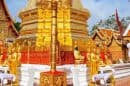

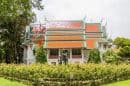
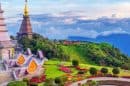
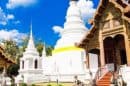




















Mae Hong Son town sits in a mountain basin far from Chiang Mai’s easy urban circuits. Its lakeside temples and hilltop viewpoint reward a slow visit, while the wider province contains Pai, Mae Sariang and remote nature trips that cannot be combined in one short town walk. Make the town an overnight base if you have travelled by road.
The approach involves winding mountain routes and weather can affect both views and travel time. Check the day’s conditions, arrive before dark when possible and keep distant villages or caves as separately planned excursions.
Things to see and do in Mae Hong Son
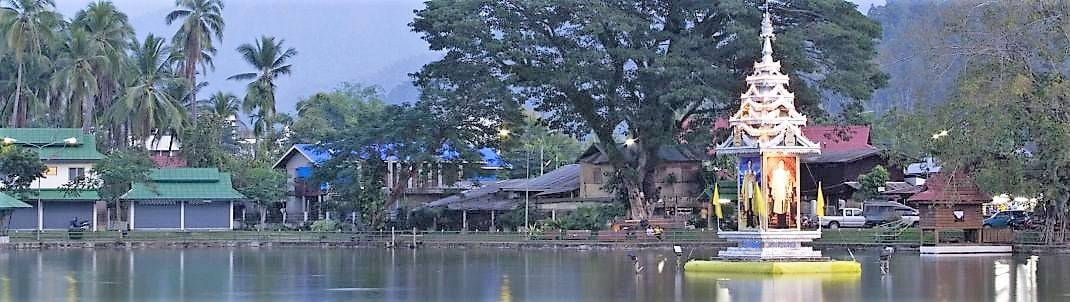
Jong Kham Lake and its temples
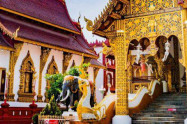
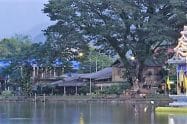
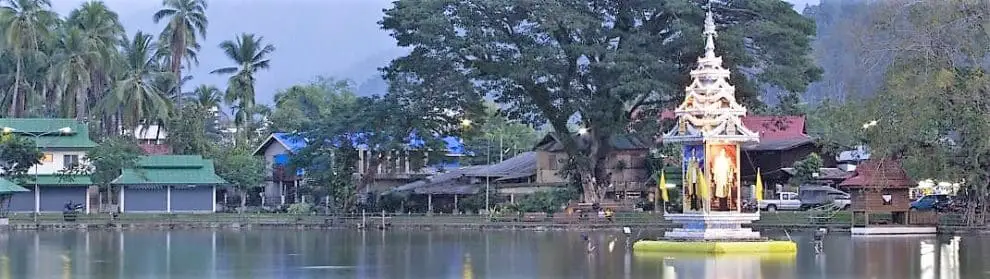
The small lake and Wat Chong Kham and Wat Chong Klang form the heart of a town stroll, particularly in softer morning or evening light. Walk the public edge, visit temple spaces respectfully and check any museum or interior admission separately. A café or meal nearby can turn the loop into a relaxed first evening after a long drive.
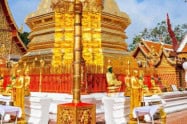
Wat Phra That Doi Kong Mu
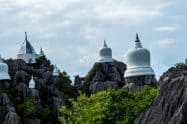
The hilltop temple overlooks Mae Hong Son and makes a clear second focal point after the lake. Arrange a ride or assess the uphill route before setting off, and leave time for the view without assuming clear skies. Temple etiquette still applies even when visitors come mainly for the panorama.
Markets and Shan-influenced food
The town’s food and local trading offer a reason to stay beyond a lake photograph. Choose a market if it is operating on your date, try a local meal and check kitchen hours. A quieter weekday may be better spent in the streets and at the temples rather than expecting a large nightly event.
Pang Ung and distant countryside
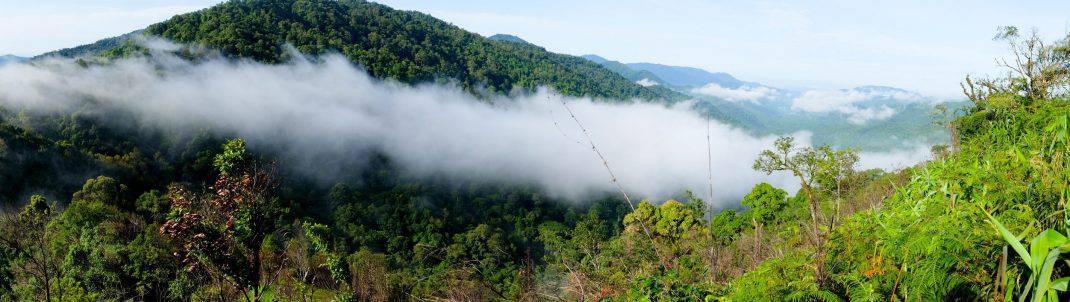
Pang Ung and other celebrated highland sites lie outside the town and can involve managed entry or particular access arrangements. Check whether advance permission or registration is required with the responsible local authority, and plan a separate early start. Do not turn a lakeside afternoon into an unplanned drive along unfamiliar rural roads.
Su Tong Pae Bridge
This rural bamboo bridge is a separate outing from the town centre, best considered when road access and daylight fit your itinerary. Its setting is part of the appeal, so visit quietly and check current access or maintenance conditions. Do not attach it to an evening lake walk simply because both are listed under Mae Hong Son.
Ban Rak Thai and the northern road
The tea-growing village of Ban Rak Thai is a longer drive from town and can justify its own day or a carefully planned overnight stay. Confirm lodging, meal availability and the route before setting off, especially in wet or foggy conditions. Pang Ung can be part of the same broad northern direction if access and time allow, but the two should not be promised as quick city attractions.
Where to eat
Look around the lake and main town streets for a local meal, allowing for earlier closing than in Chiang Mai’s busiest districts. Buy water and food before a remote mountain excursion, and check market activity on your actual date.
Around Jong Kham Lake, choose a restaurant for dinner and look for Shan-influenced dishes if they suit your tastes. A lakeside evening is an enjoyable part of a town stay, but stalls and market nights vary. For Ban Rak Thai or a rural bridge trip, confirm a meal stop and carry water before leaving the centre.
Where to stay
A town-centre stay puts the lake, food and departure roads within easier reach and suits a first visit. A remote guesthouse may suit a specific sunrise or nature plan but changes where you can dine and refuel. Check parking, road approach and the morning start point before booking.
A lake-area room makes an arrival evening and early temple visit straightforward. A property on the edge of town may be quieter but requires a specific dinner and ride plan. For a dawn at Pang Ung or a Ban Rak Thai overnight, check the property’s actual location, food service and road access instead of treating the whole province as one accommodation district.
Getting to and around
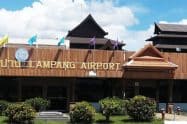
Long-distance buses and flights may serve Mae Hong Son, subject to current schedules. The town core is compact but the hilltop temple and provincial highlights require a vehicle. Allow generous time for winding roads and weather; check return links before planning a multi-town loop.
The lake precinct is walkable, but Doi Kong Mu involves an ascent and Su Tong Pae, Pang Ung and Ban Rak Thai are separate drives. Arrange transport and a daylight return for a rural day. Flight and bus schedules can change, so verify the current arrival and onward link before making a same-day connection on mountain roads.
Two or three days in Mae Hong Son town
An arrival afternoon is enough for a lake walk and dinner after a winding road journey. Spend the next morning at Doi Kong Mu and the temple precinct around Jong Kham Lake, then choose one nearby rural stop. With another full day, consider the Ban Rak Thai direction or another confirmed countryside route. Depart in daylight with fuel, a return plan and a flexible weather alternative.
The town is small enough for a slow evening on foot, but mountain roads create the real distance in the province. A property close to the lake supports that town experience, while a remote stay can make sense for a dawn landscape visit. Check that the property actually serves dinner or has a reliable nearby option; rural opening hours are less predictable than in a city centre.
Is Mae Hong Son Worth Visiting?
Yes for a measured mountain-town stay. The real value comes from a relaxed town day and properly planned regional journeys.
Mae Hong Son FAQs
Is Mae Hong Son the same as Pai?
No. Pai is a separate town within Mae Hong Son Province, reached over mountain roads. Treat it as another base on a wider route, not as part of a Mae Hong Son town walk.
Can I walk around the lake?
Yes. Jong Kham Lake and the nearby town-temple precinct suit an easy central stroll. Doi Kong Mu requires an ascent, while rural viewpoints and villages need transport.
Is Pang Ung a quick town stop?
No. It is a separate rural outing. Check the current access or permission procedure, road conditions and any accommodation plans with the responsible authority before departing.
Should I stay overnight?
Yes if arriving overland for sightseeing. The winding approach deserves daylight, and an overnight stay gives you an evening by the lake and an unhurried next morning.



Do You Have a Question to Ask?