


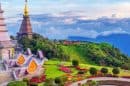
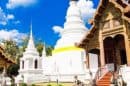
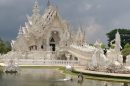



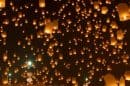
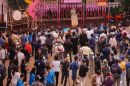
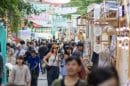

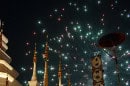
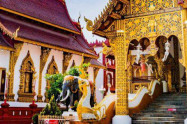

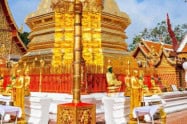


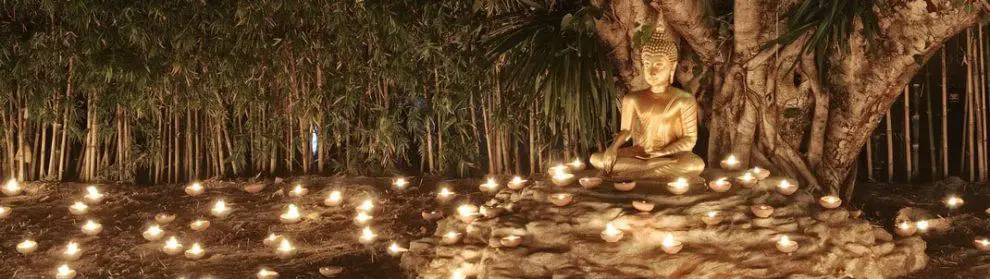
Makha Bucha Day brings Chiang Mai’s Buddhist communities together for merit-making, listening to teachings and candlelit processions. For visitors, its appeal lies in seeing a familiar temple become a place of shared worship: families arriving with offerings, people sitting quietly in the grounds and a line of candles moving around a sacred monument after dark.
In 2027, Makha Bucha falls on Sunday 21 February. Temples organise their own ceremonies, so there is no single Chiang Mai festival gate or city-wide start time. Monday 22 February is the substitute holiday on the financial-sector calendar; the religious observance belongs to the Sunday.
The gathering remembered on Makha Bucha
The day commemorates the Fourfold Assembly, when 1,250 enlightened disciples, all ordained by the Buddha, gathered without prior arrangement on a full-moon day. The Buddha’s teaching on that occasion, known as the Ovada Patimokkha, emphasises avoiding wrongdoing, doing good and purifying the mind.
That meaning helps explain the atmosphere in Chiang Mai. This is an occasion for generosity and reflection rather than a street carnival. Food offerings, donations, sermons and meditation can form part of a temple’s observance, with different activities taking place across the day.
Following the day from offerings to candlelight
Morning worship and quieter temple visits
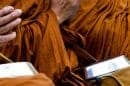
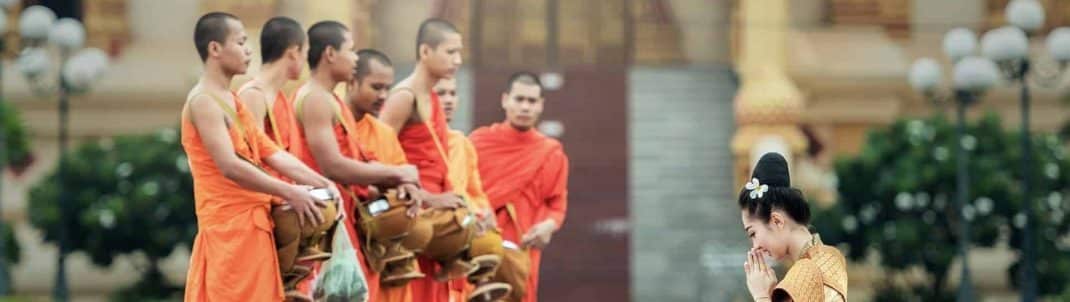
A morning visit offers a different experience from the evening procession. You may see worshippers bringing food for monks or preparing offerings before settling in to listen to teachings. Allow people room to approach the monks and shrines, and watch how the gathering is organised before choosing somewhere to stand.
If you want to make an offering yourself, ask a temple attendant what is appropriate and where it should go. Buying an elaborate offering is unnecessary for someone who simply wishes to observe respectfully. A quiet visit can be worthwhile even if you do not understand the language of a sermon.
The evening wian thian procession
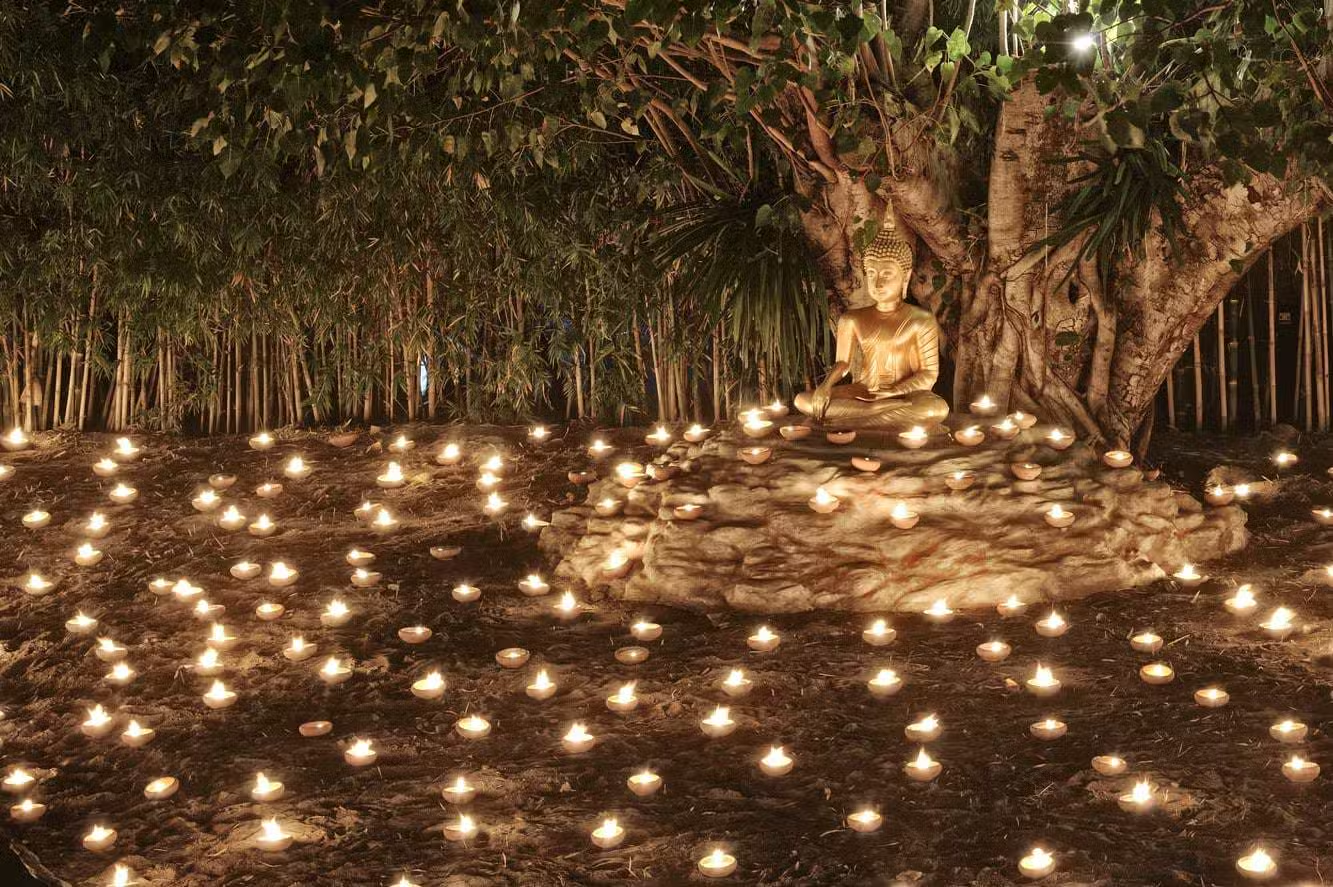
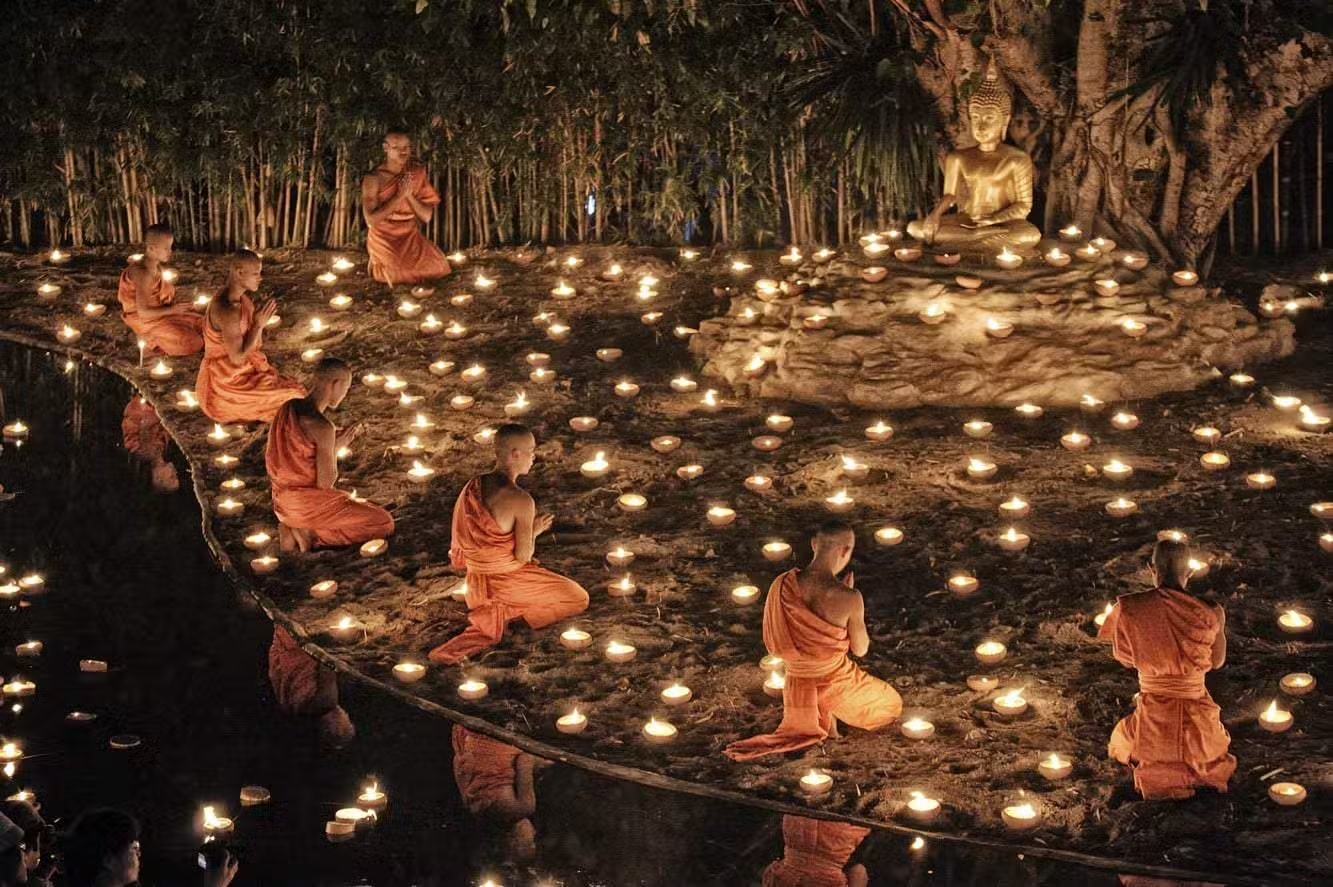
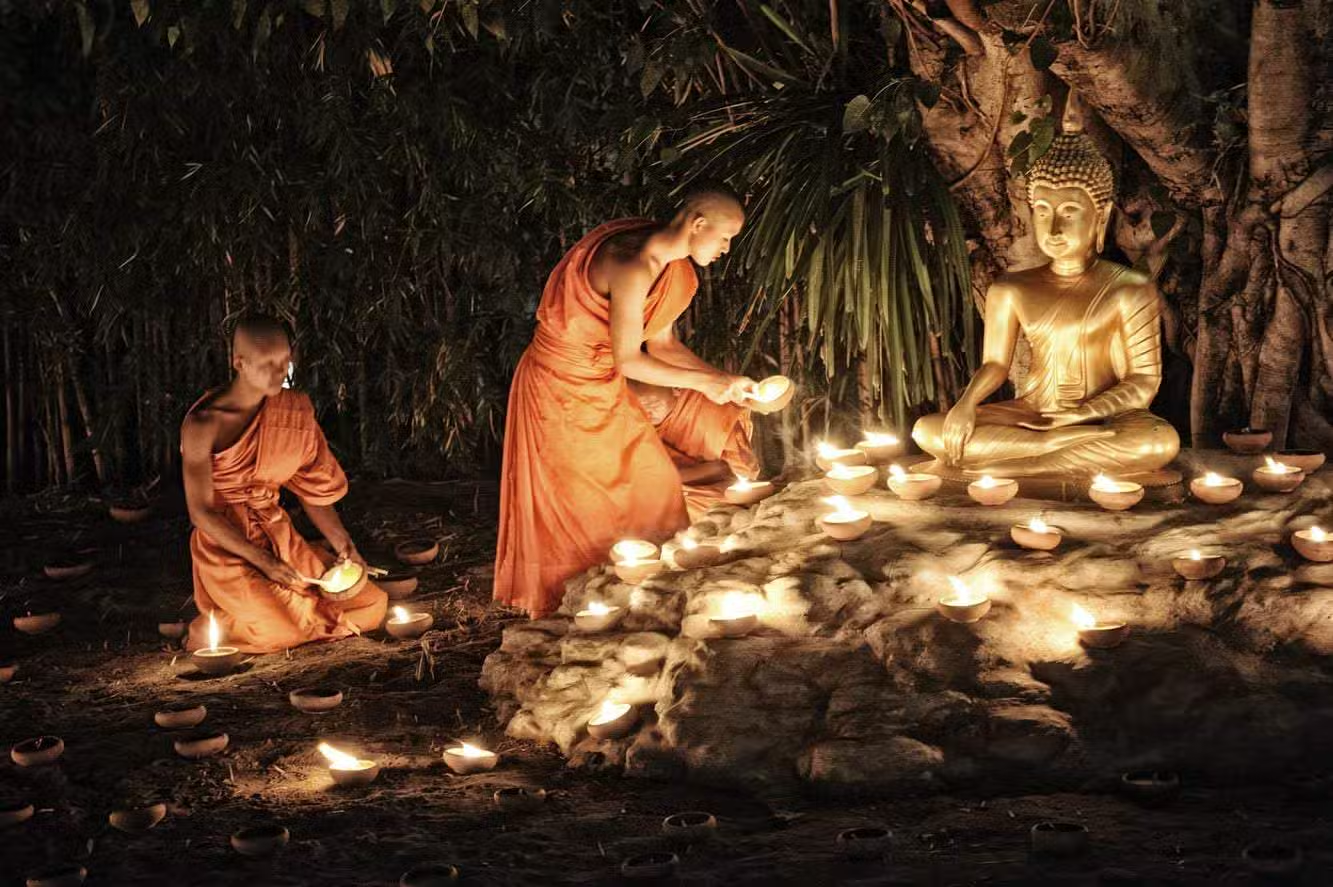
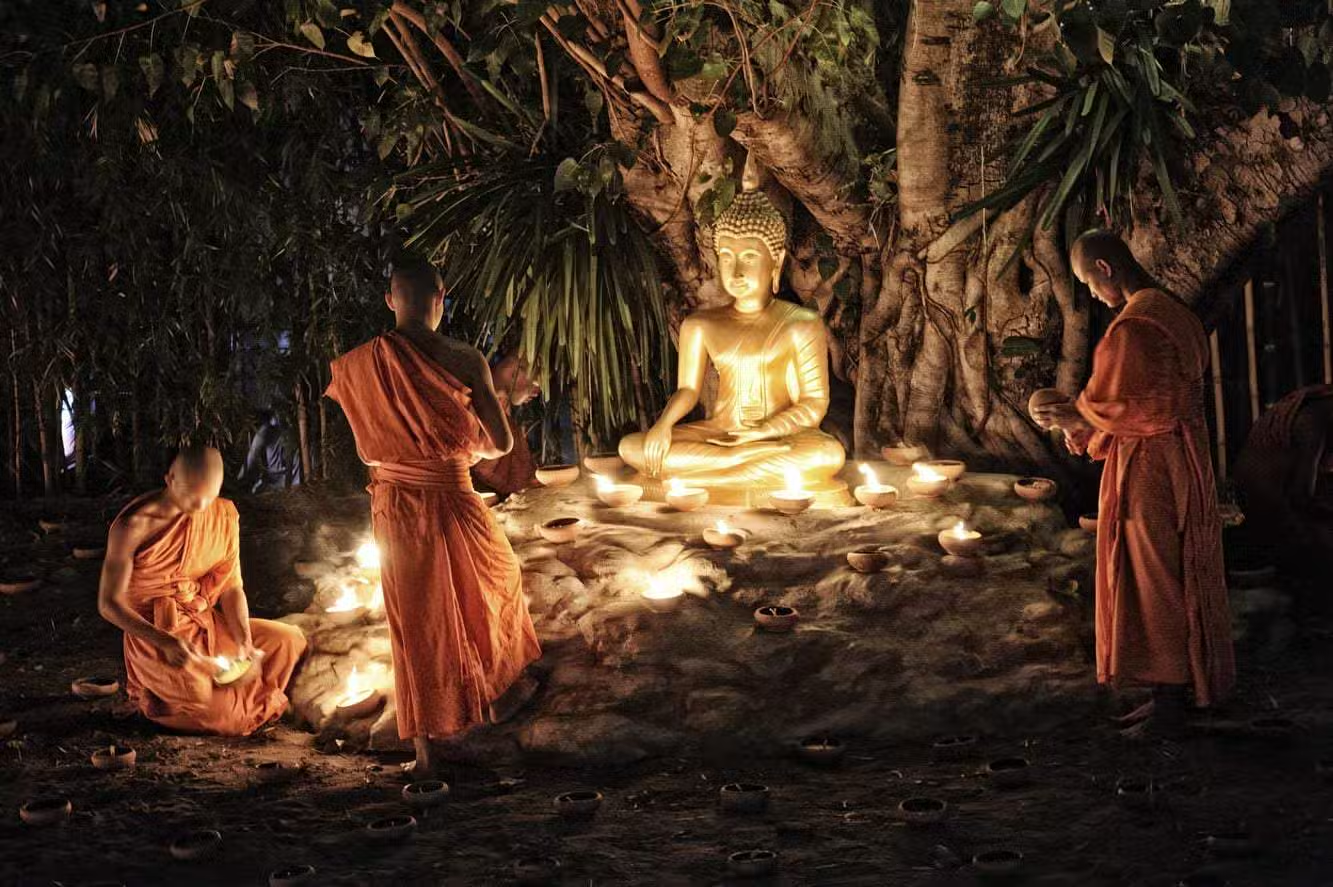
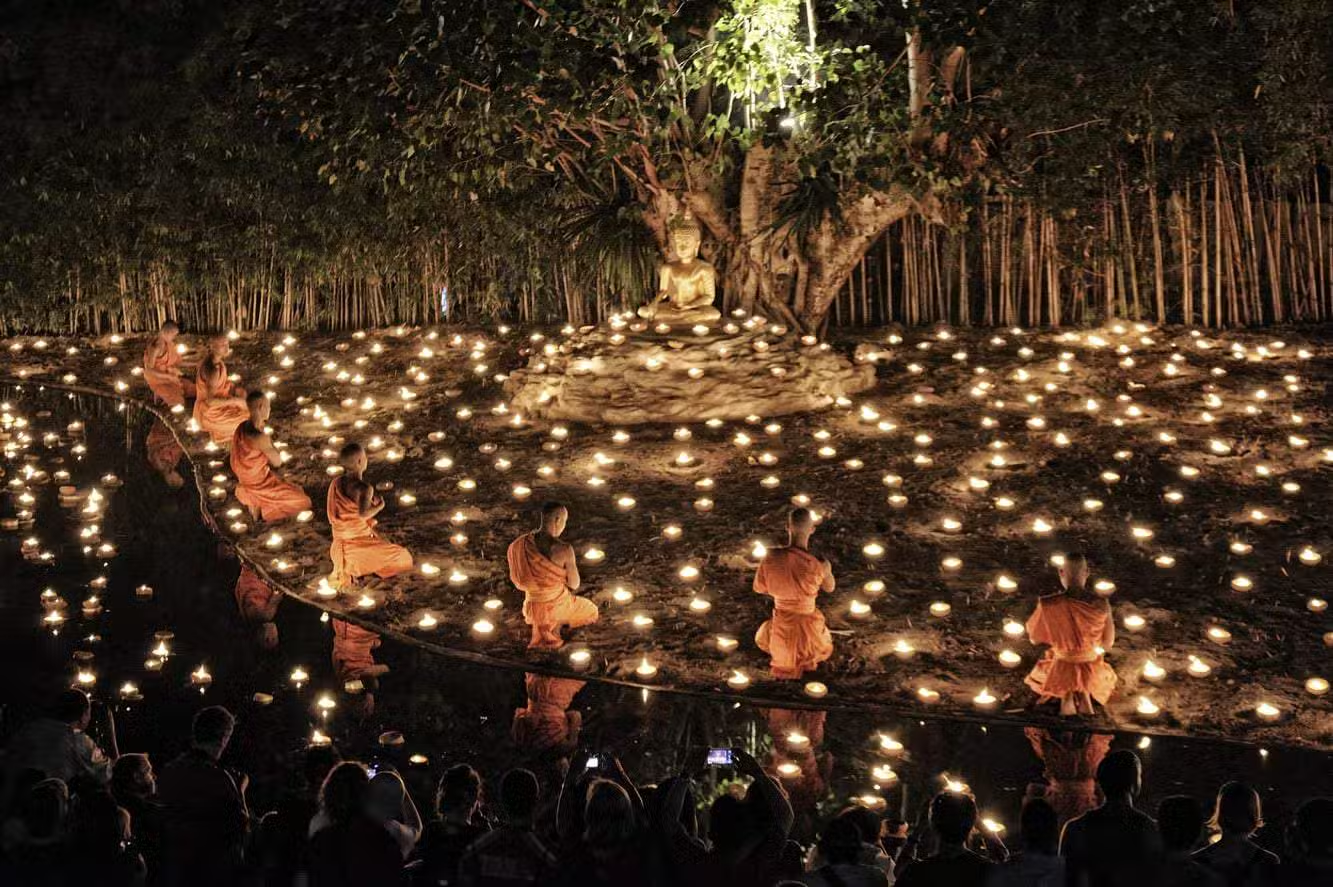
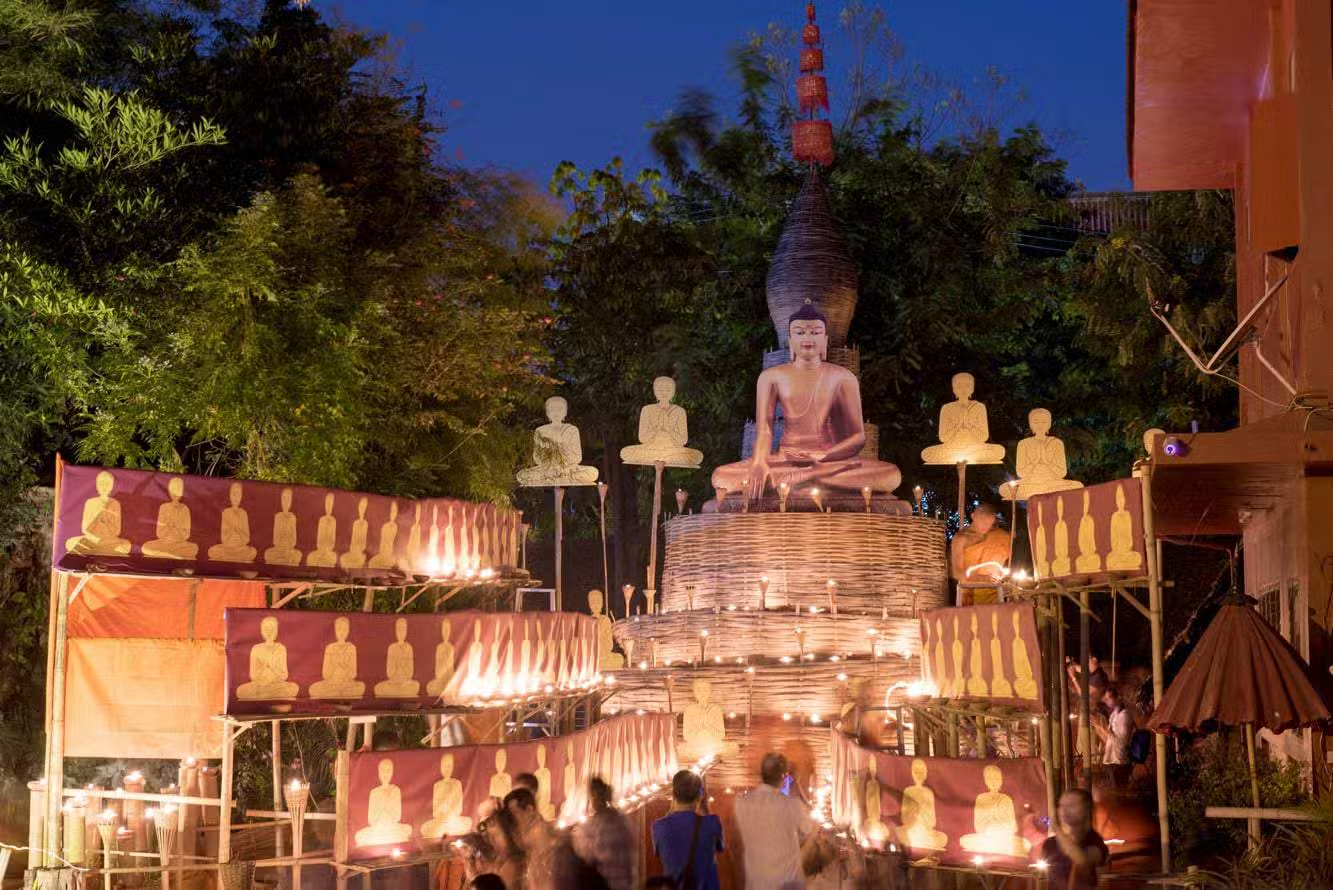
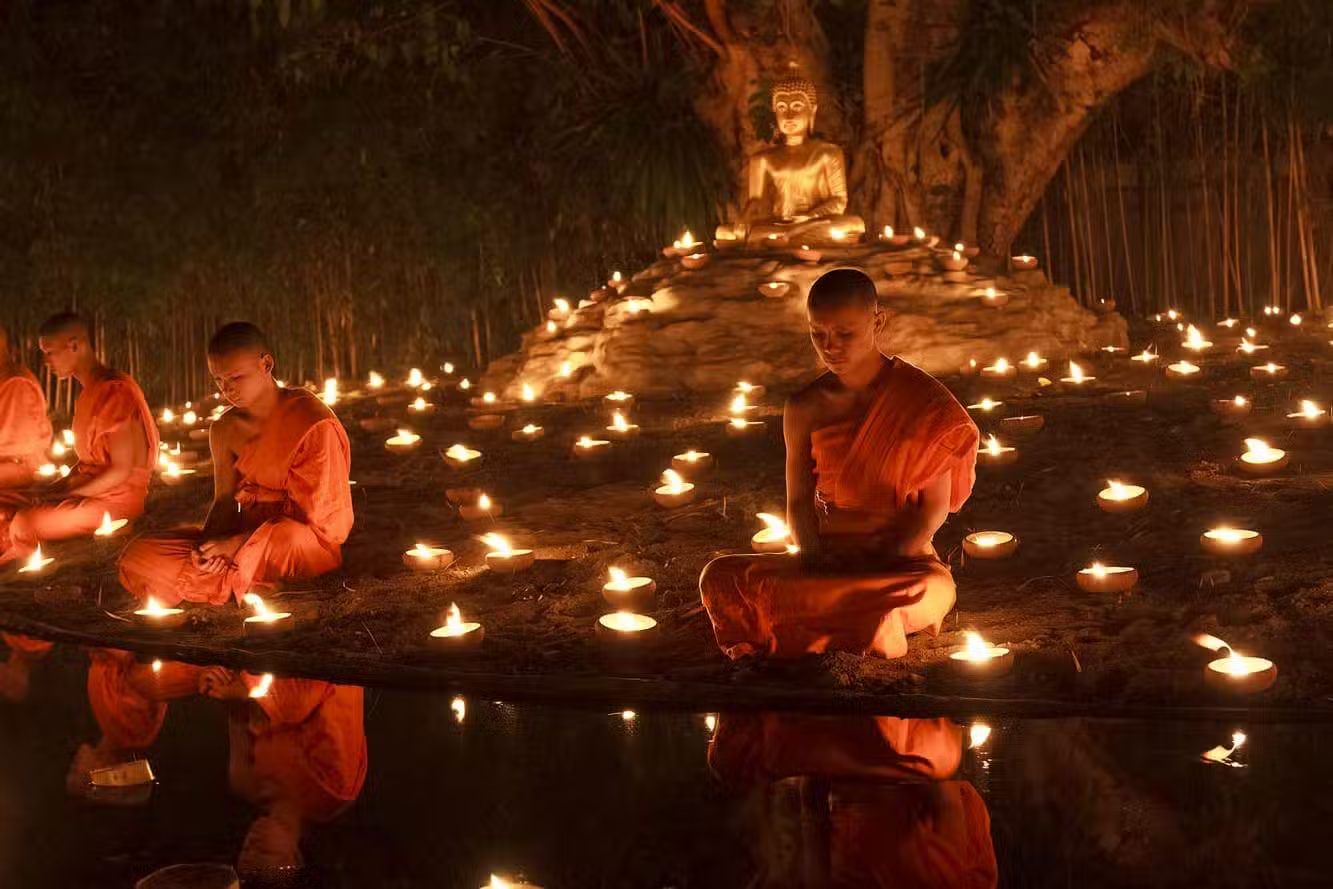
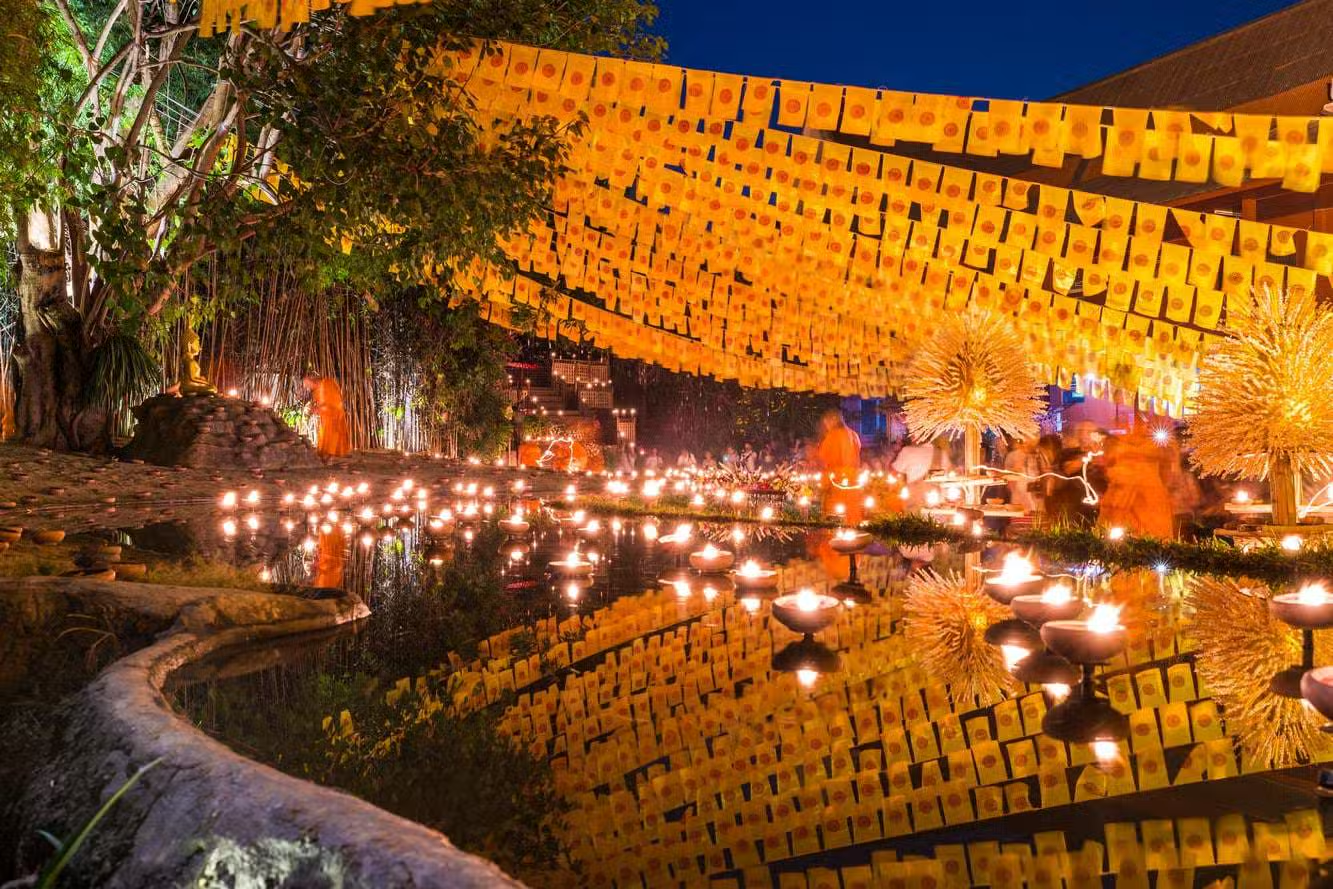
The most recognisable ritual is wian thian, a candlelit walk traditionally made three times around a sacred structure. The circuits honour the Buddha, the Dhamma, or teachings, and the Sangha, the monastic community. Candles, incense and flowers accompany the slow movement of worshippers.
Arrive before the procession begins so you can find a suitable position without pushing through a moving line. If the temple welcomes visitors to join, follow the direction and pace of the congregation. If you prefer to watch, remain clear of the route and resist crossing it repeatedly for photographs.
Choosing a temple in Chiang Mai
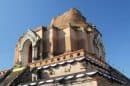
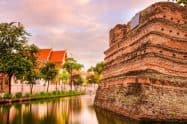
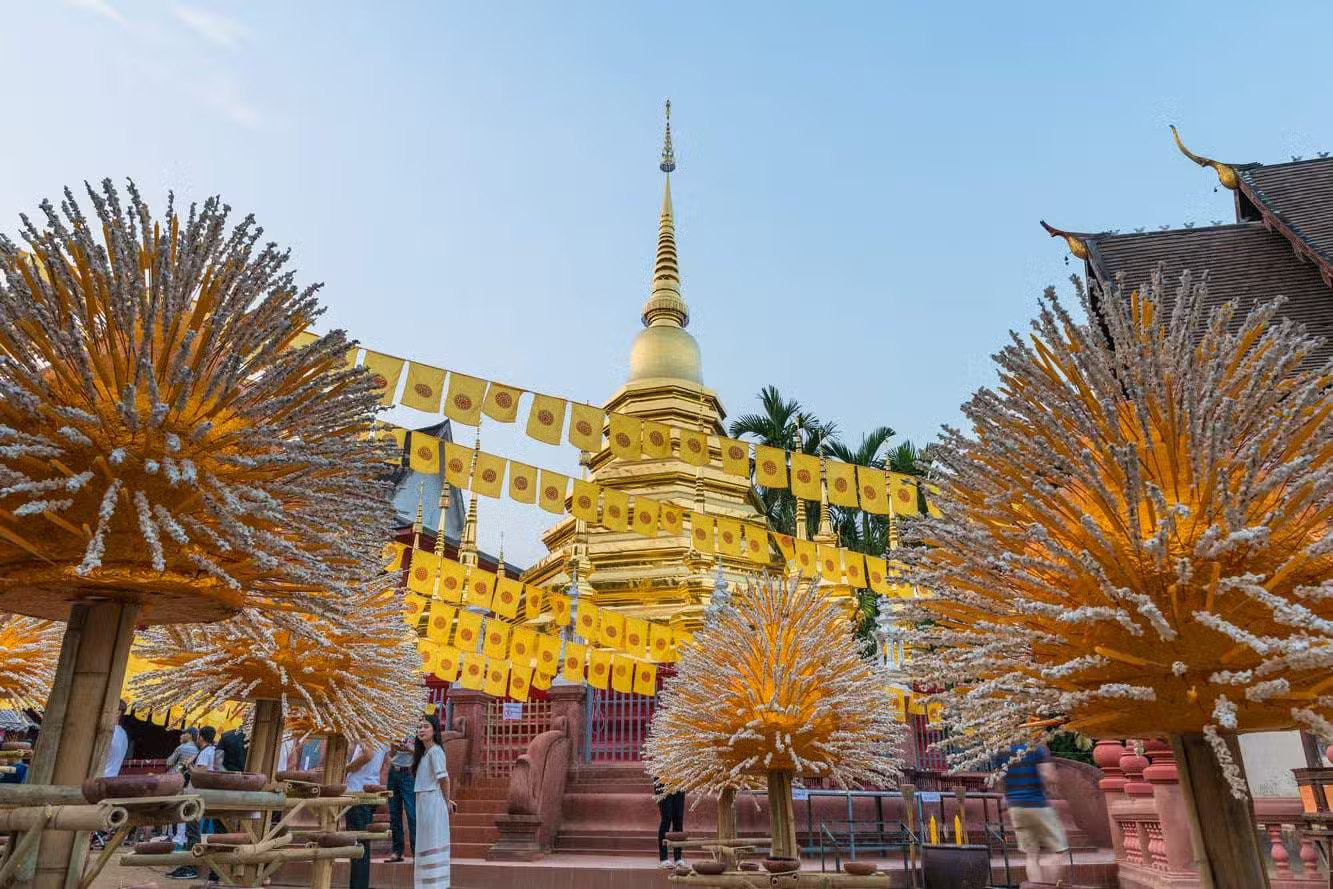
Wat Phra Singh and Wat Chedi Luang are prominent Old City temples to consider when checking local announcements. Their central setting can make it easier to return to your accommodation after an evening visit. A smaller neighbourhood temple may offer a more intimate setting, although fewer signs or explanations may be available in English.
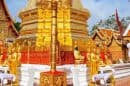
Wat Phra That Doi Suthep involves a separate journey up the mountain. Choose it for the temple visit itself and arrange the return trip before travelling; do not assume that a daytime sightseeing transport arrangement will extend beyond a late ceremony. The temple you choose should depend on its announced programme and your ability to attend comfortably, rather than an attempt to visit several processions in one night.
There is no general Makha Bucha admission pass. Normal visitor charges at particular temples, transport and optional offerings are separate matters. Check the selected temple’s ceremony time and visitor arrangements rather than treating ordinary sightseeing hours as the religious timetable.
Taking part with care
Wear clothing that covers shoulders and knees, and remove shoes where requested before entering temple buildings. Keep voices low around seated worshippers. Ask before photographing people at close range, avoid flash during worship and follow any restrictions inside individual halls.
Children can attend with adults, but the evening may involve standing and moving among open flames. Stay together and choose a position where you can step aside without interrupting others. Visitors who need seating or a route without steps should ask the individual temple about access; a large courtyard does not establish that every hall or procession route is accessible.
Makha Bucha also affects ordinary holiday planning. Banks and government services may follow holiday schedules, while shops, restaurants and attractions make their own arrangements. Alcohol sales are restricted on major Buddhist holidays, with legally authorised exceptions for some venues. Check directly with a business if this affects your plans, and keep temple attendance separate from nightlife expectations.
Makha Bucha Day FAQs
When is Makha Bucha Day in 2027?
The religious day is Sunday 21 February 2027. The financial-sector substitute holiday is Monday 22 February, so a Monday day off should not be mistaken for the main temple observance.
What time do the candlelit walks start?
Each temple sets its own evening programme. Ask your chosen temple for the procession time and arrive beforehand; there is no reliable single start time covering all Chiang Mai temples.
Can visitors who are not Buddhist attend?
Visitors can generally observe public temple activities respectfully, subject to local directions. Joining a ritual is optional, and some areas may be reserved for worshippers or have specific entry conditions.
Do I need a ticket or an offering?
There is no city-wide event ticket or obligation to buy offerings. A temple’s normal visitor admission can still apply, and donations, flowers, candles and transport are separate costs.
Is Makha Bucha the same as Visakha Bucha?
They are different Buddhist observances. Makha Bucha remembers the Fourfold Assembly and the Buddha’s teaching to the gathered disciples; Visakha Bucha commemorates his birth, enlightenment and passing.
Will everything close in Chiang Mai?
No single closure rule covers the whole city. Check banks, visitor attractions and restaurants individually, and remember that alcohol restrictions have authorised exceptions rather than assuming every hospitality venue closes.


Do You Have a Question to Ask?