









































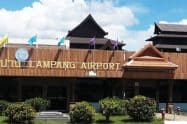




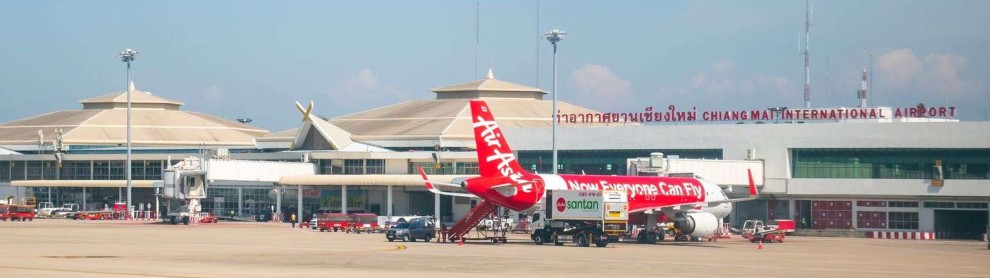
Chiang Mai Airport (CNX) is the main air gateway to northern Thailand, about 4km southwest of Chiang Mai’s centre. Its compact domestic and international passenger areas make it easier to navigate than Bangkok’s largest airport, while the short distance to the Old City and Nimman keeps most city transfers straightforward.
The airport operates around the clock, but airline counters, shops and transport services follow their own schedules. Plan around your flight and accommodation location: a taxi or Grab offers a direct transfer with luggage, while daytime buses can suit travellers with more time and a convenient stop near their hotel.
Finding the Right Passenger Area
Airports of Thailand operates Chiang Mai International Airport. CNX is the airport code used for bookings and baggage tags; VTCC is its aviation location code. Check that your itinerary says Chiang Mai rather than Chiang Rai, a different airport with the code CEI and a substantial road journey between the two cities.
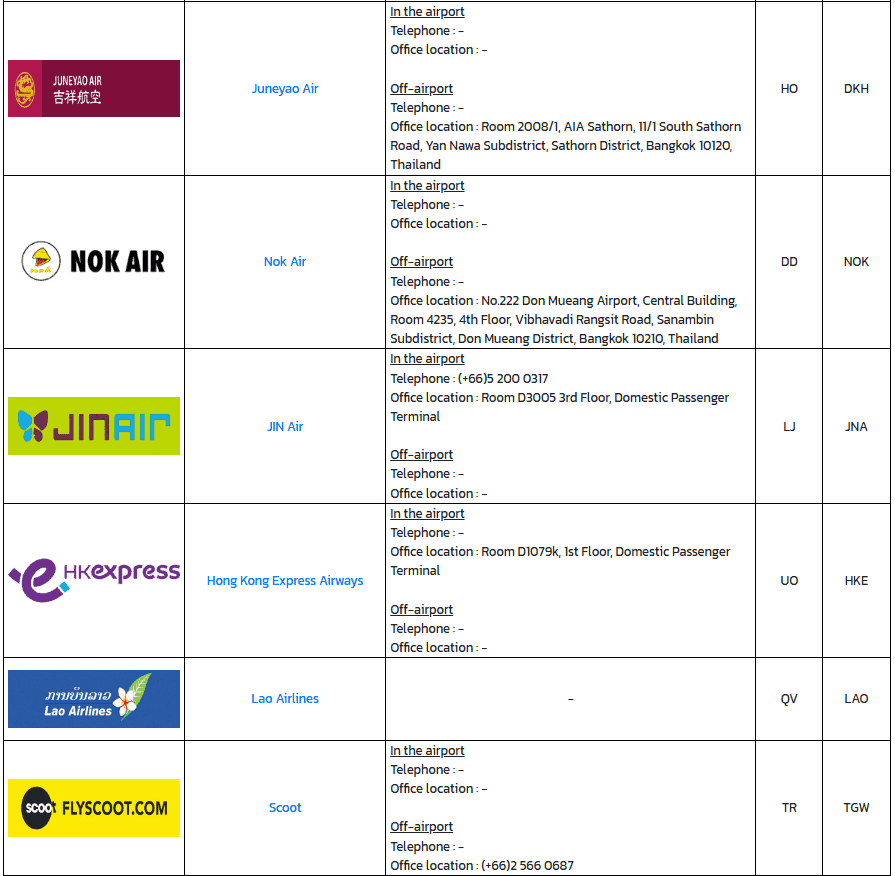
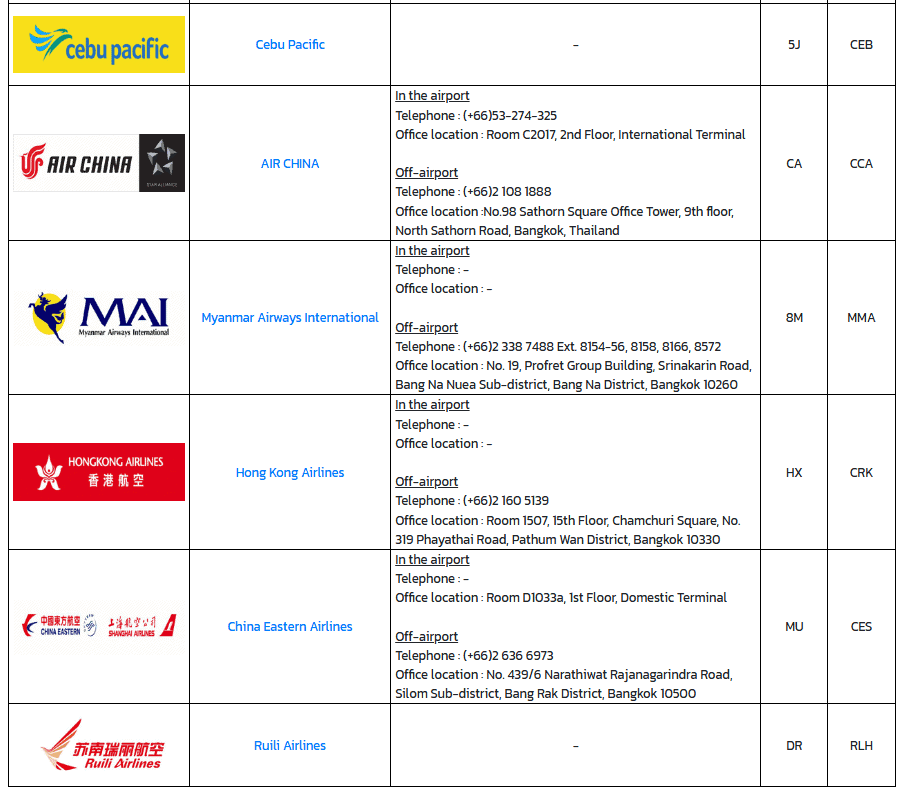
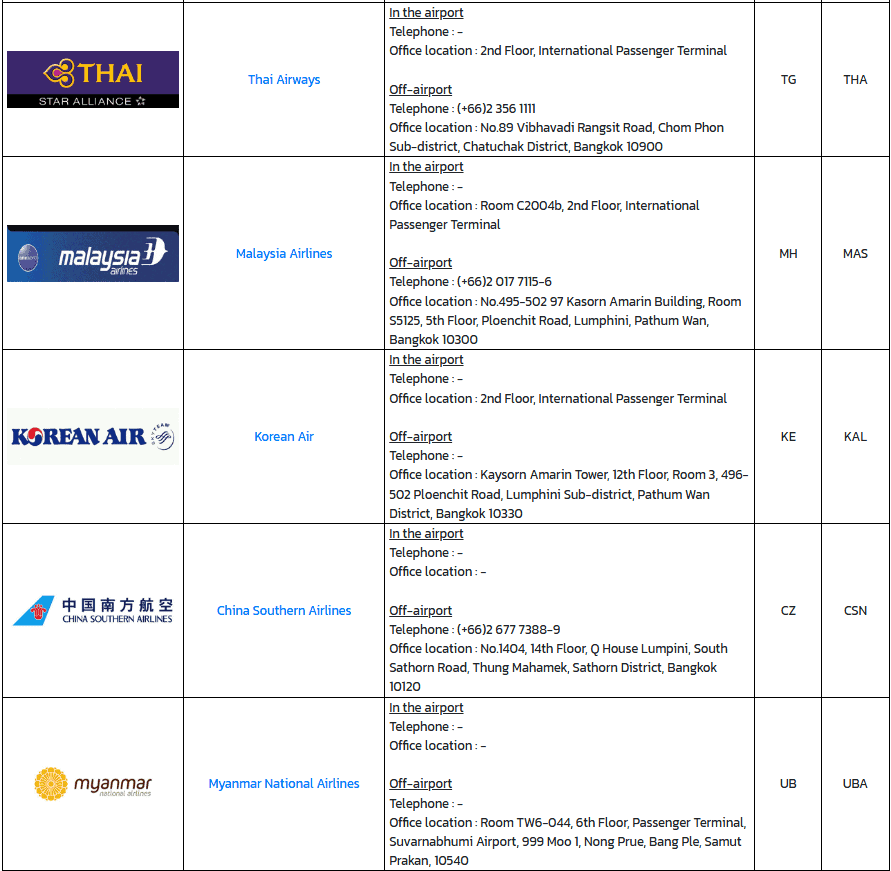
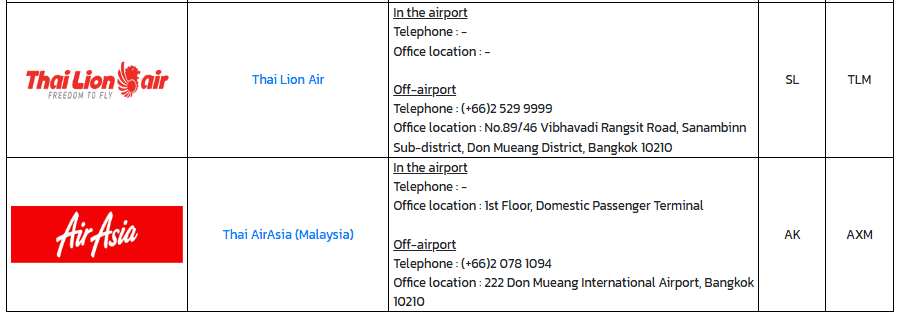
Domestic and international services use different passenger areas in the same airport complex. Check your airline’s counter and flight screens rather than assuming that every departure uses the same entrance. Someone meeting you should also know which arrivals area to use.
Bangkok flights may use Suvarnabhumi (BKK) or Don Mueang (DMK). This matters for an onward connection in Bangkok: changing airports requires a separate road transfer and a much larger time allowance than changing flights within one airport. Other domestic and international routes vary with airline timetables, so check the actual service and travel date when booking.
Arriving and Collecting Your Baggage
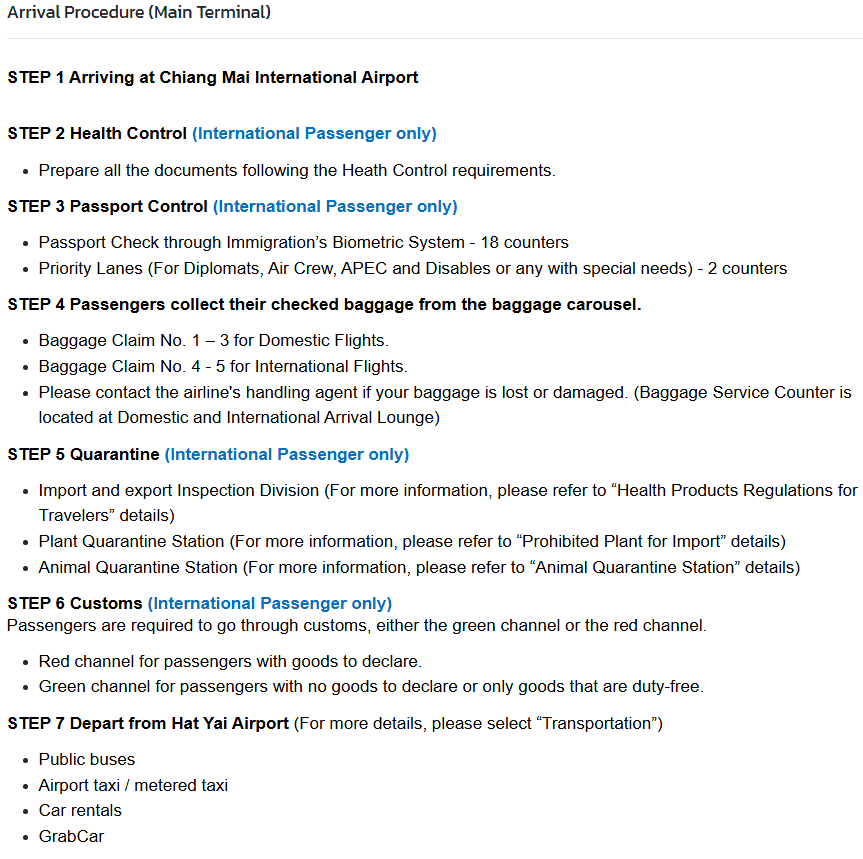
Keep your passport, travel documents and accommodation details accessible on an international arrival. After any applicable health controls, passengers pass through immigration, collect checked baggage and complete relevant quarantine and customs procedures before entering the public arrivals area. Follow the current arrival-document requirements for Thailand and the instructions at the airport.
Domestic arrivals proceed to baggage claim without international passport control or customs. The airport’s layout places domestic baggage belts 1-3 and international belts 4-5 in their respective areas, although your flight’s display determines the actual belt. Report missing or damaged luggage to the airline’s handling agent before leaving arrivals; its baggage service counter is the appropriate starting point.
If you need cash, a mobile connection or a rental car, deal with those arrangements before heading to your pickup point. For a pre-booked hotel transfer, read the meeting instructions carefully and keep the driver’s contact available. A flight number helps the provider track delays, but confirm whether waiting time and late arrival are included.
Choosing an Airport Transfer
Compare transport using the complete hotel address and the size of your group. A shared fare may look inexpensive for one person, while a direct car can make more sense when several people divide the cost. Tell the provider about large suitcases, a wheelchair or other bulky equipment before accepting a vehicle.
Flat-Rate and Metered Taxis
The airport’s flat-rate taxi service has a public counter on level 1 near Entrance 1. Ask for the fare to your actual destination before travelling; the price is destination-based, so an outlying resort should not be budgeted like an Old City hotel. Keep the service slip or booking details until you reach your accommodation.
The standard metered taxi service is also listed near Entrance 1. Its charge is the metered journey fare plus a 50-baht airport surcharge. Distance and traffic affect the total, and premium taxi products can have different pricing. Establish which service you are using rather than treating every taxi counter as interchangeable.
Grab and Pre-Booked Cars
Grab can pick up as well as drop off passengers at Chiang Mai Airport. Book in the app, check the displayed price and follow the designated pickup instructions; the airport lists its Grab area in the domestic public carpark on level 1. Match the vehicle and driver details before loading your luggage.
The Grab service is listed for 24-hour operation, although driver availability and waiting time still vary. A hotel or private transfer can be useful for a very late arrival, a larger group or accommodation outside central Chiang Mai. Confirm the meeting point, vehicle capacity and total price when booking.
City Buses, Shuttles and Songthaews
RTC city buses offer airport loops through central Chiang Mai. Allow around 50 baht per journey as a planning budget, then check the fare, departure board and route at the stop outside the terminal. The service is a daytime option; confirm the day’s last departure rather than relying on it for a late-night flight.
The route you board determines both the direction around the city and the useful stop for your hotel. Check for the Old City, Nimman or Night Bazaar destination you need before paying, and allow for the final walk with luggage. Waiting time and intermediate stops make a bus slower than a direct car, particularly if you have an onward reservation.
Airport shuttle services are separately listed in international arrivals. Routes A1, A2 and A3 cover the Nimman/moat area, Night Bazaar/Chang Khlan area and Second Ring Road/700th Anniversary Stadium respectively. Ask the counter which route is running, where it stops and the fare before boarding; a route serving a hotel district does not necessarily deliver you to every hotel door.
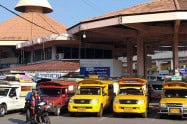
Red songthaews provide another local transport option when available. Agree the destination, whether the price is per person or for the vehicle, and whether other passengers will be collected. They suit flexible journeys better than a tight connection or a large amount of luggage.
Travel Times to Chiang Mai’s Main Visitor Areas
The Old City is only a few kilometres away. Allow roughly 10-20 minutes in light traffic for many central hotels, with a longer margin during commuter peaks, rain or festival congestion. A property inside a narrow soi may require a different approach from the nearest main-road landmark, so show the driver its exact map pin.
Nimmanhaemin lies close to the airport’s north side; a straightforward car journey can take about 10-20 minutes, but intersections around Huay Kaew Road and MAYA can slow it down. Aircraft noise is also noticeable in parts of Nimman and Suthep, which may matter when choosing accommodation.
Tha Phae Gate is on the eastern side of the Old City, usually around 15-25 minutes away by car in favourable conditions. The Night Bazaar and Chang Khlan hotel district are farther southeast of that gate and commonly need about 15-30 minutes. Treat these as rough journey allowances, not guaranteed transfer times.
Walking from the airport to these neighbourhoods is awkward with bags even when the straight-line distance looks short. Main roads, junctions and uneven pedestrian sections make a vehicle more practical for most arriving passengers.
Connecting to Trains, Buses and Pai
Chiang Mai Railway Station is east of the Ping River; allow approximately 20-35 minutes for a road transfer in ordinary traffic. Arcade Bus Station is farther northeast, with a similar or longer city journey. Check the terminal and departure point on your bus booking, since not every service leaves from the same station.
Add baggage collection, international immigration where applicable, transport waiting time and the onward operator’s check-in requirement to the road journey. Separately booked train, bus and flight tickets may not cover a missed departure. Leave enough room for a delayed flight rather than choosing the last possible connection.
Pai is normally reached by road from Chiang Mai, rather than by a scheduled flight from CNX. Minivans and private transfers use the winding Route 1095 into the mountains, with the road journey commonly taking three to four hours. Confirm the minivan pickup point and allow time to reach it from the airport; a direct private transfer avoids that extra connection.
Check-In, Security and Boarding
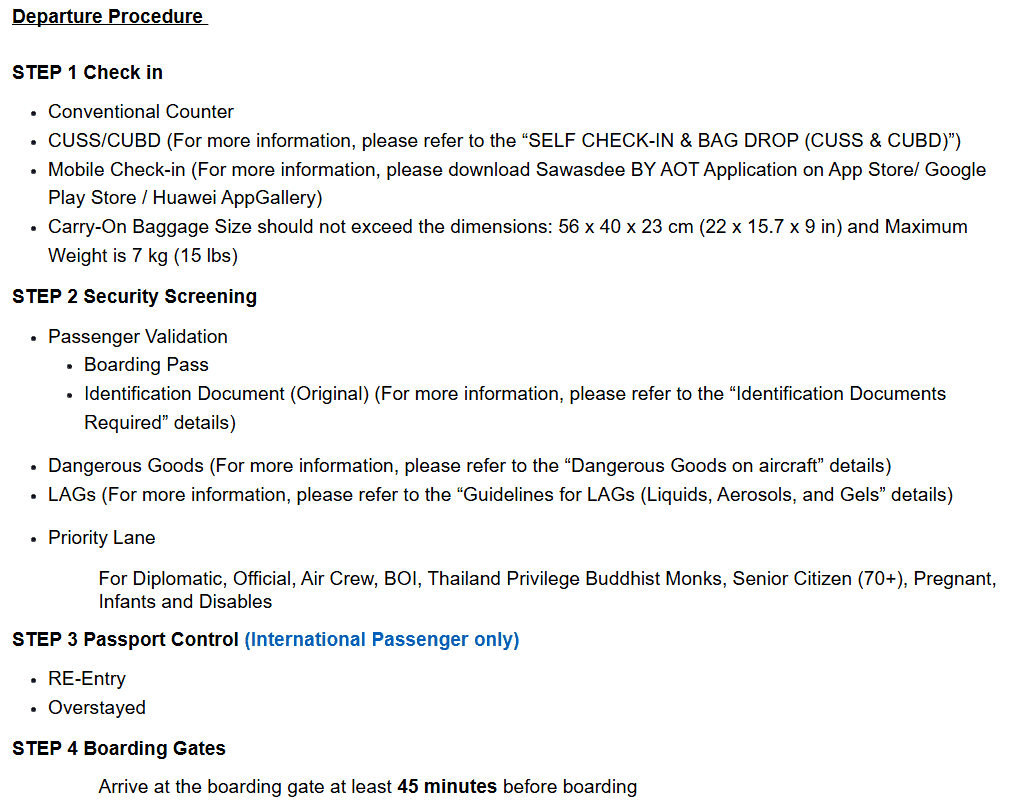
For a domestic departure, arriving around two hours beforehand is a useful starting point; allow about three hours for an international flight. Follow your airline’s instructions if it requires a different margin, and add time for returning a rental car, assistance, bulky baggage or busy holiday travel. Check-in and baggage acceptance close before the flight itself.
Participating airlines offer self-service check-in kiosks, with self bag-drop available for selected carriers. A boarding pass issued online or at a kiosk does not mean checked luggage has been accepted. Follow the bag-tag and security instructions, keep the baggage receipt, and use a staffed airline counter when your documents or bags require assistance.
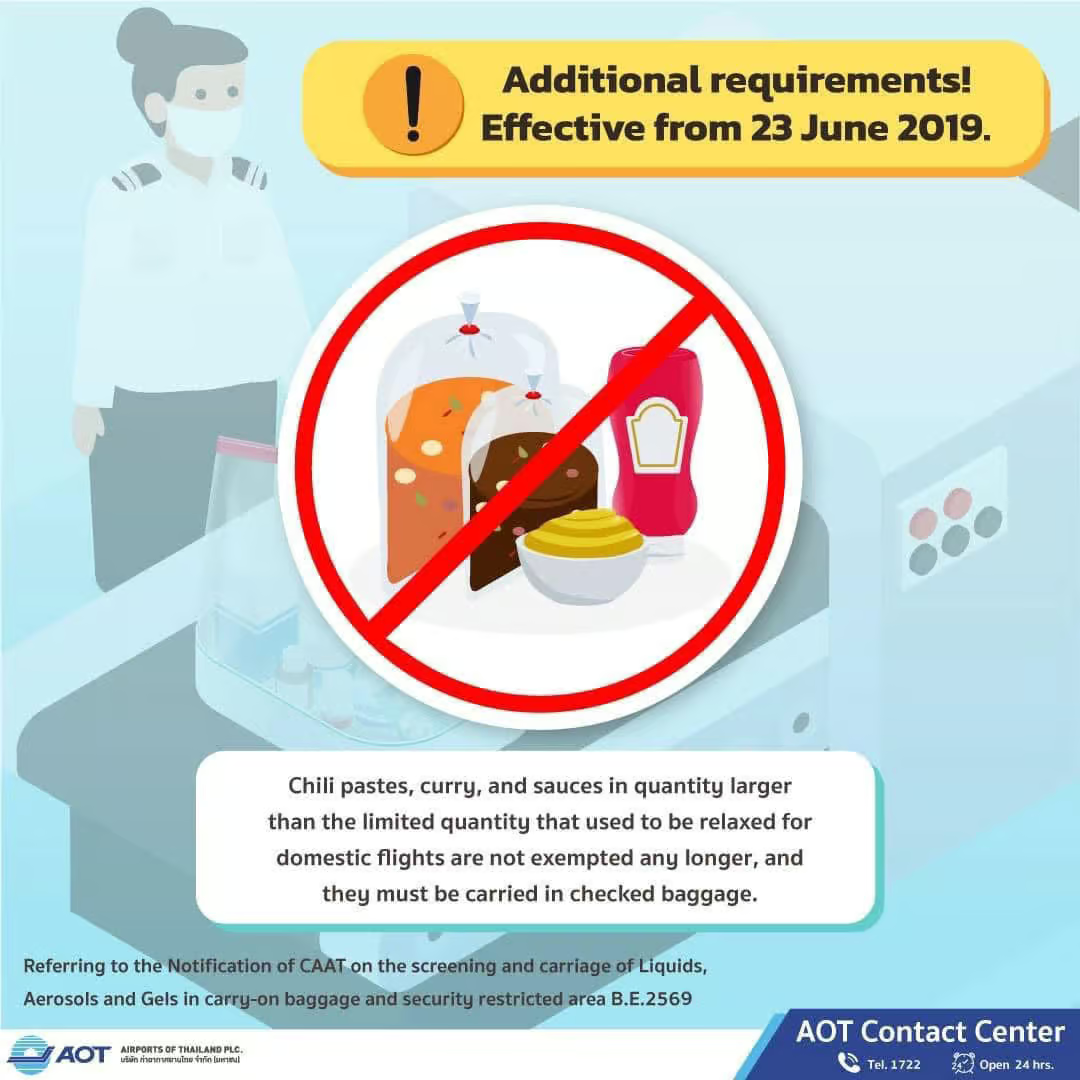
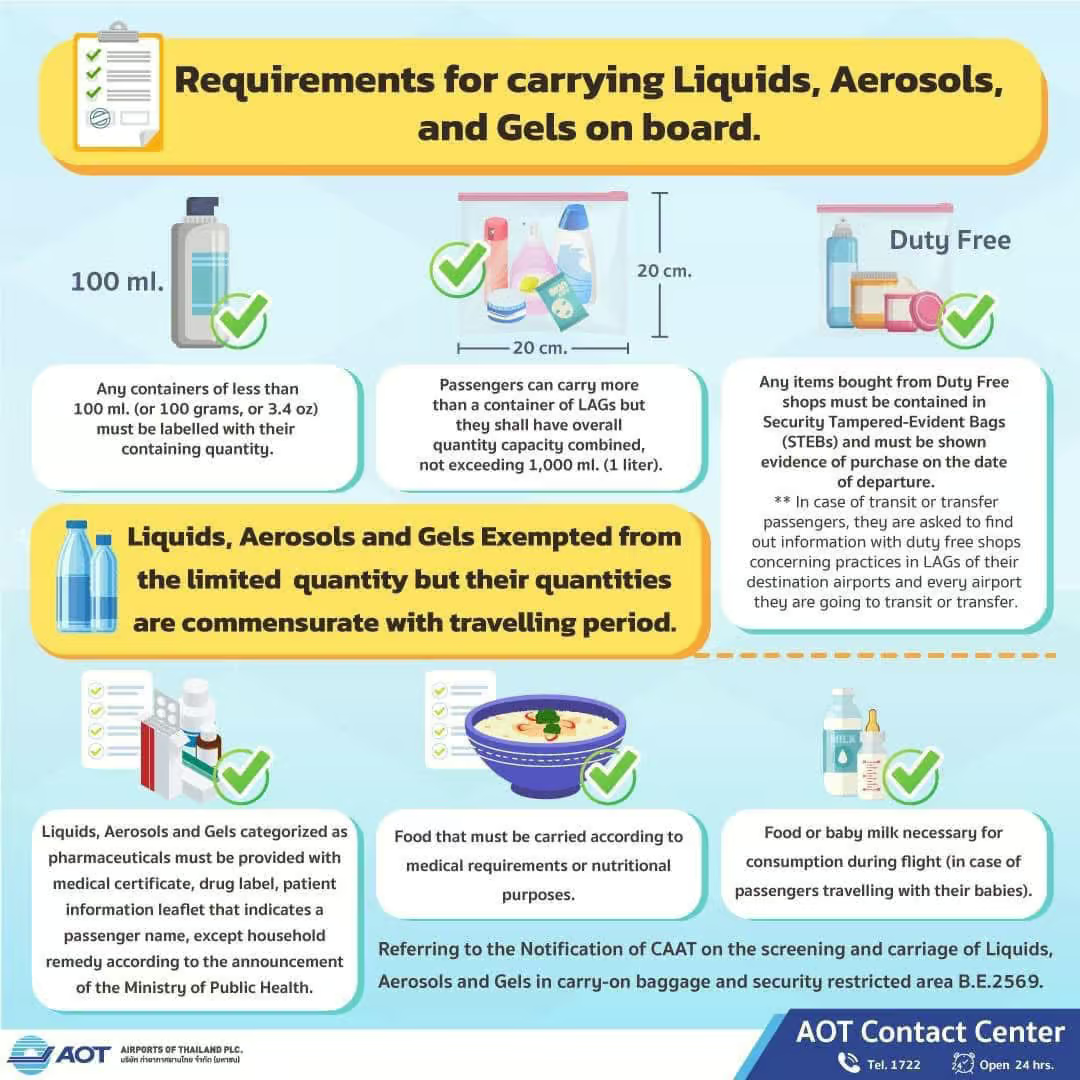
Proceed through passenger and cabin-baggage screening, then passport control for an international departure. Keep your identification and boarding pass ready, follow the current liquid and prohibited-item rules, and check the gate on the flight screens. Airline baggage allowances vary, so use the conditions of your booking for permitted weight and dimensions.
Reach the gate before the airline’s boarding deadline. A meal, shopping or a lounge visit should fit around boarding rather than delay it, and international processing can still take time in this relatively small airport.
Services While You Wait
Cafes, restaurants, convenience retailers and souvenir shops serve different parts of the terminal. Choose a meal according to the time available and whether you have already passed security; reaching another passenger area can involve more than simply walking to the next shop. Late-night travellers should carry what they need rather than assume every outlet stays open with the airport.
ATMs and currency-exchange services help arriving passengers obtain Thai baht. Compare the provider’s rate and any applicable fees, and keep enough accessible cash for transport or small purchases. Mobile-service counters and tourist SIM products provide another arrival convenience; compare the data allowance, validity and activation process with an eSIM arranged before travel.
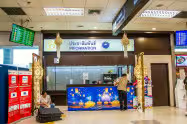
For a lost item in the terminal, ask airport information which office handles it. For a bag checked with an airline, use that airline’s baggage service instead. Keeping your flight number, baggage tag and a clear item description makes either enquiry easier.
Driving, Car Rental and Parking
The airport entrance is off Mahidol Road southwest of the Old City. Allow time for the airport junction and terminal approach, especially during busy arrivals and departures. Use the signed drop-off, pickup and parking areas, and arrange a meeting only after the arriving passenger has collected their luggage.
Rental-car services are available on the first floor. Book ahead if you need a particular vehicle, and confirm licence requirements, insurance, deposit arrangements and the return location with the company. For an onward mountain trip, choose a driver and vehicle suited to steep, winding roads; a car is less essential for a stay centred on the walkable Old City.
The airport has surface parking and a 10-storey parking building, with parking listed for 24-hour operation. Follow signs for the appropriate area and check its current tariff before a long stay. Include the walk back to the terminal in your departure allowance, and distinguish airport parking from private off-airport services that require a shuttle.
Assistance and Overnight Travel
Arrange wheelchair or boarding assistance with the airline before travel and advise it of your needs. The airport provides priority arrangements for eligible passengers, but assistance between check-in and the aircraft depends on the airline and flight. A transfer provider should separately confirm that its vehicle can accommodate you and your equipment.
Round-the-clock airport operation does not provide a hotel room or guarantee a comfortable overnight wait. If you have a long gap before an early flight, consider nearby accommodation and a confirmed transfer. Keep essential medication, a charger and warm clothing accessible, particularly if waiting in an air-conditioned terminal.
Chiang Mai Airport FAQs
What is Chiang Mai Airport called on flight bookings?
Chiang Mai International Airport uses the code CNX. It serves domestic and international flights and is different from Chiang Rai Airport, whose booking code is CEI.
Is Chiang Mai Airport open 24 hours?
Airport operations are available around the clock, but individual airline counters, shops and transport services have separate hours. Confirm arrangements for a late arrival or an early departure instead of assuming every service runs overnight.
Can Grab pick up passengers at Chiang Mai Airport?
Yes. Use the app and its instructions for the designated airport pickup area, listed in the domestic public carpark. Check your assigned vehicle and driver rather than waiting at an arbitrary terminal door.
How much does an airport taxi cost?
A flat-rate airport taxi is priced by destination, while the standard metered service adds a 50-baht airport surcharge to the meter fare. Confirm the service and total pricing arrangement at the counter; a premium taxi may use a different tariff.
Can you take a bus from the airport to the city?
RTC city buses provide daytime airport loops, and separate airport shuttles serve several hotel areas. Check the current route, fare and next departure before boarding, then allow for any walk from the stop to your accommodation.
How early should you arrive for a flight?
Around two hours before a domestic departure and three hours before an international departure is a practical starting point. Follow the airline’s instructions and add time for assistance, rental-car return or peak-period queues.
How do you continue from the airport to Pai?
Pai is normally reached by road. Either transfer to the departure point stated on your minivan booking or arrange a direct private transfer; allow for the three-to-four-hour mountain journey as well as airport arrival procedures.
Are domestic and international flights in different airports?
Both use Chiang Mai Airport, with separate passenger areas within the same complex. For a connection, check whether bags are through-checked and whether you must complete immigration, collect luggage and check in again.
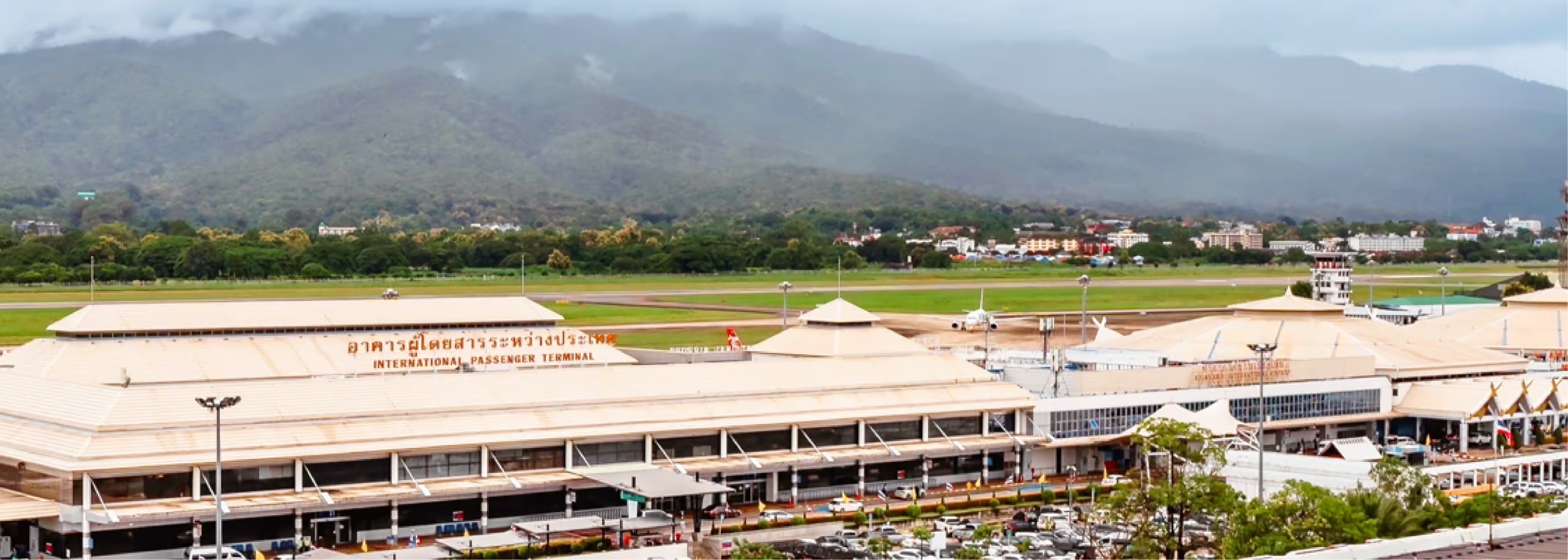













Hi, is there a post office in Chinag Mai airport? Myself and a few friends are all arriving with different plane and would like to know where is the best place to meet? Is there a place where I can purchase a sim/data card at the airport?
Thanks in advance.
Al
Hi Al,
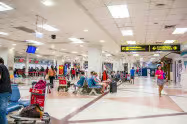
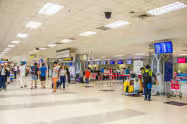
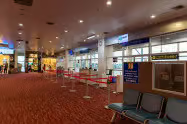
Yes, there is a post office in Chiang Mai Airport. The airport is small and so I would just wait outside the arrivals door after you have gone through immigration and baggage claim. You will all exit through the same door. So just wait there after you have passed through. There are seats and a number of money changers located at the arrivals exit.
Yes, you can purchase a SIM card at the airport, follow the many advertisement signs as there are a few local vendors.
Just note that you can get a better deal from one of the malls. I recommend AIS which you can get from Maya Mall, I think level 4. The staff are very friendly and speak excellent English. Just take your passport with you and they will be able to set you up with a tourist SIM or a longer term plan if you are staying a while. For around $20AUD per month, you can get around 10g of data and unlimited call and text.
Best regards,
Jess