


















































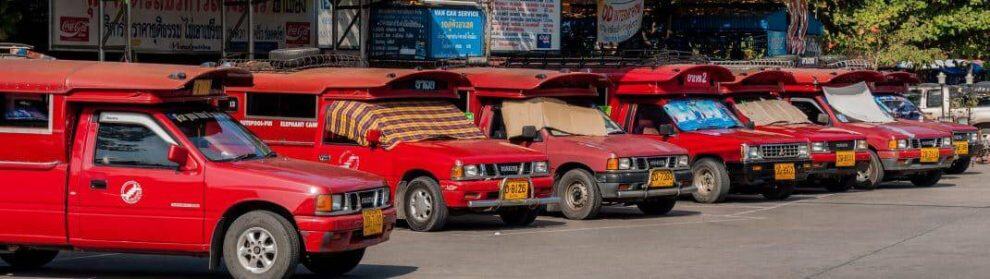
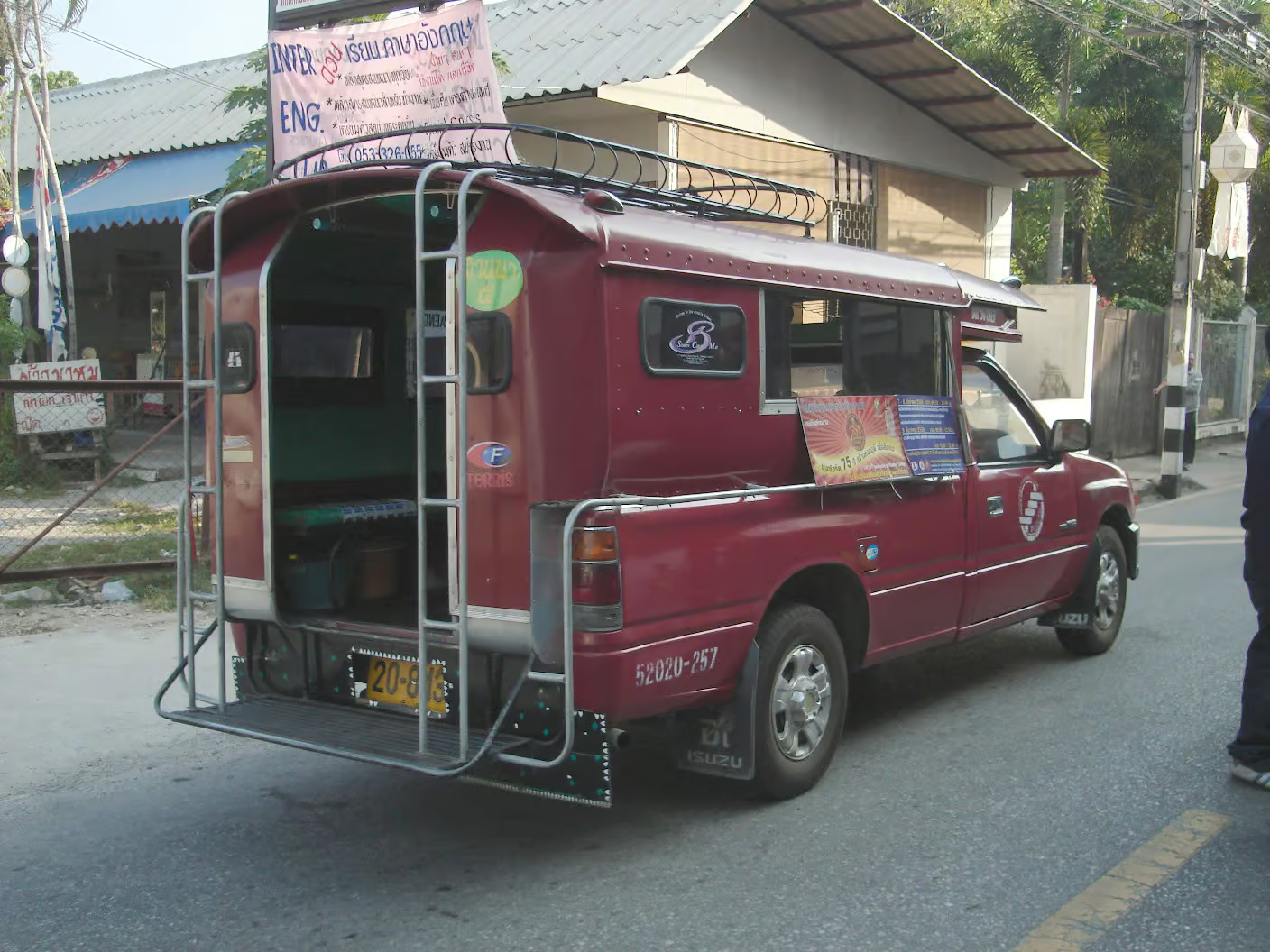
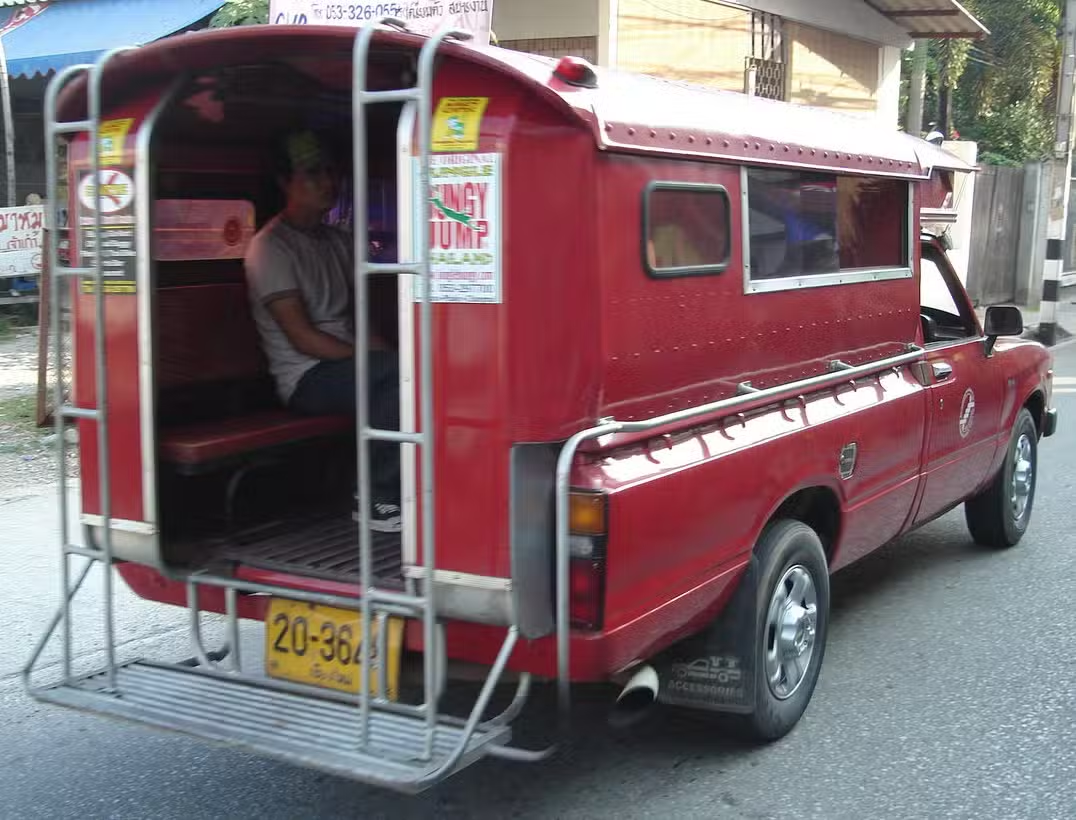
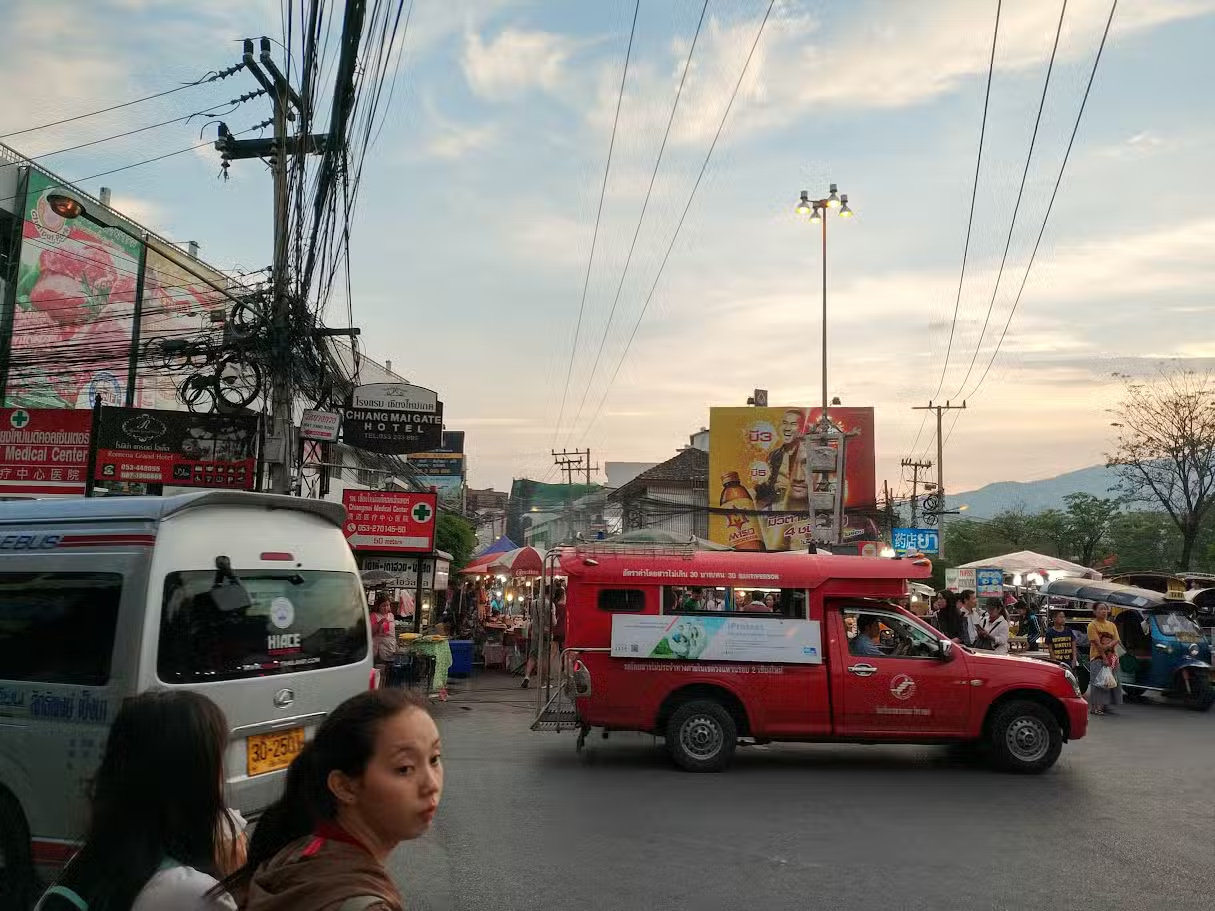
Chiang Mai’s songthaews are converted pickup trucks with two bench seats in a covered rear compartment. The red vehicles, often called rot daeng, are a familiar way to travel between the Old City, markets and other central neighbourhoods without booking a private car.
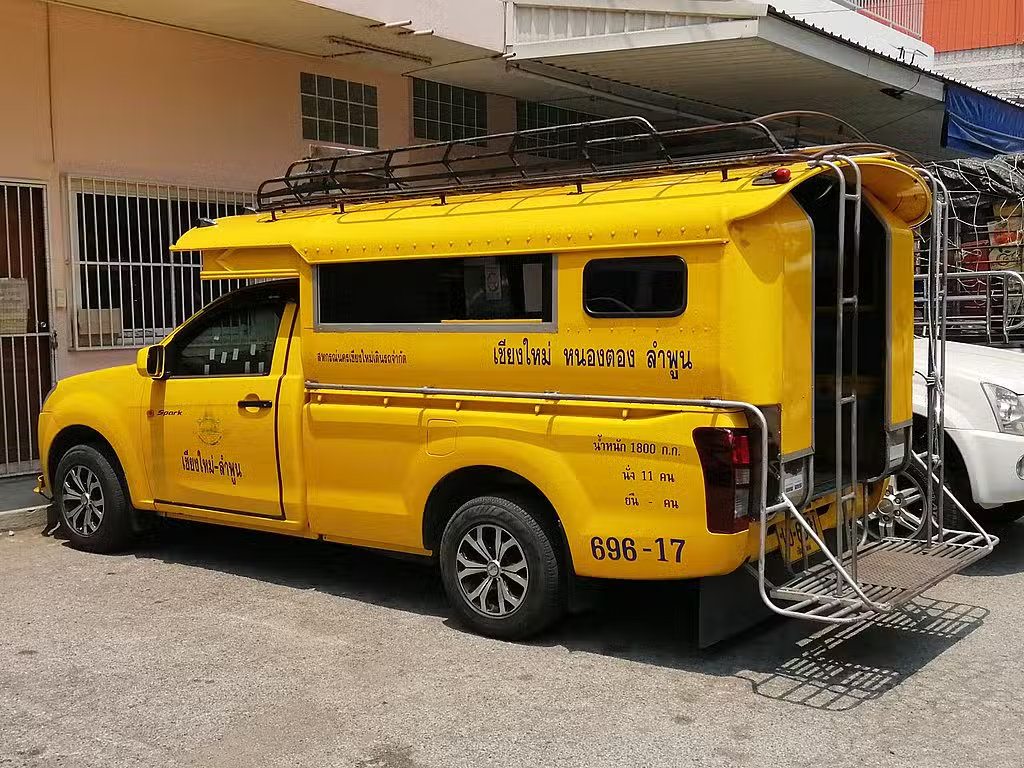
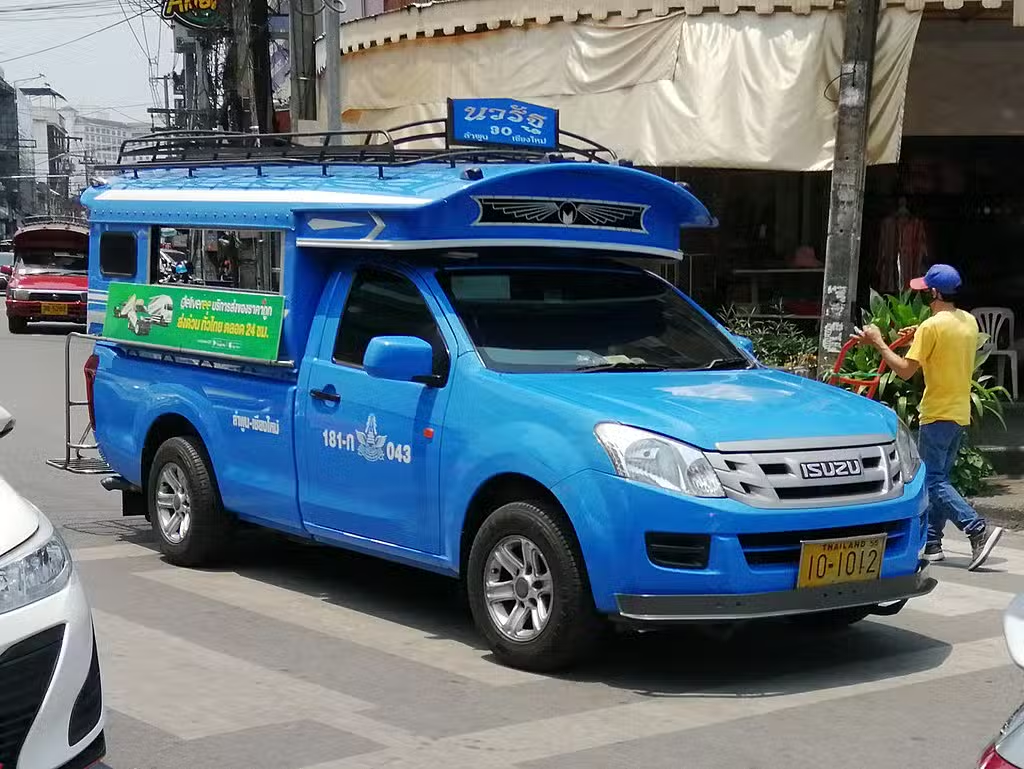
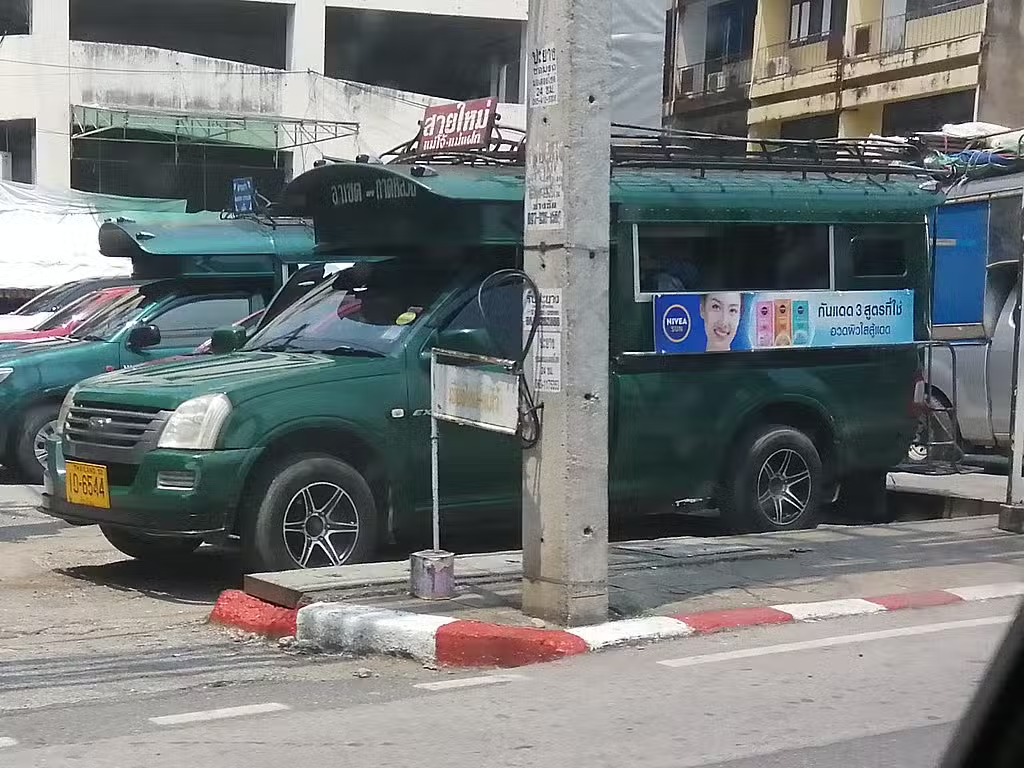
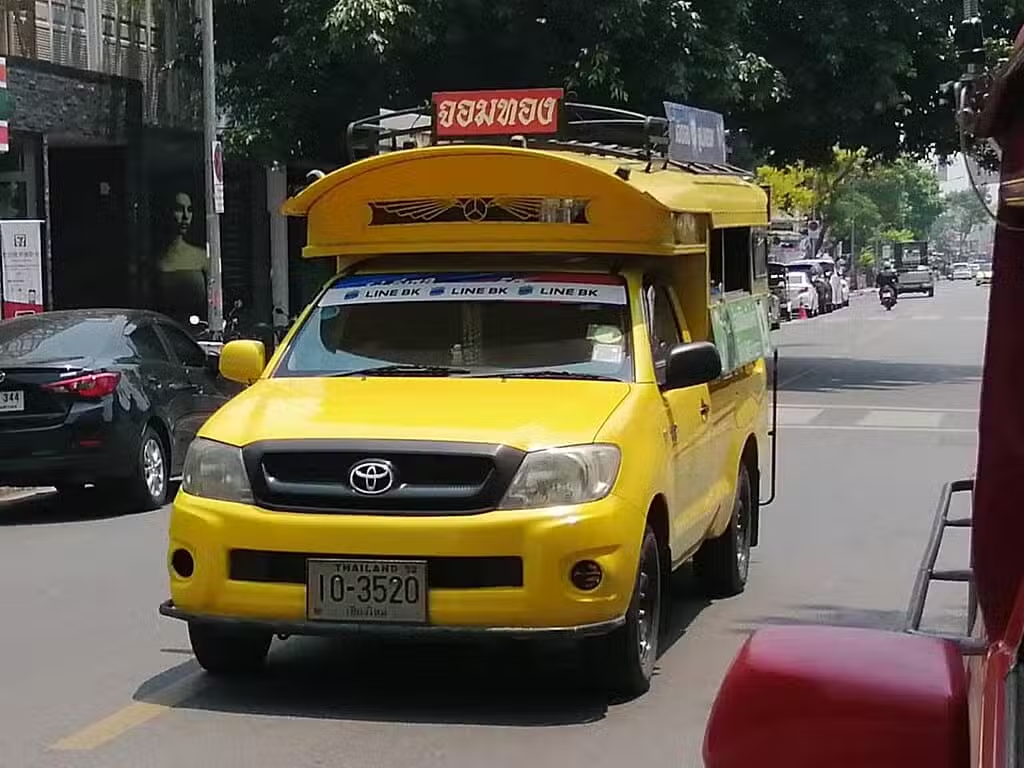
The important point is that an ordinary red songthaew is shared transport. The driver combines passengers whose destinations fit broadly the same direction, so your journey may include pickups and detours. Other coloured songthaews generally serve more defined routes to surrounding districts and should be treated as a separate transport system.
How to Catch a Red Songthaew
Wait where a vehicle can pull over safely and wave to an approaching red truck. Speak to the driver before entering, give your destination and confirm the price. A familiar landmark or a map pin is often easier to communicate than the English name of a small hotel.
The driver may decline if your destination does not fit the journey already being made for other passengers. In that case, try another vehicle. Acceptance does not mean you have hired the truck privately: the driver can continue collecting and dropping off other people.
Boarding, Stopping and Paying
Enter through the rear when the vehicle is stationary and sit on a bench with bags kept clear of the entrance. Check where the stop buzzer is before setting off; press it when you need to get out and wait until the driver has stopped safely.
Payment for a normal shared ride is usually made after getting off, at the driver’s window. Carry small cash and check your belongings before the vehicle leaves. If the driver has agreed to drop you at a specific landmark, still pay attention as you approach it rather than assuming a door-to-door service.
Fares: Shared Rides and Private Hire
Around 30 THB per person is a useful guide for an ordinary shared journey within the city. It is not a universal fare for every destination, airport pickup or late-night request. Confirm what your own ride will cost before getting in, especially when travelling outside the centre.
Ask whether a quote is per passenger or for the whole vehicle. Four people paying a shared fare each can produce a different total from the price first mentioned, while a private charter may be quoted as one amount for everyone. Clarifying this at the start avoids an awkward discussion after arrival.
When Private Hire Makes Sense
A private songthaew can suit a group visiting several places or travelling beyond the city. Agree the itinerary, waiting time, return journey and total price before leaving. A one-way transfer is different from a charter that waits at each attraction and brings you back.
For a simple central trip, a shared truck can be inexpensive for one traveller. For several people, compare the combined fare with a private taxi or app-based car. The latter may be more convenient when luggage, air conditioning or a firm arrival time matters.
Routes Around the Old City and Nimman
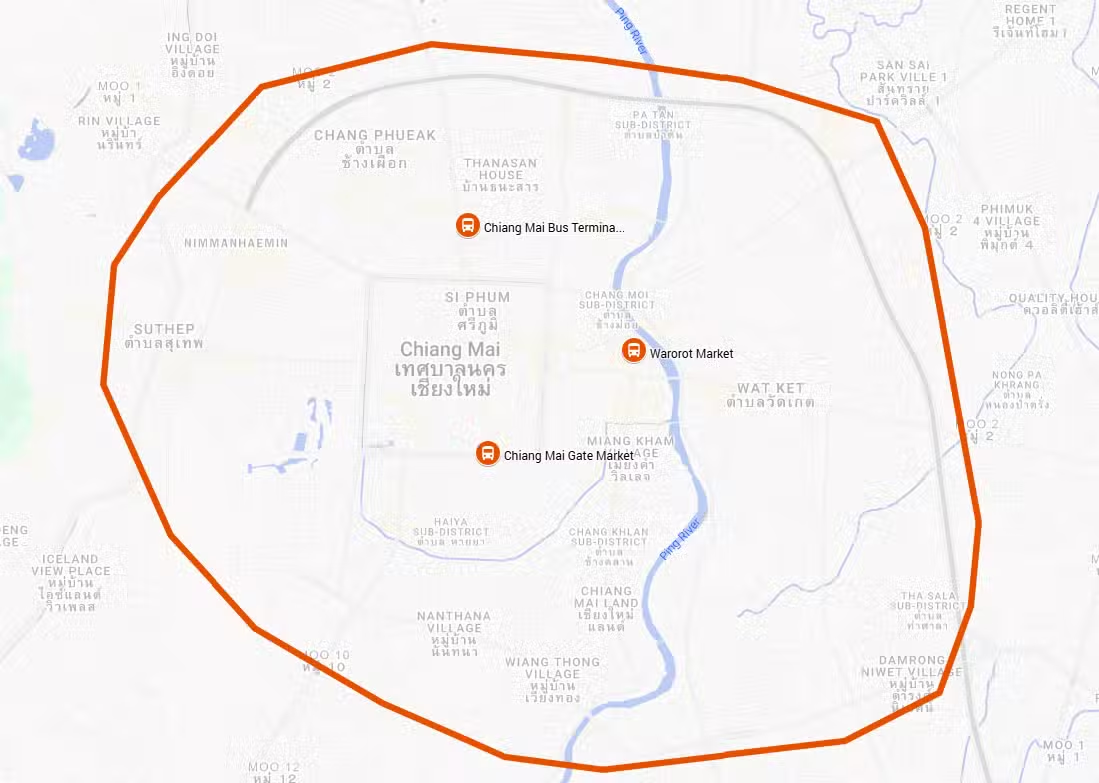
Red trucks circulate through the Old City and surrounding streets rather than operating as one numbered route. Major landmarks such as Tha Phae Gate, Chiang Mai Gate, Chang Phuak Gate, Warorot Market and MAYA are useful starting points when explaining where you want to go.
Journeys towards Nimmanhaemin and Chiang Mai University can be practical when the driver’s existing passengers are travelling that way. For the university, show the exact entrance or building: its large campus makes a general request for ‘the university’ less precise than it sounds.
One-way roads and passenger drop-offs can make a short trip indirect. For a nearby destination, walking may be quicker in comfortable weather. Choose a direct ride if you have a train, bus, performance or appointment to reach at a fixed time.
Travelling to Doi Suthep
Songthaews also make mountain journeys to Wat Phra That Doi Suthep, with shared vehicles commonly gathering around Chiang Mai Zoo. These trips have different arrangements from roaming city rides: a driver may wait for enough passengers before departing or offer a private charter.
Confirm the fare, departure arrangement and return plan before setting off. Ask whether the driver waits, how long you have at the temple and where you meet afterwards. The central-city fare should not be used as a price guide for a mountain excursion.
Airport, Railway and Bus Station Trips
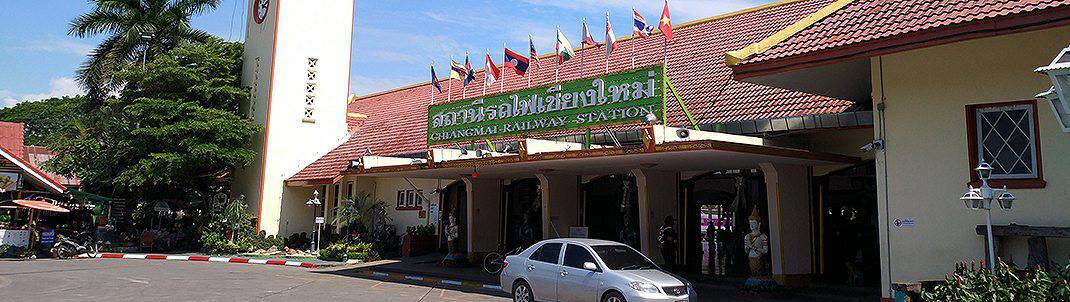
A red truck can be useful for connections around the railway station and Arcade bus terminals, but a driver waiting for arrivals may quote a private ride. Show your hotel location and establish whether the price is per person or for the vehicle before loading bags.
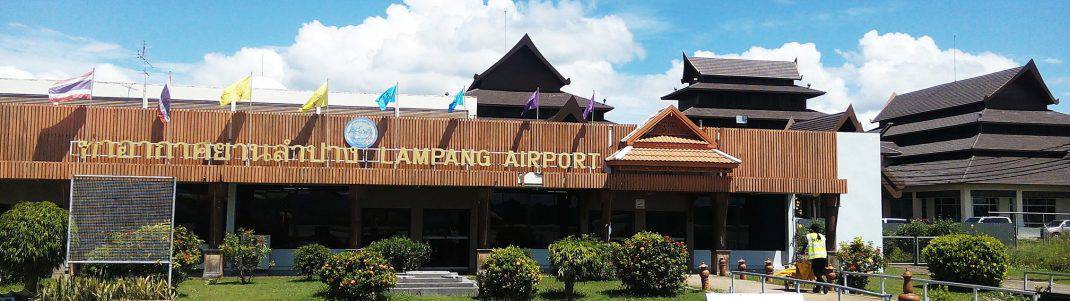
Airport pickups have their own access arrangements and should not be treated as an ordinary roadside hail. Follow the current pickup instructions at the terminal. A taxi or suitable booked vehicle is often easier with several suitcases, young children or a tight onward connection.
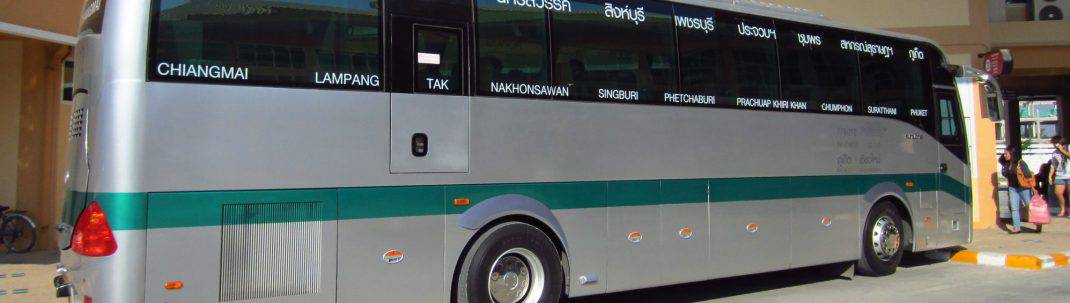
Chiang Mai has separate bus stations. Chang Phuak is Terminal 1 north of the Old City, while Arcade Terminals 2 and 3 are east of town. Tell the driver the actual terminal on your booking rather than simply asking for ‘the bus station’.
Coloured Songthaews to Surrounding Districts
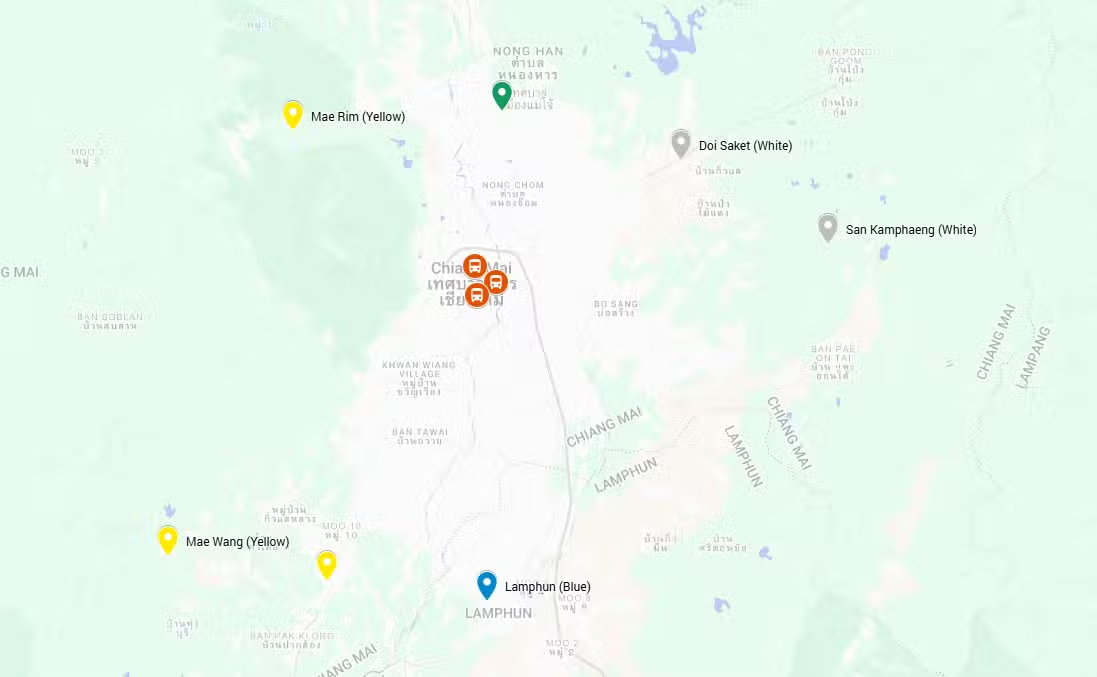
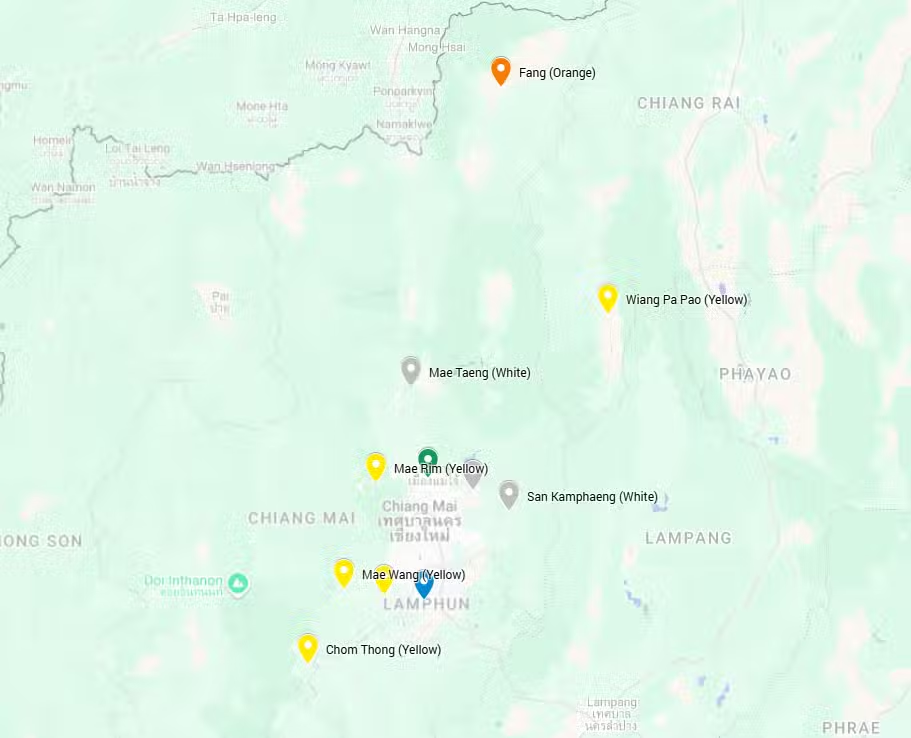
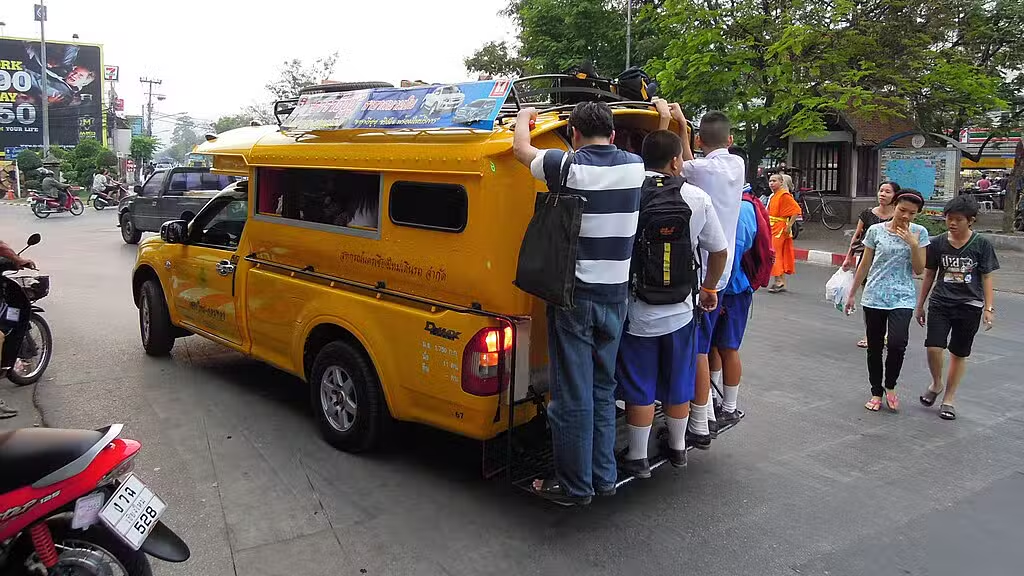
Other colours are associated with route services between Chiang Mai and nearby towns or districts. Warorot Market and Chang Phuak Bus Terminal are important places to ask about these services, but the right departure point depends on the destination.
Use the destination and route information as your guide, rather than relying only on a colour chart. Ask where the vehicle terminates, whether it passes your actual stop and when the last return leaves. A route to a district town does not automatically reach an outlying waterfall, national park or hotel.
These services can be useful for flexible independent travel, particularly when your destination lies on the route. They become less convenient when a long final transfer is needed or when you want to visit several scattered attractions in one day.
Comfort, Luggage and Access
The rear compartment is open-sided and passengers normally board by climbing up from the rear. Keep luggage secure, hold the available rails and remain seated while moving. Do not travel on the rear step or lean out to take photographs.
The layout can be difficult with heavy suitcases, a large pram or limited mobility. Travellers needing an accessible vehicle should arrange one specifically rather than assume a standard songthaew can accommodate a wheelchair. Discuss any assistance and baggage requirements before boarding.
Because a shared route changes as people get on and off, there is no reliable journey time for every city trip. Allow a buffer or choose a direct vehicle when punctuality is more important than the low shared fare.
Chiang Mai Songthaews FAQs
How much is a red songthaew in Chiang Mai?
Around 30 THB per person is a useful baseline for a shared central-city ride. Confirm the price before boarding, since longer trips, airport arrangements and private hire can cost more.
Do red songthaews follow fixed routes?
Ordinary city red trucks generally combine passengers travelling in compatible directions. The driver can make intermediate stops and detours, while other coloured route vehicles serve more defined corridors.
Why might a driver refuse your destination?
Your destination may not suit the passengers already on board. Try another vehicle or arrange a direct ride if you need to leave immediately.
When do you pay?
For a normal shared city trip, payment is usually made at the driver’s window after getting off. Carry small cash and make sure you know whether the agreed price is per person.
Can you hire the whole vehicle?
Private hire is possible by agreement. Confirm the full itinerary, waiting time, return arrangements and total price so a one-way transfer is not confused with a multi-stop charter.
Can you take a songthaew to Doi Suthep?
Mountain trips are commonly arranged around Chiang Mai Zoo, using shared departures or private hire. Agree the fare and how you will return; the ordinary city fare does not apply.
Are songthaews suitable for wheelchair users?
Standard vehicles require a step up into the rear and do not provide conventional wheelchair access. Arrange an appropriate accessible vehicle if you cannot manage the boarding arrangement.



.jpg)
.jpg)
.jpg)
.jpg)
.jpg)
It would be helpful if you had included routes for the blue, yellow, white, green and orange ones which have set routes. do you have a source for those?
Hi Todd,
Thanks for the suggestion. While i have only had the experience of riding the red trucks around Chiang Mai (i either used a motorbike, grab car, or a bus to travel further out), i have found this information about other songthaew colours and their associated routes, and have added a new section to this page.
I tried to create a map using various sources, but i was only able to plot the rough destinations.
Hope this helps.
Thanks
Michael