


















































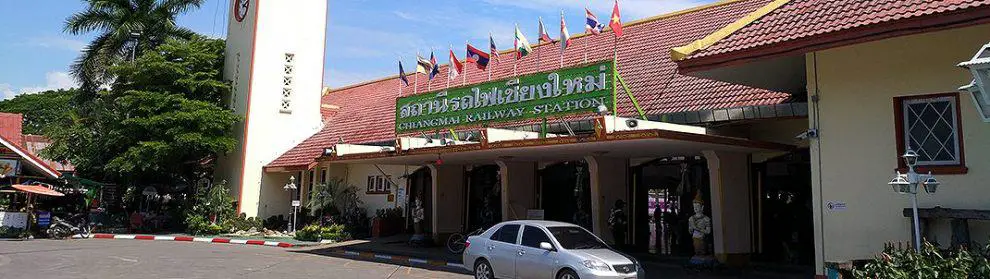
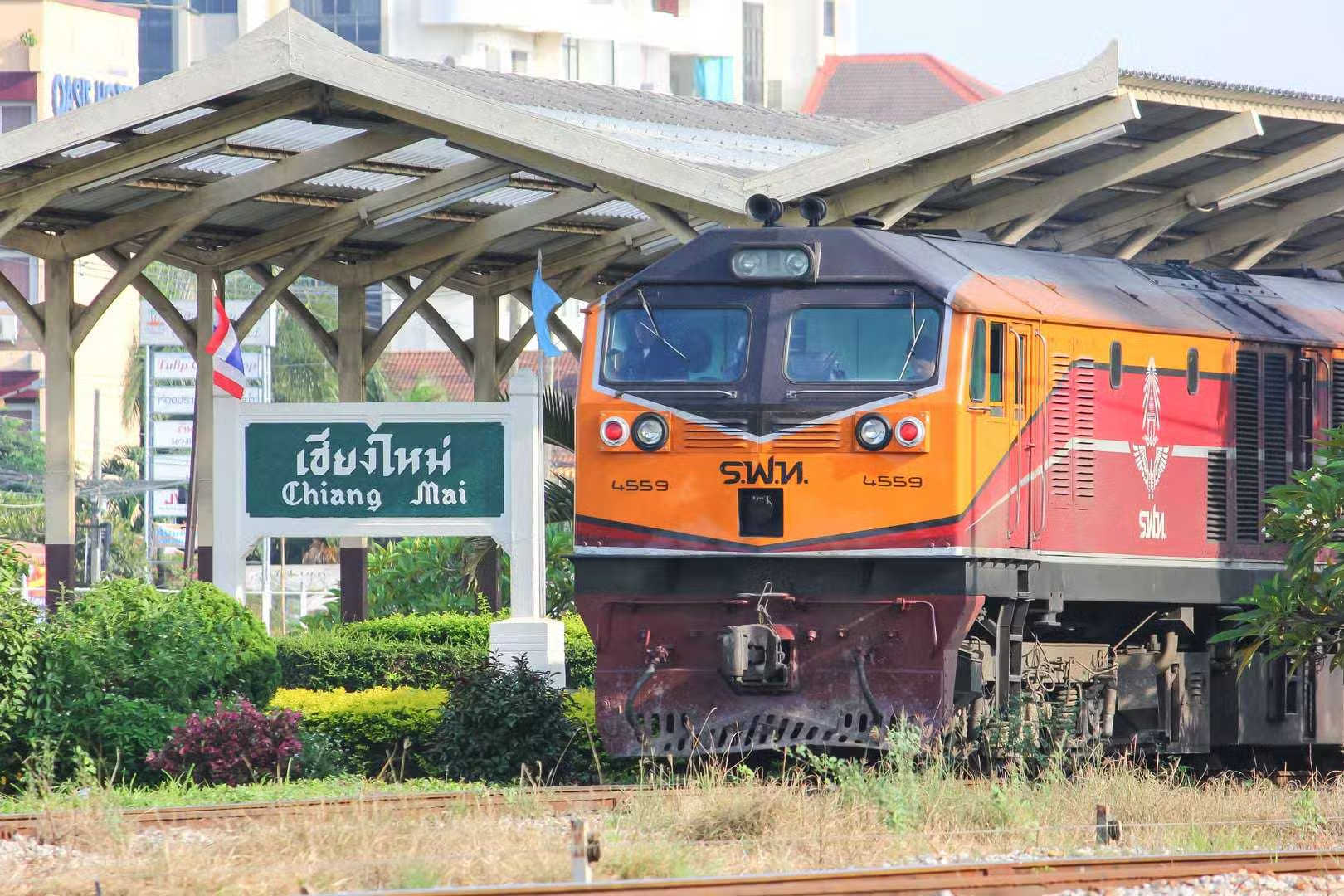
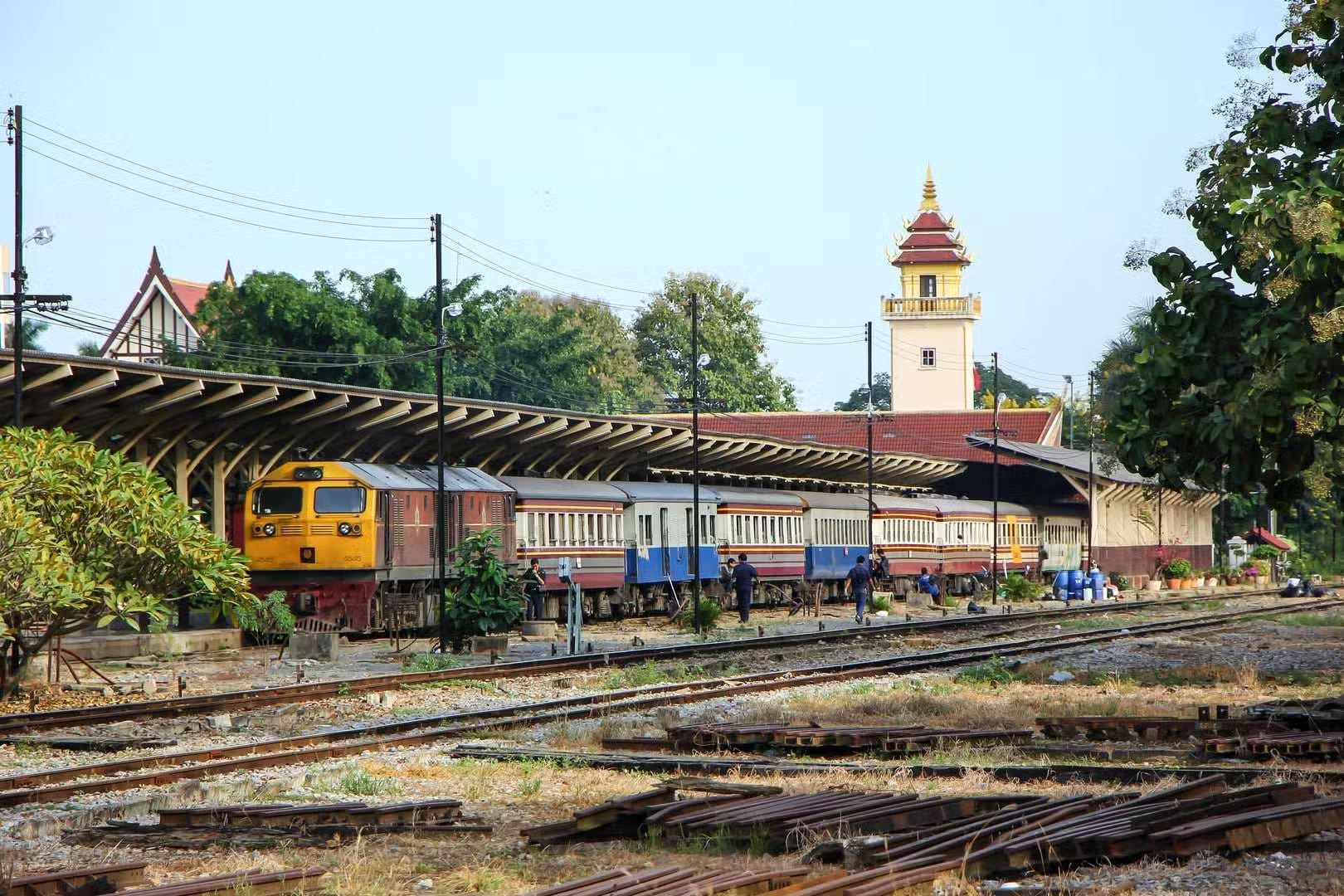
Chiang Mai Train Station is the northern terminus of Thailand’s main railway route from Bangkok, and the starting point for journeys through Lamphun, Lampang and the central plains. For many travellers, its defining experience is the overnight sleeper: boarding in the evening, settling into a berth and reaching Bangkok the next morning. Daytime services offer a different pleasure, with changing scenery visible through the windows rather than passing unseen overnight.
The station is in Wat Ket, east of the Ping River and roughly 3 km from Tha Phae Gate. It is close enough for a straightforward city transfer, but it is separate from the Old City, airport and intercity bus terminals. A useful plan combines the right train and class with a realistic journey to or from your accommodation.
Choosing a daytime train or overnight sleeper
Daytime travel through northern Thailand
A daytime journey suits travellers who want to see the landscape and are comfortable spending much of the day on board. The line leaves Chiang Mai through Lamphun and continues towards Lampang, with wooded hills giving way to broader agricultural country further south. A reserved air-conditioned seat can make a long daytime trip more manageable than a basic upright carriage.
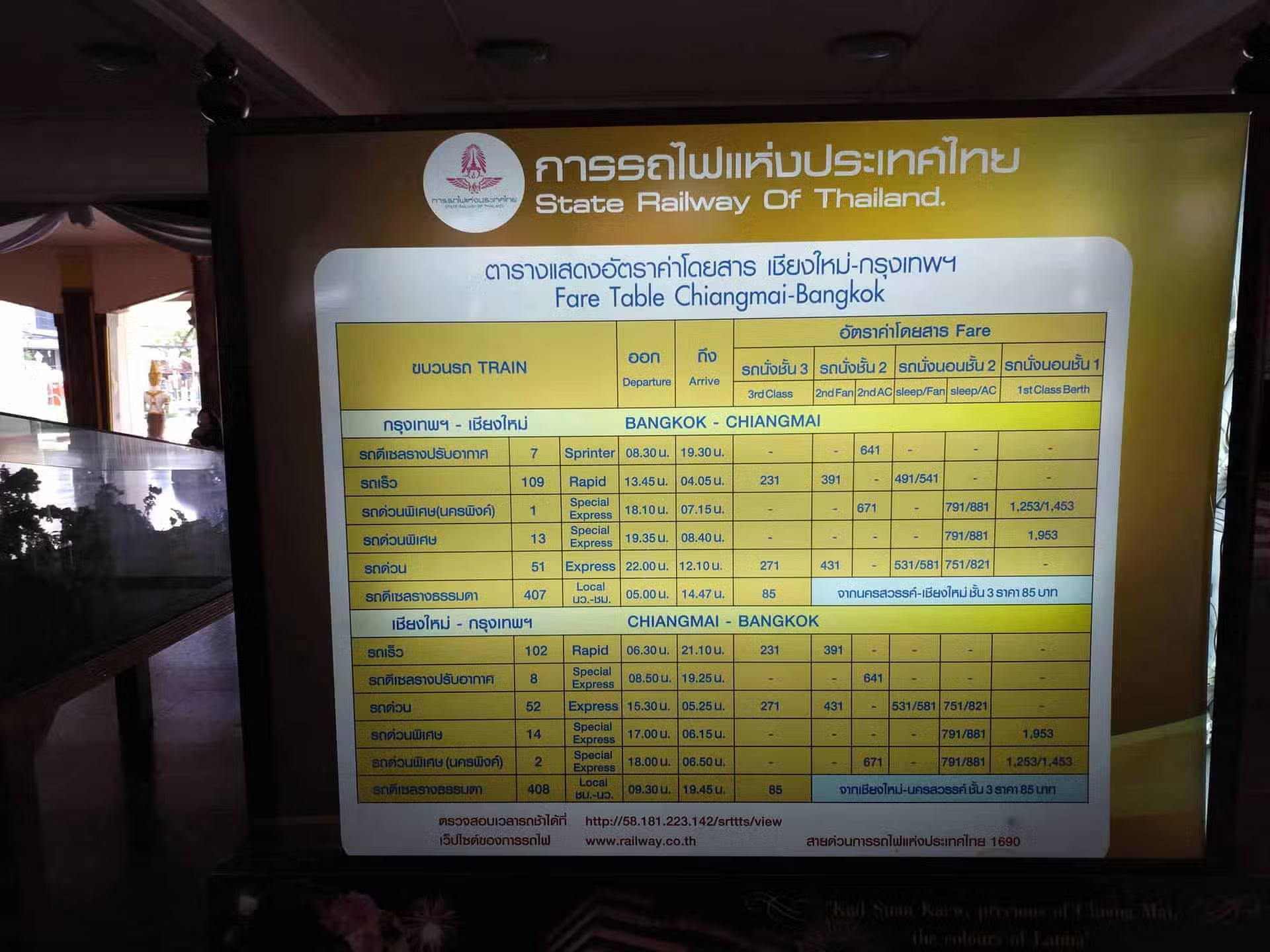
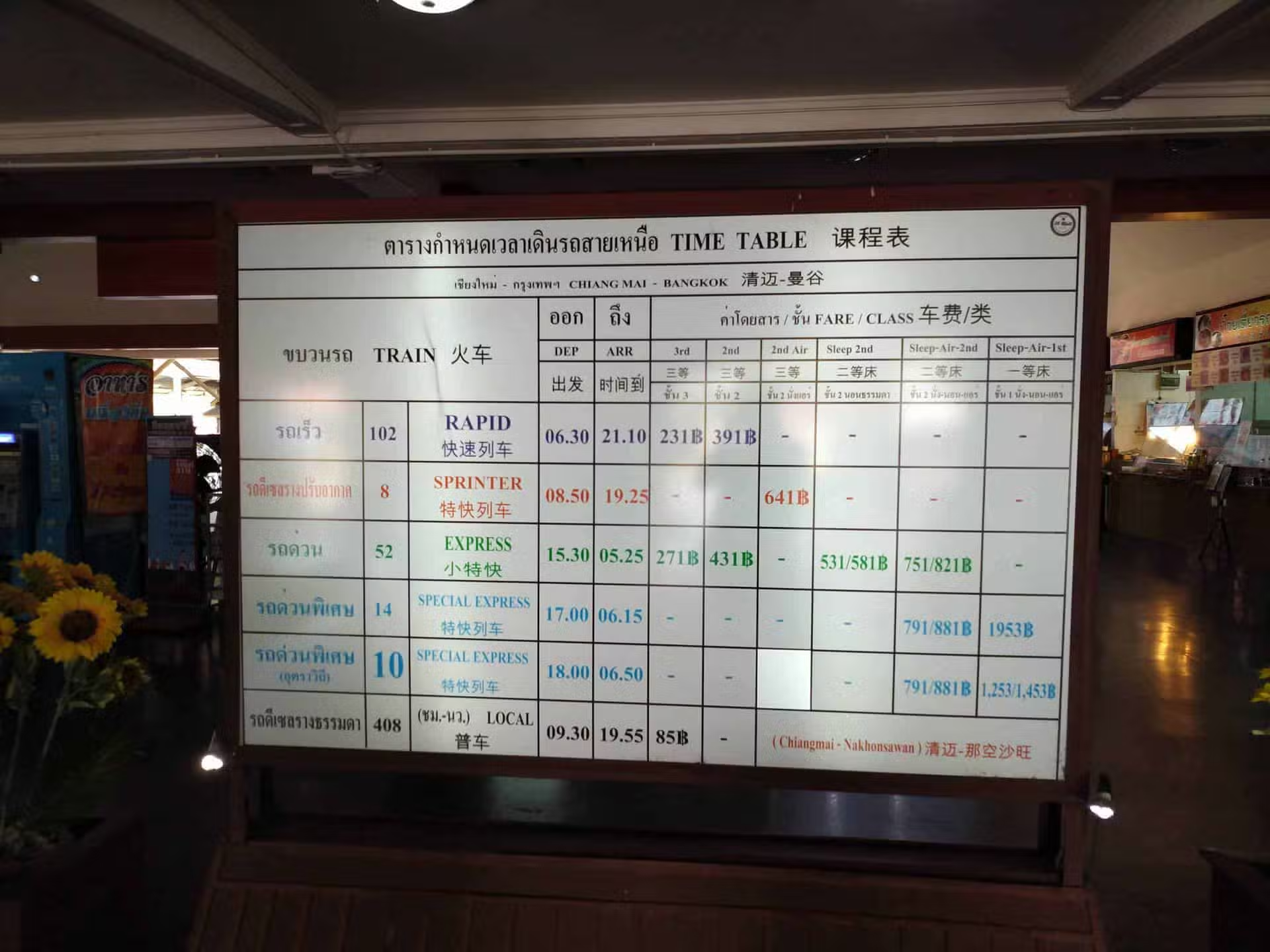
The full Chiang Mai-Bangkok journey generally takes around 10-14 hours, depending on the service. Compare the actual departure and arrival shown for your date, since a faster daytime train and a slower overnight service serve different plans. A morning departure may occupy most of a holiday day, even when the train fare looks attractive.
Day trains are also useful for shorter regional trips. Check that the selected service stops at your destination and that a suitable return train exists. A railway stop outside a town centre creates an additional local transfer, which should be included when comparing the train with a bus or private car.
Overnight travel and arrival the next morning
A sleeper can combine transport with a night’s accommodation, leaving more daylight for sightseeing. Boarding takes place before the berths are prepared, so expect a period of seated travel before staff convert the sleeping spaces. Keep essentials within reach rather than packing everything into a suitcase that becomes awkward to open after bed-making.
Sleep quality depends on the berth, carriage, other passengers and your tolerance for motion and noise. An overnight train is a practical travel experience rather than a hotel room: lights, toilets, announcements and station stops remain part of the journey. Bring a light layer for air-conditioning and any personal items that help you rest.
Check the scheduled morning arrival against your next commitment. A train delay can affect a connection, and an early arrival may be before hotel check-in. If you need to catch a flight or attend a fixed appointment, leave a substantial buffer instead of relying on the published arrival minute.
Understanding the classes and berths
Second-class air-conditioned sleepers
Second-class air-conditioned sleepers are a common choice for the overnight journey. Berths sit in an open carriage, with curtains providing privacy once the beds are made. Upper and lower berths are booked separately, and the lower berth is generally wider and easier to reach; the upper berth requires climbing a ladder.
The arrangement suits travellers who want a bed without paying for a private compartment. Keep voices low once others are sleeping, and organise bags so they do not block the aisle. If travelling with a child or someone who has difficulty climbing, consider the berth position carefully rather than choosing solely on price.
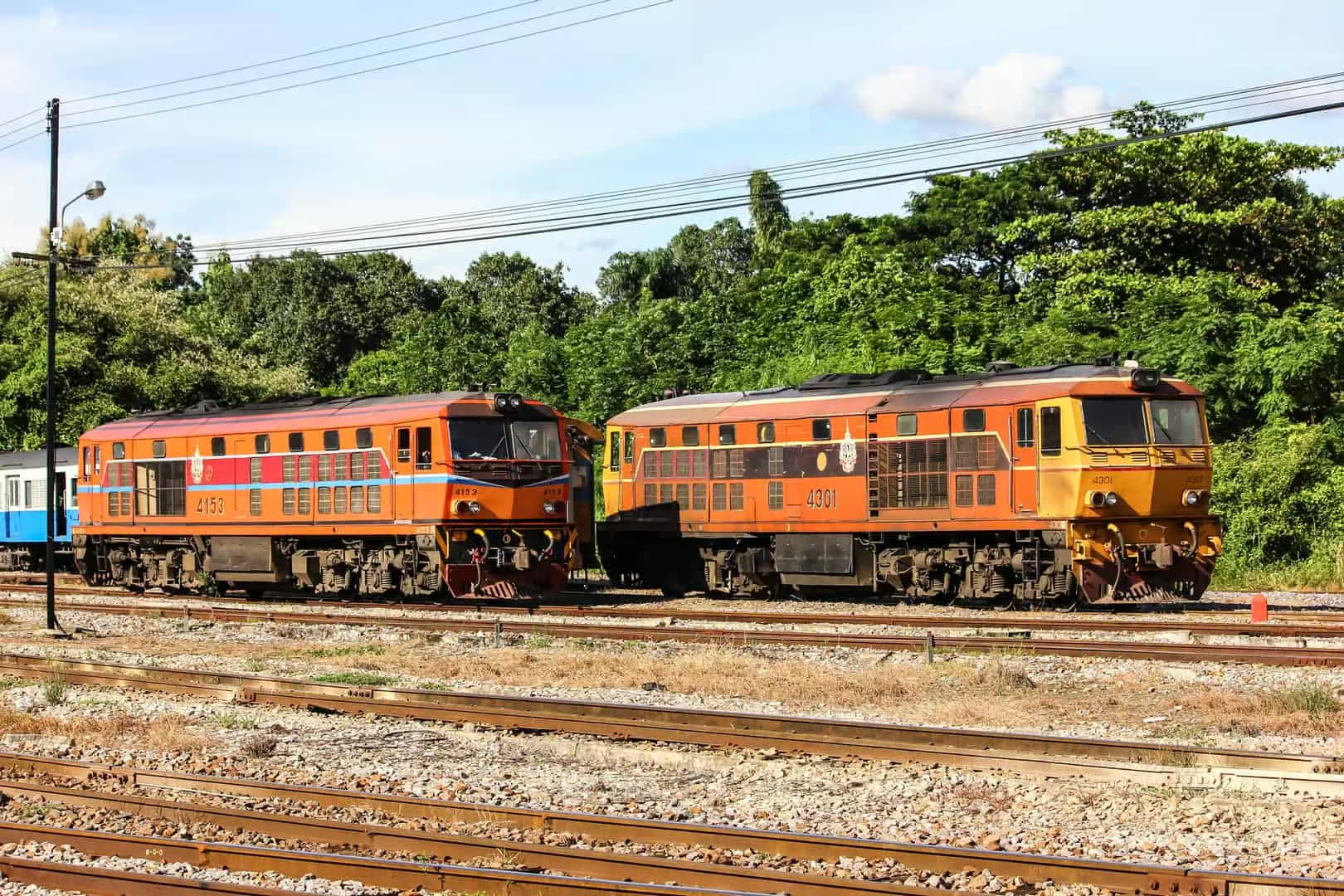
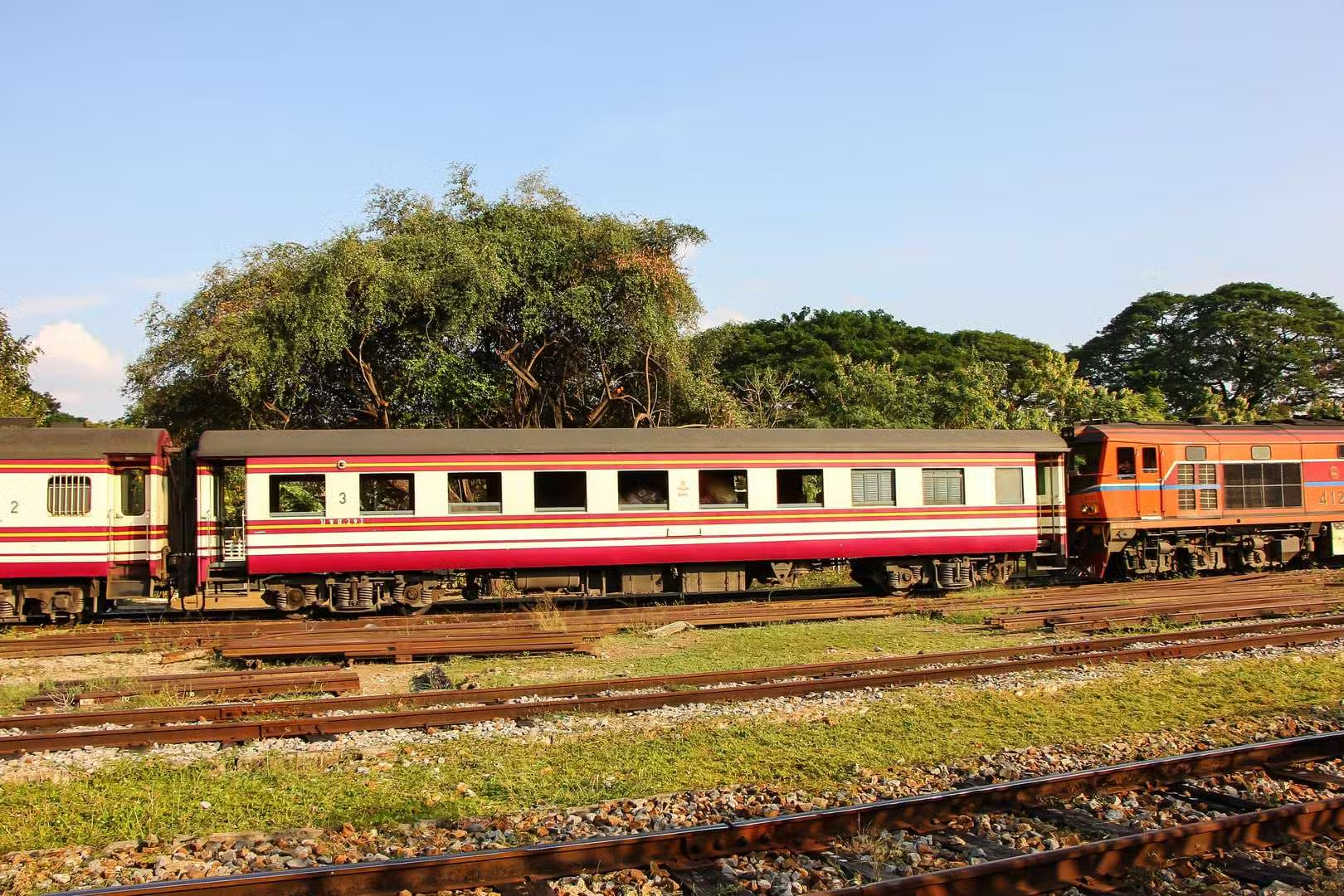
Different services use different rolling stock. Trains 9 and 10 are associated with the newer CNR sleeper carriages, while other overnight services may have an older layout. Compare the class and carriage offered on the actual booking screen: the train being overnight does not guarantee that every class is available.
First-class compartments
First class usually provides a two-berth compartment with a door, giving more privacy than an open second-class carriage. This can appeal to couples, friends or travellers who want a quieter space for the overnight journey. Toilets and other facilities are generally shared elsewhere in the carriage, rather than an en suite bathroom attached to each compartment.
Booking one berth is different from reserving an entire compartment. A solo traveller wanting sole occupancy should check the actual purchase options and charge, while two people travelling together should make sure their berths belong to the same compartment. First class is not offered on every service and should be selected from the inventory for your travel date.
Seated classes and shorter journeys
Second-class seats and basic third-class seating provide alternatives for travellers who do not need a bed. They can be practical for regional journeys or those choosing a lower fare, but an upright seat for the whole night is a different proposition from a sleeper berth. Consider journey length, air-conditioning, luggage and your ability to rest before choosing.
Class names alone do not explain every feature. Read whether the product is a seat or berth, air-conditioned or fan-cooled, and reserved or subject to different seating arrangements. If a particular facility matters, confirm it for the train rather than assuming all services on the Northern Line are identical.
Buying tickets and checking the reservation
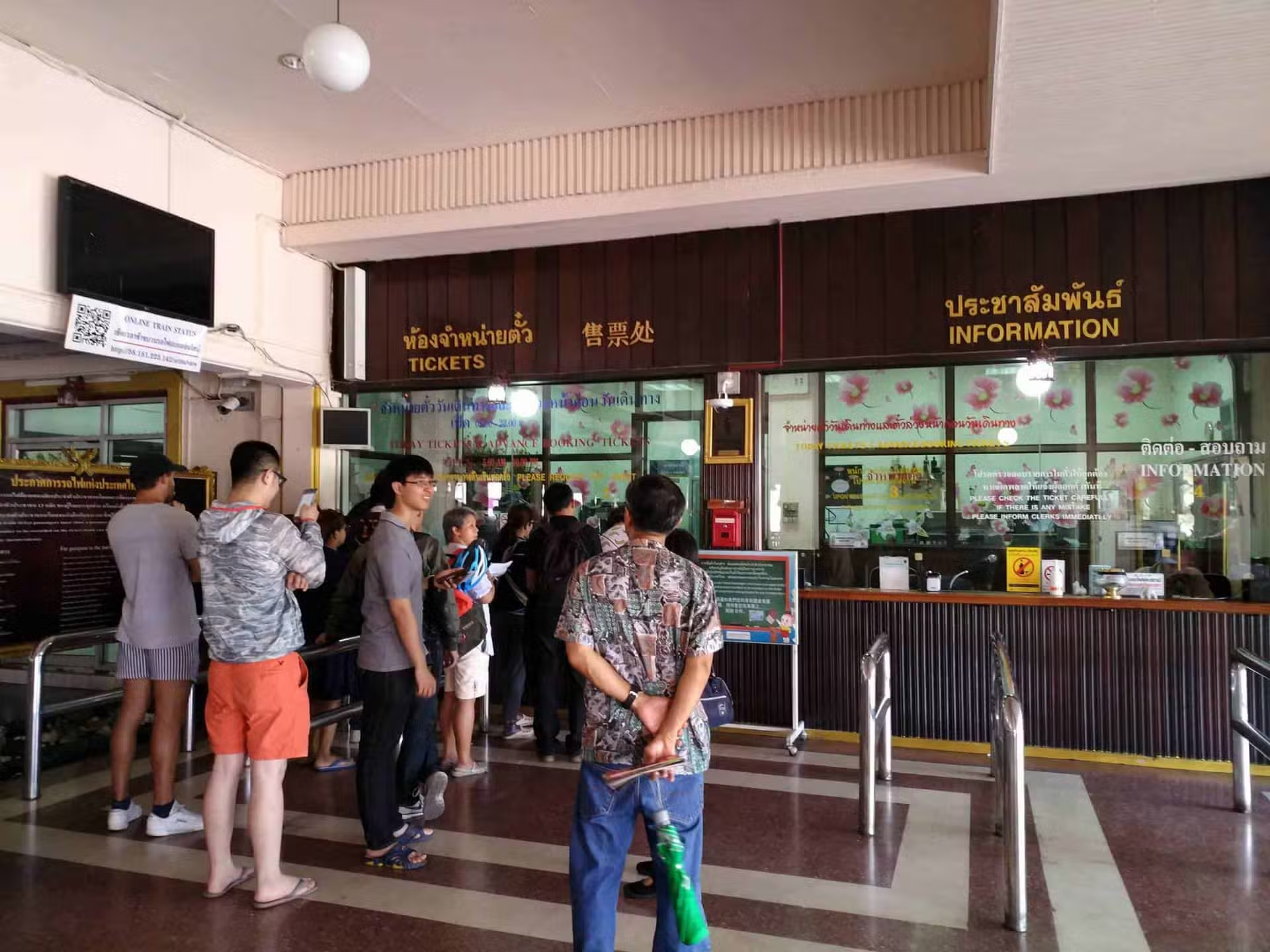
The State Railway of Thailand’s D-Ticket system is the official online booking channel. Tickets can also be arranged through station counters, while travel agencies and booking platforms may offer their own services and fees. Compare the final price and collection or delivery instructions when using an intermediary.
Book busy travel periods and preferred sleeper berths ahead when possible. Lower berths, adjacent places and first-class compartments can sell out even when other classes remain available. Search the actual travel date and route, then verify train number, departure time, arrival station, class and seat or berth before completing the purchase.
Use the passenger’s correct name and identification details. Carry the passport or other identification used for booking, together with the ticket in the format required for boarding. Keep an accessible copy rather than depending entirely on a phone with no battery or mobile connection.
If you need to change or cancel a journey, check the terms for the ticket and sales channel used. A booking confirmation from an agency may require a further collection step, and a reservation is only useful if you have the travel document needed to board. The railway’s national information number is 1690 for service enquiries.
Arriving at Chiang Mai station and boarding
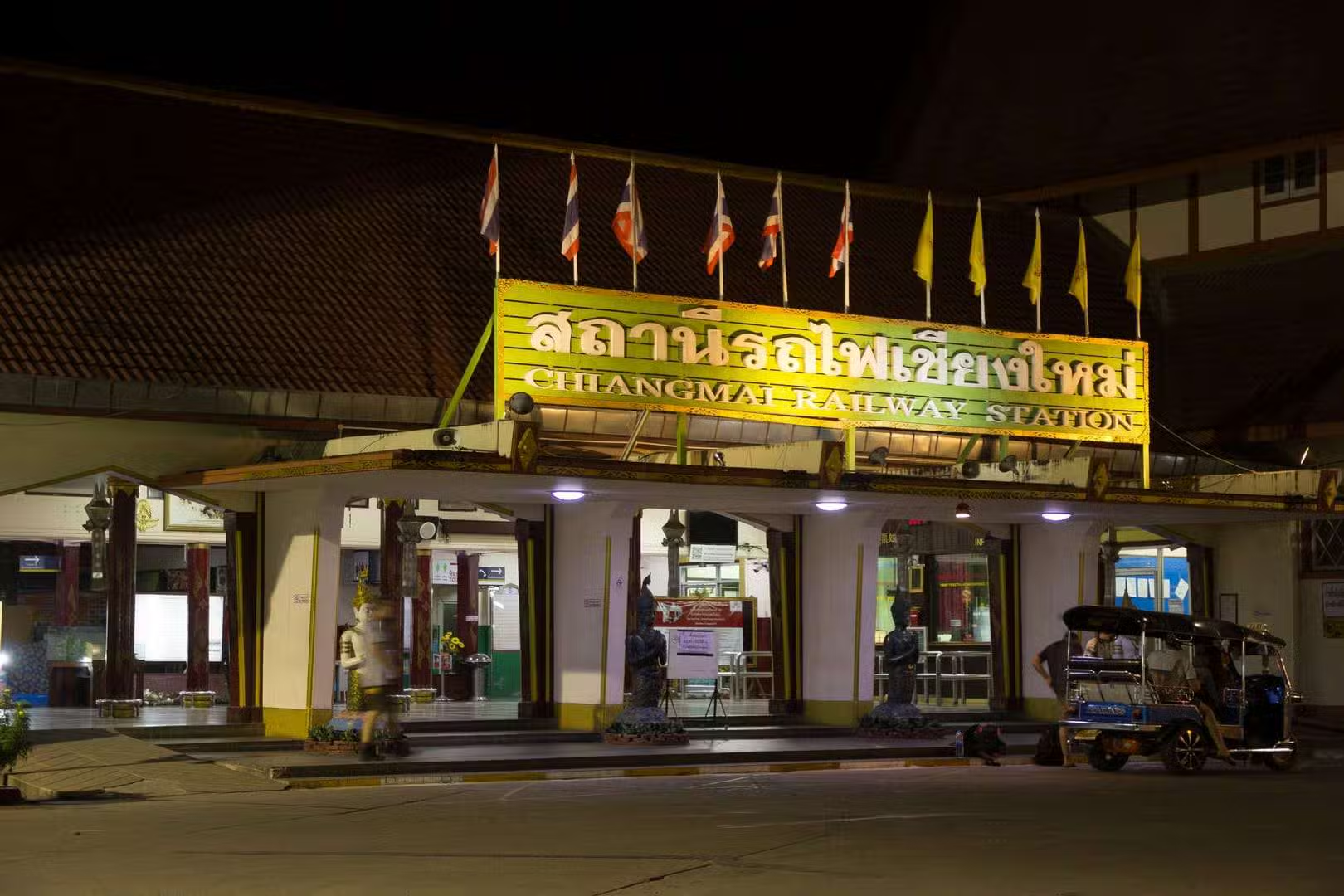
Aim to reach the station at least about 30 minutes before departure, with more time if collecting tickets, seeking assistance or travelling during a busy period. This is a practical allowance rather than a substitute for any instructions on your ticket. Arrange a hotel transfer early enough to absorb traffic and a short delay finding the entrance.
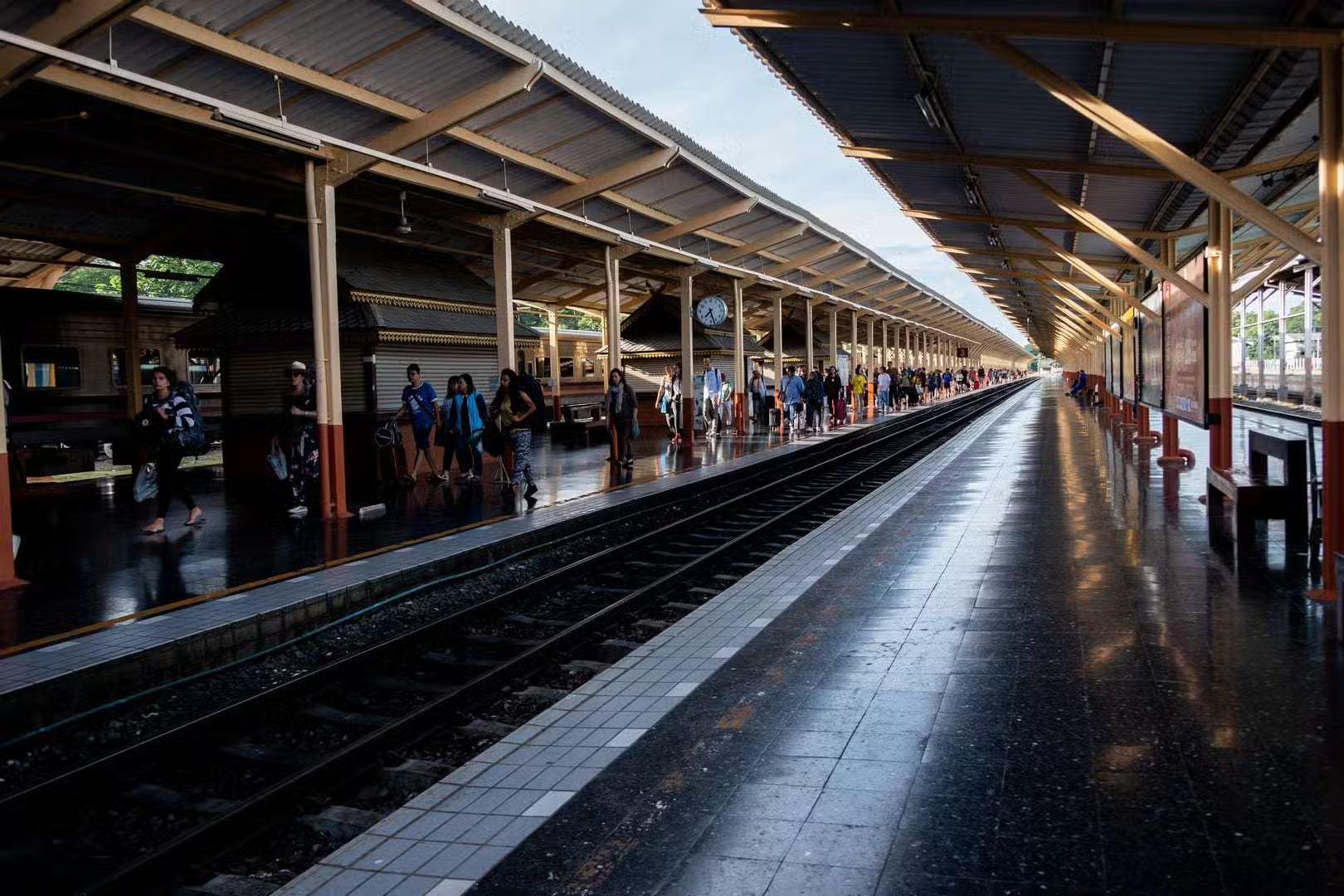
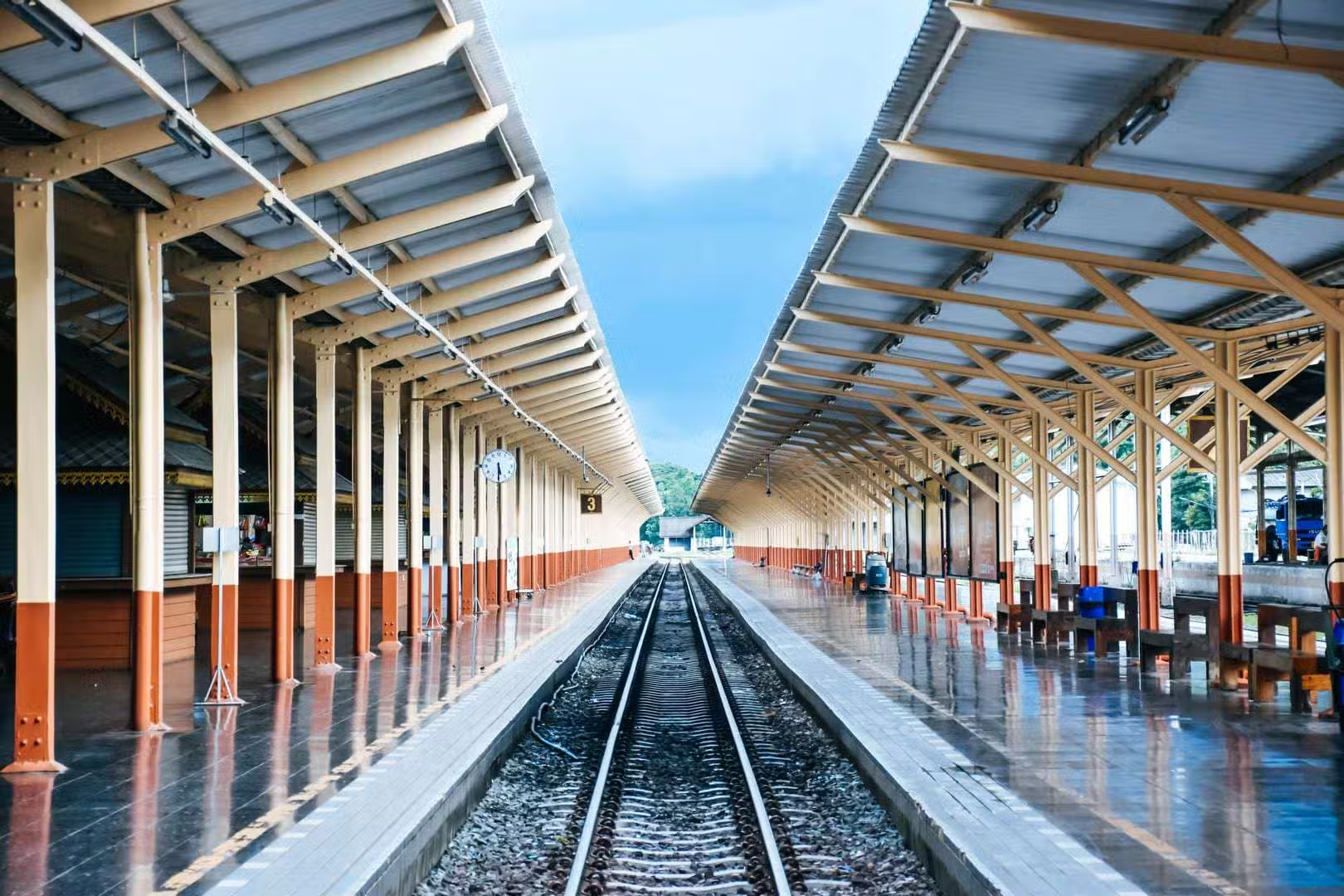
At the station, check the departure display and confirm the platform and train number. Then locate the correct carriage and seat or berth, using staff assistance if needed. Boarding the right train is only the first step: sleeper travellers should also verify upper or lower berth and compartment position.
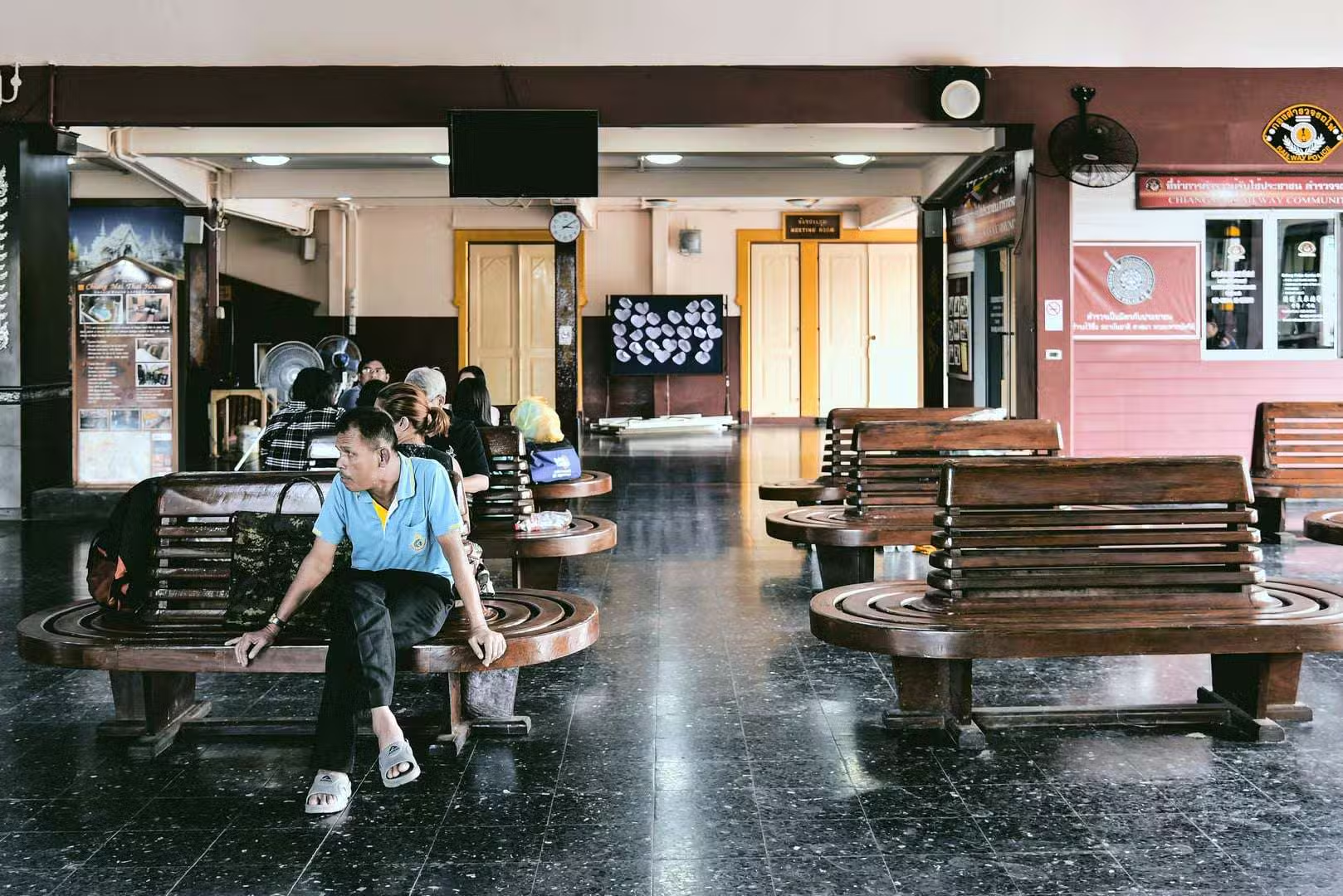
Use the waiting period to organise water, food and essential items. Keep the ticket and identification easy to reach for inspection, and avoid leaving large purchases until the last few minutes. Facilities and food outlets may have their own operating hours, especially around early departures or late arrivals.
Visitors needing boarding assistance should contact the railway in advance where possible and tell station staff on arrival. Platform gaps, carriage steps, narrow passages and toilets can affect accessibility. Paying for first class does not by itself establish step-free boarding or a suitable bathroom.
Luggage, meals and comfort on board
Bring bags you can manage through the station and into the carriage. Storage varies by train and class, and a bulky suitcase can be inconvenient in a sleeper aisle or compartment. Check applicable luggage conditions with the railway if carrying unusually large items, a bicycle or equipment that cannot fit into ordinary passenger storage.
Pack an overnight bag with medication, toiletries, a light layer and valuables. Keep these accessible once the berth is made, while ensuring larger luggage does not obstruct other passengers. Take valuables with you when moving around the train rather than leaving them exposed in an open sleeping area.
Food and drink arrangements differ between services. Do not assume that every train has a dining carriage, included meals or convenient purchases throughout the night. Bring drinking water and enough food for your needs, especially for children or anyone with dietary requirements; follow the train’s rules for what may be carried or consumed.
Toilets are shared and their design differs between carriages. Tissues, hand sanitiser and personal toiletries are useful, particularly on a long journey. Comfortable clothing helps when alternating between a warm platform and a cool air-conditioned carriage.
Getting between the station and Chiang Mai
The station is reached from the Charoen Muang Road area in Wat Ket, east of the Ping River. A taxi, tuk-tuk, songthaew or app-booked car can connect it with the Old City and other accommodation areas. The best option depends on luggage, group size and whether you want a direct journey or are comfortable with a shared route.
With a songthaew, establish whether the quote is per person or for the whole vehicle, and whether the journey is shared or private. For tuk-tuks and quoted taxis, agree the fare before departure. With an app booking, check the pickup pin and vehicle details, particularly when several arriving passengers are waiting in the same area.
A trip towards Tha Phae Gate is comparatively short, while Nimman, the airport or accommodation on the outskirts requires a longer transfer. Traffic and the exact address can change travel time substantially. Allow extra time for a departing train, and leave a generous buffer between a rail arrival and an airport check-in deadline.
Walking to central accommodation is possible for travellers with light bags who are comfortable with several kilometres of city streets. Heat, rain, road crossings and uneven footpaths can make that less appealing than the distance suggests. A vehicle transfer is generally more convenient with large luggage or an early or late arrival.
Bangkok terminals and regional journeys
Long-distance trains on this route use Bangkok’s Krung Thep Aphiwat Central Terminal. Check the terminal name on the ticket and when arranging accommodation or onward transport: Hua Lamphong is a different station in another part of Bangkok. Avoid giving a driver only the general phrase ‘Bangkok train station’.
The Northern Line also serves destinations such as Lamphun, Lampang, Den Chai, Phitsanulok and Ayutthaya, but individual trains have different stopping patterns. Search the precise destination rather than assuming every express stops wherever you want to leave the train. Include onward transport from the regional station to your accommodation or attraction.
When comparing rail with flying or the bus, consider the entire journey rather than the fare alone. Flying is much faster between Chiang Mai and Bangkok, a sleeper offers a distinctive overnight experience, and a bus departs from a separate terminal with its own city transfer. Chiang Mai Train Station is not the airport or Arcade bus station.
Chiang Mai Train Station FAQs
Where is the station?
It is in Wat Ket, east of the Ping River, roughly 3 km from Tha Phae Gate. Use the station name and Charoen Muang Road area when arranging a car, rather than asking for an intercity bus terminal.
How long does the train to Bangkok take?
Allow around 10-14 hours depending on the service. Check the actual timetable for your date, and leave additional time before flights or other fixed connections because delays can occur.
Which Bangkok station do long-distance trains use?
The route uses Krung Thep Aphiwat Central Terminal for long-distance services. Confirm the terminal on your ticket; Hua Lamphong is a separate station and should not be used interchangeably when arranging transport.
Should I choose an upper or lower sleeper berth?
A lower berth is generally wider and easier to access, while an upper berth requires climbing. Consider mobility, comfort and travelling companions as well as price, and check the exact berth offered before booking.
Does first class mean a private compartment?
First class normally has two berths in a compartment. Booking one berth does not necessarily reserve the whole space, so confirm sole-occupancy options or matching berths when travelling together.
How early should I arrive?
About 30 minutes before departure is a useful minimum planning allowance, with more time for ticket collection, assistance or busy periods. Your ticket’s instructions and the expected city traffic should guide the final transfer plan.
Can I take the train to Lampang or Ayutthaya?
These destinations are served on the Northern Line, but stops vary by train. Select the exact destination in the booking system and plan the local transfer from its station.
What should I check if I need mobility assistance?
Ask the railway about the actual train’s boarding steps, aisle, toilet and assistance arrangements before booking. Tell station staff when you arrive, and do not assume that a higher class automatically provides step-free access.










Do You Have a Question to Ask?