



















































Hai Ya lies south of Chiang Mai’s Old City and rewards a focused craft-and-temple visit. Wua Lai Road is known for silverwork, while Wat Sri Suphan adds a distinctive religious stop. The Saturday walking street changes the evening atmosphere, but a weekday craft browse needs a different plan.
Start near the south side of the moat and choose a manageable section of Wua Lai. Workshops, temple spaces and street-market stalls have different access and schedules, so check a particular destination before relying on it.
Things to see and do in Hai Ya
Wua Lai craft street
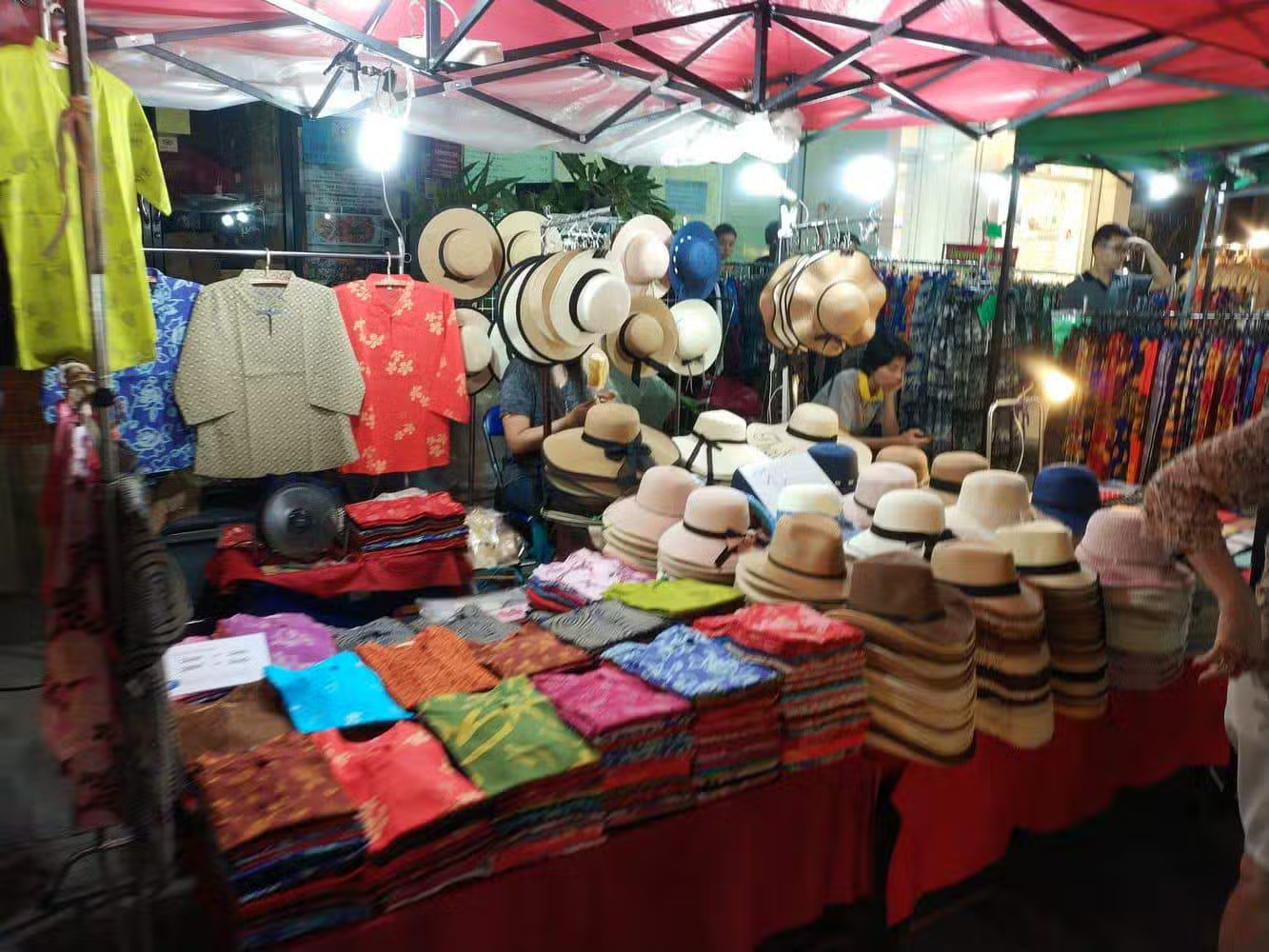
Browse a short stretch of workshops and shops to see what local makers sell rather than assuming each doorway offers a live demonstration. Ask before photographing craftspeople and compare products carefully if buying silver. A selected shop and meal can fill a pleasant half-day without a market.
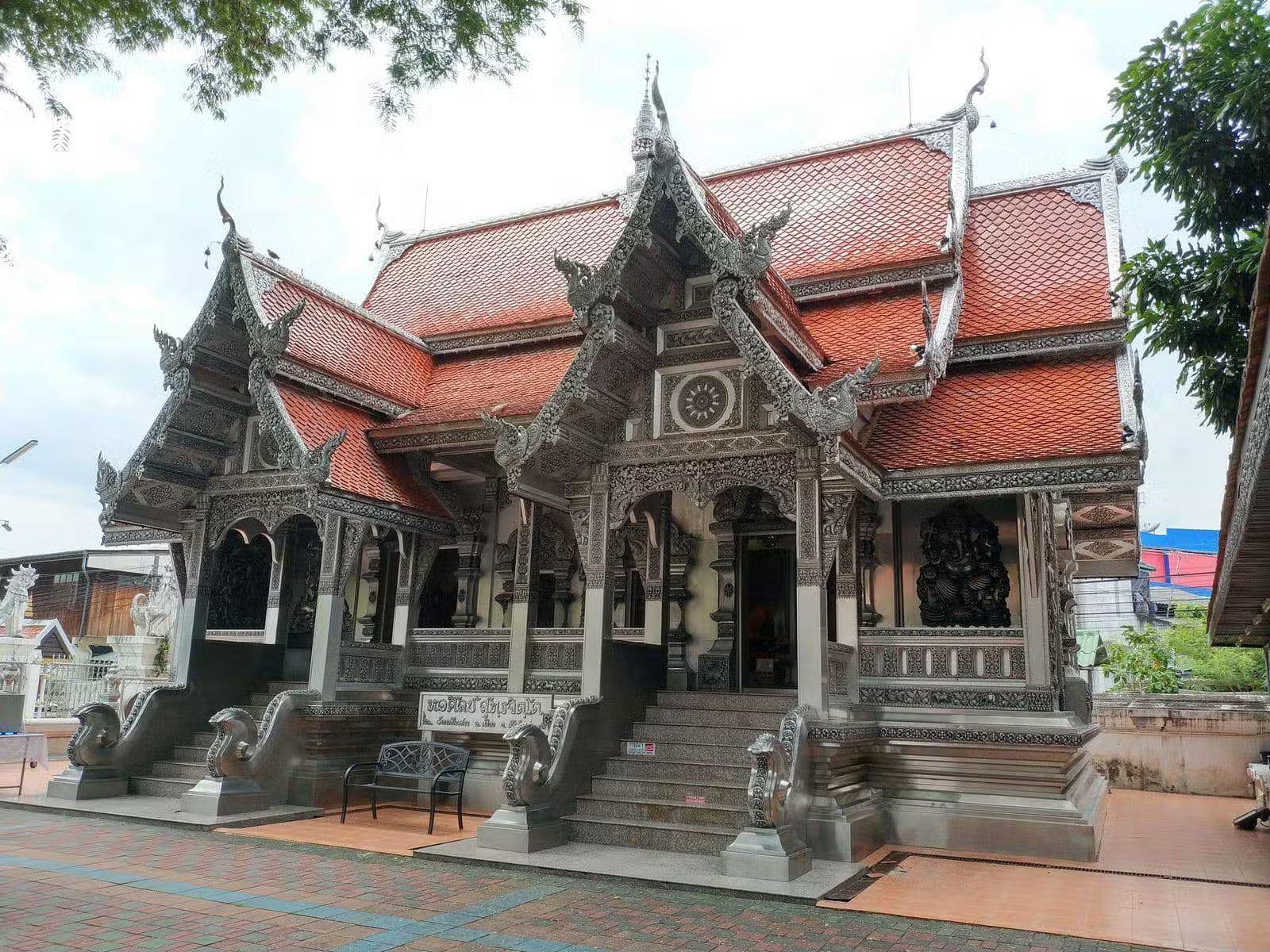
Wat Sri Suphan
The richly decorated silver temple is a meaningful visual and religious anchor. Follow the temple’s current rules, including any gender-specific restrictions on interior access, and enjoy permitted exterior areas without assuming you can enter everywhere. Respect worship and check whether a workshop visit needs booking.
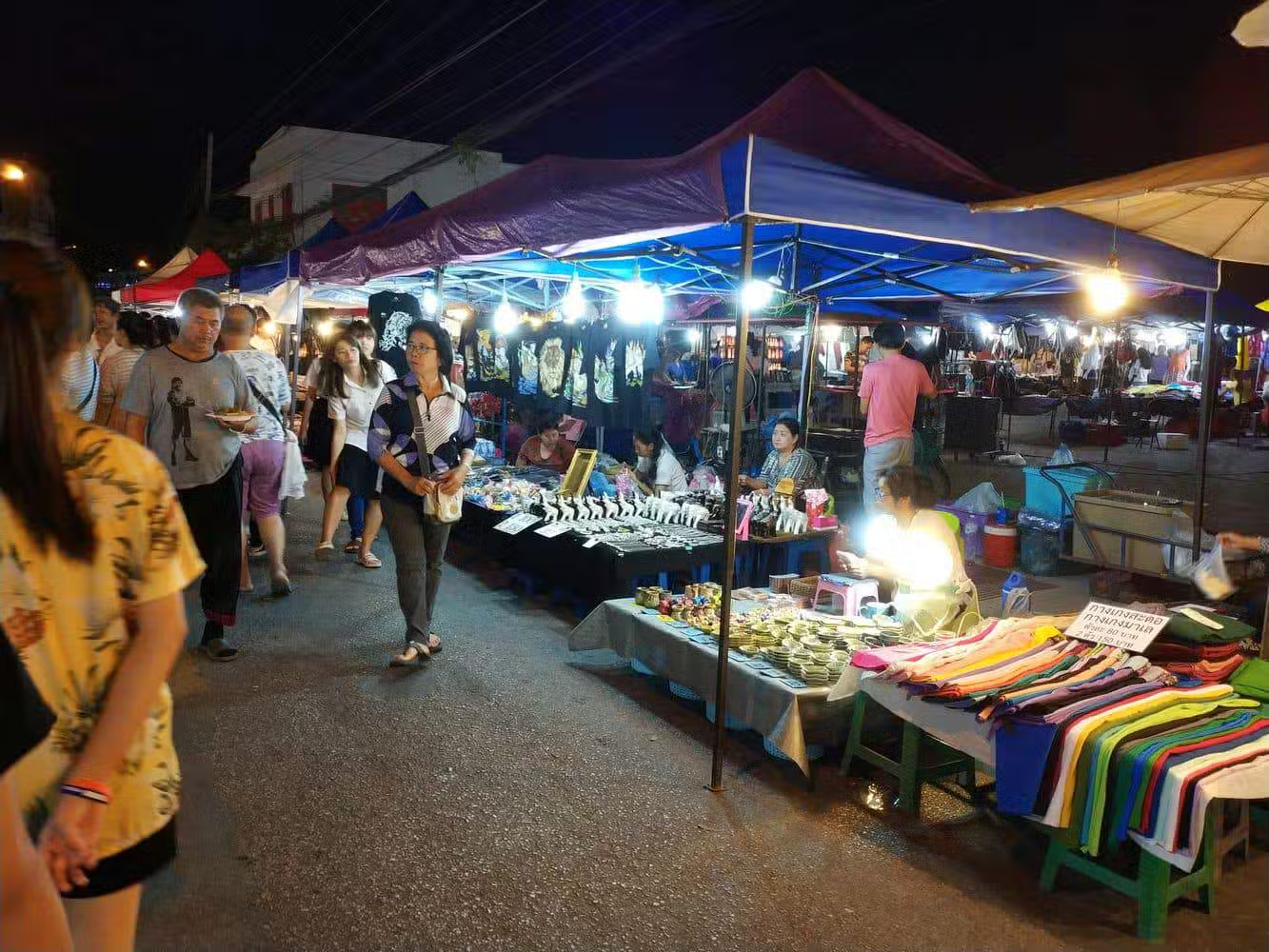
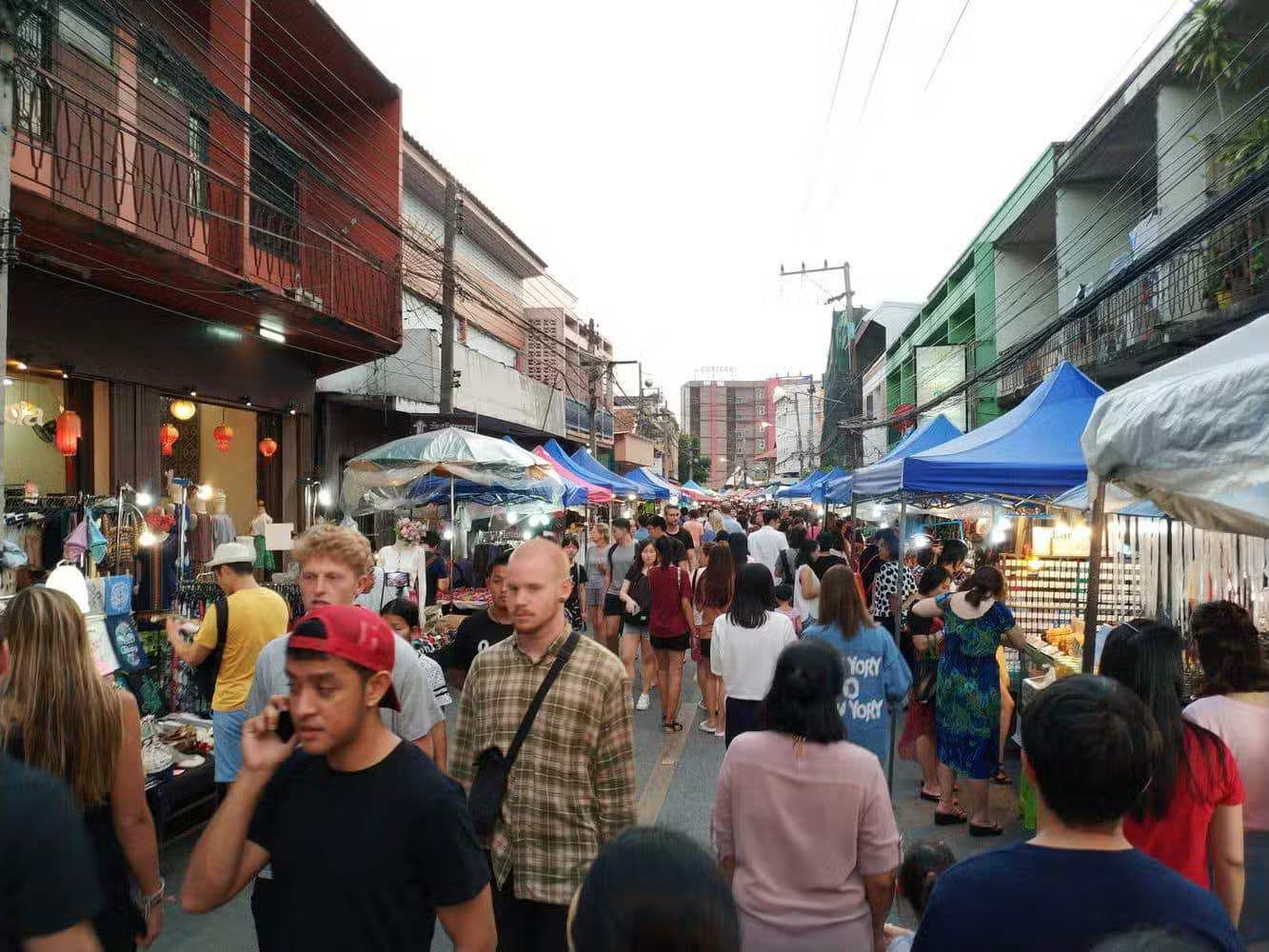
Saturday walking street
On scheduled Saturdays, Wua Lai can become a much busier market route. Confirm the current evening operating hours and road arrangements; a Saturday plan can combine stalls, food, and temple exteriors, while a weekday will be quieter. Arrive with a return pickup point outside the busiest street.
A practical Hai Ya visit
On a weekday, start at the south moat, visit Wat Sri Suphan, and browse chosen Wua Lai shops before lunch. On Saturday, start later and let the scheduled walking street be the anchor, with food and a planned return. The Old City temples north of the moat are a separate extension.
Where to eat
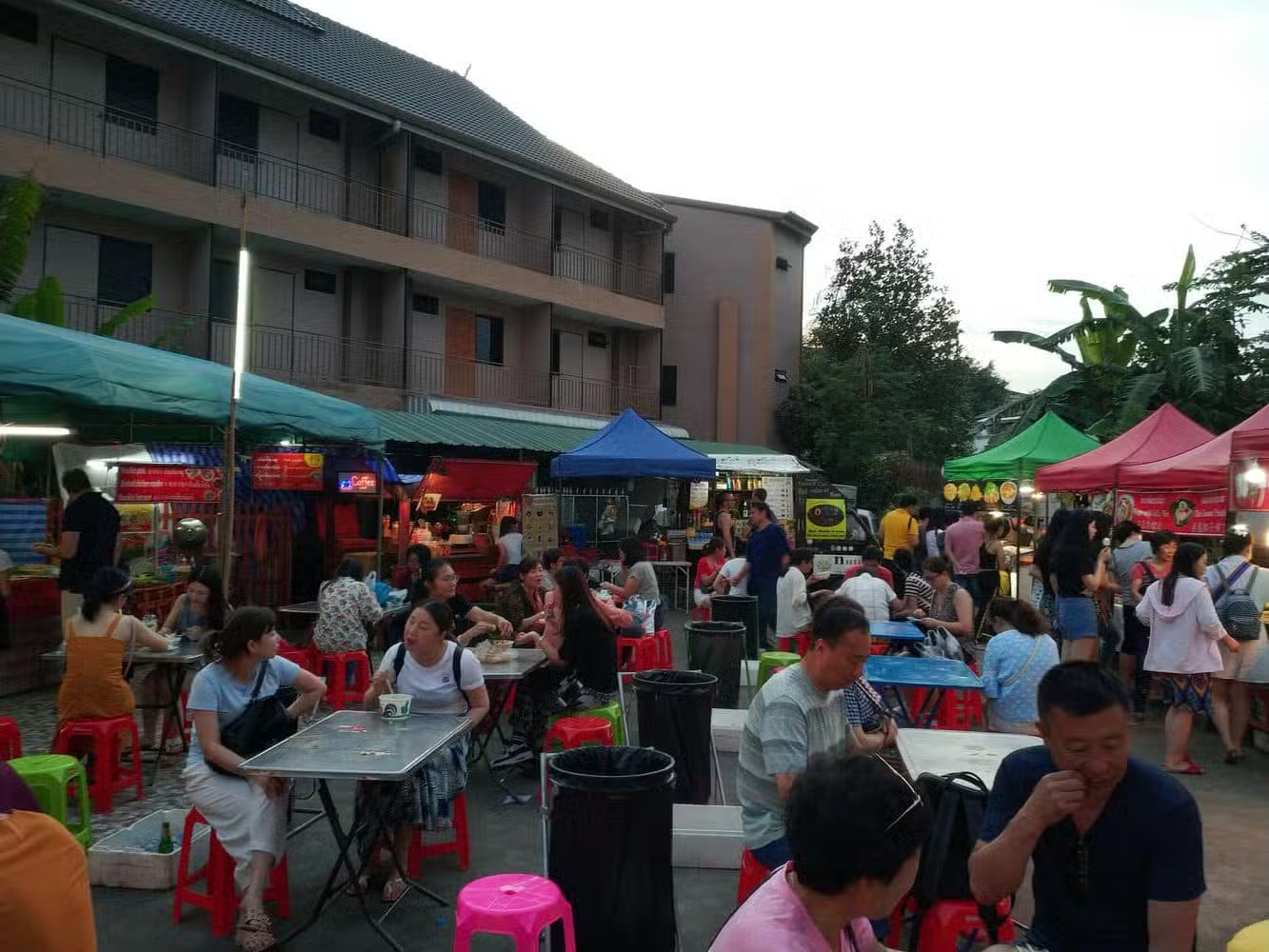
Local shops and cafés suit a daytime craft trip, with market food when the Saturday street is operating. Check a specific restaurant if you are not visiting on market night.
Choose lunch near Wat Sri Suphan or an open workshop, then treat the Wualai Saturday market as an evening option only once you confirm its operating day. On other nights, identify a restaurant rather than promising market food.
Where to stay
A Hai Ya guesthouse can place the south gate and craft street close by, often at a different pace from the Old City centre. Check walking distance, market-night noise and airport transfer. A central Old City base may be simpler for multiple temple days.
A Hai Ya room suits visitors who want the southern Old City edge and Wualai within reach. Check the particular lane for road noise and the walk to your preferred gate; some accommodation descriptions imply a more central temple location than they provide.
Getting to and around
Walk from the southern Old City edge if conditions suit, watching traffic at moat crossings. Use a taxi or songthaew for farther hotel addresses, and agree on an outer-street pickup during the market.
Cross the southern moat on a planned route and walk selected Wualai streets in sections. A Saturday market can change car access and pickup points. Use a vehicle for Nimmanhaemin, Doi Suthep or airport trips rather than folding them into a Hai Ya stroll.
Is Hai Ya Worth Visiting?
Yes, for a craft and temple half-day or an evening when the Saturday walking street is actually operating.
Hai Ya FAQs
Is the Wua Lai market every night?
No. Check the current Saturday walking-street schedule.
Can everyone enter every part of Wat Sri Suphan?
Follow the temple’s current entry and gender-related rules for each area.
Is Hai Ya inside the Old City?
It lies to the south of the moat.















Do You Have a Question to Ask?