
























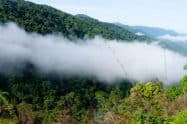










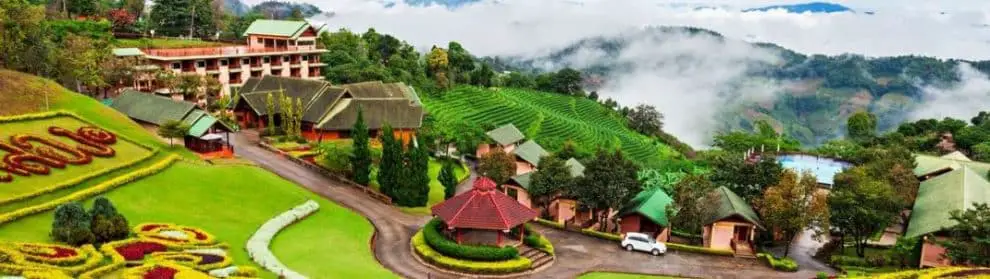
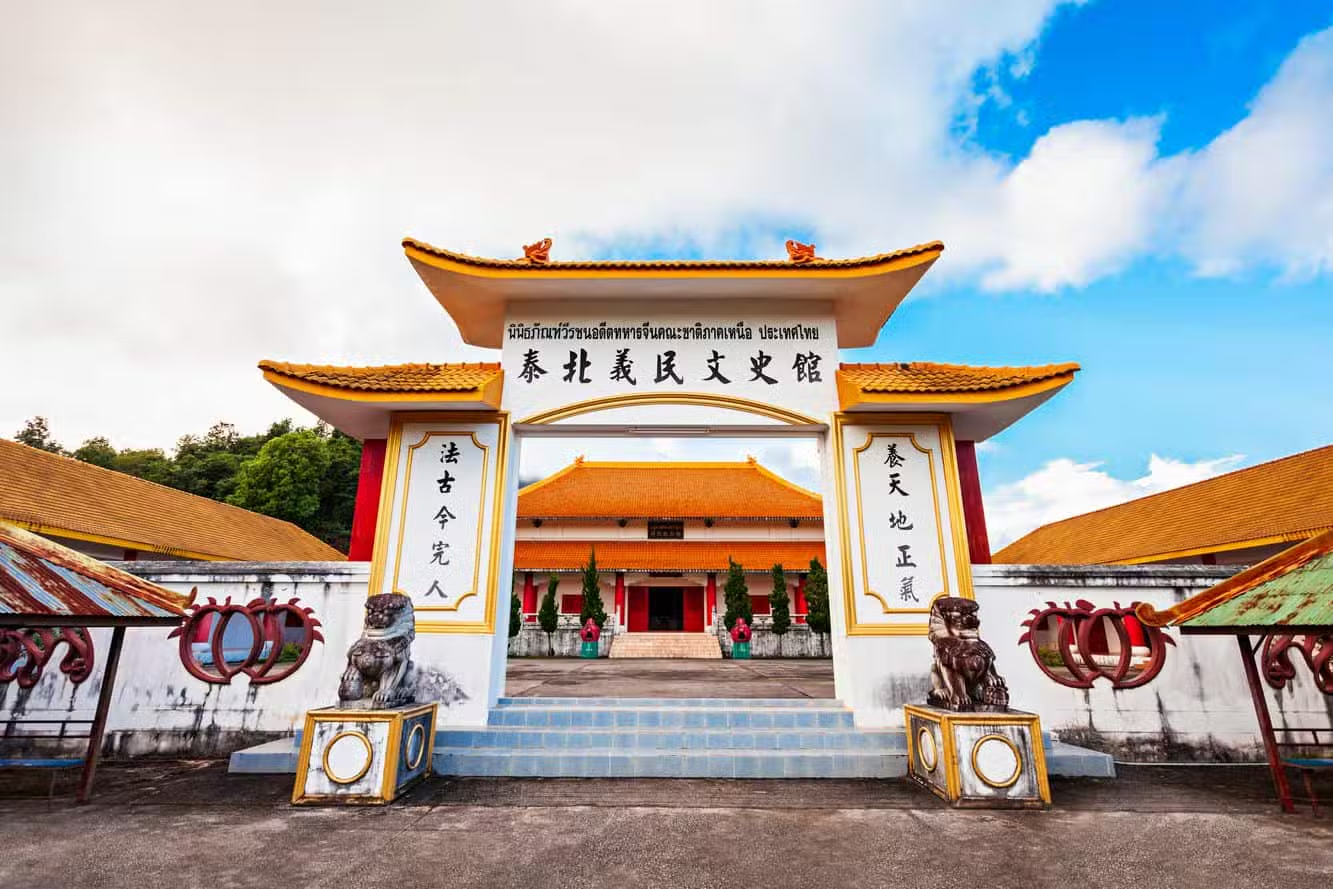
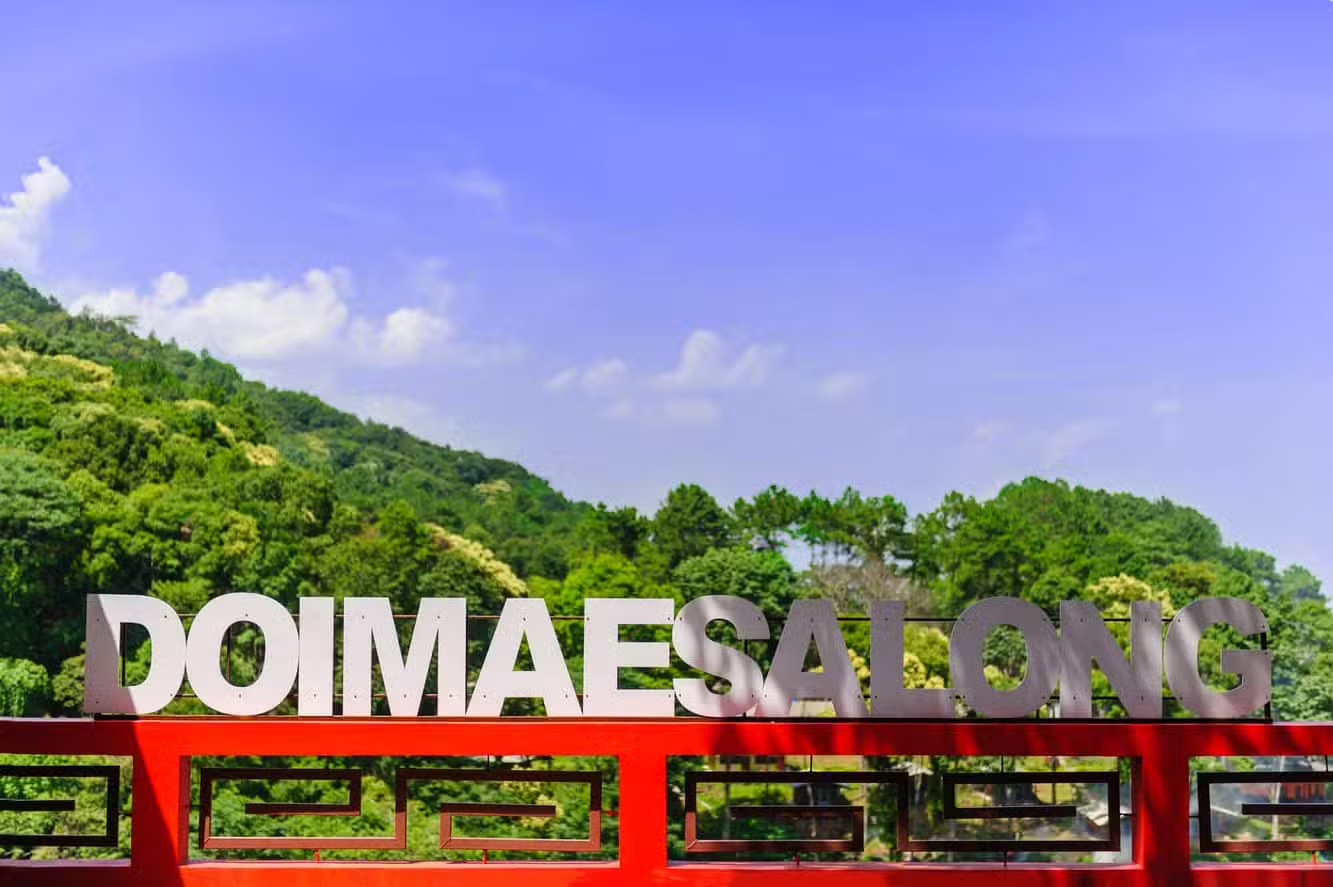
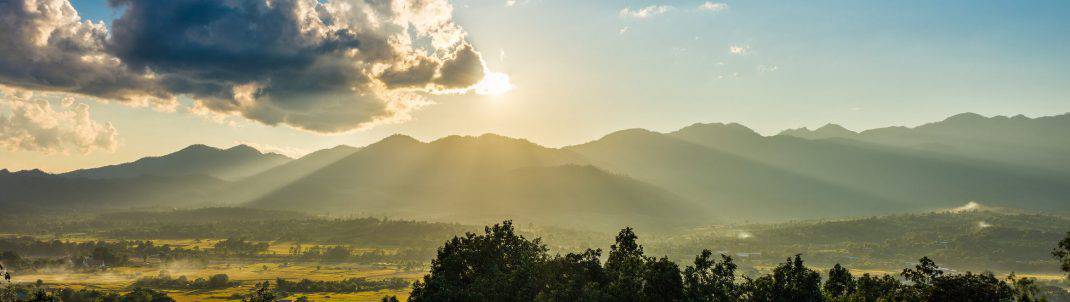
Mae Salong, centred on Santikhiri in Chiang Rai Province, is a mountain destination best known for tea landscapes and a Chinese Yunnanese food tradition—the journey and the cooler highland setting matter as much as any individual viewpoint. An overnight stay allows a slower tea visit and morning view; a day trip needs careful road timing.
Choose one confirmed tea estate or tasting room and leave time for the village. Plantations are working businesses, not unrestricted walking grounds, and mountain weather can obscure the views.
Things to see and do in Mae Salong
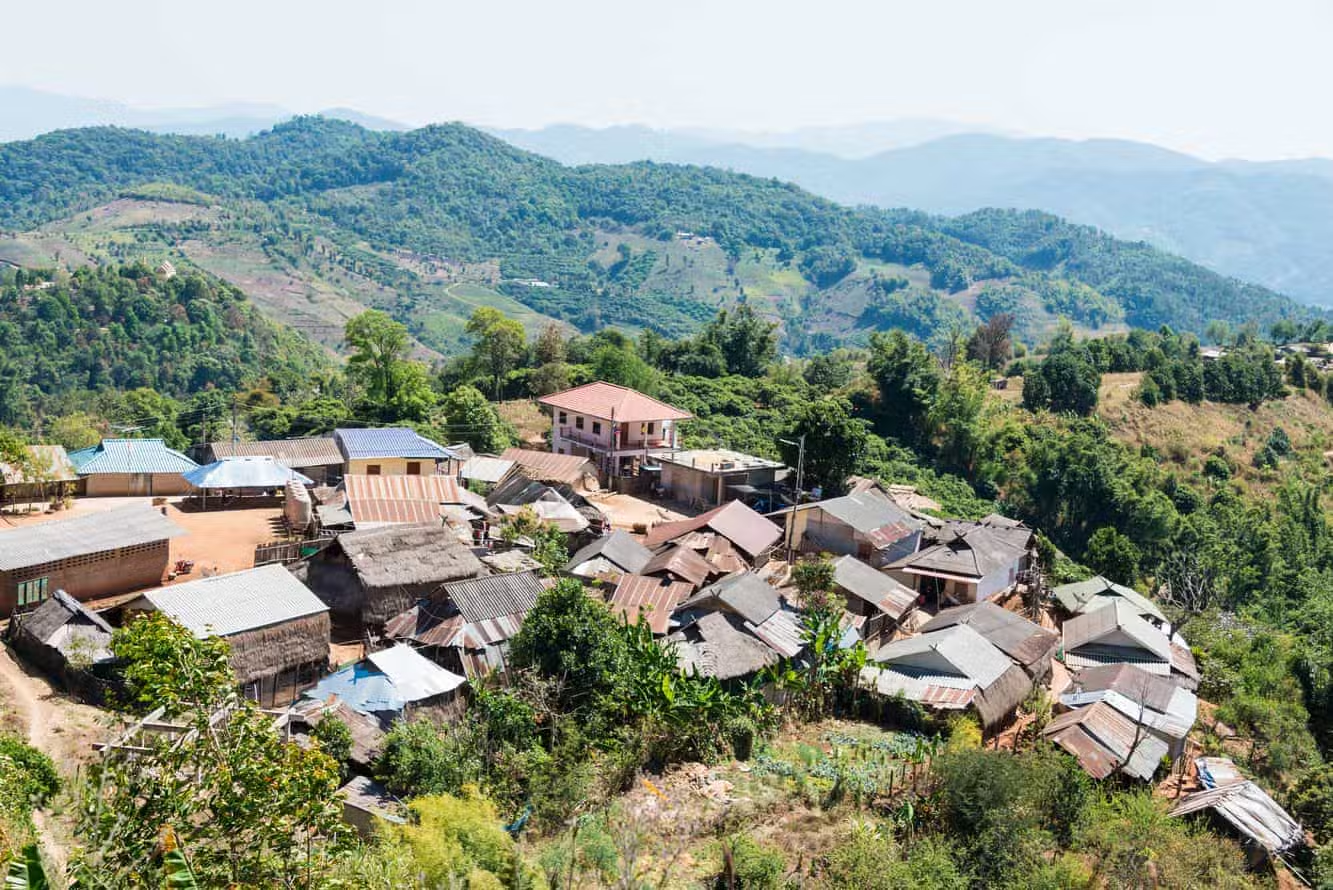
Santikhiri village and tea shops
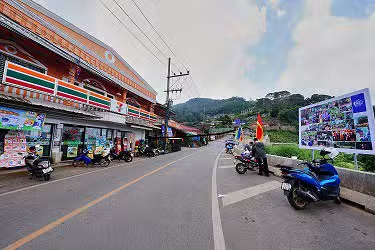
Browse a small stretch of the village and ask about the teas you are tasting rather than rushing from shop to shop. Businesses have different hours and products. A Yunnanese-style meal gives the visit a distinctive local pause, and a market is worth planning around only once you confirm its current schedule.
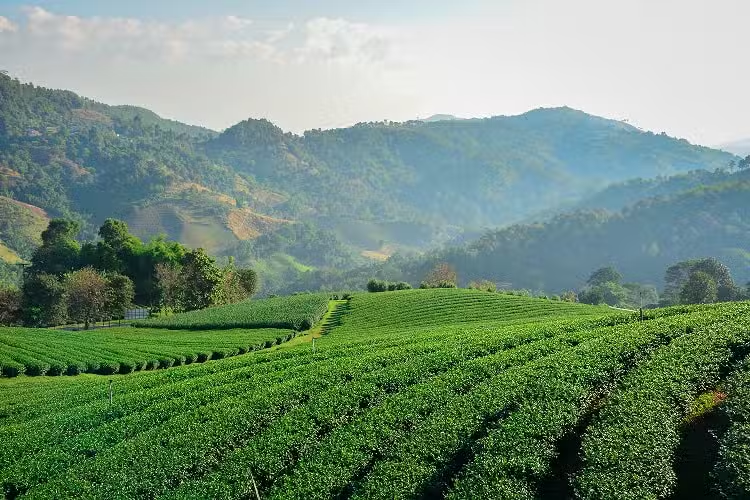
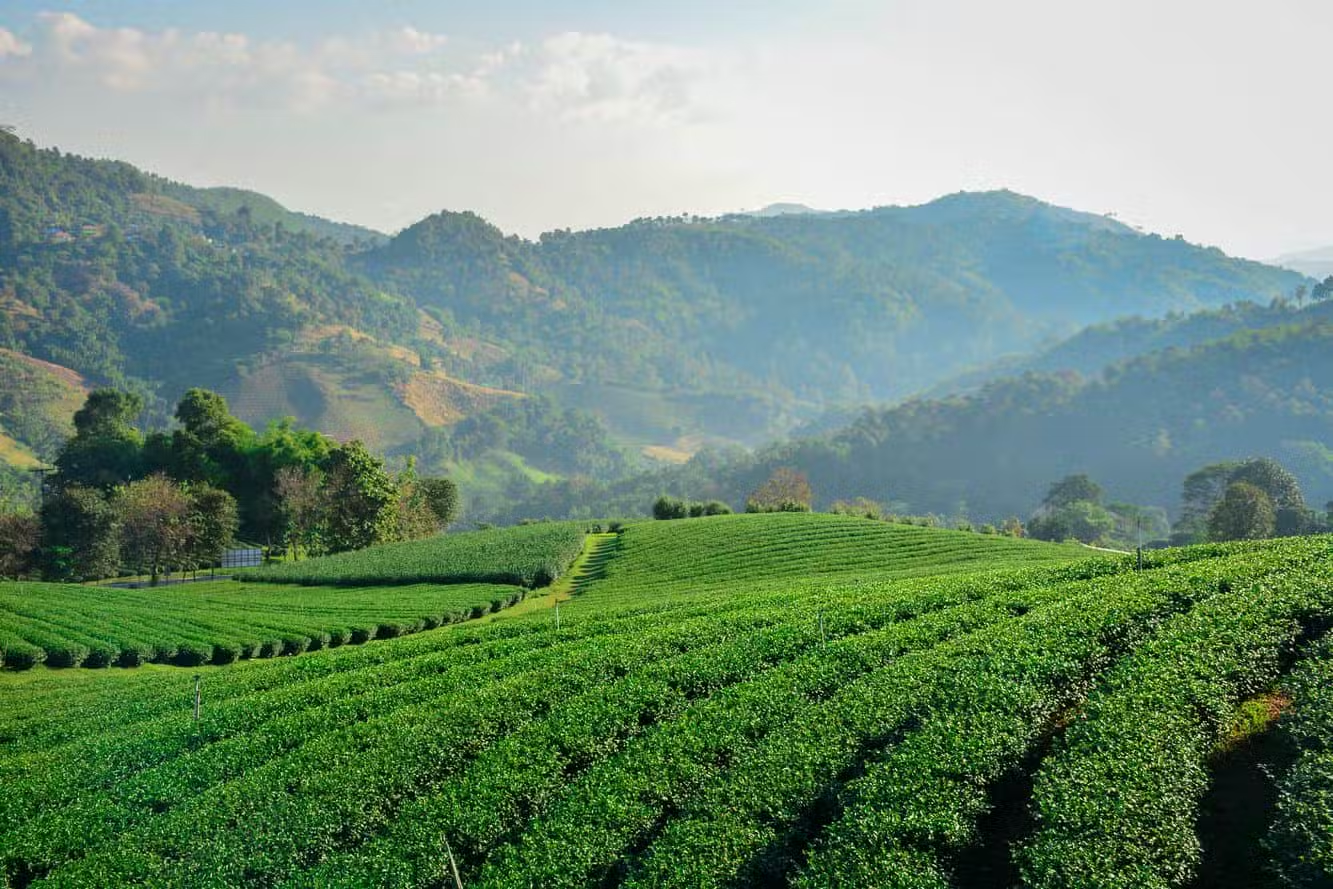
Tea plantations and viewpoints
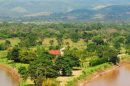
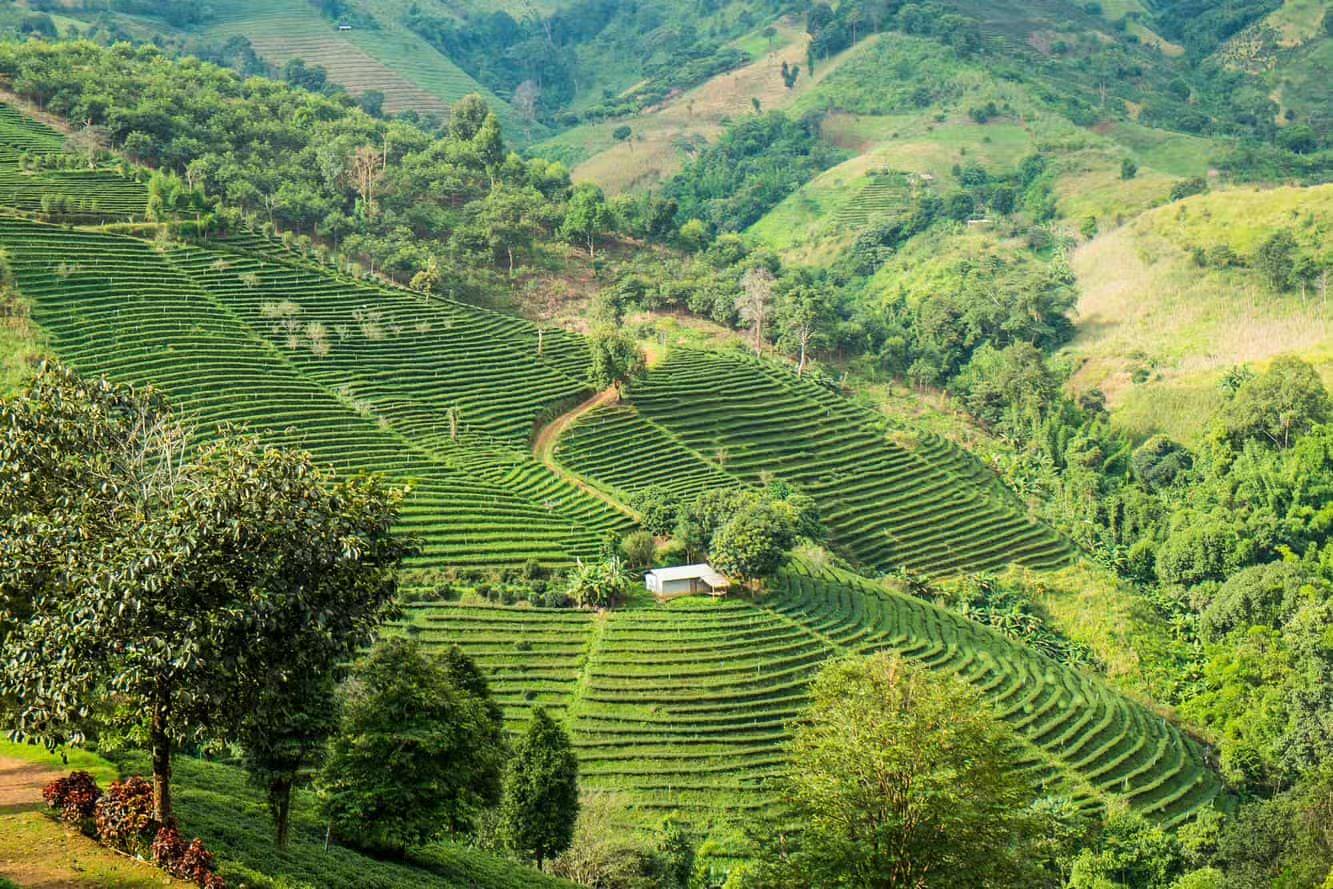
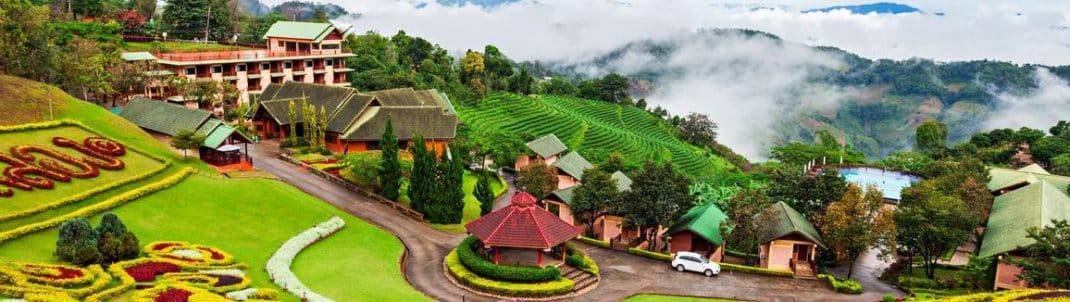
The slopes around Mae Salong provide the setting for tea growing, but each estate controls entry to its fields and tasting space. Choose one operator that welcomes visitors, check the road and leave room for a slow tasting. Take roadside photographs only from safe public pull-offs.
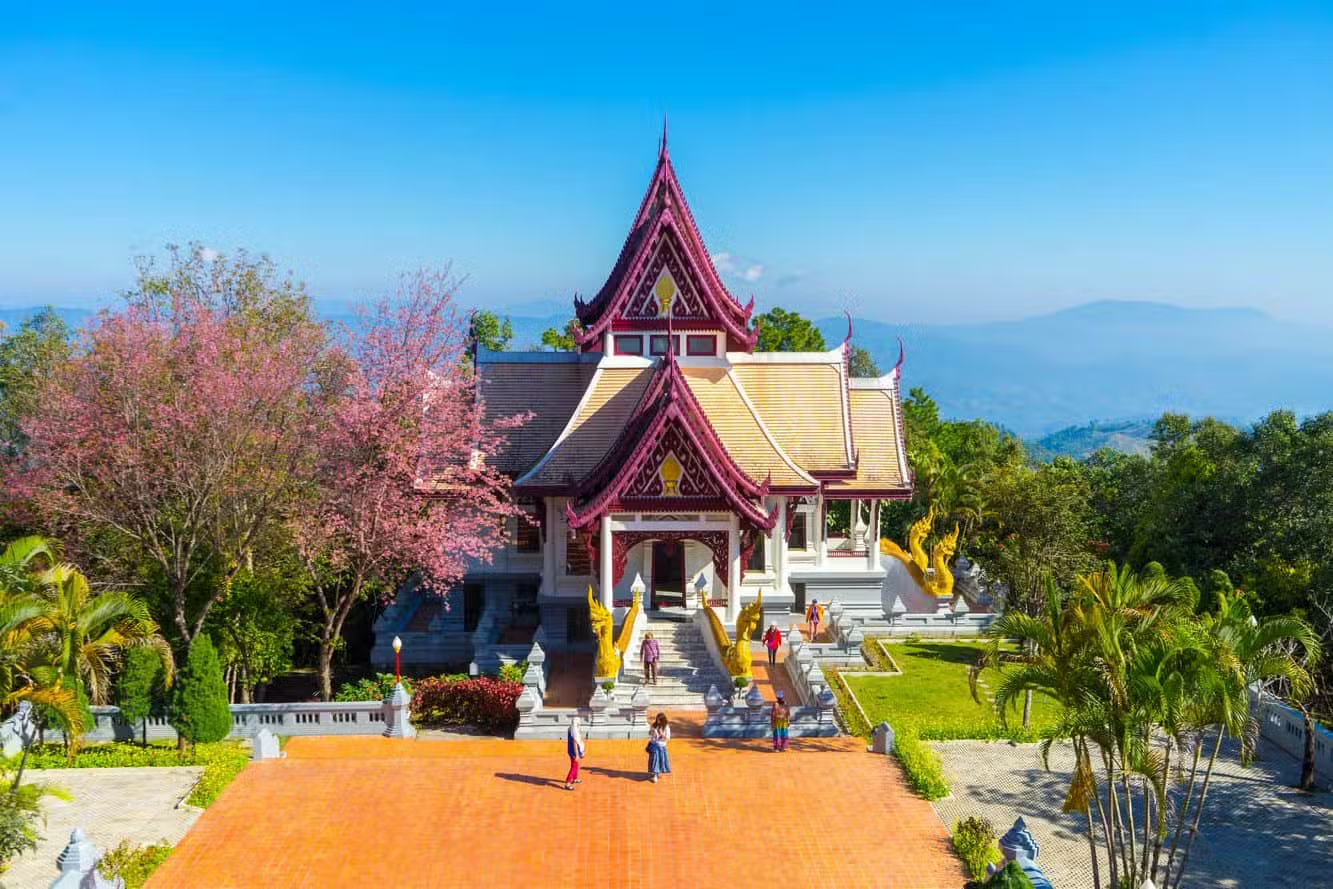
Hilltop chedi as an extension
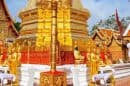
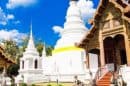
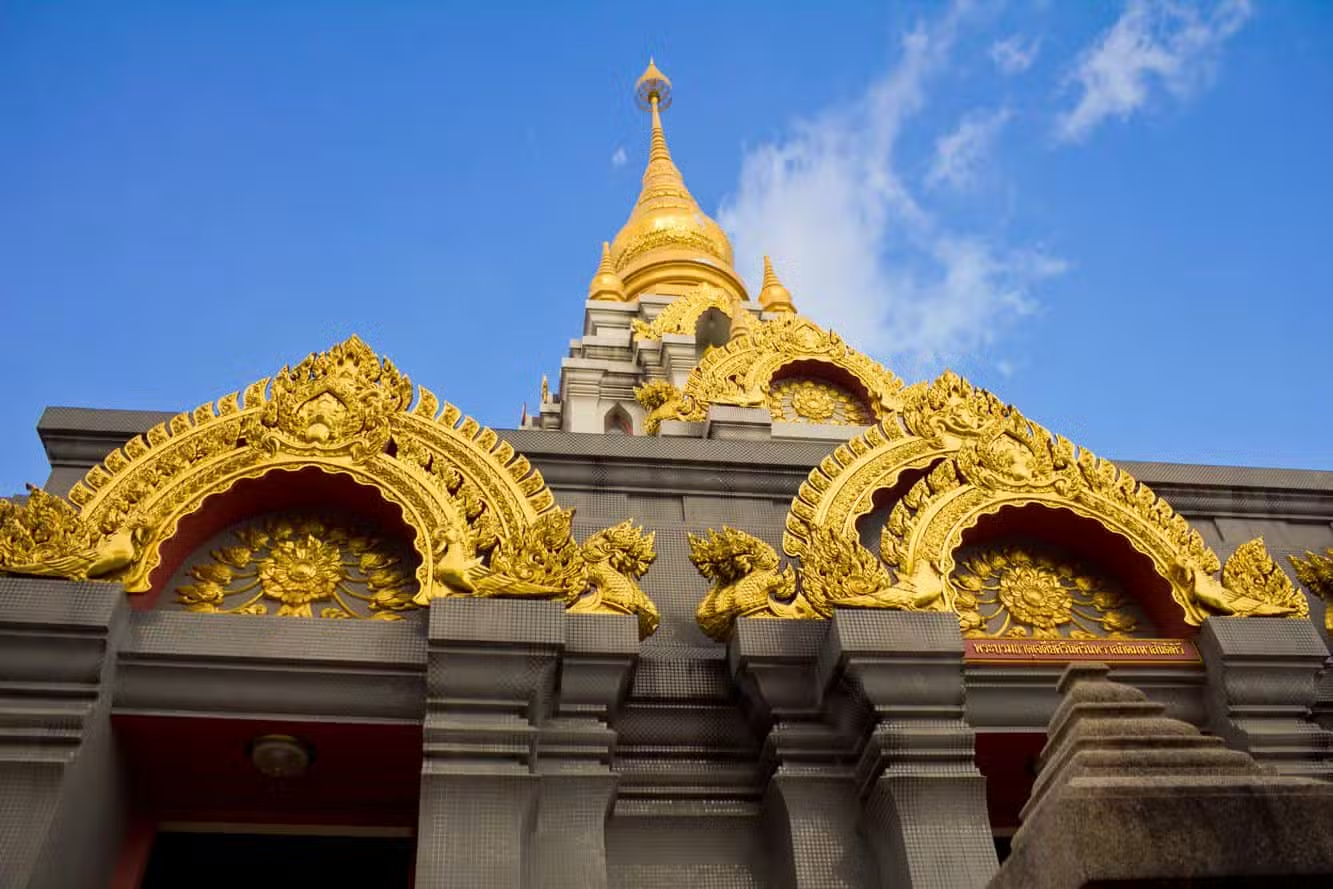
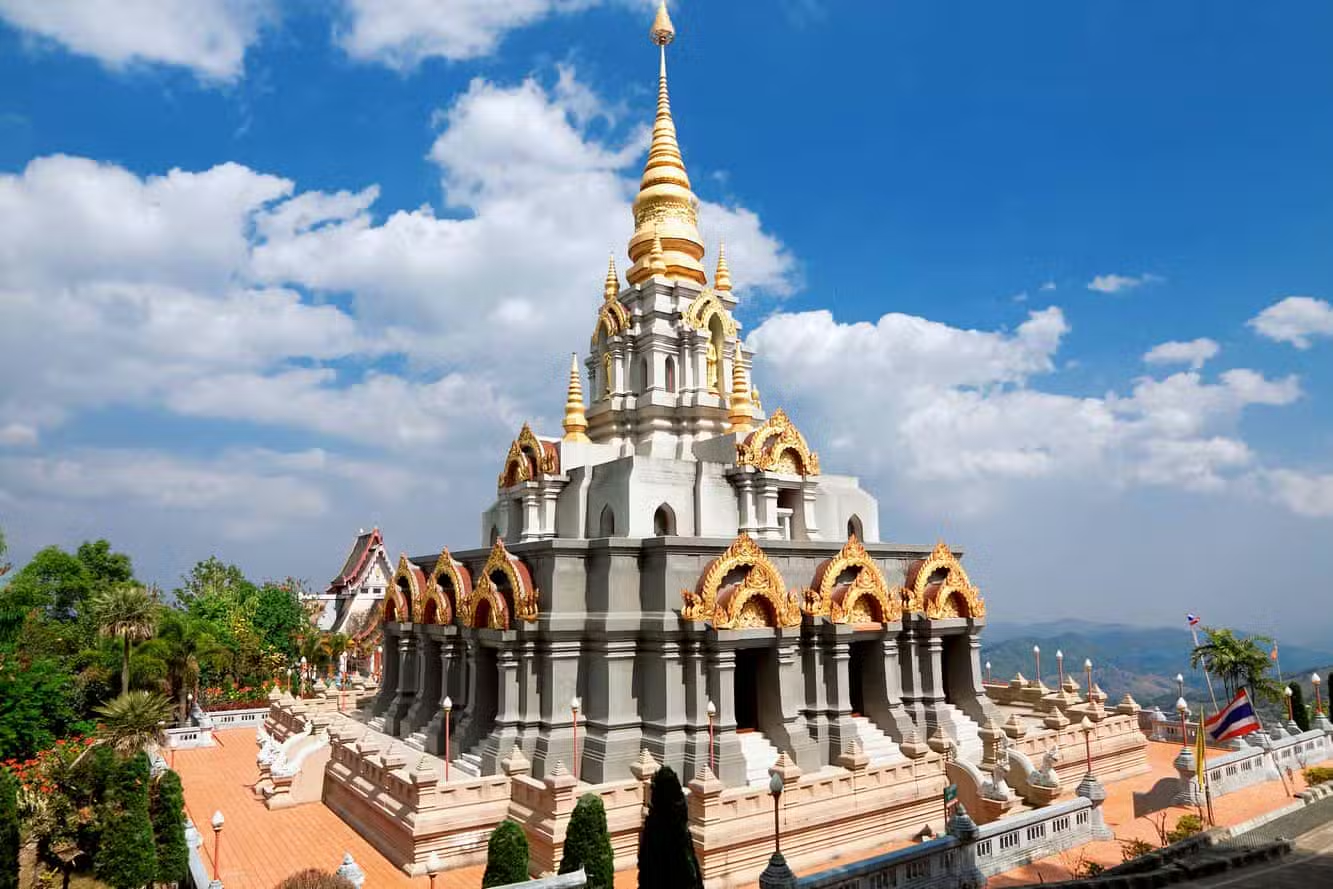
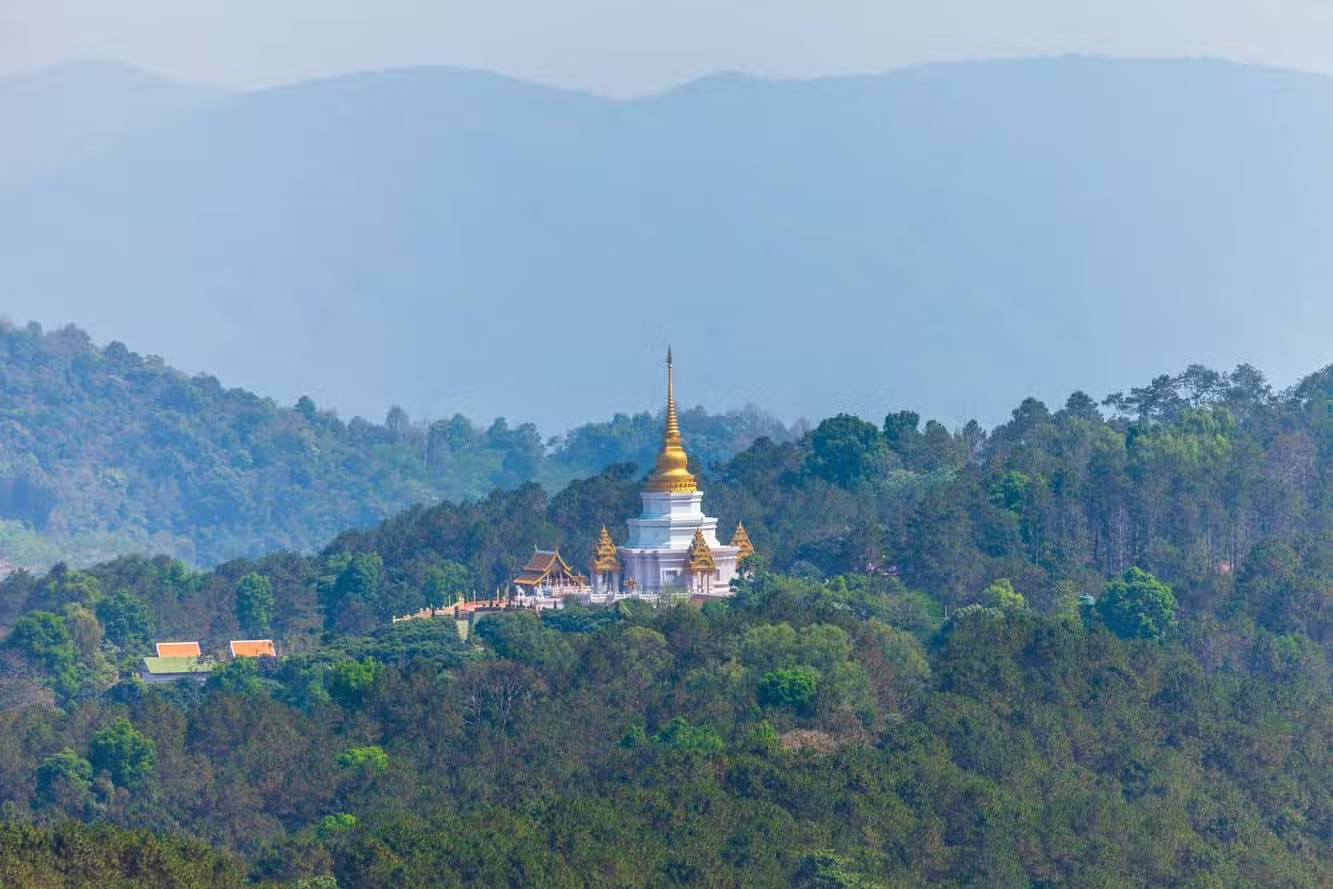
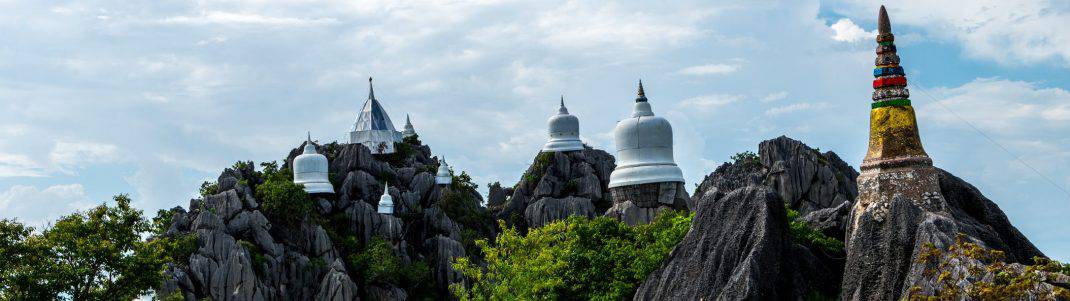
Phrathat Chedi Srinagarindra Sathit Maha Santikhiri stands above the village and makes a separate viewpoint or temple stop. Check the approach road and current access, dress respectfully and allow time to return before poor light. It is not simply the next shop along the village street.
A practical Mae Salong visit
Drive up in daylight, stop for tea and lunch in or near Santikhiri, then choose a public viewpoint or the hilltop chedi if road and weather conditions suit. Stay for a quiet evening or plan your descent with ample light. Avoid stringing Mae Salong, Mae Sai and the Golden Triangle into one hurried highland loop.
Where to eat
Tea and Yunnanese-influenced dishes are a stronger reason to dine locally than a generic café search. Confirm the venue you want, since small mountain businesses can close earlier than city restaurants.
A tea-house stop and a Yunnan-influenced meal can anchor the village visit, but individual opening times vary. Pick a real lunch spot before you start the mountain drive, and check whether your hillside lodging serves dinner.
Where to stay
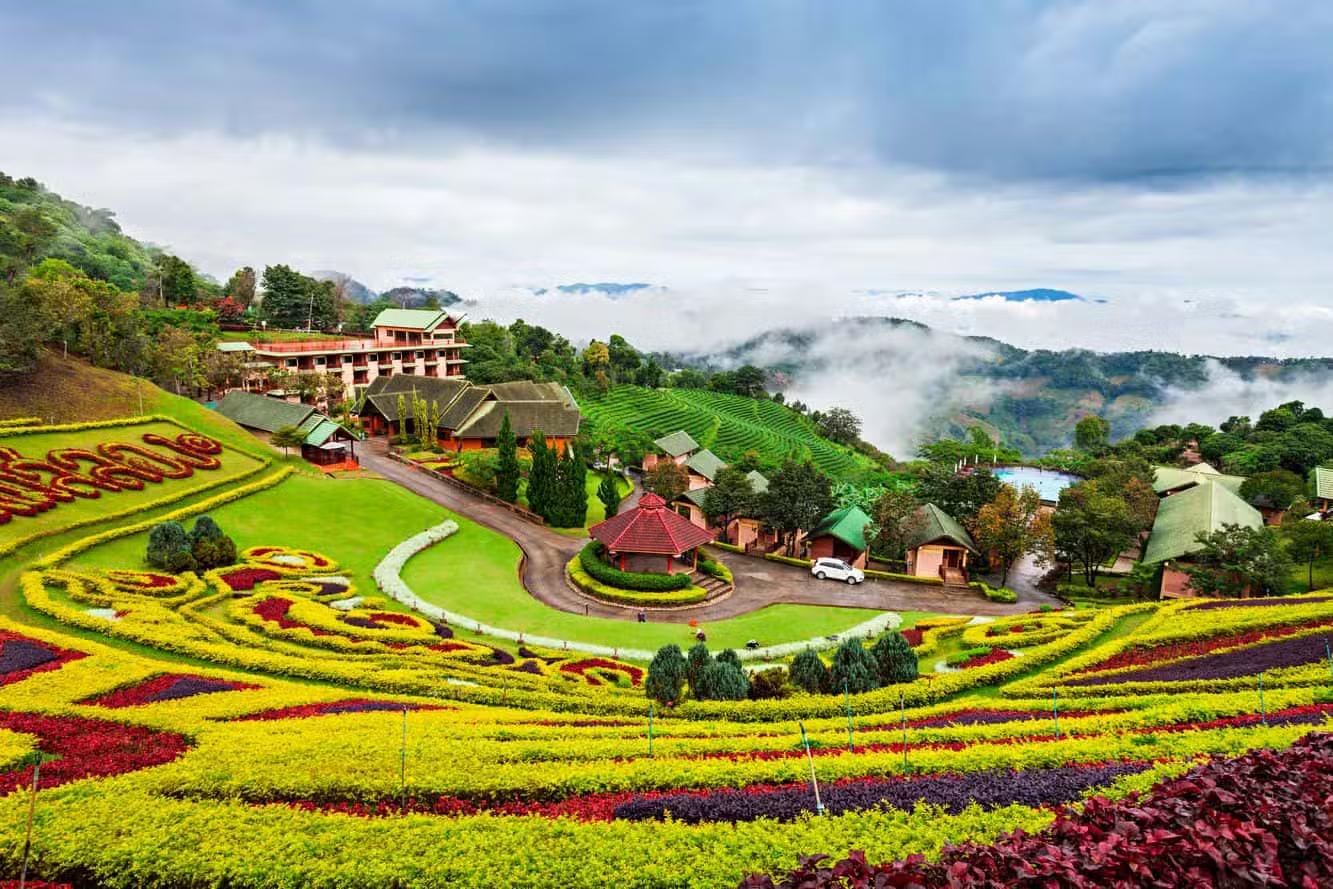
A village guesthouse makes tea and dinner easier on foot; a plantation or hillside stay offers views but often depends on a vehicle. Check the property approach and whether food is available after dark.
A village room lets you enjoy an unhurried morning in tea country. A farther hillside guesthouse may offer views but needs its own road and meal plan. Compare the exact approach and onward drive to Chiang Rai, rather than booking only by a Mae Salong label.
Getting to and around
A private vehicle or driver is the straightforward choice for the winding ascent and separated viewpoints. Public connections may require transfers and leave limited flexibility. Check fog, rain and road conditions before setting off.
The mountain road and dispersed viewpoints call for a suitable vehicle and daylight. Confirm the approach, parking and return before leaving Chiang Rai. Public road services, if available for your travel date, may still leave a difficult last stretch to a remote tea property.
Is Mae Salong Worth Visiting?
Yes, for a tea-focused overnight or a carefully timed mountain day, with a distinctive feel from Chiang Rai city.
Mae Salong FAQs
Is Mae Salong in Chiang Mai?
No. It is in Chiang Rai Province.
Can I enter any tea plantation?
No. Choose an estate or tasting room that welcomes visitors.
Is an overnight stay worthwhile?
Yes, if you want a slower tea visit and the mountain atmosphere.

Do You Have a Question to Ask?