



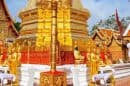




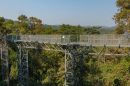

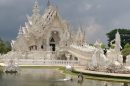


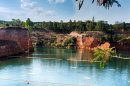

















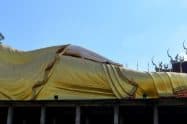
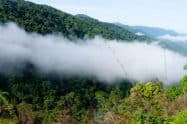









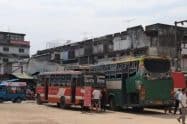
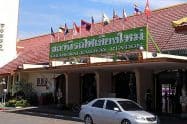

Nan is a provincial capital with an exceptionally rewarding small cultural centre. Wat Phumin’s murals, neighbouring temples, and the museum make for a compact day, while Doi Phu Kha and other highland landscapes require more travel time. An overnight stay gives you time to properly look at the art rather than snap a rushed photo on a longer road trip.
Start with a city circuit, then add a separate mountain or village route if you have more days. The province is large and road time matters more than the apparent proximity of names on a regional map.
Things to see and do in Nan
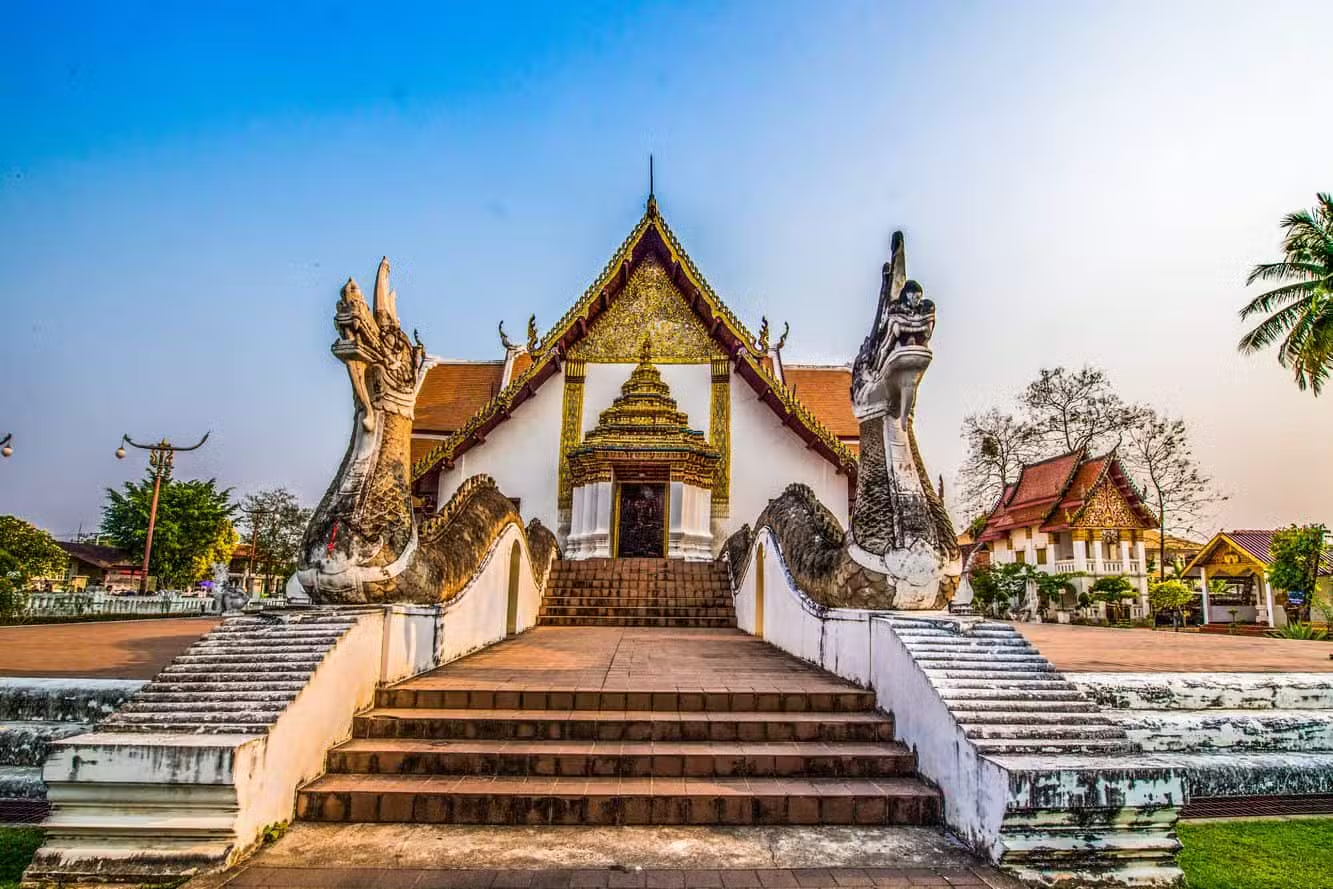
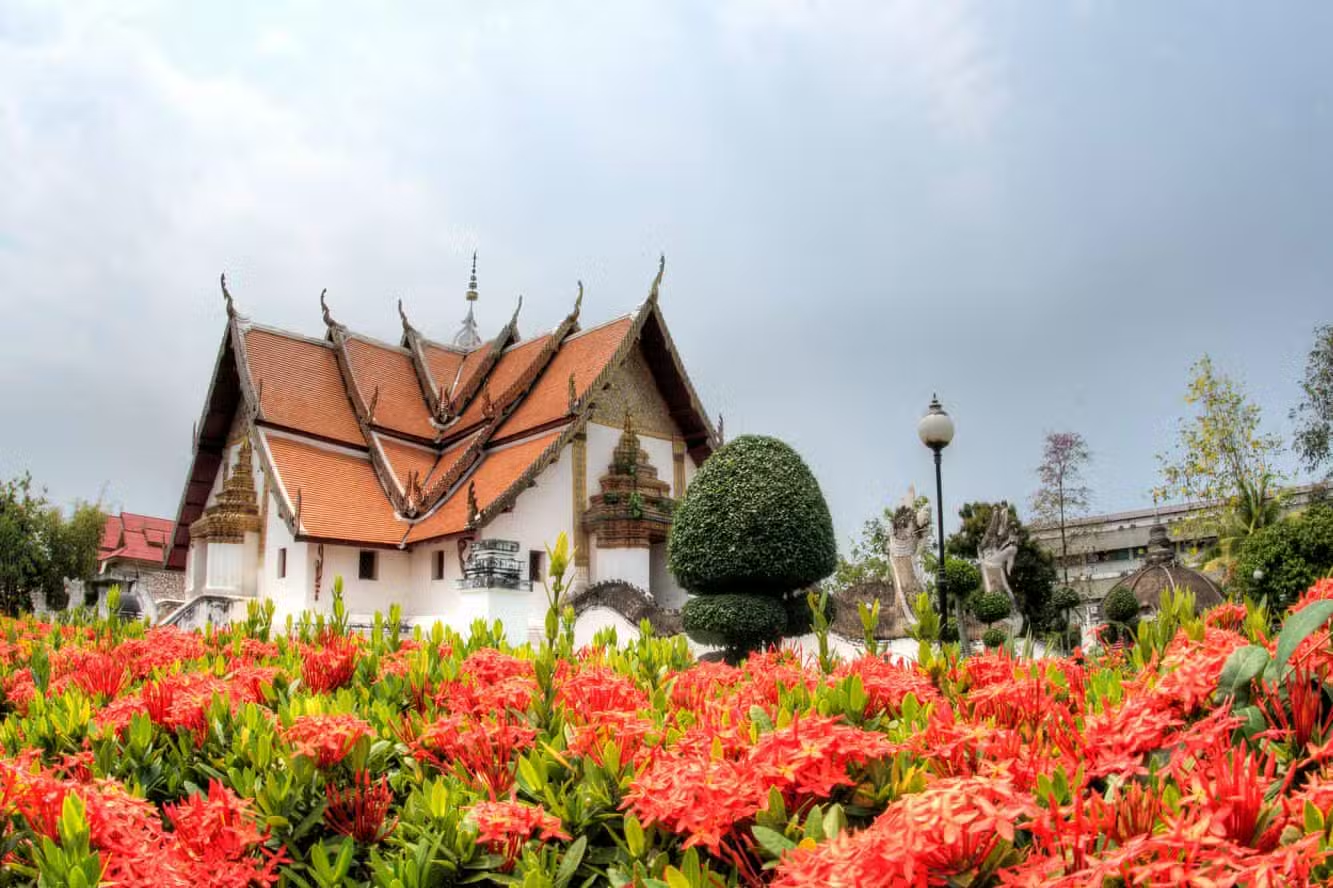
Wat Phumin
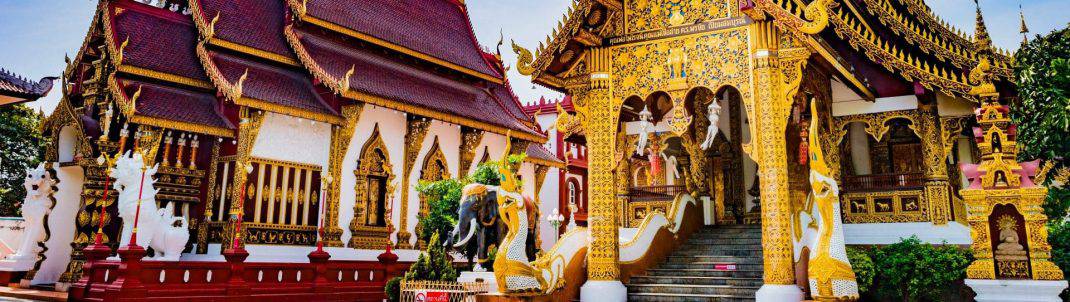
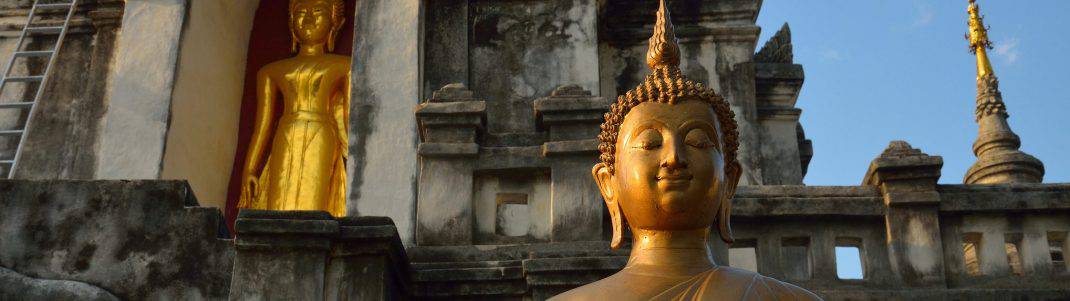
The temple’s murals, including its celebrated intimate figures, deserve a slow visit. Enter respectfully, leave space for worshippers and follow any photography or access rules in the building. It is near other central cultural sites, so it is a useful first stop before the day’s heat builds.
Nan National Museum and town temples
The museum adds context to Nan’s art and history when open. Pair it with one nearby temple rather than rushing through several; confirm museum days and any exhibition closures. The central cluster is walkable with rest breaks and a meal.
Old streets and Nan River area
A walk through the town’s older blocks and towards the river reveals more of the place than a temple-only circuit. Choose public paths and a short loop suited to the weather, then eat locally. Market trading and individual historic interiors vary, so check a specific stop before travelling.
Doi Phu Kha as a separate drive
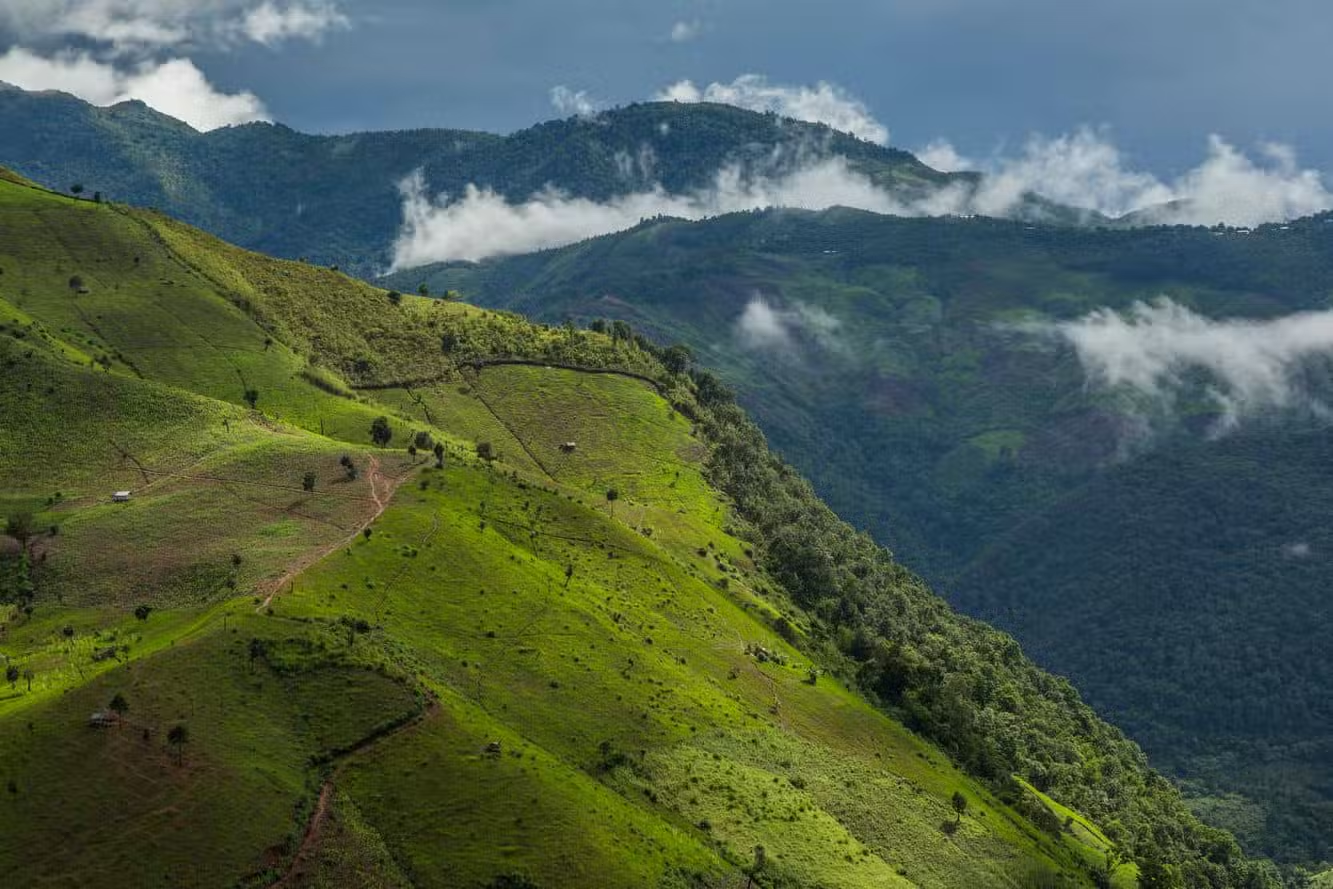
The national park and northern highlands are beyond a city half-day. Choose a route and a few confirmed open viewpoints, check park notices and fuel, and leave time for winding roads. A mountain overnight stay is a different decision from choosing a central Nan hotel.
Wat Phra That Chae Haeng
This important temple sits away from Nan town centre and works as a planned extension to the city temple circuit. Allow time for the journey, the precinct and respectful dress. If you visit Wat Phumin and the museum first, decide whether to add Chae Haeng that afternoon or save it for a quieter second morning.
Wat Phra That Khao Noi and wider views
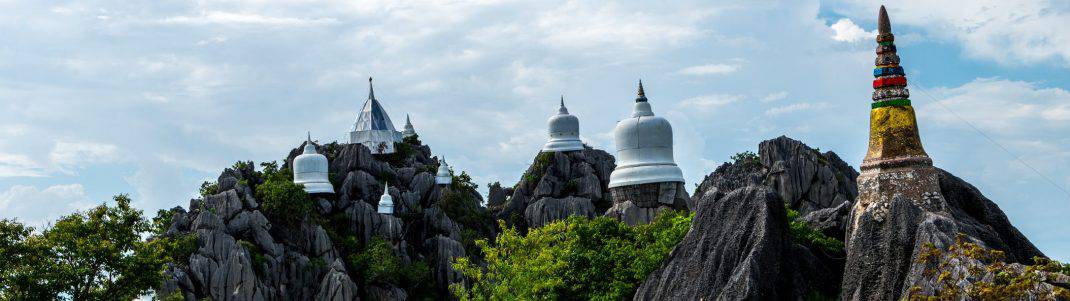
A hilltop temple can offer broad views of the Nan area when visibility is clear. Plan the ascent by suitable transport, confirm access and keep the viewpoint optional in smoke or rain. Its value differs from studying the detailed murals at Wat Phumin, so give each stop its own time rather than using the viewpoint as a substitute for a city visit.
Where to eat
Central Nan is the easiest place to choose a local meal between cultural stops. For mountain travel, organise food and water before leaving the city and verify a restaurant near your overnight base.
Central Nan is the best base for a temple-day lunch and an easy dinner after the museum area closes. Choose a restaurant that serves the northern dishes you want, rather than counting on a market to operate every evening. For a mountain outing, buy water and identify a meal stop before leaving town.
Where to stay
Stay near Nan’s old centre for walkable temple mornings and evening food. A mountain guesthouse suits a specific national-park itinerary but changes the drive and dining options. Compare distances before treating the province as one accommodation zone.
A room near the central temples reduces short vehicle rides and supports an unhurried Wat Phumin visit. A river or edge-of-town property can be pleasant with transport, but check its walk to dinner. A remote mountain stay serves a specific sunrise or park itinerary and needs its own road and food plan.
Getting to and around
Nan has airport and road connections, subject to current schedules. Walk the central heritage cluster; use a driver or suitable vehicle for the national parks. Check road and air-quality conditions if highland views are central to the trip.
You can cover the Wat Phumin and museum area on foot in short sections. Use a vehicle for Wat Phra That Chae Haeng, Khao Noi and the much longer provincial mountain routes. Check your current airport or intercity arrival, confirm the hotel transfer, and plan a rural return before dark.
An unhurried Nan city circuit
Start in the central temple and museum area, where several stops are close enough to combine on foot in suitable weather. Wat Phumin merits sustained attention to its interior art; follow it with the museum if open and lunch nearby. In the afternoon, visit one outlying temple by vehicle, or stay in the old streets if heat makes a longer transfer less appealing.
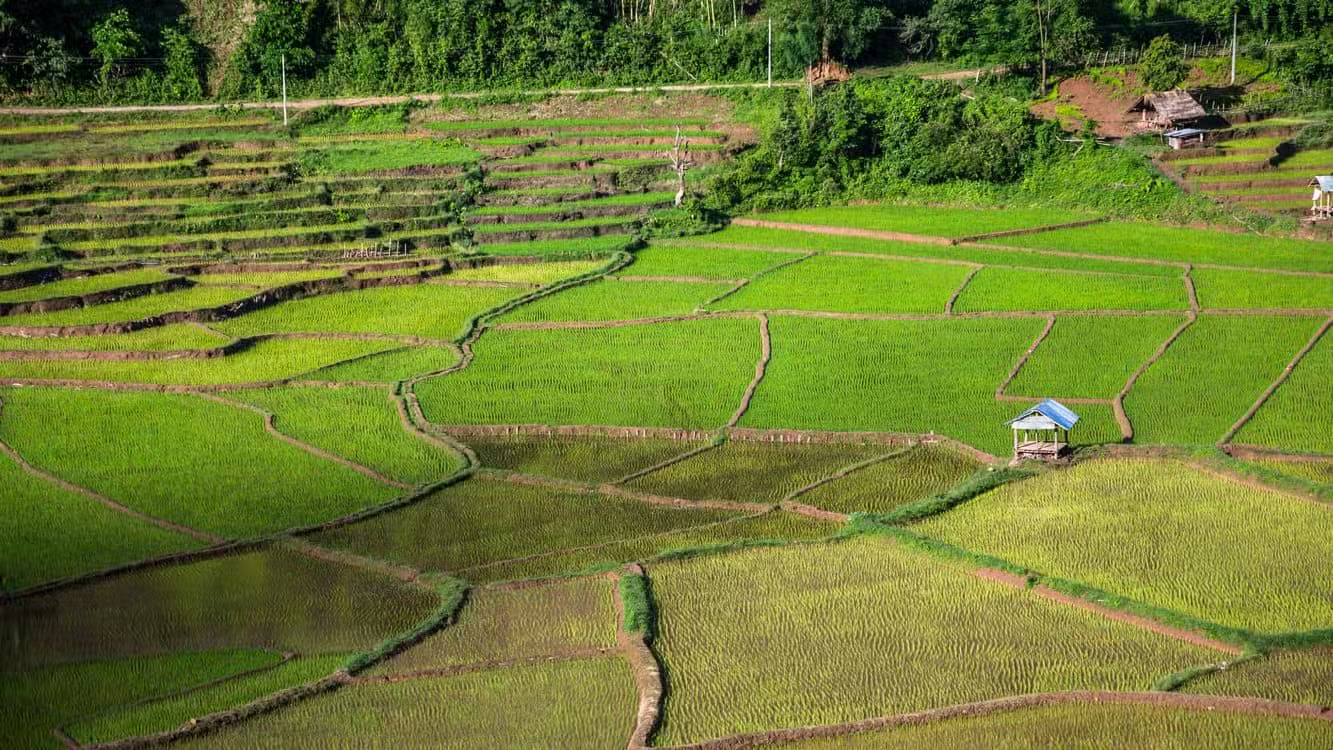
For a three-day stay, keep one full day for a chosen rural area rather than trying to see all of Nan province from a town hotel. Mountain roads can be slow, and park access depends on conditions. Arrange the driver or vehicle, check fuel and opening information, and return while there is daylight. An overnight in a mountain area only pays off when the setting itself is the reason to travel.
Is Nan Worth Visiting?
Yes. Its strong temple and museum cluster merits a dedicated day in town, with extra nights for the province’s highlands.
Nan FAQs
What is Nan best known for?
Wat Phumin and its interior murals give the compact historic centre a strong first-visit focus. The museum and nearby temples add context when their visitor areas are open.
Can I walk Nan’s main sights?
The central temple and museum cluster is manageable on foot in suitable weather. Wat Phra That Chae Haeng and more distant viewpoints require another journey.
Is Doi Phu Kha in town?
No. The national park belongs to a separate highland drive. Check the selected route, current park access and return time instead of fitting it around a town lunch.
How long should I stay?
Allow one day for the town sights and an overnight stay if you want a slower evening. Add another full day or a different base for a chosen mountain route.

Do You Have a Question to Ask?