


















































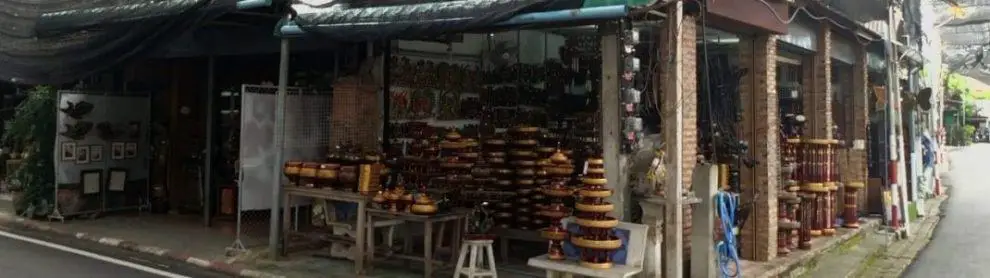
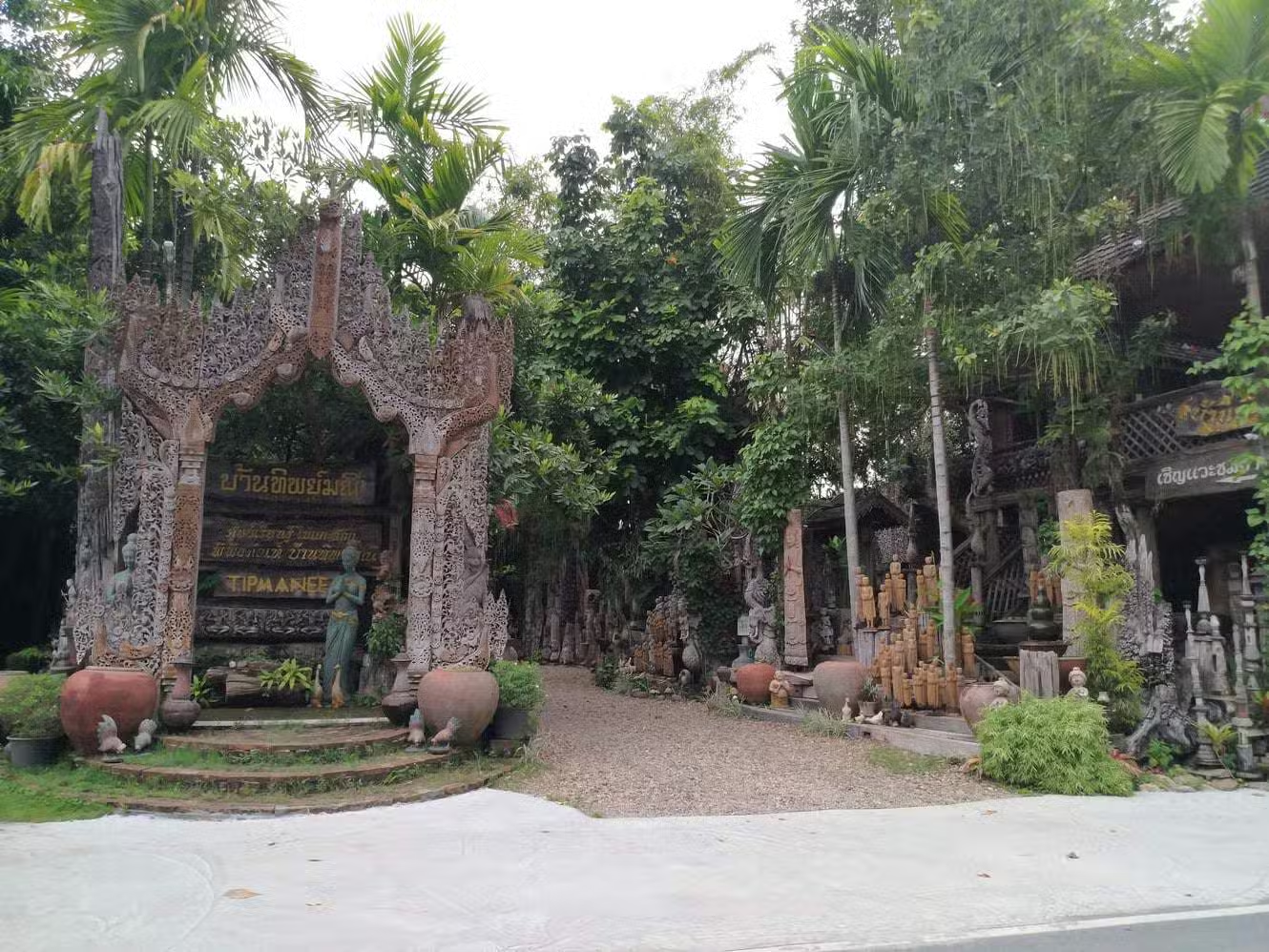
Baan Tawai Village is a craft and furniture shopping area in Hang Dong, south of Chiang Mai. Woodcarving is at the heart of its identity, with shops and workshops selling everything from small decorative pieces to substantial furniture and architectural ornament.
The visit is as much about looking at materials and workmanship as buying a souvenir. A carved figure, lacquered object and large wooden table involve very different choices, so take time to compare pieces and speak to sellers rather than treating the village as one market with a single price list.
Woodcarving and the Craft Village
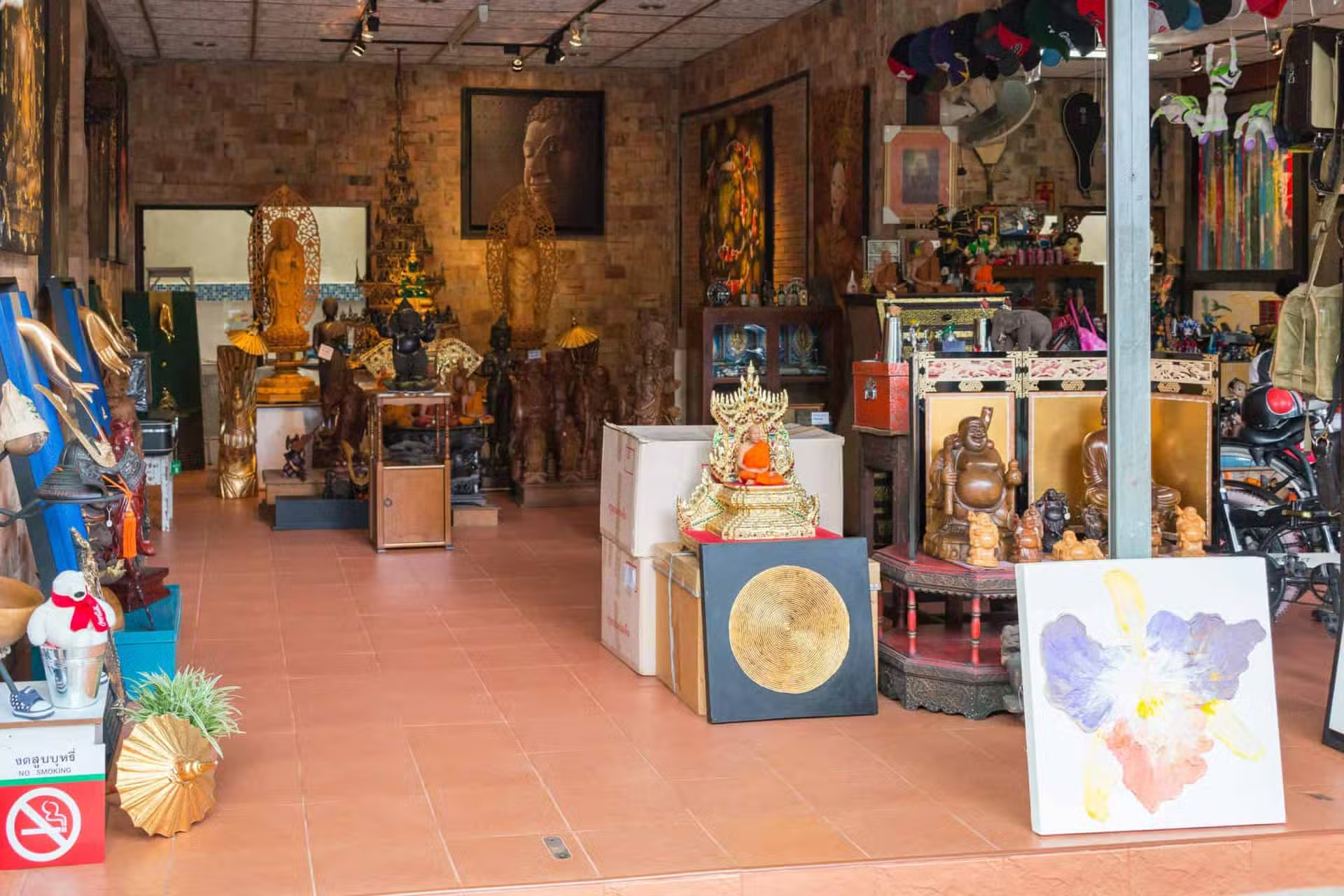
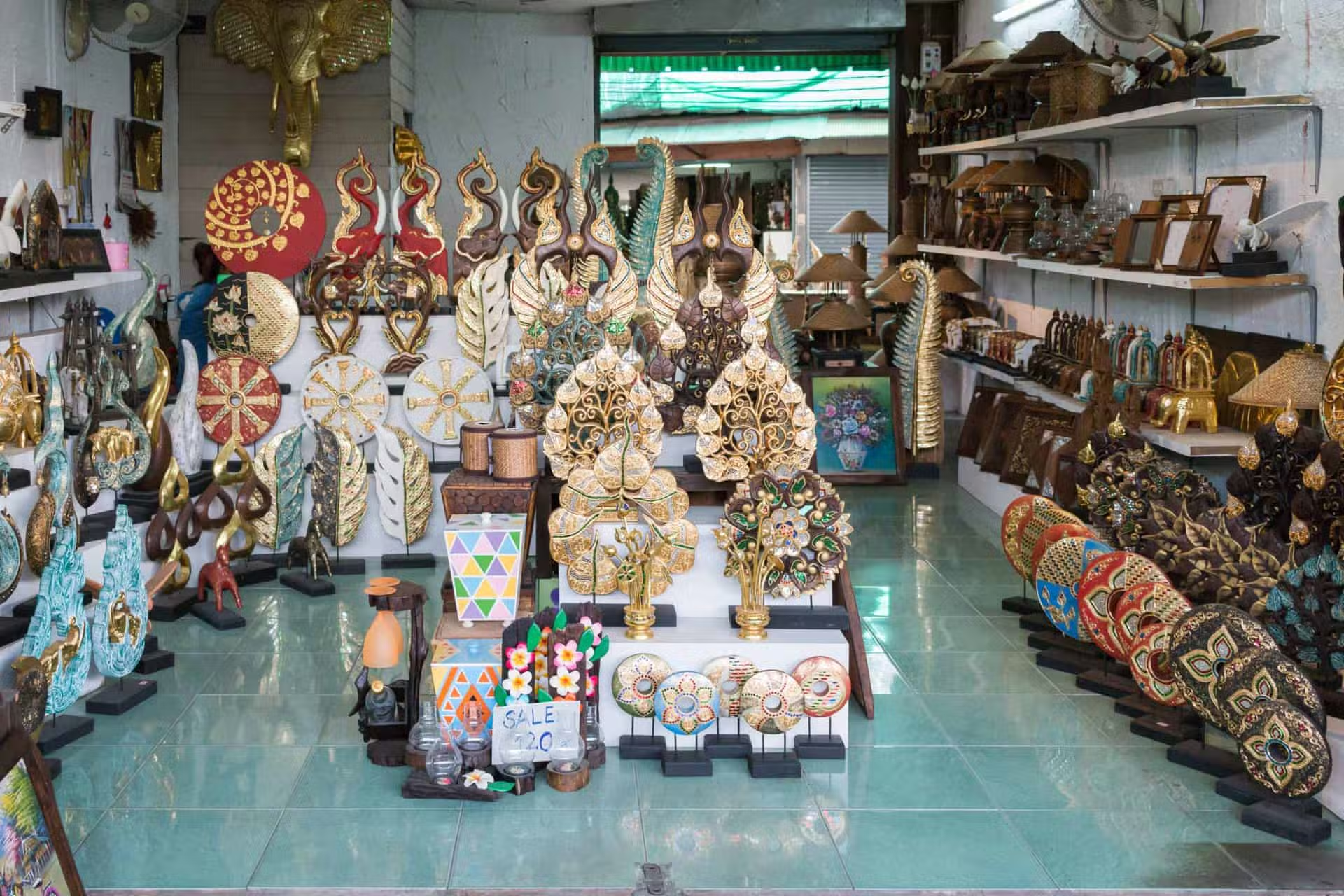
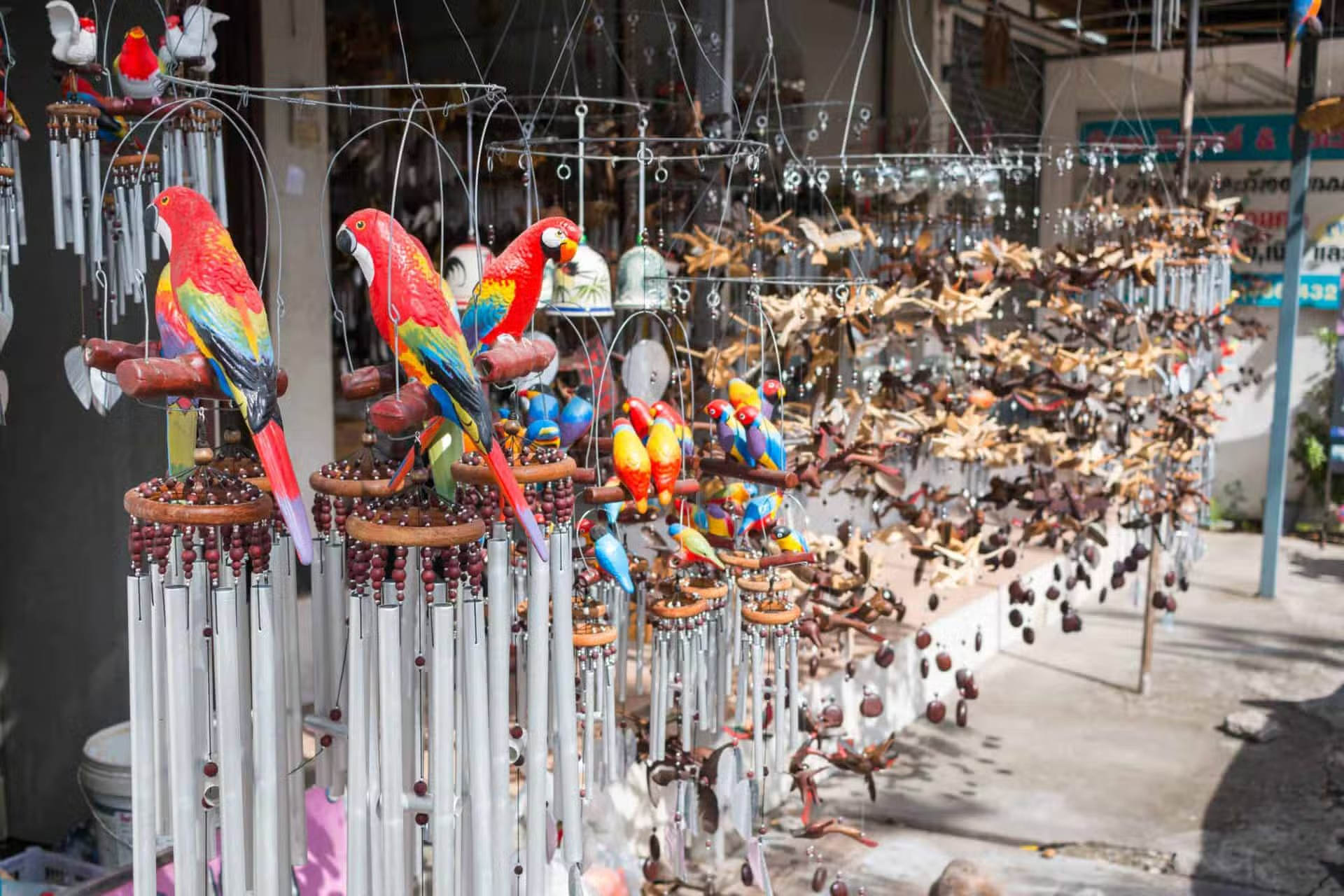
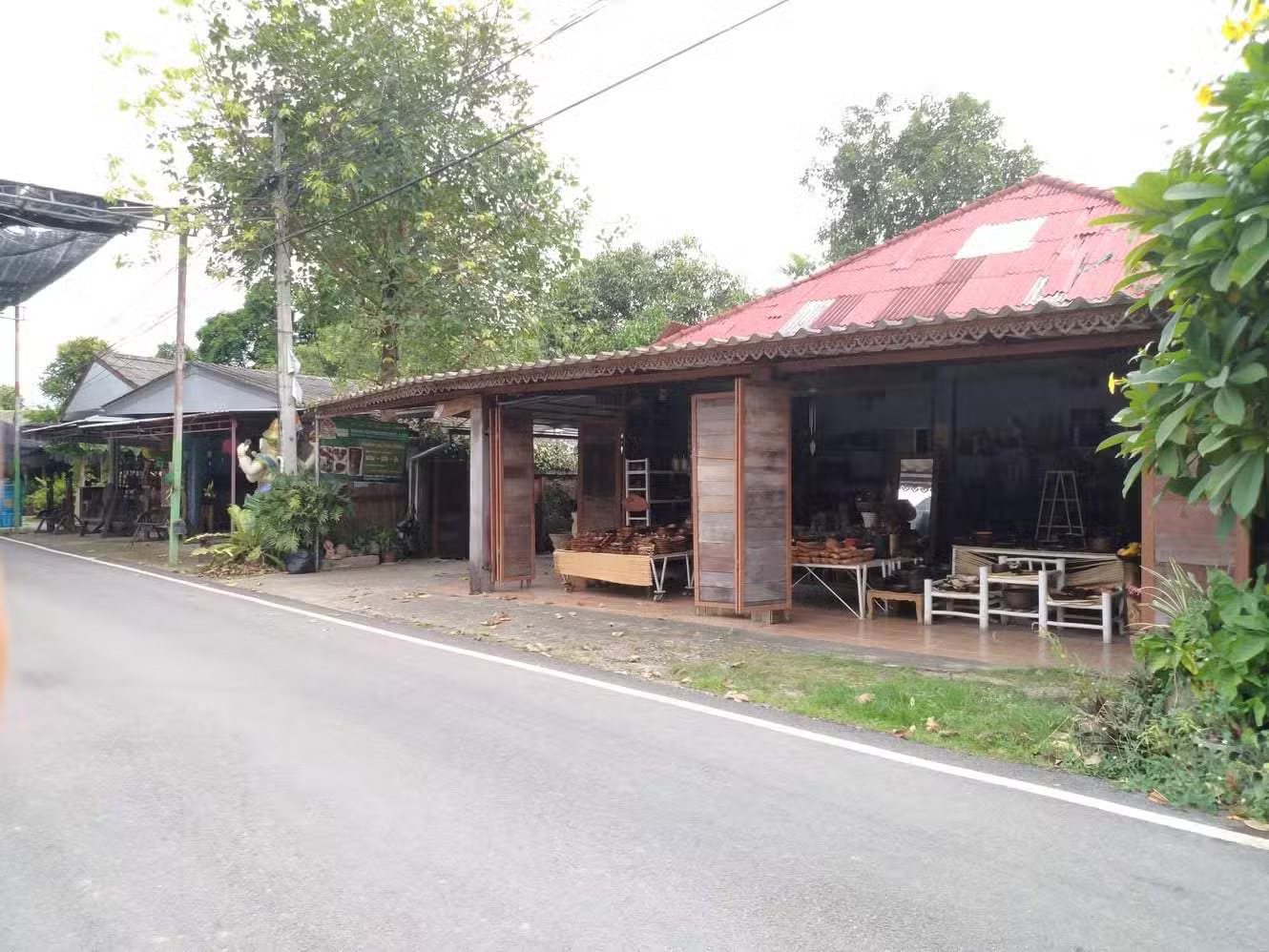
Baan Tawai’s woodcarving tradition shapes the range of work on display. Look for carved animals, religious and mythical figures, decorative panels and furniture, with differences in the depth of carving, finish and detail. Even a small object can reveal careful work when viewed closely.
Some businesses combine a retail space with a workshop, while others mainly display finished goods. If an artisan is working, ask before watching closely or taking photographs. Demonstrations depend on the individual workshop and its work that day; they are not a scheduled performance included with every visit.
Other shops offer ceramics, textiles and decorative homewares, which may be easier to carry home than large wooden pieces.
The Two Sides Canal Handicraft Area
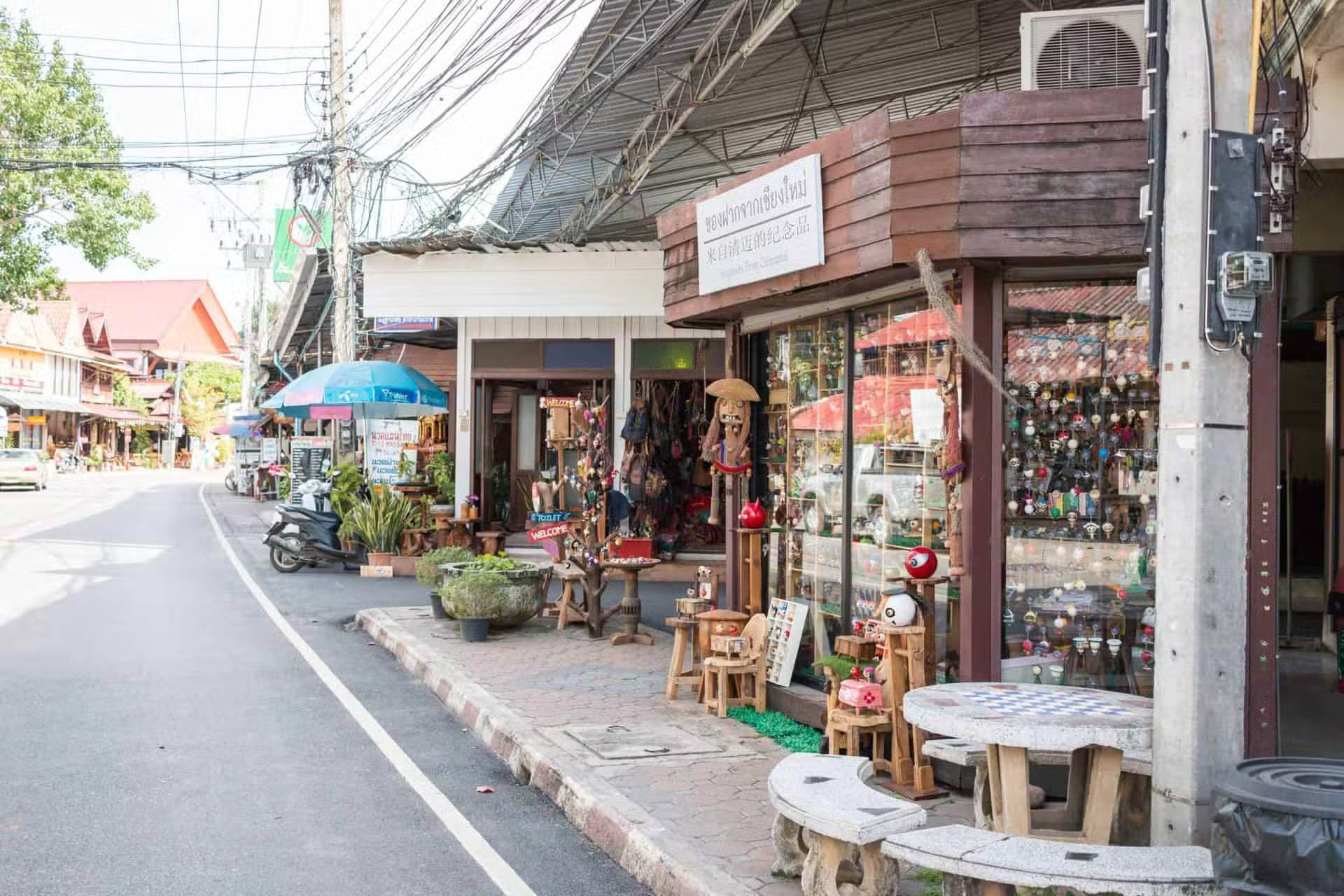
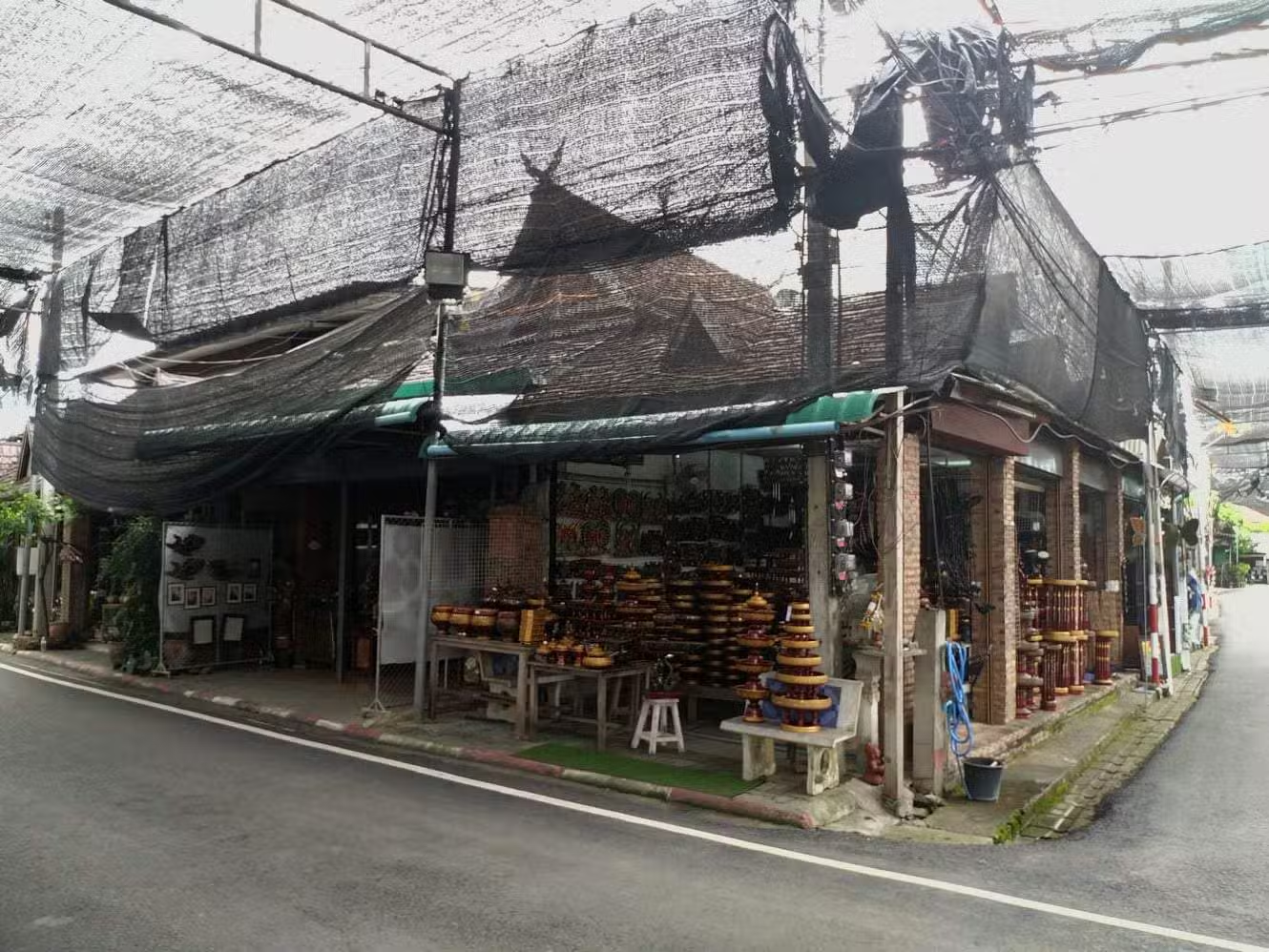
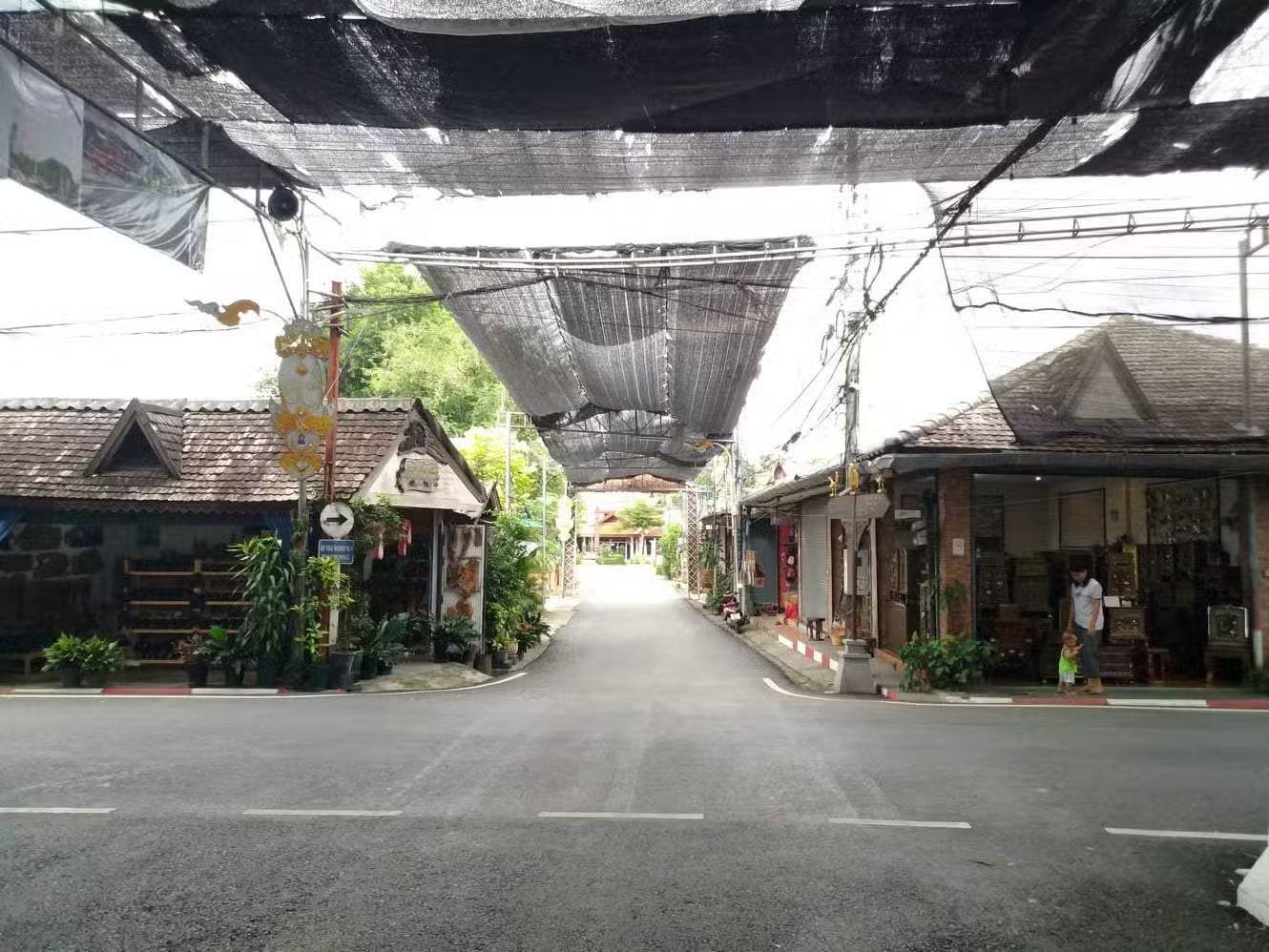
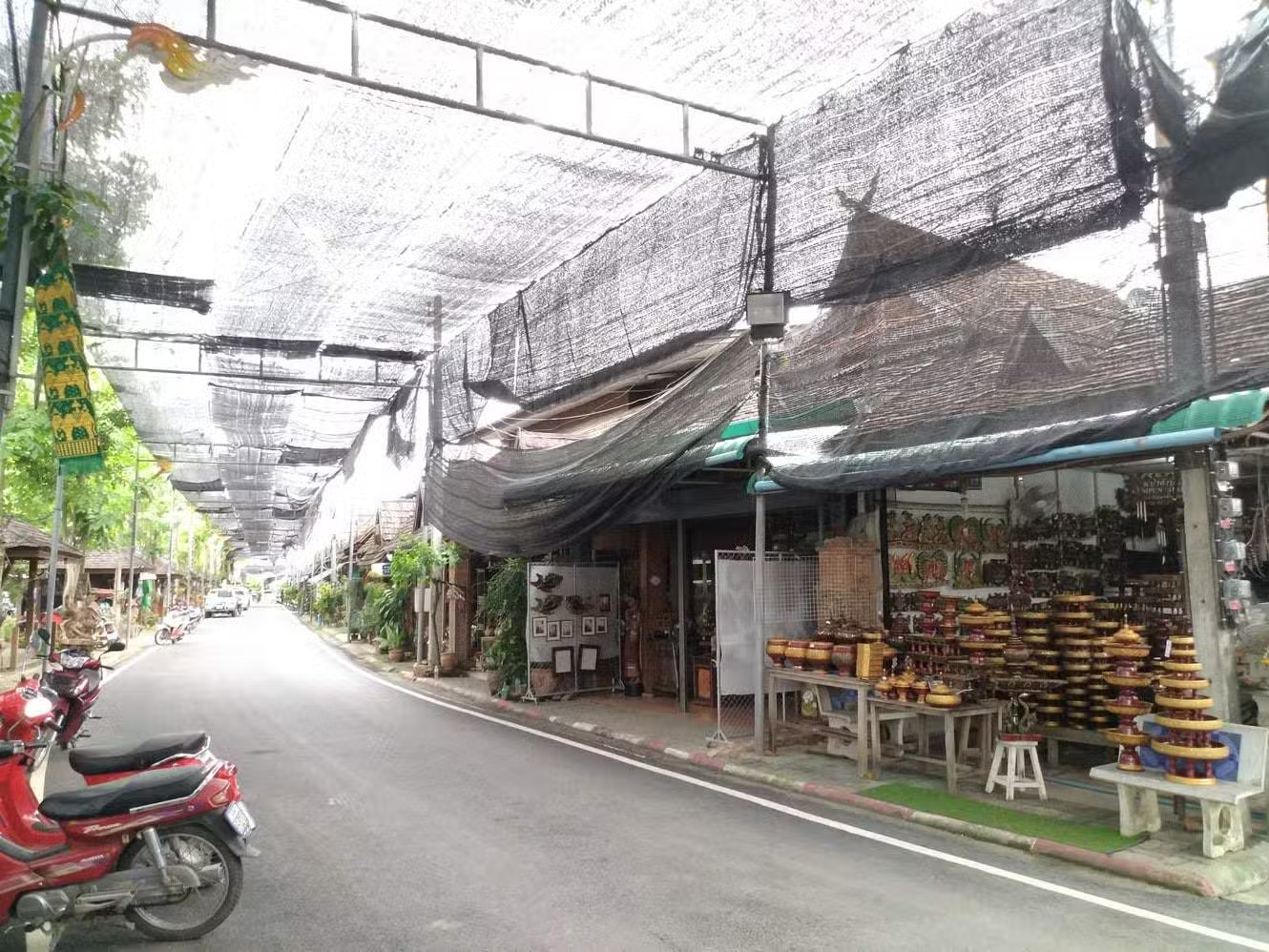
The Song Fang Khlong, or Two Sides Canal, handicraft area brings craft shops together beside an irrigation canal. It is one of the useful places to begin a browsing circuit, with the setting and shopfronts making the village feel different from a city shopping centre.
Explore one part at a time and note the shop name or position if you may return to a particular piece. Baan Tawai includes separate businesses, so a price or delivery service offered in one shop does not automatically apply across the village.
Comparing Materials, Finish and Prices
Inspect the whole item before deciding, including the back, base and joins on a larger piece. Ask which material has been used and how it has been finished. Painted, gilded, lacquered and deliberately aged surfaces can produce very different effects even on objects with a similar shape.
An antique appearance does not by itself establish an antique’s age or origin. If those details matter to your purchase, ask the seller for a clear description and supporting documentation before paying. Decorative reproductions can be attractive in their own right when you know what you are buying.
For furniture, measure the available space at home and check the item’s actual dimensions. A chair or table viewed in a spacious showroom can seem smaller than it will in a room. Compare workmanship, materials and the complete cost rather than assuming the lowest sticker price offers the best value.
Packing and Shipping Larger Purchases
Some sellers can arrange packing or delivery, which makes the village relevant to buyers considering larger objects. Establish the destination, dimensions, weight and complete shipping quote before committing. Ask whether packing, insurance and delivery to your address are included or charged separately.
Keep a written description of the purchase and the delivery arrangement, along with the seller’s contact details. Photograph the chosen piece with permission so there is a clear record of its appearance. Check how you can transport the item home and any destination requirements before payment.
Planning a Browsing Visit
There is no general village admission fee; purchases, arranged activities and services have their own costs. Shops operate independently, so plan a daytime visit and contact a particular workshop if seeing its work is your main reason for travelling.
One to two hours can suit casual browsing in a selected area. Allow a half-day if you want to compare furniture, speak with workshops or arrange delivery. Special cultural events may offer additional activities, but they should not be assumed to run during an ordinary shopping day.
The village involves outdoor movement between shops, so bring water and protection from sun or rain. Children may enjoy spotting carved animals, but workshops and displays contain tools, fragile goods and valuable items. Ask before handling anything, and check individual premises for step-free access if needed.
Getting to Baan Tawai Village
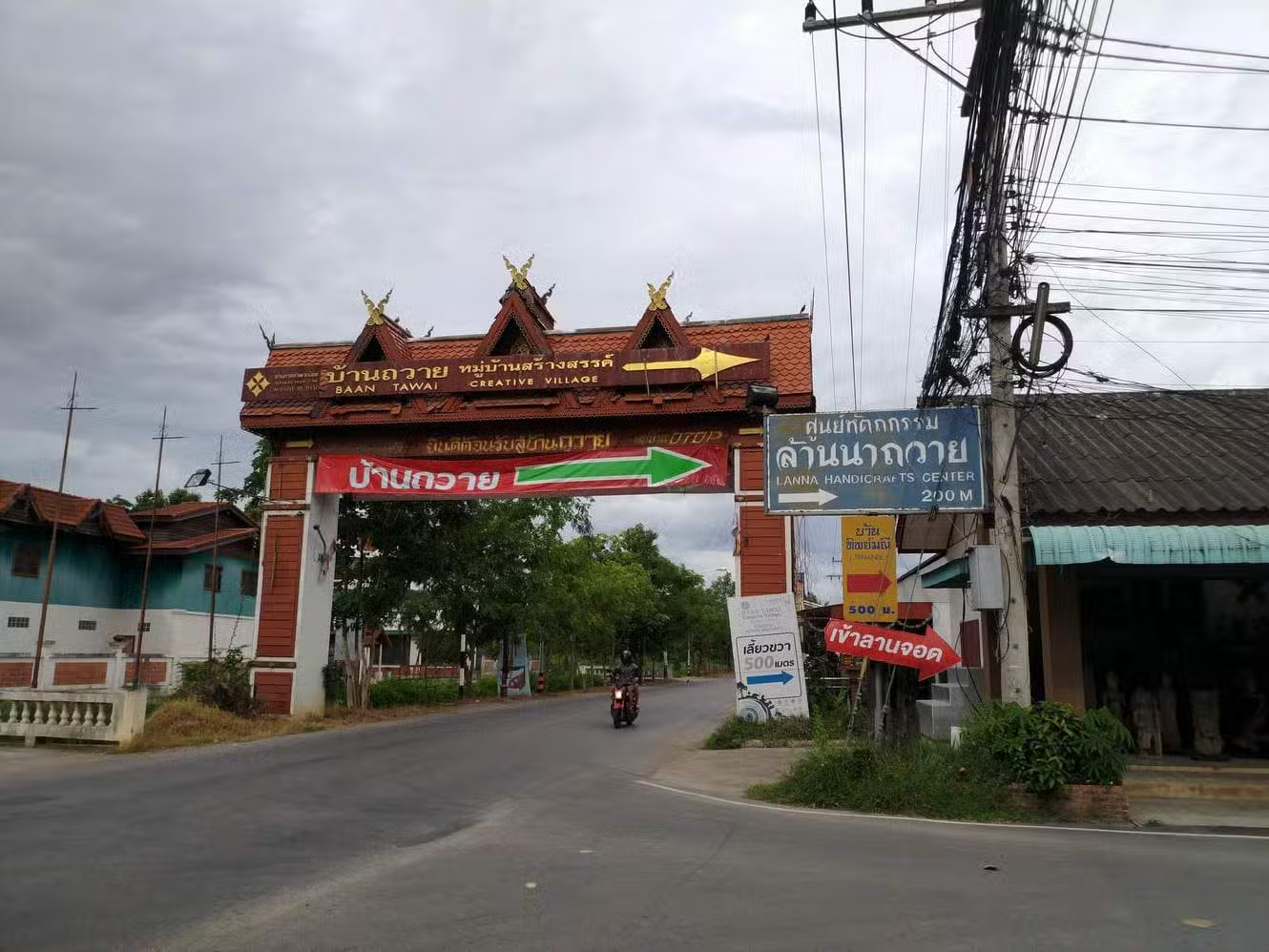
Baan Tawai is in the Khun Khong area of Hang Dong, south of Chiang Mai. The main approach from the city follows Route 108 towards Hang Dong, with local signs and roads leading to the craft village. Use the village or the specific shop location for the final approach rather than stopping at Hang Dong town centre.
A car or arranged driver is convenient, particularly if you expect to buy bulky goods or visit several shops. Agree the waiting time and return journey before leaving Chiang Mai. Travel time varies with your starting point and traffic, so allow room in the plan beyond the shopping itself.
A bus or songthaew travelling along the main highway may leave a separate local connection to the village. Confirm that final leg and the return arrangement before choosing public transport. If driving, follow parking directions for the area or shop you are visiting and leave workshop entrances clear.
Baan Tawai Village FAQs
What is Baan Tawai known for?
Woodcarving and wooden furniture are central to the village, alongside other crafts and homewares. You can browse small decorative objects as well as larger pieces, comparing materials, carving and finishes.
Do you pay an entrance fee?
There is no general admission fee to browse the village. Purchases, any arranged workshop activity and services such as packing or shipping are separate.
Can you watch artisans working?
Some businesses have workshops, but access and demonstrations depend on their activity that day. Ask permission and contact a particular workshop in advance if seeing the craft process is essential to your visit.
Can shops send furniture overseas?
Some sellers arrange shipping, but you need a quote for the particular item and destination. Confirm packing, insurance, delivery and any separate costs before buying.
Are antique-looking items necessarily old?
An aged finish can be deliberately created, so appearance alone does not establish age. Ask for a clear description and supporting documentation if you are purchasing an item specifically as an antique.
How much time should you allow?
Allow one to two hours for casual browsing, or a half-day for comparing furniture and discussing delivery. Independent shop hours make daytime the most practical choice.
Where is Baan Tawai Village?
It is in the Khun Khong area of Hang Dong, south of Chiang Mai. Approach via Route 108 towards Hang Dong, then follow the local route to the village or your chosen shop and arrange return transport.












Do You Have a Question to Ask?