


















































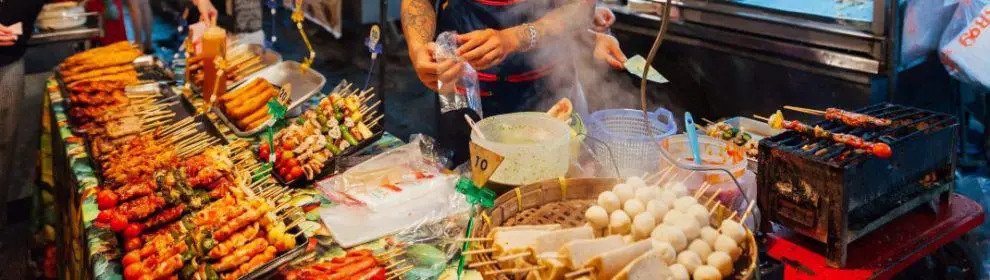
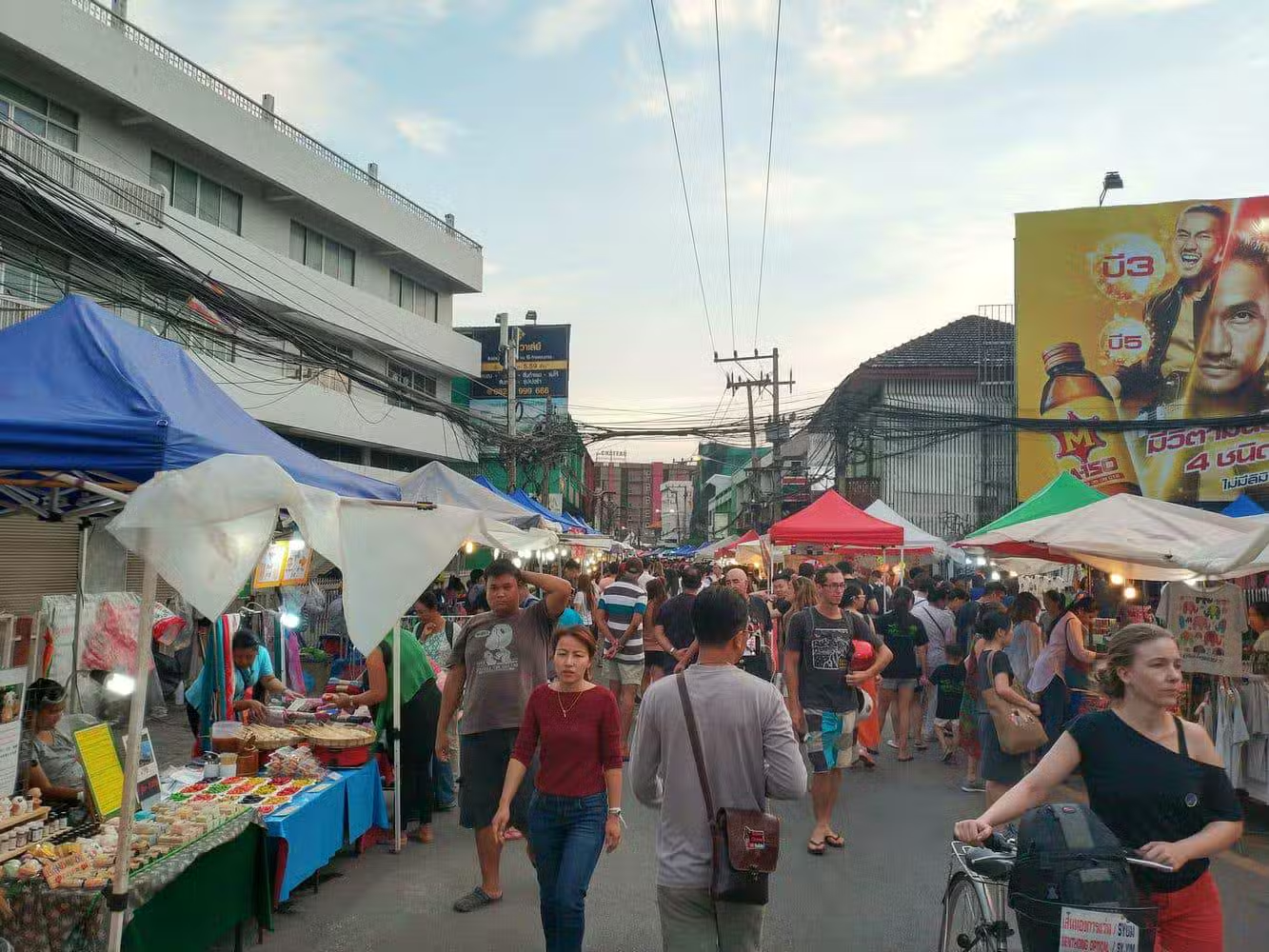
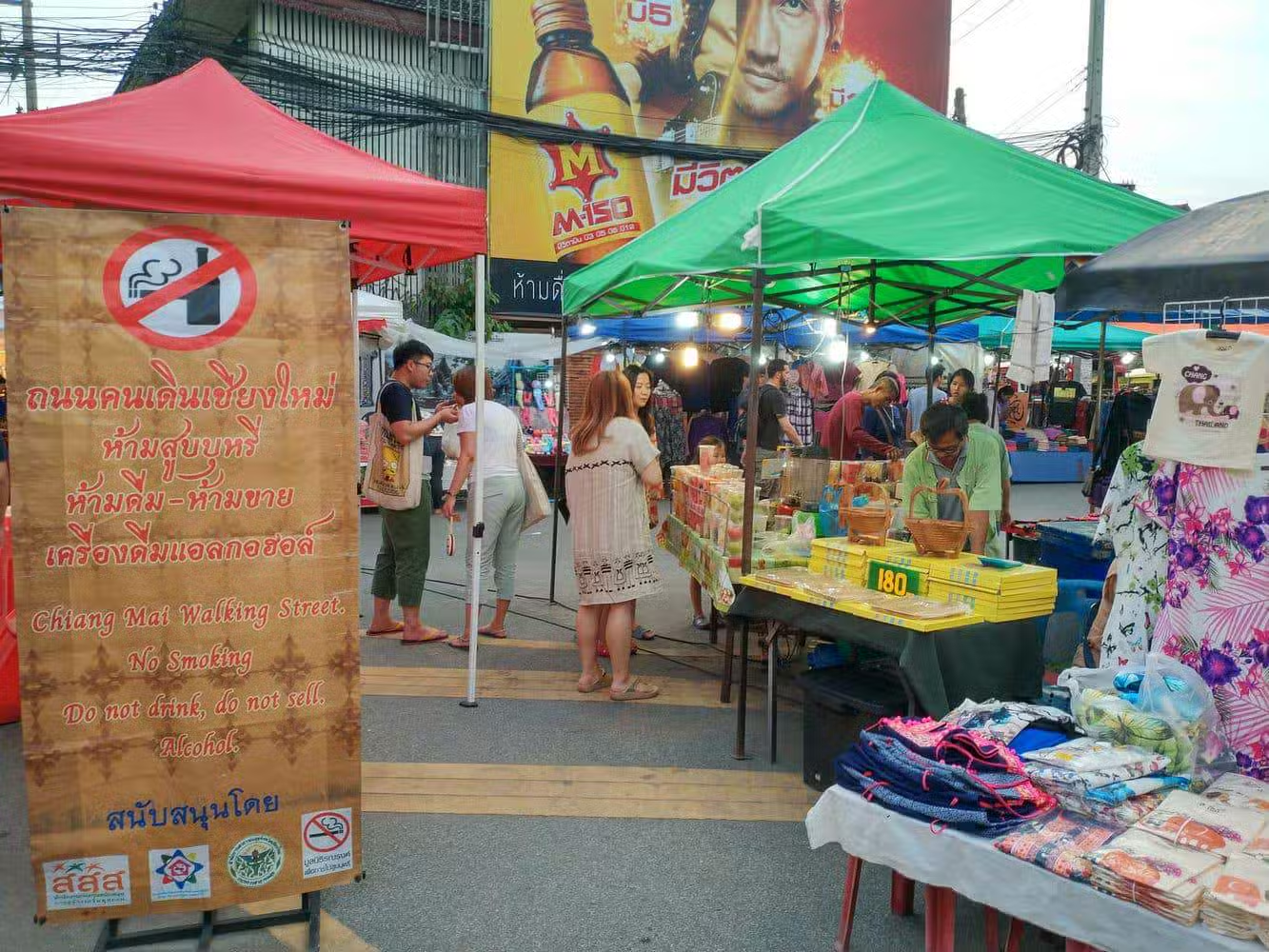
Chiang Mai Saturday Night Market is a weekly walking street filled with northern Thai food, crafts, silverware, clothing and informal entertainment. Also known as Wua Lai Walking Street, it follows Wua Lai Road immediately south of Chiang Mai Gate and the Old City moat.
The road becomes a pedestrian market on Saturday evenings, with stalls opening progressively in the late afternoon. General admission is free, and a visit can range from a short browse to an evening spent eating, comparing handmade goods and stopping to watch musicians.
An Evening on Wua Lai Walking Street
Begin near Chiang Mai Gate and follow Wua Lai Road southwest towards the Tipanet Road end. The market occupies roughly a kilometre of the street, with side areas adding food stalls and places to pause. Walking one way and returning gives you a chance to compare stalls before buying.
The usual market window is approximately 5pm to 10pm. Vendors do not all open or pack away at exactly the same time, so arrive with room in your evening rather than counting on a particular stall still serving at closing. Rain can affect how many stalls trade and how long they stay.
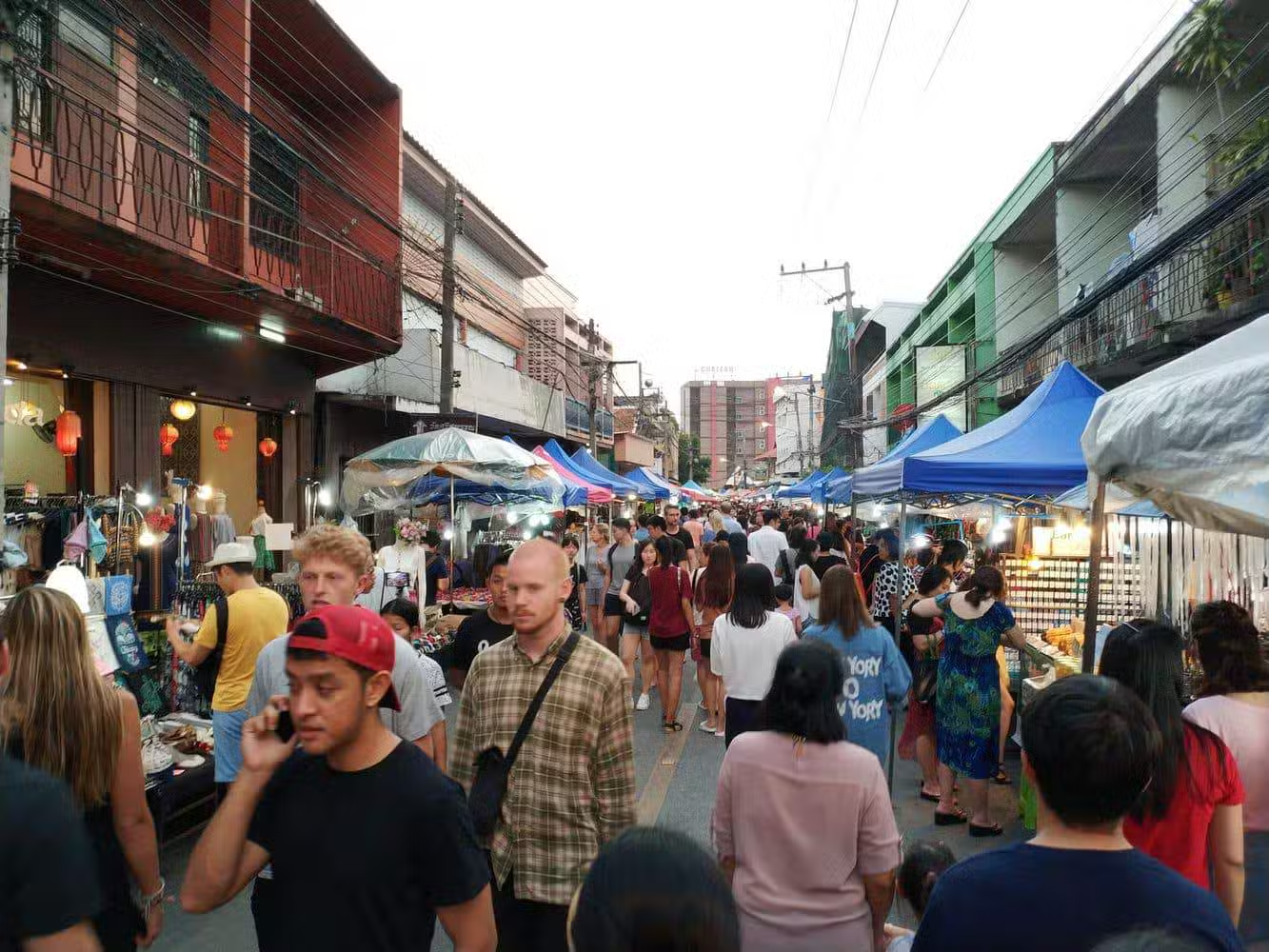
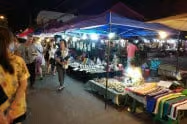
Around 5pm to 6pm is a useful arrival period for more space to browse, although some sellers will still be setting up. After sunset, the route becomes livelier and movement slows around popular food stops. Allow about two to three hours if you want dinner as well as shopping.
The Neighbourhood Behind the Market
Wua Lai is historically associated with Chiang Mai’s silversmith community. Workshops and metalwork shops give the street an identity beyond the weekly rows of souvenir stalls. Jewellery, embossed bowls and decorative metal pieces connect the market with this continuing craft tradition.
The market also attracts local residents, so it is more than a place to buy a travel souvenir. People come to eat, meet friends and browse everyday clothing and accessories. That mix is part of the appeal, especially when you take time to explore away from the first cluster of stalls.
Shopping for Crafts, Clothing and Souvenirs
Silver jewellery and decorative metalwork are among the most distinctive purchases. Examine the finish and ask about the material and purity before deciding, particularly when two similar-looking objects have very different prices. A silver-coloured surface alone does not establish solid silver.
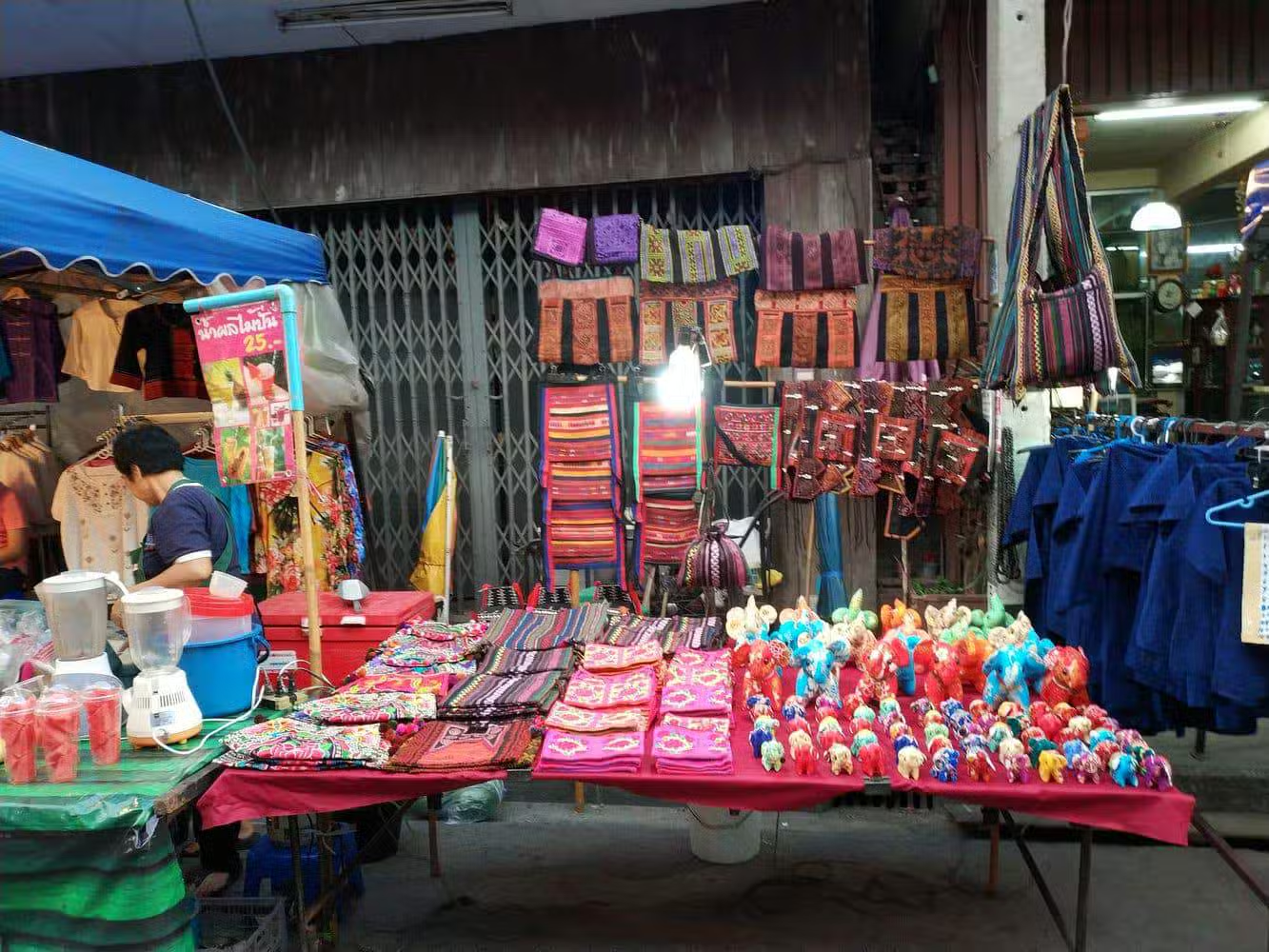
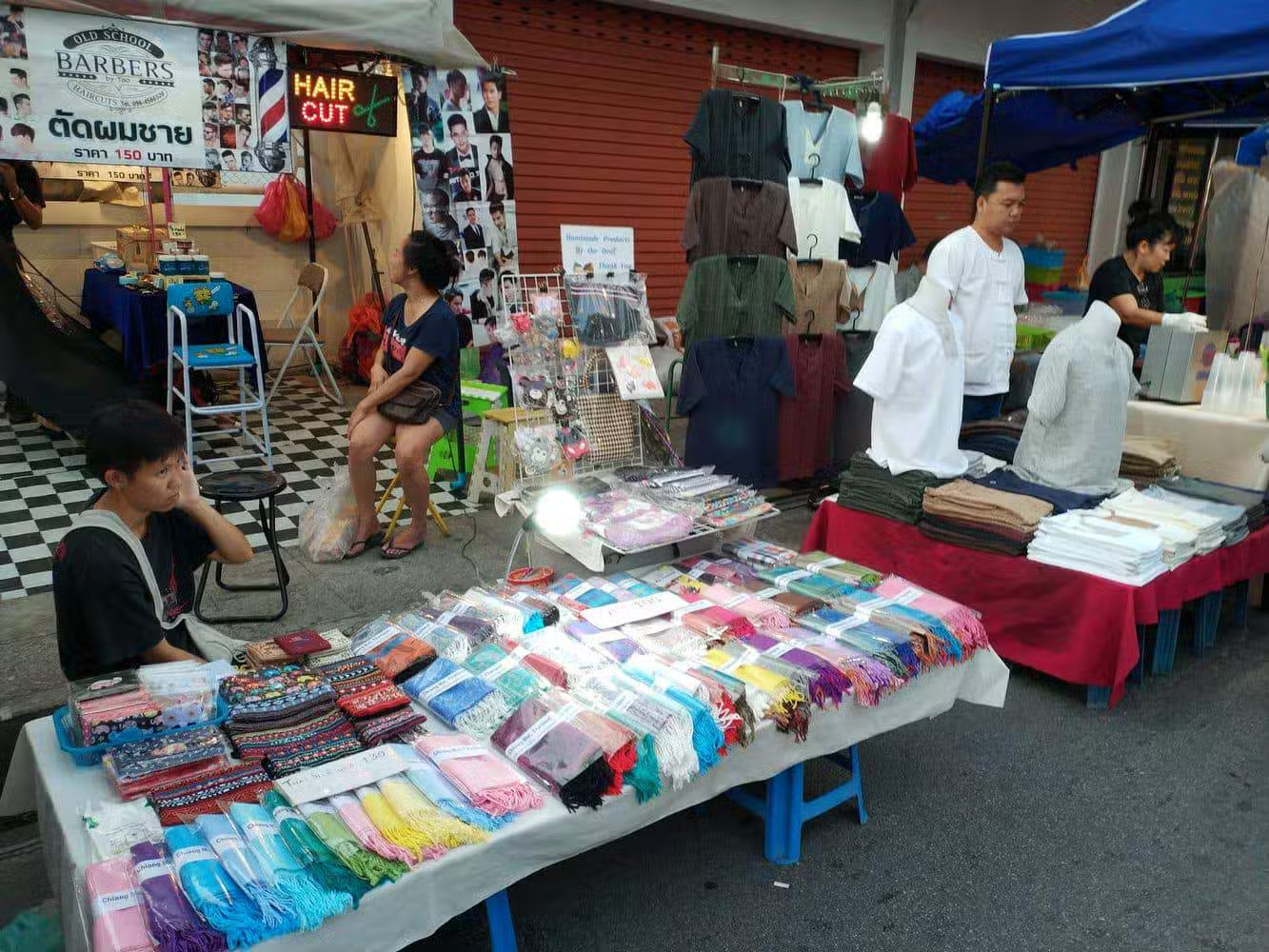
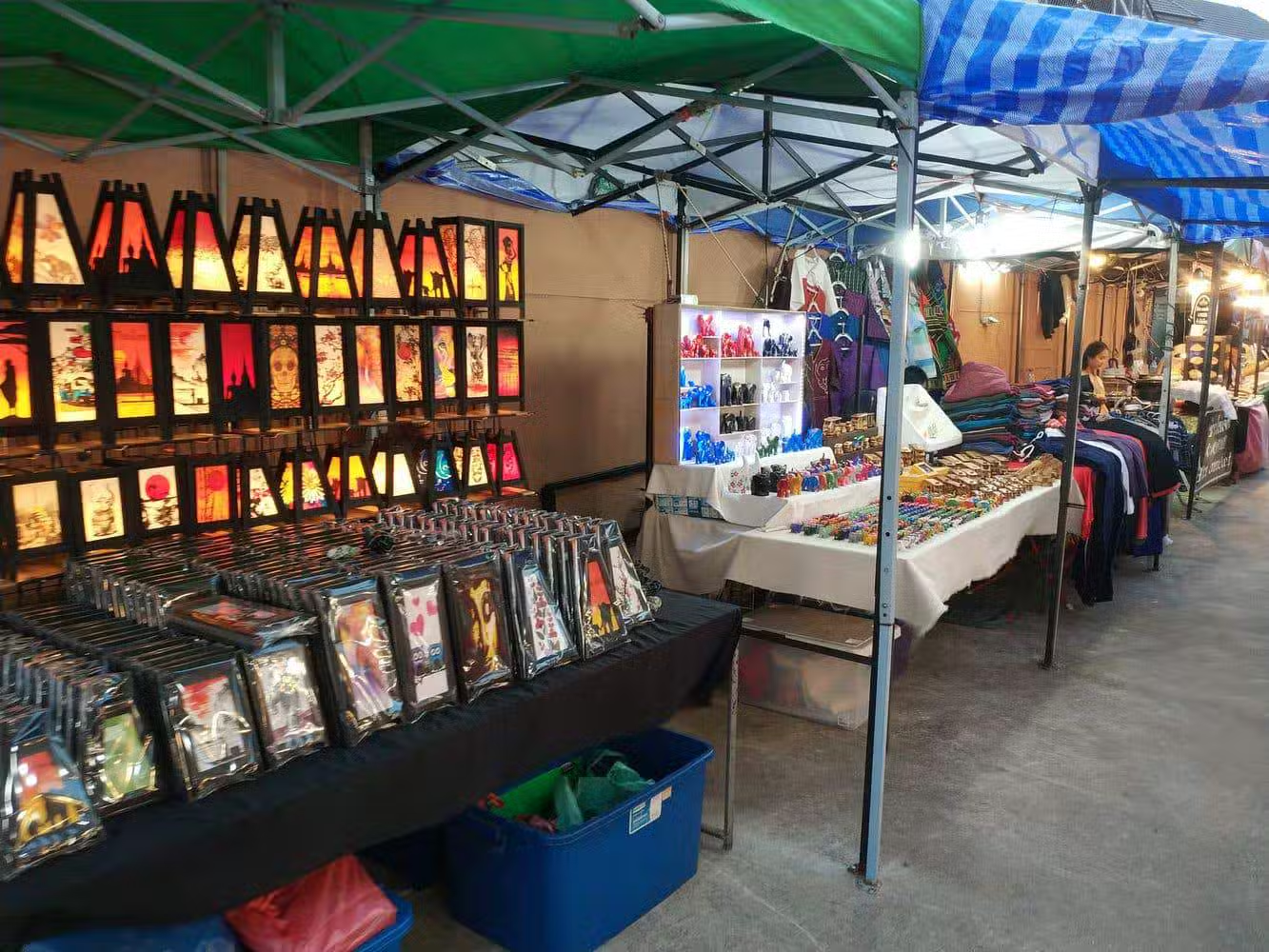
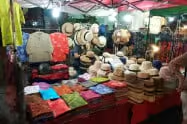
Textiles, scarves, bags and traditional-style clothing provide another strong browsing theme. Look at the stitching and weave and ask where the item was made if local production matters to you. Some sellers offer handmade work while others carry commercially produced goods, so assess the actual piece rather than assuming everything on a craft street has the same origin.
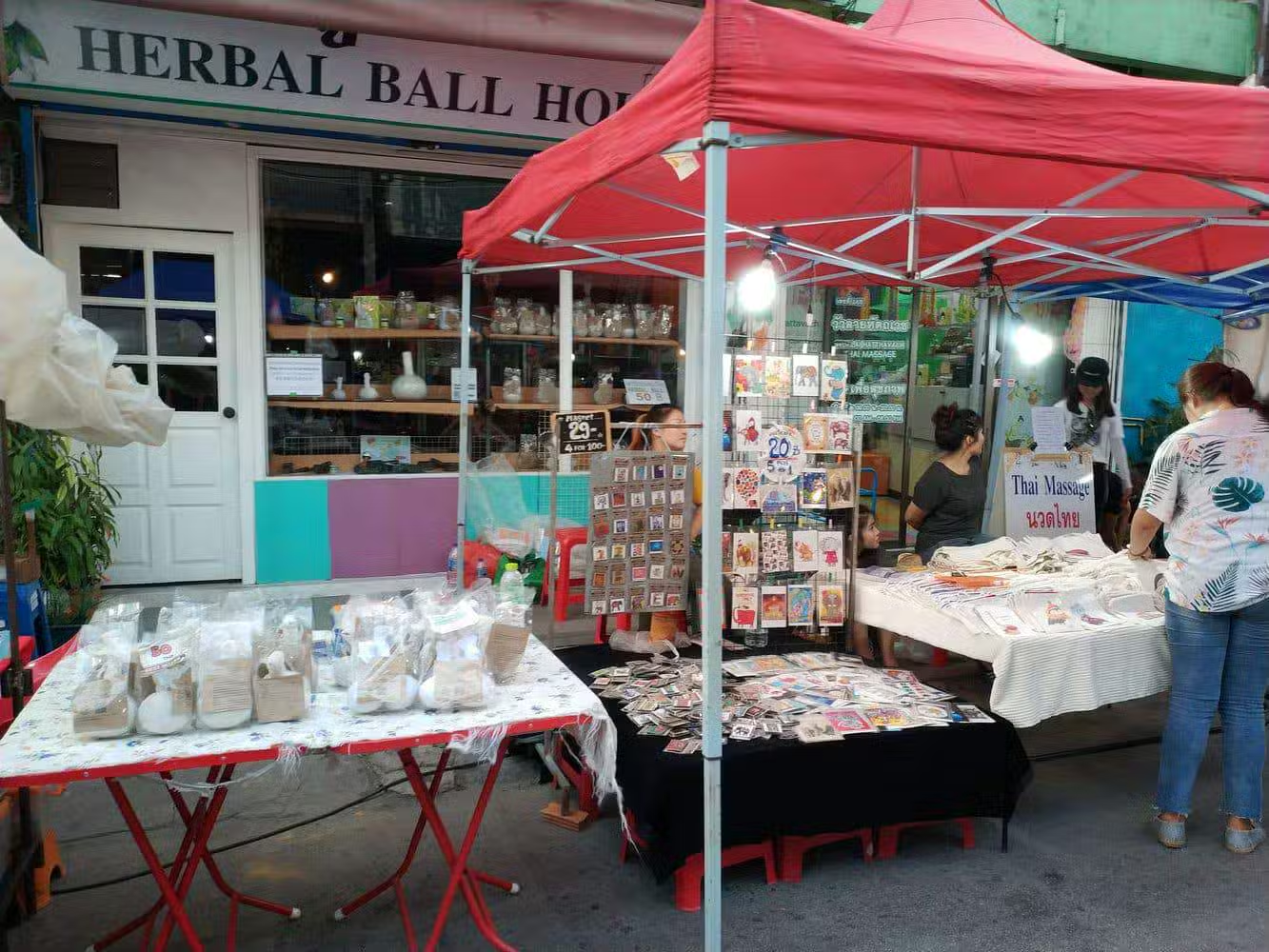
Other stalls may sell carved ornaments, ceramics, lacquerware, paintings, soaps, candles, toys and casual clothing. Small items can be easy to carry home, but fragile ceramics and finely carved details need suitable packing. Ask before photographing a maker or handling a delicate display.
Displayed prices make many purchases straightforward. Where bargaining is welcomed, keep it friendly and clarify whether the offer concerns one item or several. Consider workmanship and materials as well as the price, especially when buying directly from someone who made the piece.
Cash and Comparing Prices
Bring Thai baht in small notes. Cash is the most practical option across independent stalls, and a seller may not have change for a large banknote. Some accept other payment methods, but overseas visitors should not depend on being able to use a local QR-payment system.
If you want to compare items before buying, note the stall’s position or a nearby landmark. The market can look different once crowds thicken, making a favourite shop harder to find on the return walk. Keep cash and your phone secure while concentrating on the displays.
Street Food and Northern Thai Flavours
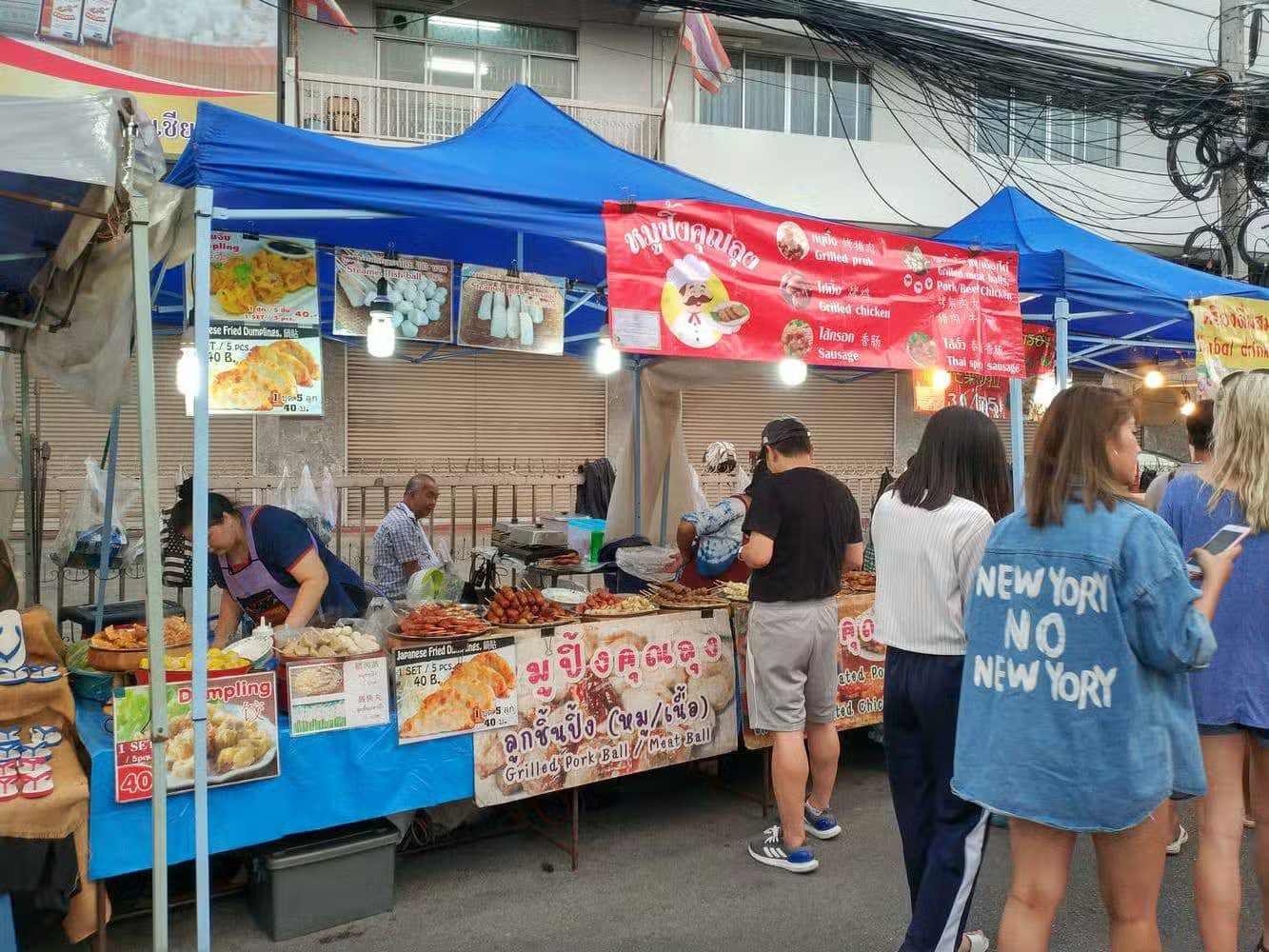
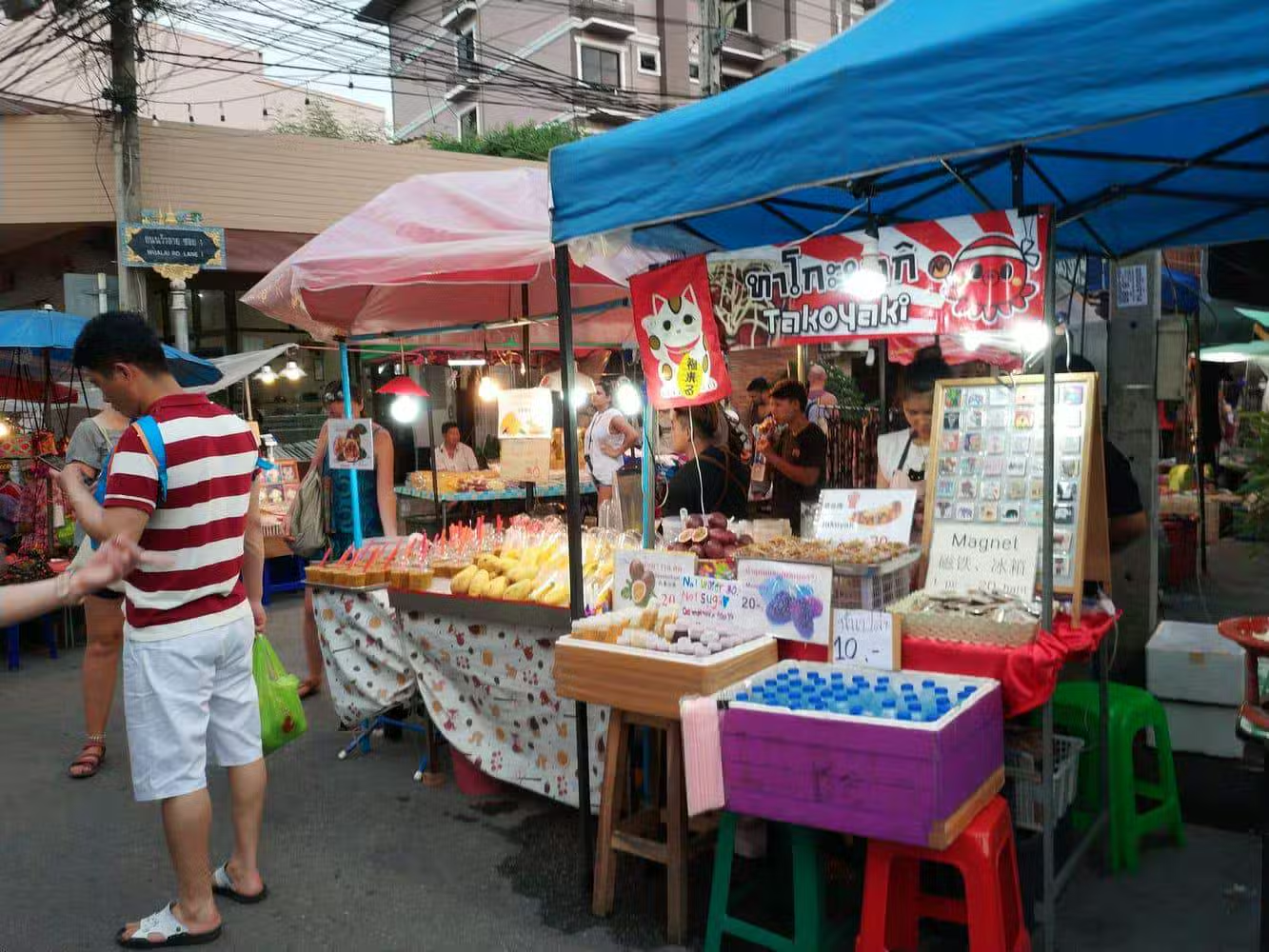
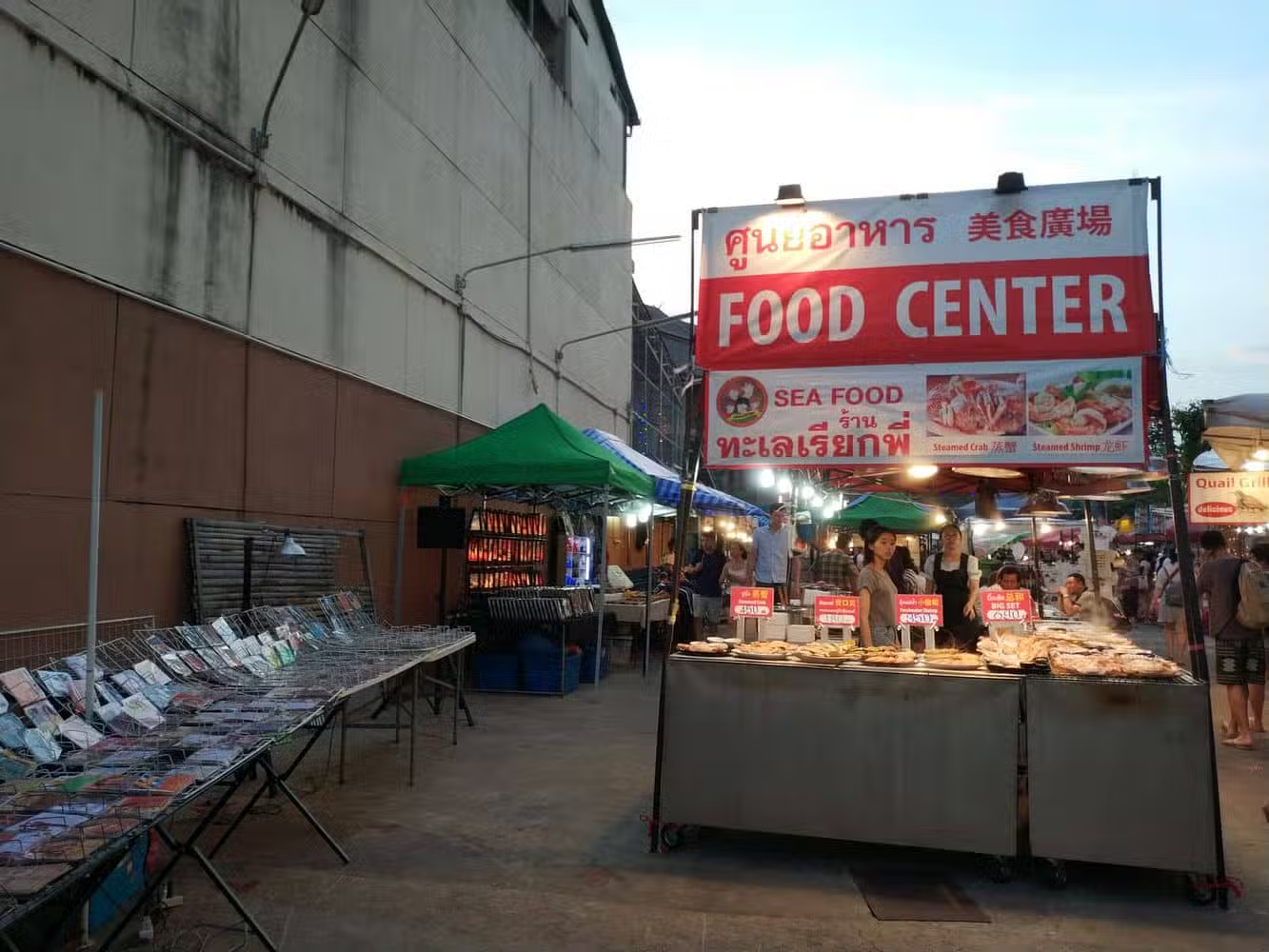
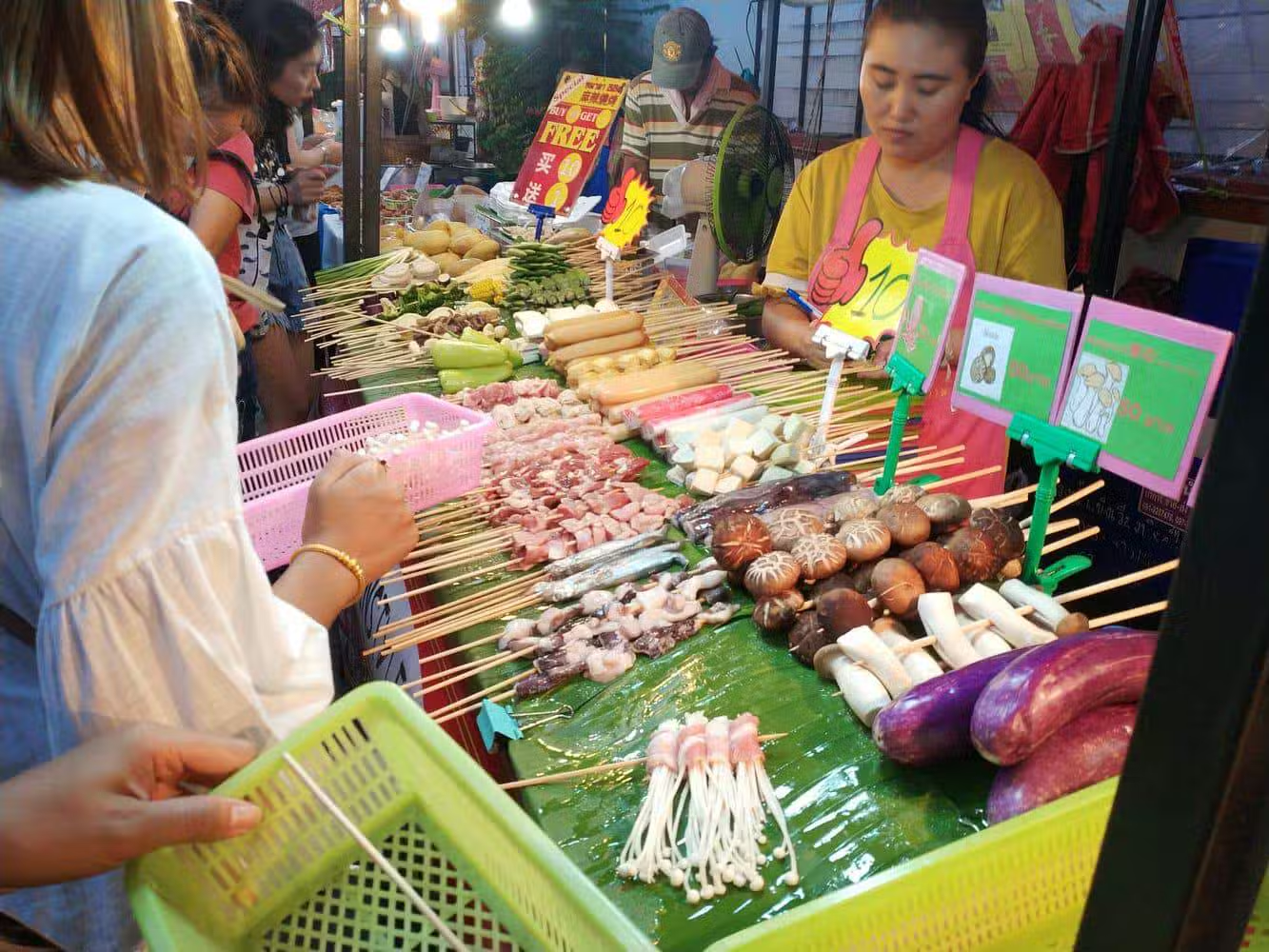
Food is a central part of the visit, from grilled snacks eaten between stalls to a fuller meal in one of the food areas. Choices vary with the vendors attending, but you may find sai ua northern Thai sausage, grilled chicken, skewers, noodles, curries and fried snacks alongside familiar sweet dishes.
Fresh fruit, fruit drinks, coconut pancakes and mango sticky rice offer ways to round out the evening. Try a few smaller portions if you want variety, leaving time to look at the cooking and choose what appeals. Prices are set by individual vendors, so check before ordering rather than expecting one standard market price.
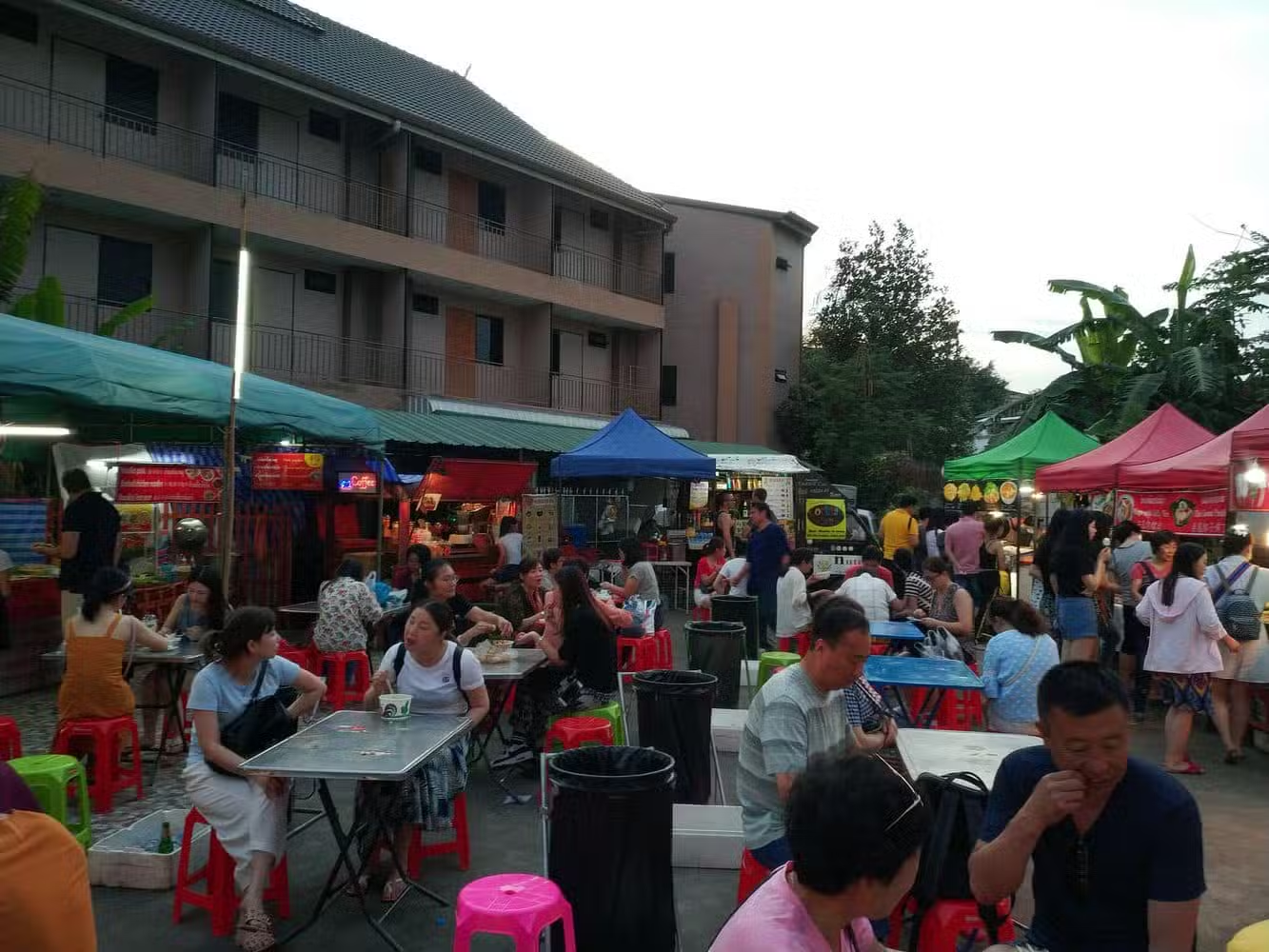
Seating on the main route is limited, and eating in the moving crowd can be awkward. Look at the side streets and temple-courtyard food areas where available; these can provide a better place to sit with a meal. Keep entrances and walking lanes clear when stopping.
Ordering with Dietary Requirements
Ask about the ingredients in the actual dish, especially sauces, garnishes and stock. A vegetable dish may still contain ingredients that do not suit your diet, and a stall’s cooking arrangement may involve shared equipment.
Explain allergies clearly before ordering and choose a vendor who understands the request. If you cannot establish that a dish is suitable, choose another option. Carry your own drinking water as well, particularly if you expect to spend several hours walking and browsing.
Temple Stops, Performers and Massage
Wat Sri Suphan, the Silver Temple, and Wat Muen San are near the market route and connect the evening with Wua Lai’s metalworking heritage. Visit in daylight first if seeing particular interiors is important. Evening illumination or food stalls in a courtyard do not establish that every sacred building is open.
Follow each temple’s entry and clothing rules. At Wat Sri Suphan, access to the silver ubosot interior is restricted to men, while the wider temple has other features to see. Keep shoulders and knees covered, give worshippers room and avoid treating an active hall as part of the market’s entertainment.
Musicians, dancers and other street performers can appear at different points along the road. The programme is informal, so stop when something interests you rather than planning around a guaranteed performance time. If you pause to watch, leave room for people moving past.
Foot-massage or Thai-massage stations can provide a break from walking. Confirm the price and session length before starting, and ask about the available arrangement instead of assuming every stall offers the same treatment or level of privacy.
Crowds, Children and Accessibility
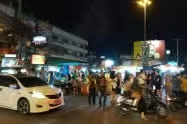
The early evening is generally easier for families and visitors who need more room to move. Later, the main road and popular food areas can become congested, so choose a meeting point before your group separates. A clear landmark is more useful than agreeing to meet at an unnamed stall.
Keep young children close around hot grills, busy cooking areas and slow-moving crowds. A shorter early visit with a planned food stop may be more comfortable than trying to complete the whole route. Toilets and a place to sit should be part of your plan rather than something left until the market is busiest.
The main street is relatively level, but kerbs, uneven surfaces, temporary stalls and crowds can complicate wheelchair or pram access. Give yourself time to find a workable route and visit before the peak if possible. An umbrella or light rain protection is useful for this open-air market.
Getting to the Saturday Night Market
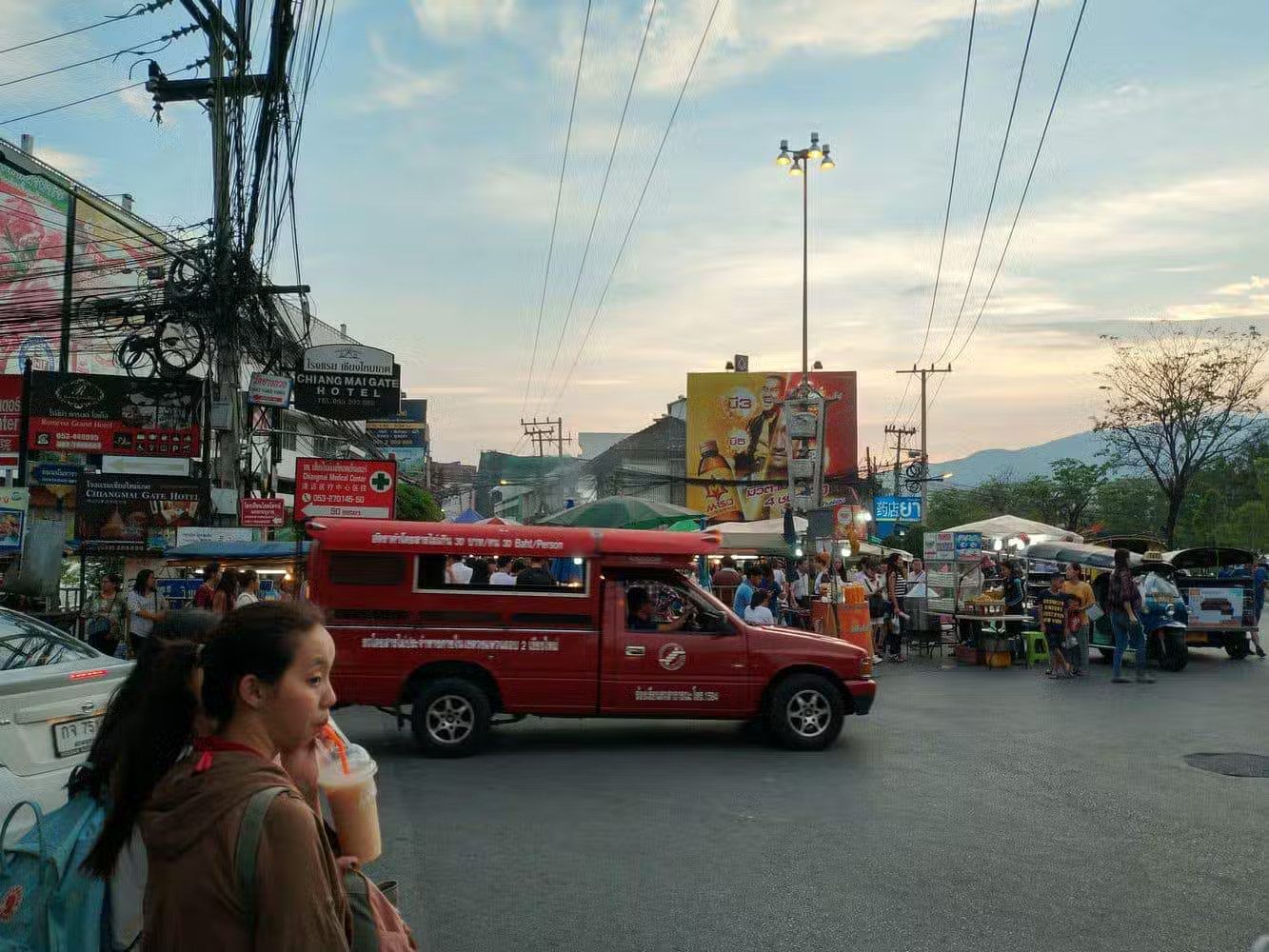
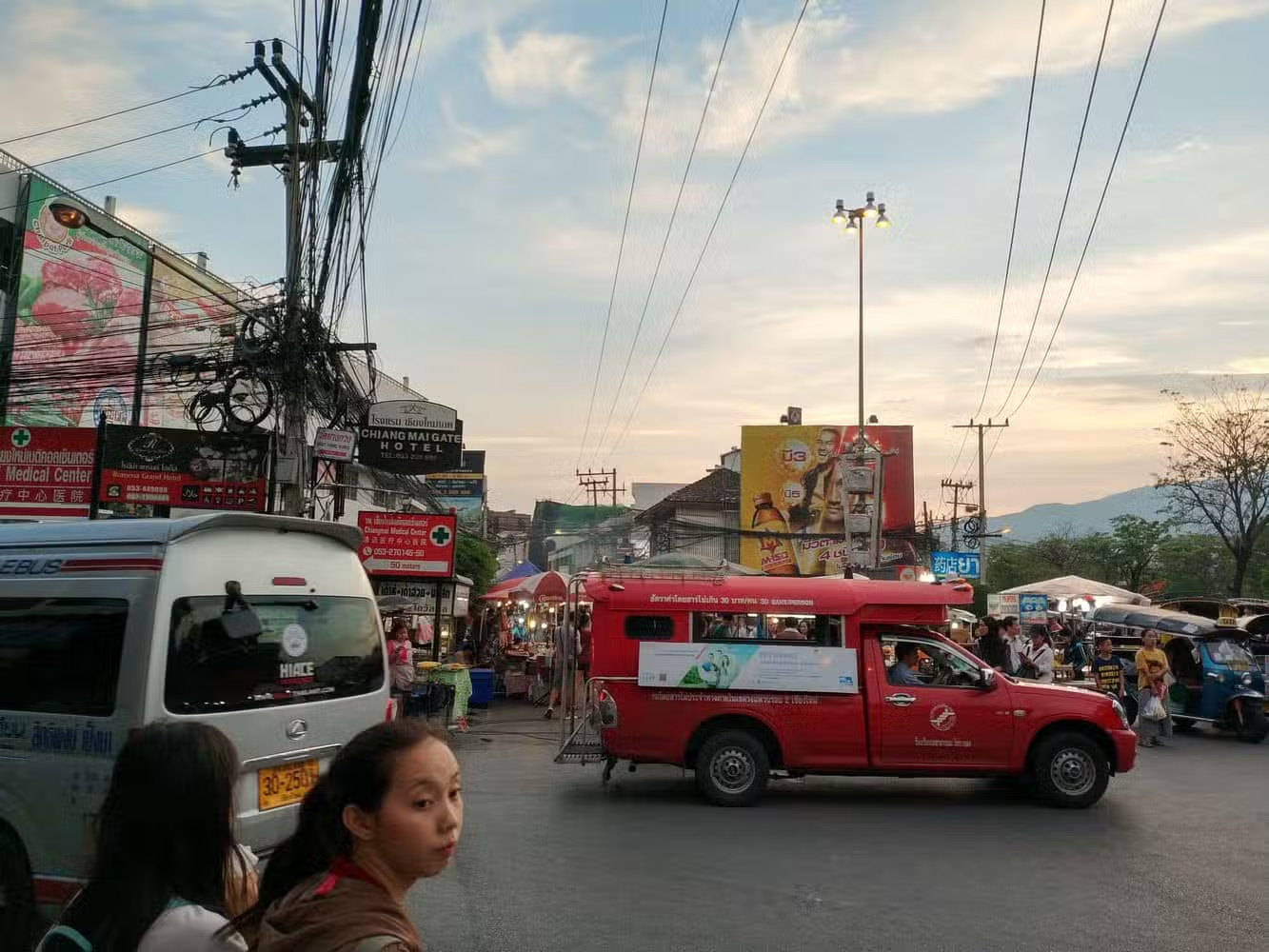
Wua Lai Road begins just south of Chiang Mai Gate. From the southern Old City, walk to the gate and cross the moat-side road carefully to the start of the market. Hotels farther north may involve a longer walk than the map of the compact Old City initially suggests.
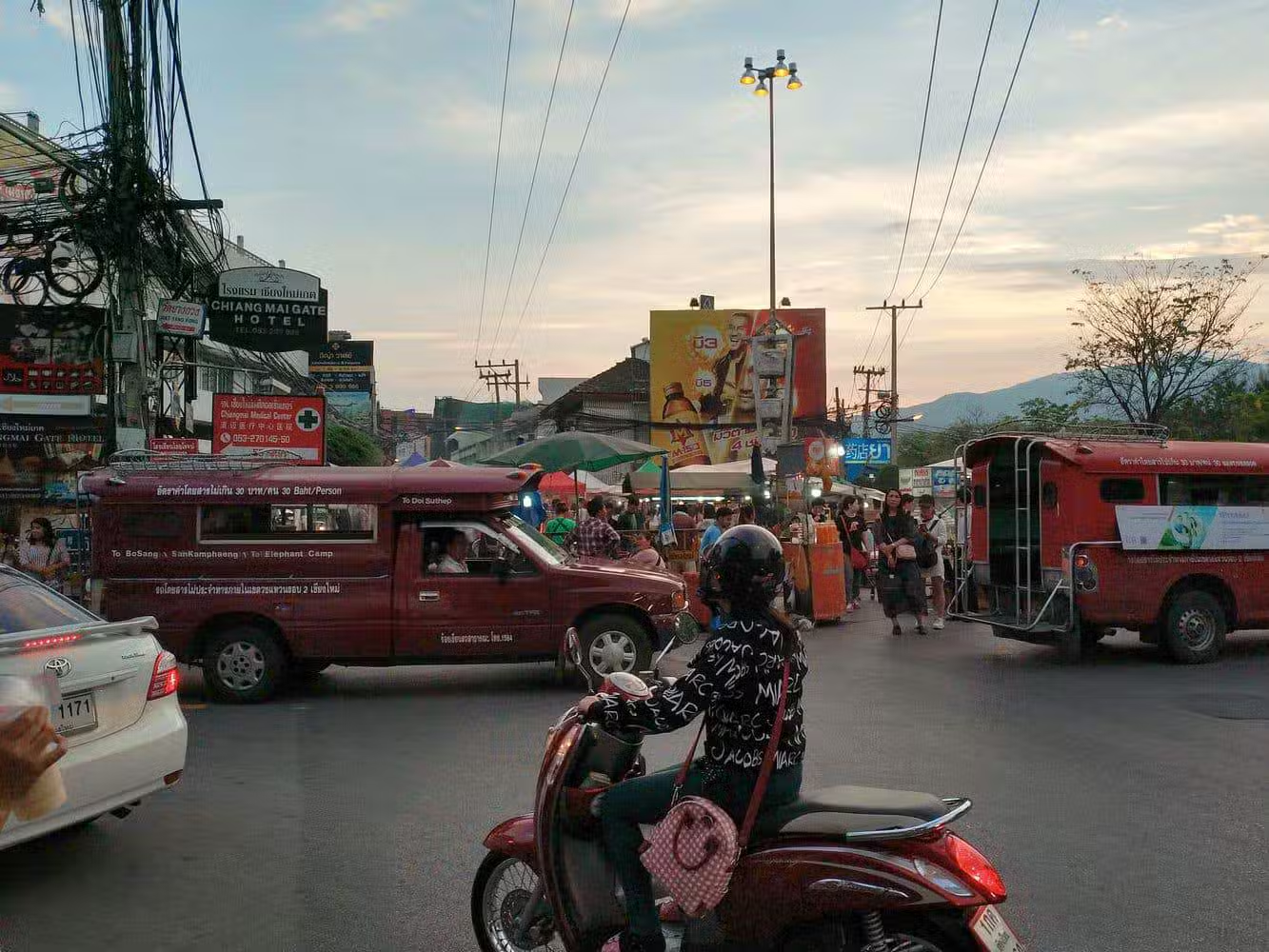
A taxi, tuk-tuk, app-based car or red songthaew can bring you to the area from elsewhere in Chiang Mai. Show Chiang Mai Gate or the Wua Lai market location and agree the fare where required. Traffic restrictions mean the final approach during trading is on foot, rather than a vehicle transfer to a stall midway along the road.
Choose a return pickup point on a surrounding street where the driver can stop safely, away from the densest crowds. If driving or riding a scooter, use a designated parking area and leave homes, businesses and temple entrances clear. Parking and weekend road congestion can add time to the journey.
Saturday Market or Sunday Walking Street?
The Saturday market follows Wua Lai Road south of the moat, with a relatively compact route and a strong silverworking connection. The Sunday Walking Street is a separate market mainly along Ratchadamnoen Road and adjoining streets inside the Old City.
Visitors staying over the weekend can attend both for different settings and stall selections. Check the day before arranging transport: Chiang Mai Gate is the useful starting landmark for Saturday, while Tha Phae Gate and Ratchadamnoen Road belong to the Sunday walking-street visit.
Chiang Mai Saturday Night Market FAQs
When is Chiang Mai Saturday Night Market held?
It takes place on Saturday evenings along Wua Lai Road. Plan around approximately 5pm to 10pm, with stalls opening progressively and individual closing times affected by trade and weather.
Is the market free to enter?
General admission is free. Food, purchases, massage and any separate temple activity have their own costs, so bring spending money as well as allowing time to browse.
What is the best time to arrive?
Around 5pm to 6pm gives you more room to browse while the market builds up. After sunset the atmosphere is livelier, but movement becomes slower around popular stalls and food areas.
What should you look for when buying silver?
Ask about the material and purity, inspect the finish and compare the actual pieces. Silver-coloured metal or plating can look similar to solid silver, so price and appearance alone are not enough.
Should you bring cash?
Bring small Thai baht notes for independent stalls and food vendors. Other payment methods vary, and international visitors should not rely on having access to local QR payments.
Can you visit with a wheelchair or pram?
The street is relatively level, but kerbs, temporary stalls and crowded sections can make movement difficult. An early visit gives you more space, and the most suitable route may involve avoiding the busiest food stops.
Is this the same as Sunday Walking Street?
They are different markets. Saturday uses Wua Lai Road south of Chiang Mai Gate; Sunday mainly follows Ratchadamnoen Road and nearby streets inside the Old City.














Do You Have a Question to Ask?