


















































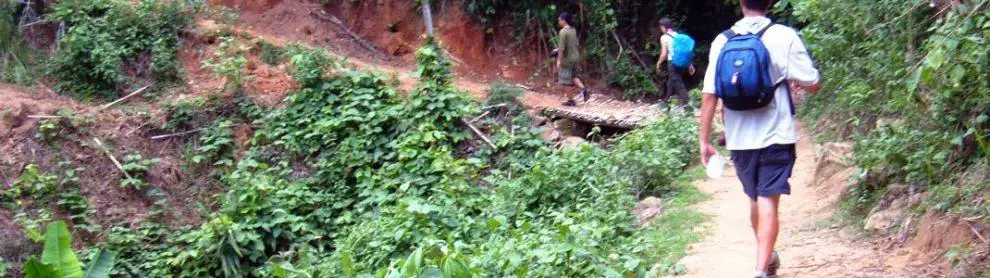
Chiang Rai trekking takes you beyond the city’s sights into forested hills, waterfall paths and village landscapes. Trips range from a day’s walking with a guide to an overnight stay with community hosts. The most useful distinction is how much of the day involves walking, how steep the route is and what kind of visit takes place when you reach a village.
This is a Chiang Rai activity, even if you are planning your wider trip from Chiang Mai. Decide where the trek starts and arrange accommodation or intercity travel accordingly; a local morning pickup does not necessarily include transport from Chiang Mai.
Forest walks and bamboo experiences around Mae Yao
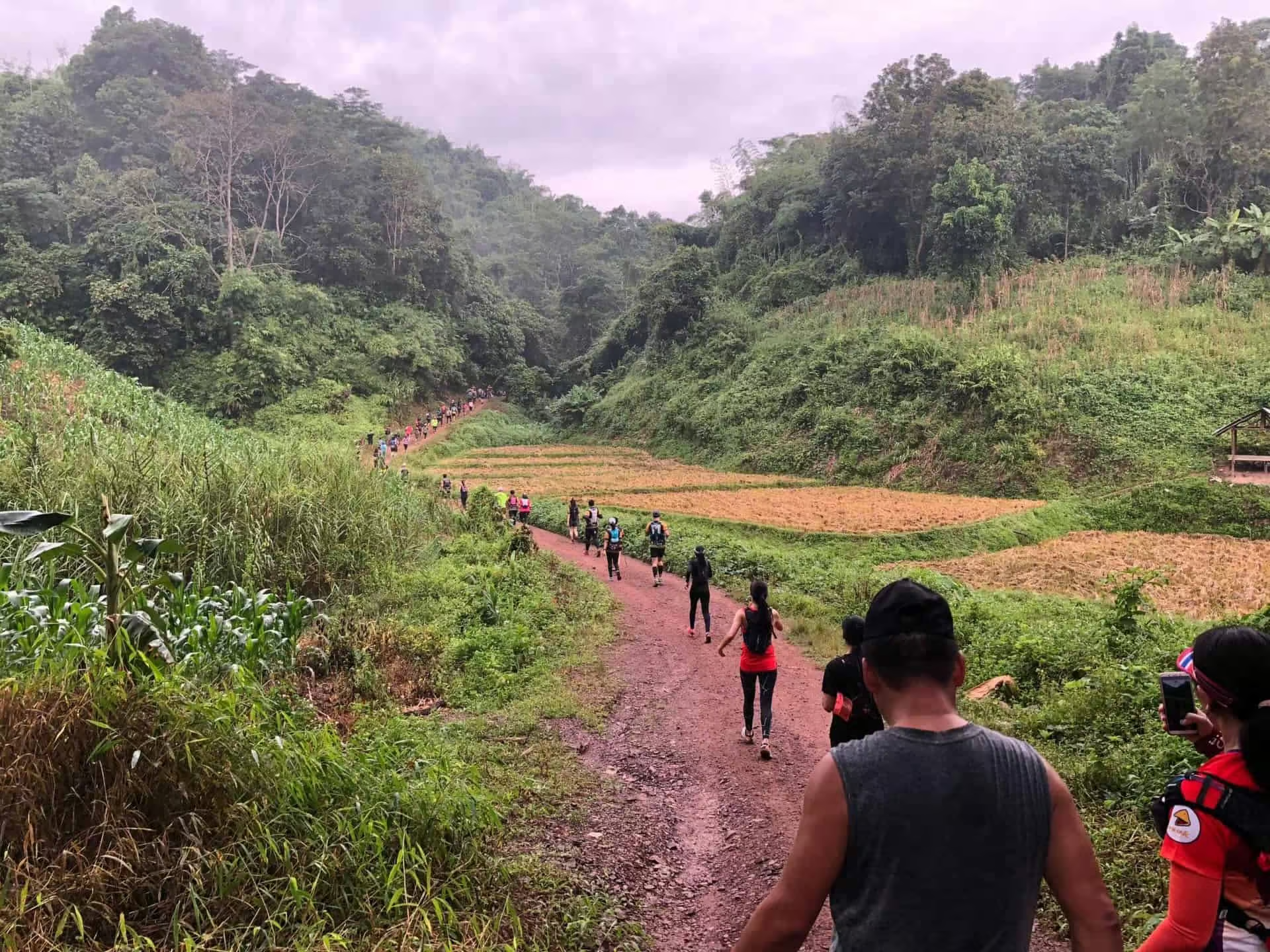
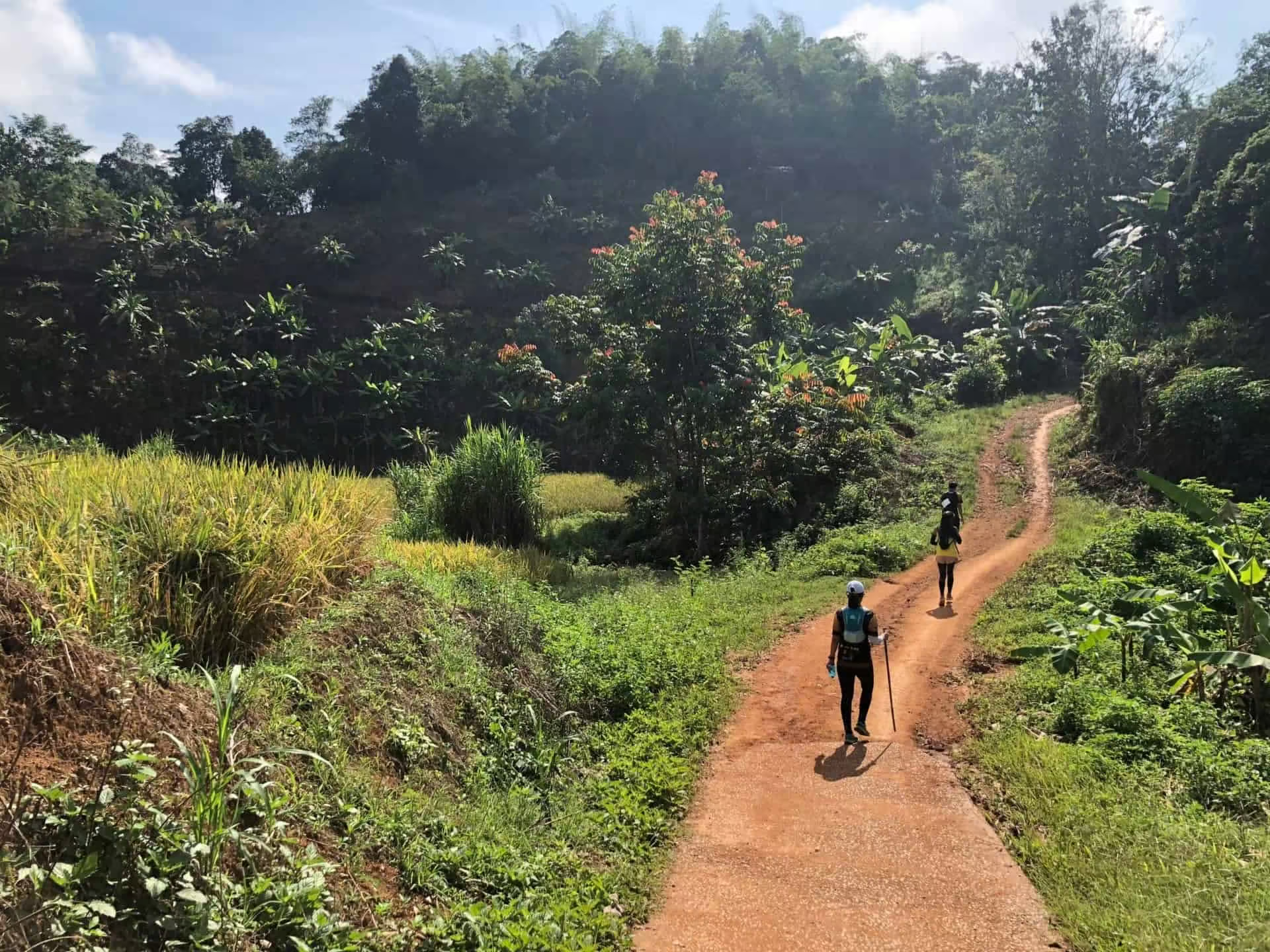
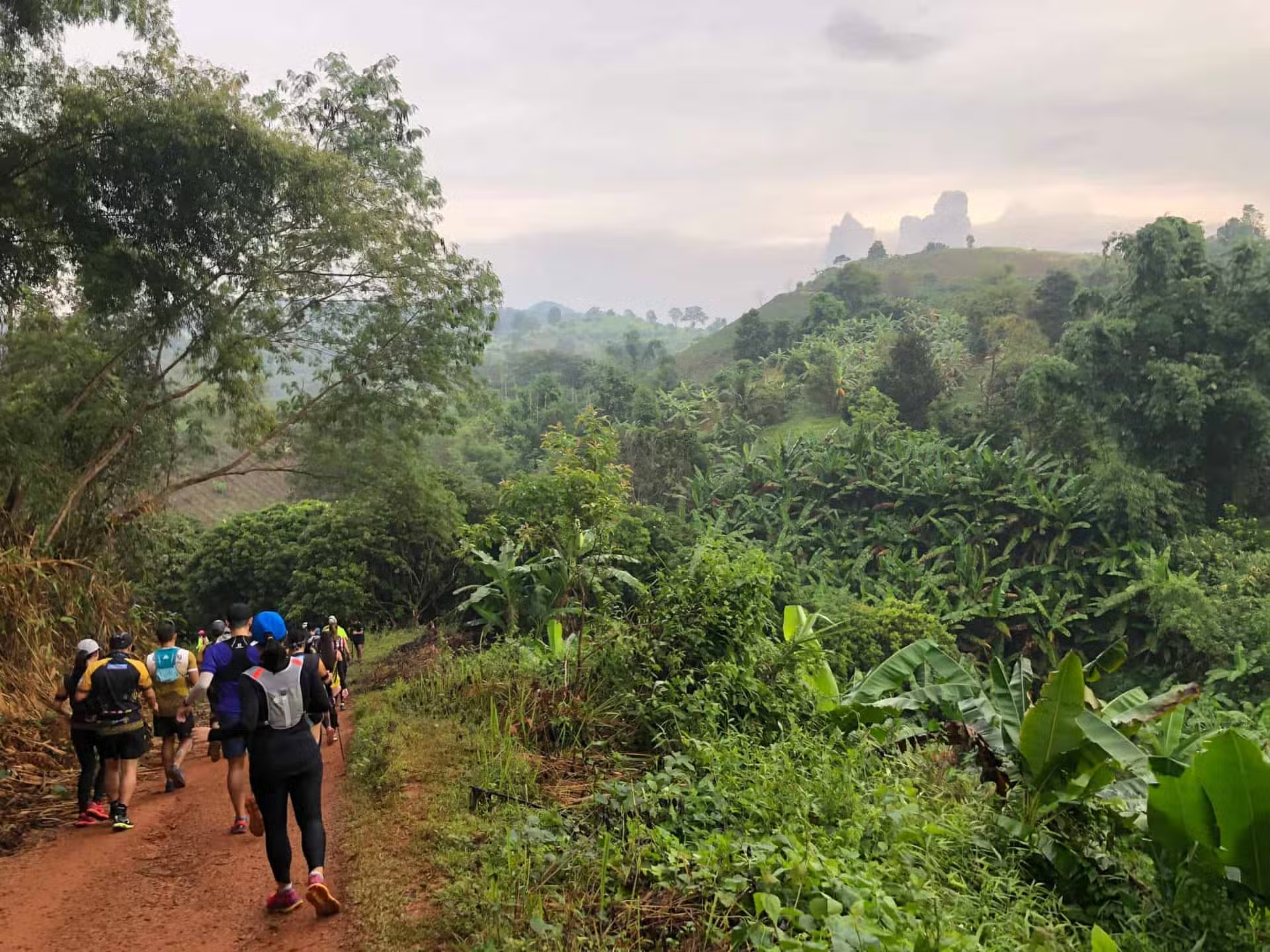
Mae Yao Local Ecotours publishes a one-day route involving Huay Mae Sai waterfall, a climb towards the Lahu village of Ban Yafu, bamboo-forest activities and a descent through the Akha village of Ban Apa. It gives a useful example of a trek with walking and local learning built into the same day.
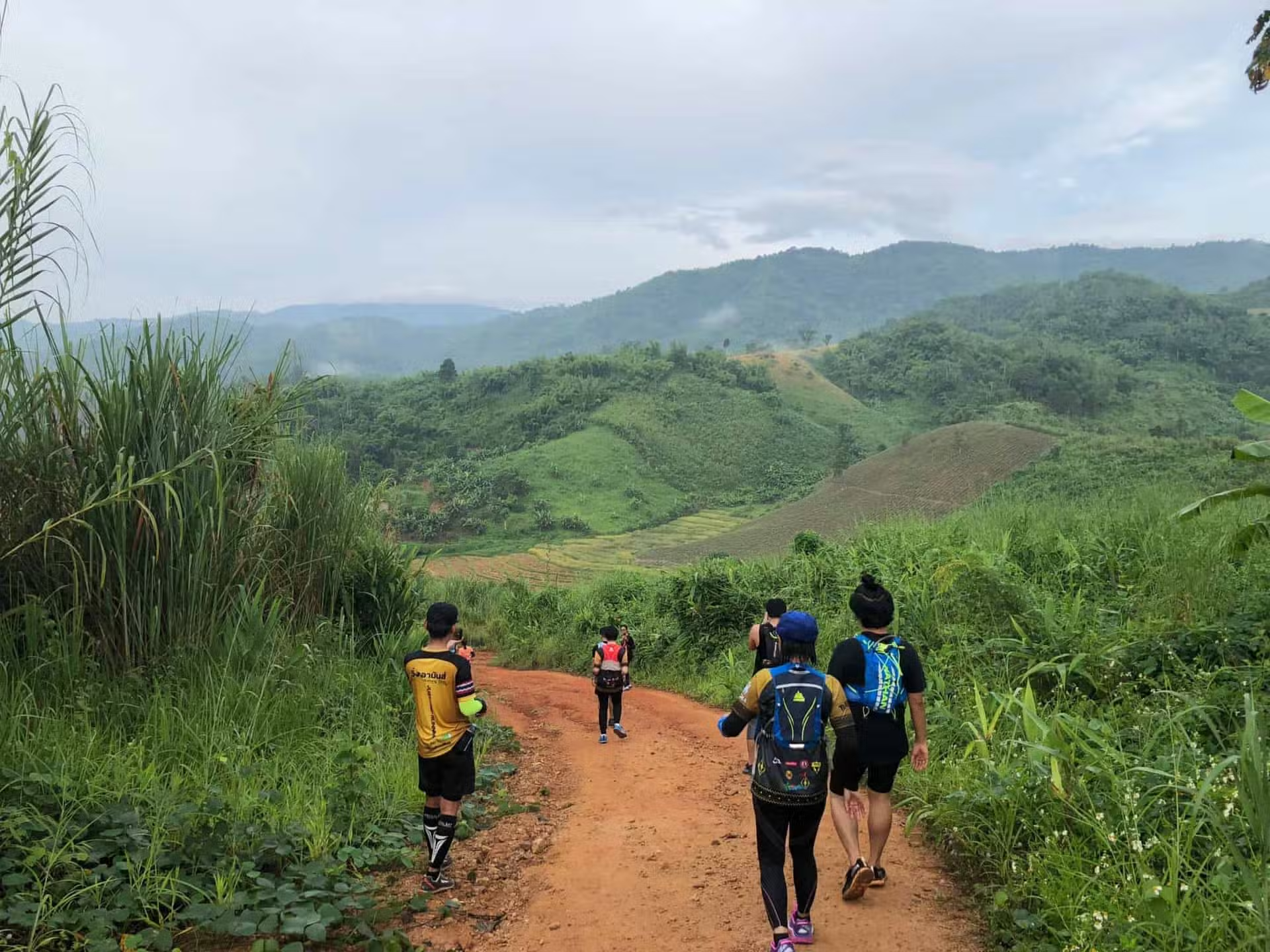
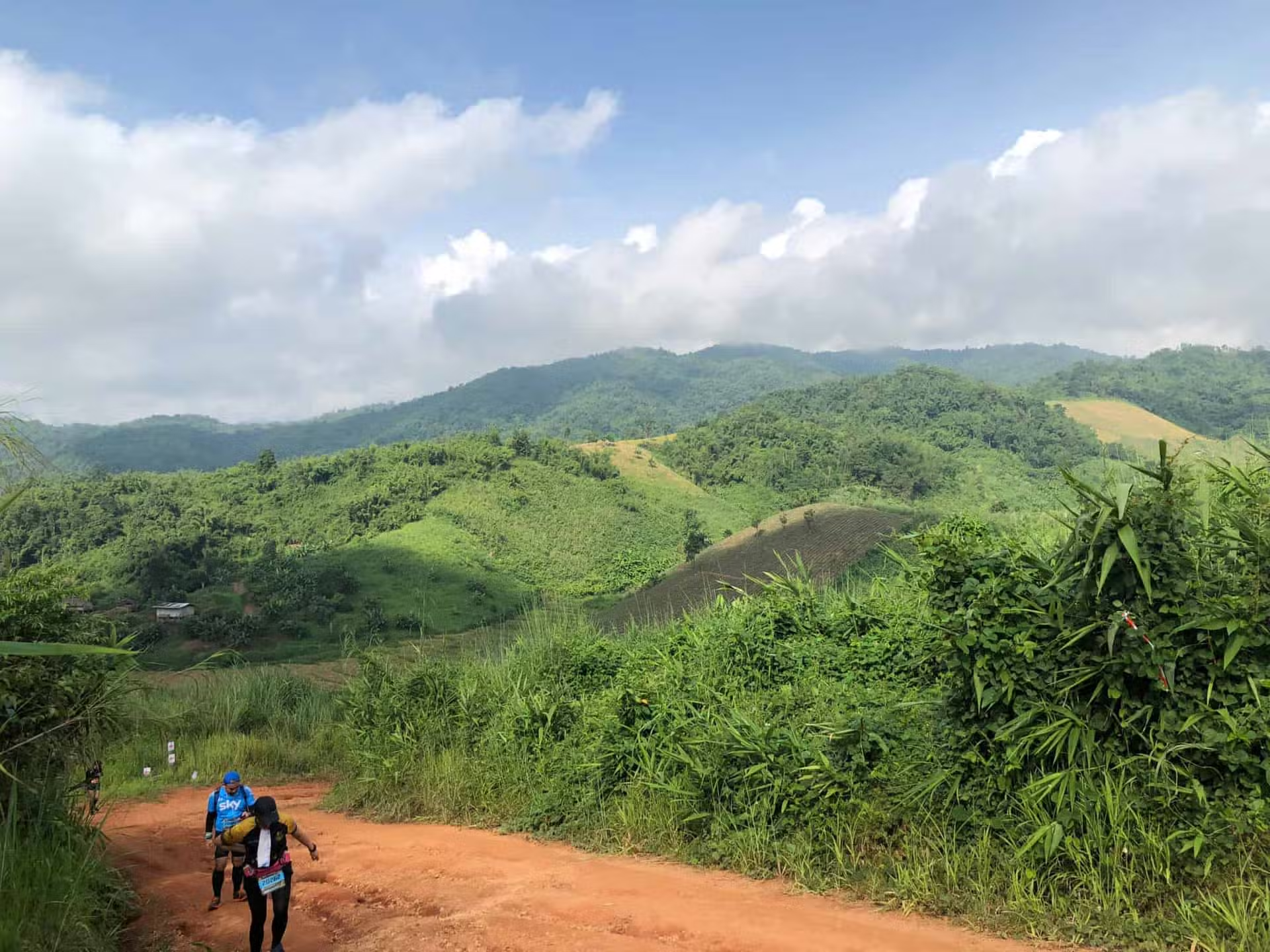
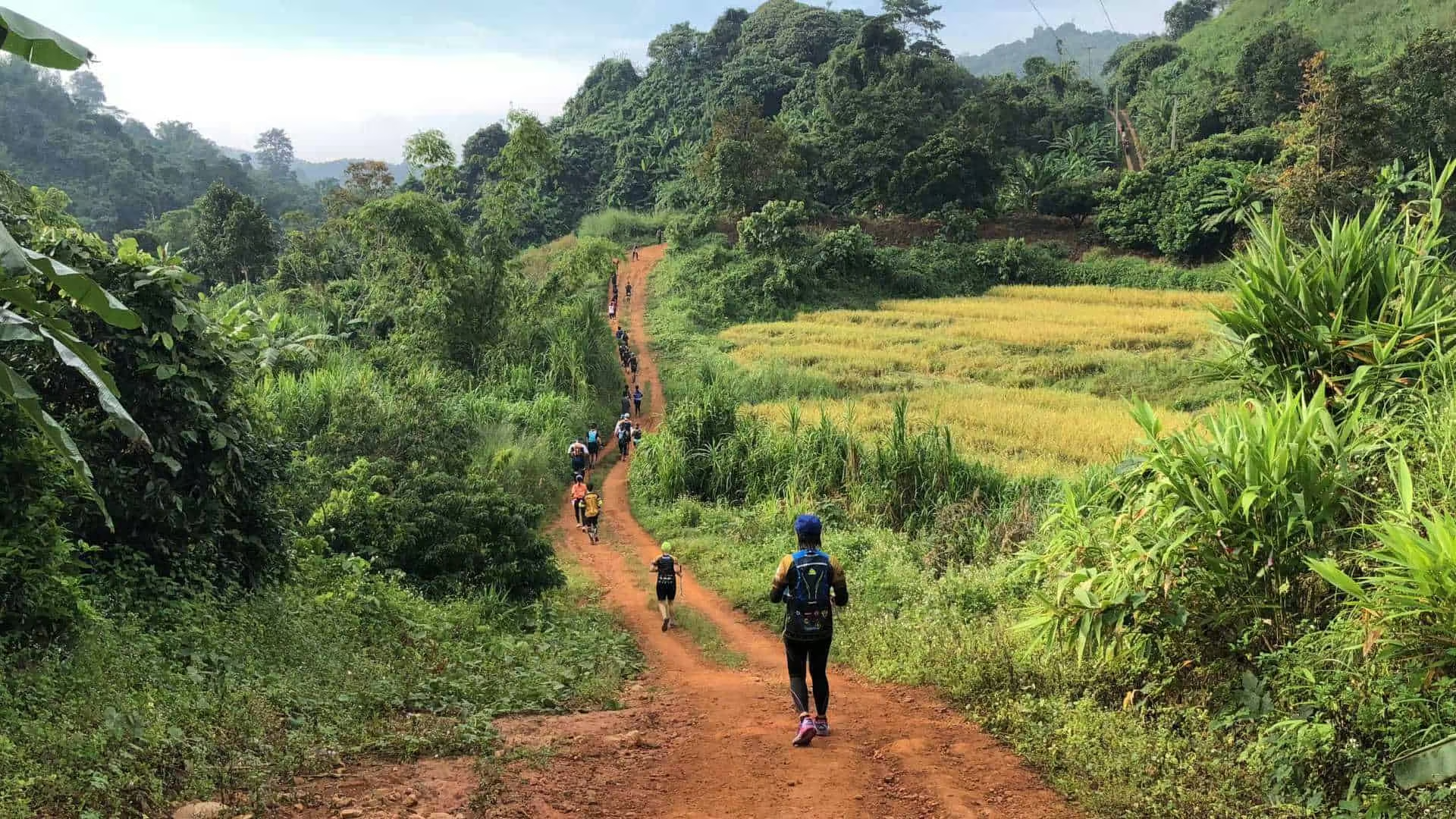
The climb towards Ban Yafu is described as around one to two hours. Bamboo preparation and lunch provide a pause between the walking sections. This is more demanding than a brief roadside waterfall stop, so ask how the route would fit your fitness, heat tolerance and preferred pace.
That operator collects from Chiang Rai and explicitly does not provide Chiang Mai pickup for this trek. Staying in Chiang Rai the night before avoids trying to combine a long intercity journey with an early walking start. Its prices depend on the booking group rather than a single universal trekking tariff.
Combining a village visit with a shorter hike
Green Trails offers a different Chiang Rai day centred on meeting an Akha family, learning about textiles and culture, and preparing lunch. Its published programme also includes a Kok River boat journey and a walk to Huay Mae Sai waterfall. This is a cultural outing with hiking, rather than a full day spent continuously trekking.
Compare this type of itinerary with a longer forest route by asking how many hours are actually on foot. A boat, truck ride, cooking activity and village visit can occupy much of a nominal trekking day. For families or groups with mixed fitness, that balance may be useful, provided the walking section itself is suitable.
Agree what the hosts have arranged and ask permission before photographing people, homes or religious objects. A village is a lived-in place, not a display. Follow your guide’s explanation of local expectations and avoid handing out sweets or gifts without discussing an appropriate approach with the hosts.
Choosing an overnight trek
An overnight route lets you spend more time away from the city, but it also needs more preparation. Ask for the walking distance and climb on each day, how bags are carried and whether the overnight accommodation is a homestay, a trekking hut or another arrangement.
Clarify bedding, toilets, washing facilities and meals rather than expecting hotel facilities. Discuss allergies and dietary restrictions before booking, especially where food is prepared in a village kitchen. Ask about electricity if you need to charge a phone overnight.
Find out what happens if someone cannot complete the route. This matters particularly where a vehicle cannot reach every section. Choose a programme that fits the least confident walker in your party rather than relying on the guide to change a remote route on the day.
Weather, footwear and the route briefing
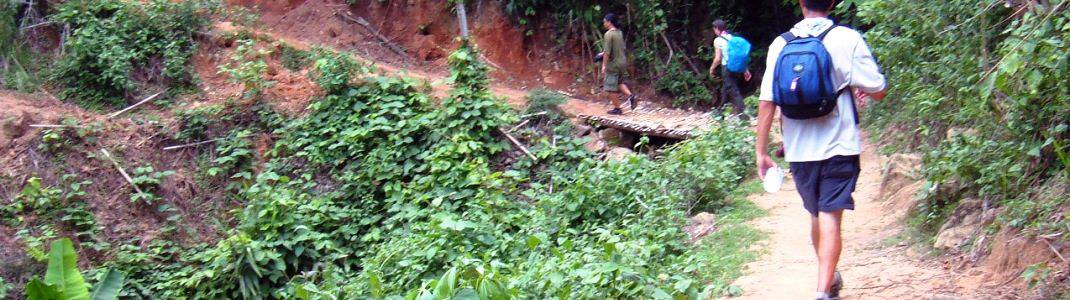
Rain can make earth paths muddy and streams harder to cross. Ask how the operator changes its route in wet conditions and whether a waterfall visit includes entering the water. Swimming should never be assumed to be available just because a waterfall appears on the itinerary.
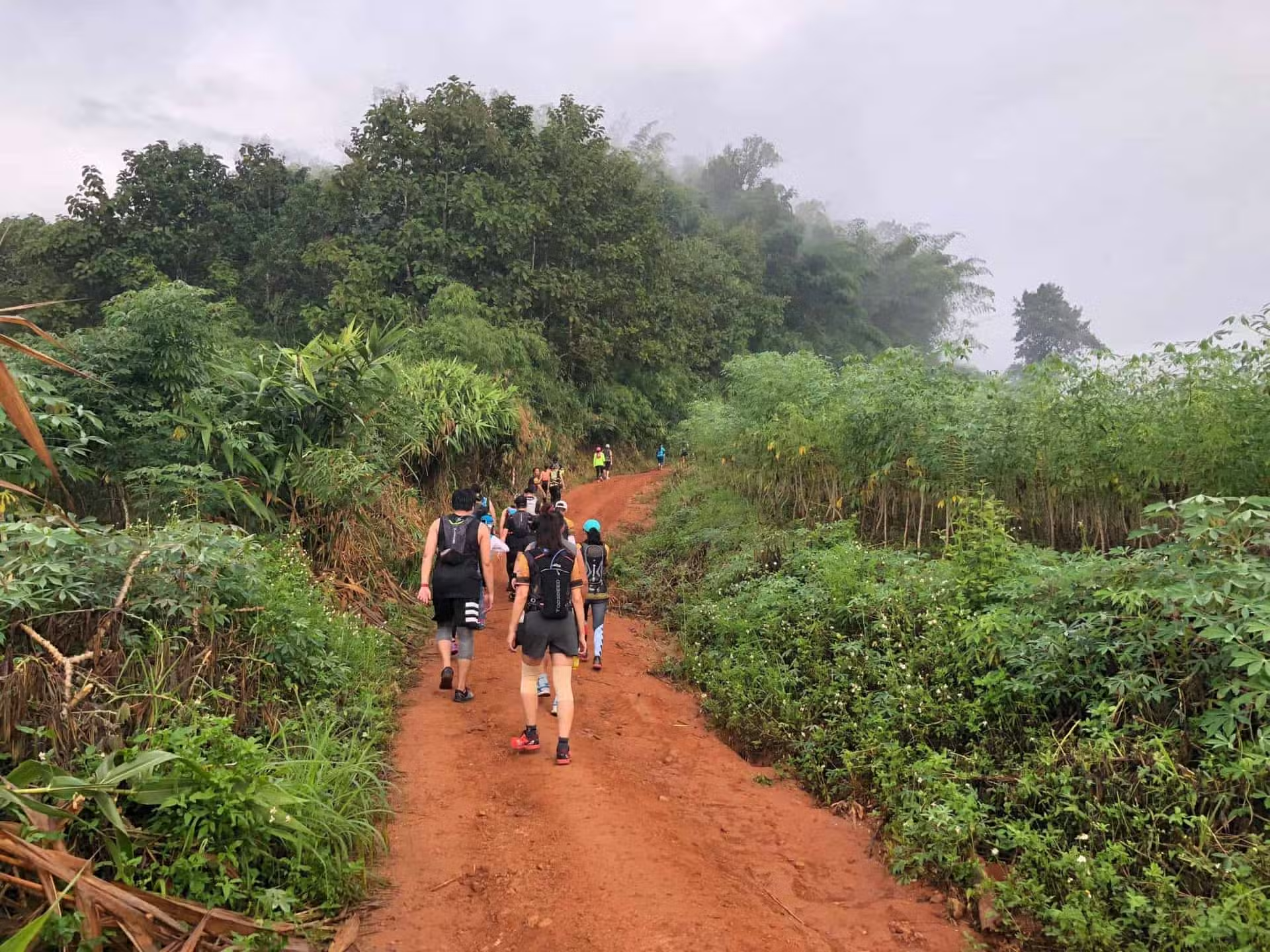
Wear shoes with dependable grip that you have already walked in, and bring a small daypack, water, sun protection, insect repellent and a waterproof layer. Long, lightweight clothing can help on vegetation-lined paths. Ask what the operator supplies so that food, drinking water and any overnight kit are accounted for.
Request the route difficulty in concrete terms: walking hours, ascent, terrain and the longest section between rests. Descriptions such as easy or moderate mean more when attached to those details. Tell the guide about any relevant limitations before payment.
Booking the right Chiang Rai trek
Confirm whether the tour is private or shared, the minimum group charge, the pickup area and the finish point. Obtain a clear list of meals, transport, guide services, admissions and equipment included in the quote. Some local operators run private groups without adding solo guests to a shared departure.
Elephant riding, rafting, ATVs and cycling are separate activities, even when a seller bundles them with a trek. Assess each activity on its own merits and ask whether it is optional. A walking programme does not need any of these additions to provide a worthwhile day in the hills.
Chiang Rai Trekking FAQs
Can I join a Chiang Rai trek from Chiang Mai?
Only if the operator specifically arranges that transfer. Local Chiang Rai pickups usually require you to be in Chiang Rai; staying there the previous night is often the practical choice for a morning start.
How difficult are the walks?
Routes vary from short waterfall walks to sustained hill climbs. Ask for walking hours, ascent and path conditions, and choose according to the least confident member of your group.
Does trekking always include an overnight village stay?
No. Day trips can combine forest walking, food preparation and a village visit without staying overnight. Multi-day trips require separate checks on accommodation and equipment.
Are boat trips and elephant activities included?
They are programme-specific additions. Some cultural routes include a river boat, while many walking trips do not. Check each activity rather than treating it as a standard part of trekking.
What should I check before booking?
Confirm the actual route, guide, group arrangement, total price, pickup area and wet-weather plan. For overnight trips, also ask about bedding, toilets, meals, baggage and electricity.










Do You Have a Question to Ask?