


















































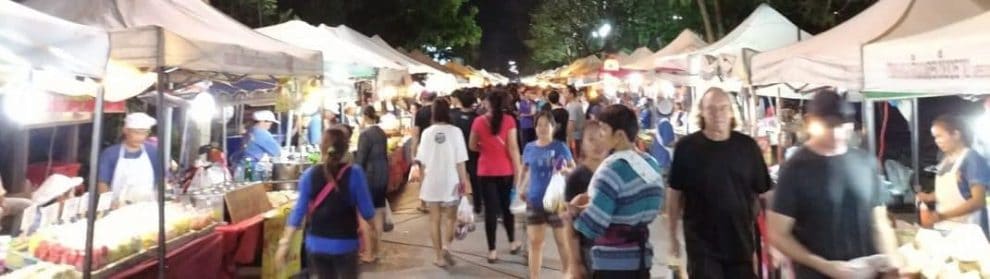
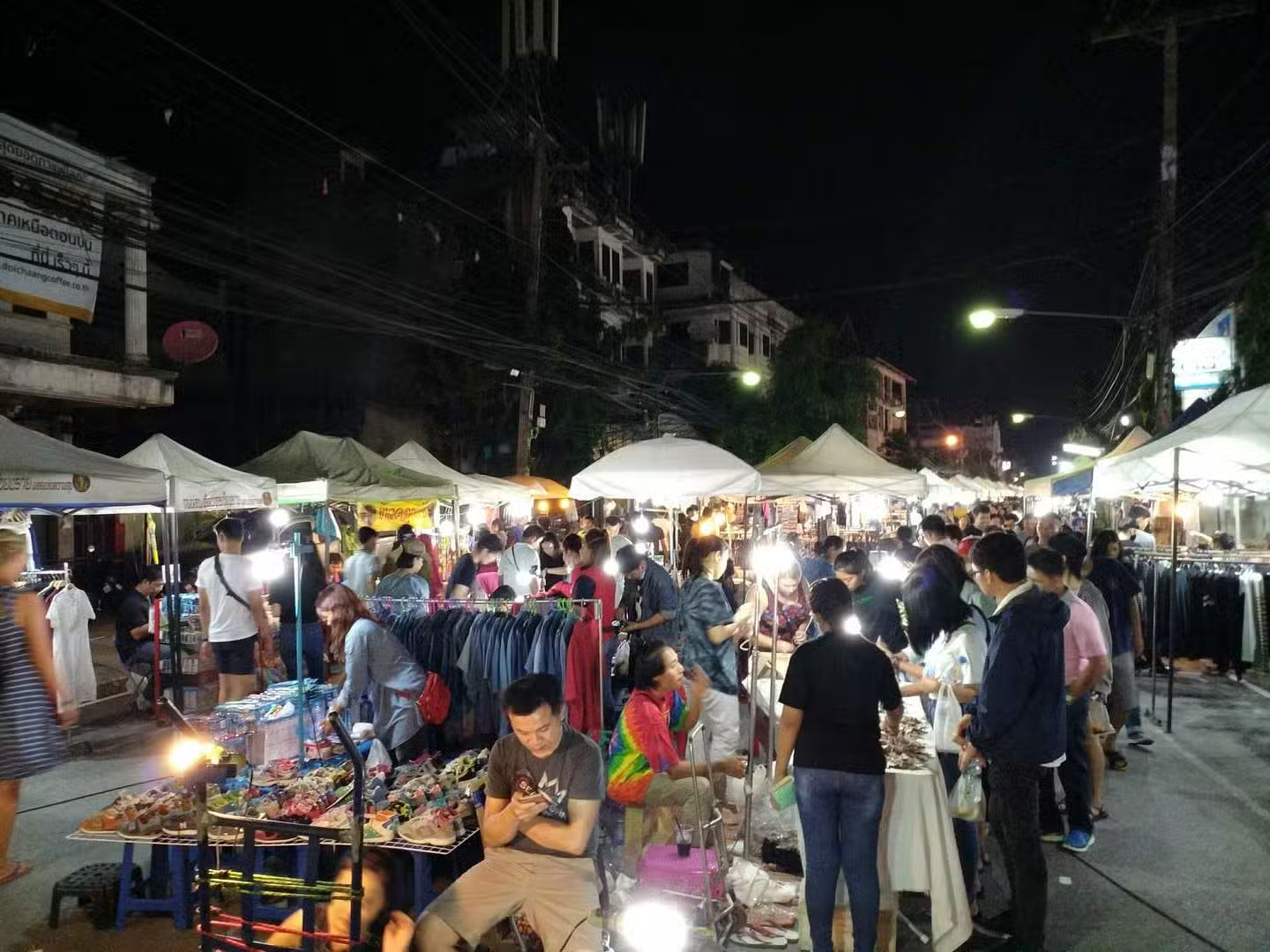
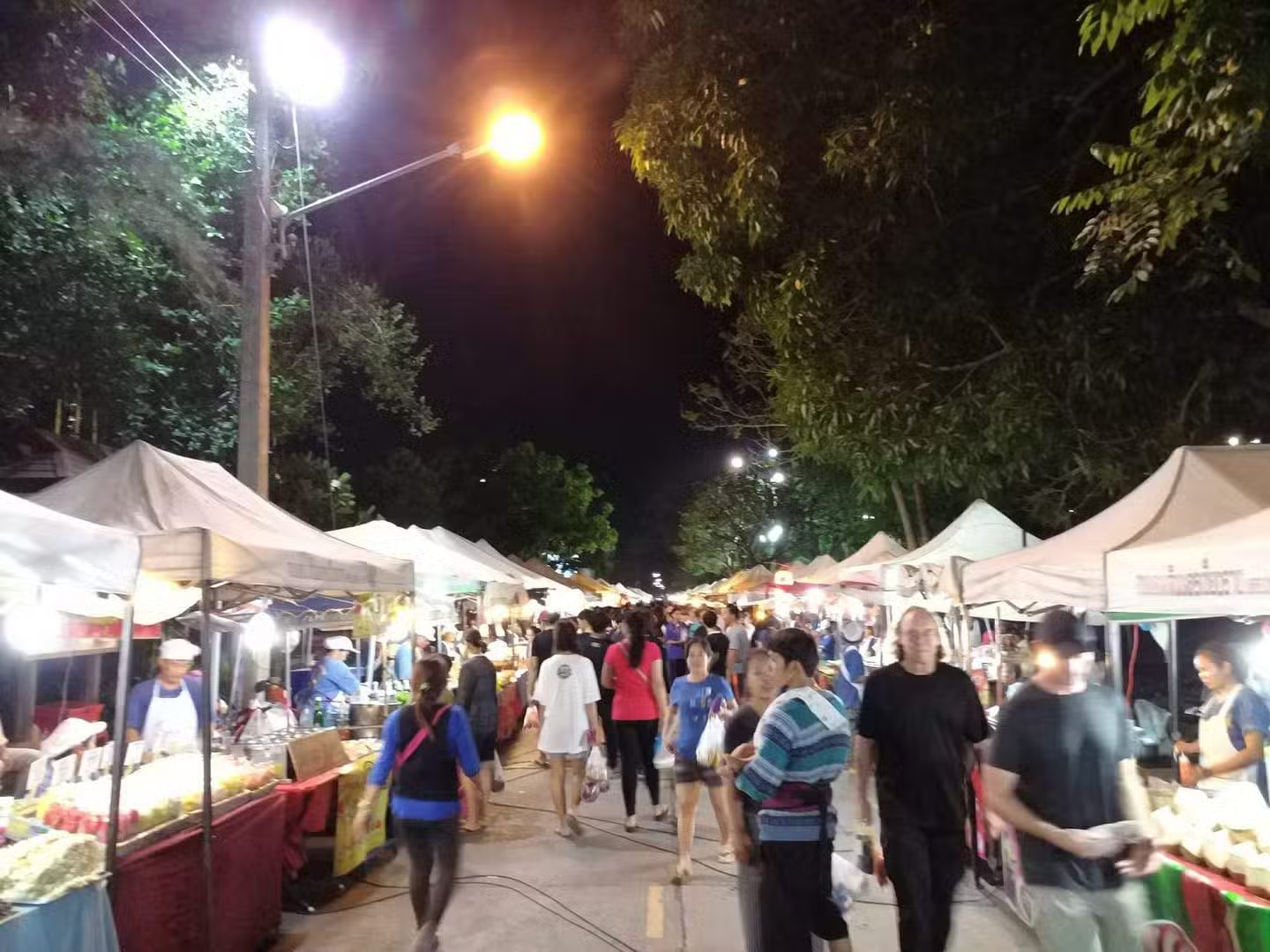
Chiang Rai Walking Street turns Thanalai Road into a Saturday-evening market of food, handicrafts, clothing and local entertainment. Also called Kad Chiang Hai Ram Luk, it gives you a longer street-based browse than the city’s compact daily Night Bazaar.
Come with time to explore, compare handmade goods and choose several small dishes. Shopping is only part of the evening: music, dancing and people meeting over food give the walking street its community atmosphere.
An Evening Along Thanalai Road
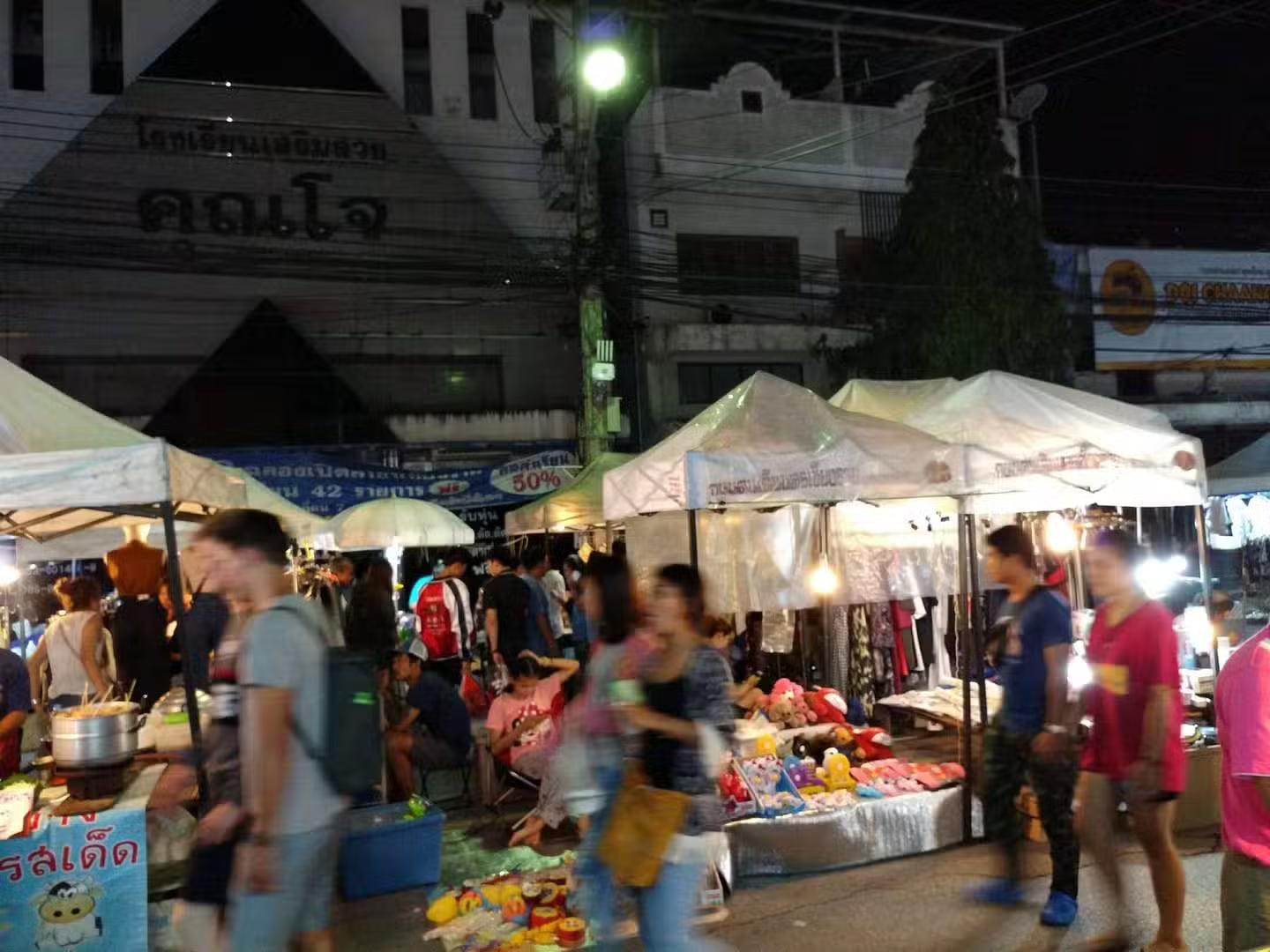
The market follows Thanalai Road through central Chiang Rai, with stalls and gathering areas spread along the route. Begin at a convenient approach from your accommodation and browse at a comfortable pace, noting any stall you want to revisit before the crowd becomes denser.
The usual published Saturday window is approximately 4pm to midnight, although traders set up progressively and individual closing times vary. Arriving around dusk gives you time for an initial look before settling on dinner. Leave a buffer rather than depending on a particular vendor still being open at the end of the evening.
Allow around two to three hours for a fuller shopping and food visit. A shorter walk also works if you choose one section and a meal stop instead of trying to cover every stall.
Handicrafts and Community Products
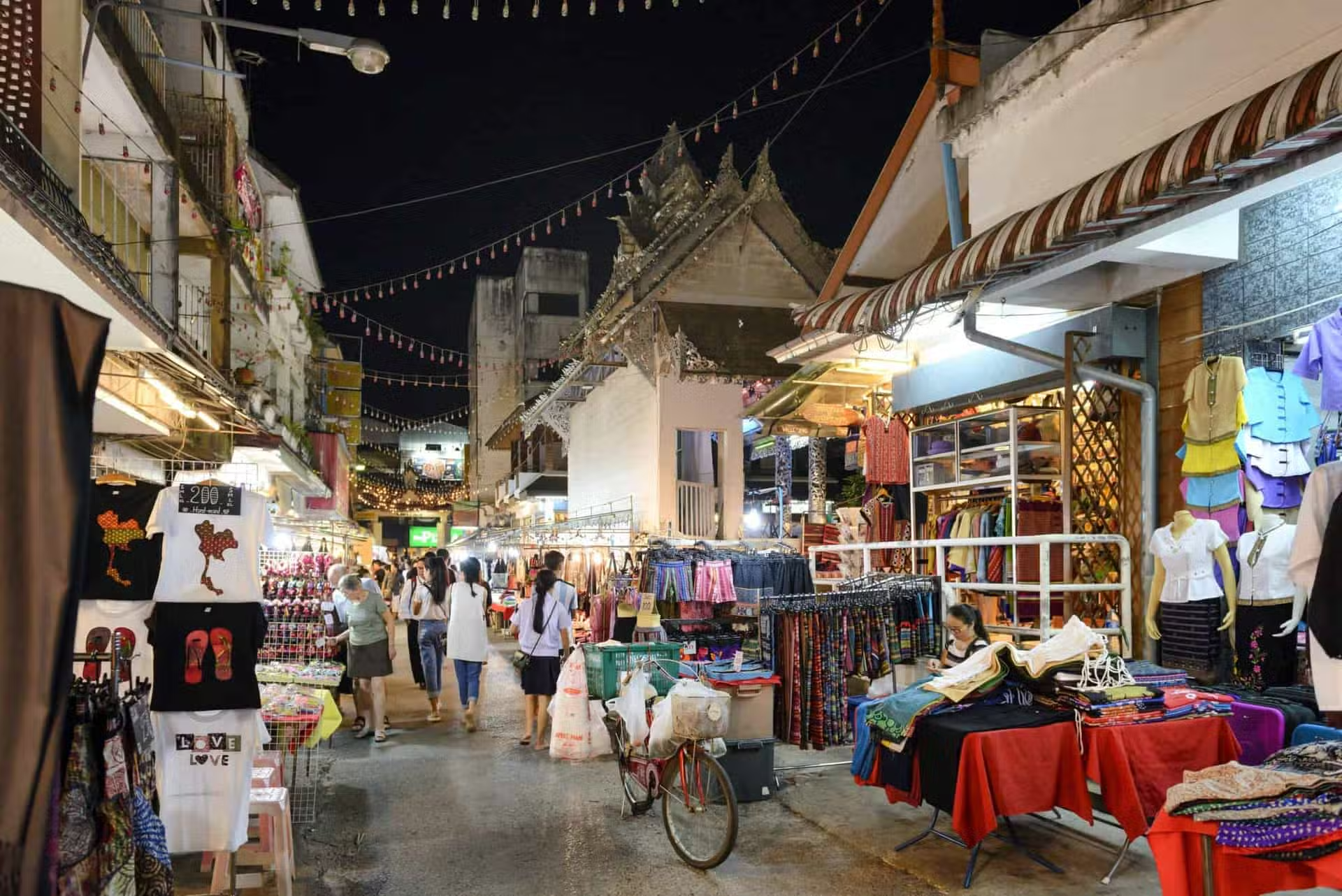
Locally made goods, home decorations and souvenirs are a strong part of the selection. Look for textiles, clothing, bags, handmade soaps and candles, decorative craftwork and small items that are easy to carry home. The range changes with the participating sellers.
OTOP products are one way to explore community enterprise and regional craftsmanship. OTOP stands for One Tambon One Product, linking the initiative with Thai subdistrict communities. Ask about the maker, material and production location when choosing something for its local connection.
Compare the quality of similar pieces rather than judging only by price. Inspect stitching and finishes, ask before handling fragile displays and clarify whether a quoted price is for one item or a set. Bargain politely where the seller welcomes it; many vendors use fixed prices.
Buying Something You Can Take Home
Light textiles and small accessories are easier to pack than bulky ornaments or fragile artworks. Ask about protective packaging for breakable purchases, and think about how you will carry them while continuing through the market.
Bring cash in small Thai baht notes. Payment arrangements differ between stalls, and visitors without a Thai payment account should not rely on local QR systems. A stall landmark or quick note can help you find a favourite item again on the return walk.
Food Stalls and Places to Pause
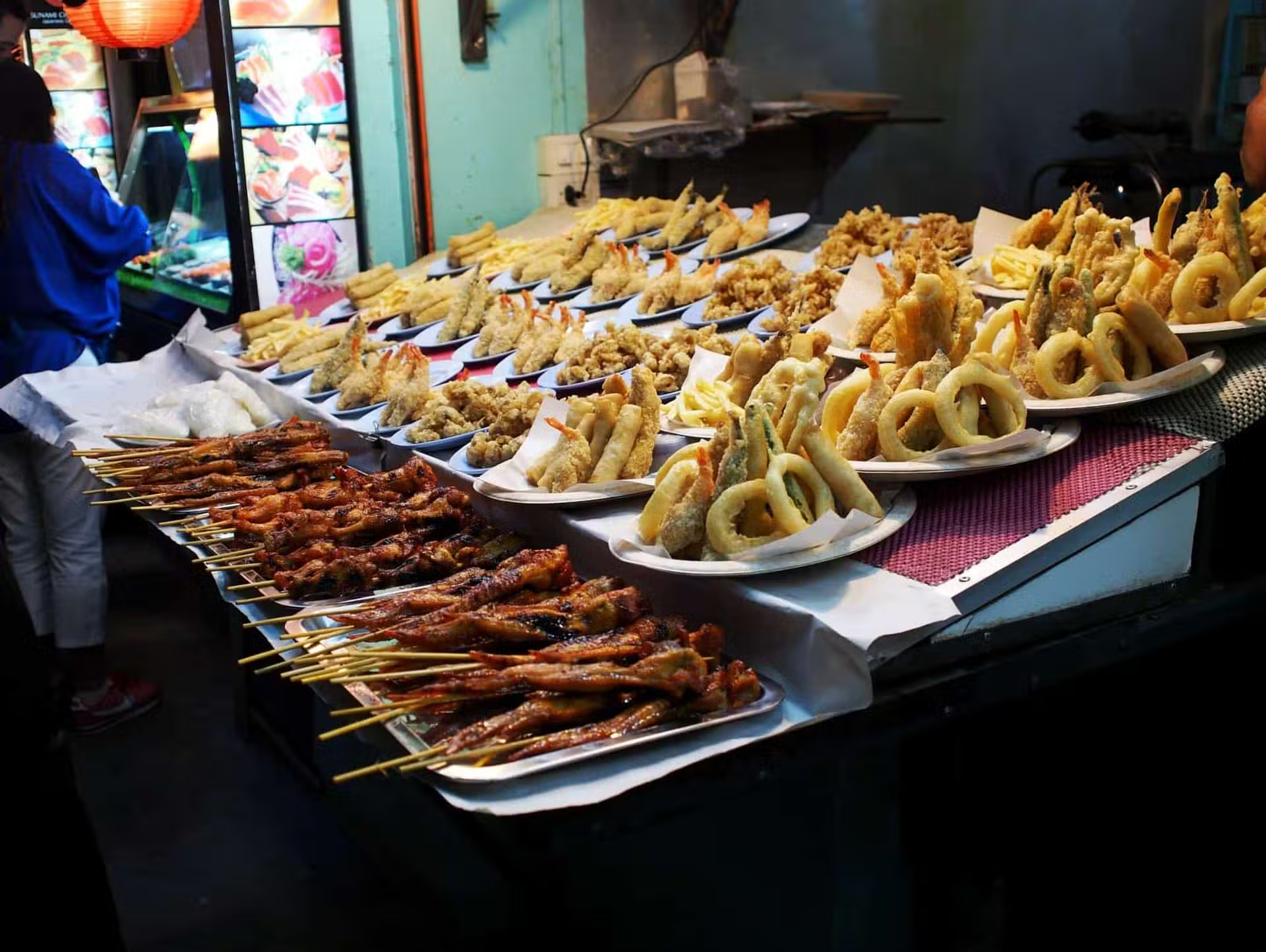
The food selection offers a chance to build dinner from a few smaller dishes. Depending on the night’s vendors, you may find grilled chicken and skewers, curries, dim sum, satay, fried snacks, fruit drinks and sweet treats. Choose what looks appealing and ask the price before ordering.
Look for food and seating areas where you can stop comfortably instead of eating in a moving crowd. This is useful for families or a group trying several dishes, and gives you a chance to watch the activity around you between shopping sections.
Explain allergies and dietary requirements to the vendor before ordering, including questions about sauces and shared cooking equipment. Keep children close to busy cooking areas and leave stall entrances clear when stopping to eat.
Dancing, Music and the Local Atmosphere
Community entertainment is part of the market’s character. Ramwong social dancing is a distinctive feature, bringing people together in a circle rather than separating a stage completely from its audience. Music and other performances can appear along the walking street.
Stop to watch without blocking people moving past. If invited to join an activity, follow the participants’ lead and keep photography considerate. Entertainment varies from week to week, so treat it as something to enjoy when available rather than a scheduled show included with admission.
Getting There and Moving Through the Market
Thanalai Road is in central Chiang Rai’s Wiang area. It is reachable on foot from hotels around the Clock Tower and other downtown streets; use the Saturday Walking Street location to identify the trading section rather than asking simply for a night market.
From farther away, take a taxi, tuk-tuk or app-based car to an approach outside the pedestrian restrictions. Agree a return pickup point on a surrounding street where a driver can stop. Vehicles cannot provide a door-to-stall transfer while the walking street is trading.
The road-based layout still involves kerbs, temporary stalls and crowd bottlenecks. An earlier visit gives wheelchair and pram users more room to assess a workable route. Bring rain protection and keep a meeting landmark in mind if your group separates.
Saturday, Sunday and the Daily Bazaar
This Thanalai Road market takes place on Saturday. Sunday’s walking street, also known as Khon Muan or Happy Street, is on San Khong Noi Road and has a separate layout and atmosphere.
Chiang Rai Night Bazaar operates daily beside the Old Bus Terminal. If your stay misses Saturday, it offers another option for shopping and an evening meal, without waiting for the weekly walking street.
Chiang Rai Walking Street FAQs
What day is Chiang Rai Walking Street held?
The Thanalai Road walking street runs on Saturday evenings. Its usual published window is approximately 4pm to midnight, with individual stalls opening and closing progressively.
Is it free to visit?
General entry is free. Bring spending money for food, drinks, craft purchases and any separately offered services, preferably in small Thai baht notes.
What does OTOP mean?
OTOP means One Tambon One Product, a Thai community-product initiative. At the market, ask who made an item and where it was produced if you want a purchase with a clear regional connection.
How long should you allow?
Around two to three hours gives you time to browse, compare purchases and eat. For a shorter visit, choose a section and a meal stop rather than trying to see every stall.
Does the same market run on Sunday?
Sunday’s market uses San Khong Noi Road, not this Thanalai route. The daily Night Bazaar near Bus Terminal 1 is another separate market.
Can vehicles drive through the market?
The trading street is used as a pedestrian market. Arrange drop-off and pickup on a surrounding street, then walk the final approach while keeping working access points clear.









Do You Have a Question to Ask?