


















































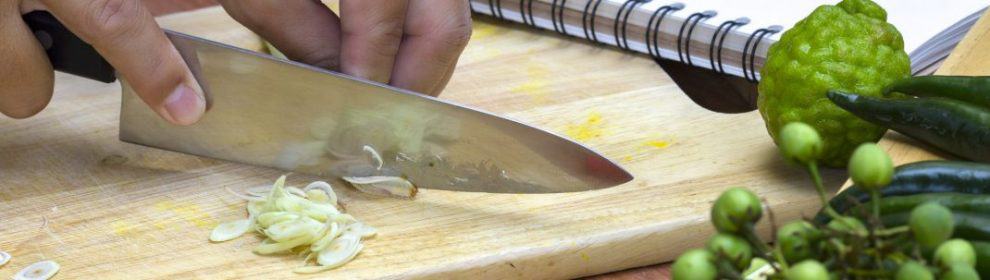
Chiang Mai cooking classes turn a meal into a hands-on introduction to Thai ingredients and techniques. You may begin in a market or herb garden, then prepare dishes at a cooking station and eat what you have made with the group.
Choosing a class is about more than the number of dishes. A central kitchen, a countryside farm and a longer course can each suit a different day, while dietary adaptations and individual workstations determine how much you can participate.
What you learn in a Thai cooking class
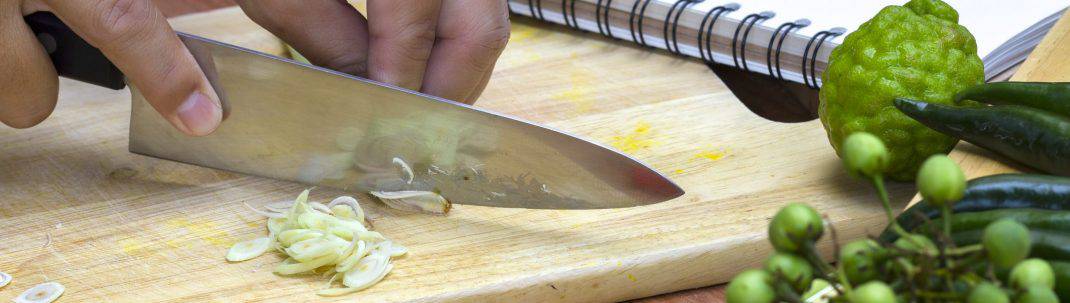
A market visit helps connect familiar restaurant names with the herbs, vegetables and seasonings used to make them. Instructors can explain how ingredients are selected and what substitutions might work when you return home. A garden visit adds the chance to recognise plants before they reach the chopping board.
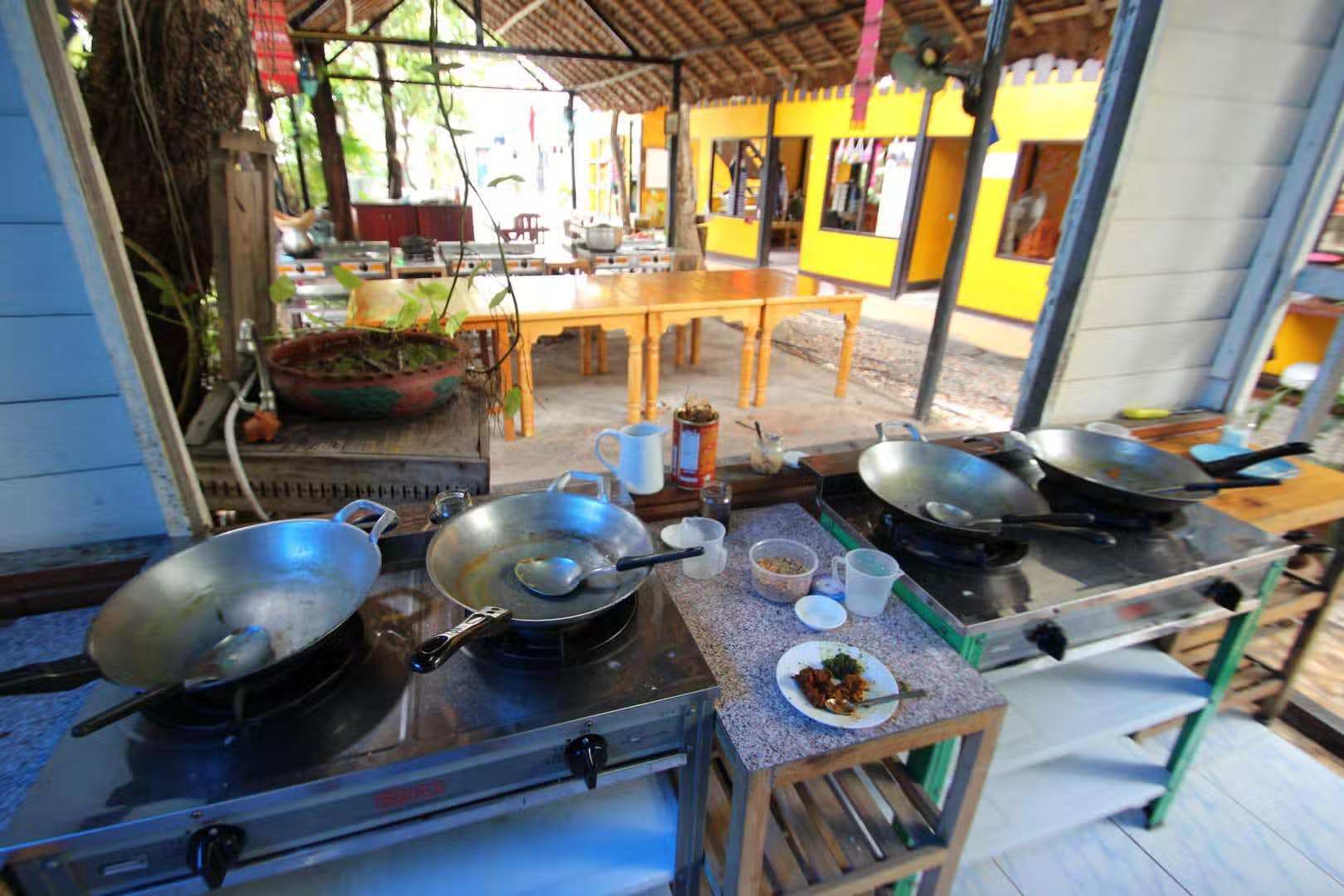
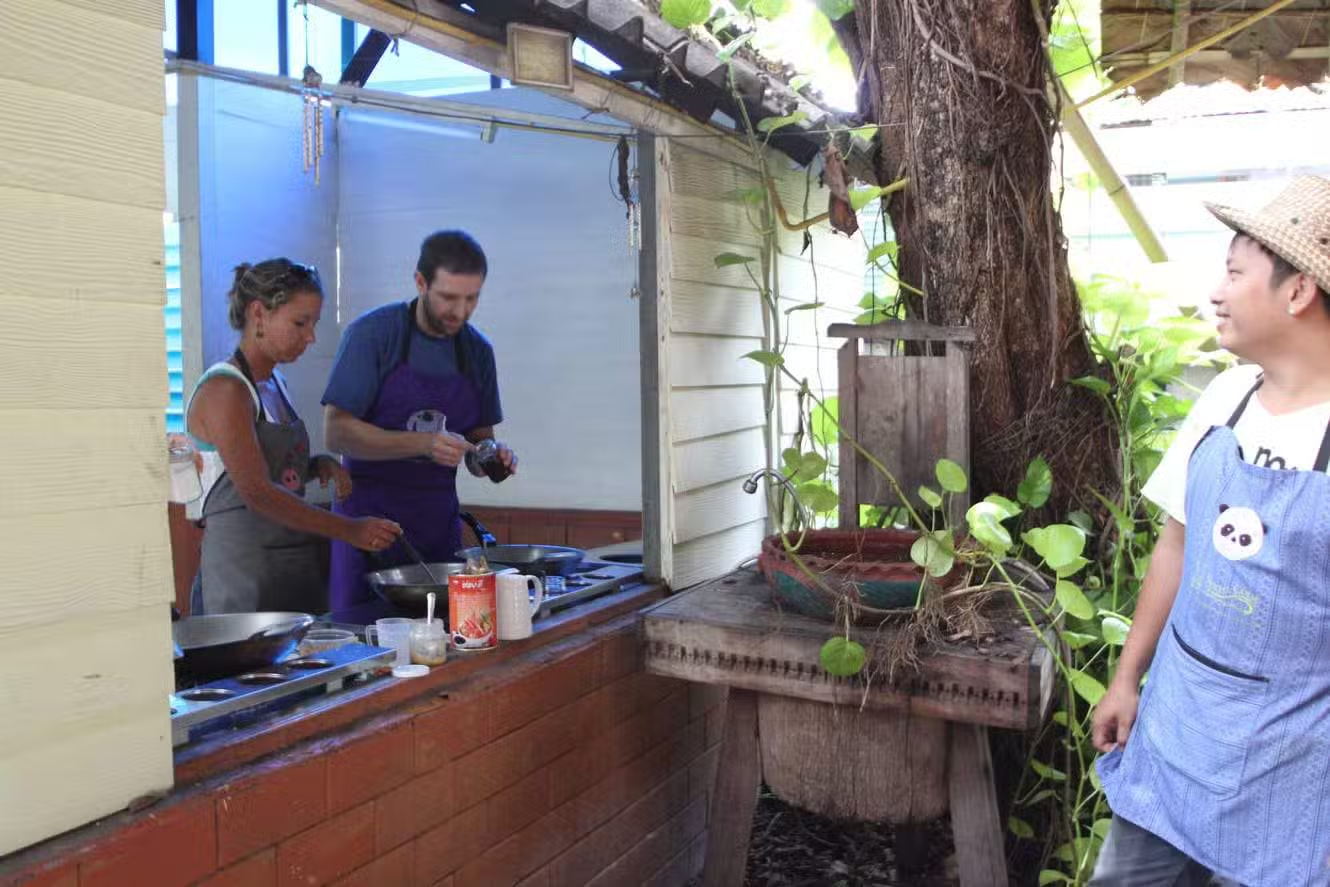
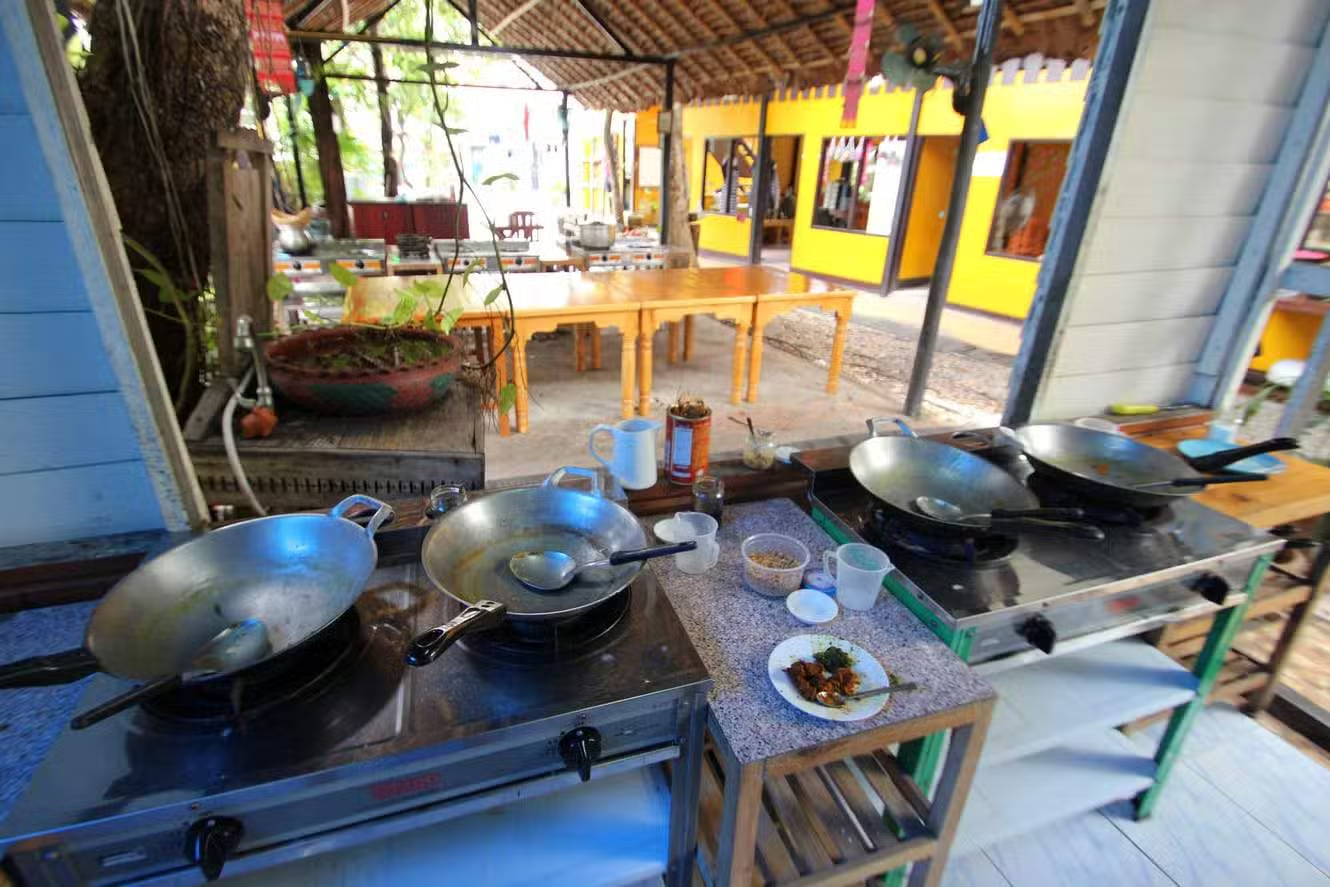
In the kitchen, look for a class where you prepare and season your own dishes. Individual cooking stations let you practise timing and adjust chilli levels rather than only watching a demonstration. Making curry paste with a mortar provides a different experience from simply stirring a ready-made paste into coconut milk.
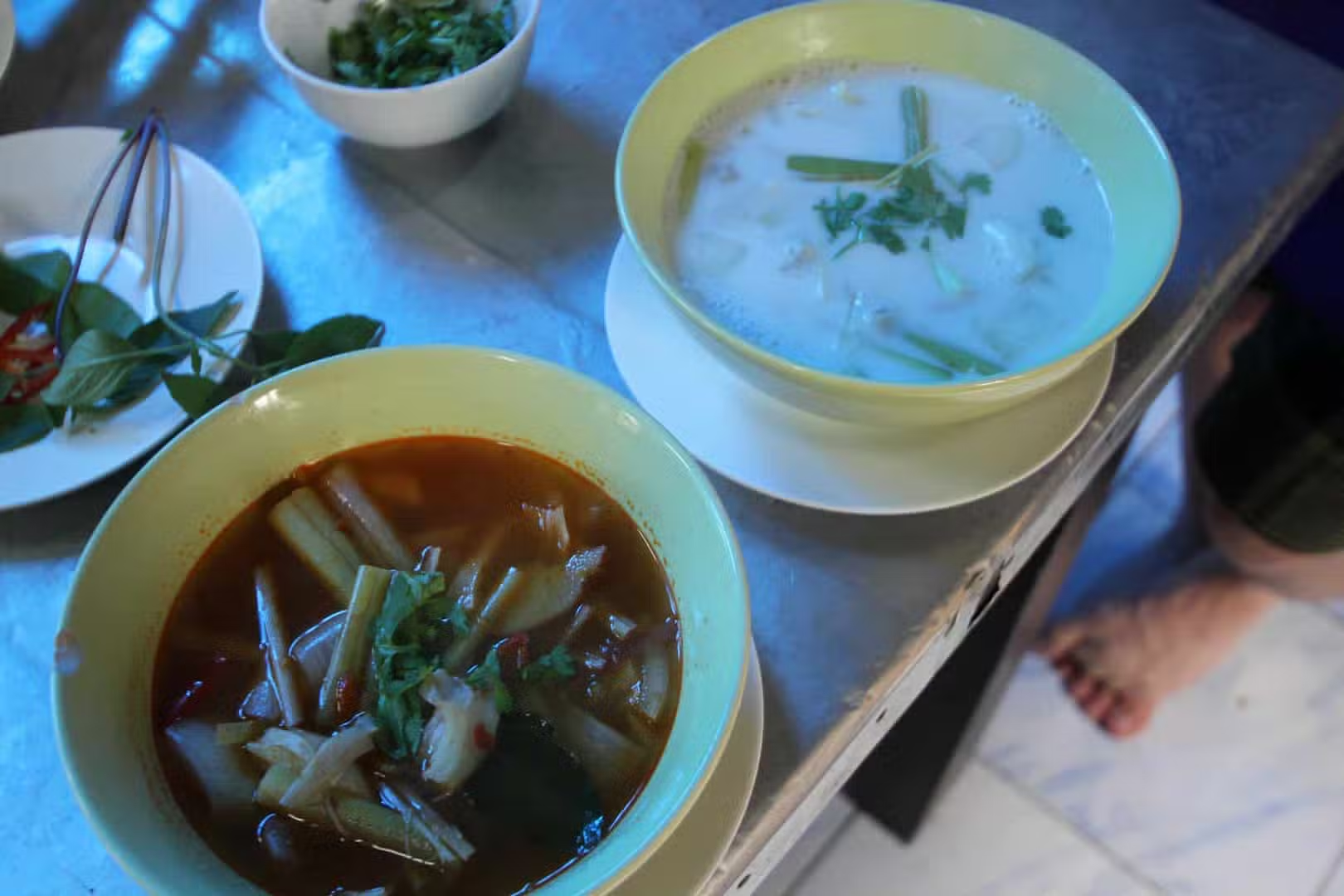
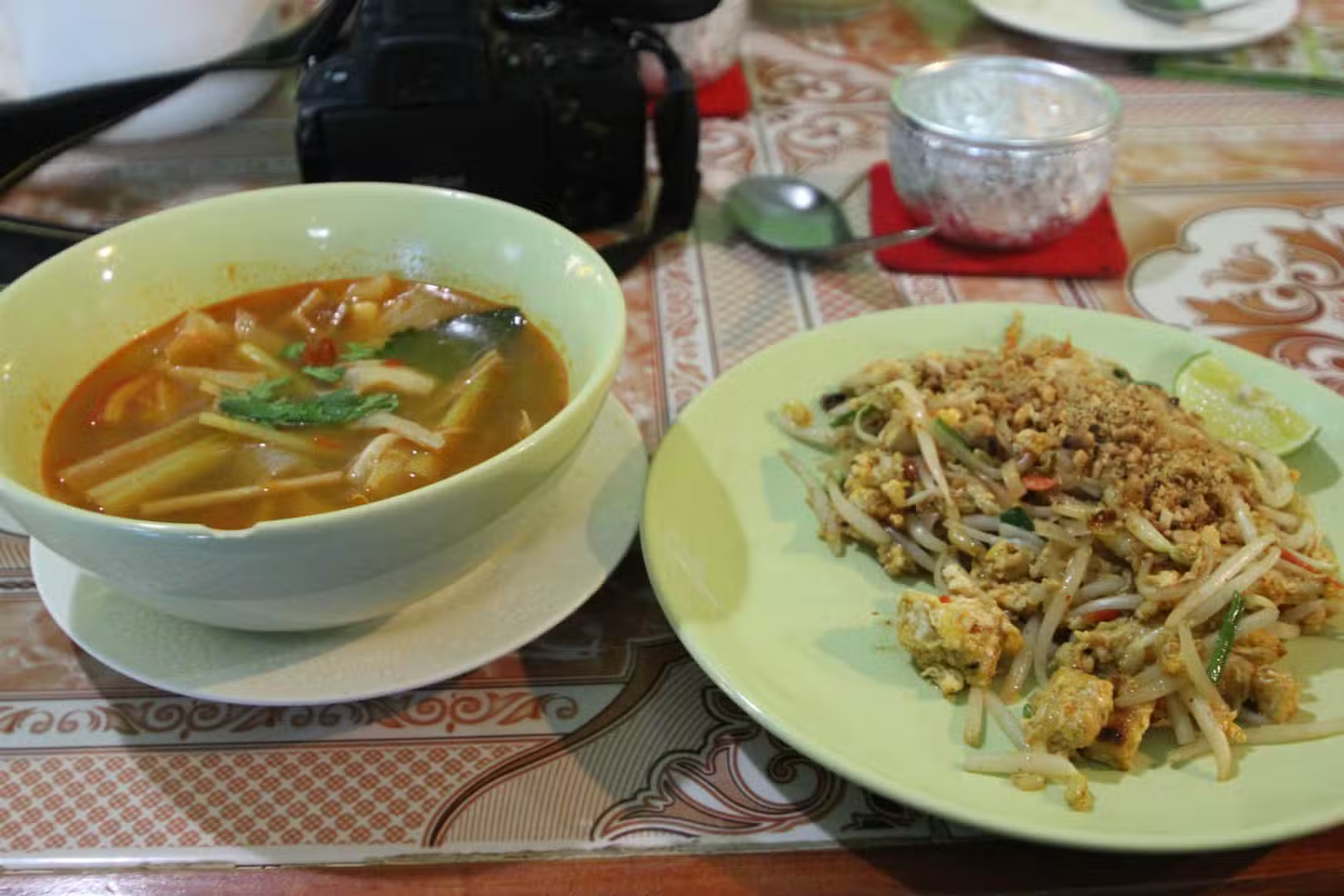
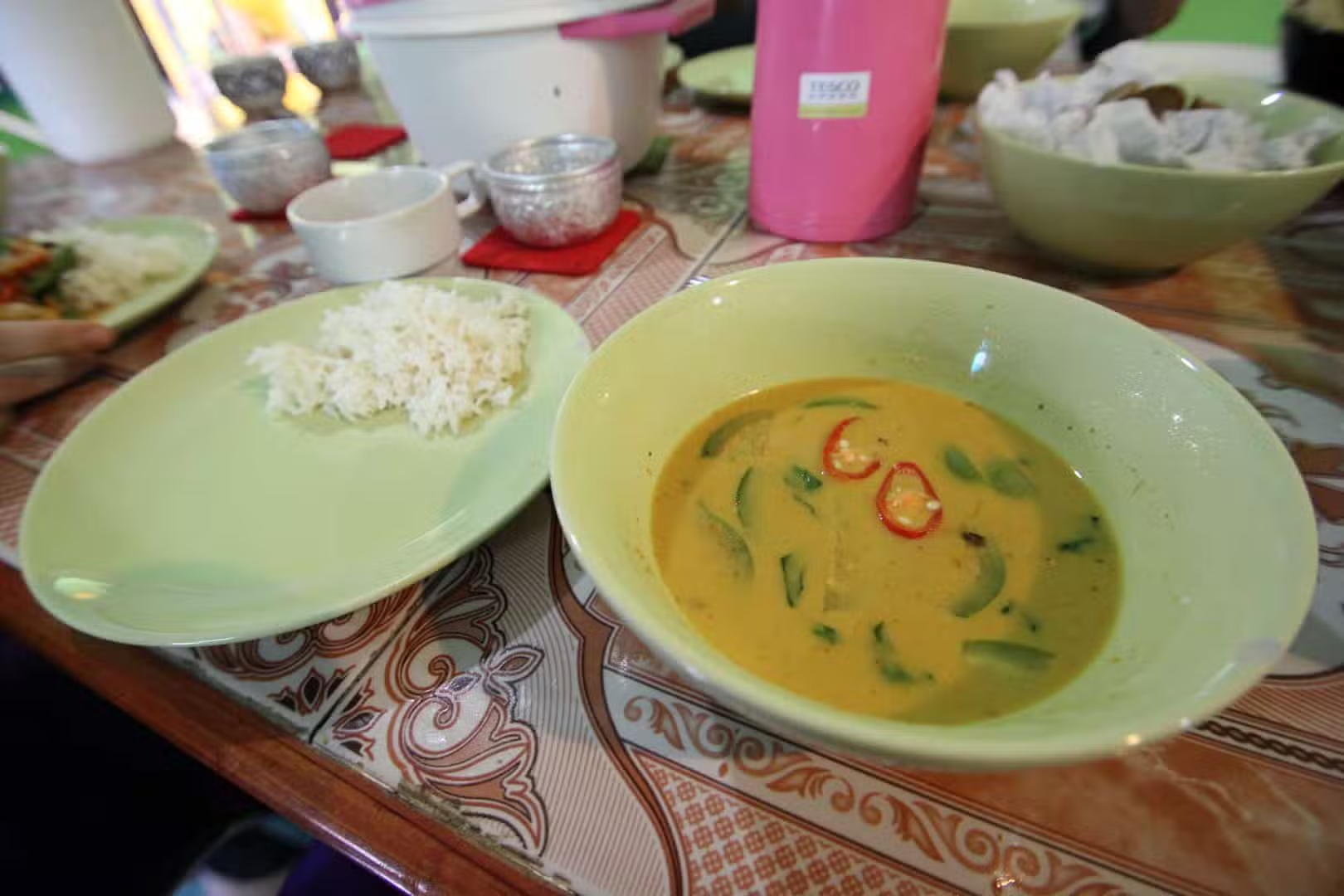
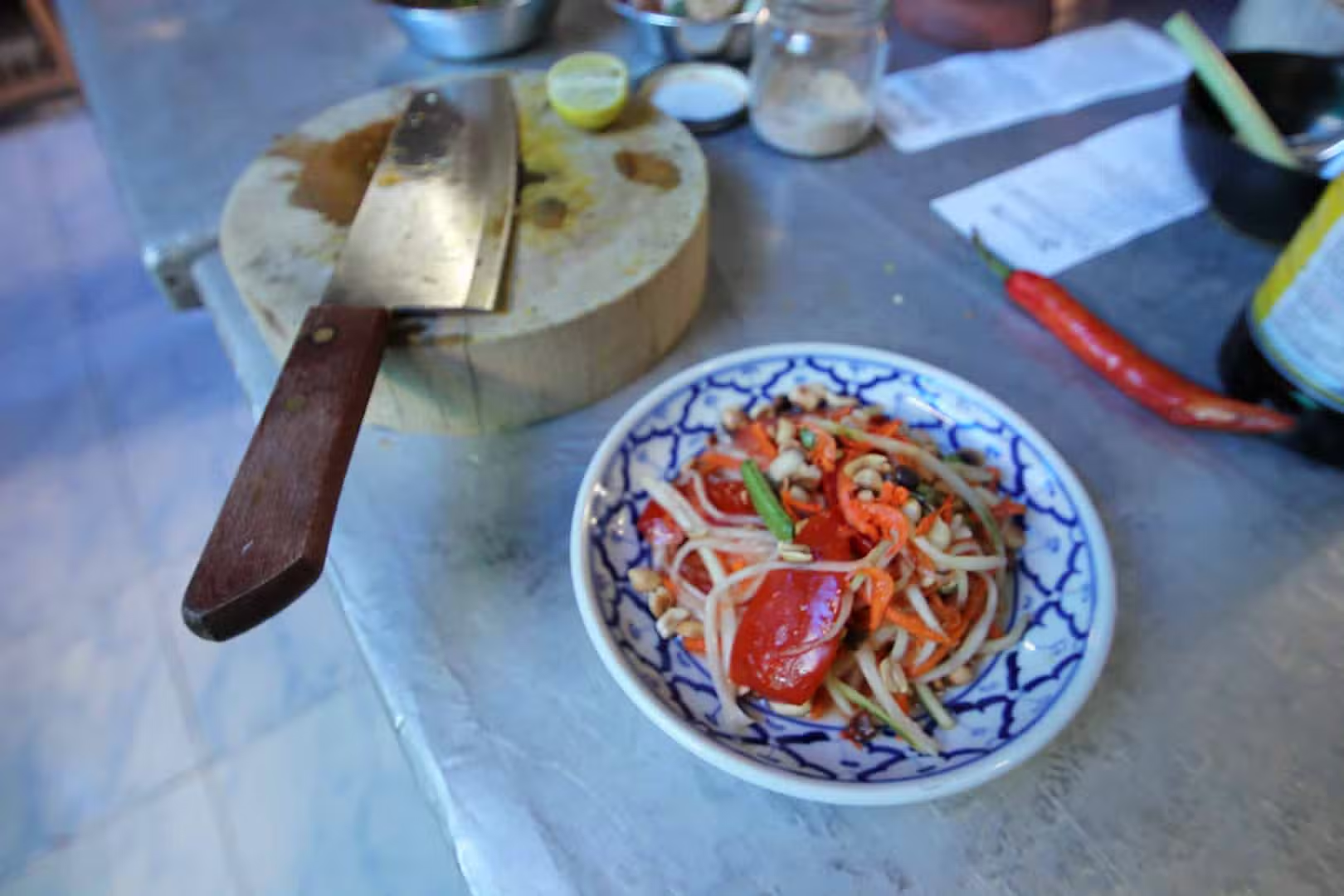
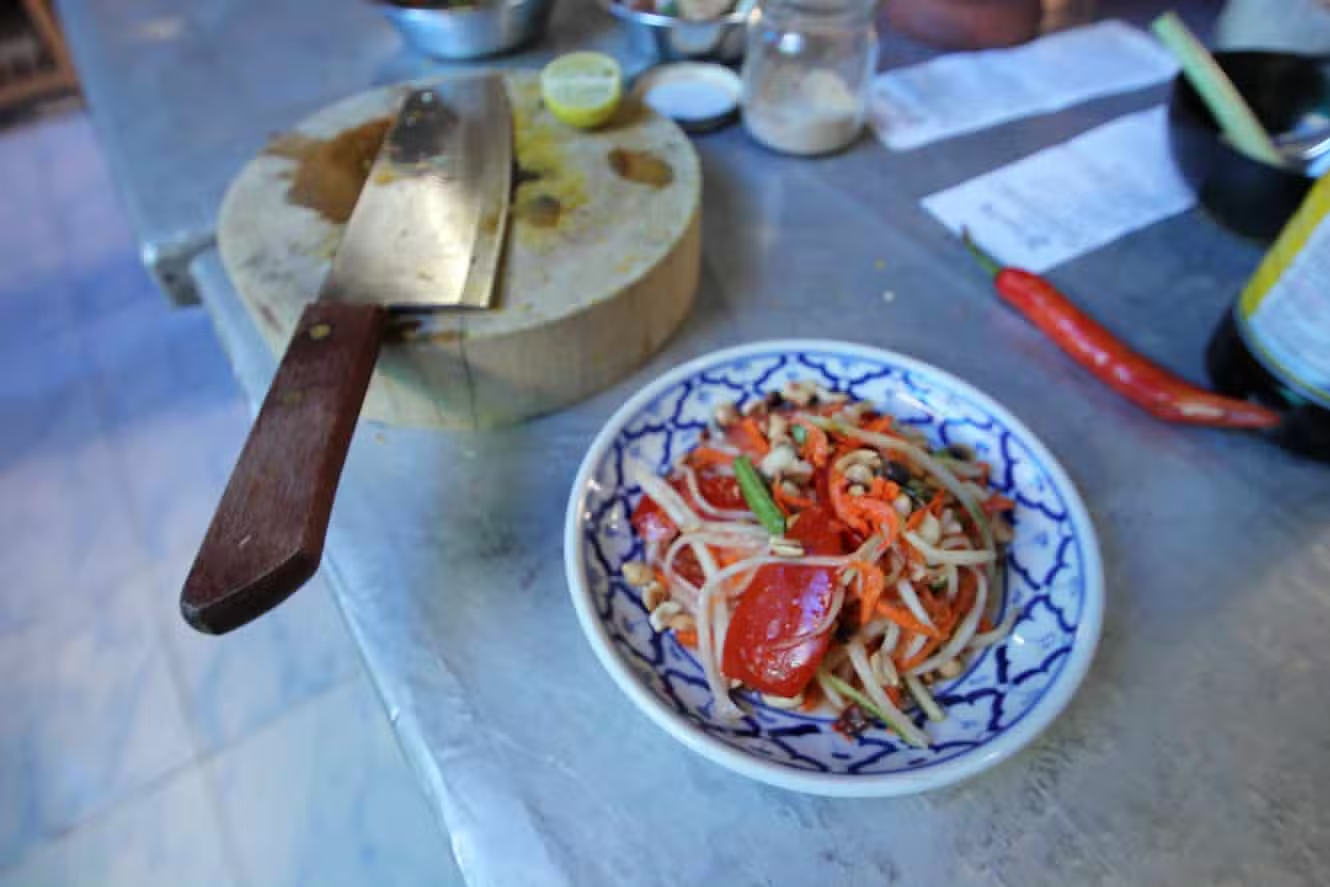
Menus commonly cover soup, a stir-fried or noodle dish, curry and dessert, but the exact choices belong to the class you book. If northern food is your priority, ask specifically about khao soi or other regional recipes; a class in Chiang Mai may teach a broad Thai menu rather than exclusively northern cuisine.
City kitchen or countryside farm?
Asia Scenic in the Old City
Asia Scenic’s Old Town school is at 31 Rachadamnoen Soi 5, within walking distance of Tha Phae Gate. It combines a city kitchen garden with a local market visit, making it convenient if you want to stay near your accommodation and continue sightseeing afterwards.
The morning class is advertised at 1,000 baht per person, running 9am-1:30pm, with an earlier collection window. Its menu includes a miang kham welcome snack, choices across cooking categories and mango sticky rice. Check which recipes you will actually prepare, as a total dish count can include a welcome tasting and dessert as well as your selected cooking tasks.
Asia Scenic also lists an Old Town evening course at 1,000 baht and a morning farm course at 1,200 baht. The farm setting offers a different day from the city class. Confirm the location, start and return times instead of assuming the two branches use the same schedule.
Thai Farm Cooking School
Thai Farm Cooking School takes the experience into the countryside, roughly 17 kilometres from Chiang Mai. Its programmes combine a market stop, an introduction to herbs and produce on the farm and cooking at individual stations. Eating in the rural setting is part of the outing, so leave room in the day for transport as well as the kitchen session.
The full-day course offers more detail than the half-day options, including rice preparation and an additional stir-fry category. It lists a standard price of 1,500 baht per person and a 1,300-baht low-season promotion through 21 October 2026. Check the price for your chosen date and do not assume a temporary offer applies after its stated end.
Morning and evening half-day options are useful when time is limited. Compare the recipe categories and return time with the full day, rather than expecting every programme to contain the same lessons. The school supplies a digital recipe book, while Asia Scenic advertises a printed cookbook, which may matter if you prefer a particular format to use at home.
Vegetarian menus, allergies and children
Both schools advertise options for dietary needs, but make your requirements clear before booking. Vegetarian or vegan cooking requires attention to fish sauce, oyster sauce, shrimp paste and stock, not only replacing meat with tofu. Ask about ingredients in curry paste as well as the visible protein in the dish.
If you have a serious allergy, discuss preparation surfaces and shared equipment directly. A menu described as adaptable does not guarantee the level of separation you need. Gluten-free or halal requests also need a specific conversation about ingredients and handling.
Children’s participation rules differ. Ask whether a child has a separate station, shares with an adult or attends without cooking, and establish the charge for that arrangement. Knives, hot woks and burners require supervision, so age suitability is as important as the ticket price.
Comparing prices and planning your day
Check whether the fee includes ingredients, the meal, market visit, recipes and transport. Hotel collection usually has a defined area. Give the school your address and confirm a meeting point if you are outside the zone; the city office and the cooking venue may be different places.
A morning city class can leave an afternoon free, while a full farm day occupies much more of the itinerary. Use the confirmed return rather than the cooking start time when planning another tour. Arrive hungry enough to enjoy your own meal, and avoid booking a large lunch immediately afterwards.
Wear comfortable clothes and shoes suitable for a market and kitchen. Tell the instructor how much spice you enjoy and ask questions as you cook. The techniques and substitutions you understand are often more useful at home than simply having a photograph of several completed plates.
Cooking Classes FAQs
Do I need previous cooking experience?
Beginner-friendly classes guide you through preparation and cooking step by step. Choose an individual station if you want to practise the techniques yourself, and tell the instructor if you need help using unfamiliar equipment.
Will I learn northern Thai dishes?
Check the actual menu rather than assuming every Chiang Mai class is regional. Ask about recipes such as khao soi if that is your priority, and confirm they are offered on your session.
Can vegetarian or vegan travellers join?
Many schools offer adaptations, including the two examples described here. Discuss sauces, stock and curry paste before booking so your dietary needs apply to the whole dish.
Is a farm class better than a city class?
A farm adds a countryside setting and more travel, while a city kitchen is easier to combine with other plans. Choose by the menu, participation and available time rather than location alone.
Are hotel transfers included?
Some courses include collection within a stated zone. Give your exact address and confirm the pick-up or meeting point, especially if staying outside central Chiang Mai.
Can children cook?
Ask the school about age suitability, supervision and whether the child shares a station or has their own. Attending without cooking may have a different fee and access arrangement.
Do I keep the recipes?
Recipe formats vary: Thai Farm advertises a digital book and Asia Scenic a printed cookbook. Check your course inclusions if you want recipes to use after the holiday.









Do You Have a Question to Ask?