































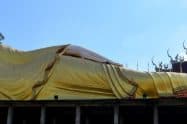
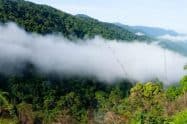














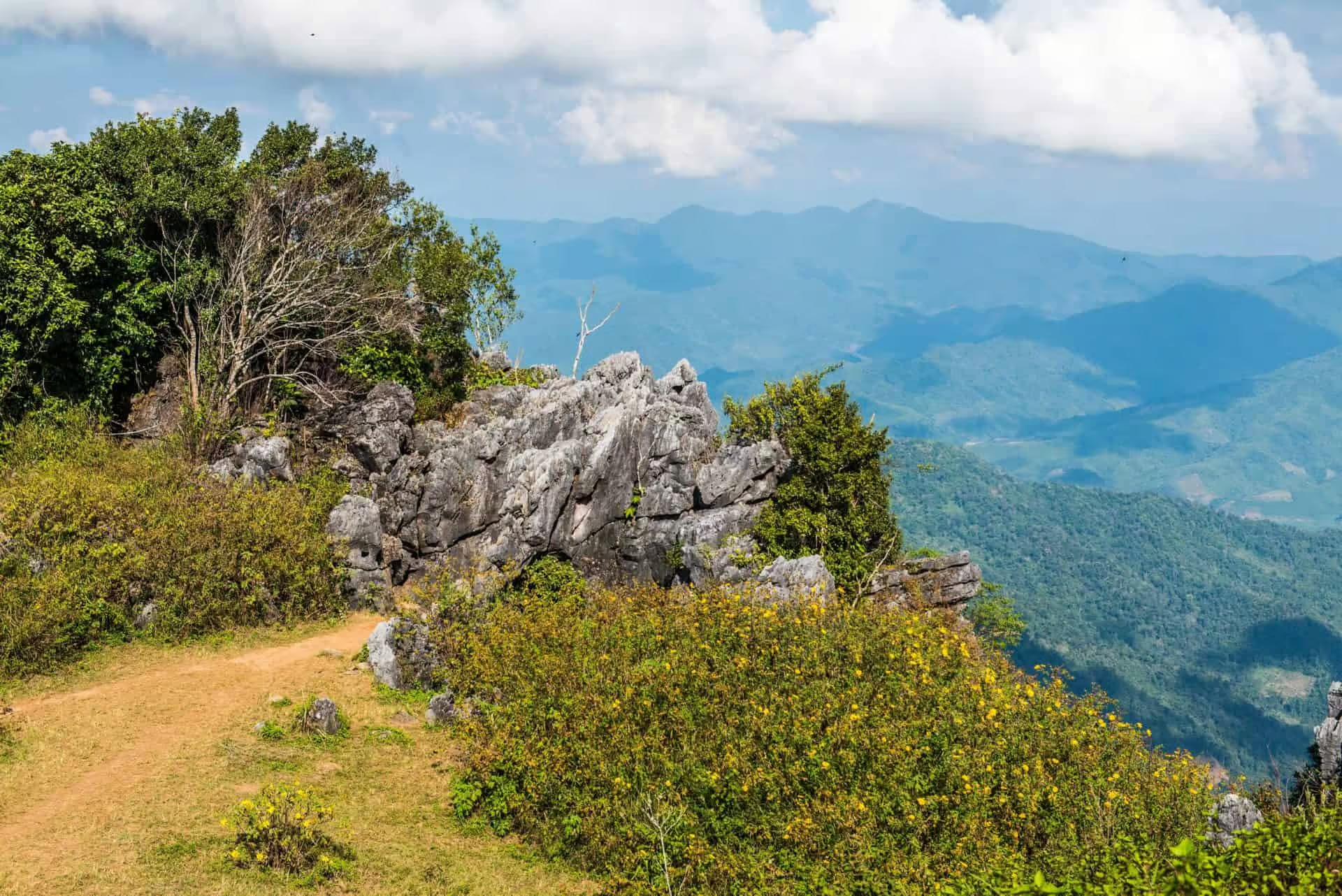
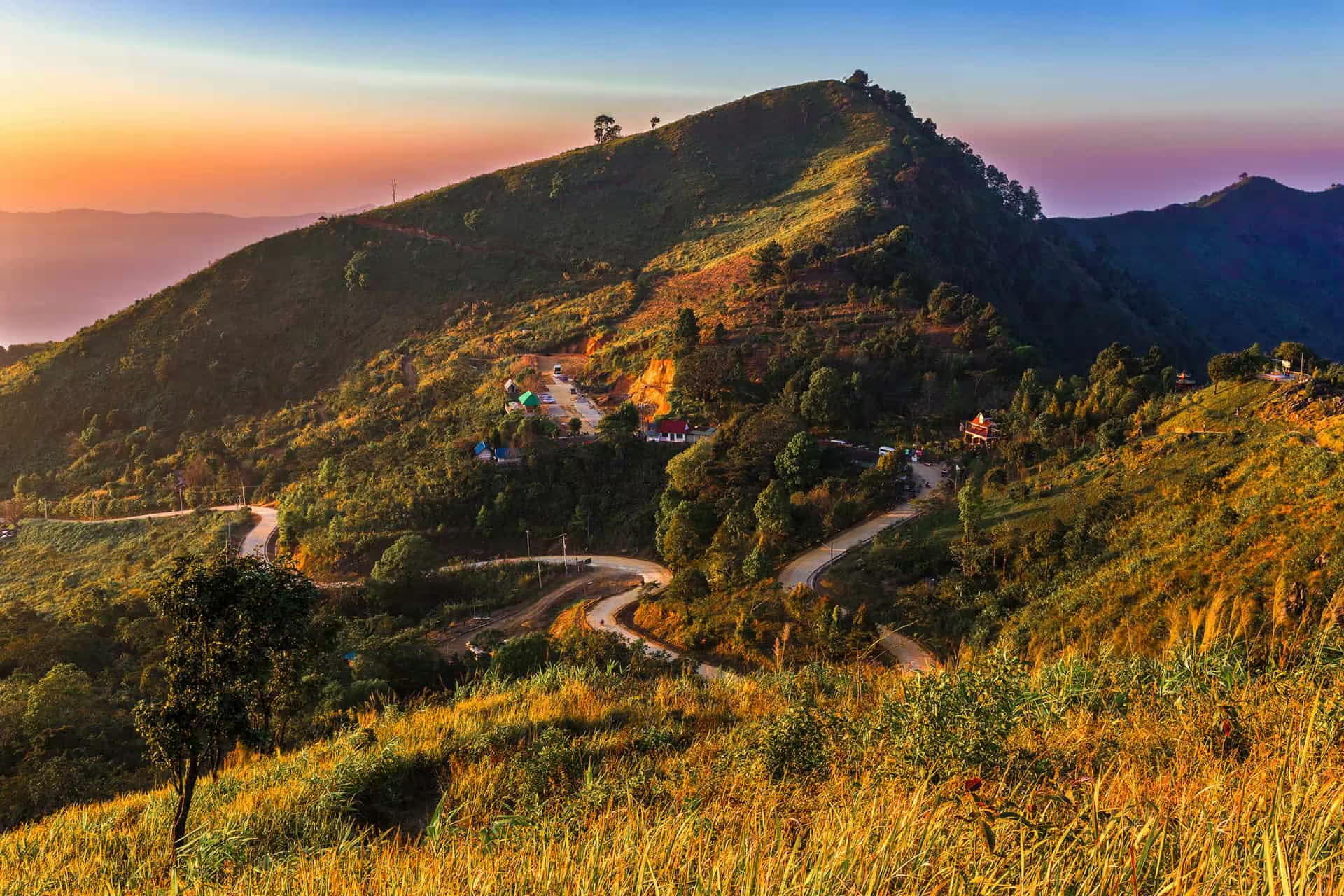
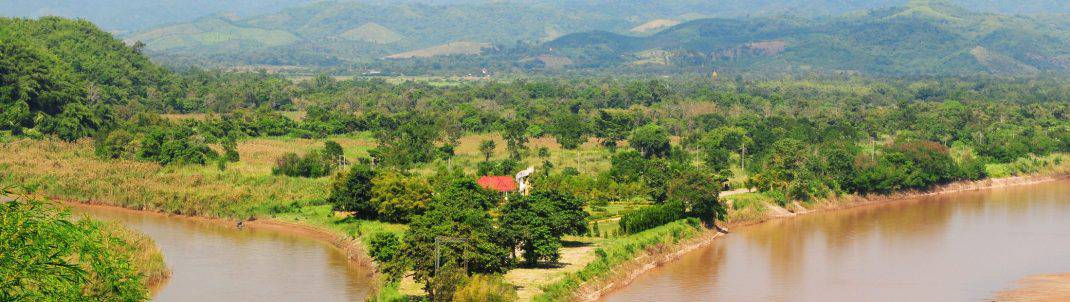
Doi Pha Tang is a mountain viewpoint in Chiang Rai’s Wiang Kaen district, overlooking the border landscape between Thailand and Laos. Its rocky ridge, open hillsides and views towards the Mekong make the walk rewarding in clear weather, while morning cloud can turn the valleys into a sea of mist.
The experience extends beyond a single lookout. You can explore the rock passage known as Chong Pha Bong, continue towards the numbered hill viewpoints and spend time in the nearby village, where Yunnanese Chinese, Hmong and Yao communities have shaped the area’s food and farming. This is a substantial mountain excursion from Chiang Rai city, so leave time for both the road journey and the walking.
Walking the Ridge and Viewpoints
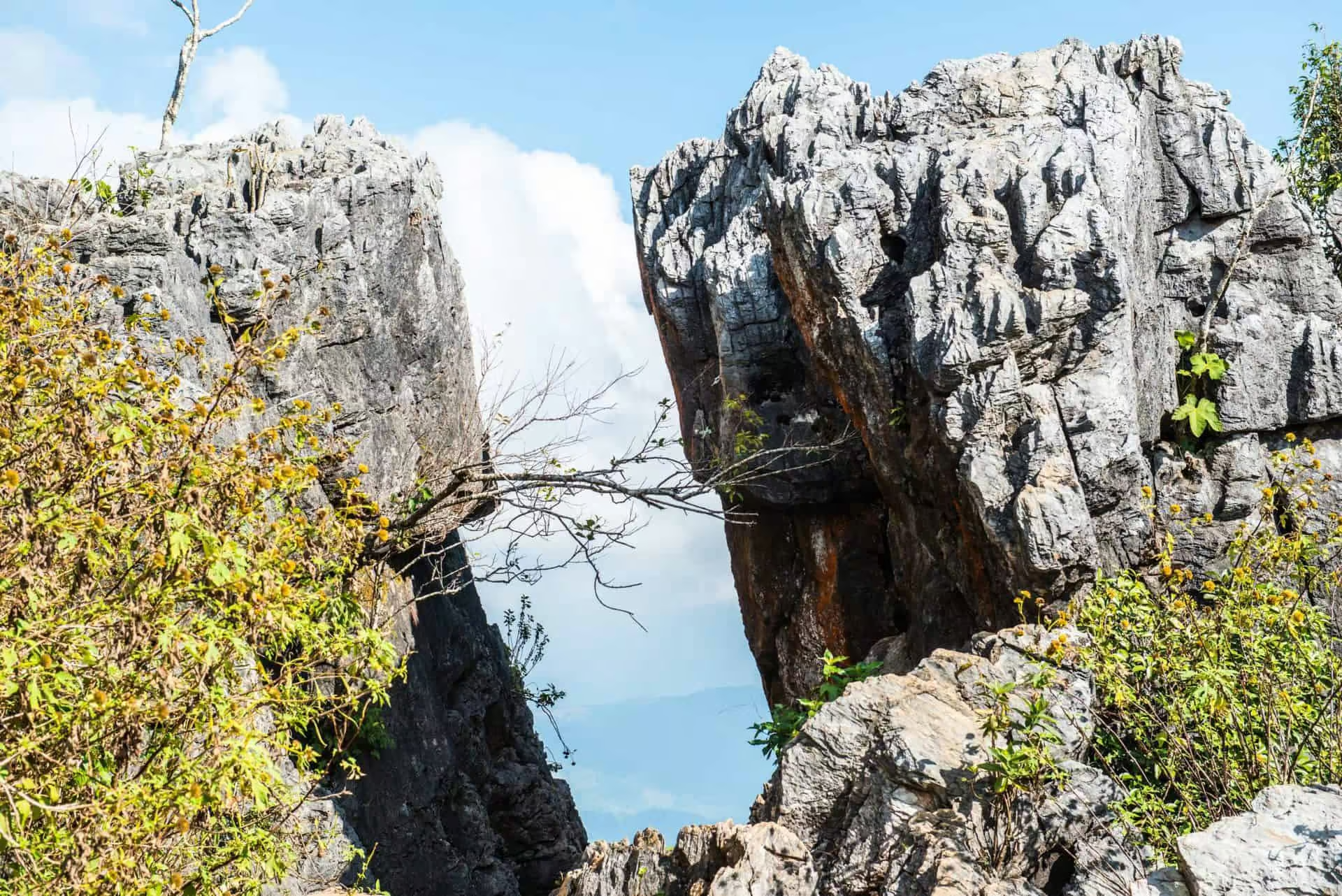
Chong Pha Bong is a natural opening in the rock that frames the landscape towards Laos. It provides a distinctive view before you continue along the hillside. Follow the marked visitor route and keep back from cliff edges, particularly when cloud makes the drop difficult to judge.
The hilltops commonly called 102 and 103 offer broader panoramas from different positions along the ridge. You do not need to reach every point to enjoy the visit: choose a turnaround point according to your fitness, footwear and the weather. The continuation towards viewpoint 103 is longer and steeper, with rough ground in places, rather than an effortless stroll from the parking area.
Allow roughly one to two hours for an unhurried walk with photographs, and longer if you continue to the farther viewpoint. A shorter outing can focus on the nearer viewpoints. Wet paths can be slippery, and the exposed ridge is a poor place to press on during a thunderstorm or strong wind.
Sunrise, Seasons and Mountain Weather
Sunrise is a popular reason to come, especially during the cooler months when low cloud may settle in the valleys. Staying nearby makes the early start more manageable than driving the full distance from Chiang Rai in darkness. Ask your accommodation about the current walking route and pre-dawn access before setting out.
Bring a warm layer, closed shoes with grip and a head torch for a dawn walk. Wind can make the ridge feel much colder than the lowlands, even when the afternoon is warm. Water and a small snack are useful because village services may not be trading when you start.
Wild Himalayan cherry and other seasonal blossom can add colour around the cool season, often in December or January. Flowering varies with the weather and the particular trees, so check locally if blossom is central to your plans. Clear views, mist and flowering should each be treated as possibilities rather than a guaranteed combination.
Village Food and Staying Nearby
The settlement below the ridge provides a useful break after the walk. Look for Yunnanese Chinese dishes, tea and seasonal fruit grown in the cooler mountain climate. Restaurant opening times and produce vary, so carry enough cash and avoid relying on a particular stall for a very early breakfast.
Local guesthouses and camping grounds offer an alternative to returning immediately to Chiang Rai. Book ahead for popular cool-season weekends and ask about bedding, bathrooms, meals and the distance to the trail entrance. Camping should be arranged at an authorised site with the landholder or operator; a flat patch of hillside does not mean visitors can pitch a tent there.
The village is a working community as well as a visitor stop. Ask before photographing residents and respect homes, farms and religious spaces. Take rubbish back with you and keep vehicles out of entrances and agricultural access tracks.
Planning the Journey from Chiang Rai
Doi Pha Tang is in Po subdistrict, near the Thai-Lao border, roughly 160 kilometres from Chiang Rai city depending on the route. Several roads lead through the eastern districts, followed by a winding uphill approach. Plan several hours each way and check the chosen route and road conditions before departure.
A private car or an arranged driver gives the most control over stops and timing. Agree on waiting time and the return journey, particularly if you intend to hike the farther ridge. Do not rely on finding a passing vehicle for the journey home from the viewpoint.
Phu Chi Fa can be included in a longer mountain itinerary, but travelling between the two involves more winding roads. An overnight plan gives each area time without rushing two dawn viewpoints into the same morning. The standard viewpoint visit is generally free; accommodation, transport and camping arrangements have their own charges.
Doi Pha Tang FAQs
How far is Doi Pha Tang from Chiang Rai?
It is roughly 160 kilometres from the city, depending on the route. Allow several hours for the drive because the final approach is through mountain roads, and leave sufficient time for the return journey.
Is the walk difficult?
The nearer viewpoints suit a shorter outing, but the continuation towards hill 103 includes rougher, steeper ground. Choose your route according to the conditions and your fitness, and wear shoes with grip rather than treating the whole ridge as an easy paved walk.
When is a good time to visit?
Cool-season mornings are popular for sunrise and possible valley mist. A clear daytime visit also offers wide views, while rain, strong wind and haze can reduce visibility or make the walk less comfortable.
Is there an entrance fee?
The standard viewpoint visit is generally free. Bring cash for village food and any transport, accommodation or camping services, and follow any current local access notices.
Can I stay overnight or camp?
Yes, the area has accommodation and camping grounds. Arrange a specific authorised site and confirm its facilities; visitors should not camp wherever the ground happens to be flat.
Will I see cherry blossom?
Blossom is seasonal and varies each year, with December and January commonly associated with flowering in the area. Ask locally about current conditions before travelling specifically for the flowers.
Can I visit Doi Pha Tang and Phu Chi Fa together?
They can form part of a longer mountain trip, but allow time for the roads between them. Staying overnight is a more practical way to enjoy both areas than trying to rush between two sunrise spots in one morning.








Do You Have a Question to Ask?