


















































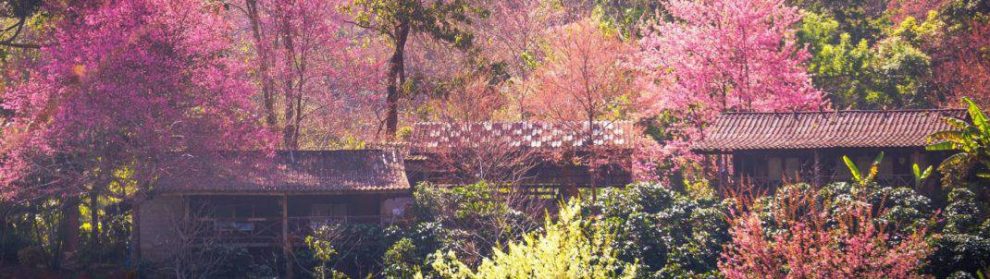
Khun Chang Khian is a mountain visitor area above Chiang Mai, best known for the pink Himalayan cherry blossom around Chiang Mai University’s highland agricultural research station. Coffee-growing slopes and the nearby Hmong village give you other reasons to make the journey beyond Doi Suthep.
The blossom display is seasonal and brief, while the mountain road takes time to navigate. Plan around current flowering reports if the trees are your main reason for visiting, and allow an unhurried half-day for the drive, a walk and a coffee stop.
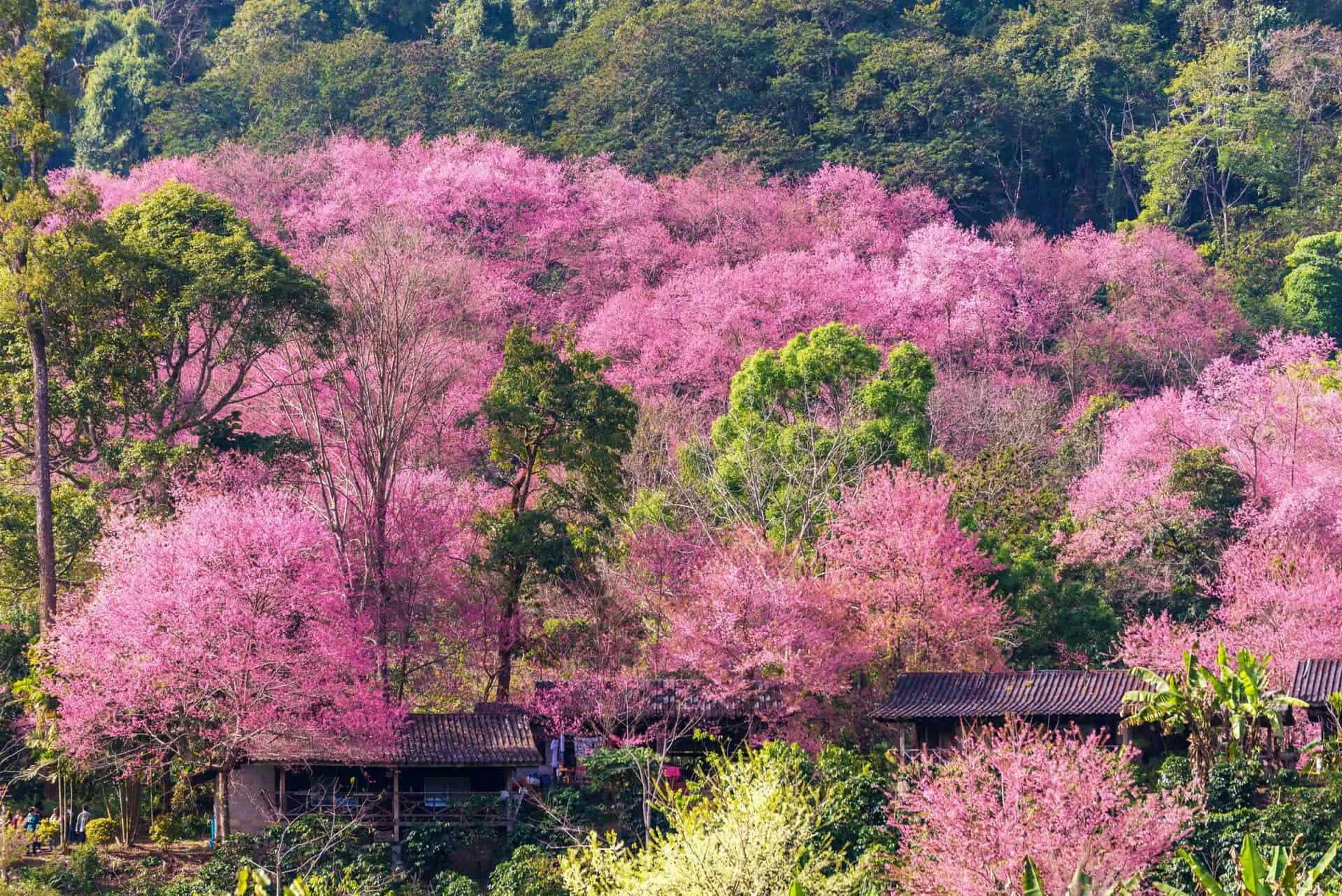
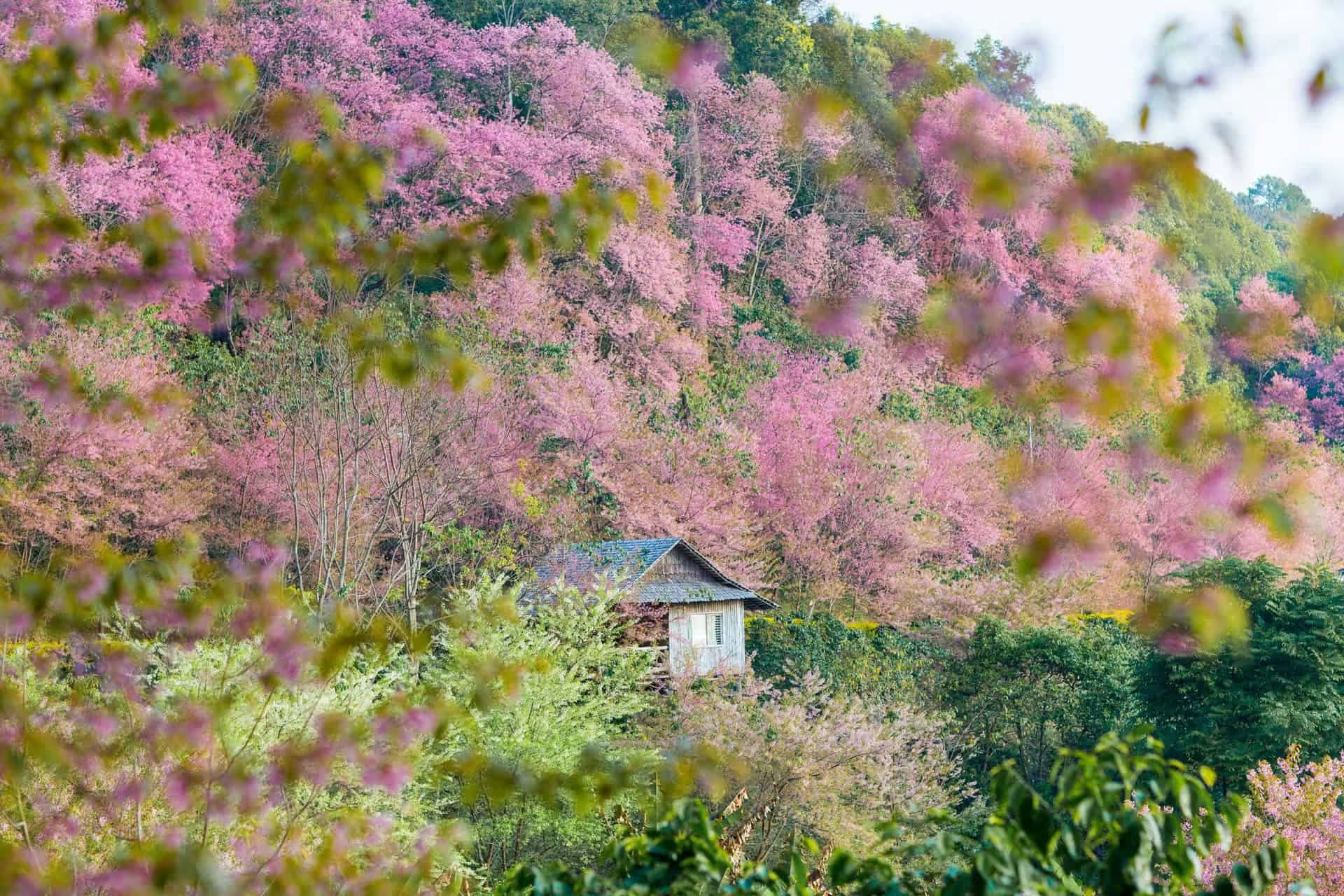
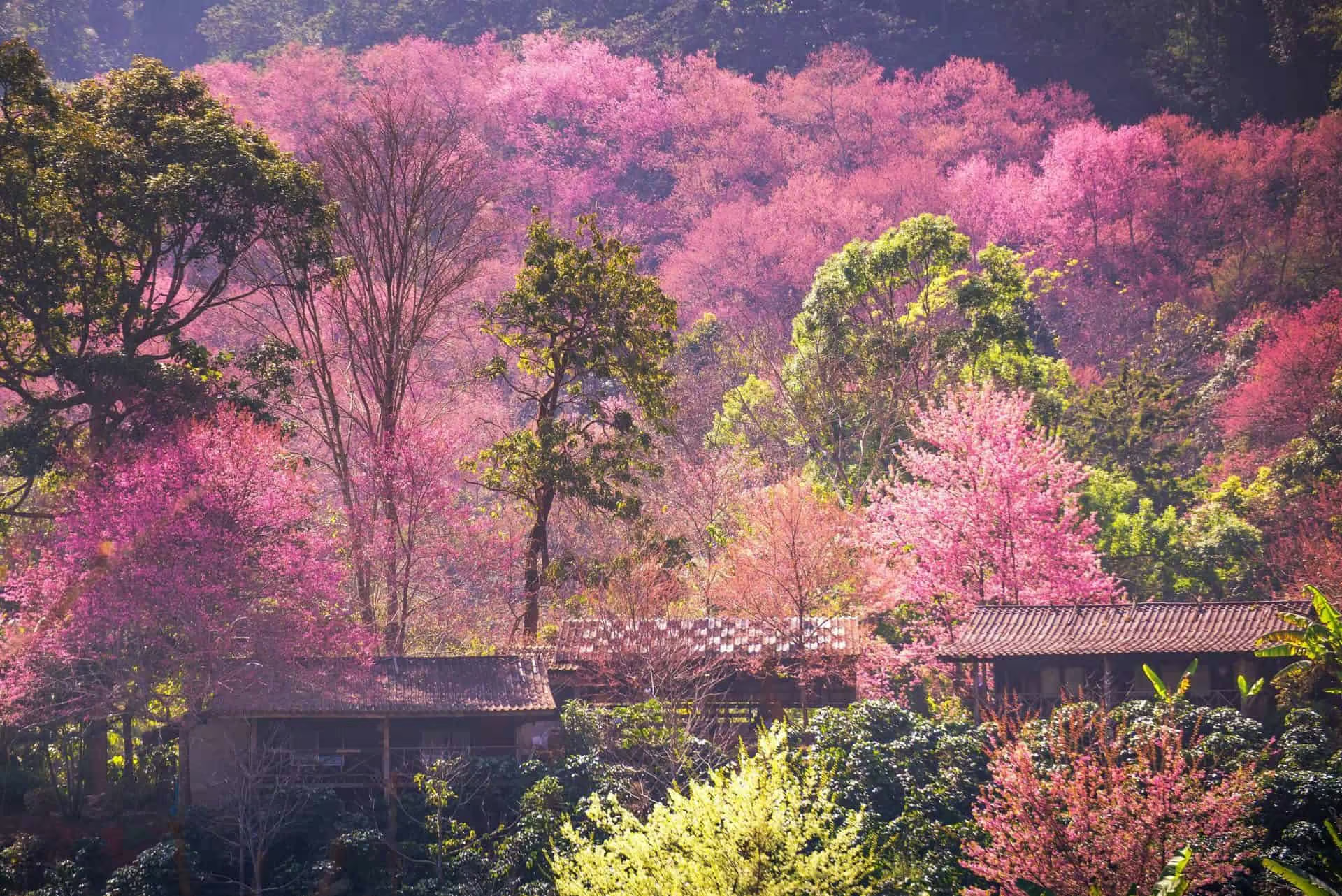
Himalayan cherry blossom at the research station
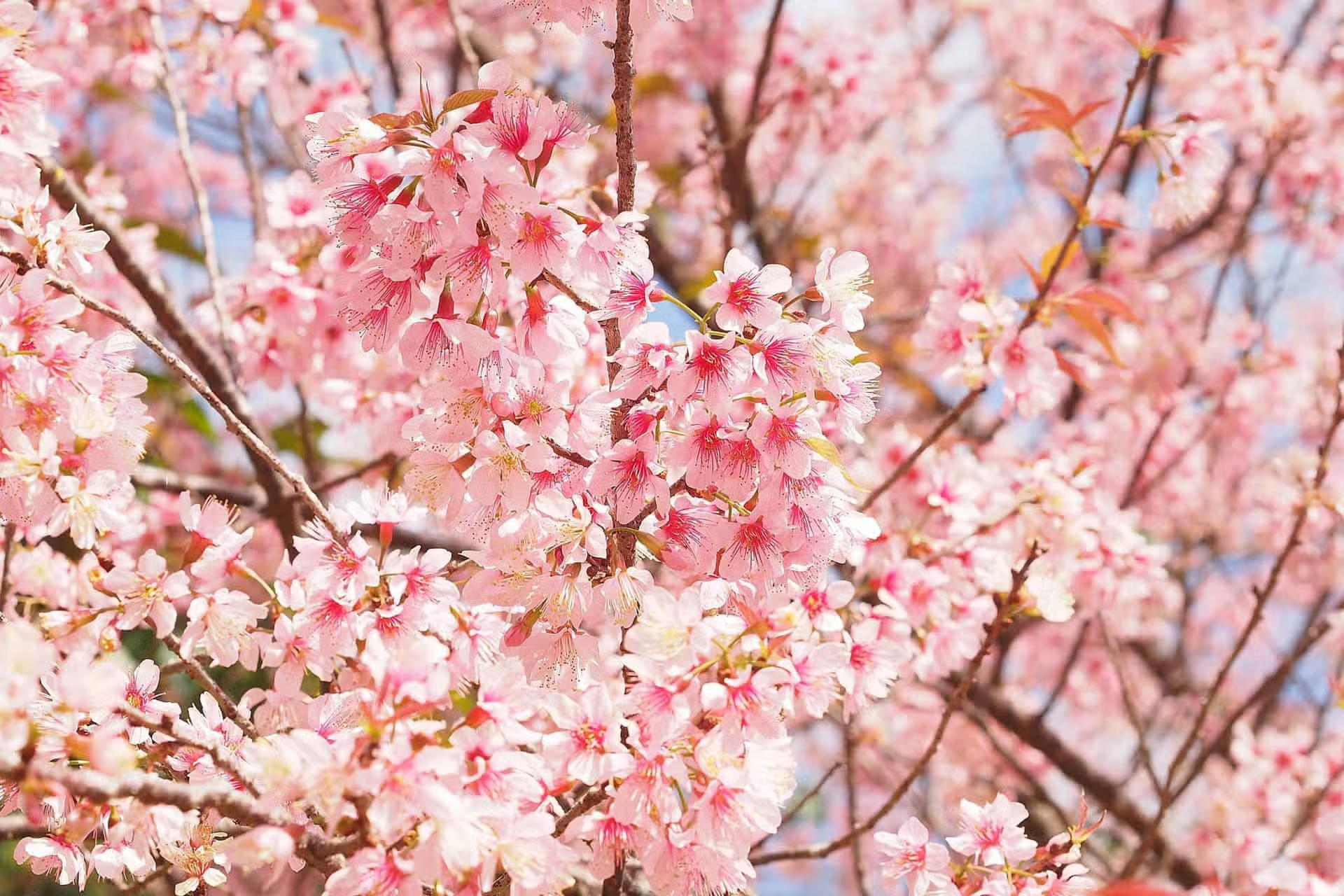
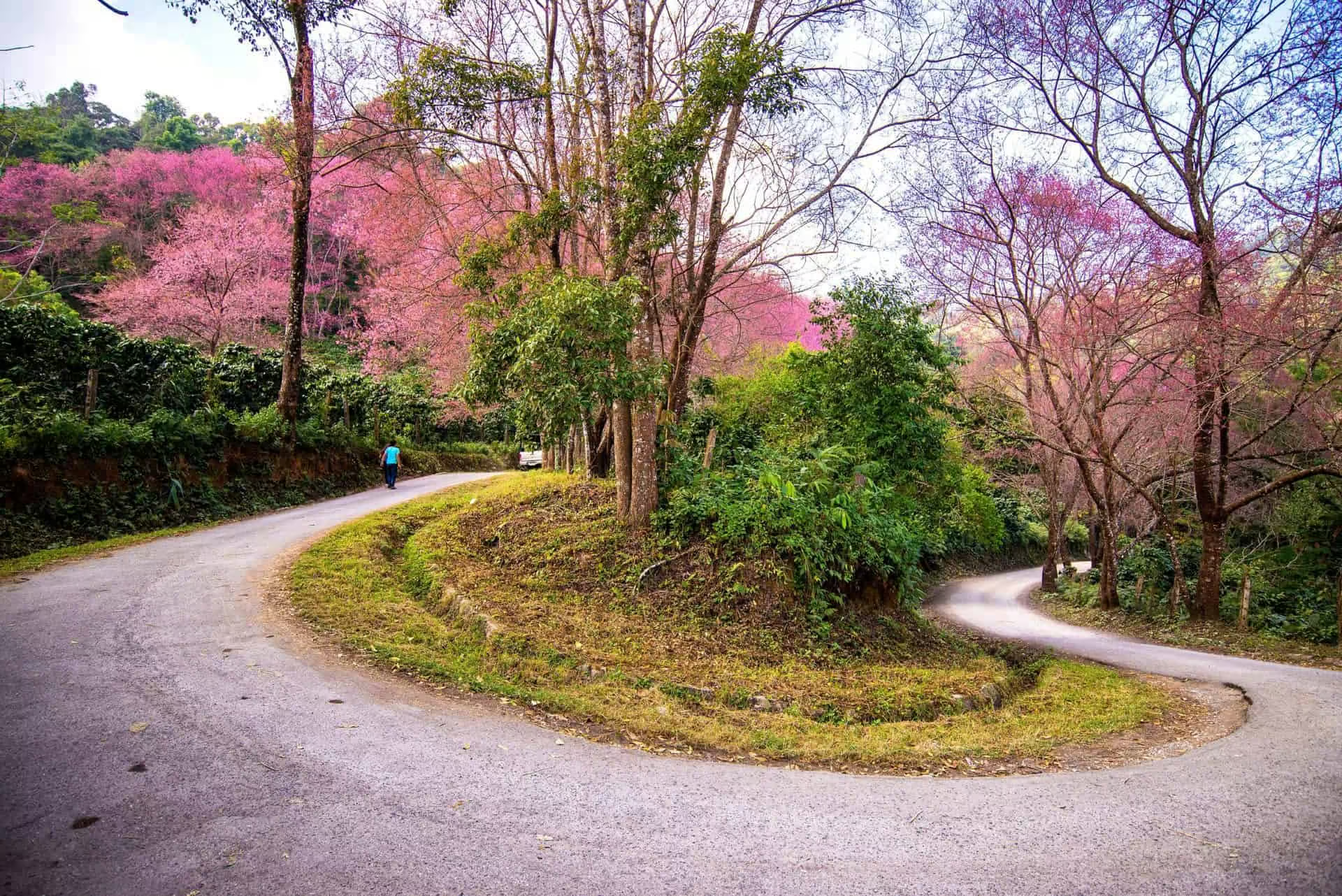
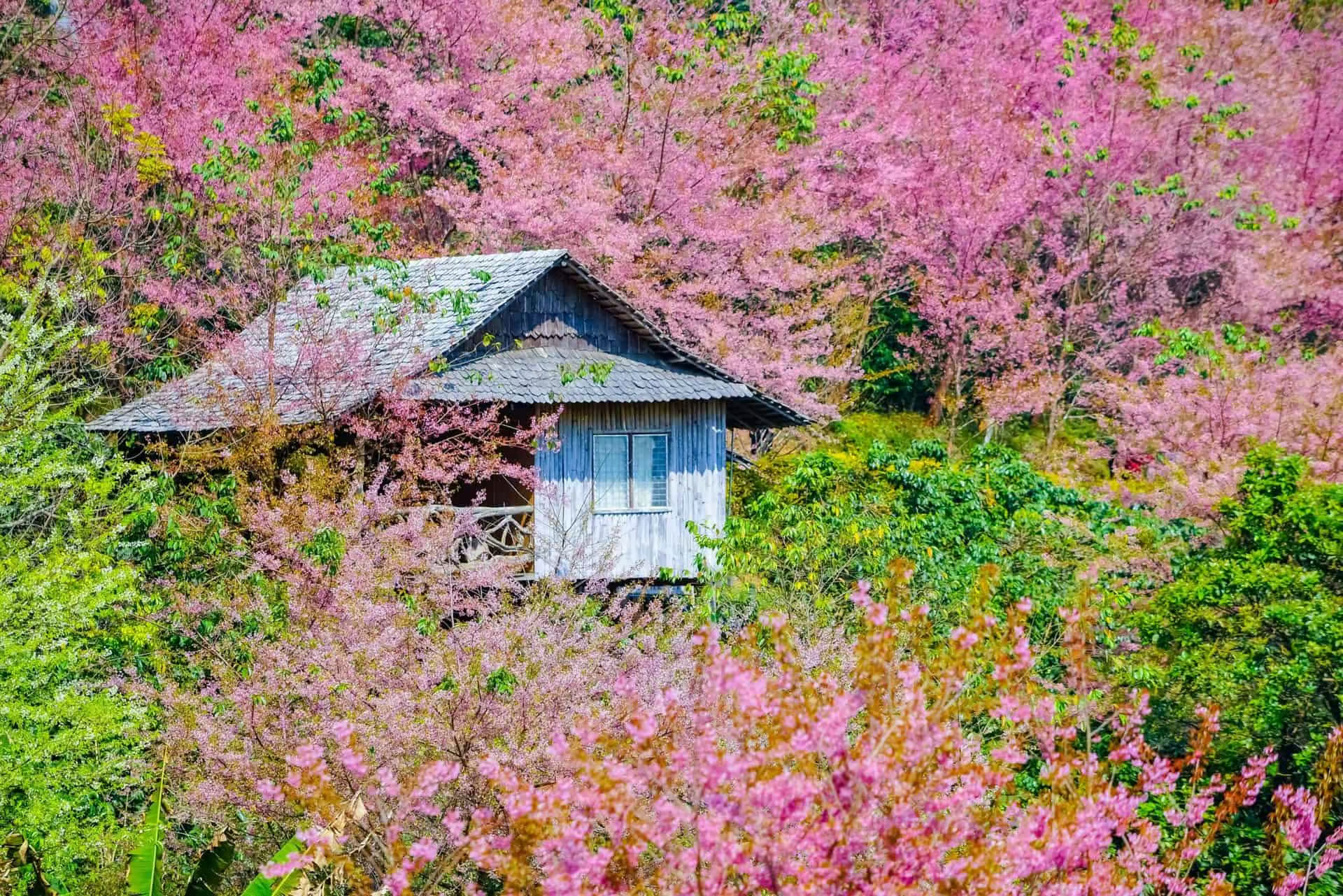
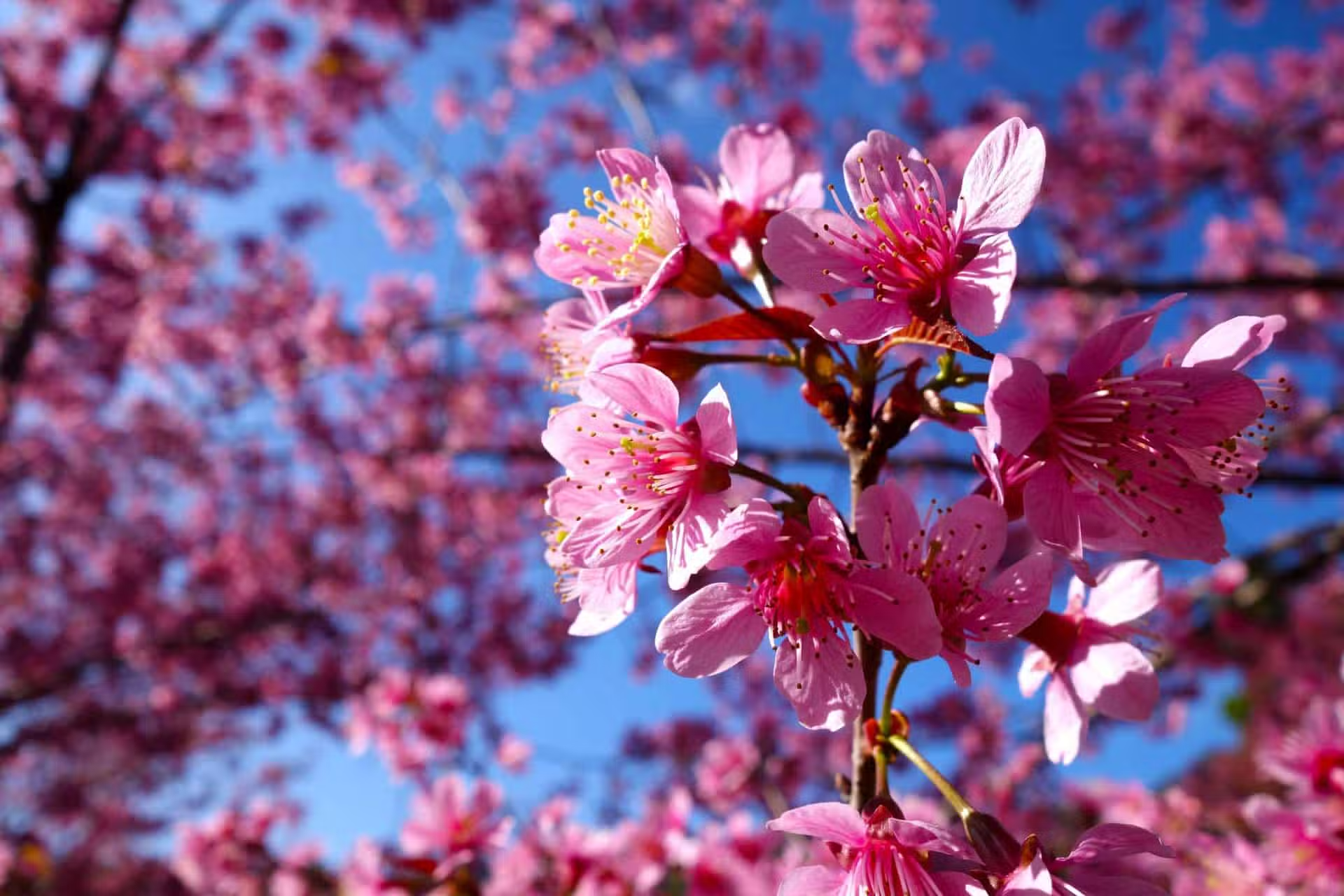
The trees commonly called Thai sakura are Himalayan cherries, known locally as nang phaya suea khrong. When they flower, their pink branches stand out against the forest and agricultural landscape, creating the scene that draws many visitors to Khun Chang Khian.
Choosing the flowering period
January is the usual month to watch for blossom, although flowering can begin earlier or extend later depending on the weather. The best display may last only a short time, so a January booking alone does not guarantee trees in full bloom.
Look for recent photographs and local flowering updates close to your trip. Winter weekends can bring heavy visitor traffic, so an earlier weekday visit may give you more space if your schedule is flexible.
Walking through the visitor areas
Take time to enjoy the trees from the paths and open areas, comparing individual branches with the wider hillside setting. The terrain includes slopes and uneven surfaces, so comfortable footwear helps even on a relatively short walk.
The agricultural station remains a working university facility. Respect closed research plots, follow local signs and leave branches and crops untouched, particularly when trying to frame a photograph.
Coffee, agriculture and village life
The station belongs to Chiang Mai University’s Faculty of Agriculture and supports highland crop research and training. Coffee and temperate fruit trees are part of its agricultural setting, giving the visit a broader context than the winter flowers alone.
A cafe stop is a pleasant way to spend time among the mountain scenery. Coffee and simple refreshments are available in the area, although menus and opening arrangements vary between businesses and seasons.
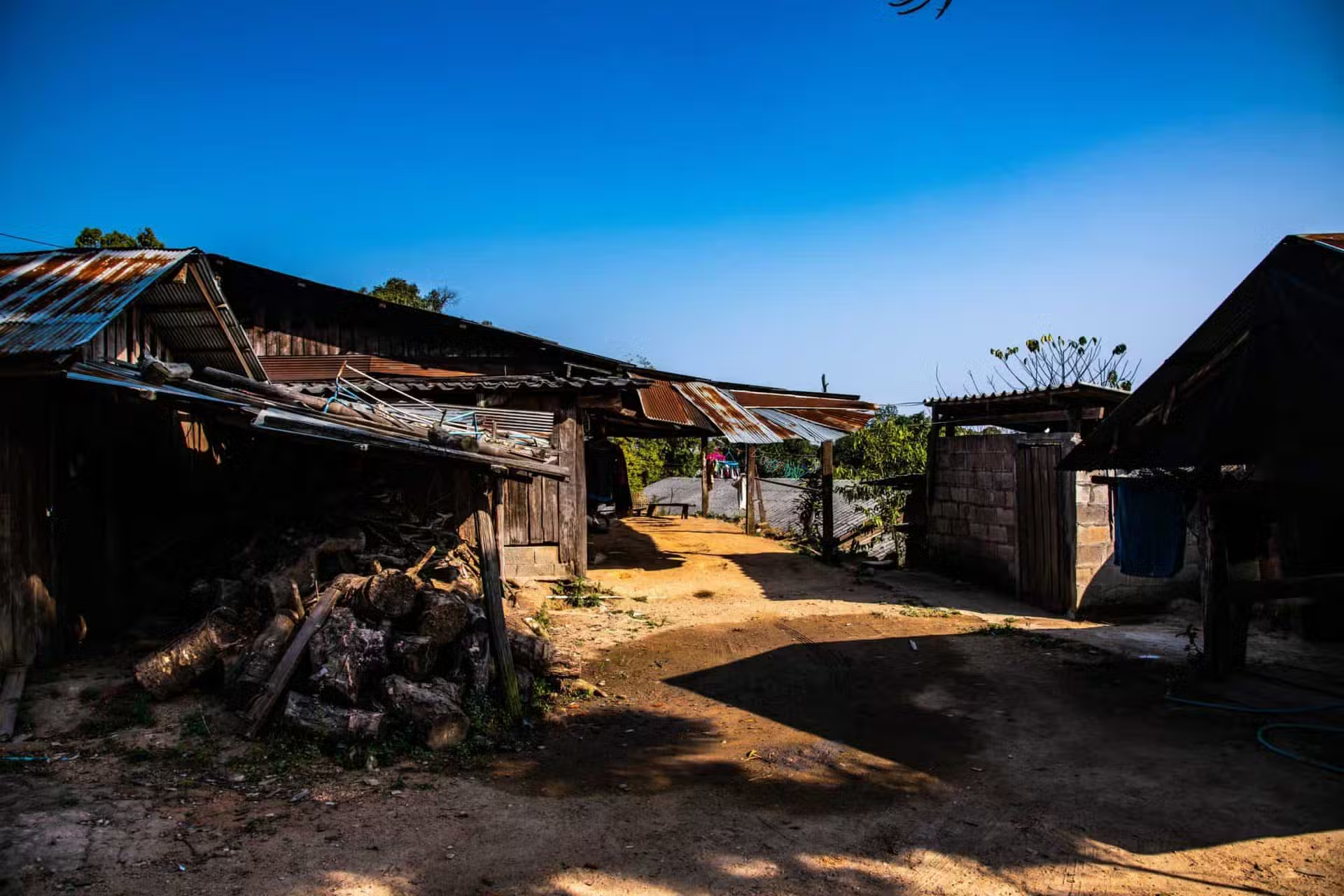
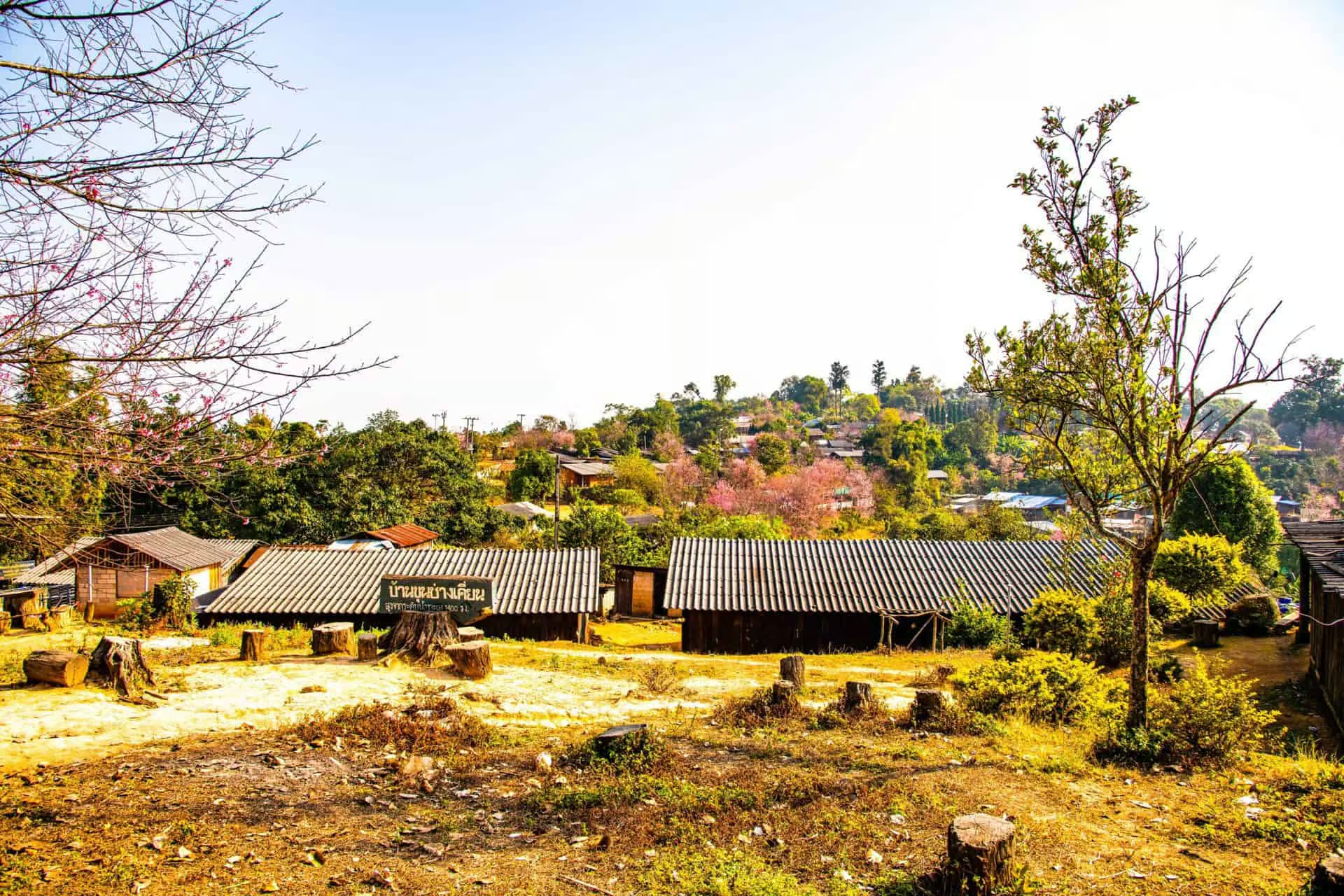
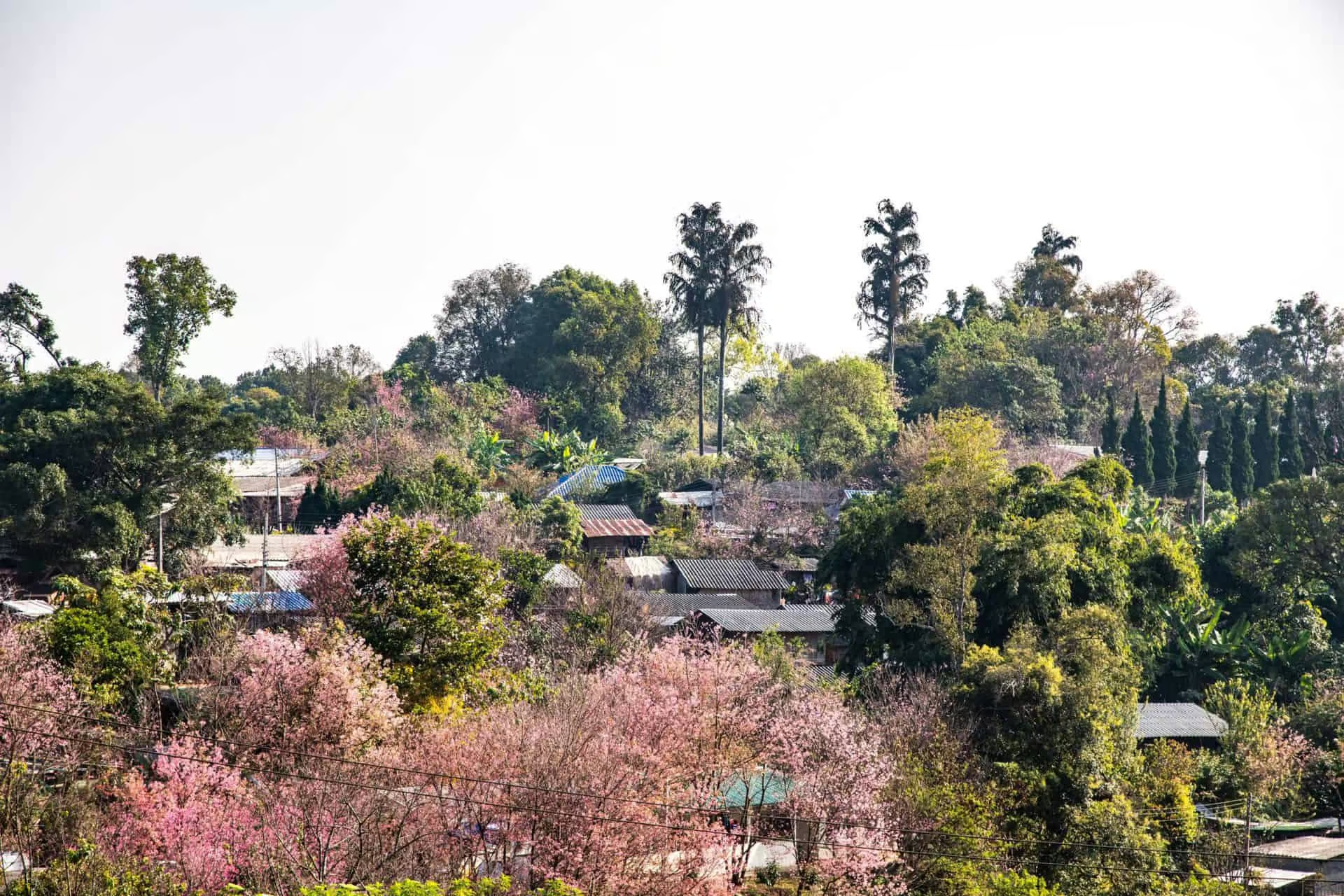
The nearby village of Ban Khun Chang Khian is a Hmong community with its own shops and coffee-growing activity. Walk considerately through public areas and ask before photographing people or entering a private property. A village visit can complement the station, with time to enjoy a drink or browse what local businesses are selling.
Visiting outside blossom season
Outside the flowering period, expect green agricultural slopes and mountain surroundings rather than a pink canopy. A coffee stop and a visit to the village can still make the trip enjoyable, especially if you are already spending time on Doi Suthep and Doi Pui.
Allow roughly one to two hours for the station visitor areas and a cafe or village stop, plus mountain travel time. Bring a light layer for cooler weather and drinking water for walking; mist and rain can affect both the views and the road.
Getting there from Chiang Mai
The usual approach follows Route 1004 up Doi Suthep, continuing beyond Wat Phra That Doi Suthep and Bhubing Palace towards the Doi Pui ridge. Khun Chang Khian is farther along the narrow mountain route, so specify the agricultural station and village when arranging a driver.
A privately arranged songthaew or local driver is practical if you are unfamiliar with the road. Agree on stops, waiting time and the return fare before departure, as a standard trip to Doi Suthep does not automatically include Khun Chang Khian.
Allow around an hour from Chiang Mai in normal conditions, with extra time for blossom-season traffic and sightseeing stops. The final sections have bends and limited passing room, so avoid packing too many attractions into the same outing.
Opening arrangements and costs
Visit during daylight and check current public access to the research station before a special trip. Cafes and village businesses keep their own hours, and some research areas are reserved for university work.
General visitor-area access is usually free, with food, drinks and transport extra. Check any current parking or access charge locally, including separate admission at other Doi Suthep-Pui attractions you add to the route.
Khun Chang Khian FAQs
When do the cherry trees bloom?
January is the usual flowering month, but the start and peak depend on the weather. Check current reports before travelling, because the strongest display can last only a short period.
Is it worth visiting outside January?
The coffee-growing setting, mountain scenery and nearby Hmong village can still make a pleasant outing. Expect agricultural greenery rather than blossom and check which visitor areas and cafes are open.
Is this the same as Doi Pui Hmong Village?
Ban Khun Chang Khian is a separate village farther along the mountain route. Give your driver the exact destination so the trip includes the research station or village you intend to visit.
How long should you allow?
Set aside at least half a day from Chiang Mai for the mountain drive, walking and a refreshment stop. Add more time if you also want to visit Doi Suthep or other attractions along the route.
Do you need your own vehicle?
You can arrange a local driver or charter a songthaew for the round trip. Agree on the final destination, waiting time and fare before setting out, especially during blossom season.









Do You Have a Question to Ask?