


















































A Chiang Mai massage can be a welcome pause between temple walks, shopping and time on the road. The city offers everything from straightforward neighbourhood shops to spas with private treatment rooms and longer packages. Choosing a treatment involves more than comparing the cheapest sign: the technique, session length, pressure and setting all affect the experience.
Traditional Thai massage, foot massage and oil treatments are widely available around the Old City, Night Bazaar and Nimman area. Decide whether you want a short seated session or a booked spa visit, then compare the actual menu and facilities. Prices and opening hours belong to individual businesses rather than to one citywide service.
Choosing a Massage Style
Traditional Thai massage combines pressure with assisted stretches, usually while you wear loose clothing provided by the shop. It is commonly performed without oil and can involve positions that are more active than lying still on a treatment table. Ask for gentle pressure if you are new to the technique, and tell the therapist which movements you do not want.
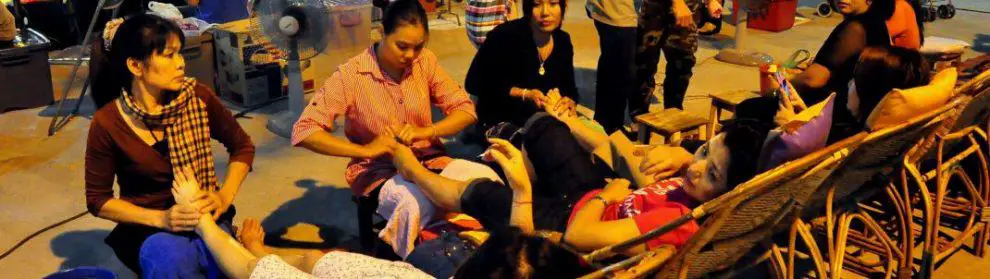
Foot massage is often offered in a reclining chair and can suit a shorter break. Check whether the menu includes only the feet and lower legs or also some shoulder work, and choose a duration that fits your plans. A public seating area has a different level of privacy from a separate spa room.
Oil and aromatherapy massages generally use smoother strokes on exposed skin, with towels or other coverings provided. Ask what products will be used if you have sensitive skin or fragrance allergies. A herbal-compress treatment uses a warmed herb-filled pouch, while Tok Sen is a northern Thai technique involving rhythmic tapping with wooden tools; discuss the sensation and pressure before choosing either.
What a Chiang Mai Massage Costs
For a straightforward one-hour Thai or foot massage, a useful planning budget is around 300 to 500 baht at many ordinary shops. Day-spa and hotel treatments can cost substantially more, particularly for oil massage, private facilities or a longer package. Treat these figures as a starting budget and compare current menus for the specific session you want.
For an example of the spa end of the range, Fah Lanna’s Nimman menu lists a two-hour combination of foot and traditional Thai massage at 1,600 baht, with other two-hour packages priced higher. That branch asks for advance reservations and a minimum treatment duration of two hours. A package of that length should not be compared directly with the price of a one-hour neighbourhood treatment.
Before paying, confirm the duration, technique, total charge and whether taxes or service charges are included. Promotional offers can apply to a particular branch, time or booking channel. Do not assume that a sign advertising a short foot session is quoting the price of a full-hour Thai massage.
An optional tip should be based on your preference and the service received, rather than treated as a fixed admission fee. Carry enough cash if using a small shop, while larger spas may accept cards. Check payment arrangements before the session begins.
Where to Look and When to Book
The Old City has numerous massage shops within walking distance of its main temple streets and gates. The Night Bazaar area offers choices that can fit around evening shopping, while Nimman and hotel districts include spas suited to a planned appointment. A neighbourhood label alone does not establish the price or quality of an individual venue.
Some businesses accept walk-ins, but available therapists, rooms and appointment lengths vary. Book ahead for couples, larger groups, longer packages or a particular therapist. If you want a private room, ask specifically rather than assuming that any shop advertising massage has one.
Seated treatments sometimes appear around walking-street markets. These can be convenient for a brief stop, but check the operator, cleanliness, posted duration and price as you would elsewhere. A stall’s outdoor setting and short menu are different from a private spa appointment, and its availability depends on the market that evening.
Before and During Your Treatment
Look for a clean space, fresh linen, a clear menu and staff who can explain the treatment. Check the practitioner’s training or displayed qualifications and ask questions before starting. Recent reviews can help you understand the setting, but they should not replace a conversation about your own needs.
Tell the therapist about relevant injuries, painful areas, recent surgery and other health concerns. If you are pregnant or have a condition that may make pressure or stretching unsuitable, ask your healthcare professional what is appropriate before booking and choose a practitioner trained for your circumstances. A holiday massage should not be used to diagnose an injury or replace medical care.
Agree on a comfortable pressure at the start and speak up during the session. Pain is a reason to ask for a change or stop, rather than something you must endure for the treatment to work. You can decline a stretch, neck manipulation, hot product or any other element you are uncomfortable with.
Allow a little time for changing and checking in around the advertised treatment length. Traditional Thai massage generally keeps you clothed, while an oil treatment requires different preparation and covering. Ask staff to explain those arrangements so the session begins with clear expectations.
Chiang Mai Massage FAQs
How much should I budget for a massage?
Around 300 to 500 baht is a useful starting budget for a basic one-hour Thai or foot massage at many ordinary shops. Spas, hotel venues and longer packages can cost much more, so confirm the current menu and total charge before starting.
What is the difference between Thai and oil massage?
Traditional Thai massage generally uses pressure and assisted stretches while you wear loose clothing, without oil. Oil massage uses products on exposed skin with covering provided, and commonly involves smoother strokes rather than the same sequence of stretches.
Do I need to book?
Some shops accept walk-ins, but a place is not guaranteed. Book ahead for longer spa packages, private rooms, couples or groups, and check whether the branch has a minimum treatment duration.
Can I request a gentle massage?
Yes. Explain the pressure you prefer and any areas or movements to avoid before the therapist begins. Speak up during the session if the pressure becomes uncomfortable, and stop a movement that causes pain.
Where can I find massage shops?
The Old City, Night Bazaar and Nimman area all have options, along with neighbourhood businesses and hotel spas. Compare the individual menu, setting and qualifications rather than assuming every shop in one district offers the same experience.
Should I tell the therapist about an injury or pregnancy?
Yes. Discuss relevant health concerns before booking, and seek advice from your healthcare professional if you are unsure whether massage, pressure or stretching is appropriate. Choose a practitioner trained for your circumstances and do not use massage as a substitute for medical assessment.
Do I stay clothed during a Thai massage?
Traditional Thai massage is usually performed in loose clothing, often supplied by the shop. Oil treatments use a different arrangement with covering, so ask staff about changing and privacy before the session.









Do You Have a Question to Ask?