
































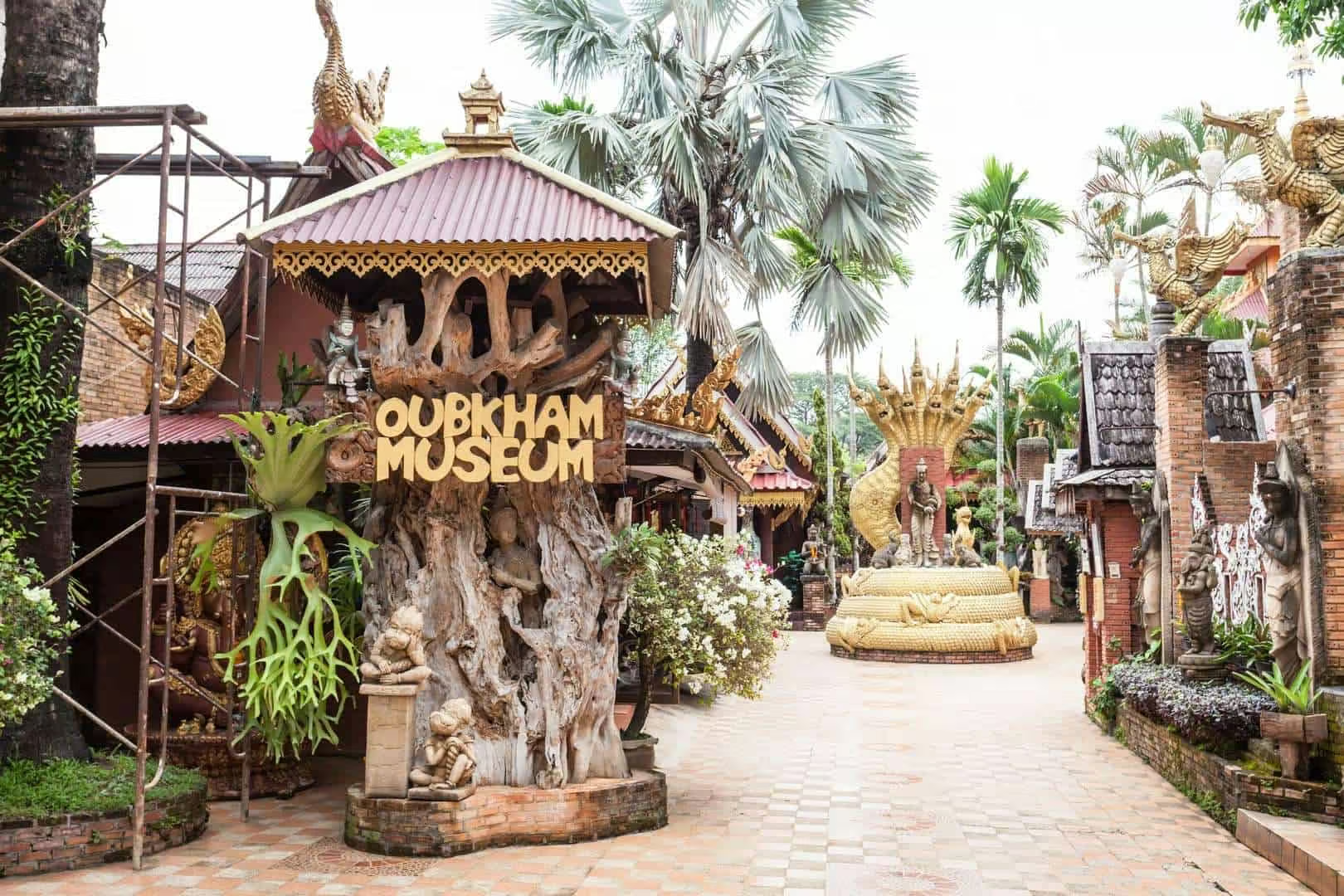
Oub Kham Museum is a privately established collection in Chiang Rai’s Den Ha area, with royal objects, textiles, silverwork and religious art connected to Lanna and neighbouring Tai cultures. Founder Julasak Suriyachai assembled the collection to present regional heritage that extends beyond the borders of present-day northern Thailand.
A visit combines closely arranged indoor displays with garden courtyards and sculptural details. The objects are often easier to understand with a guide explaining their use and origins, so this museum suits visitors who want context for court dress, ceremonial furnishings and decorative craft rather than only a quick look at attractive antiques.
Royal Objects and Regional Connections
The throne associated with Kengtung, in present-day Myanmar, is one of the collection’s principal highlights. It provides a striking example of the ceremonial setting of a regional court, while helping explain the connections between Lanna and neighbouring Shan and Tai communities. Take time to distinguish where objects came from rather than assuming everything represents a single Chiang Rai royal household.
Costumes, jewellery, silverwork and vessels broaden that picture of court life. Their importance lies in materials, workmanship and purpose as much as their decorative appearance. Ask how a particular object was used and whether it belonged to a ceremonial, religious or everyday setting; the differences make the collection more meaningful.
The museum takes its name from a distinctive container associated with serving food to rulers or senior monks. The gilded bamboo form shows how a practical vessel could become a richly decorated ceremonial object. Ask your guide about its construction and surface finish, as well as its role in serving food.
Textiles, Buddhist Images and the Courtyards
Textiles are another important part of the collection, including examples of elaborate regional dress and woven cloth. Look at patterns, the use of colour and how a garment was worn, rather than reading all displayed clothing as interchangeable traditional costume. The museum’s regional scope helps show both shared traditions and local differences.
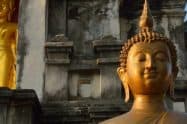
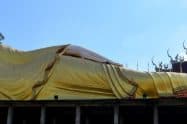
Buddhist images and religious objects add another strand to the visit. These displays sit alongside courtly and domestic material, reflecting the close relationship between patronage, ritual and craft in the region. A guide can help identify the function of an object that might otherwise look like a decorative accessory.
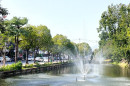
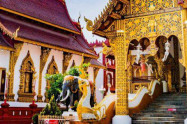
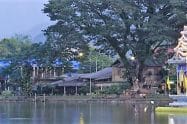
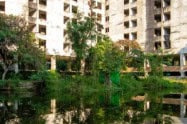
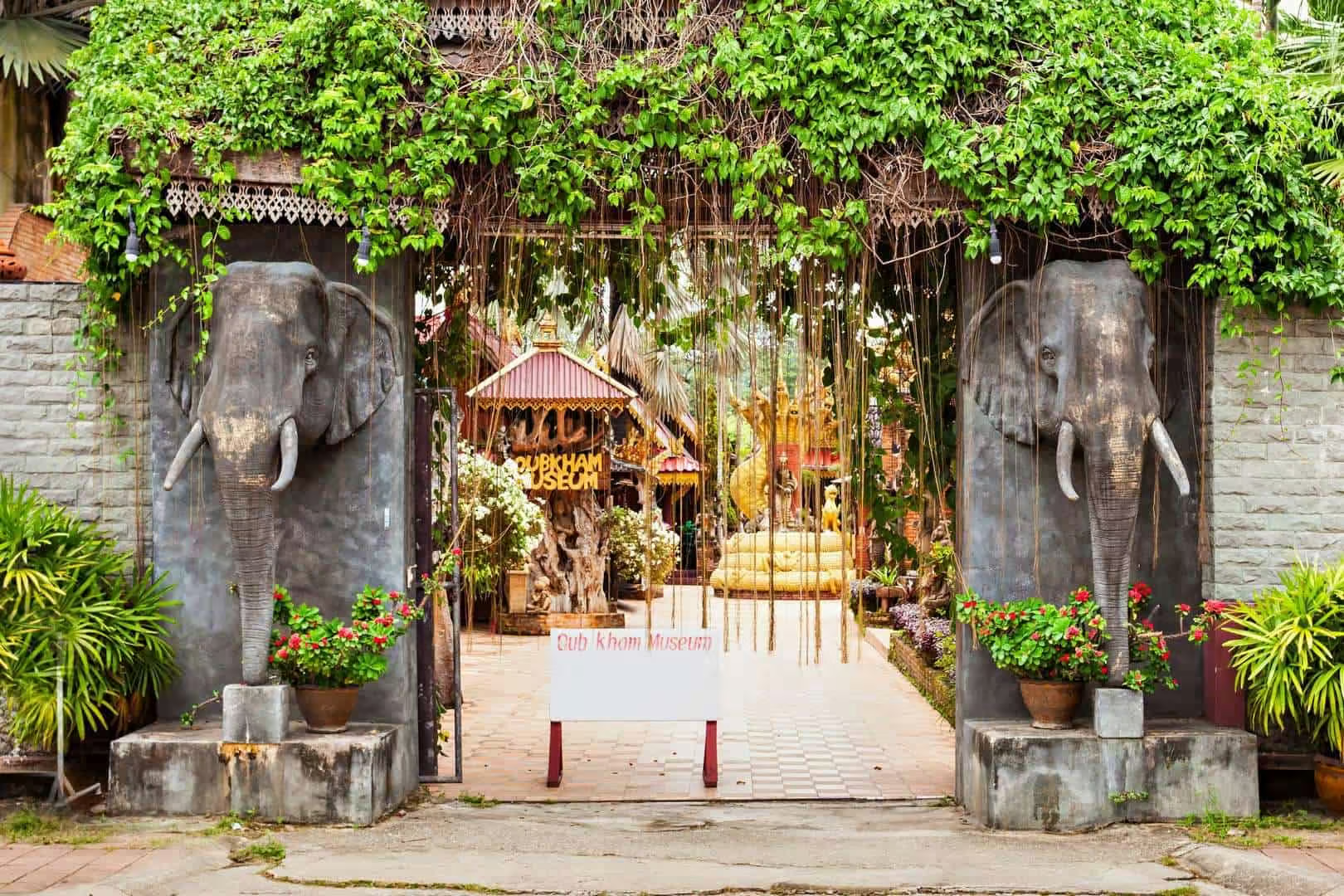
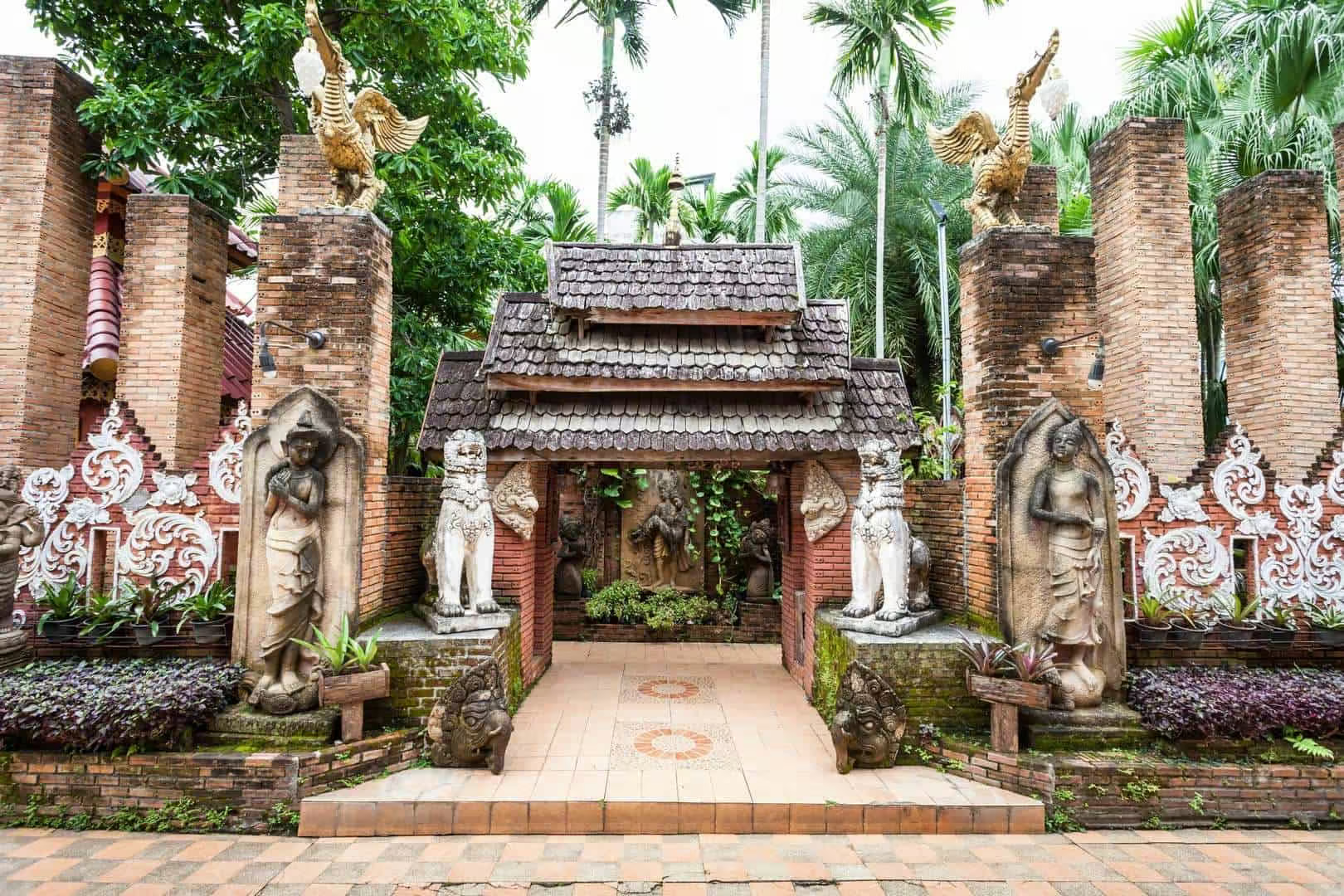
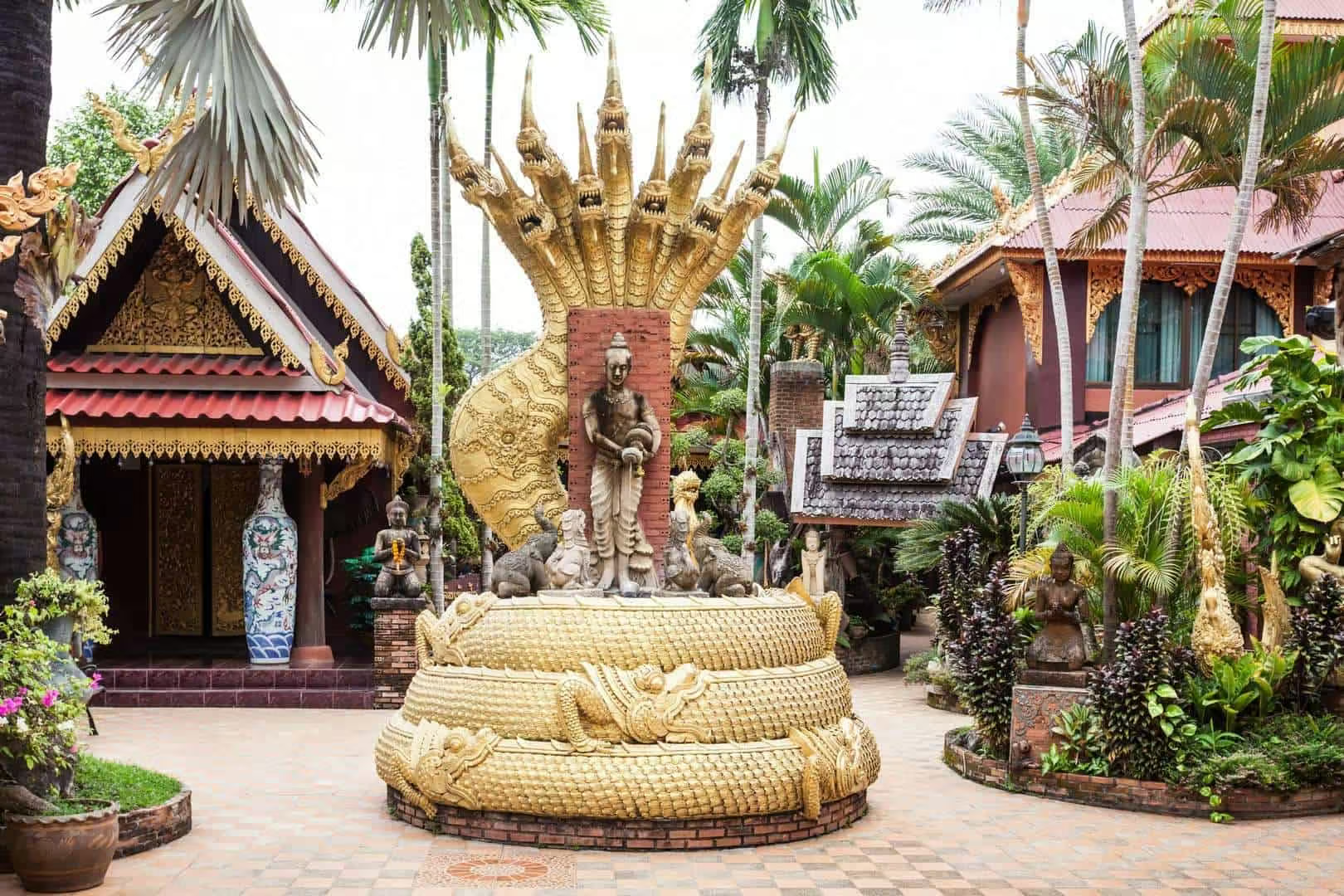
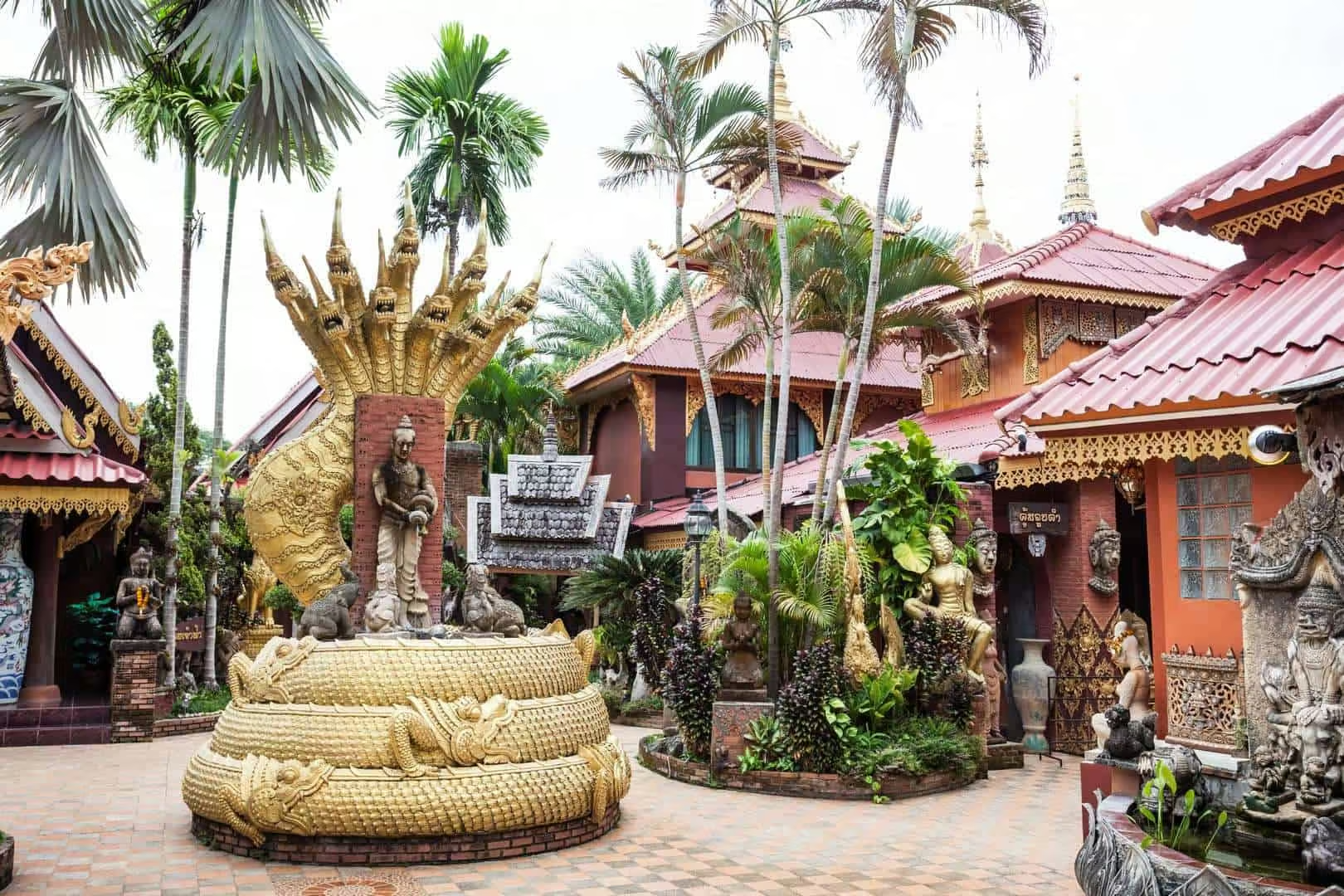
Garden areas and courtyards break up the indoor rooms, with sculptural decoration and water features contributing to the setting. Pause outside between displays if the collection feels dense. Do not assume that every outdoor feature is an antique or has the same historical significance as an object identified within a gallery.
Guided Visits and Photography
Visits normally involve guidance through the collection. Ask about the next tour and whether English-language explanation is available when arranging your visit, especially if arriving with a group. A guide’s availability is more important here than reaching the gate with only a few minutes before closing.
Allow about an hour, with additional time if you enjoy discussing textiles and decorative arts. The number of rooms does not tell the whole story: explanations can turn a small display into the most interesting part of the visit. Let the museum set the route and avoid handling objects or opening cabinets.
Interior photography is restricted, so follow the signs and your guide’s directions rather than assuming a phone camera is exempt. Outdoor photographs may be possible where permitted. Ask before photographing staff or other visitors and keep an indoor visit focused on the collection.
Hours, Admission and Arrival
Plan around the museum’s usual 8am to 5:30pm visiting day and confirm the final guided entry time before travelling. Arriving comfortably before late afternoon gives the museum time to arrange a proper visit. Holidays and private arrangements can affect the last tour.
Budget around 300 baht for a foreign adult. Thai-national and child rates differ, so confirm the applicable category directly with the museum rather than applying the adult figure to everyone. Admission to this private collection is separate from transport and from any other Chiang Rai museum or temple you visit that day.
Oub Kham Museum is at 81/1 Na Khai Road, Rop Wiang, near Den Ha Market, west of central Chiang Rai. Use the museum’s name and street address when arranging a taxi or driver. It is a separate destination from Baan Dam Museum, the Black House complex north of the city.
Oub Kham Museum FAQs
What is the main attraction at Oub Kham Museum?
The Kengtung throne is a major highlight, alongside court objects, textiles, silverwork and religious art. The museum’s value comes from understanding the regional connections and uses of the collection, so allow time for the explanations.
How much does admission cost?
A foreign adult should budget around 300 baht. Child and Thai-national rates are separate categories; confirm the museum’s current tariff when arranging a tour rather than assuming one adult price applies to every visitor.
Do I need to book a guided visit?
Contact the museum on 053 713 349 ahead if you need English-language guidance, are bringing a group or have a specific arrival time. Visits normally involve a guide, and the final tour may begin before the general closing time.
Can I take photographs inside?
Interior photography is restricted. Follow the museum’s signs and guide’s instructions, and ask which outdoor areas may be photographed rather than assuming the same rules apply throughout the property.
How long does a visit take?
Allow about an hour for the displays and their explanations, with extra time for detailed questions or a pause in the courtyards. Arriving near closing may not leave enough time for the full guided route.
Is Oub Kham Museum the same as the Black House?
No. Oub Kham Museum is near Den Ha Market west of central Chiang Rai and focuses on regional heritage collections. Baan Dam Museum, commonly called the Black House, is a separate art and architectural complex north of the city.






Do You Have a Question to Ask?