








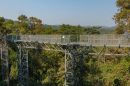




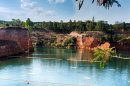




















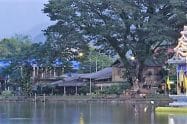

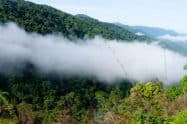












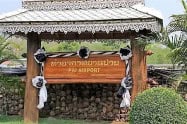
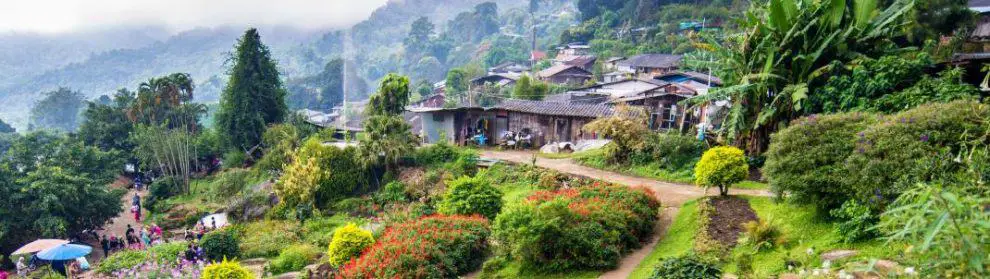
Doi Suthep-Pui National Park rises immediately west of Chiang Mai, covering forested mountains, waterfalls, viewpoints, temples and hiking trails within easy reach of the city. Its best-known landmark is Wat Phra That Doi Suthep, but the park extends much further across Doi Suthep and Doi Pui and includes several worthwhile nature areas.
The park covers approximately 257 square kilometres, with elevations reaching 1,685 metres at Doi Pui. Lower slopes contain deciduous forest, while cooler evergreen forest dominates the higher elevations. This changing landscape supports extensive plant life, hundreds of bird species and wildlife that is rarely seen around the busier visitor areas.
Most visitors explore the park as a half-day or full-day trip from Chiang Mai. A temple-focused visit can be completed in several hours, while seeing waterfalls, Doi Pui, and the higher mountain areas takes most of the day.
Things to See in Doi Suthep-Pui National Park
Doi Suthep-Pui is not a single fenced attraction with one entrance. Its visitor sites are spread along mountain roads and trails, with separate opening hours and access arrangements.
Popular places include Wat Phra That Doi Suthep, Wat Pha Lat, Bhubing Palace, Doi Pui Hmong Village, Monthathan Waterfall, Huay Kaew Waterfall and the forest trails around Doi Suthep and Doi Pui.
Trying to see everything in one short visit is unrealistic. First-time visitors often combine Wat Phra That Doi Suthep with one or two nearby attractions, while hikers may spend most of the day on a single trail.
Wat Phra That Doi Suthep
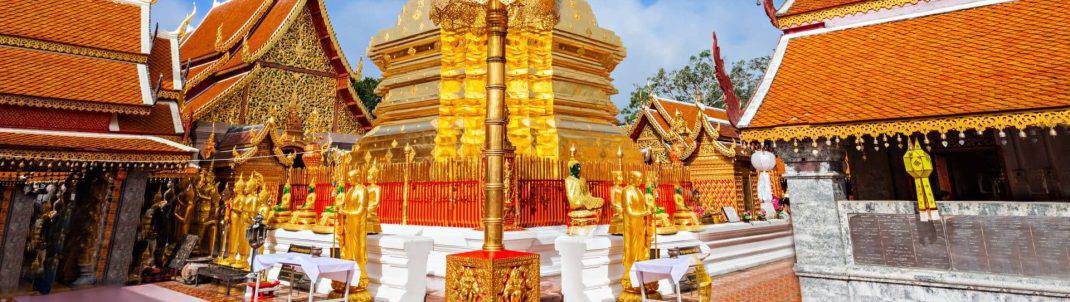
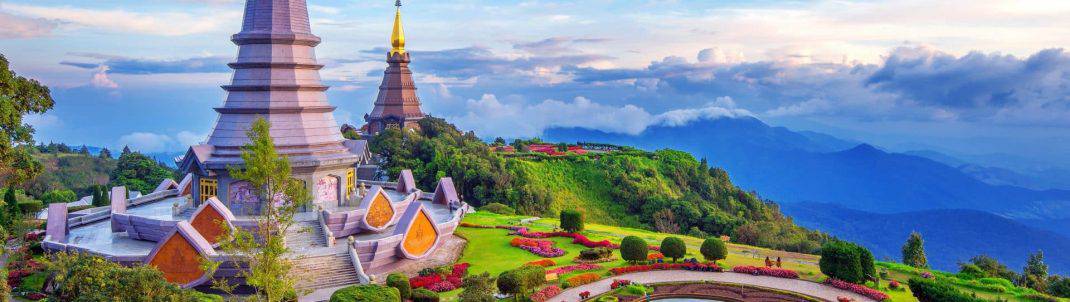
Wat Phra That Doi Suthep is the park’s most famous attraction and one of northern Thailand’s most sacred Buddhist sites. The temple stands at an elevation of more than 1,000 metres and overlooks Chiang Mai and the surrounding plains.
Visitors reach the upper terrace by climbing 309 steps bordered by naga balustrades or by using the funicular. The complex contains a golden chedi, shrines, bells, religious artworks and viewpoints.
Modest clothing is required. Cover your shoulders and knees, and remove your shoes before entering the principal temple terrace. The temple remains an active place of worship, so visitors should speak quietly and avoid interrupting ceremonies.
National park admission does not include every charge associated with the temple. Separate foreign visitor and funicular fees may apply.
Wat Pha Lat and the Monk’s Trail
Wat Pha Lat is a peaceful forest temple below Wat Phra That Doi Suthep. Its buildings, shrines and pathways are arranged among trees, rocks and small streams, creating a quieter experience than the more heavily visited mountaintop temple.
The lower section of the Monk’s Trail leads from near Chiang Mai University to Wat Pha Lat. This is the most accessible and popular part of the walk and generally takes around 45 minutes each way, depending on fitness and trail conditions.
The trail continues above Wat Pha Lat towards Wat Phra That Doi Suthep, but the upper section is steeper and includes a road crossing. Hikers should wear proper footwear, carry water and avoid starting late in the day. Conditions become slippery during rain.
Do not attempt longer, more remote routes within the national park without reliable navigation or local guidance. Many tracks intersect, and not all are clearly signposted.
Waterfalls
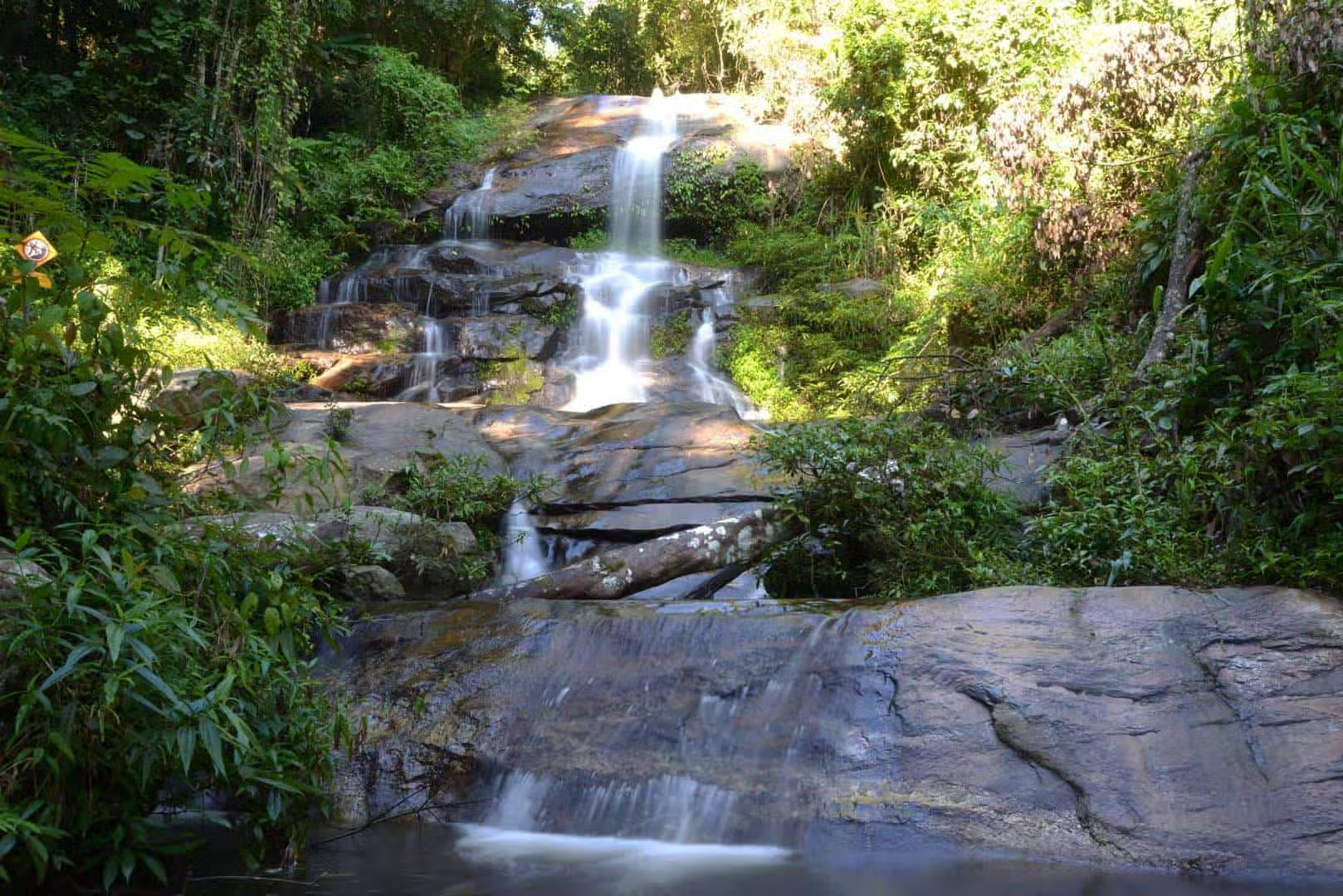
Several waterfalls are found throughout Doi Suthep-Pui National Park. Water levels are strongest during and shortly after the wet season, although heavy rainfall can also cause temporary closures.
Huay Kaew Waterfall is one of the easiest to reach, located near the lower entrance to the Doi Suthep road. Short walking paths connect the waterfall with nearby viewpoints and forest areas.
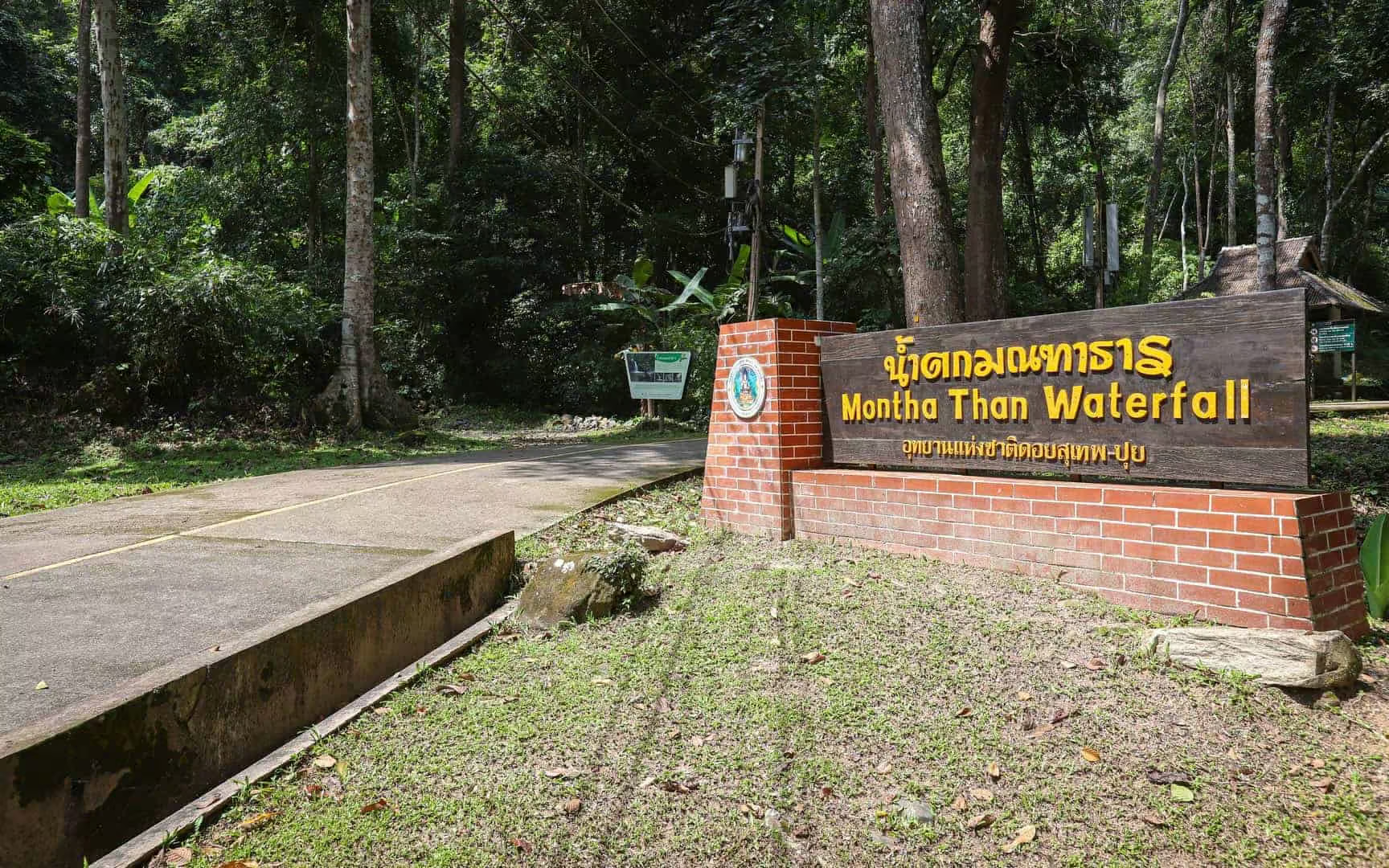
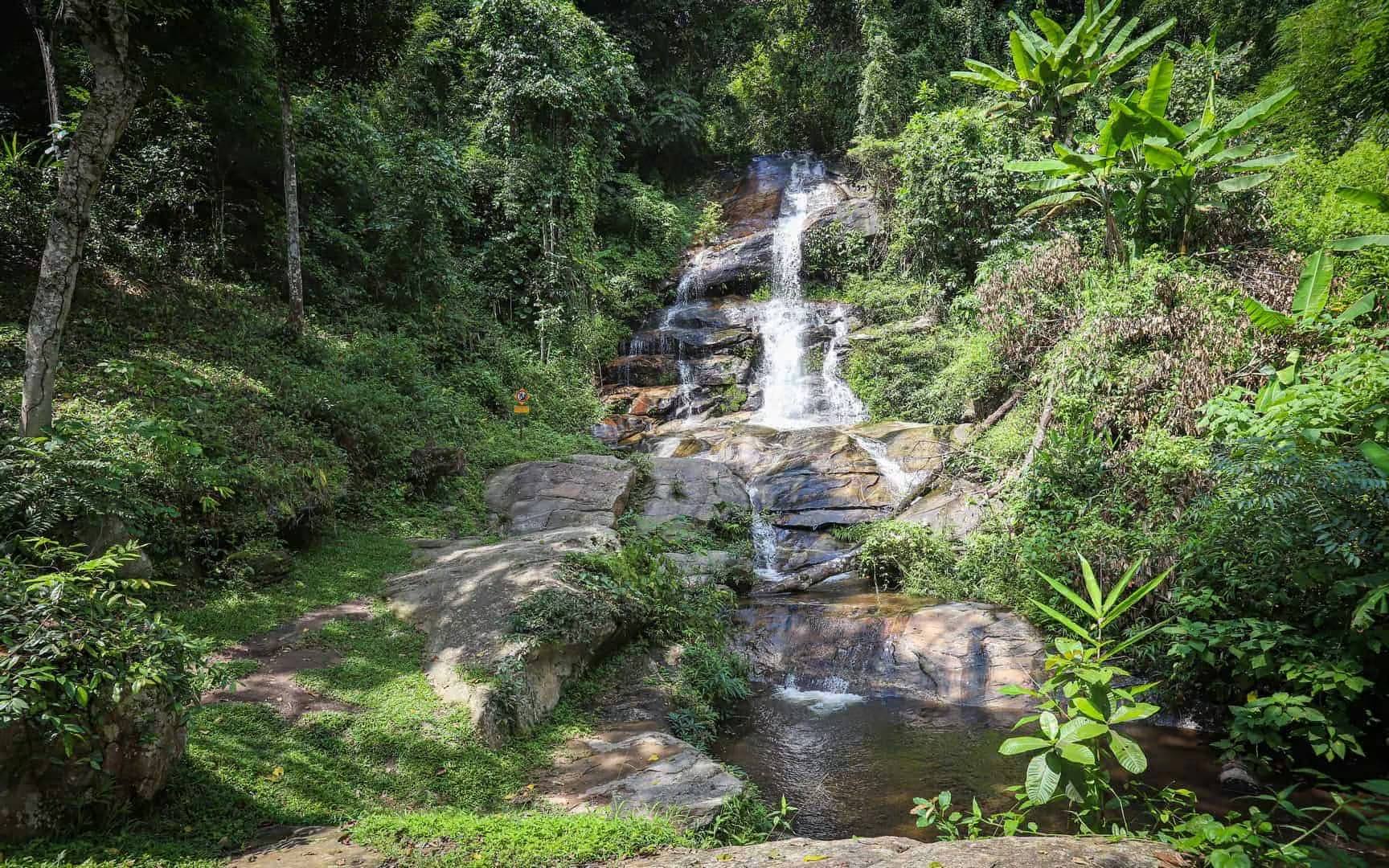
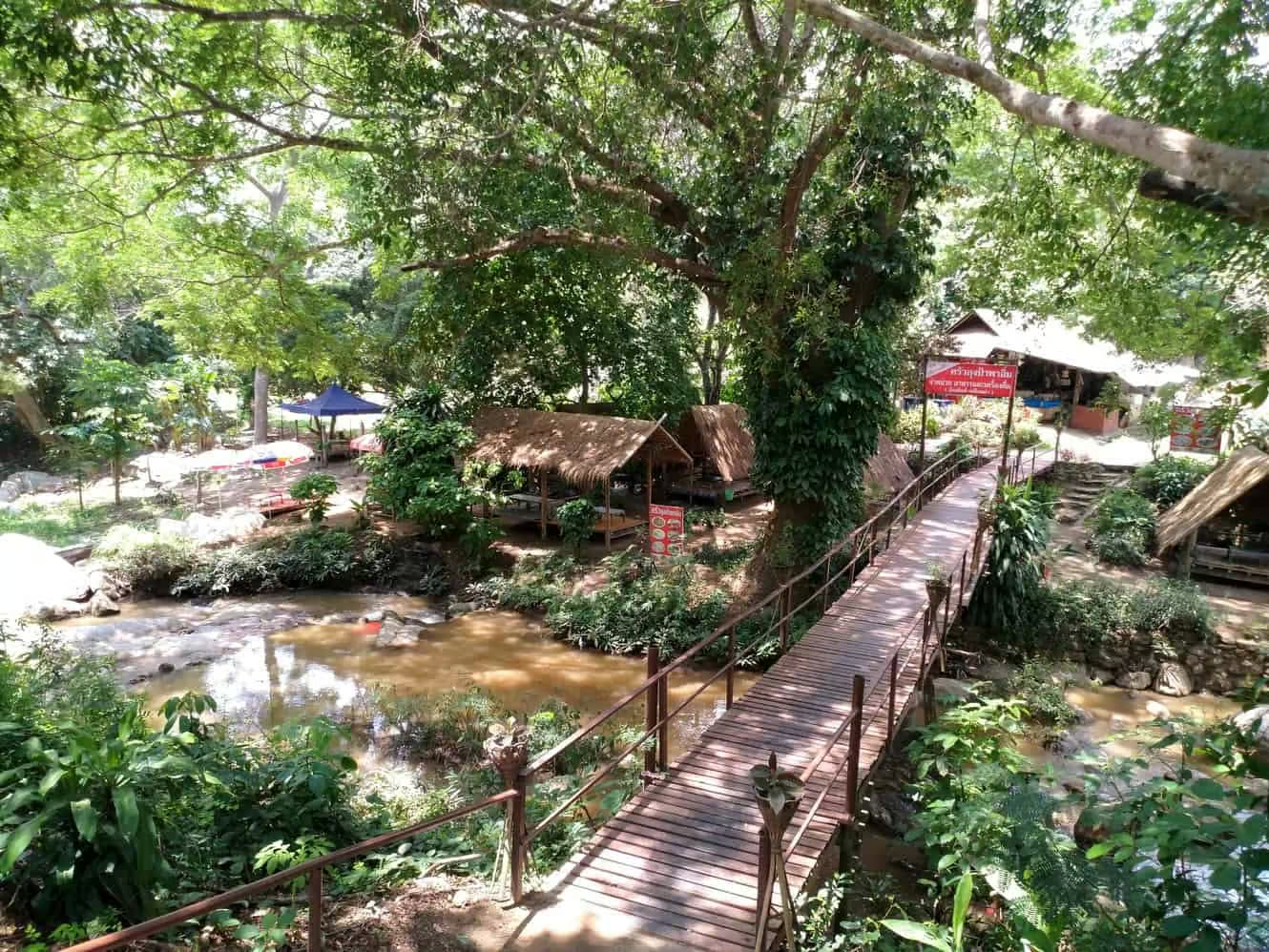
Monthathan Waterfall is reached by a side road further into the park. The area includes a multi-tiered waterfall, forest trails, visitor facilities and camping. National park admission is collected here.
Mok Fa Waterfall is also part of Doi Suthep-Pui National Park but lies in a separate northern section near the Chiang Mai-Pai road. Plan it as a separate excursion rather than casually combining it with Doi Suthep temple.
Waterfall rocks and paths can be extremely slippery. Visitors should obey closure notices and never enter restricted areas during floods or heavy rain.
Bhubing Palace
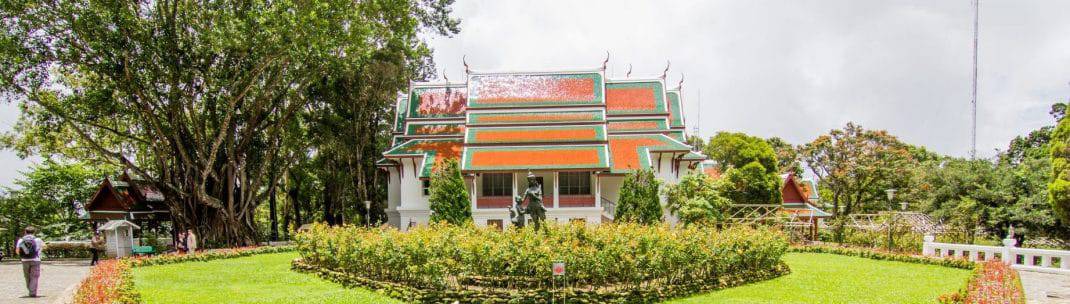
Bhubing Palace, also known as Phu Phing Palace, is a royal residence approximately four kilometres beyond Wat Phra That Doi Suthep. When open to the public, visitors can explore landscaped grounds known for roses, temperate plants and cool mountain surroundings.
The palace may close when required for royal use, and public opening hours can change at short notice. Visitors should confirm access before travelling specifically for the palace. Modest clothing is required.
Doi Pui and the Hmong Village
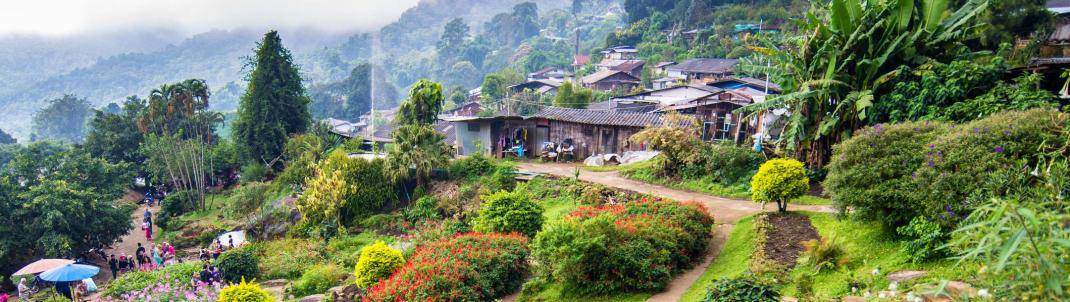
The road continues beyond Bhubing Palace towards Doi Pui Hmong Village, a mountain community with market stalls, food, gardens and viewpoints. Visitors should remember that it is a living community rather than a staged attraction and behave respectfully when photographing residents or private homes.
Higher in the park, Doi Pui offers cooler forest, nature trails and camping. The summit itself does not provide the same broad city panorama as the temple viewpoints, but the surrounding forest appeals to hikers and birdwatchers.
Roads beyond the principal tourist sites become narrower and rougher. Drivers should proceed cautiously, particularly in rain or mist.
Hiking, Wildlife and Camping
Doi Suthep-Pui has an extensive network of forest trails, from short walks to longer routes that require a ranger or experienced guide. Visitors should not assume that every path shown on an online map is maintained or suitable for independent hiking.
Birdwatching is rewarding because the park’s changing elevations support a wide variety of species. Large mammals are present but are elusive and unlikely to be seen during an ordinary sightseeing visit.
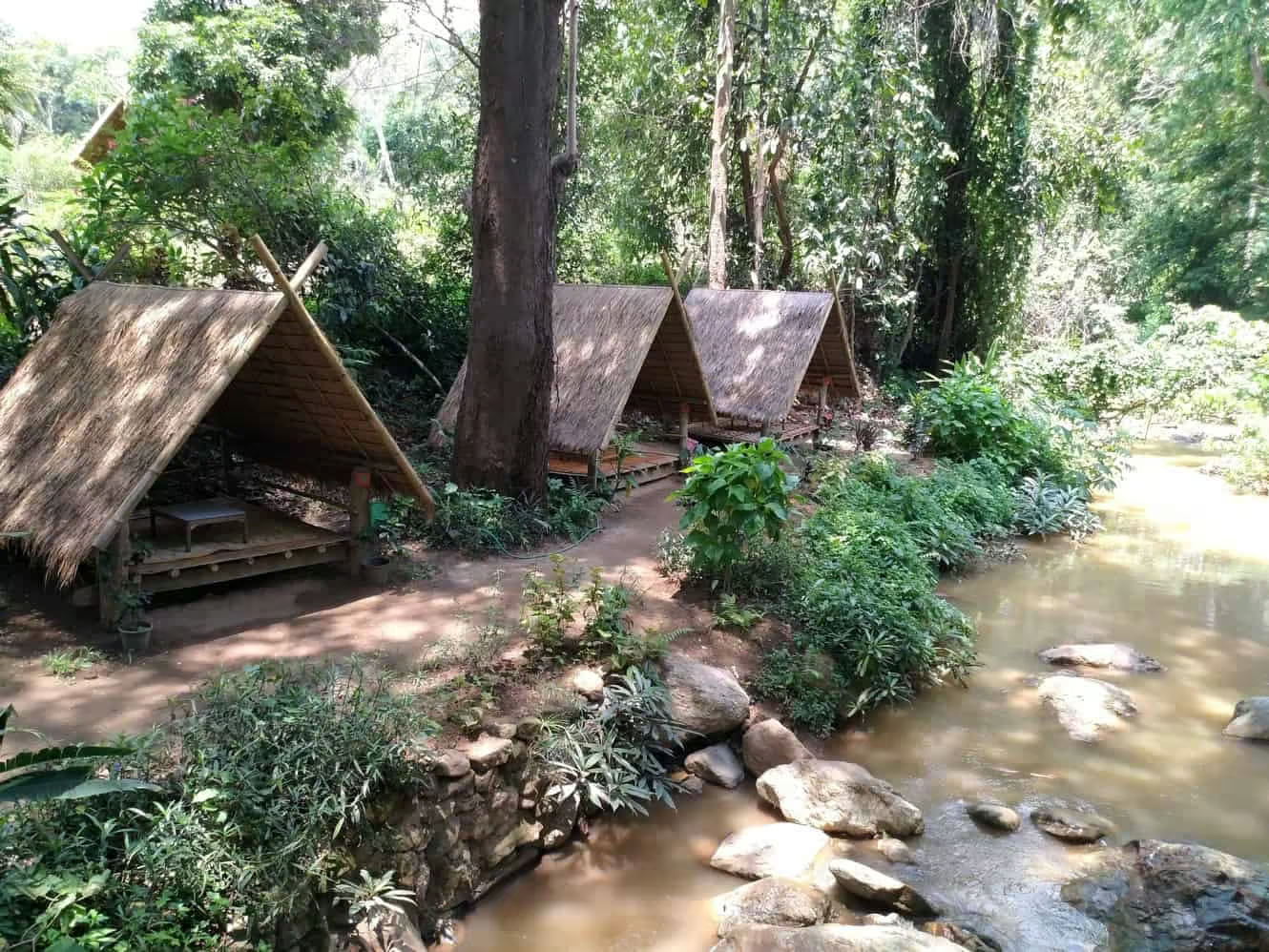
Camping is available at designated areas, including near Doi Pui and Monthathan Waterfall. Basic camping charges apply, while tents, bedding and other equipment may be available for separate hire. Contact the park before relying on rental equipment or arriving without a reservation.
Temperatures at higher elevations can become surprisingly cold overnight, particularly during the cool season. Campers should bring warmer clothing than they would normally use in Chiang Mai city.
Entrance Fees and Opening Hours
National park fees are collected at designated waterfalls, campsites, trails and visitor areas. Travelling along the main road to Wat Phra That Doi Suthep does not necessarily involve passing through a single park entrance.
Standard national park admission rates are 20 baht for Thai adults, 10 baht for Thai children, 100 baht for international adults, and 50 baht for international children. Vehicle, camping and accommodation charges may be additional.
Visitor centres, waterfalls and campsites generally operate from 8.30am to 4.30pm. Temples, Bhubing Palace and individual attractions use their own schedules.
Trails and waterfalls may close temporarily because of flooding, landslides, fire risk or other unsafe conditions. Check current park announcements before travelling, especially during the wet season.
Best Time to Visit
November to February usually offers cooler weather and comfortable conditions for sightseeing and hiking. Early mornings can be cold at higher elevations, while mist may temporarily limit views.
March and April are hotter and frequently affected by seasonal smoke and haze. Mountain and city views may be poor during severe air-pollution periods.
The wet season brings greener forest and stronger waterfalls, but trails become slippery and sudden heavy rain can cause closures. Visitors planning a hike should check the forecast and current park conditions.
Getting to Doi Suthep-Pui National Park
The main Doi Suthep road begins near Chiang Mai Zoo and climbs west from the city. Wat Phra That Doi Suthep is approximately 15 kilometres from central Chiang Mai and usually takes 30-45 minutes to reach, depending on traffic.
Shared red songthaews commonly travel from the Chiang Mai Zoo area to Wat Phra That Doi Suthep. Private songthaews, taxis, app-based transport and hired drivers offer greater flexibility for visiting several locations.
A private vehicle is useful for travelling beyond the temple to Bhubing Palace, Doi Pui and the waterfalls. The road is steep and winding, so passengers prone to motion sickness should prepare accordingly. Motorbike riders need experience with mountain roads and should take particular care in rain or fog.
Visitors using one-way transport should arrange a return journey in advance when travelling beyond the main temple area, where passing taxis may be limited.
Doi Suthep-Pui National Park FAQs
Is there an entrance fee for Doi Suthep-Pui National Park?
Fees apply at designated waterfalls, campsites, trails and visitor areas. The standard international rate is 100 baht for adults and 50 baht for children, while Thai citizens receive lower rates.
Is Wat Phra That Doi Suthep inside the national park?
Yes. The temple is located within Doi Suthep-Pui National Park, although temple and funicular charges are separate from national park admission.
How long should I allow for Doi Suthep-Pui National Park?
Allow around three to four hours for Wat Phra That Doi Suthep and one nearby attraction. A full day is better for combining the temple with waterfalls, Bhubing Palace or Doi Pui.
Can I visit Doi Suthep-Pui without a tour?
Yes. You can visit the temple and main roadside attractions independently. A guide or ranger is recommended for longer and less clearly marked forest trails.
How do I reach Doi Suthep from Chiang Mai?
Red songthaews run from near Chiang Mai Zoo, while taxis, app-based transport, private drivers, and rental vehicles offer more flexible options.
Is the Monk’s Trail difficult?
The lower section to Wat Pha Lat is a moderate forest walk, but the trail continues steeply toward Doi Suthep. Proper footwear, water, and care around road crossings are essential.
Does Doi Suthep-Pui National Park close during rain?
The entire park does not necessarily close, but individual waterfalls and trails may close during heavy rain, flooding, or other unsafe conditions.
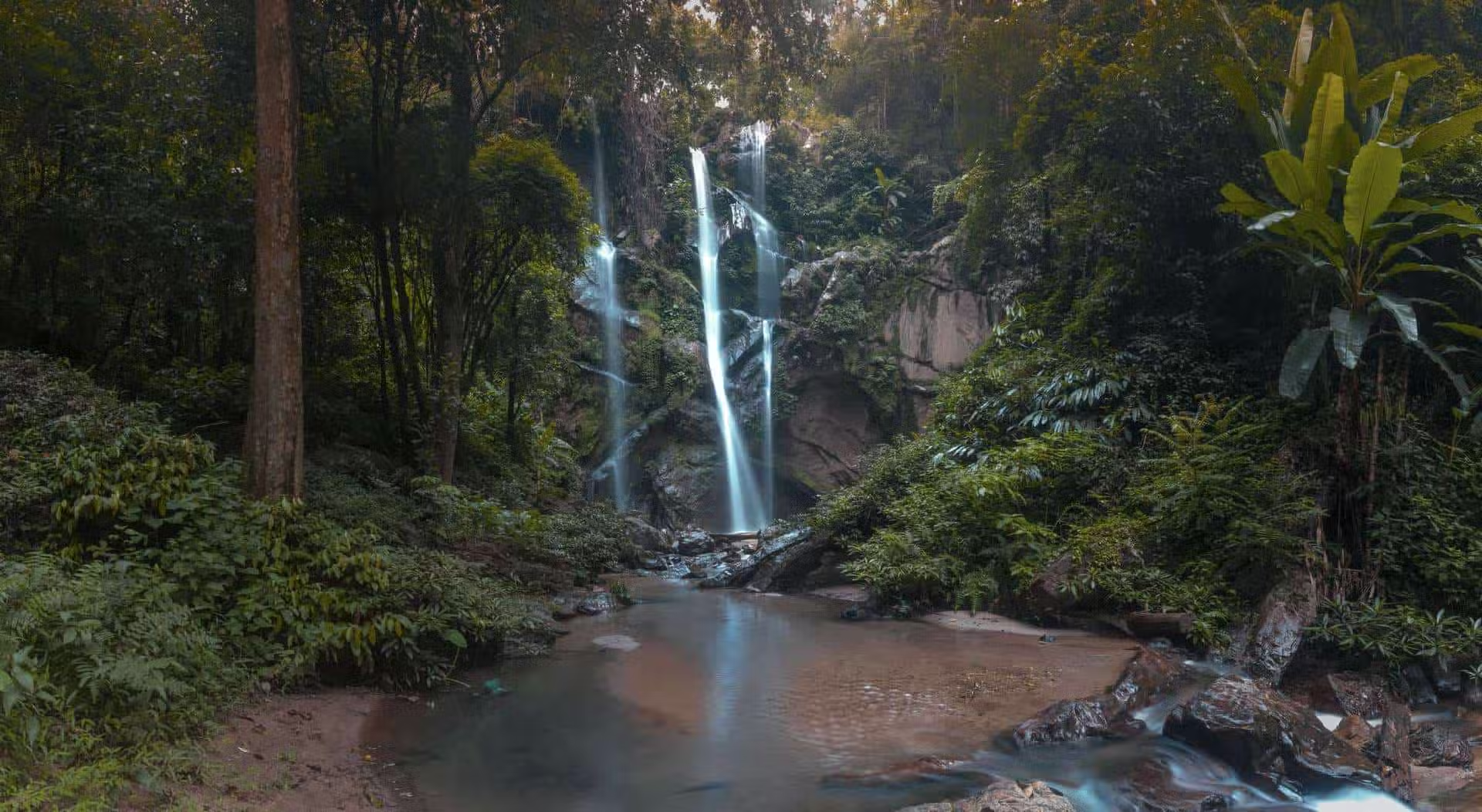
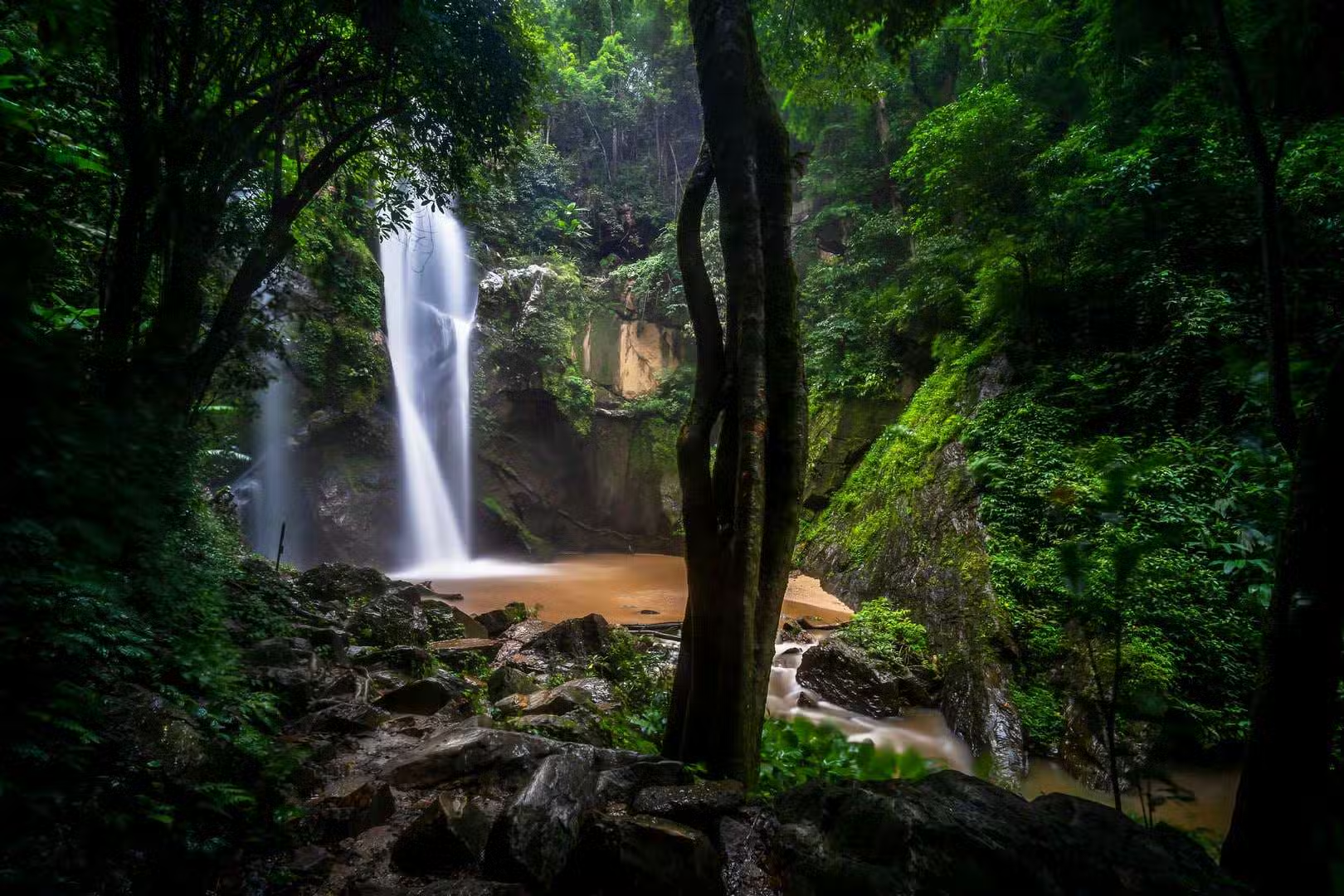
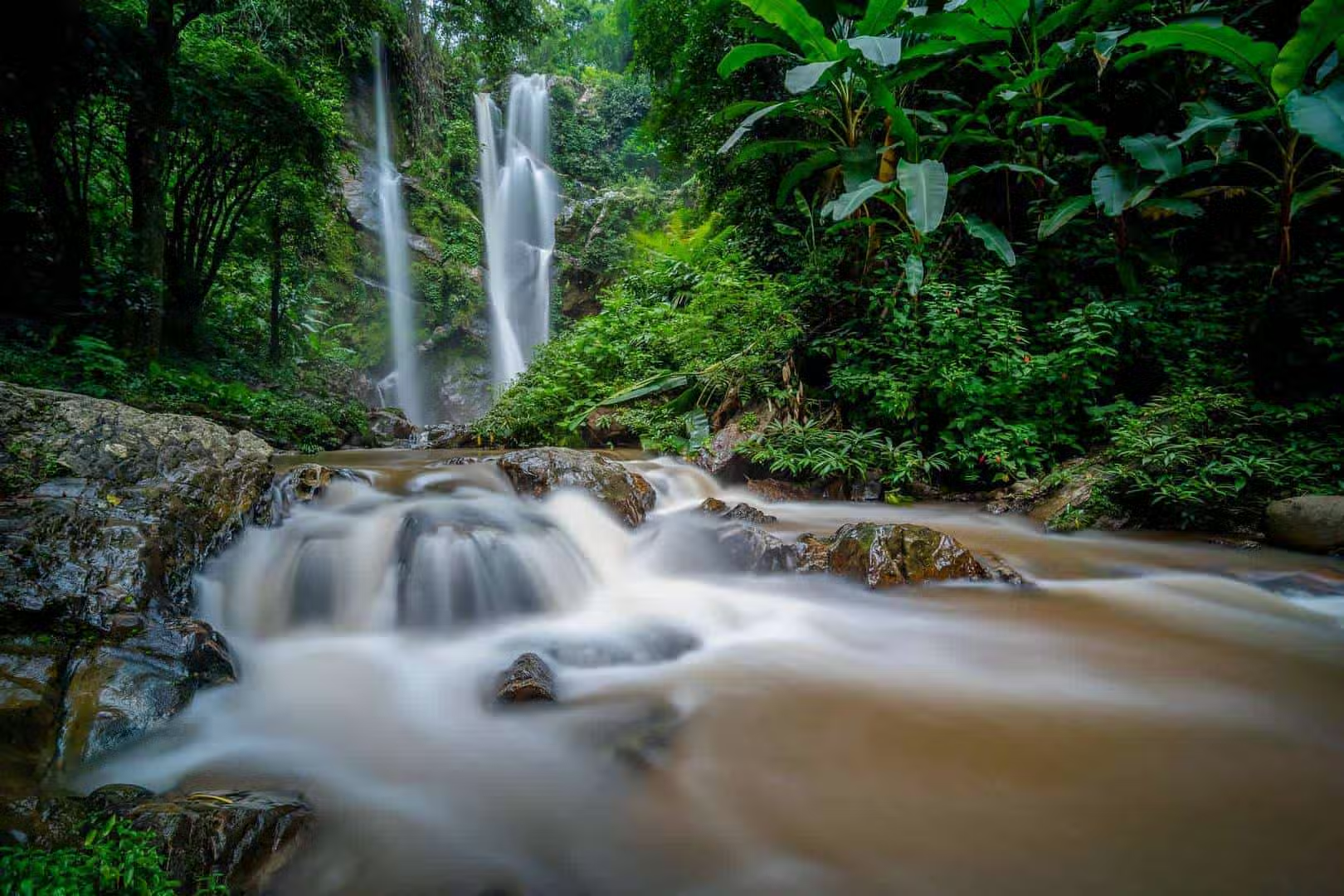
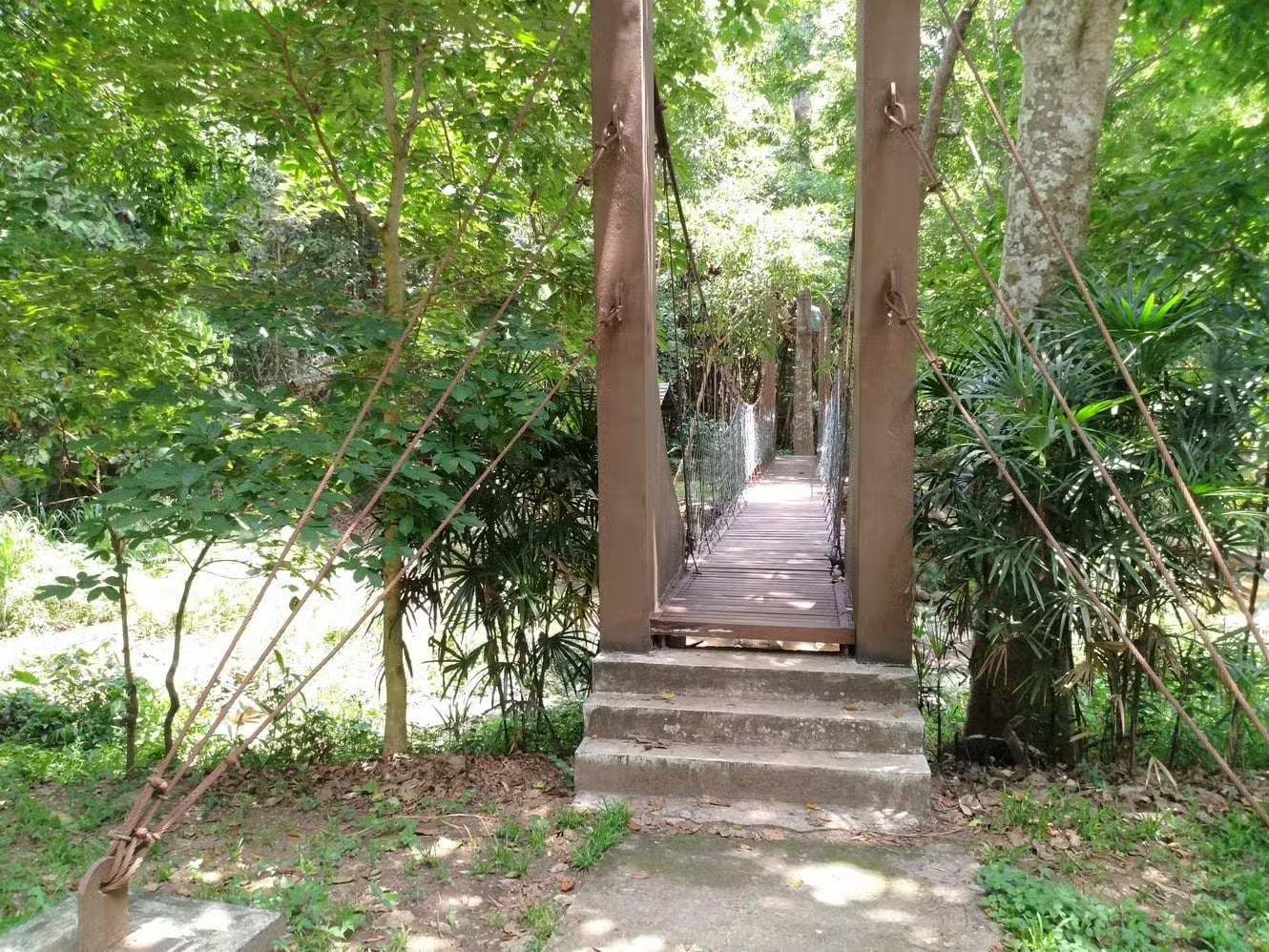
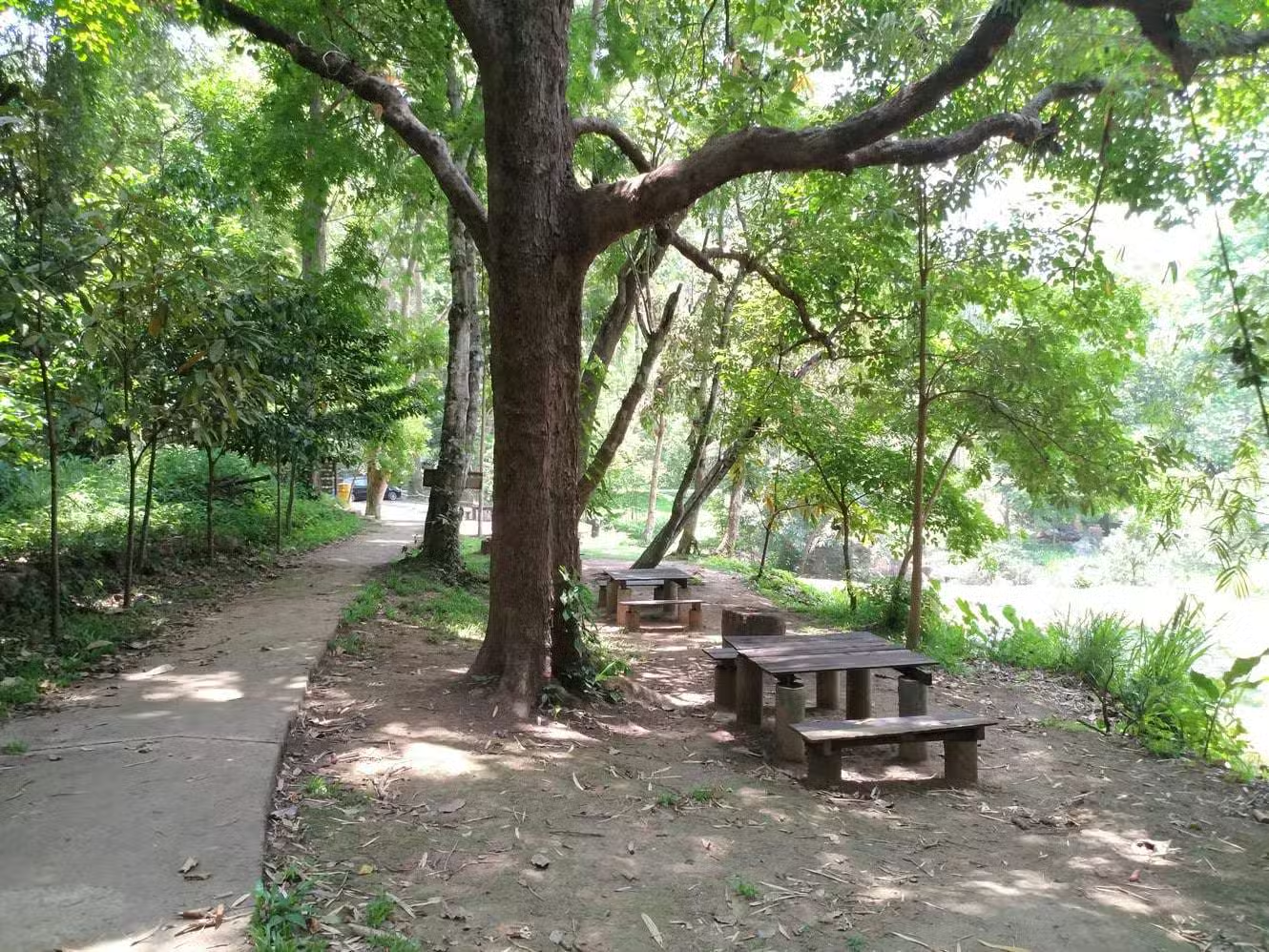
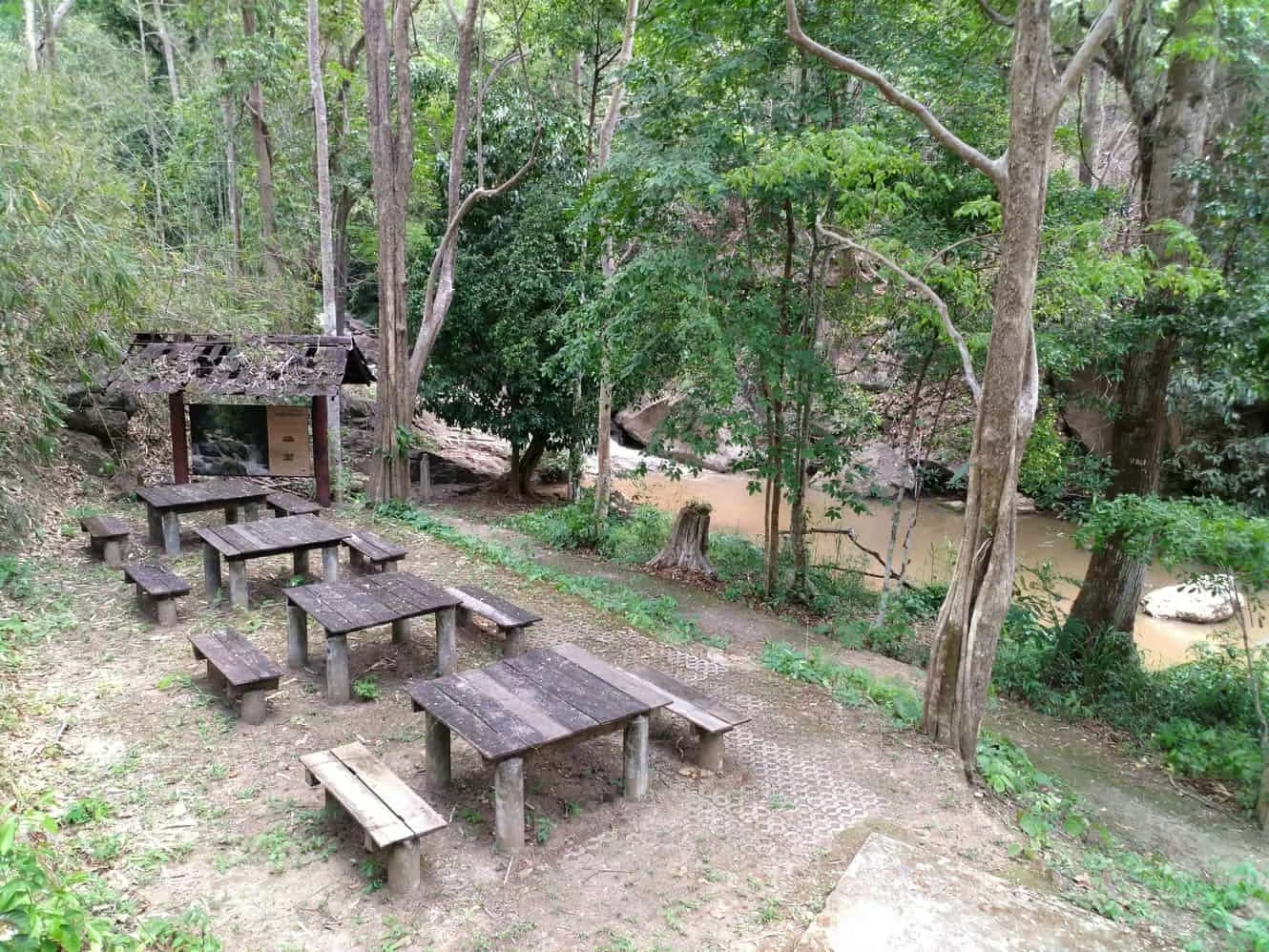
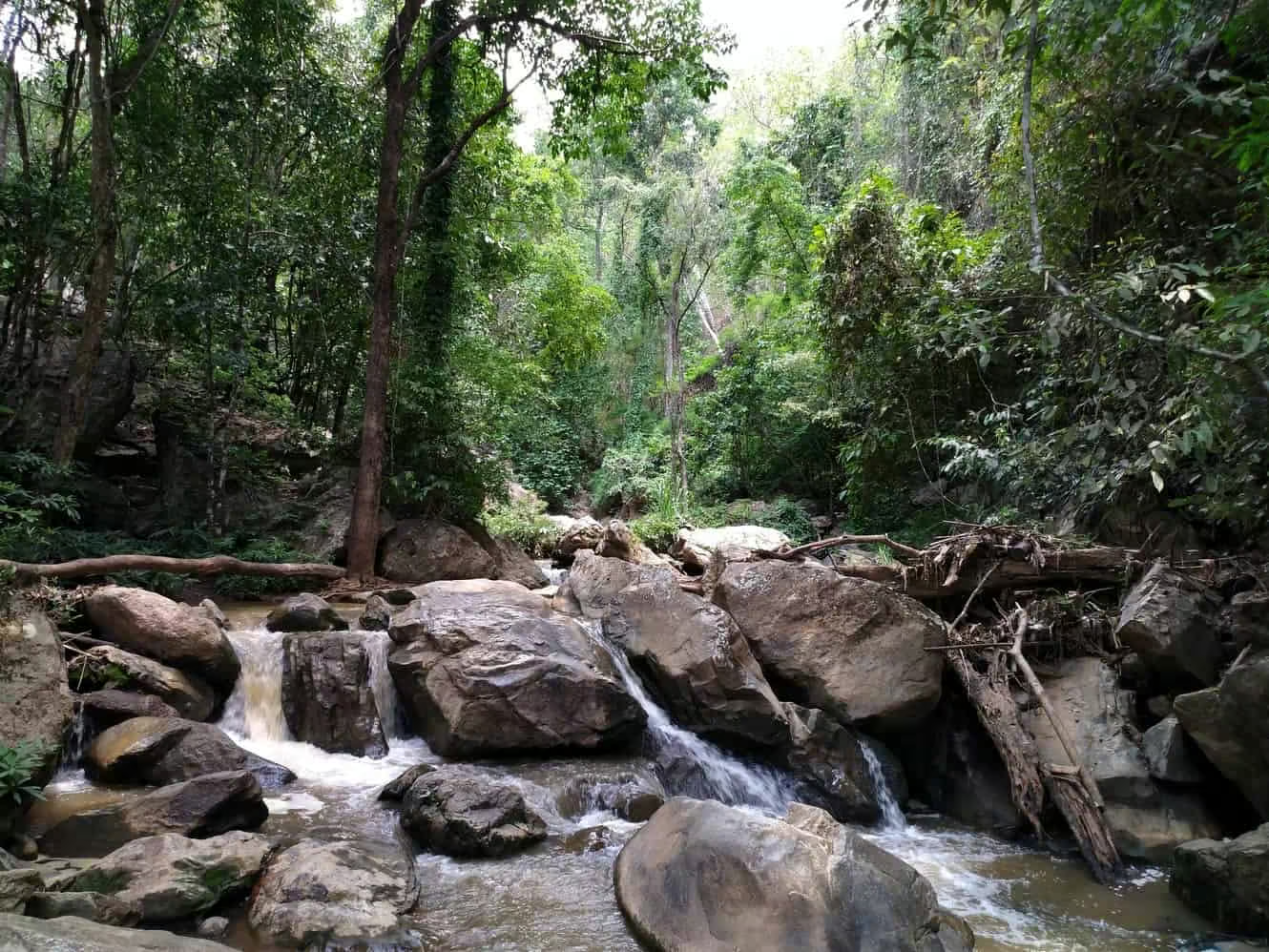



Is the walk to Dtaat Mook Waterfall an easy or difficult walk? How long is it?
We are assessing if this is suitable for bringing along a 3.5 year old with us.
Thank you
Hi there,
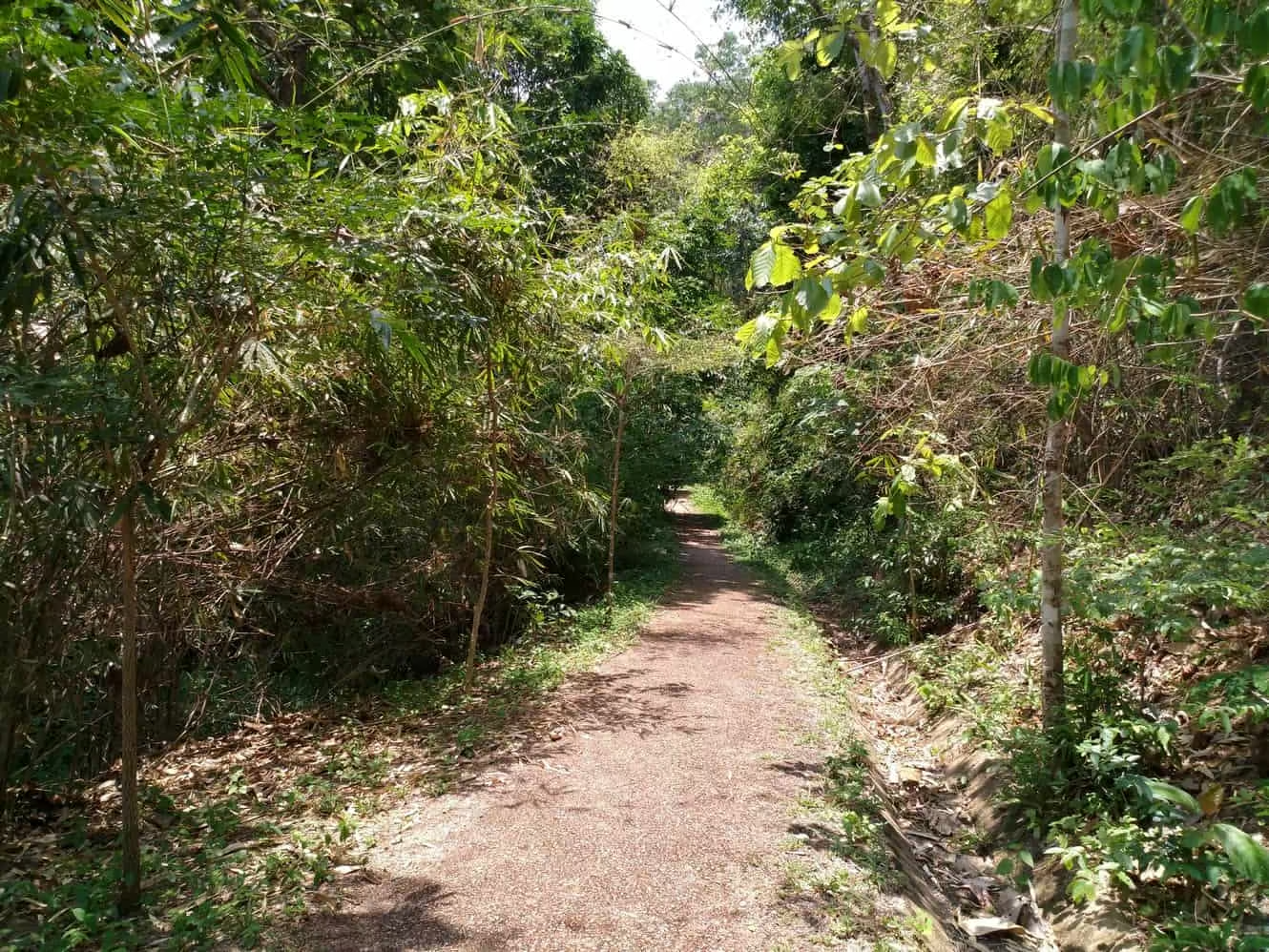
You can hike to Dtaat Mook Waterfall without a guide, however it would be difficult for a 3.5 year old. The trail isn’t marked and there are many branching trails to get lost if you don’t know where you are going. The hike is about 3kms long.
Best regards,
Jess