


















































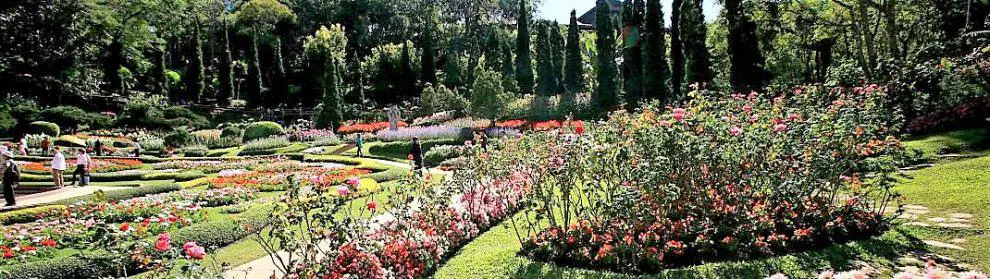
Mae Fah Luang Art and Cultural Park, also known as Rai Mae Fah Luang, brings northern Thailand’s artistic heritage into a landscaped setting on the western side of Chiang Rai. Teak buildings, religious objects and garden paths make this a place to slow down and look closely at Lanna craftsmanship, rather than rush between a series of photo stops.
The park grew from the Mae Fah Luang Foundation’s work with ethnic communities and young people. Its former educational compound developed into a centre for preserving Lanna art and culture, and the familiar Rai Mae Fah Luang name remains associated with the site. It is a different destination from Mae Fah Luang Garden at Doi Tung.
Teak architecture and Lanna collections
Haw Kham
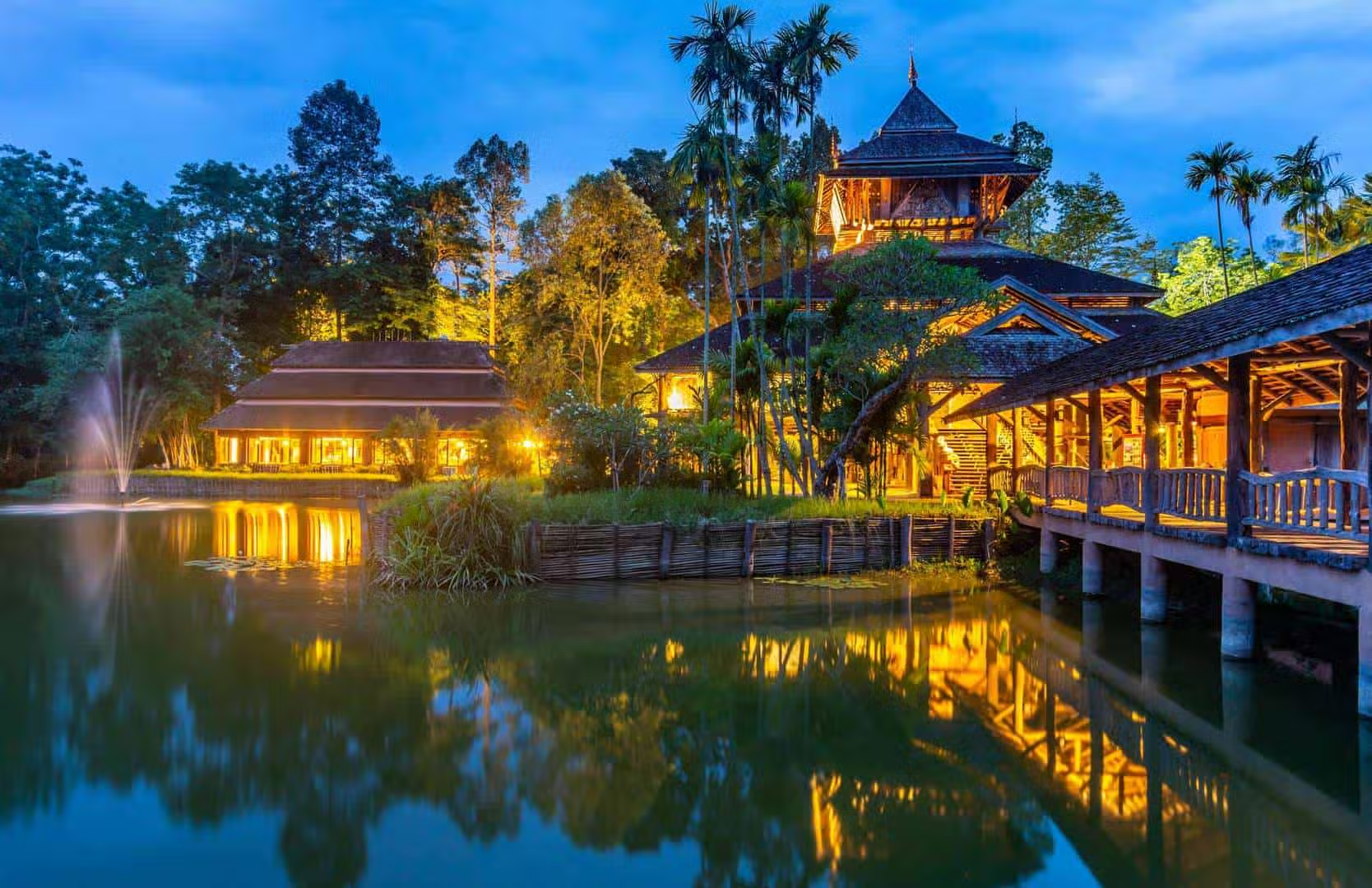
Haw Kham, the Golden Pavilion, is the building to prioritise. Its scale and timber construction give an immediate sense of the importance of wood in northern architecture. Inside, the collections bring together Buddhist art and carved objects, with the building itself forming part of the experience rather than simply providing exhibition space.
Look for the relationship between the timber structure and the objects displayed within it. Carved ceremonial pieces and Buddha images reward slower viewing, especially if you have already visited northern temples and want to understand more about their artistic setting. Respect the rules for entering the pavilion and follow the photography signs around sacred objects.
Haw Kham Noi and Haw Kaew
Haw Kham Noi is associated with murals preserved from Wat Wiang Ta in Phrae. The paintings offer another way into northern culture, showing figures, dress and scenes of life through the work of earlier artists. Treat access to individual buildings as part of the day’s arrangements: ask which halls are open before choosing your route.
Haw Kaew adds exhibition space devoted to teak and changing displays. This gives the visit a useful contrast between the religious collection and the material behind so much of the region’s architecture. Temporary exhibitions can change, so leave time for the current display without expecting the same programme on every visit.
A walk through the grounds
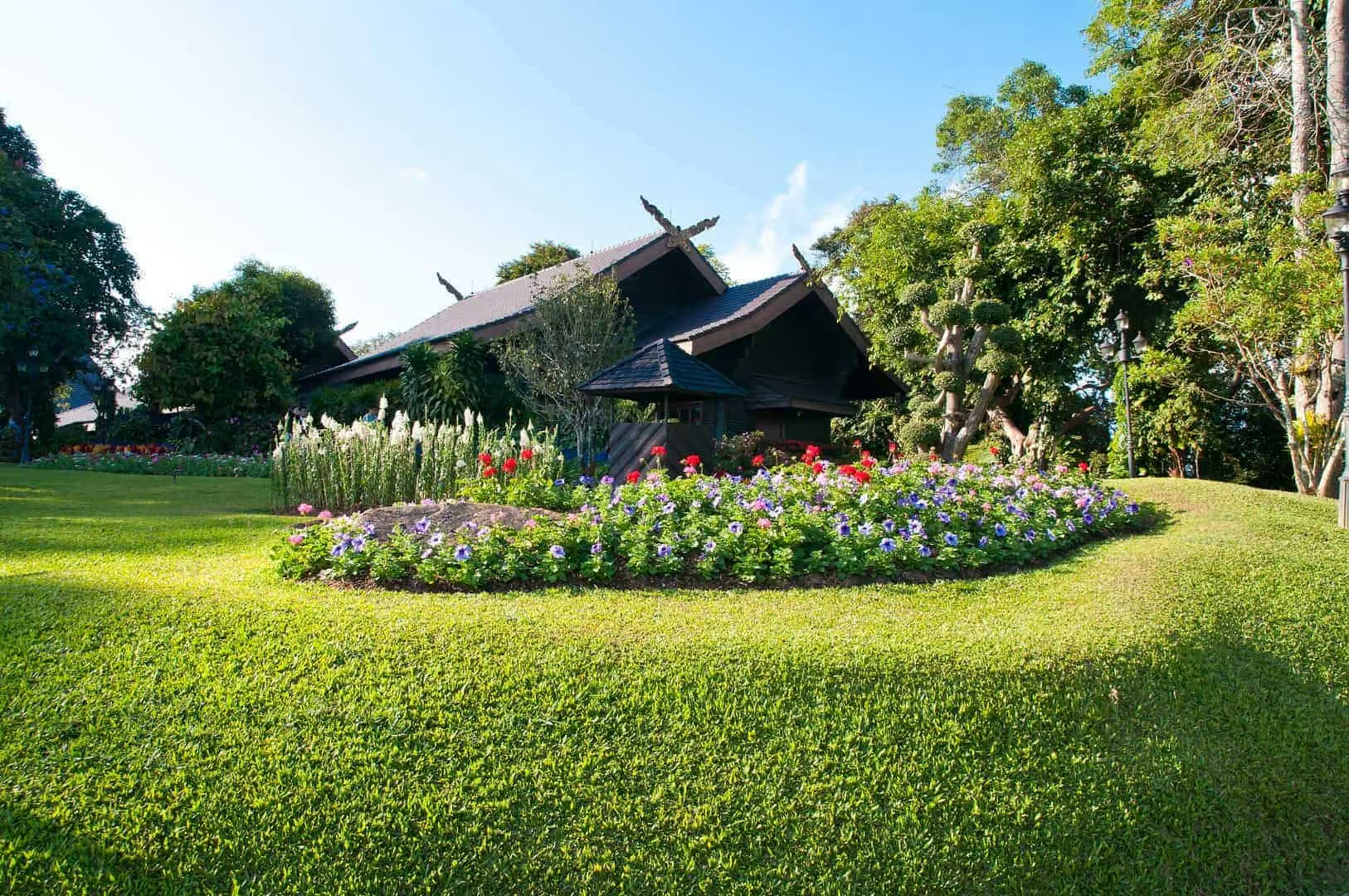
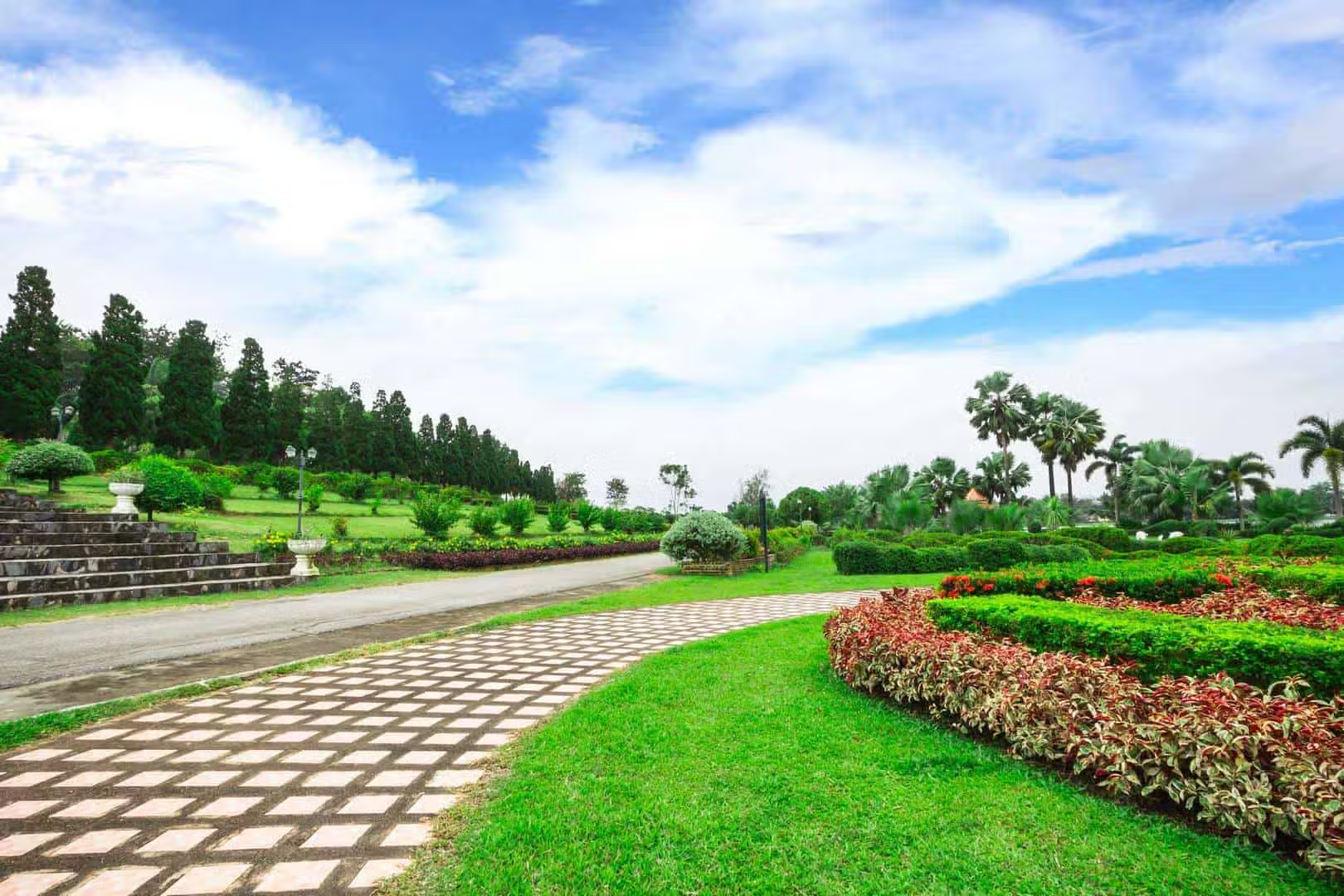
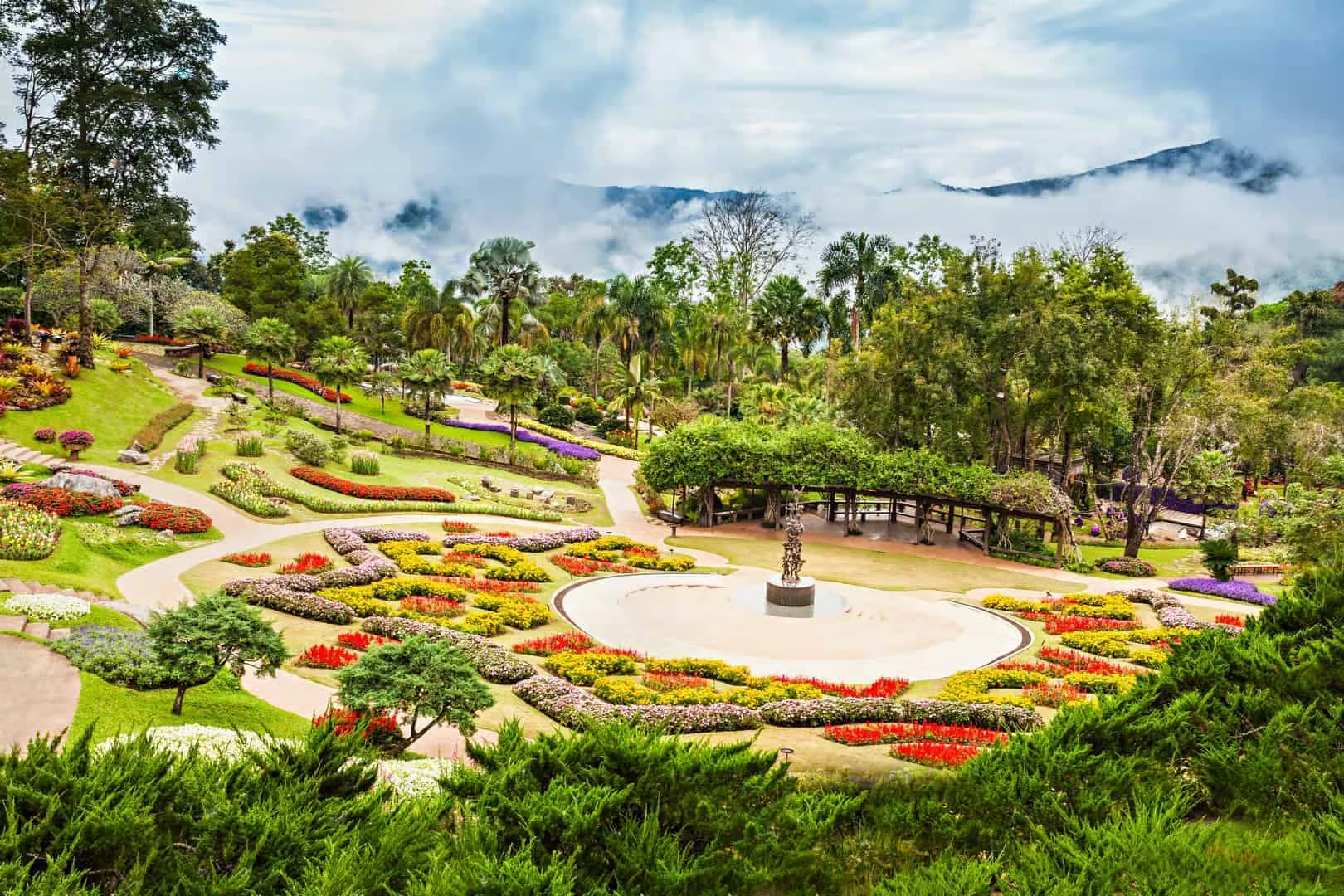
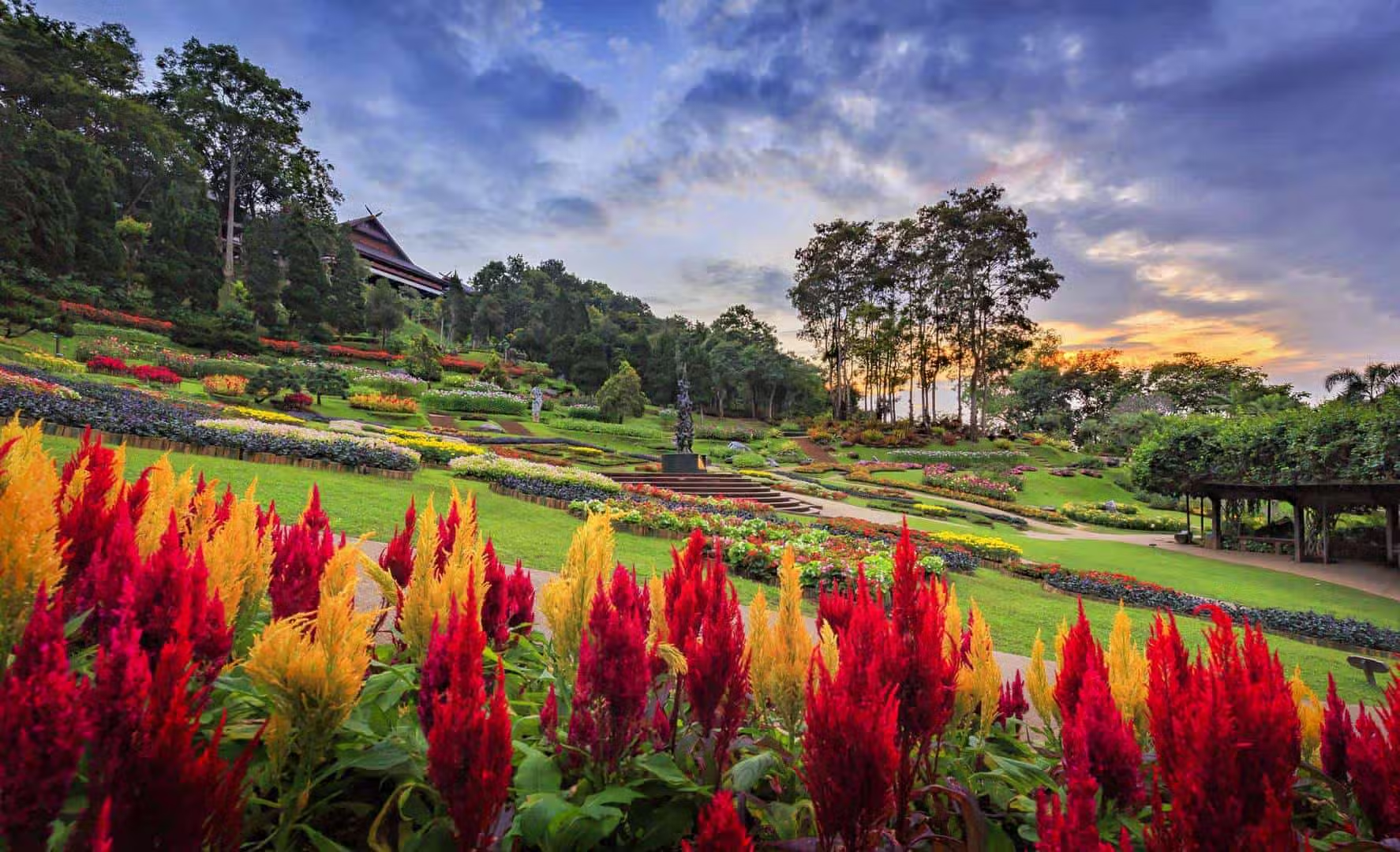
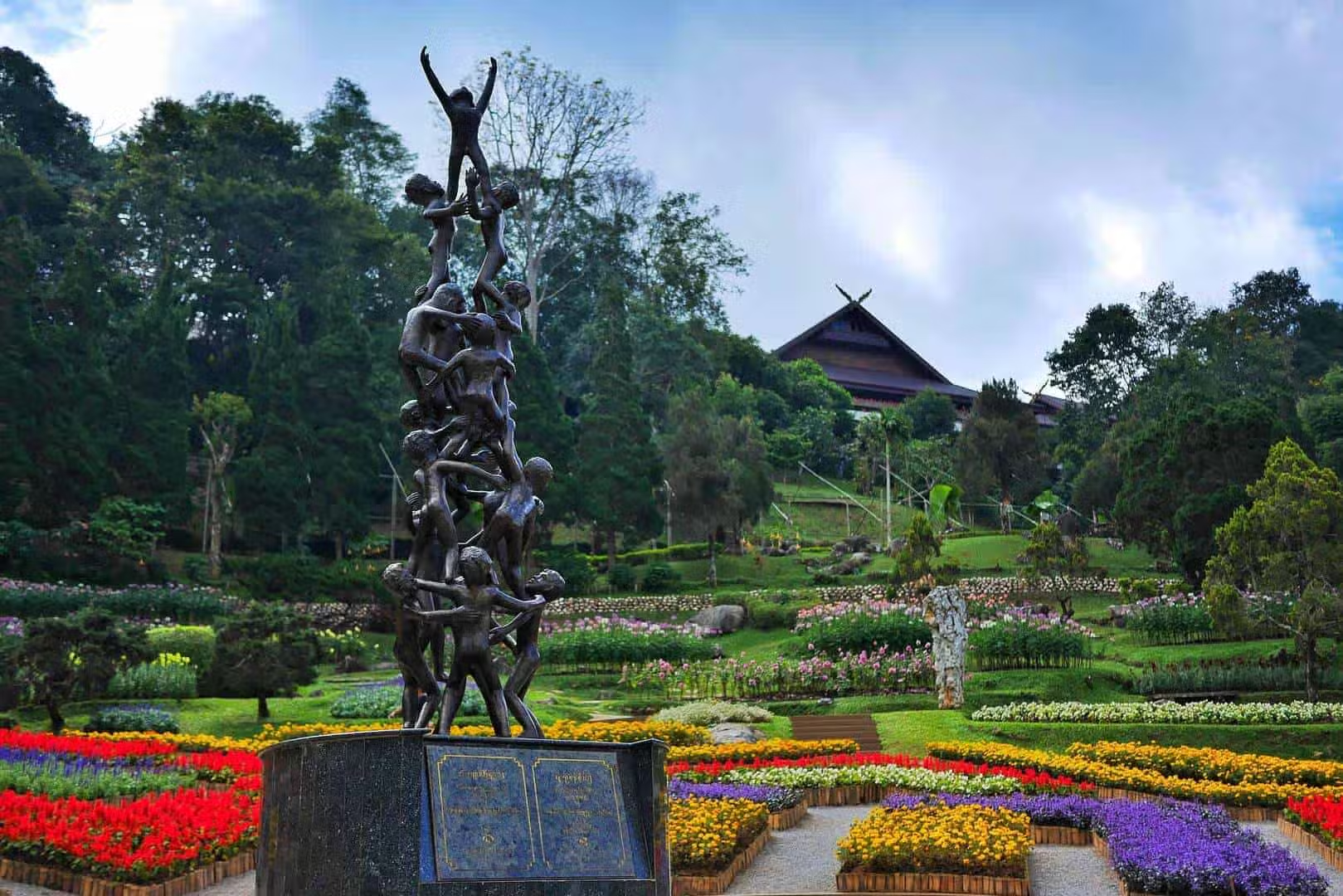
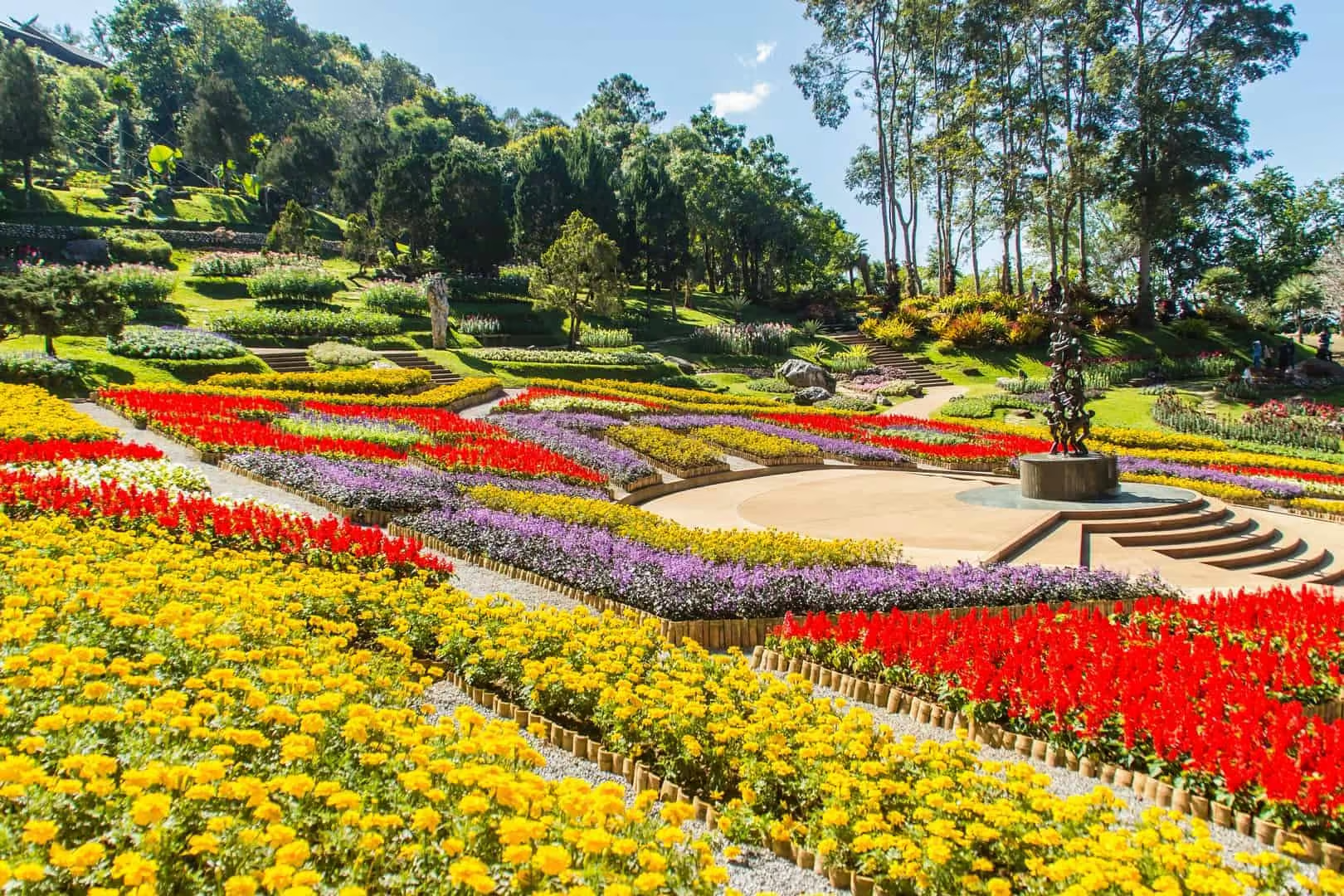
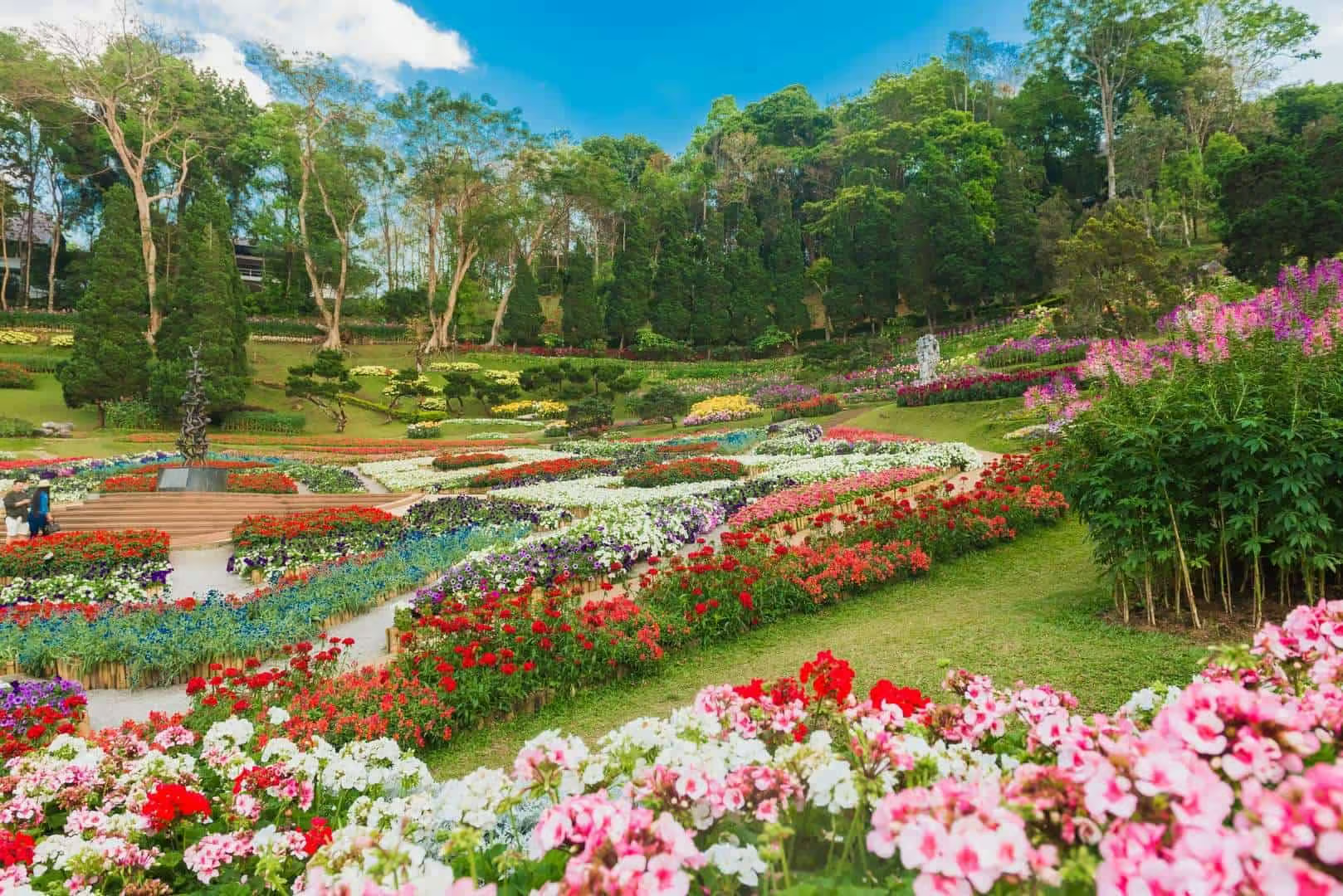
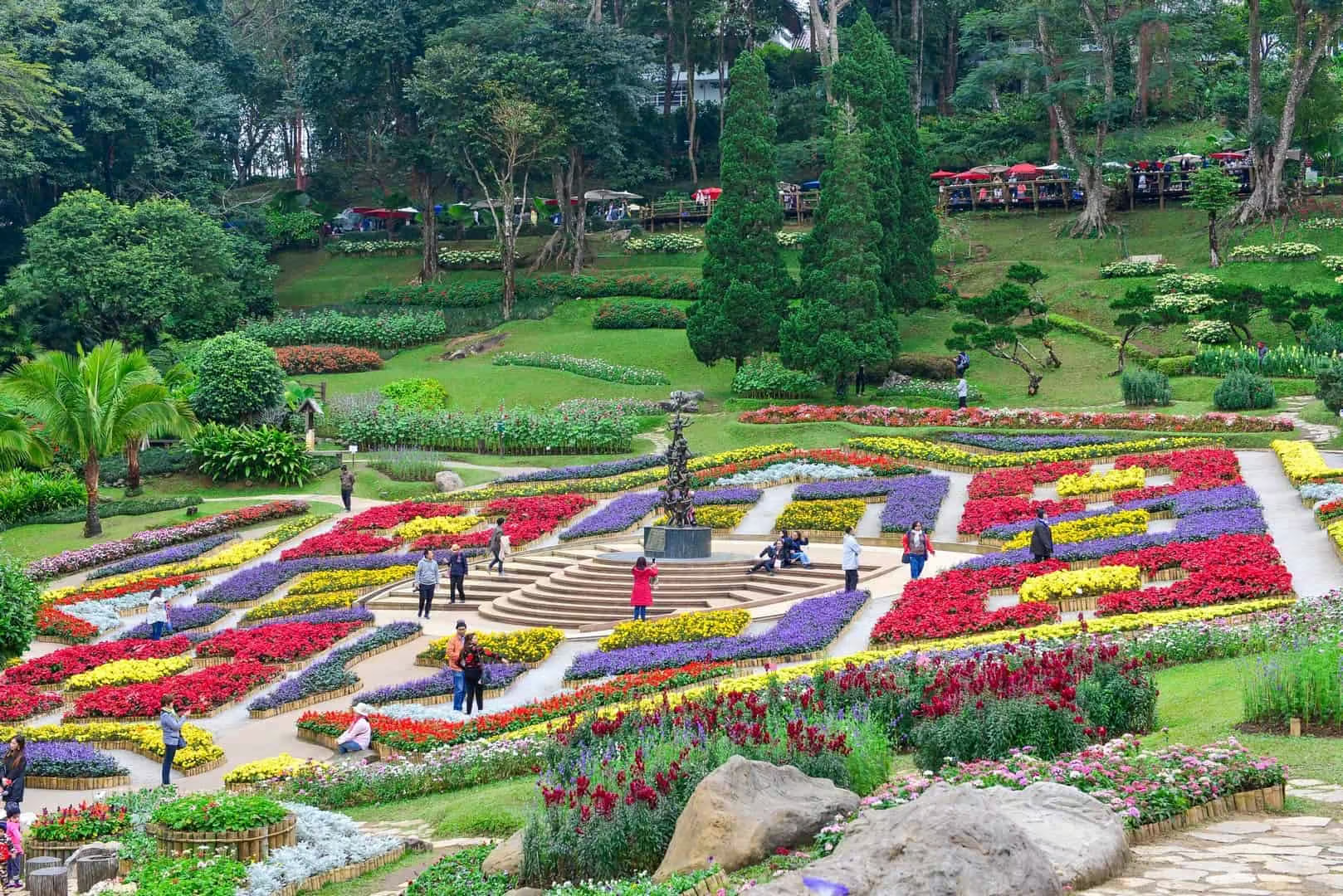
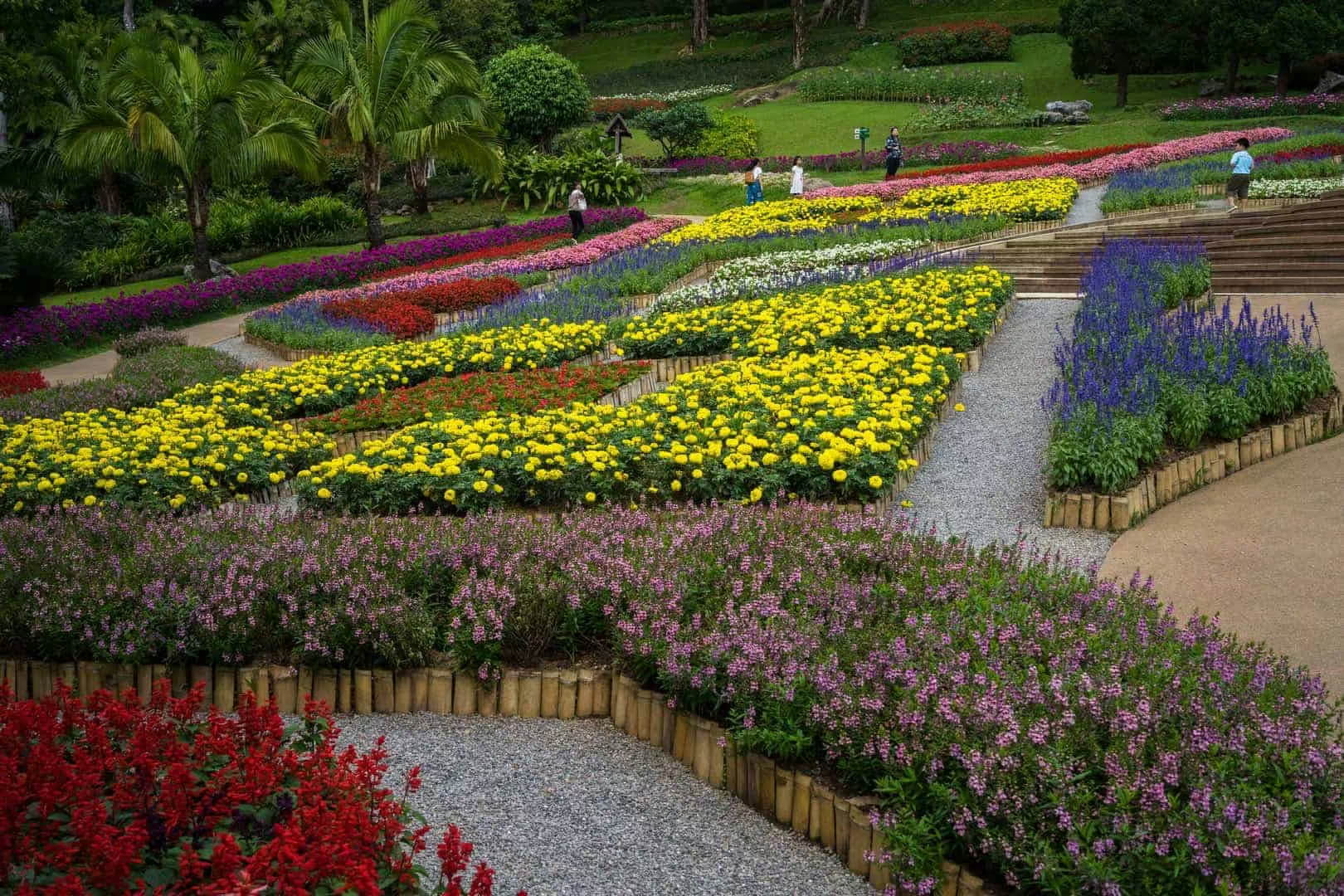
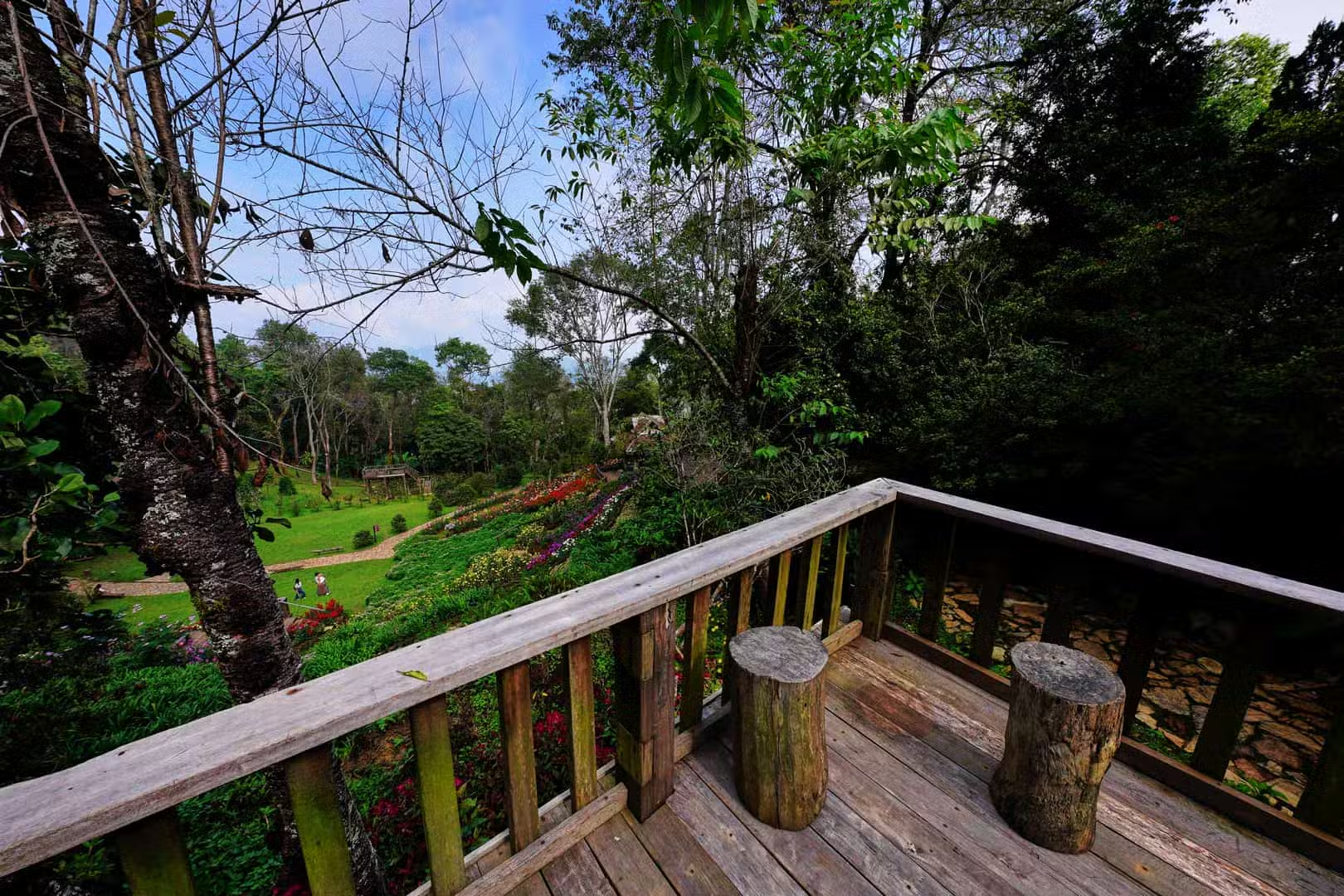
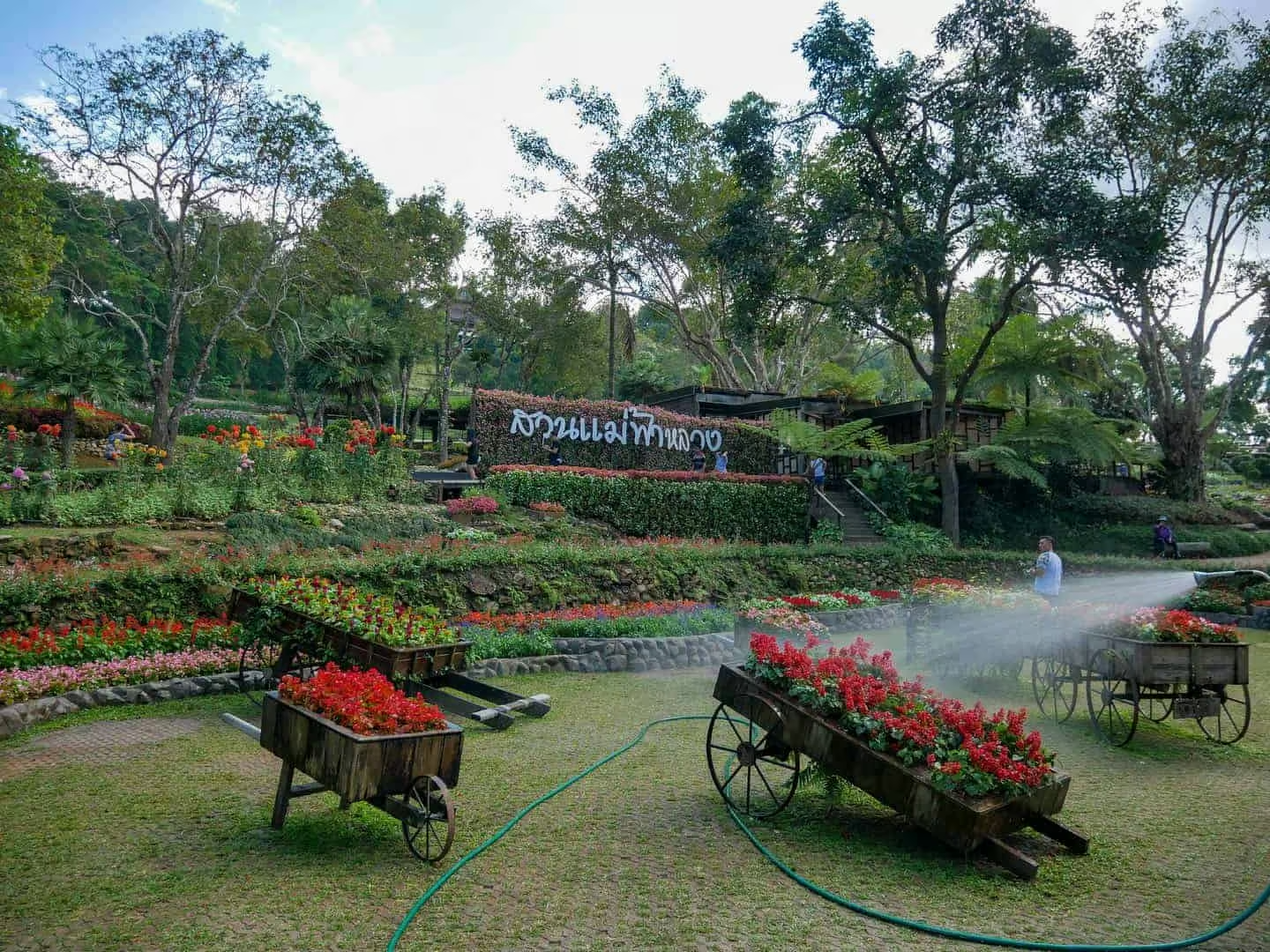
The landscaped grounds connect the buildings and give the visit a quieter rhythm. Gardens, trees and water provide pauses between the collections, while the Princess Mother’s statue links the setting to the foundation’s history. The park is an art and cultural destination with gardens around it; it is not a working temple circuit or a resort.
Allow around two to three hours if you want to see the main open buildings and walk without rushing. A shorter visit should focus on Haw Kham and one additional hall. Paths between buildings are outdoors, so bring sun or rain protection and ask about the most convenient accessible route if steps or longer walks are a concern.
Opening arrangements and admission
The listed visiting hours are Tuesday to Sunday, 8am to 4:30pm, with Monday closure. Arrive with enough time for the collections rather than leaving the main pavilion until the end of the afternoon. Check holiday arrangements and individual hall access before a special trip.
Adult admission is listed at 200 baht. Concession categories have their own conditions, so ask about eligibility for students, seniors and children when purchasing tickets. A garden walk and exhibition visit should be planned within the park’s opening hours rather than treated as unrestricted access to a public green space.
Getting there from Chiang Rai
The park is at 313 Moo 7, Baan Pa Ngiew, in Rop Wiang, west of central Chiang Rai. A car journey from the centre takes roughly 20 minutes depending on traffic. Use the full Art and Cultural Park name when arranging transport to avoid being taken towards the Doi Tung garden.
A taxi, private driver or agreed songthaew trip can suit a visit. Agree the fare, arrange the return pick-up and allow enough waiting time for the halls and grounds. The park works well as a substantial cultural stop during a Chiang Rai stay, with its own time allowance rather than a quick addition to an already crowded tour.
Mae Fah Luang Art and Cultural Park FAQs
Is this the same place as Rai Mae Fah Luang?
Yes. Rai Mae Fah Luang is the familiar name of the former foundation compound, now officially known as Mae Fah Luang Art and Cultural Park. Both names refer to this Chiang Rai site.
Is it the Mae Fah Luang Garden at Doi Tung?
No. The Art and Cultural Park is near Chiang Rai city, while Mae Fah Luang Garden is at Doi Tung. Check the full destination name when booking a car or tour.
What should I see first?
Prioritise Haw Kham for its teak architecture and Lanna collections, then ask about access to Haw Kham Noi and Haw Kaew. Leave time to walk through the gardens between buildings.
When is the park open?
Listed hours are 8am to 4:30pm from Tuesday to Sunday, with Monday closure. Confirm holiday arrangements and hall access before travelling specifically for an exhibition.
How much time do I need?
Around two to three hours allows a relaxed look at the main open halls and grounds. A shorter visit can focus on the Golden Pavilion, but outdoor walking and time inside the collection both need to be allowed for.
How much is admission?
Adult entry is listed at 200 baht. Ask the ticket office about the applicable concession or child category and bring any identification required to establish eligibility.









Do You Have a Question to Ask?