


















































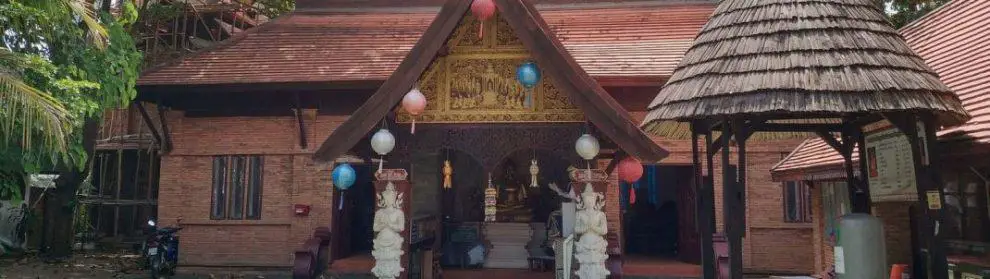
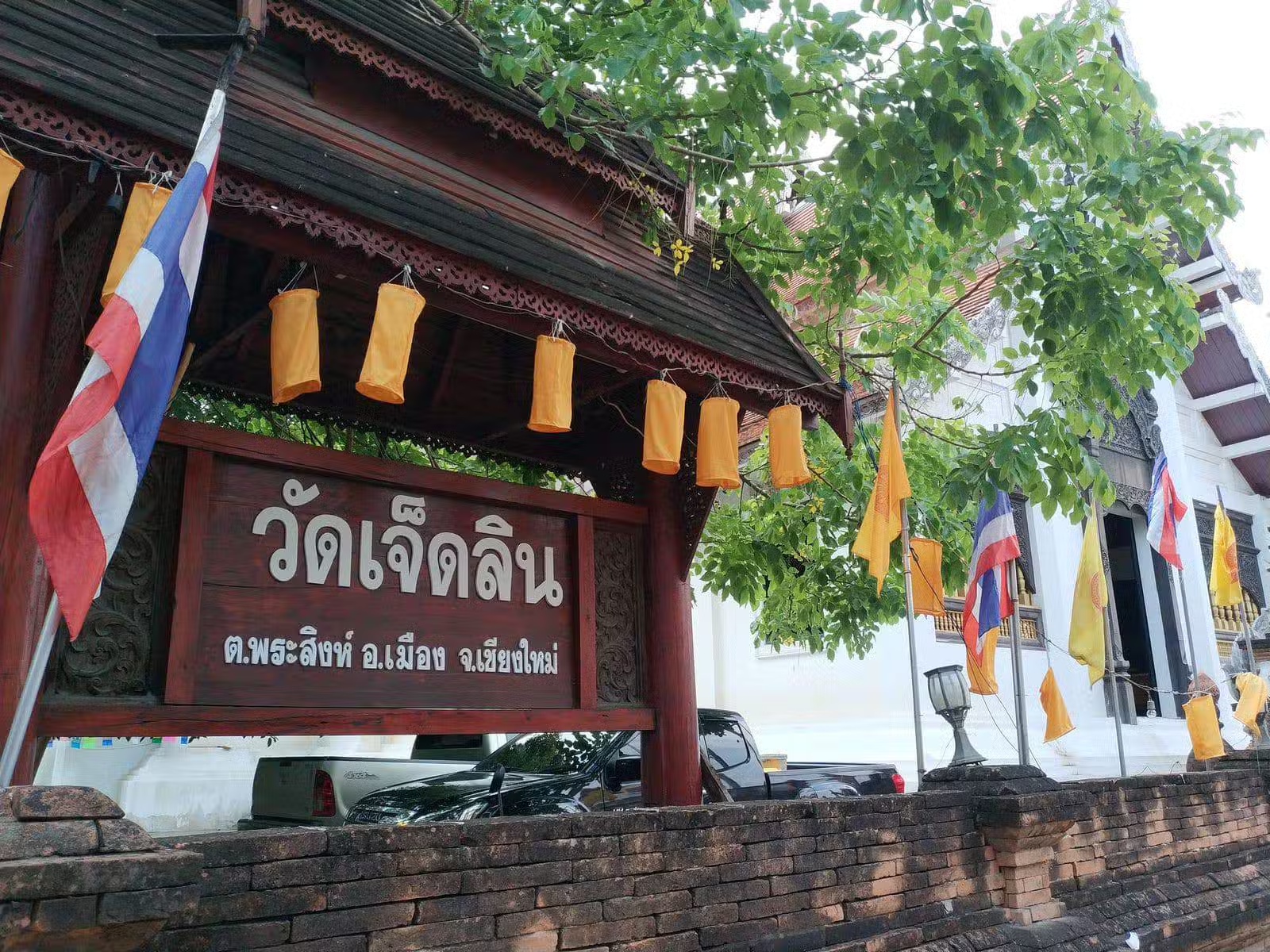
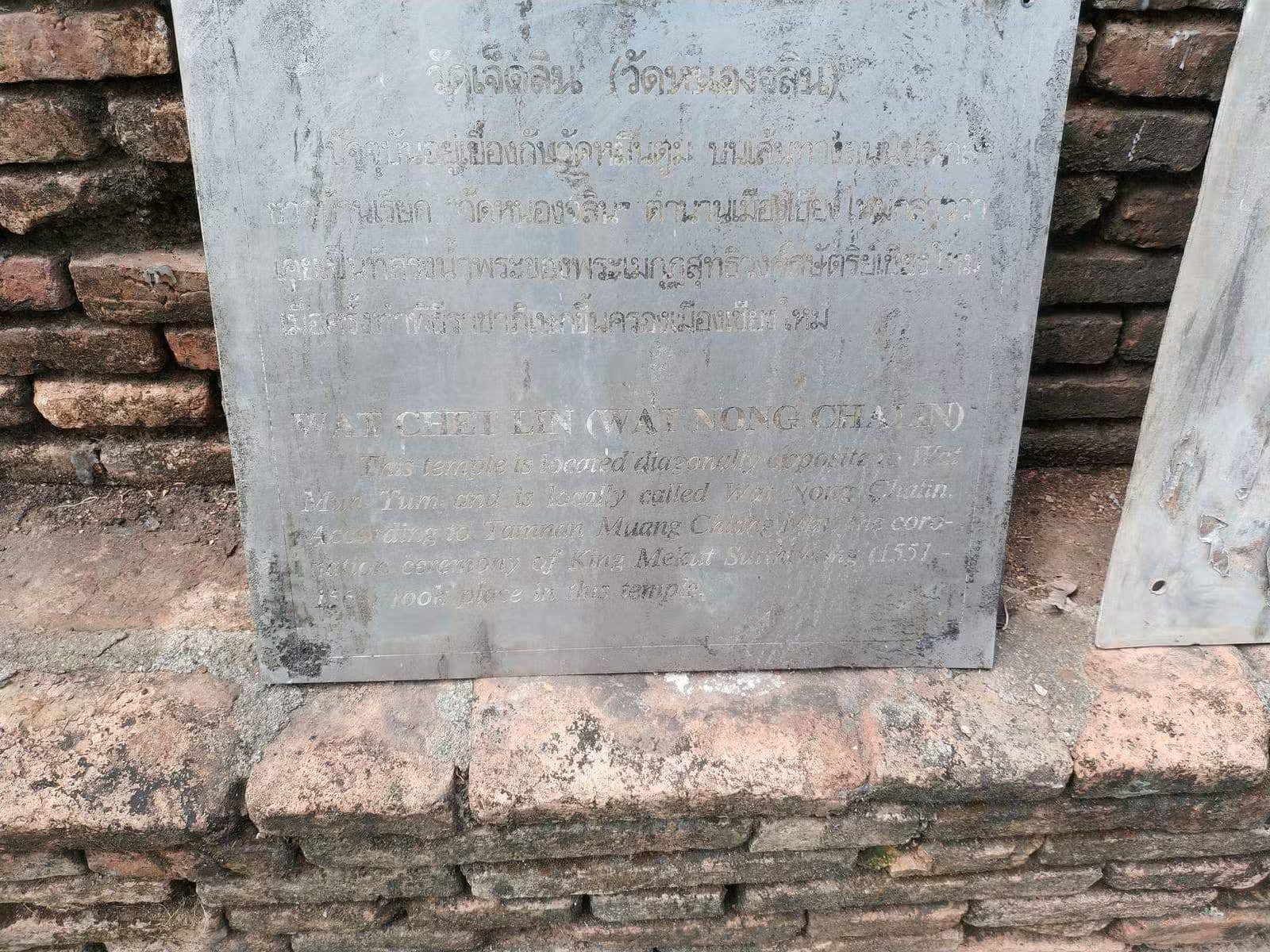
Wat Jedlin is a small active Buddhist temple on Prapokklao Road in Chiang Mai’s Old City. Also known as Wat Jet Lin or Wat Chet Lin, it combines a Lanna-style prayer hall and old chedi with a pond and wooden bridge behind the main buildings. The water and greenery give the grounds a different character from the city’s larger temple courtyards.
A visit works well as a short pause during a walk through the southern Old City. Allow around 20 to 30 minutes to see the hall, chedi and pond, with more time if you want to sit quietly. Religious activities and the monks’ daily life take precedence over sightseeing.
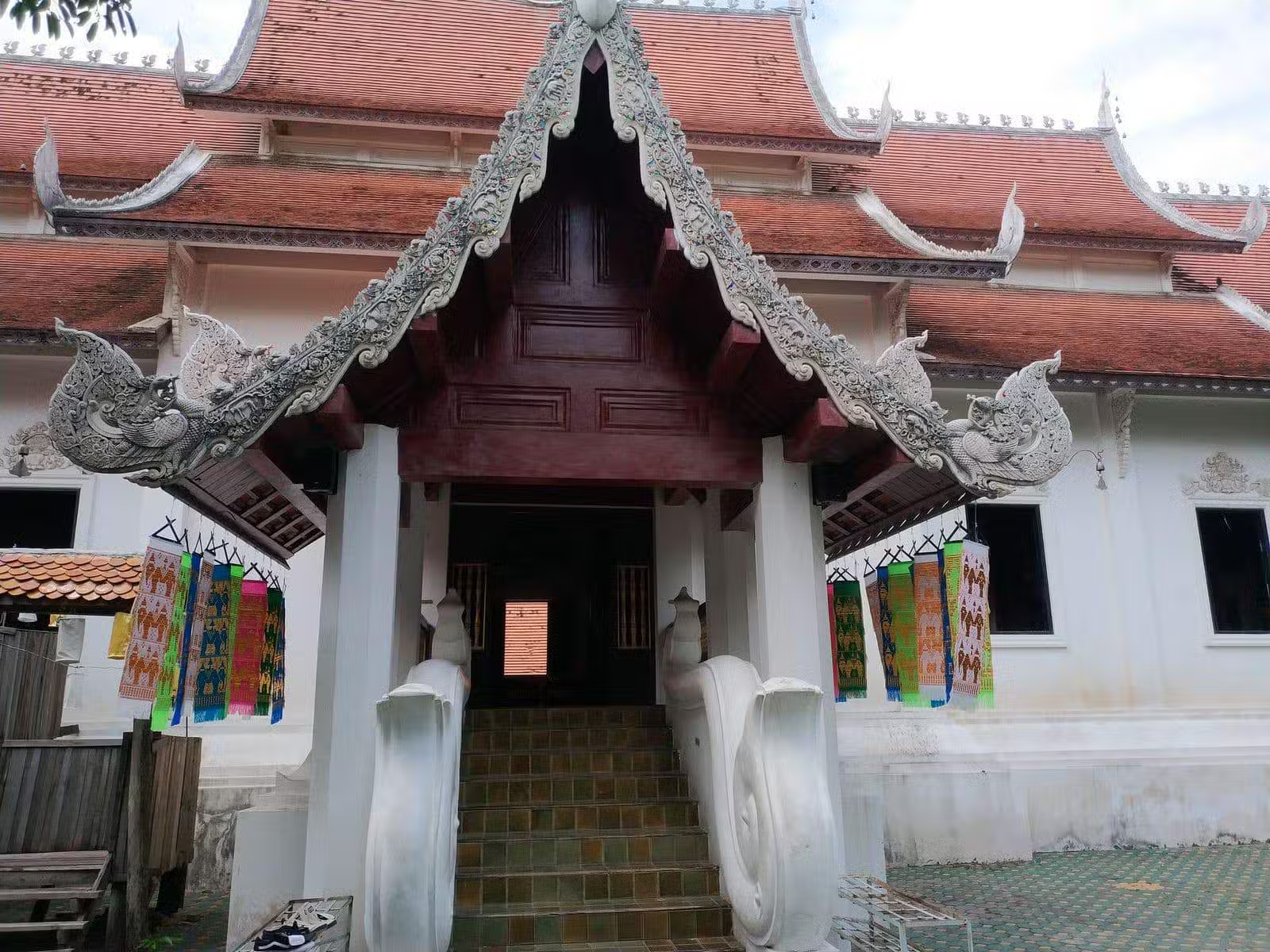
The Hall, Buddha Image and Chedi
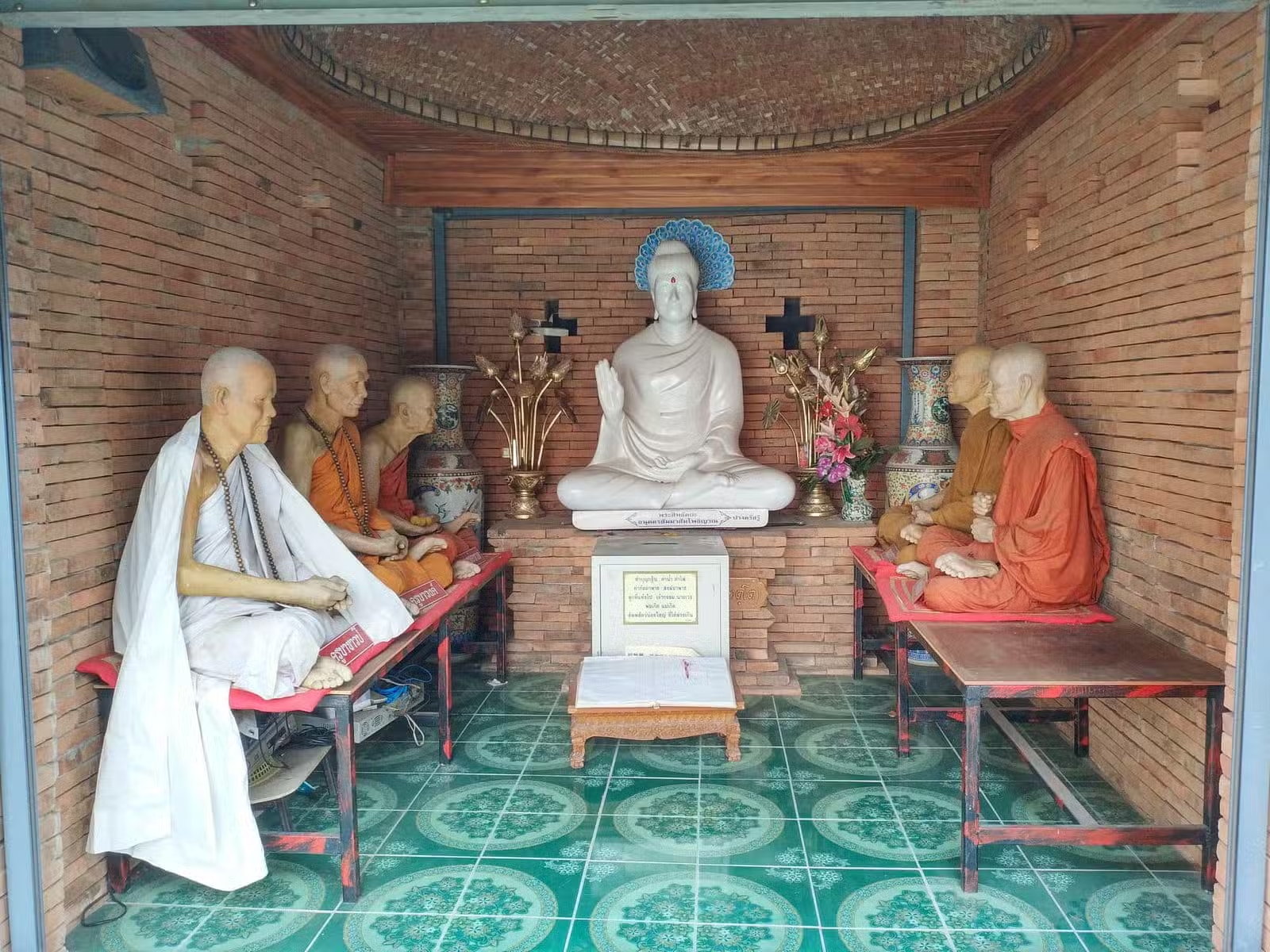
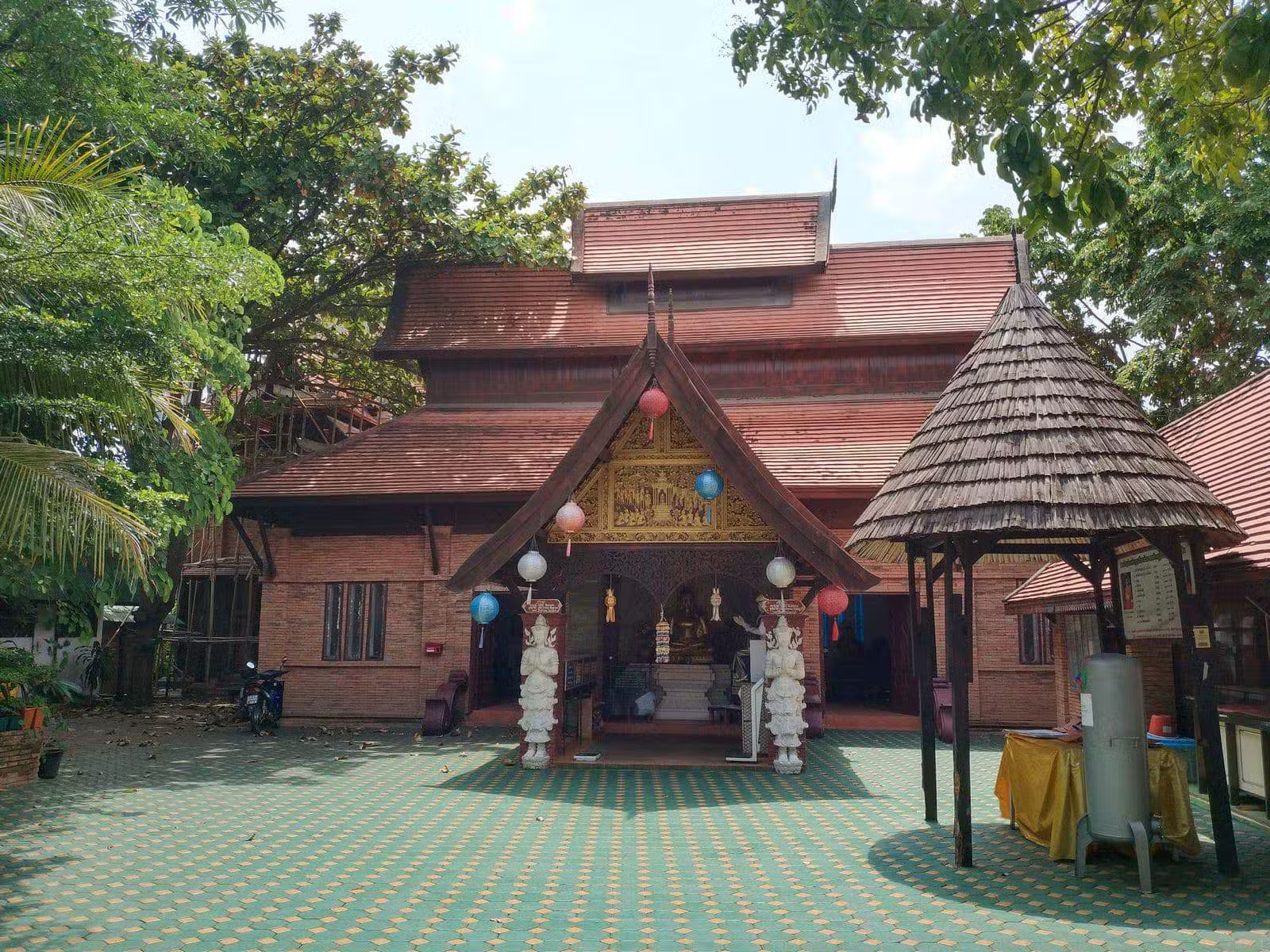
The main hall contains a large golden Buddha image framed by red columns. When the hall is open, remove your shoes at the entrance and take a few minutes to look at the interior from the public worship area. Keep your voice low and leave room for people who have come to pray.
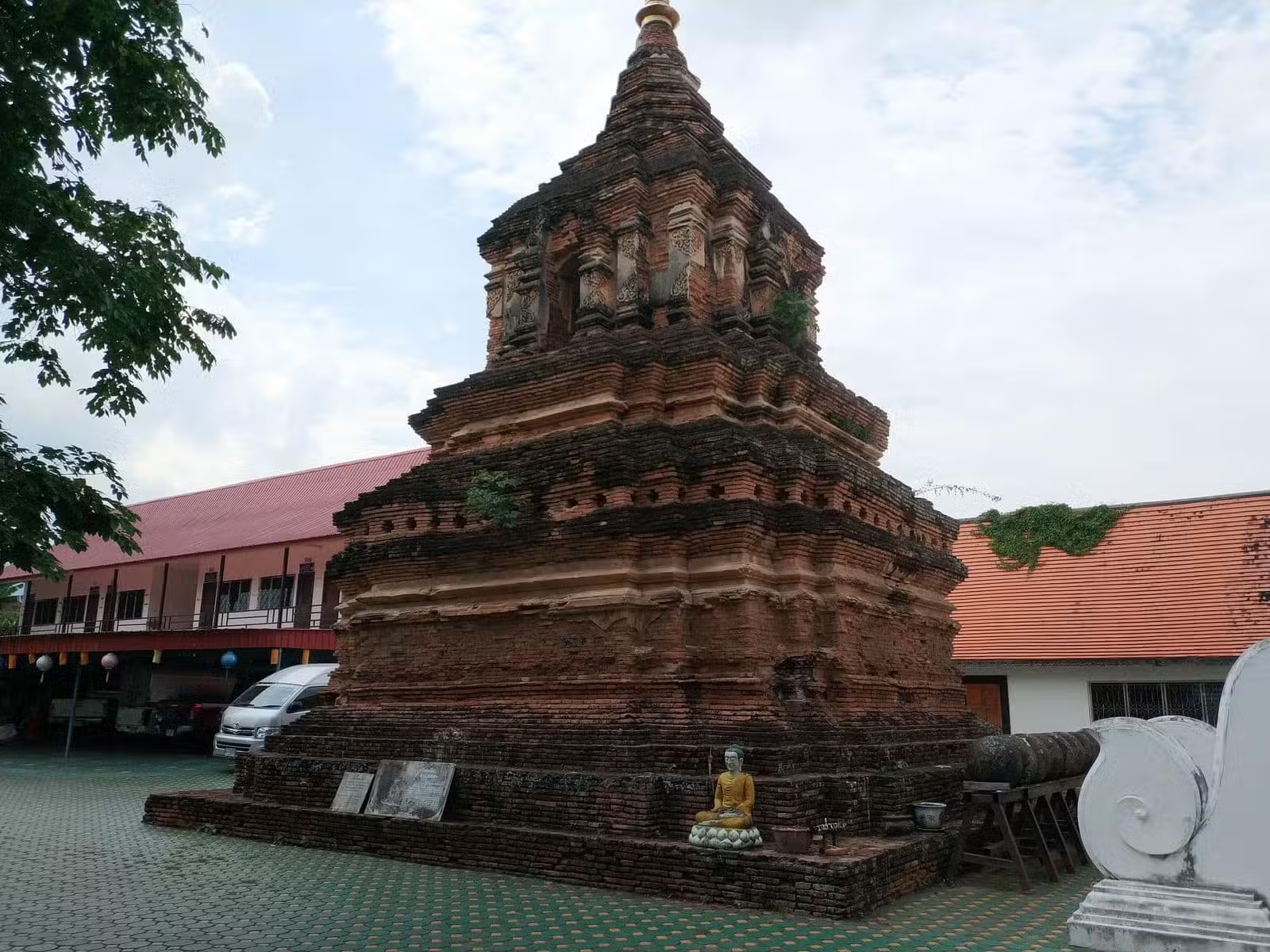
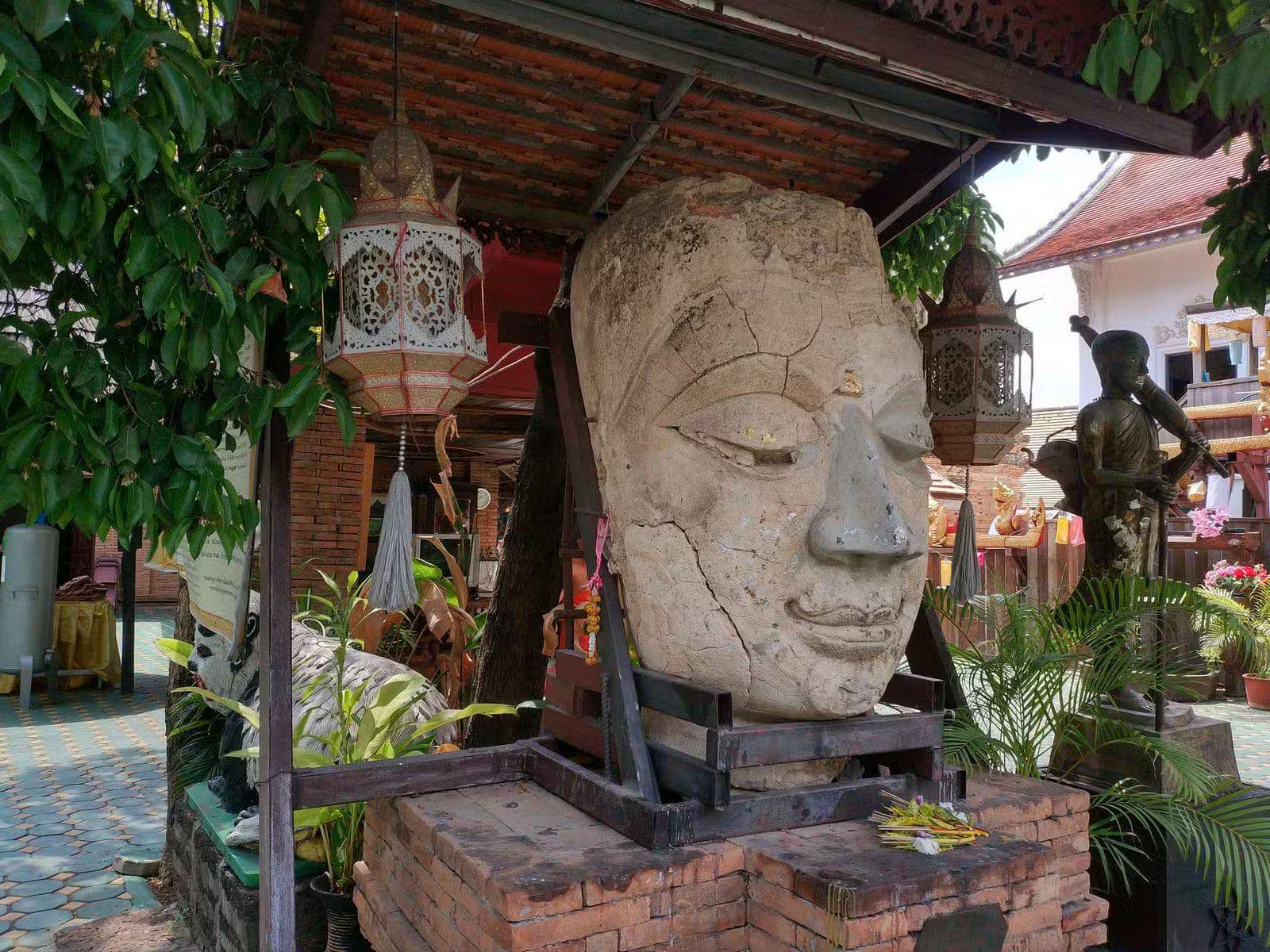
Behind the hall, the chedi provides another focal point, with niches set into its sides. Looking at the structure from different angles helps you appreciate the contrast between the older masonry and the decorated hall. Stay at ground level rather than climbing on the religious structures.
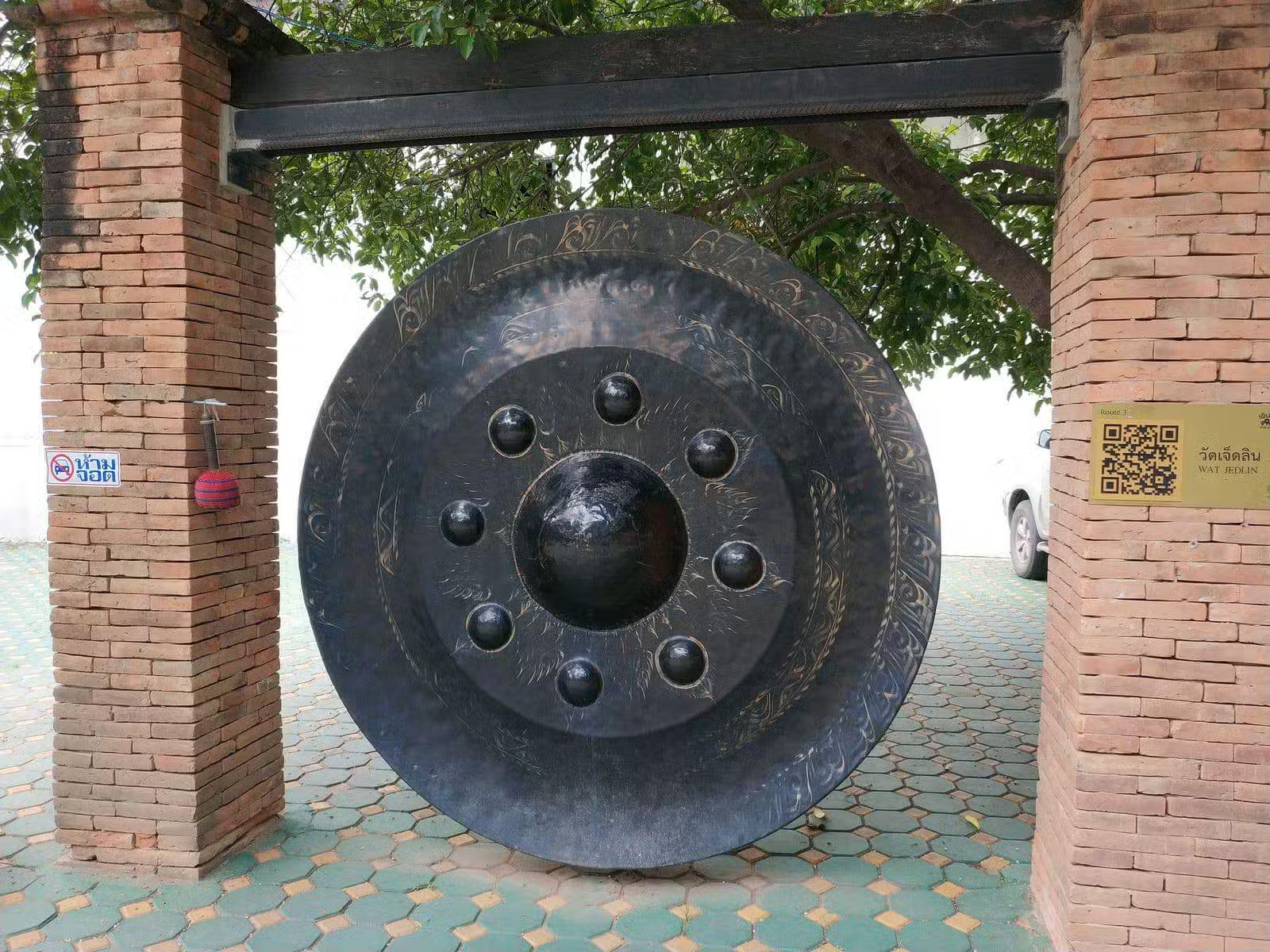
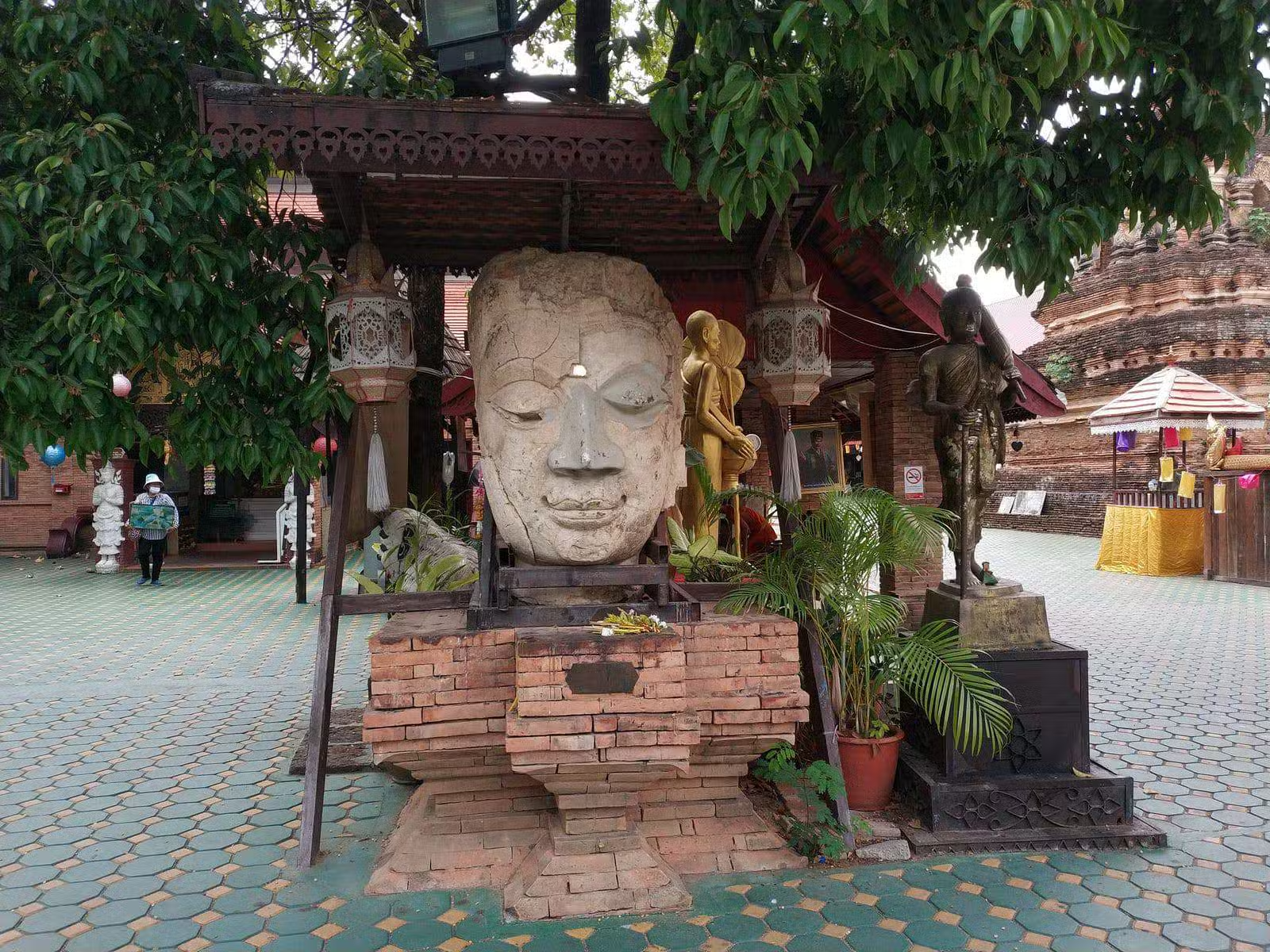
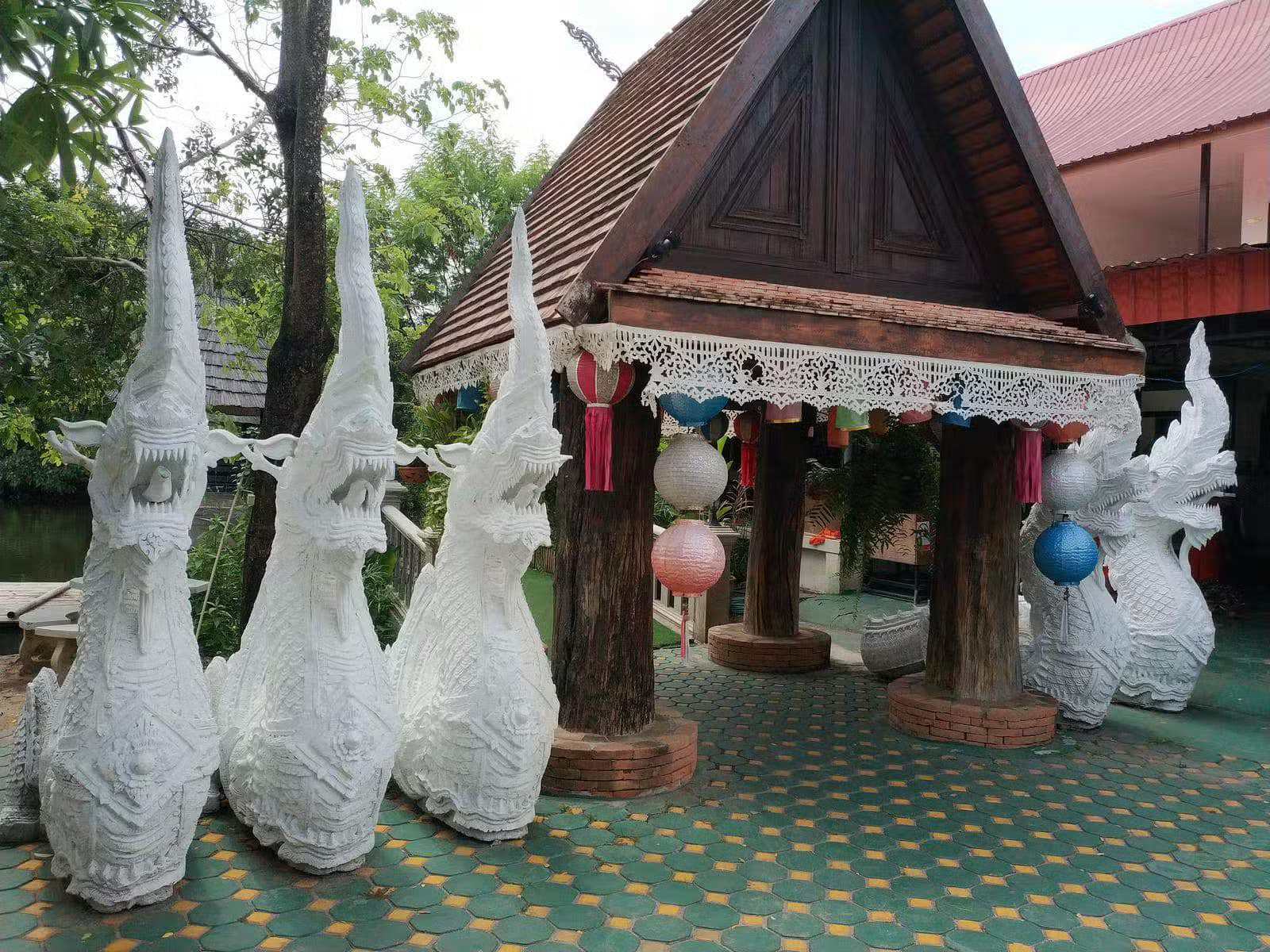
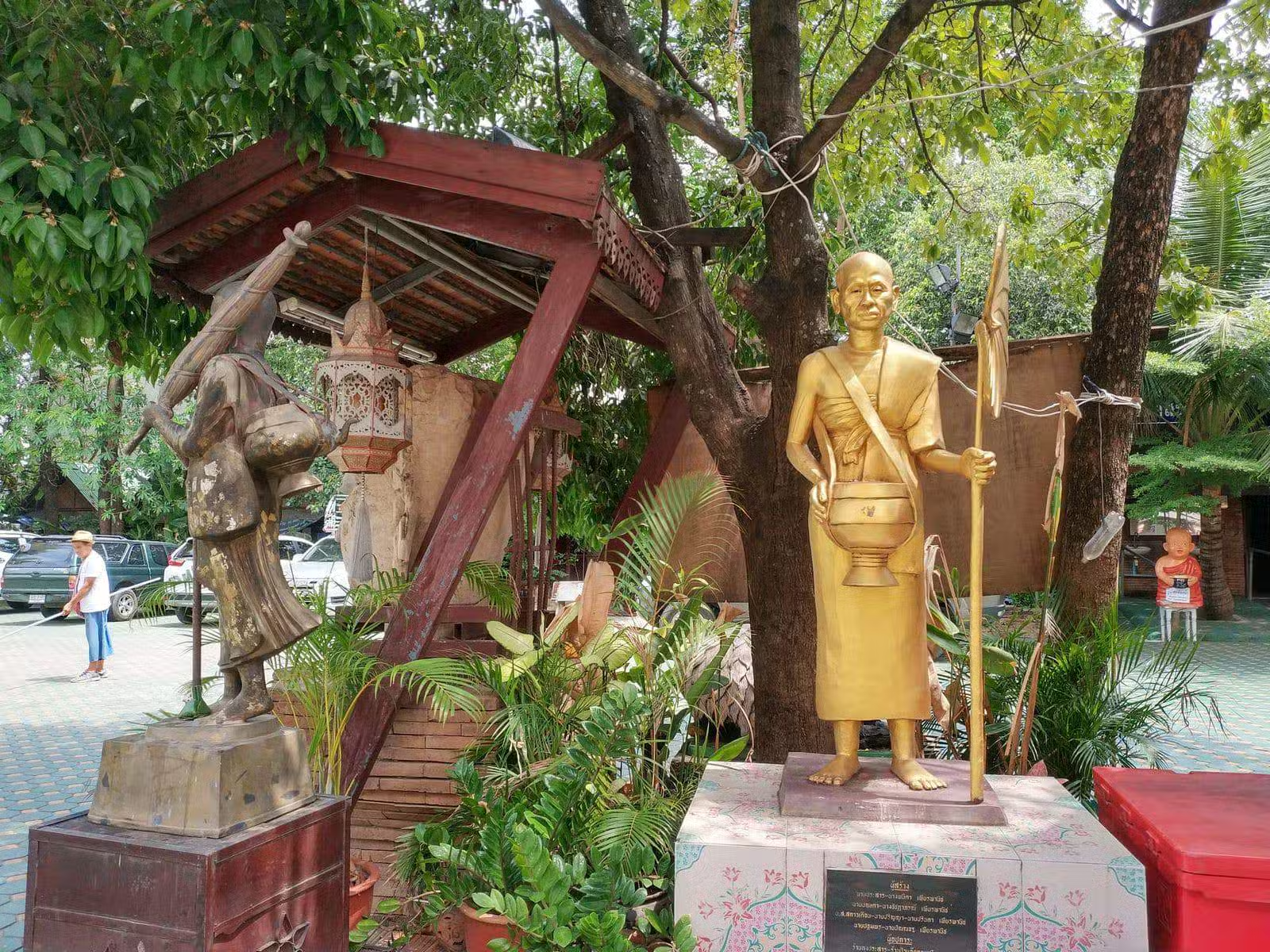
Gongs and other objects around the hall are part of the temple setting. Ask before sounding a gong or using anything associated with worship; their presence does not automatically make them visitor activities. Photography should be unobtrusive, especially when monks or worshippers are nearby.
The Pond and Wooden Bridge
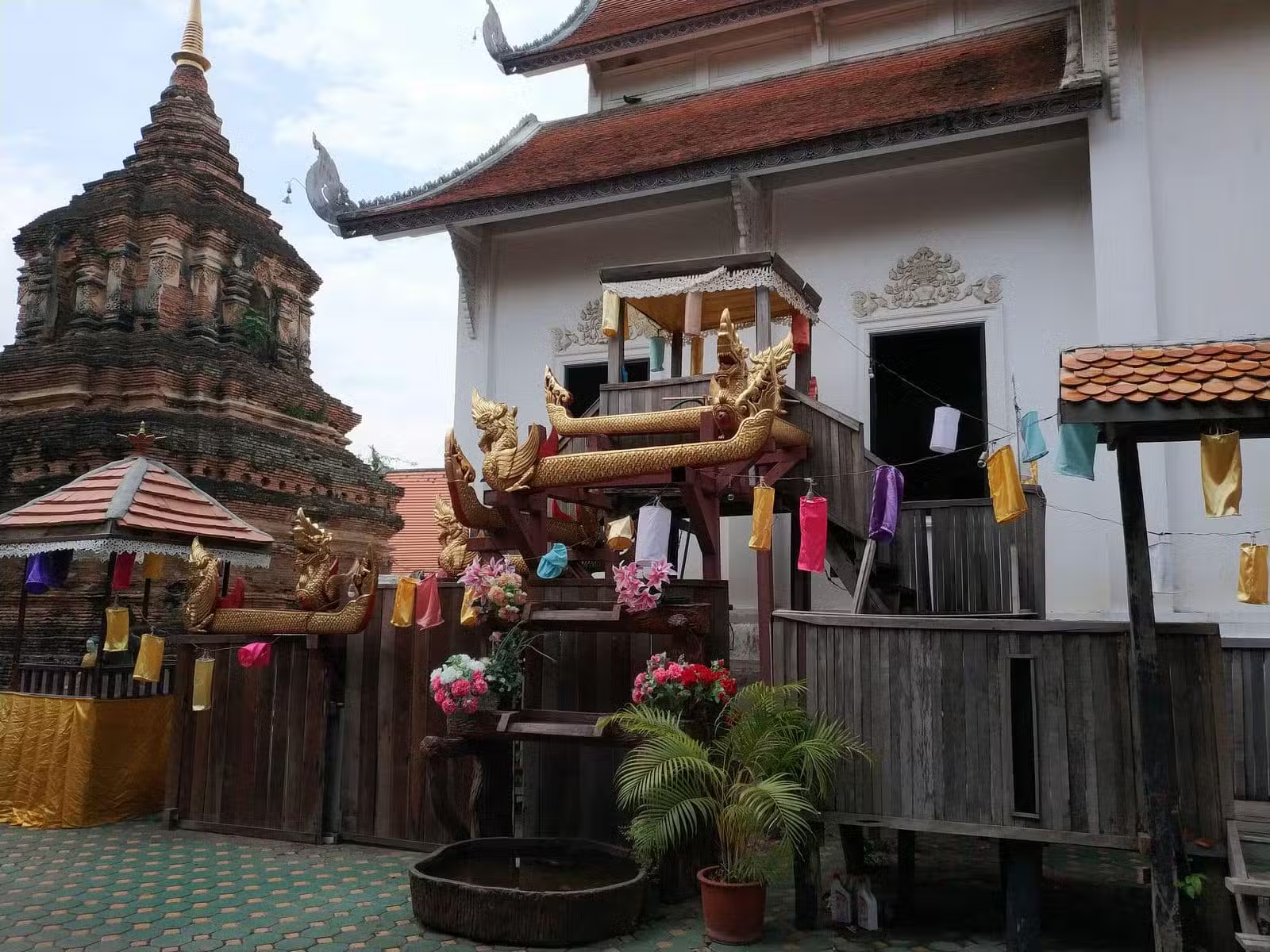
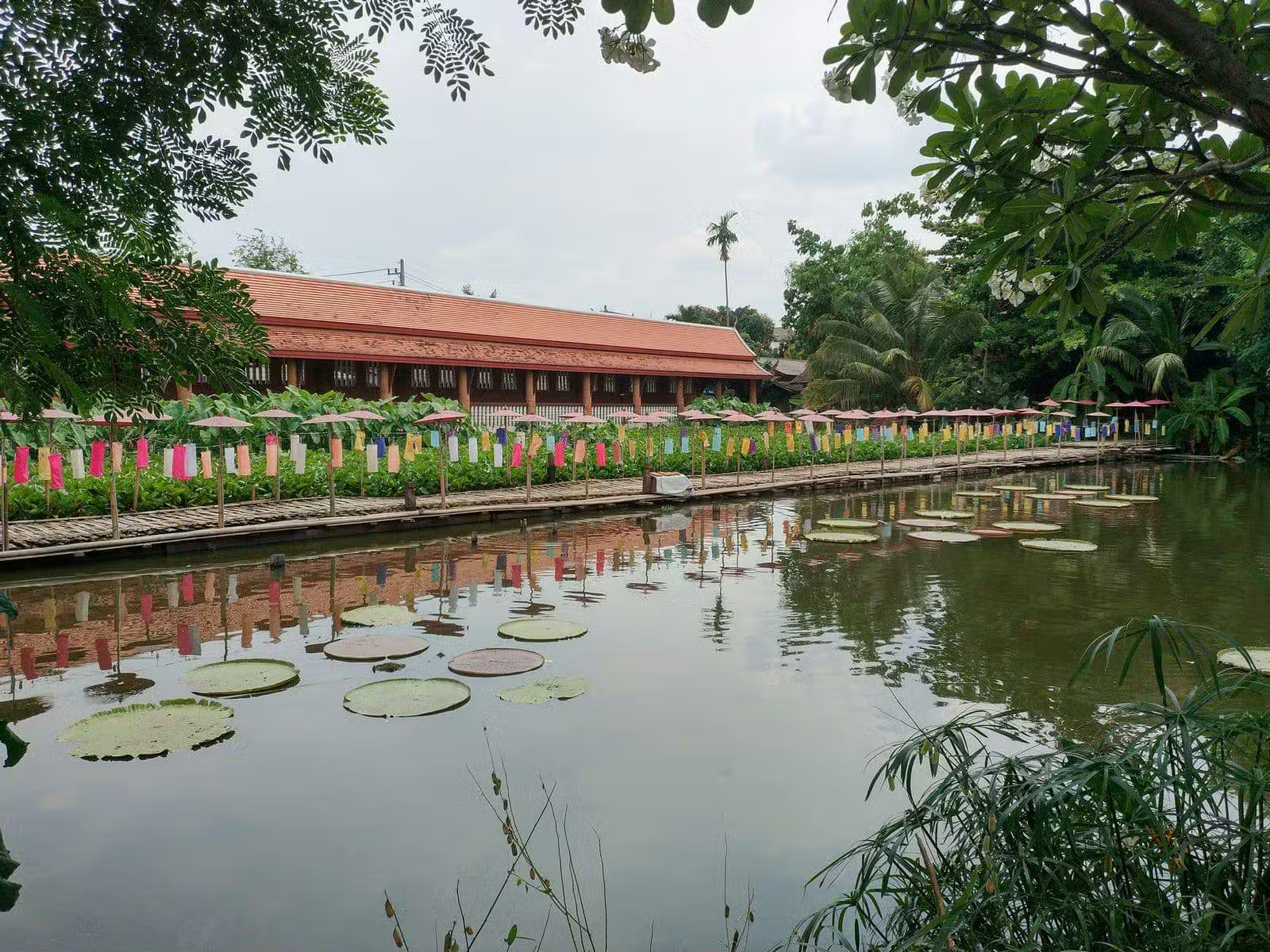
The pond is one of Wat Jedlin’s most distinctive features. Water lilies and the surrounding greenery soften the view, while the bridge links the public grounds with areas used by the monastic community. Decorations along the crossing can change with festivals and maintenance, so the familiar photographs of parasols are not a promise of the same display on every visit.
Use the bridge only when it is open to visitors and follow signs about private areas. The monks’ accommodation is not a sightseeing interior. If fish are visible, enjoy watching them without throwing in food brought from outside; ask temple staff whether feeding is permitted and what food may be used.
The wooden surface can be uneven or slippery after rain. Keep children close beside the water and take photographs from a stable position without blocking the crossing. Visitors who cannot manage the bridge can still appreciate the pond from the public grounds.
Visiting from the Old City
Wat Jedlin stands on Prapokklao Road in Phra Sing, south of Wat Chedi Luang and within the old walls. Walking is practical if you are already exploring this part of the city. The similar name Wat Chet Yot refers to a different temple outside the Old City, so check the destination when arranging a driver.
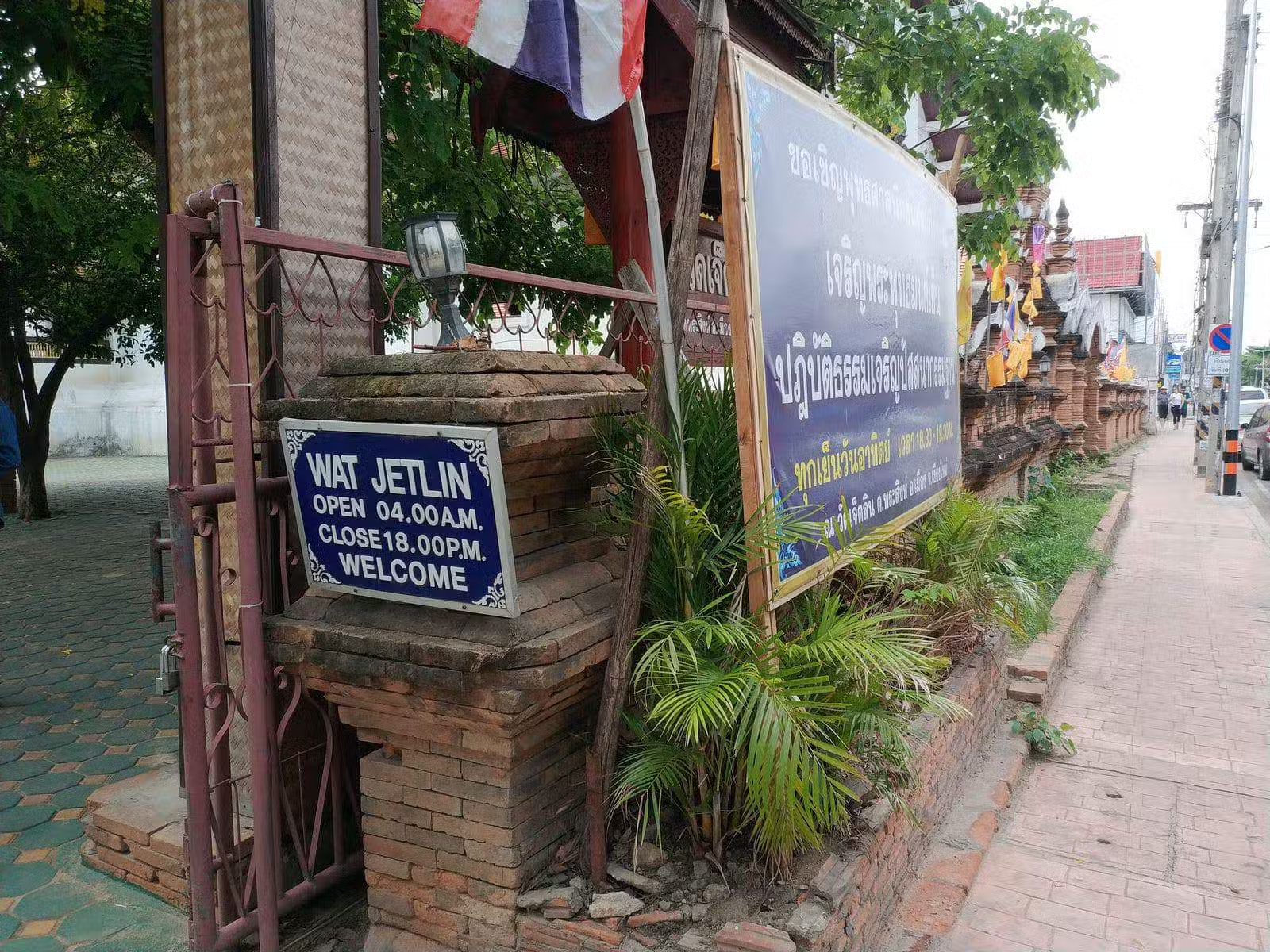
Visit in daylight and follow the temple’s current access notices, as the hall and other areas may not share a single opening schedule. Entry is generally free, with donations welcome where a collection point is provided. Wear clothing that covers your shoulders and knees and remove your shoes wherever required.
Combine the stop with nearby Old City temples rather than making a separate long journey for it. Cafes in the surrounding streets provide options for a drink afterwards, but do not rely on a particular cafe inside the temple grounds being open.
Wat Jedlin FAQs
Where is Wat Jedlin?
It is on Prapokklao Road in Phra Sing, within Chiang Mai’s Old City and south of Wat Chedi Luang. Wat Jet Lin and Wat Chet Lin are alternative spellings of the same temple.
Is Wat Jedlin the same as Wat Chet Yot?
No. Wat Chet Yot is a separate temple outside the Old City. Use the Prapokklao Road location when choosing a map result or arranging transport to Wat Jedlin.
What is there to see?
The main features are the Lanna-style hall with its golden Buddha image, the chedi and the pond with a wooden crossing. Allow time to enjoy the grounds quietly rather than treating the temple as a sequence of photo props.
Can visitors cross the bridge?
Use it when the crossing is open to the public and follow any access signs. It leads towards monastic areas, and permission to cross does not include entry to the monks’ private accommodation.
Is admission free?
Entry is generally free, with voluntary donations welcome at designated collection points. Visit during daylight and respect any temporary restrictions around ceremonies or maintenance.
How long does a visit take?
Around 20 to 30 minutes is sufficient for the main public areas. You can stay longer to enjoy the pond, provided you remain within the visitor areas and do not interrupt worship.









Do You Have a Question to Ask?