















































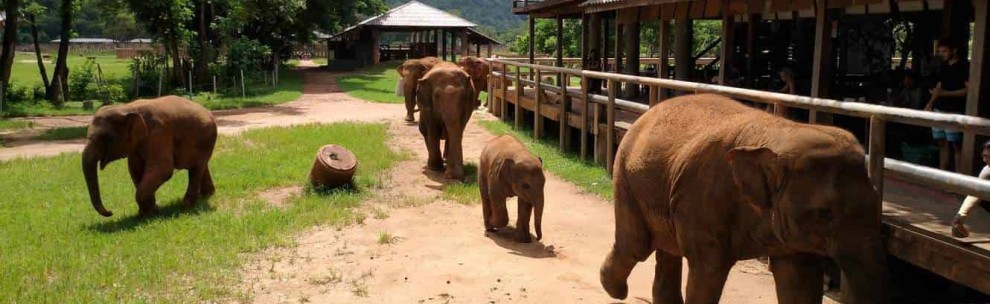
Responsible elephant tourism is about what animals experience during an ordinary day, not how a venue describes itself in advertising. The words ‘ethical’, ‘rescue’ and ‘sanctuary’ do not independently establish welfare standards. A more useful starting point is whether elephants can choose to move away from visitors, forage, socialise, rest and spend meaningful time without being required to entertain successive tour groups.
Where to Consider an Observation-Based Visit
World Animal Protection’s elephant-friendly guide lists Chiang Mai options including ChangChill View Doi and Hillside, Burm and Emily’s Elephant Sanctuary, Kindred Spirit Elephant Sanctuary and Mahouts Elephant Foundation’s LIFE Project. The guide distinguishes its elephant-friendly category from other highly assessed venues that still permit some contact. Use the named Chiang Mai location when choosing, since one organisation can operate projects in several provinces.
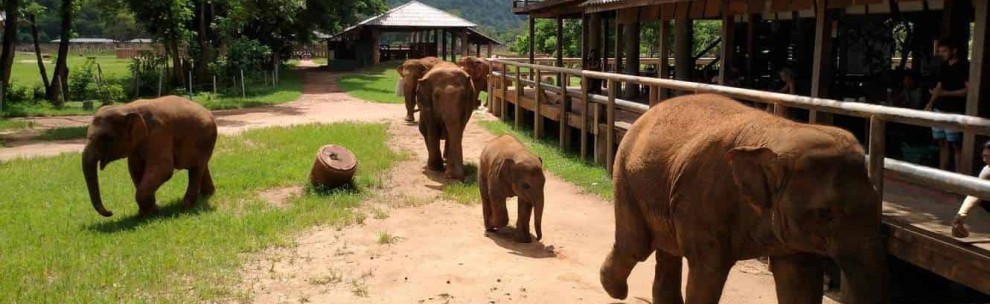
An observation visit gives time to watch elephants forage, socialise and use their surroundings, with guides explaining their histories and care. ChangChill describes its approach around observing natural behaviour instead of tourist riding, bathing or feeding. Select an itinerary built around that experience, rather than a close-contact package using a familiar sanctuary name.
How to Compare a Real Tour Before Booking
The key distinction is between watching elephants and requiring them to interact with visitors. Riding, scrubbing, hugging, hand-feeding or posing for photographs makes contact part of the product. An observation-led programme gives animals space to withdraw and includes uninterrupted time away from successive visitor groups.
Look for a clear explanation of daily management, veterinary care, social groups and any use of restraint. Independent welfare assessments add useful evidence alongside the itinerary. A rescue story does not explain present-day care, and individual captive elephants have different needs; release to the wild is not a realistic promise for every animal.
Getting There and What to Bring
Elephant projects are usually outside central Chiang Mai, often on rural or mountain roads. A half-day label can include a substantial transfer as well as time with the guides. When choosing a visit, compare actual viewing time, walking, and the return journey, and choose a tour with hotel pickup when the location makes independent travel impractical.
Wear practical closed shoes, carry water and sun protection, and be prepared for rain or muddy surfaces during the wet season. Visitors with limited mobility should ask about gradients, transfers, toilet facilities and whether observation areas can be reached without crossing uneven ground. If travelling with young children, check any minimum age requirements and whether the operator can accommodate the family without close animal contact. Follow the guide’s viewing distance and instructions throughout; an observation visit does not remove the need for careful supervision.
A Better Choice for Families and Wildlife-Minded Travellers
Families do not need to touch an elephant to have a memorable experience. A well-guided observation session can explain how elephants communicate, what they eat, how their social groups work and the challenges of caring for elephants previously used in tourism or logging. Children may take more from the visit when they are encouraged to watch behaviour patiently rather than queue for a photograph.
A locally guided nature outing offers another way to learn about wildlife without contact with captive animals. Donations are best directed to organisations that explain their work and use of funds. Longer volunteer stays involve different duties, training and commitments from a day visit; untrained hands-on animal care should not be treated as a casual holiday activity.
Responsible Elephant Tourism in Chiang Mai FAQs
Is every sanctuary ethical?
No. A sanctuary name or rescue story does not reflect current care standards. Look for space to forage, socialise and withdraw from visitors, with independent welfare evidence. The actual programme matters more than promotional photographs.
Should I ride an elephant?
Choose observation without riding or forced contact. Removing rides alone does not remove bathing, posing or other controlled tourist interaction. A visit built around natural behaviour gives a clearer welfare-focused choice.
Is bathing always ethical?
No. Tourist washing sessions can require controlled behaviour and repeated contact. Watching elephants bathe themselves from an appropriate distance is different from entering the water to scrub them. Choose a programme that leaves the activity to the animals.
What is the best type of experience?
Time observing natural behaviour from a suitable distance, with informed guides and transparent care practices. Include the walking and road journey when choosing a programme suited to your group. An observation-led visit still needs supervision and respect for the guide’s boundaries.
How can I compare operators?
Compare the named site and written itinerary with independent welfare guidance, distinguishing observation from contact activities. Care, restraint, breeding and veterinary arrangements help explain management. Then choose transport, walking and child arrangements suited to the people travelling.








Do You Have a Question to Ask?