


















































Chiang Mai Zoo is a large hillside zoological park on Huay Kaew Road, beside Chiang Mai University and the road climbing towards Doi Suthep. Animal exhibits, forested slopes and landscaped visitor areas spread across roughly 200 acres, making it a substantial outing close to the city.
The setting is part of the experience, but the hills also influence how you visit. Choose your priority animal areas before setting out, consider the internal transport and leave time for rest stops. The aquarium, snow attraction and other optional activities have separate ticket arrangements.
Animal Areas and What to Prioritise
Large Mammals and African Animals
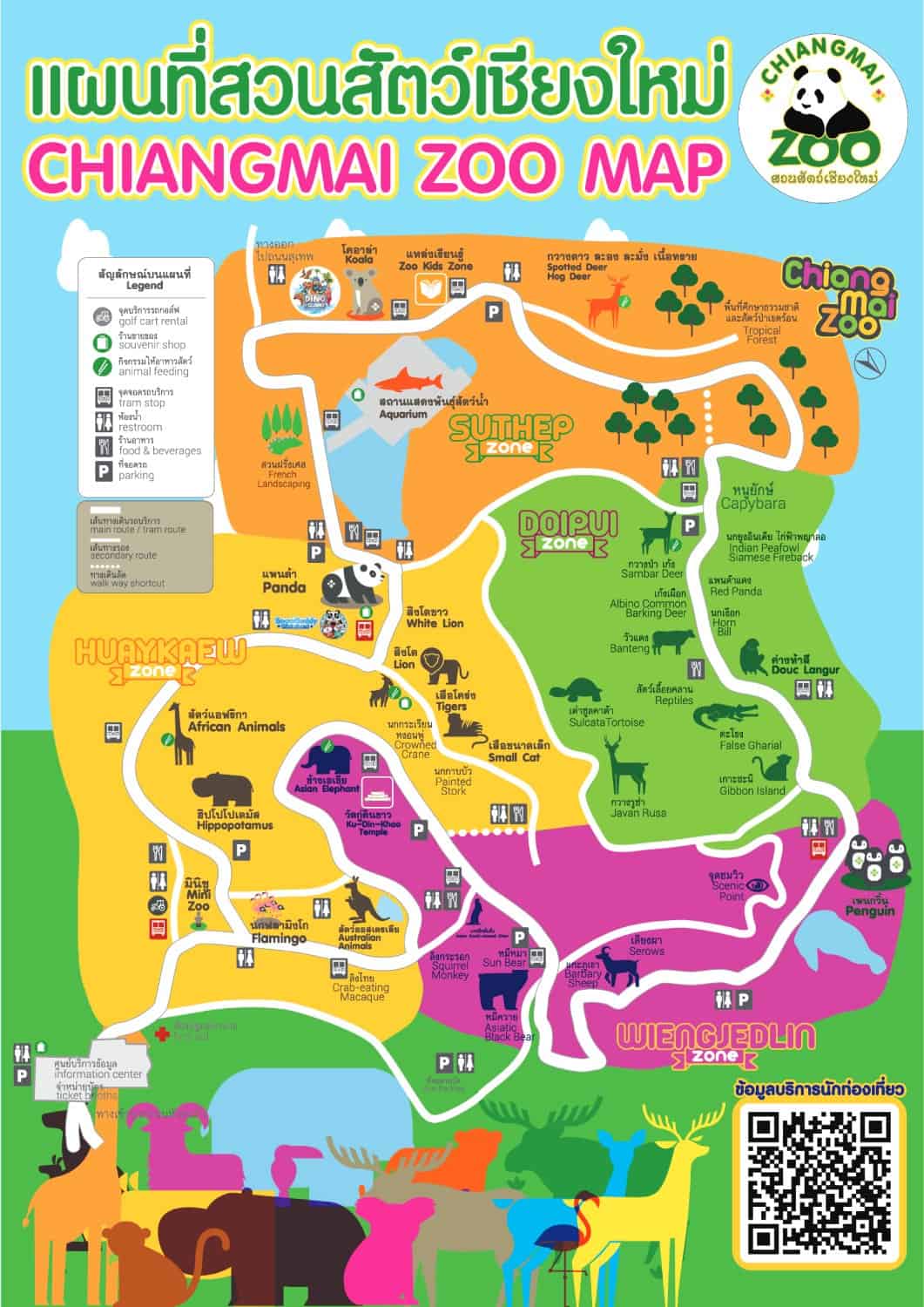
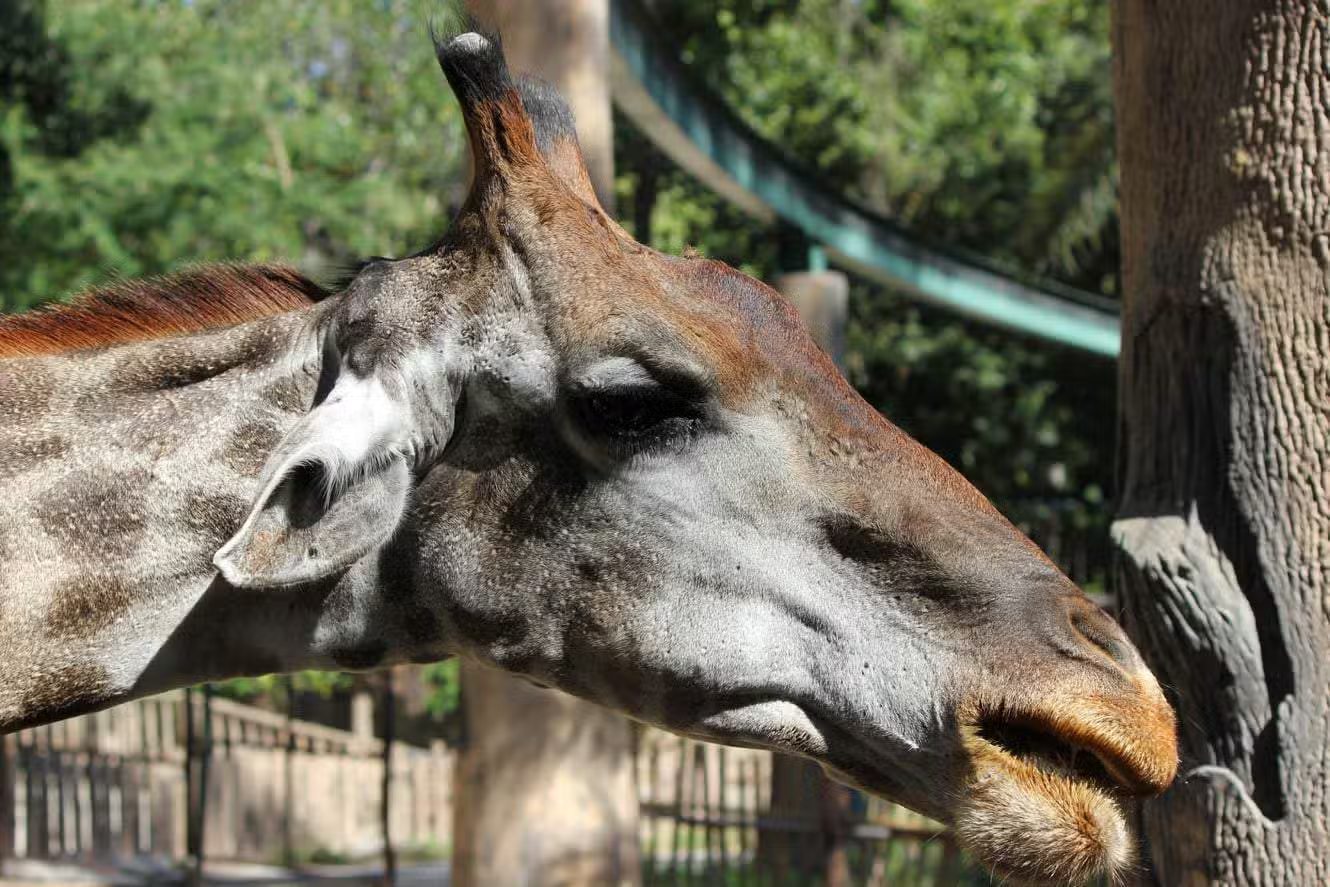
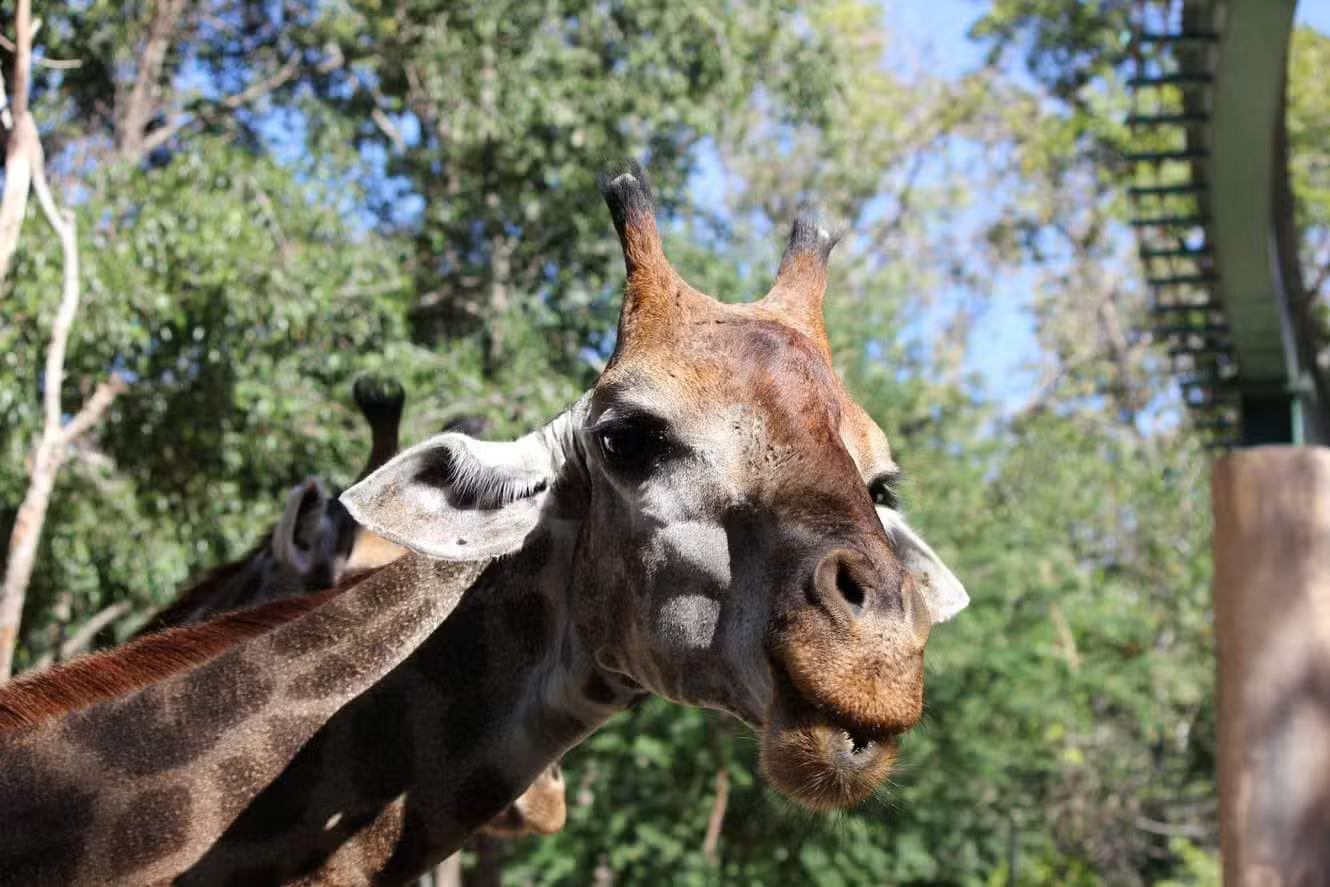
Giraffes, zebras and other African animals offer a different viewing experience from the forest-dwelling species elsewhere in the zoo. Look at the animals’ movement and social behaviour rather than expecting them to stand near the viewing area. The hillside roads connect exhibits across a sizeable site, so check their position on the current map before deciding your walking sequence.
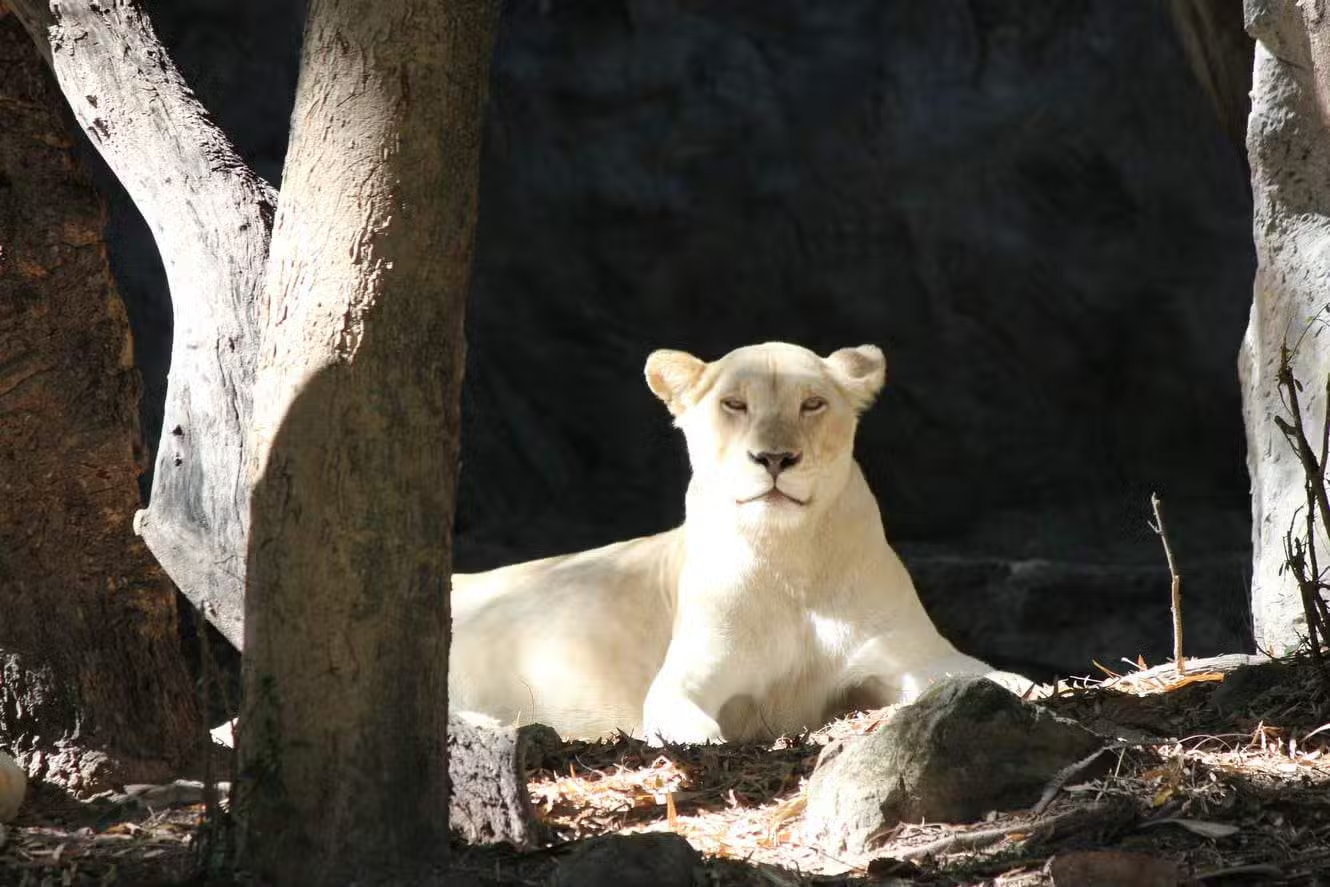
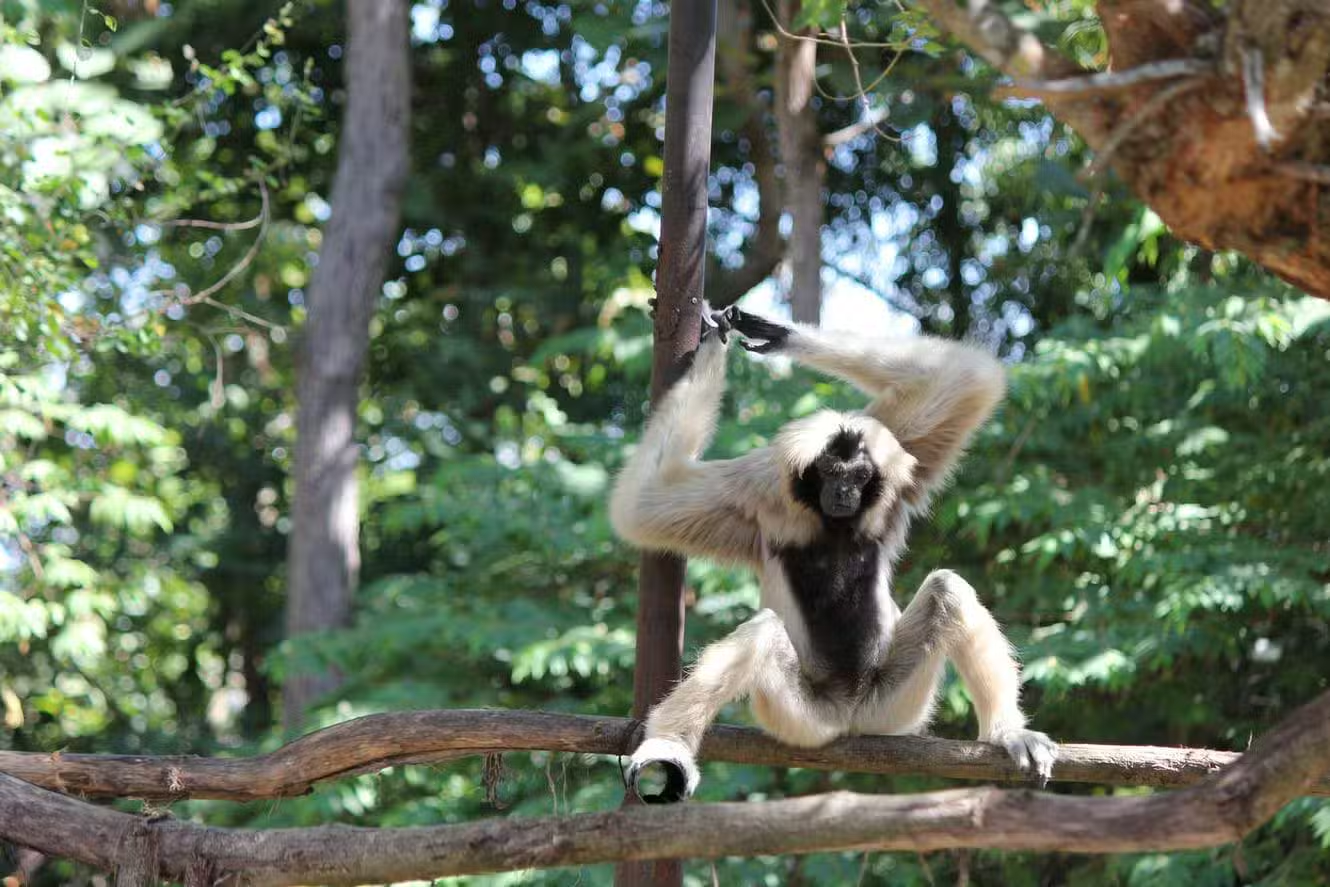
Asian elephants, hippopotamuses, big cats and primates are other important parts of the zoo visit. Lions, tigers, orangutans and bears occupy different enclosures, and seeing several groups takes more time than a quick circuit around the entrance. Animal visibility changes with weather, resting behaviour and care routines; an empty viewing window does not mean you can enter a restricted area.
Penguins, Birds and Smaller Animals
Penguins provide a contrast with the larger outdoor mammal exhibits, while the zoo’s bird areas add colour and smaller-scale observation. Families can also look for the Zoo Kids Zone on the visitor map. Choose these stops around your children’s interests instead of trying to cover every species in one day.
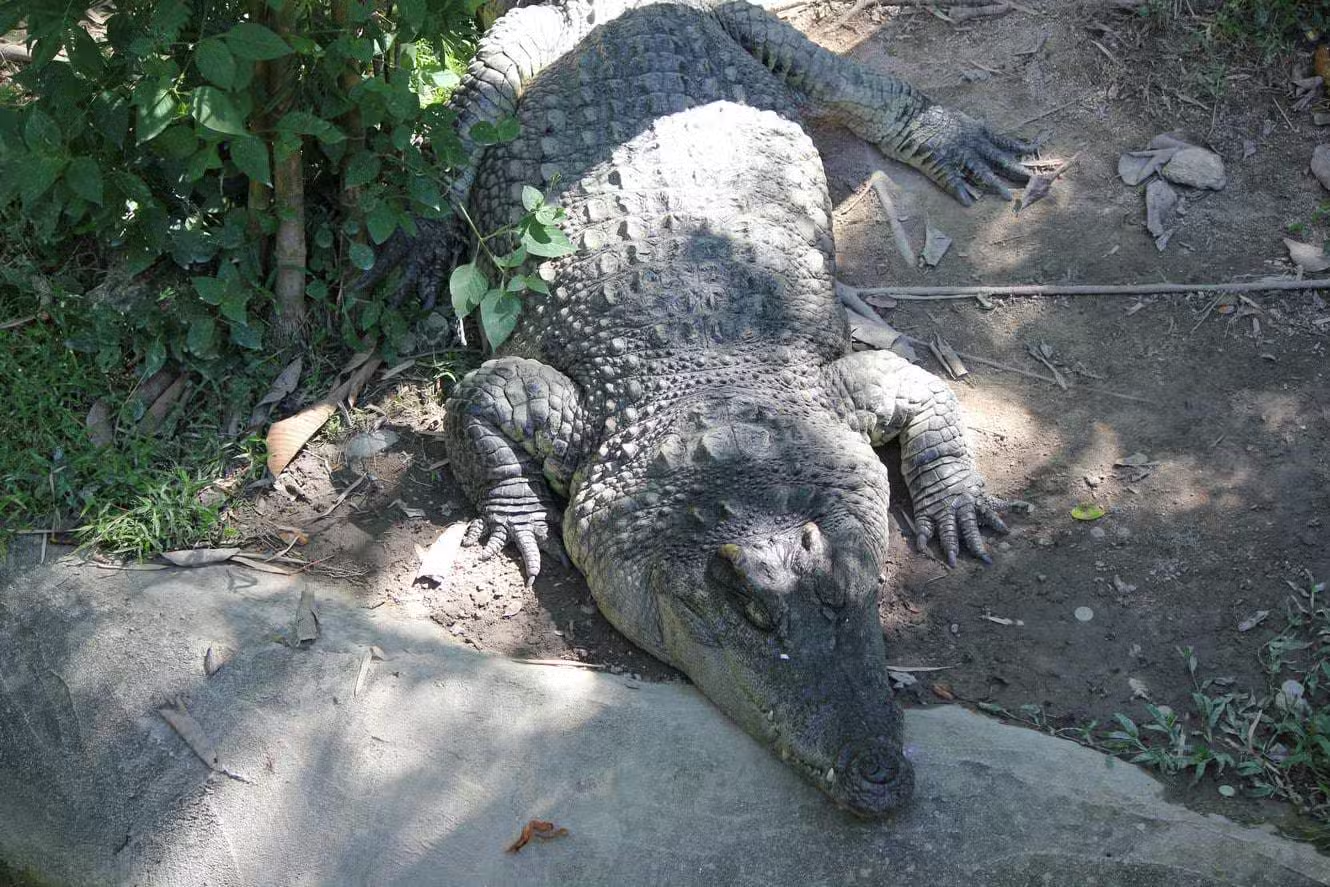
Reptiles and other smaller animals reward a slower look. Take time to read the labels and watch for movement, since some species can be hard to spot immediately. Check the day’s access information for individual exhibits, which may close earlier than the general grounds.
Presentations and Feeding Activities
Ask at the entrance about the day’s keeper talks, presentations and supervised feeding activities. These can help explain animal behaviour and care, but they have their own times, participation conditions and possible extra charges. Staff-approved food is different from bringing snacks to feed an animal yourself.
Use the daily programme to anchor your route if a particular session matters to you. Build in time to travel between stops, and supervise children closely around barriers. Keep hands and belongings out of enclosures even when an animal appears approachable.
The Aquarium and Other Separately Ticketed Attractions
Chiang Mai Zoo Aquarium
The aquarium is inside the zoo grounds and requires its own admission in addition to zoo entry unless a package explicitly includes both. Its freshwater and marine displays lead to an underwater tunnel where fish, rays and sharks can be viewed through the surrounding tank walls. Allow time to pause at the exhibits rather than walking straight through the tunnel.
The aquarium operates later morning hours than the zoo’s earliest visitor period. Its current schedule is 10am to 4pm Monday to Friday and 9am to 5pm on weekends and public holidays. A useful sequence is to visit selected outdoor animals first, then move indoors, while leaving enough time before the aquarium closes.
Regular foreign-visitor aquarium admission is 450 baht for adults and 350 baht for children aged three to 12. Online promotions may have different rates and payment or redemption requirements. An aquarium-only ticket does not pay for the main zoo entrance, internal transport or other attractions.
SnowBuddy WinterLand and Dino Island
SnowBuddy WinterLand offers an indoor cold-weather experience within the zoo complex. It changes the pace of a day spent outside, with a chilled environment and snow-based recreation. Ask about available sessions, clothing, footwear, age or height rules and the ticket’s exact inclusions before paying.
Dino Island adds a dinosaur-themed family attraction to the wider complex. It is an optional stop alongside the living-animal exhibits, with its own admission arrangements. Check the activities available on your date and decide whether they fit your children’s interests and the time left in the day.
These attractions can turn a half-day zoo visit into a much longer outing. Compare a combination package with separate tickets, and make sure the package covers the actual experiences you want. General zoo admission should not be treated as unlimited access to everything inside the grounds.
Getting Around the Hillside Grounds
Walking gives you flexibility to pause at exhibits, but the slopes, heat and distances can be tiring. Internal transport tickets and golf-cart hire provide alternatives at additional cost. Ask which stops are served and how the current boarding arrangements work before relying on a particular route.
The transport tariff lists 60 baht for adults and 40 baht for children under 135cm. Golf-cart hire is quoted at 350 baht per hour; confirm the vehicle conditions, capacity and any further-hour charges at the hire point. Neither option is automatically included with the general entrance ticket.
A current map is more useful than assuming the whole zoo follows one circular path. Group nearby exhibits together and ask staff whether starting higher up and working downhill is practical with the day’s transport. The former monorail is not a visitor transport option to build your itinerary around.
Admission and a Realistic Visit Length
The listed international general-admission rate is 350 baht for adults and 120 baht for children aged three to 12. Confirm the applicable child, concession or resident category at purchase, especially for very young children. Aquarium entry, snow and dinosaur attractions, internal transport and selected activities are additional unless expressly included in your ticket.
Allow three to four hours for a selection of animal exhibits, or around half a day for a broader zoo visit. Adding the aquarium and several optional activities can occupy most of the day. Arrive in the morning for cooler walking conditions and confirm the zoo’s current last-entry and closing times before setting out.
Take water, a hat, sun protection and footwear suitable for slopes. Light rain protection is useful between outdoor exhibits, and refreshment stops can help break up the route. Check food and packaging rules locally and keep any picnic food away from the animals.
Children, Mobility and Visit Comfort
Families benefit from selecting a few animal priorities and allowing breaks rather than attempting every zone. A stroller can help with tired children, but steep gradients and uneven sections may make some routes difficult. Keep spare clothing if you have booked an activity that requires it, and establish a meeting point for the group.
Wheelchair users and visitors with limited mobility should contact the zoo about accessible routes, vehicle boarding and assistance. Internal transport reduces some walking but does not establish step-free access to every exhibit. Confirm aquarium access separately if that is a main reason for the visit.
Getting to Chiang Mai Zoo
The entrance is at 100 Huay Kaew Road in Suthep, west of Chiang Mai University. From central Chiang Mai, follow Huay Kaew Road towards the university and the foot of Doi Suthep. Use the main zoo entrance as your destination rather than a pin for an attraction deep inside the grounds.
A red songthaew, taxi, tuk-tuk or app-based ride can take you from the Old City or Nimman area. Agree on the destination and fare before a songthaew or tuk-tuk journey, and distinguish a shared ride from a private hire. Arrange a suitable return pickup if you are leaving late or travelling with a group.
Parking costs 50 baht for a car and 10 baht for a motorcycle. The zoo and Wat Phra That Doi Suthep share a road corridor, but both need time, with further mountain travel for the temple. Combine them only with a realistic schedule rather than squeezing a full zoo circuit between other appointments.
Chiang Mai Zoo FAQs
How long should you allow at Chiang Mai Zoo?
Three to four hours suits a selection of animal areas, while a broader visit takes around half a day. The aquarium and other optional attractions can extend the outing to most of a day.
Is the aquarium included in zoo admission?
It requires separate admission unless your package specifically includes both. The aquarium’s regular foreign-visitor rates are 450 baht for adults and 350 baht for children aged three to 12.
Can you see giant pandas?
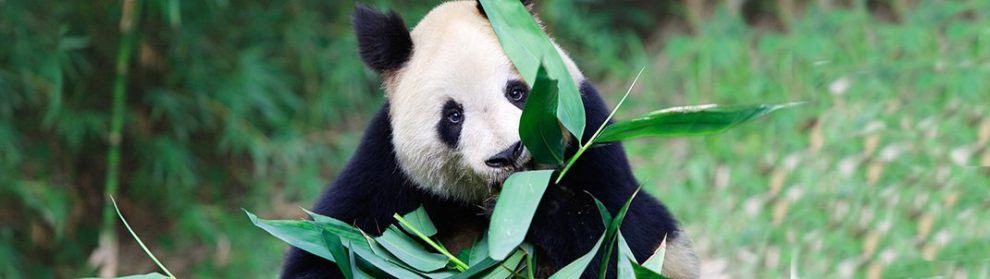
Do not plan a visit on the assumption that pandas are on display. Chuang Chuang and Lin Hui died in 2019 and 2023 respectively; check the zoo’s current exhibit information before booking specifically for a panda visit.
Do you have to walk around the whole zoo?
Internal transport and golf-cart hire are available at extra cost. Check the current stops, boarding arrangements and vehicle conditions, since the zoo covers a large hillside site.
What does the general ticket cost?
The listed international rate is 350 baht for adults and 120 baht for children aged three to 12. Confirm any concession or young-child entitlement, and budget separately for transport and optional attractions.
Is the zoo suitable for visitors with limited mobility?
The hills and distances can be challenging. Contact the zoo about accessible routes and vehicle boarding before travelling, and confirm the aquarium’s access arrangements separately.
What are the aquarium hours?
It opens from 10am to 4pm Monday to Friday and from 9am to 5pm on weekends and public holidays. Allow enough time for its displays and tunnel before closing.
How do you get there from the Old City?
Take a taxi, agreed songthaew, tuk-tuk or app-based ride to the main entrance on Huay Kaew Road beside Chiang Mai University. Parking is also available at a separate charge.









Hey there!
Does the panda have her own show at any specific hour? Or is just like go around the zoo, then pay to see the panda but without show or anything?
Really appreciate your prompt response.
Best regards,
Brandon.
Hi Brandon,
There is no scheduled panda ‘show’, so just rock up and enjoy them in their own habitat.
Best regards,
Jess