










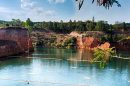






























Pai Hot Springs, also known as Tha Pai Hot Spring, is a natural hot-spring area within Huai Nam Dang National Park southeast of Pai town. Warm bathing pools sit below a much hotter source, giving visitors a place to soak among trees rather than swim laps in a resort pool.
This is separate from Sai Ngam Hot Spring and the private hot-spring resorts around Pai. Use the Tha Pai national-park destination when arranging transport, as the admission and facilities of those other places are different.
Seeing the source and choosing a bathing pool
The upper spring is the place to appreciate the geothermal water itself. Steam is particularly noticeable in cooler morning air, and the source water is around 80 degrees Celsius. It is far too hot for bathing: stay on the permitted path and behind any barriers, and keep children well away from the source and hot channels.
Water cools as it moves away from the spring, with designated pools providing the bathing experience. Choose an open pool according to its posted temperature and staff instructions. The pools are for a warm soak rather than vigorous swimming, and conditions can differ between neighbouring sections.
Egg cooking is a familiar activity here, using the very hot water in the designated area. Ask staff whether it is available and follow their instructions about where to place a basket. Do not use a bathing pool or reach into a hot channel, and treat it as an optional activity rather than something included with admission.
Planning a comfortable visit
Bring swimwear, a towel, drinking water and footwear suitable for wet paths. Keep valuables protected from water and steam, and ask about current changing facilities before entering the pools. A bag for wet clothes is useful if you are continuing to other attractions.
Use short soaks and breaks according to your comfort and the posted guidance. Leave the water if you feel overheated or unwell, and supervise children closely at pool edges. Anyone with a condition that may make hot bathing unsuitable should seek appropriate advice before deciding to enter.
Allow around one to two hours as a practical starting point for seeing the source, bathing and changing. Morning can offer cooler air and a quieter start, while the midday heat may make long soaks less appealing. Heavy rain or maintenance can affect which pools are open, so check the day’s access before paying if bathing is your main reason for visiting.
Admission and opening arrangements
The listed opening hours are 8am-6pm. Arrive well before the end of the day and confirm final entry and the bathing areas’ current closing time. The national park’s different attractions have their own access arrangements, so a park-wide schedule should not replace the hot springs’ local instructions.
The listed foreign-visitor entrance fee is 300 baht for adults and 150 baht for children. Thai national and vehicle categories are separate; ask at the entrance about the applicable rates and any age conditions. Carry cash and keep your receipt if you plan to visit another part of the same park that day, then ask whether it covers the next stop.
Admission does not include private resort pools, transport or optional purchases. Confirm any tour’s inclusions before comparing it with a self-drive visit.
Getting there from Pai
The springs are in Mae Hi, roughly eight to nine kilometres southeast of Pai town. Follow Route 1095 towards Chiang Mai, passing the Pai Memorial Bridge area, then use the signed left turn towards Tha Pai Hot Spring. The final road runs about two kilometres away from the highway to the spring area.
A car, arranged driver or local tour gives you control over the return and any other stops. Scooter riders need to be comfortable with local traffic and wet surfaces; the short distance from town does not remove the need for careful riding. Agree on waiting time and the fare before leaving with a hired vehicle.
Pai Canyon and the Memorial Bridge can fit into a broader outing on this side of town. Allow each its own visiting time, and do not hurry a return drive after bathing just to reach a sunset viewpoint. Coming from Chiang Mai involves a much longer winding-road journey, so the springs are easier to include during a stay in Pai.
Pai Hot Springs FAQs
Is this Tha Pai or Sai Ngam Hot Spring?
This page covers Tha Pai Hot Spring in Huai Nam Dang National Park southeast of Pai. Sai Ngam is a separate destination, and nearby private resorts also operate their own pools and admission arrangements.
Can I bathe at the spring source?
No. The source is around 80 degrees Celsius and is for viewing from permitted areas. Use only the designated cooler bathing pools and follow their posted temperatures, barriers and staff guidance.
How much is admission?
The listed foreign-visitor fee is 300 baht for adults and 150 baht for children. Thai national and vehicle rates are separate, and transport or optional purchases are not included in the spring entrance fee.
What time should I visit?
The listed hours are 8am-6pm, with morning offering cooler air for a soak. Confirm final entry and the day’s pool access, and allow time to change rather than arriving close to closing.
What should I bring?
Bring swimwear, a towel, drinking water, cash and footwear for wet paths. A waterproof way to carry valuables and a bag for wet clothes are useful if you plan to continue sightseeing afterwards.
How do I get there from Pai?
Head southeast on Route 1095 towards Chiang Mai and follow the signed turn near the Memorial Bridge area. The spring is about two kilometres off the highway; arrange your return transport before beginning the visit.




Do You Have a Question to Ask?