


















































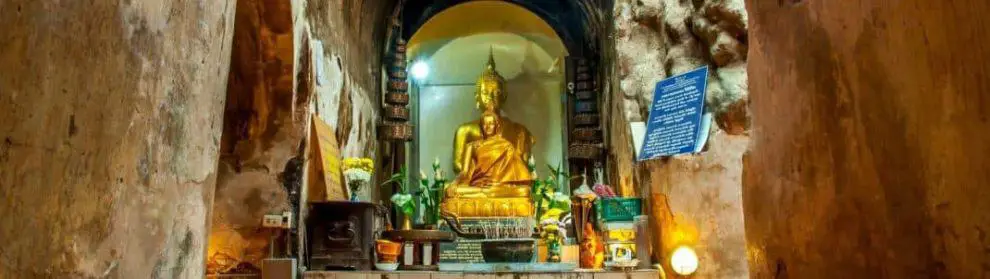
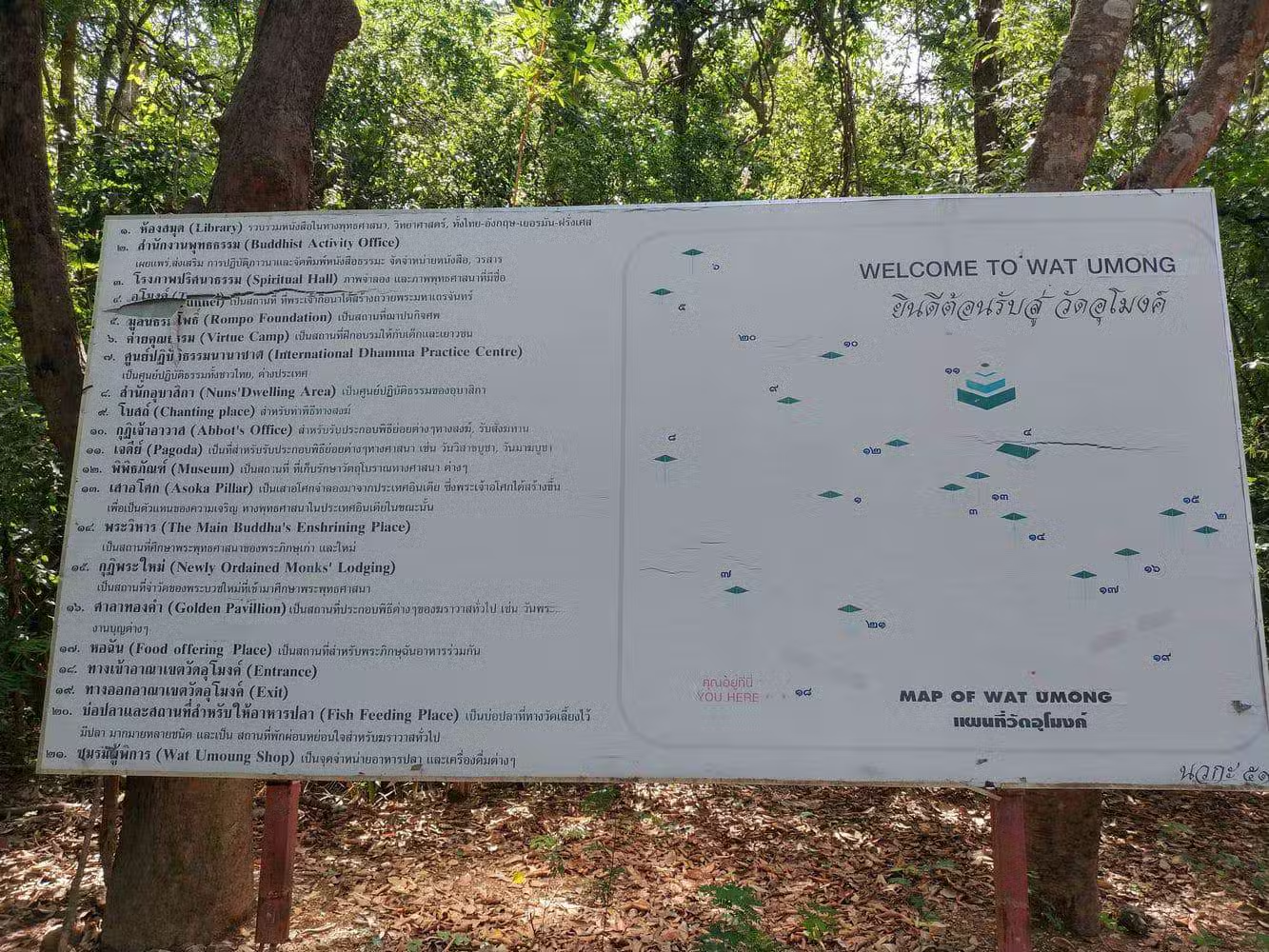
Wat Umong is a forest monastery at the foot of Doi Suthep, west of Chiang Mai’s Old City. Brick tunnels, an old chedi and shaded grounds give it a very different atmosphere from the city’s more ornate central temples.
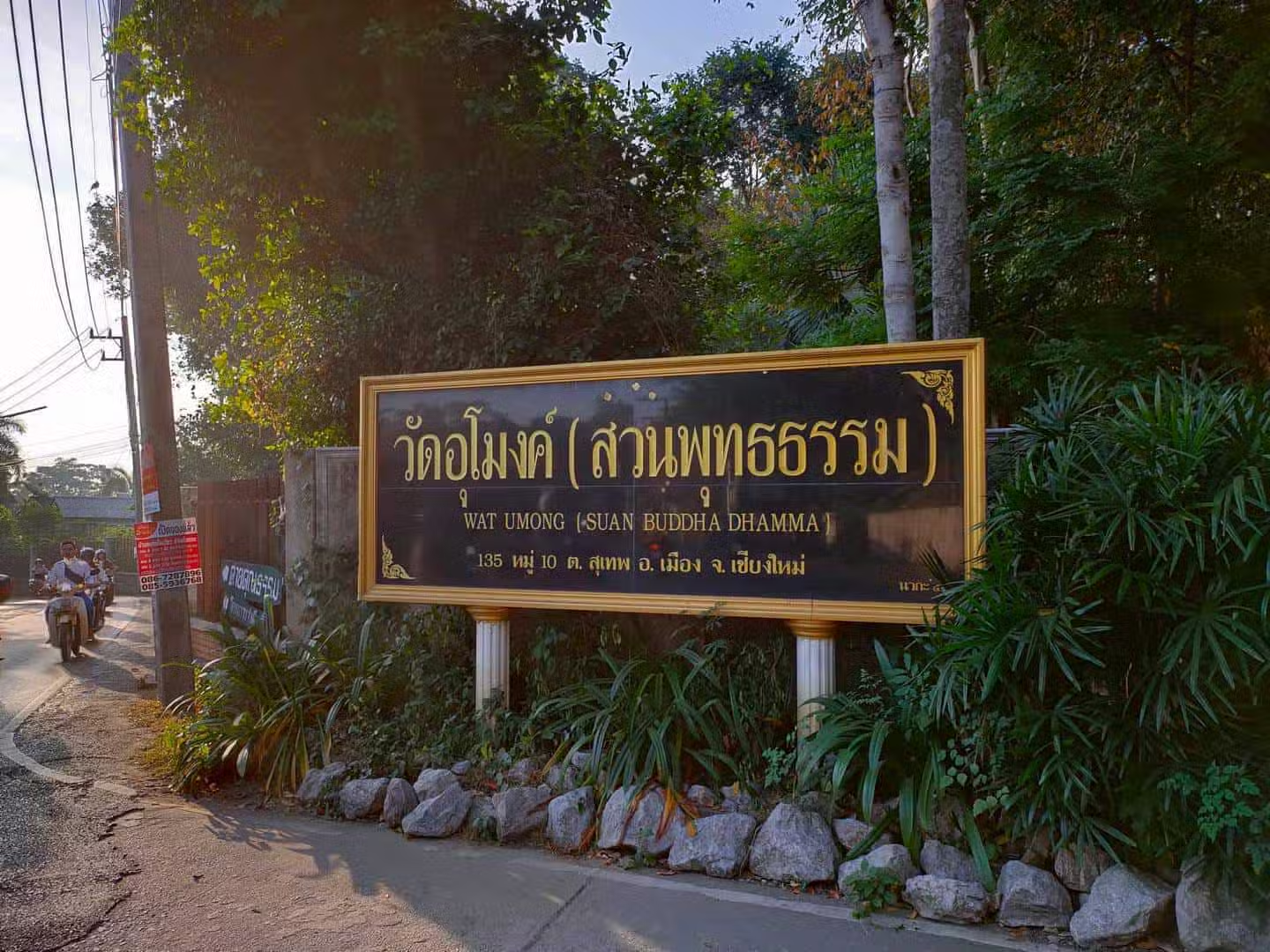
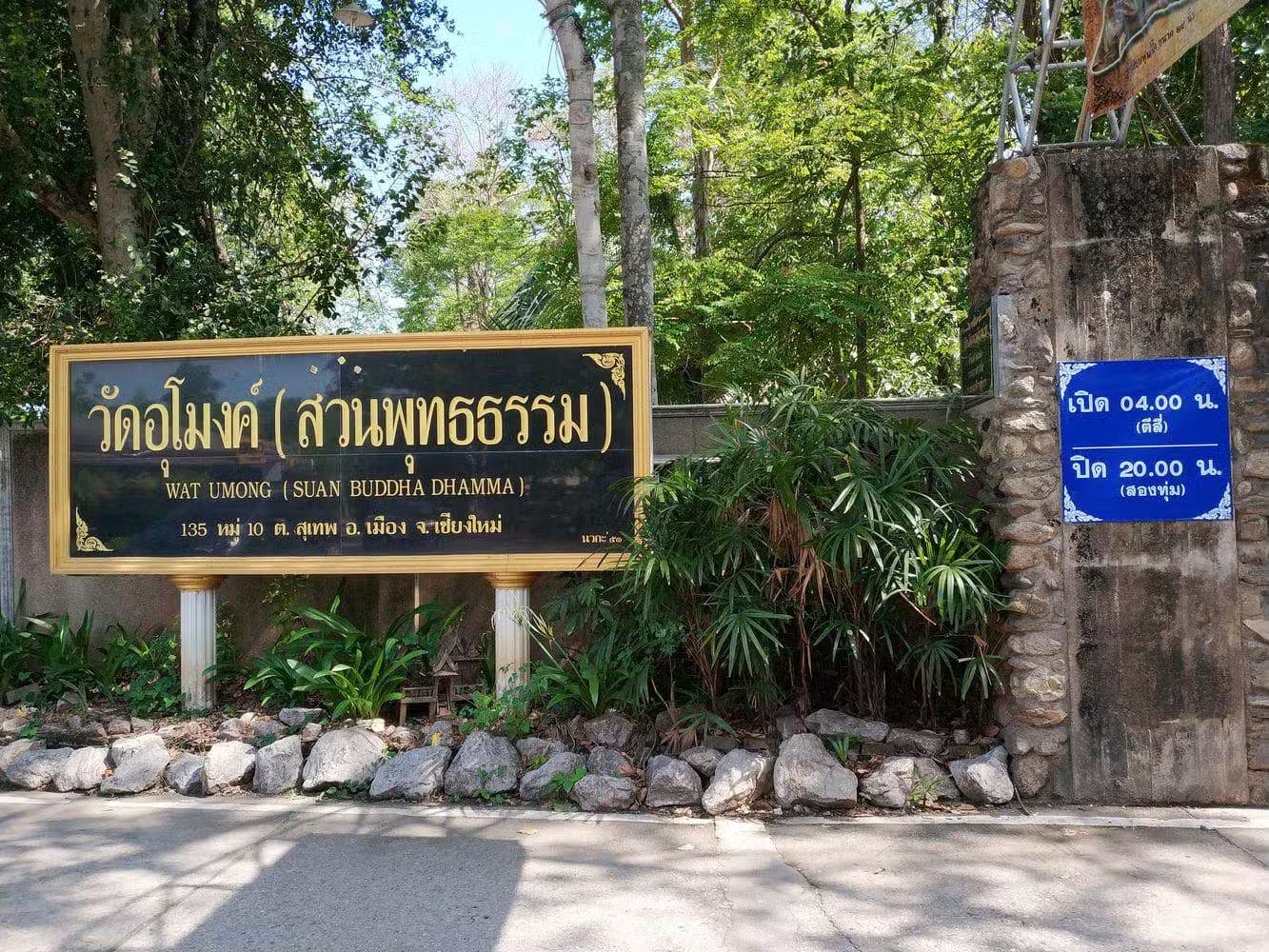
Also known as Wat Umong Suan Puthatham, it is an active place of Buddhist practice as well as a visitor attraction. Come for an unhurried walk through the tunnels and woodland, keeping in mind that people may be meditating or taking part in a residential retreat nearby.
The Brick Tunnels and Chedi
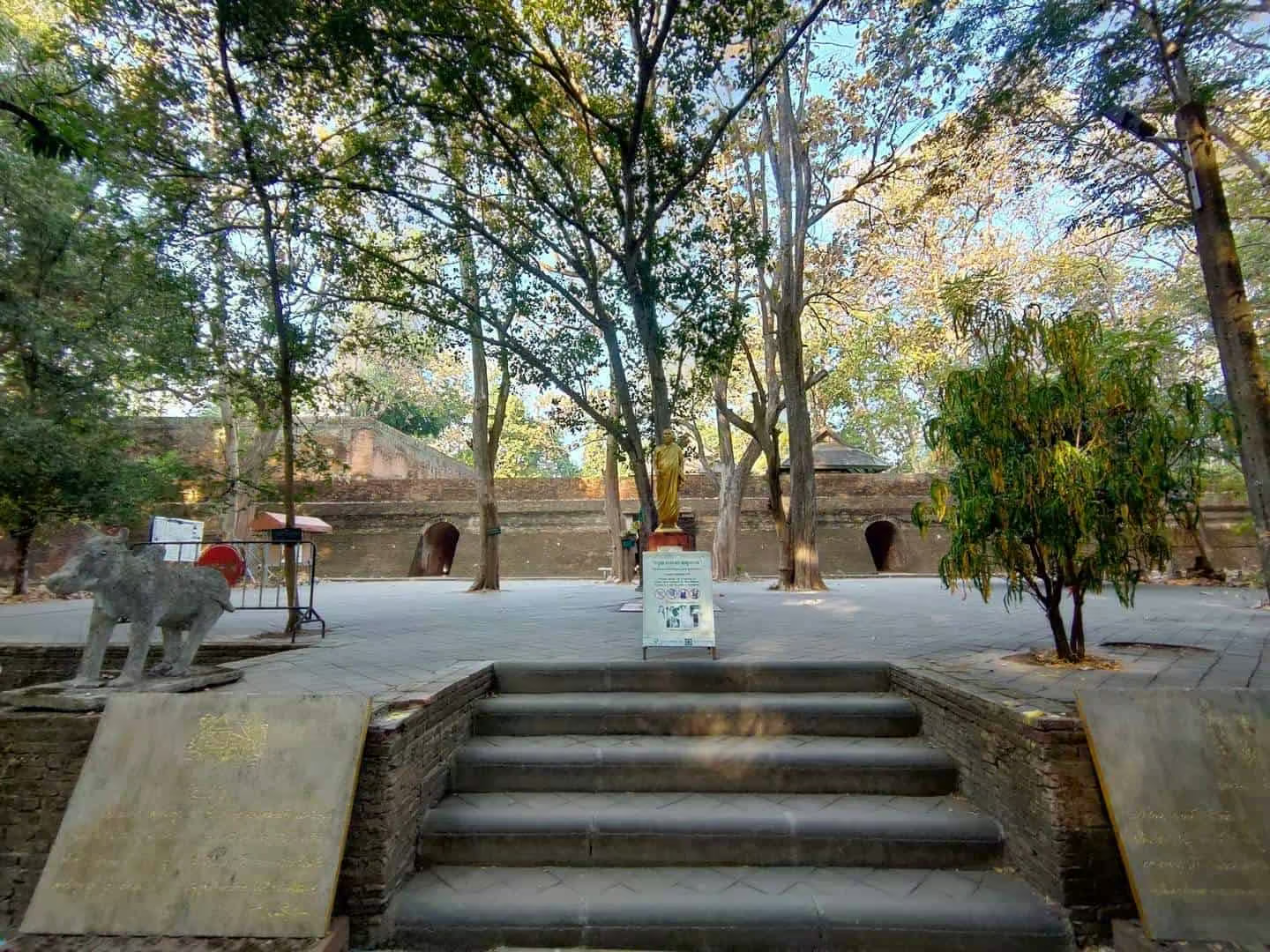
The tunnels are Wat Umong’s defining feature. Their low arched openings lead into short, dim passages containing Buddha images and places for offerings, creating a sheltered religious space beneath the mound associated with the chedi.
Take time to notice the brickwork and surviving traces of painted decoration rather than rushing from one opening to another. A brief walk gives you a sense of the passages’ layout, while a quieter pause allows you to appreciate the atmosphere.
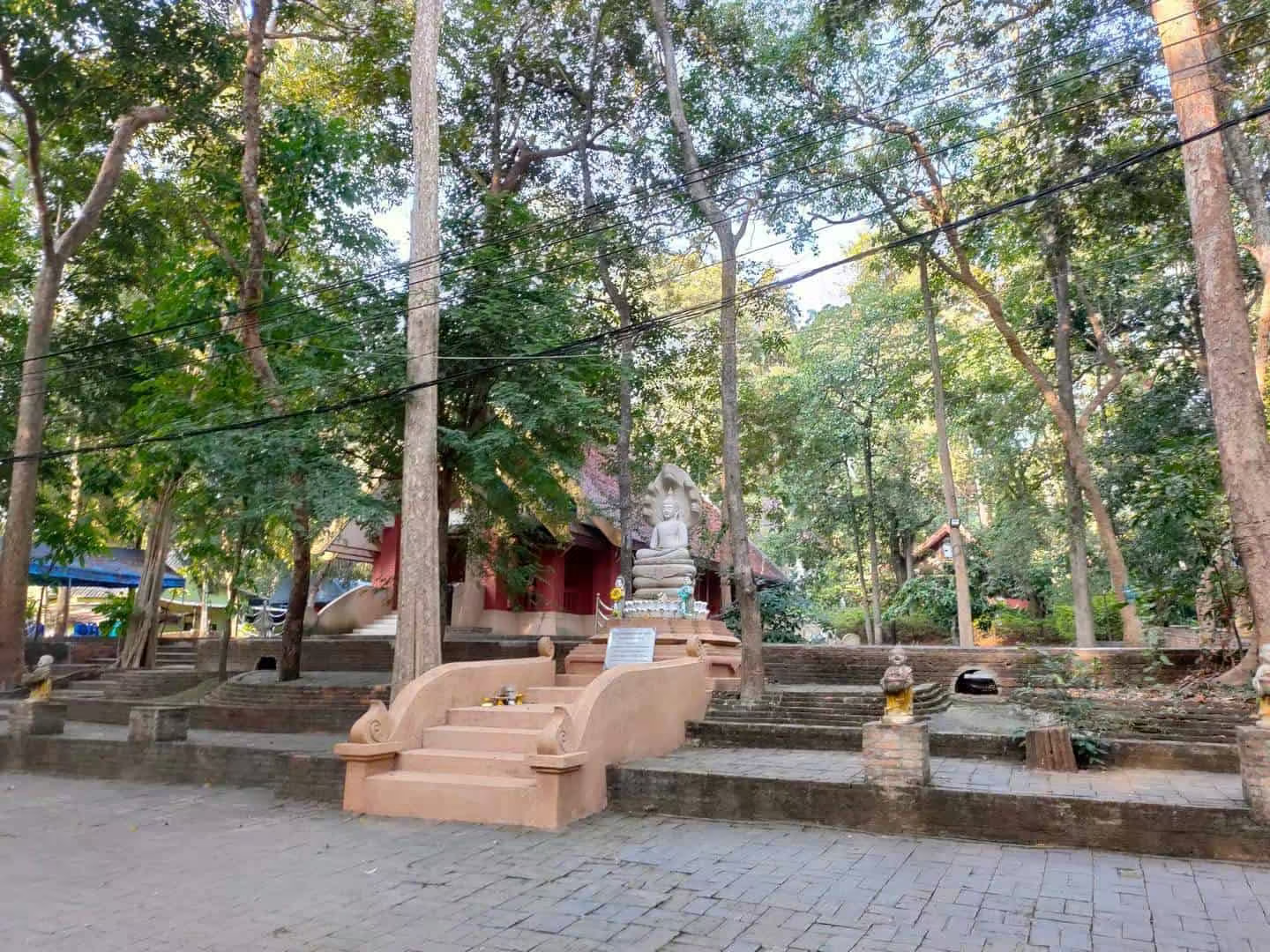
Above ground, the weathered chedi rises among the trees. The contrast between the old masonry and forest setting is part of the temple’s character, particularly after rain when the surrounding vegetation is lush. Use the established paths and steps rather than climbing the structure.
History and the Tunnel Stories
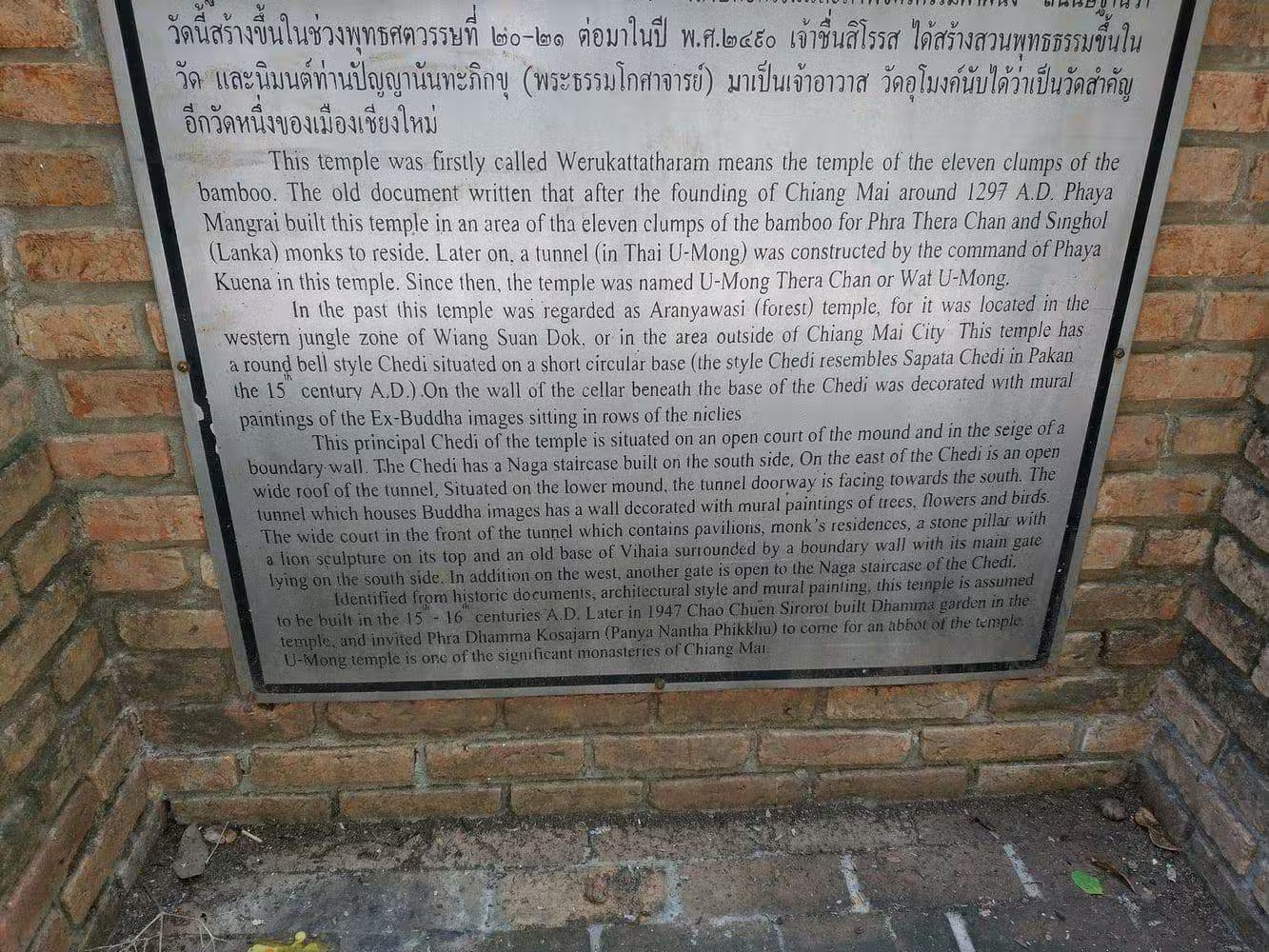
The monastery’s origins are generally traced to King Mangrai and the late thirteenth century. Stories about the tunnels connect them with a learned monk and the wish to create a place suited to meditation, but different versions of the legend circulate.
It is more useful to understand their religious purpose than to treat a colourful story about a monk’s behaviour as established fact. The temple went through periods of decline before becoming an important centre of Buddhist practice again in the twentieth century.
Woodland, Buddha Images and the Pond
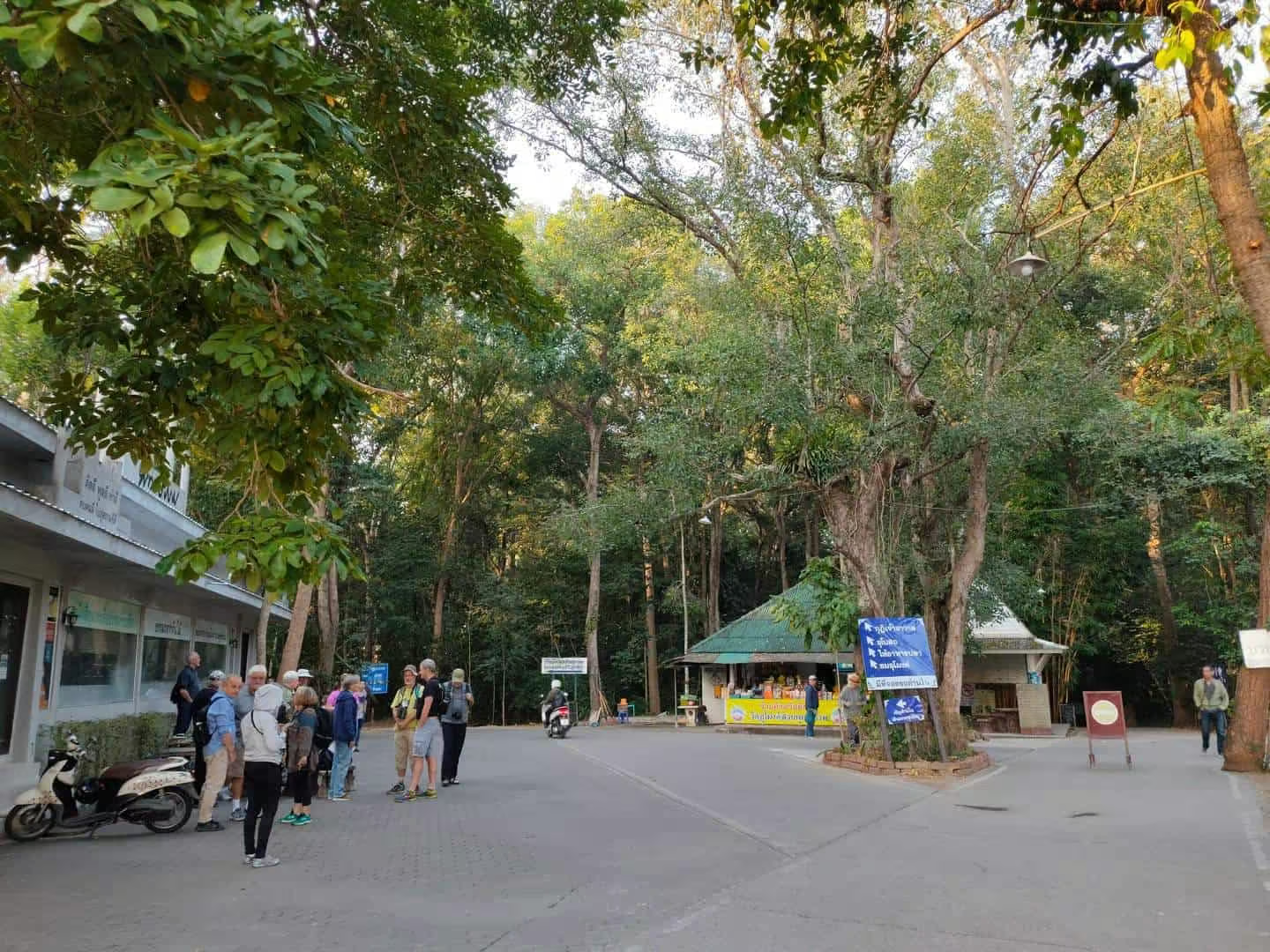
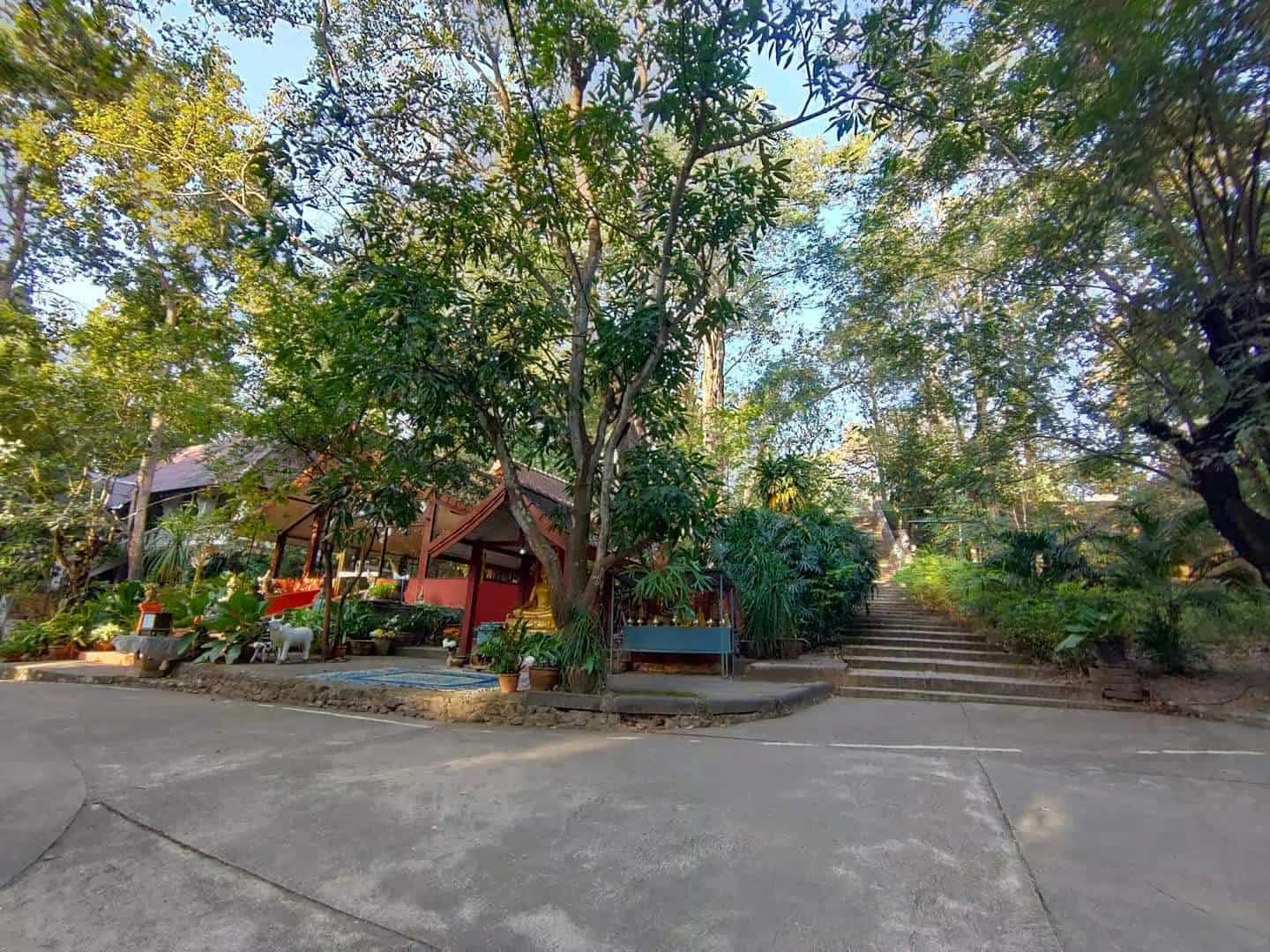
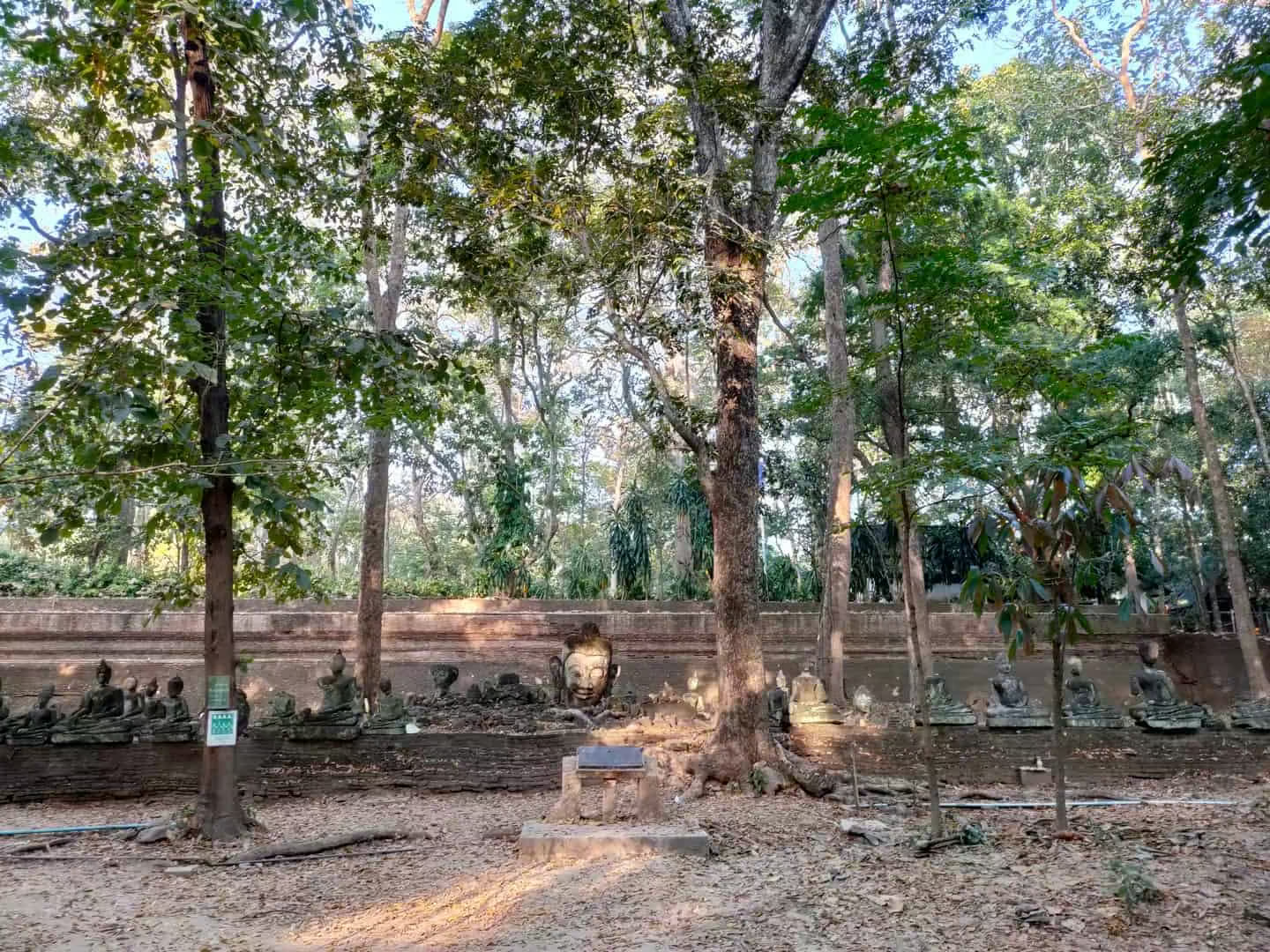
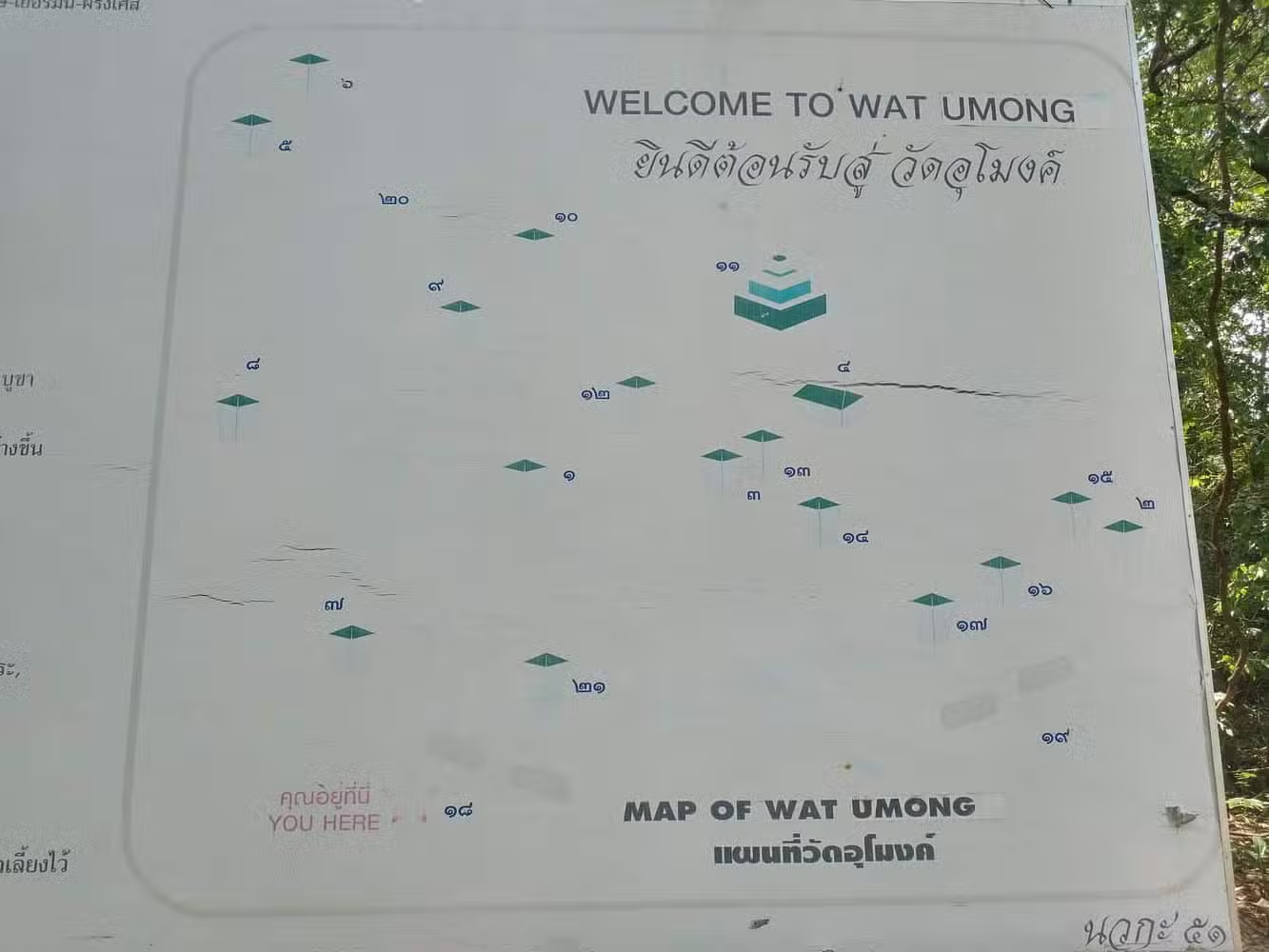
The wider grounds reward visitors who look beyond the tunnels. Weathered Buddha images sit among the trees, and Buddhist sayings displayed along paths encourage a slower walk. These features suit people interested in the monastery’s atmosphere rather than a checklist of large monuments.
The pond provides another place to pause, with fish and turtles often visible. Watch from the designated edge and supervise children near the water. Keep to public routes, as woodland within an active monastery does not make every path or building a sightseeing area.
Meditation and Buddhist Teaching
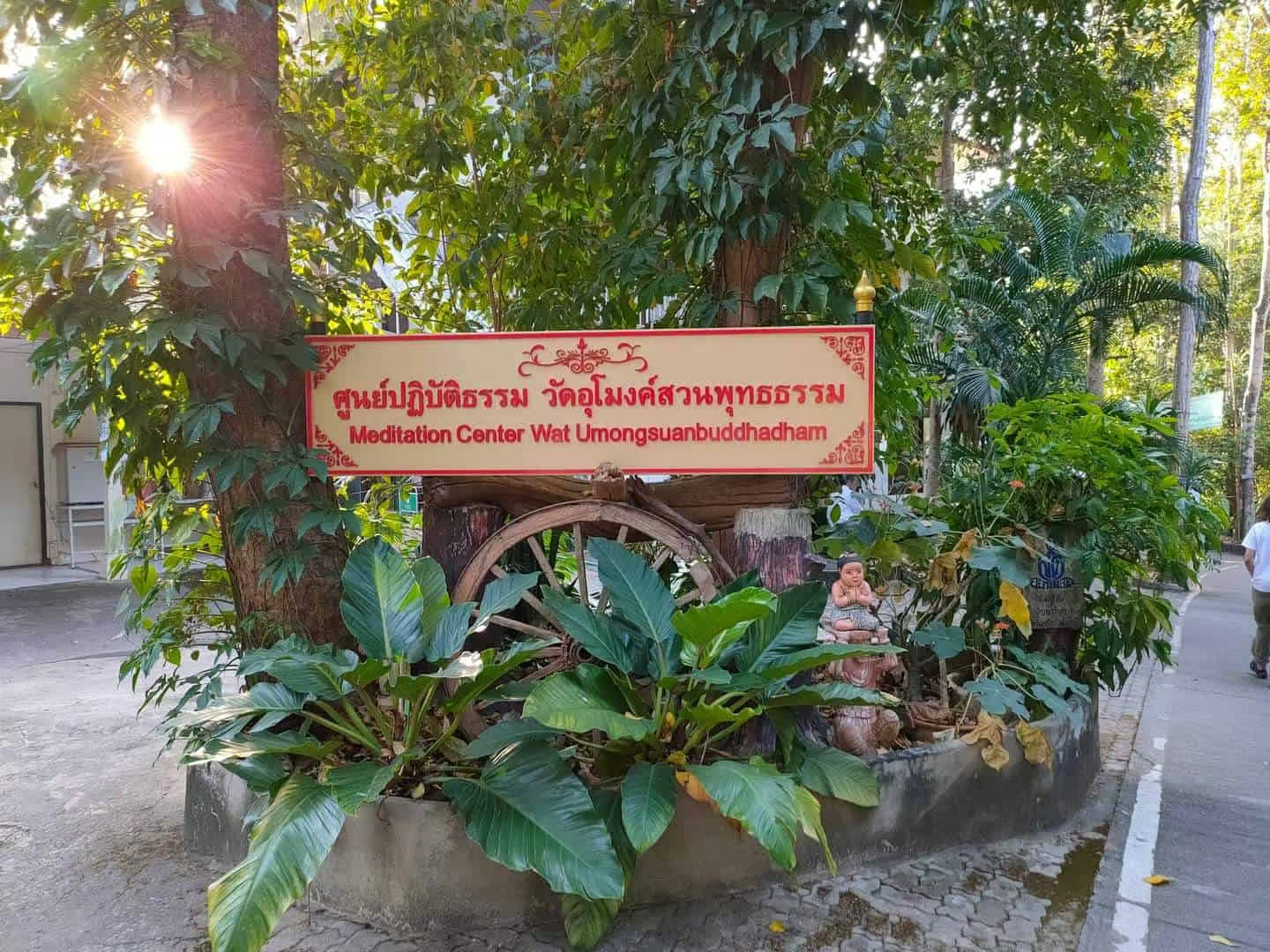
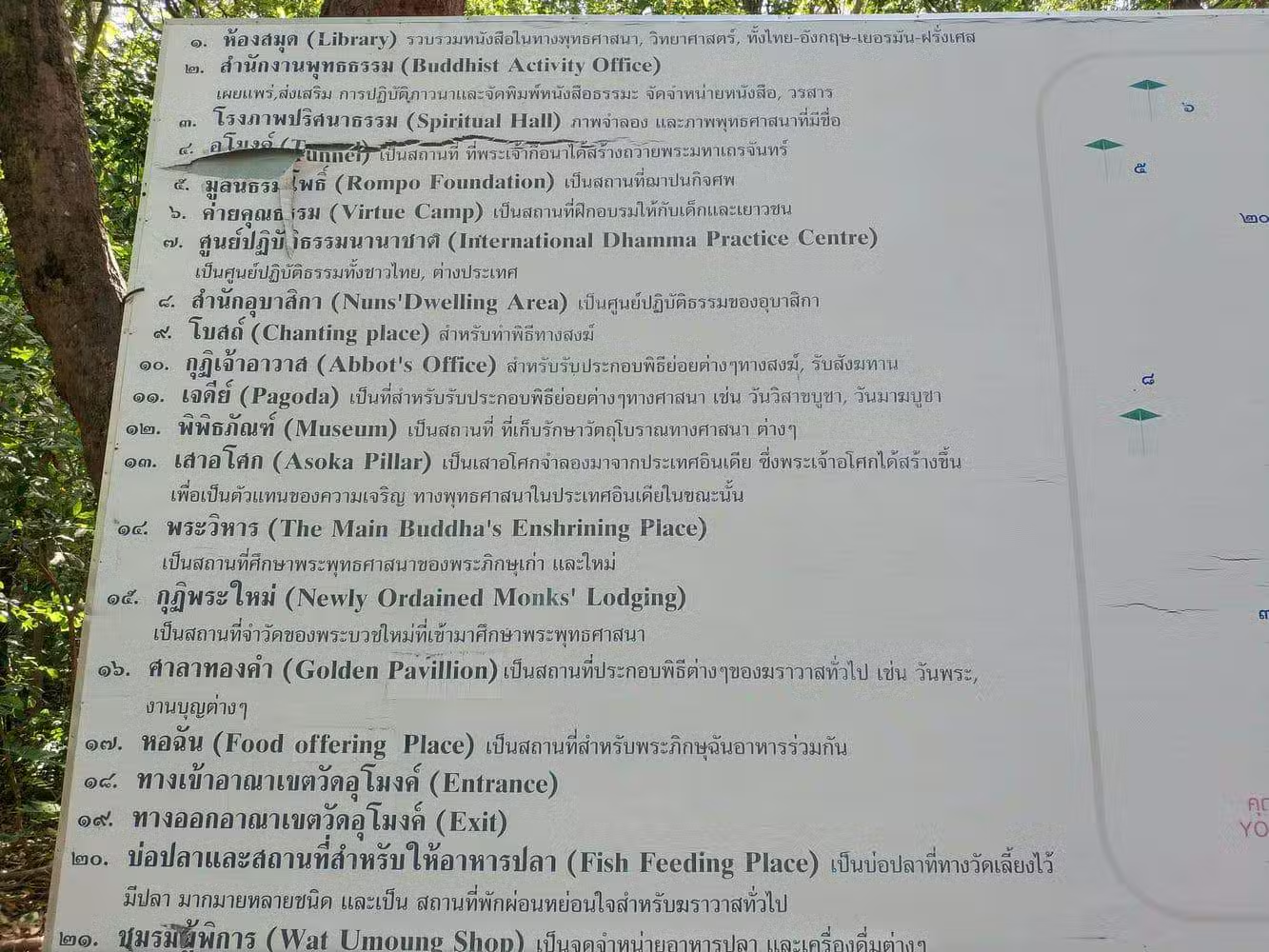
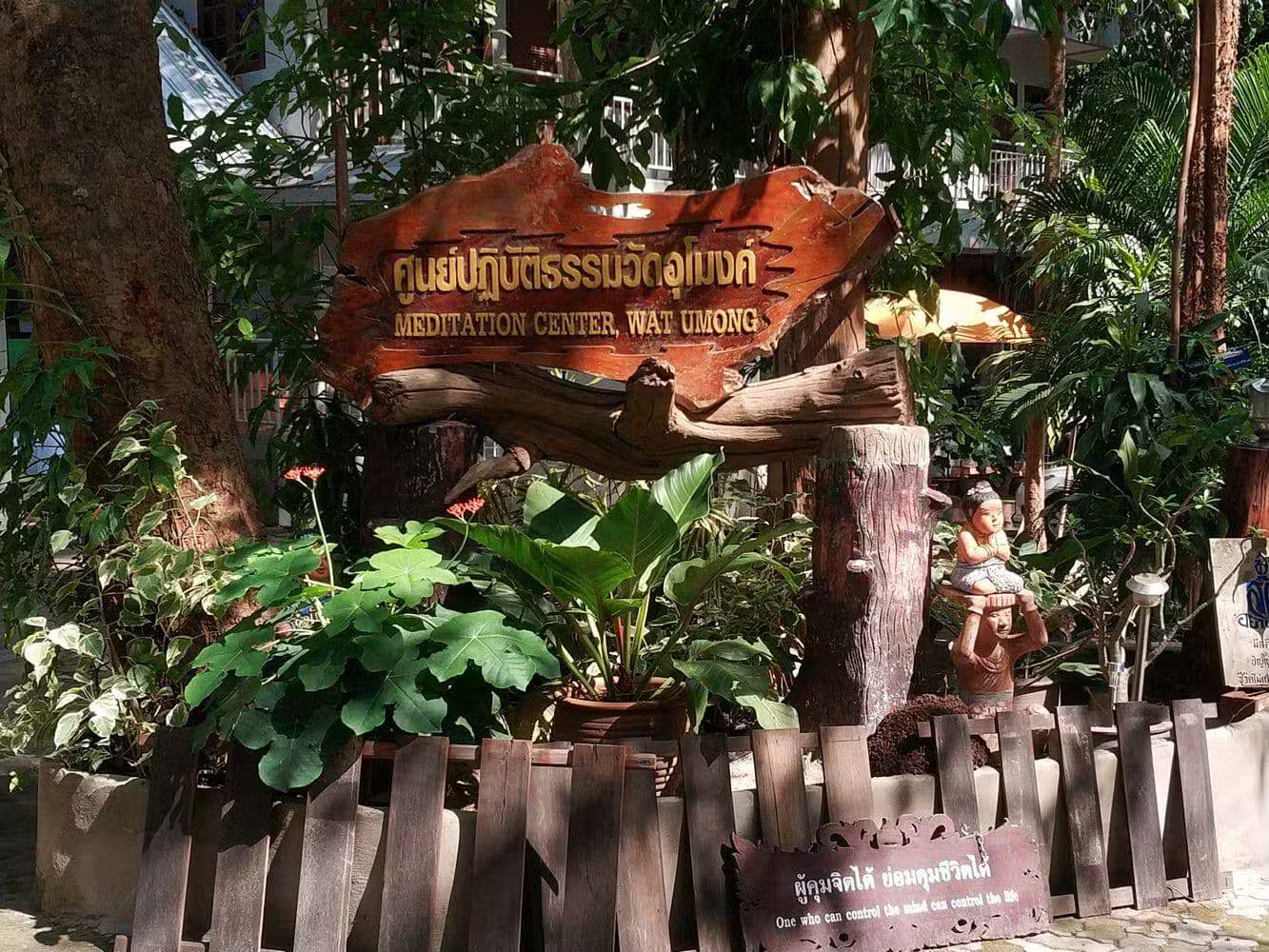
Wat Umong has a meditation centre offering instruction and residential practice. A retreat is a separate commitment from a sightseeing visit: participants follow the centre’s schedule, dress requirements and rules for silence and daily life.
Contact the centre before arranging a stay to confirm availability, instruction language, costs and what you need to bring. Its published guidance asks participants to register and wear white clothing. Do not assume you can arrive with luggage and immediately join a course.
The temple has also been associated with English-language Buddhist discussions. If attending a talk is your main reason for visiting, confirm the current session directly rather than relying on an old Sunday timetable.
Hours, Admission and Visit Advice
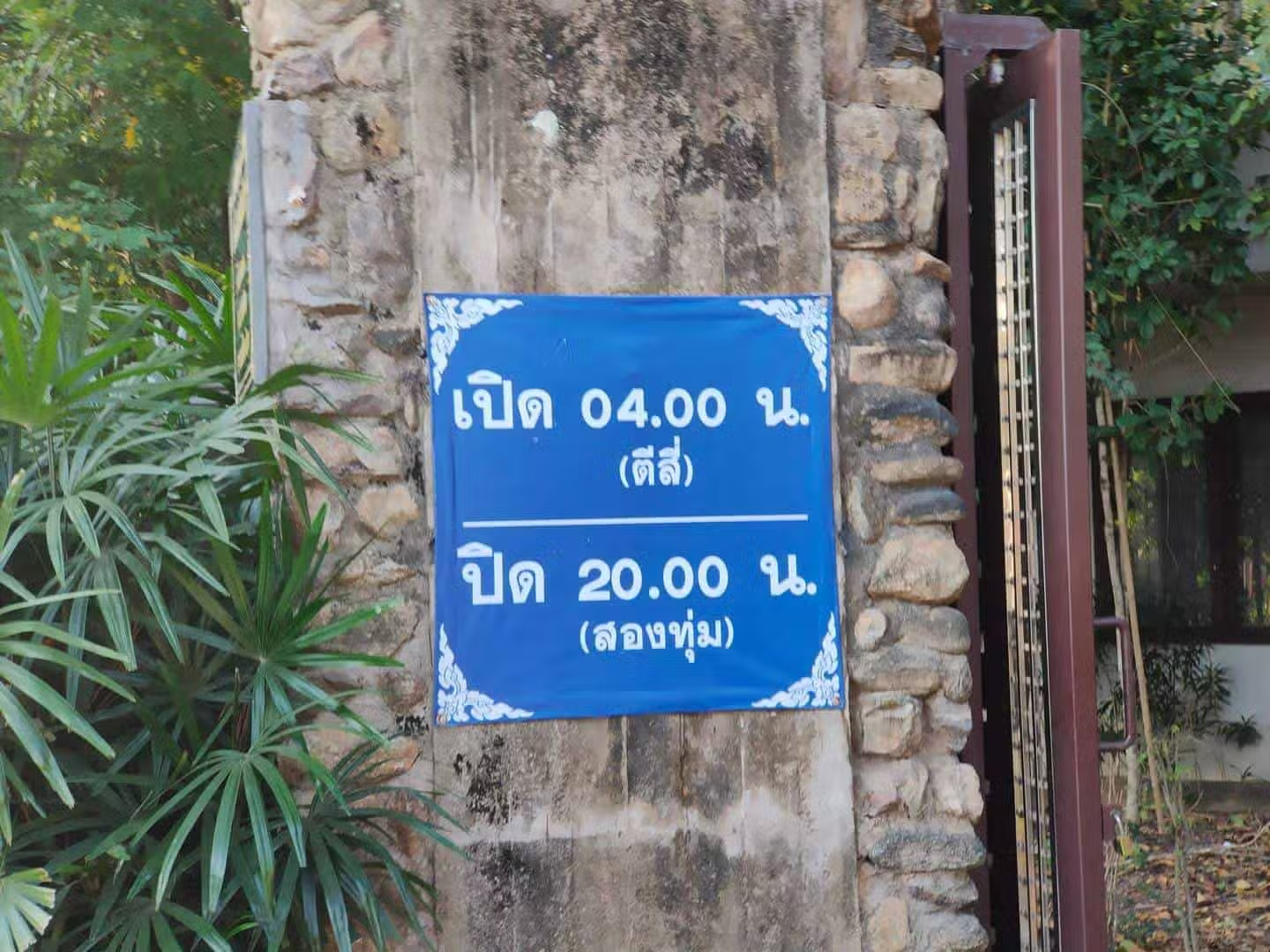
Plan a daytime visit and allow around 60 to 90 minutes for the tunnels, chedi and an easy walk through the grounds. Individual halls and religious areas may have their own access arrangements. Morning is a comfortable choice for walking, especially in hot weather.
Carry small cash for any admission charge at the tunnel area and for optional purchases or donations. Check the current tunnel admission charge at the entrance before going inside. Residential meditation fees are separate from sightseeing.
Cover shoulders and knees and remove shoes where required before entering sacred areas. Keep voices low in the tunnels, avoid flash near old paintings and give people praying or meditating space. Ask before photographing monks closely.
The tunnels are dim and narrow, and the grounds include uneven surfaces and steps. Visitors with limited mobility or discomfort in enclosed spaces can focus on accessible outdoor areas, but should ask about the current route rather than assuming the entire complex is step-free. Wear shoes with grip, particularly during wet weather.
Getting to Wat Umong
Wat Umong lies in Suthep, reached through the local streets off Suthep Road towards the foot of Doi Suthep. A taxi, ride-hailing car or arranged red songthaew is a practical way to reach the entrance from the Old City.
Specify Wat Umong Suan Puthatham, the forest tunnel temple, because Chiang Mai has other temples with similar names. Arrange a return journey or check pickup availability before setting off on foot through the grounds.
Wat Suan Dok and the western city districts can fit into the same outing. Visiting Wat Phra That Doi Suthep is a separate uphill drive, so allow time for mountain transport rather than treating it as a walk from Wat Umong.
Wat Umong FAQs
What are the tunnels like?
They are short, dim brick passages containing Buddha images and offering areas. Expect a quiet religious space rather than a large cave system or adventure attraction.
Is Wat Umong free to visit?
Allow for a small admission charge at the tunnels and check the current fee at the entrance. Carry cash for admission or donations; retreat costs are separate.
Can I join a meditation retreat?
Contact the meditation centre in advance to confirm a place, instruction language and current requirements. Residential practice involves a structured schedule and rules beyond those of a casual temple visit.
Are English talks held every Sunday?
The temple has hosted English-language discussions, but confirm the current session before making a special trip. An older timetable should not be treated as a guaranteed weekly programme.
How long should I allow?
Around 60 to 90 minutes gives time for the tunnels, chedi and grounds. A retreat or teaching session requires a different plan and additional time.
Is the temple suitable for visitors with limited mobility?
The grounds have uneven sections and steps, while the tunnels are narrow. Ask about accessible outdoor routes and choose the areas that suit your needs.
Which Wat Umong should I put into my map?
Choose Wat Umong Suan Puthatham in Suthep, west of the Old City. Including the full name helps distinguish the forest monastery from similarly named city temples.











Do You Have a Question to Ask?