



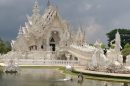




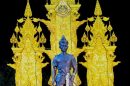
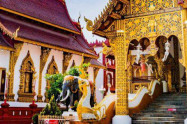

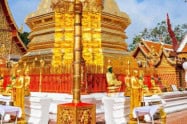





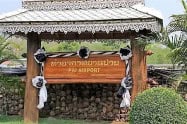
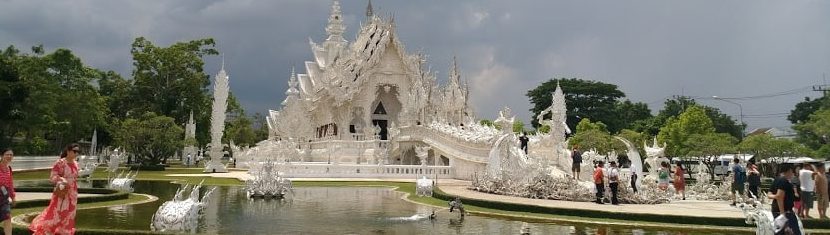
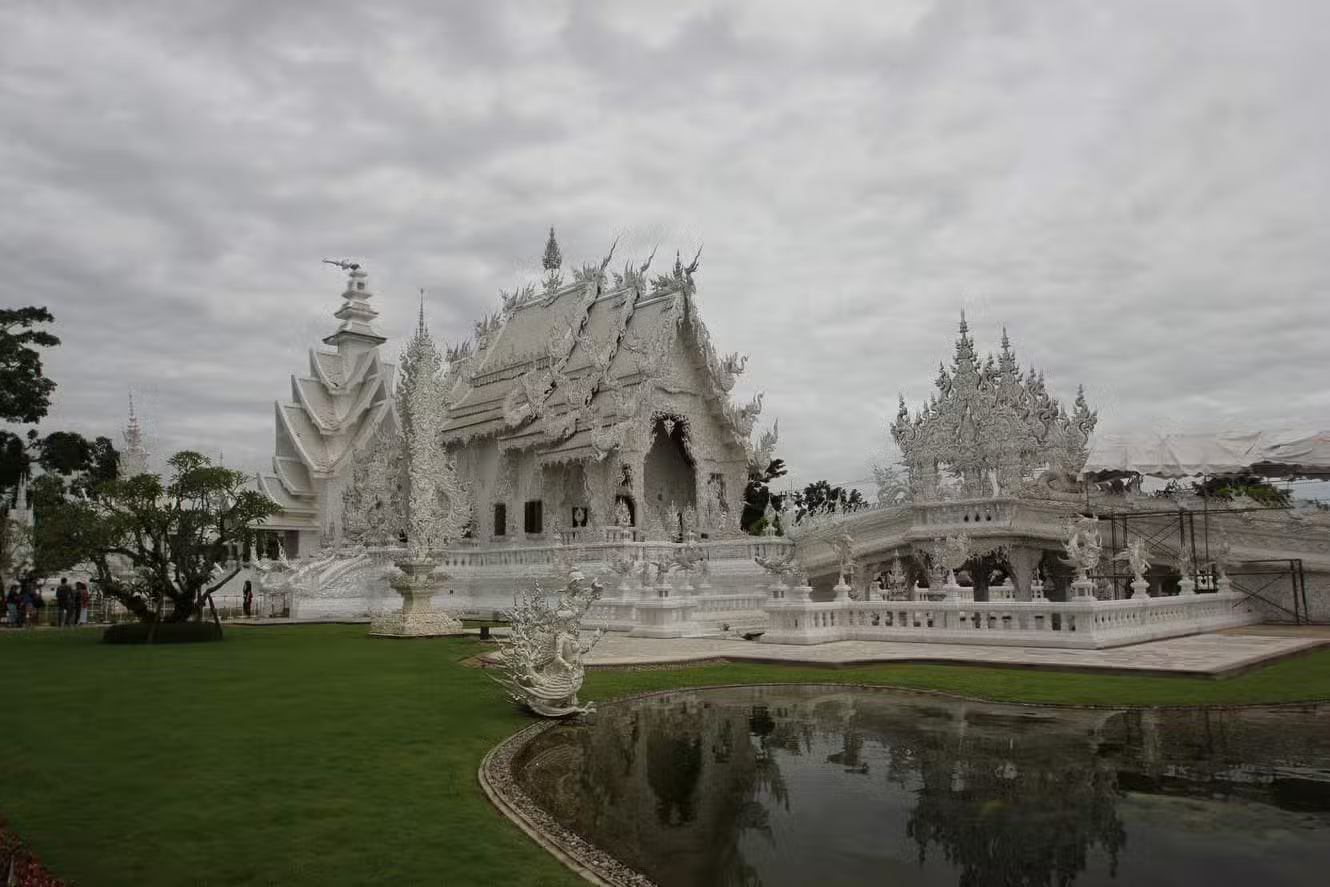
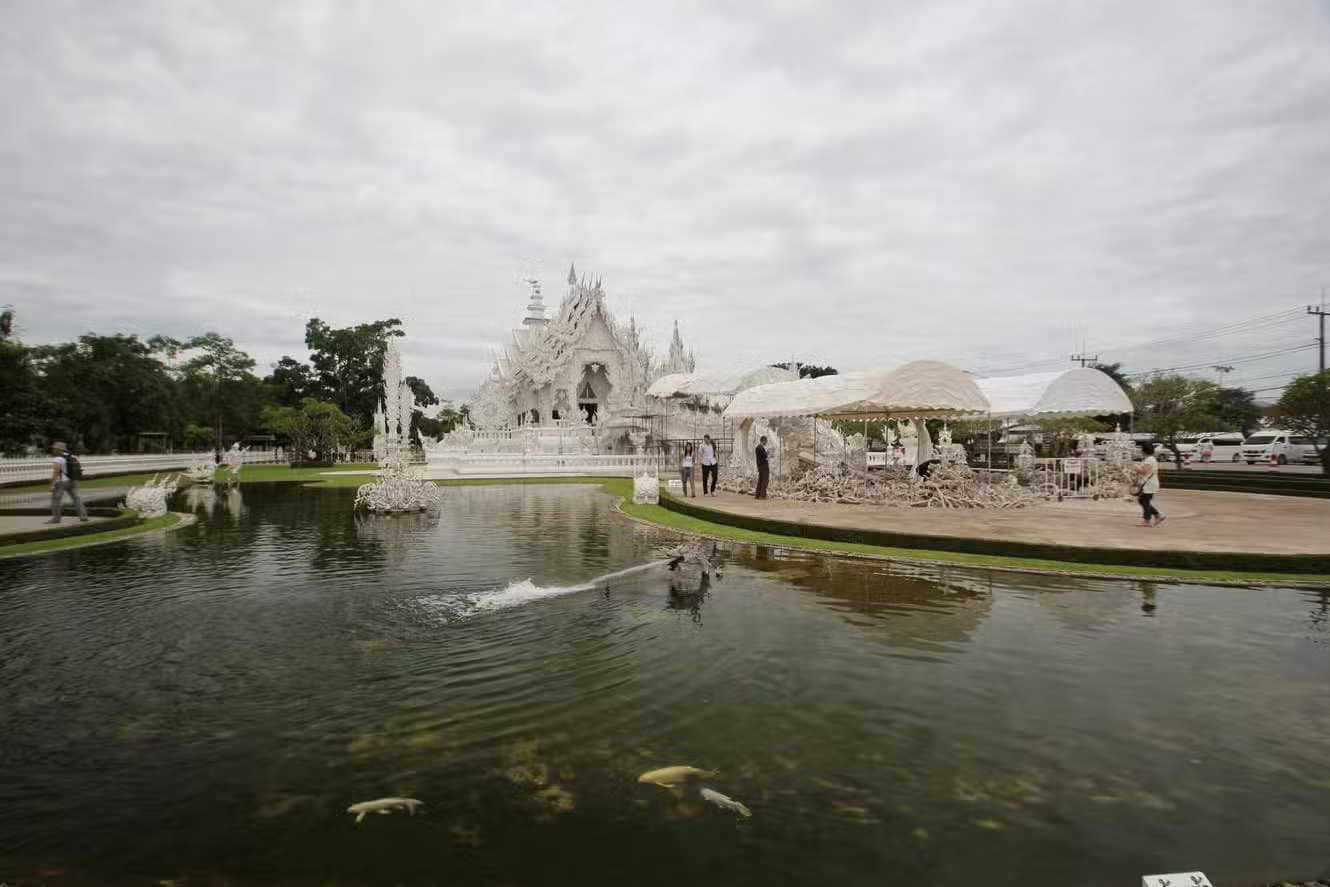
Wat Rong Khun, widely known as the White Temple, is a contemporary Buddhist art complex outside Chiang Rai. Thai artist Chalermchai Kositpipat began rebuilding the site in 1997, transforming it into an evolving work filled with religious symbolism, mirrored decoration and unexpected references to modern culture.
Although often included in day tours from Chiang Mai, the temple is in Chiang Rai province, roughly three hours away by road. A visit is more rewarding as part of a Chiang Rai stay or a carefully planned full-day excursion.
The White Ubosot
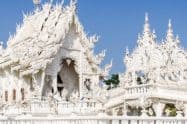
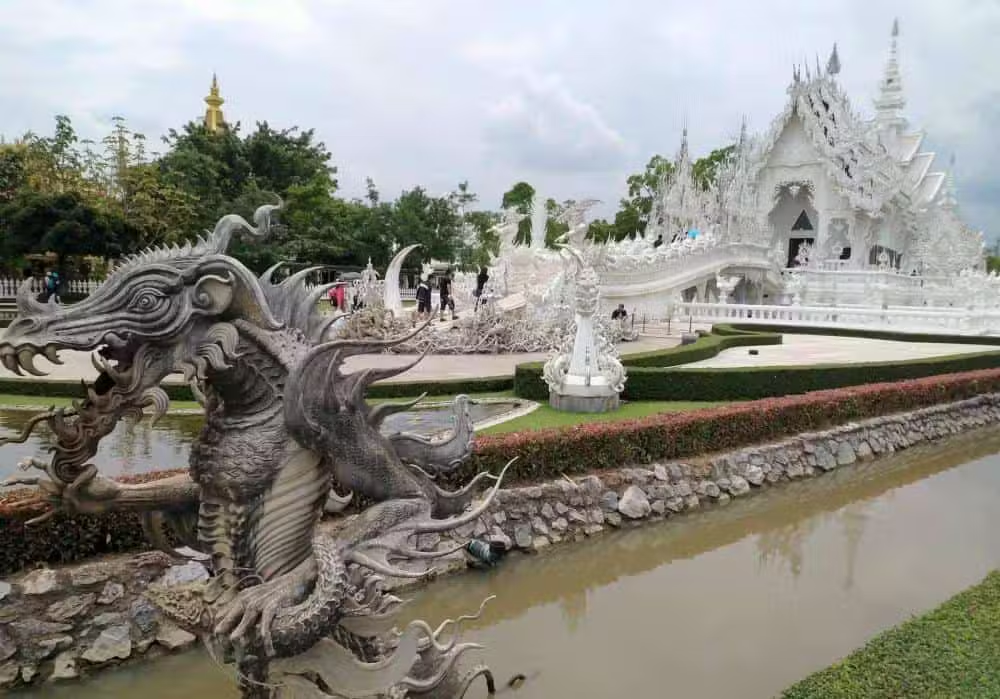
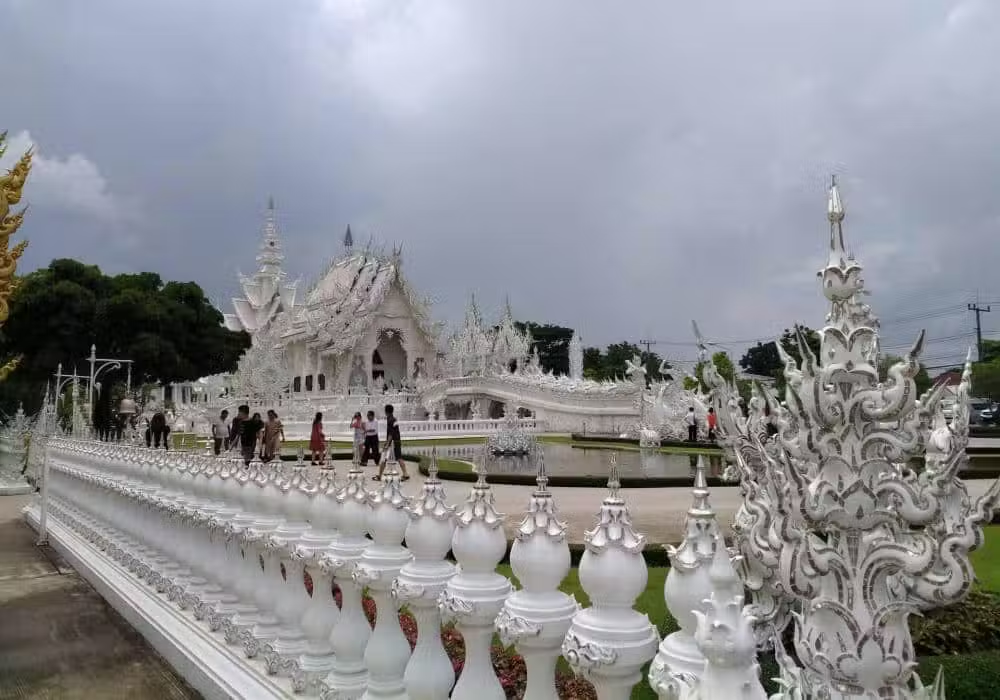
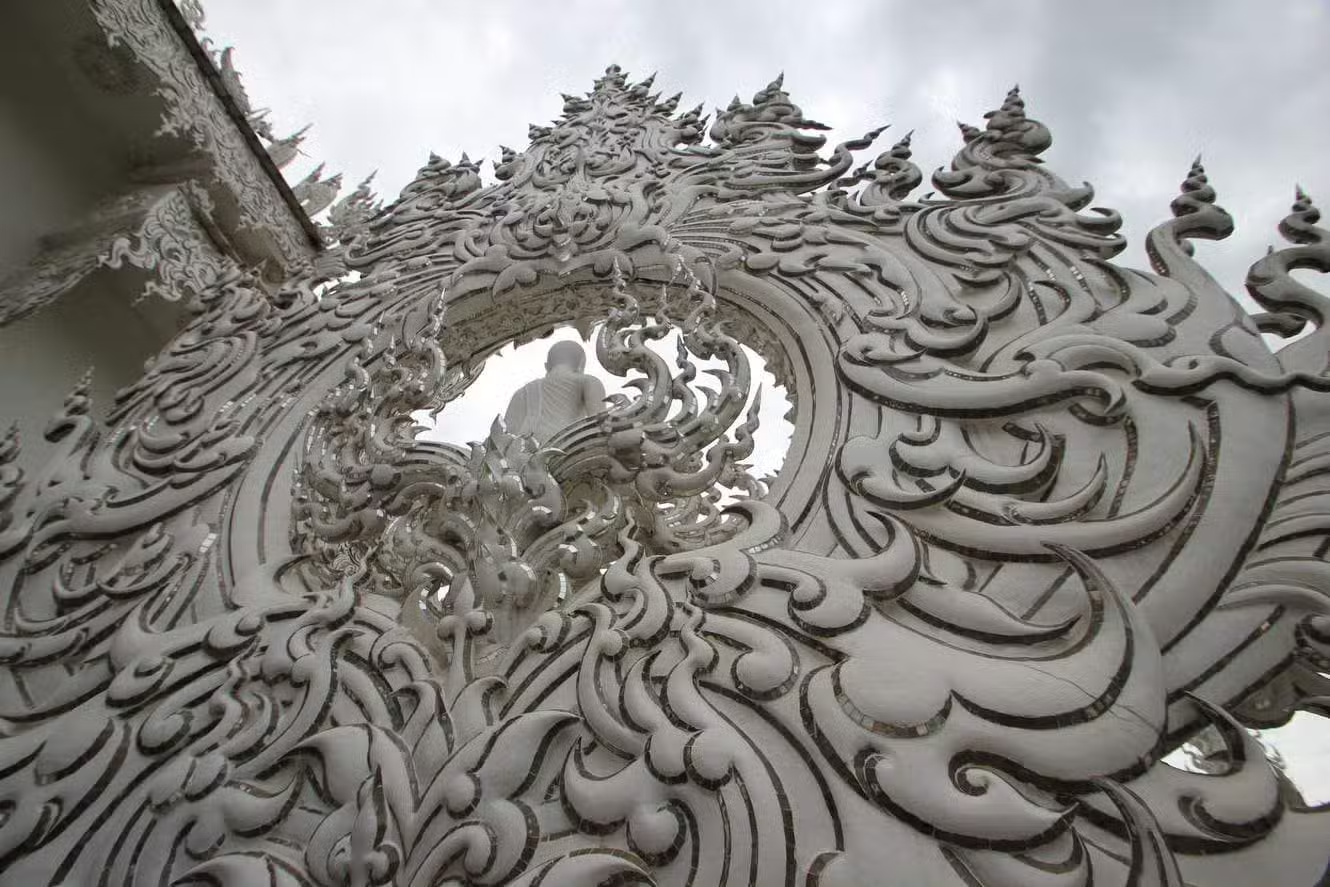
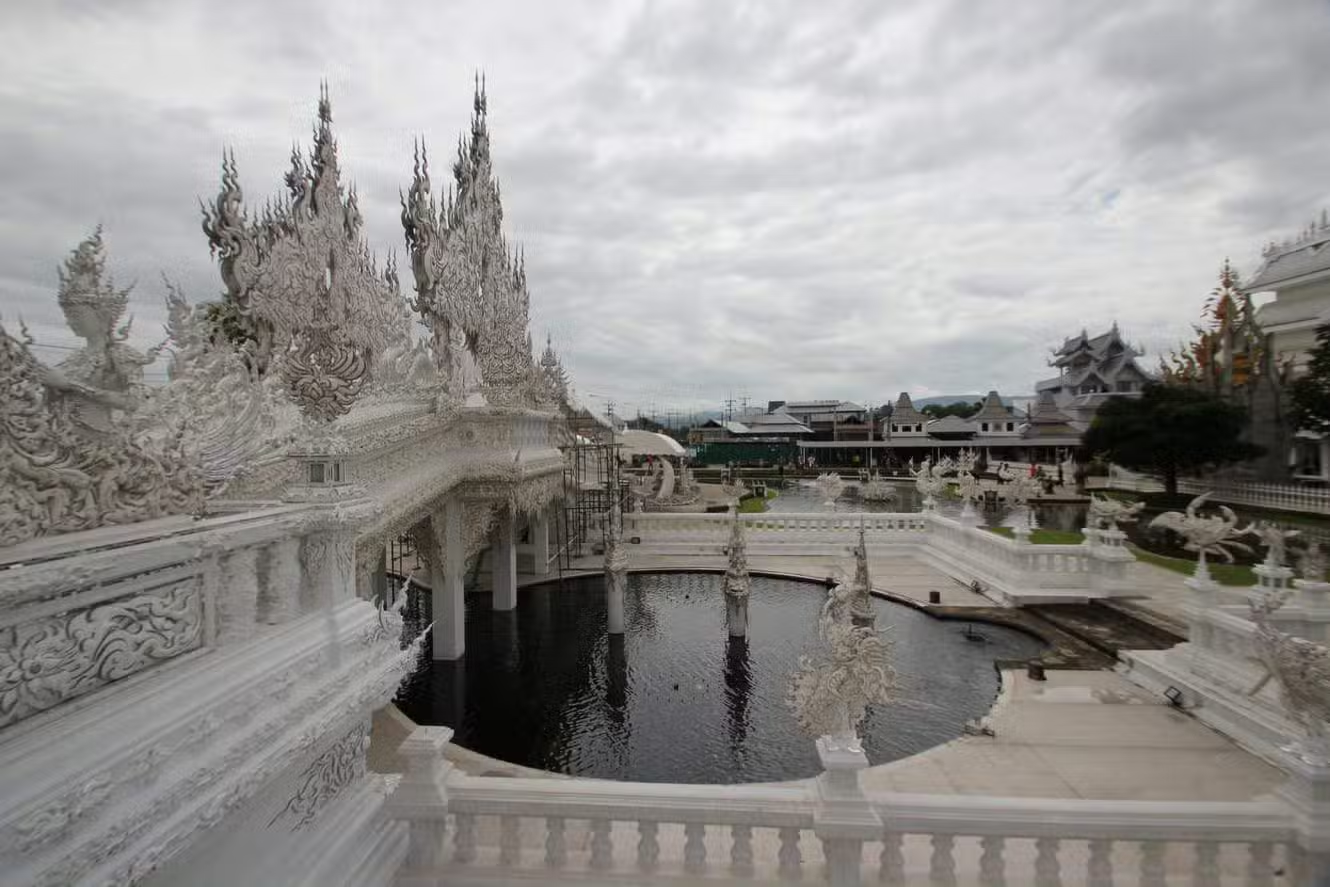
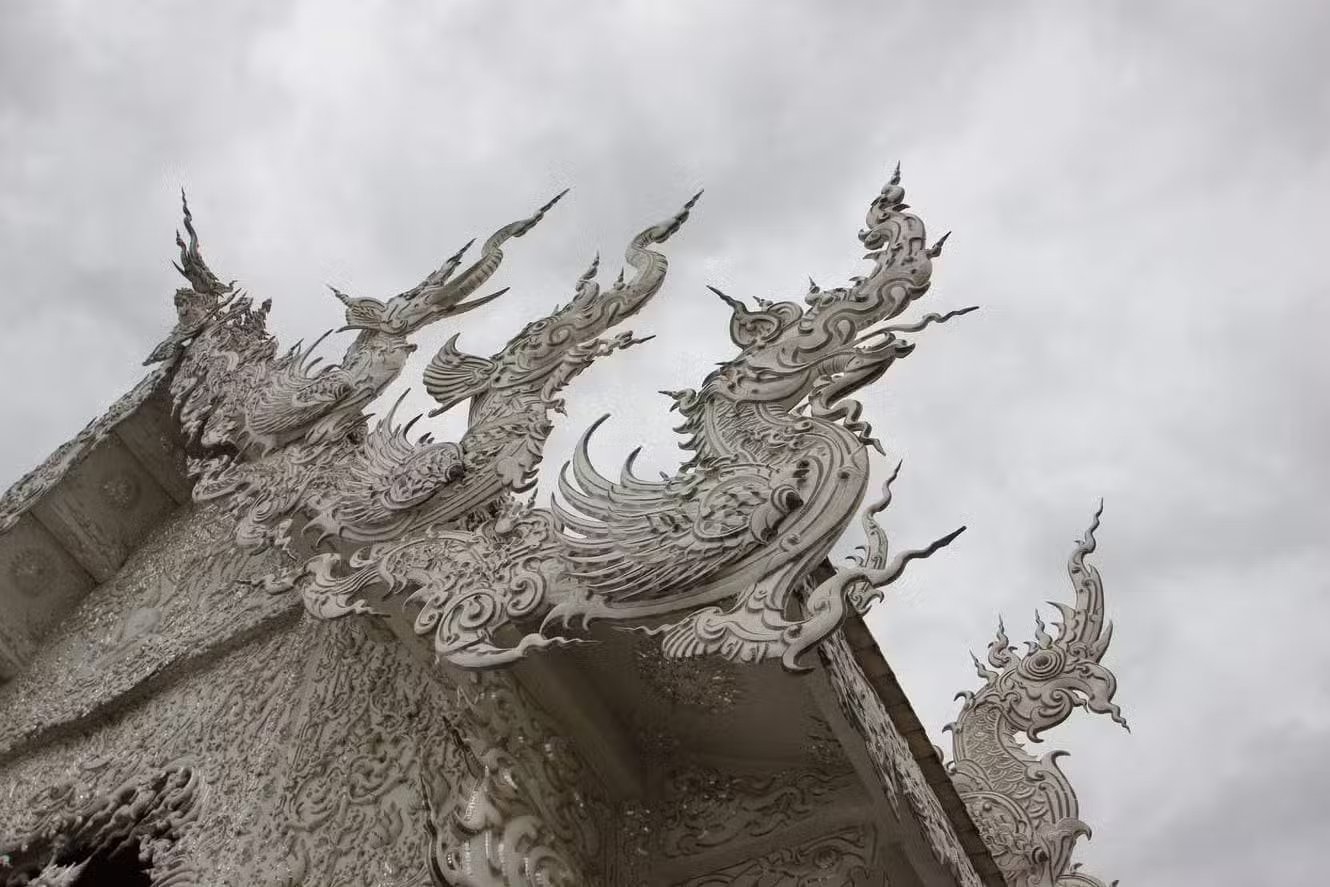
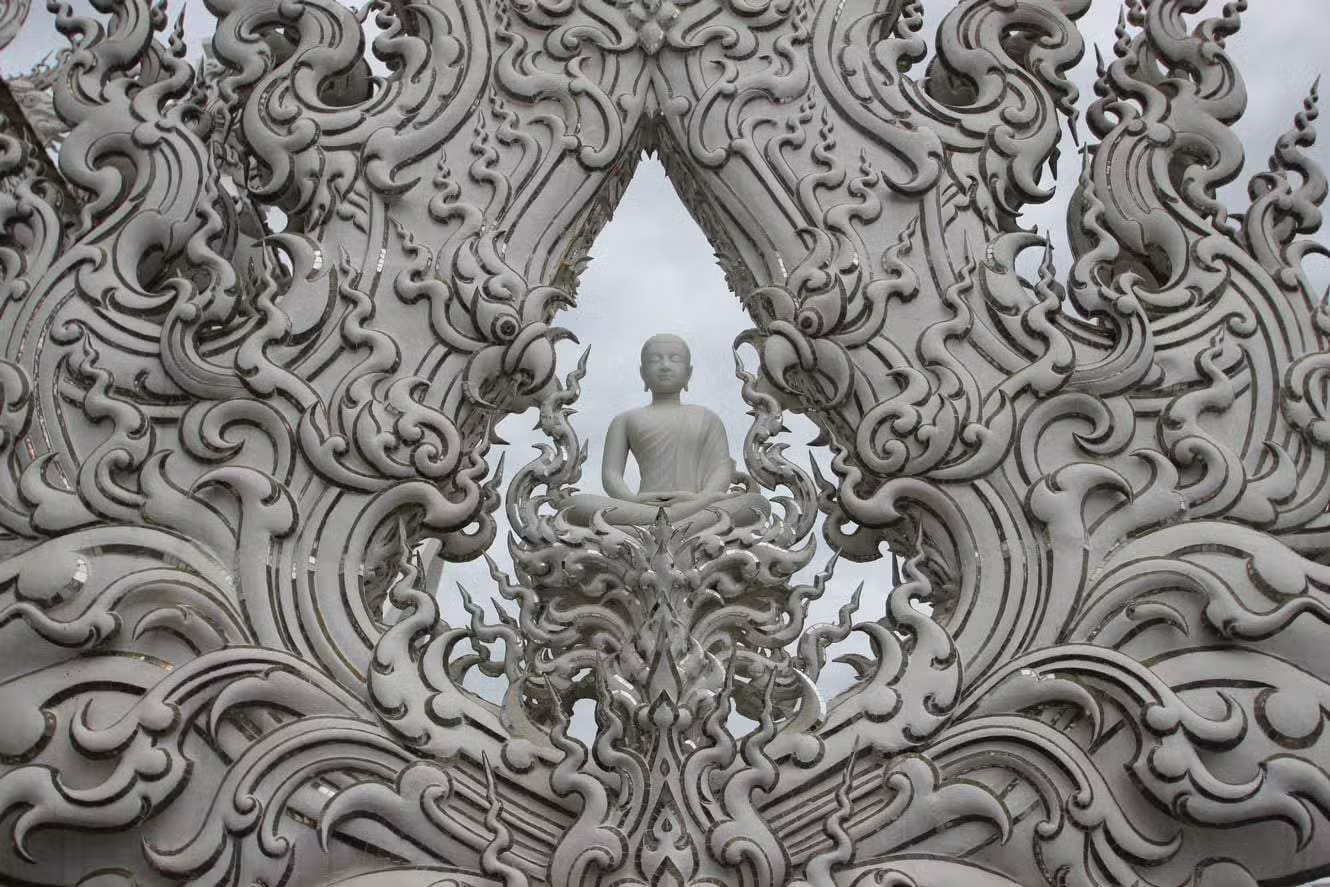
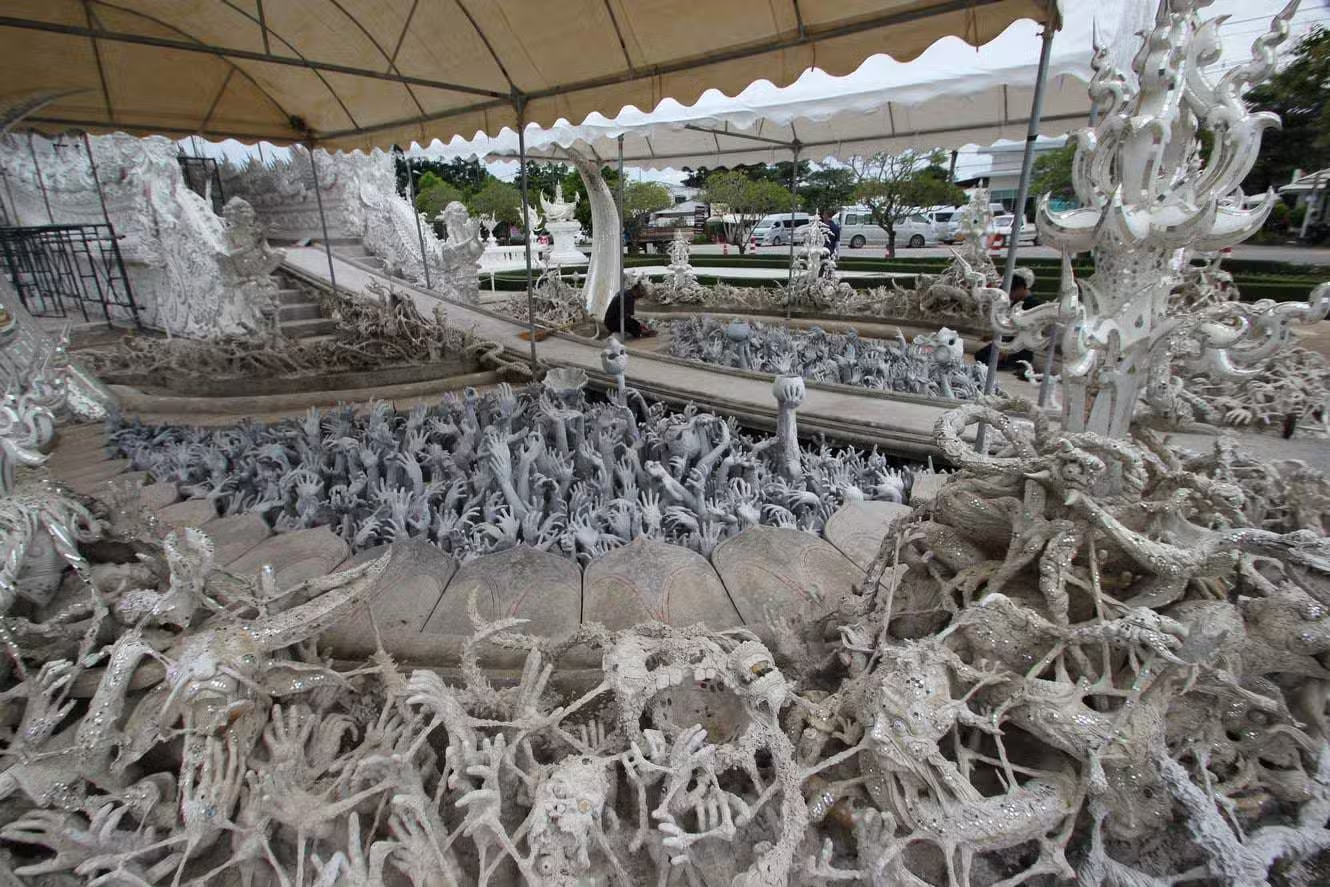
The brilliant white ordination hall is the complex’s centrepiece. White represents purity, while fragments of mirrored glass suggest wisdom and spiritual illumination. Visitors cross a bridge above sculpted hands reaching from the cycle of suffering, then pass guardian figures and enter the hall.
Photography is generally prohibited inside the ubosot. Its murals combine Buddhist imagery with recognisable figures and events from popular culture, using modern visual language to explore temptation, violence and the search for enlightenment.
Other Buildings and Artworks
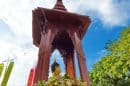
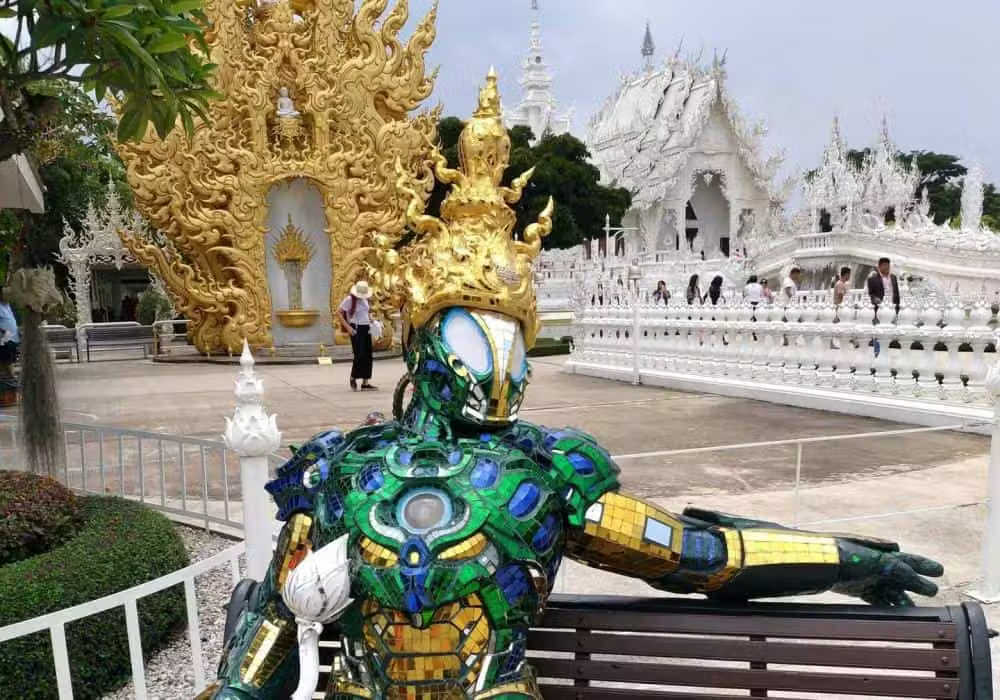
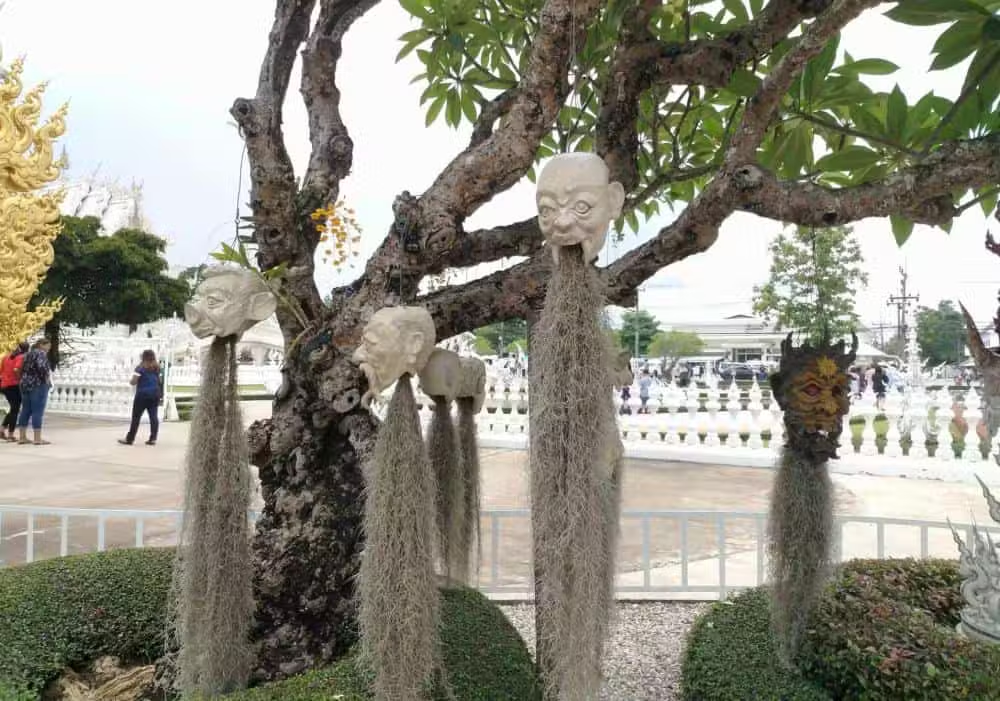
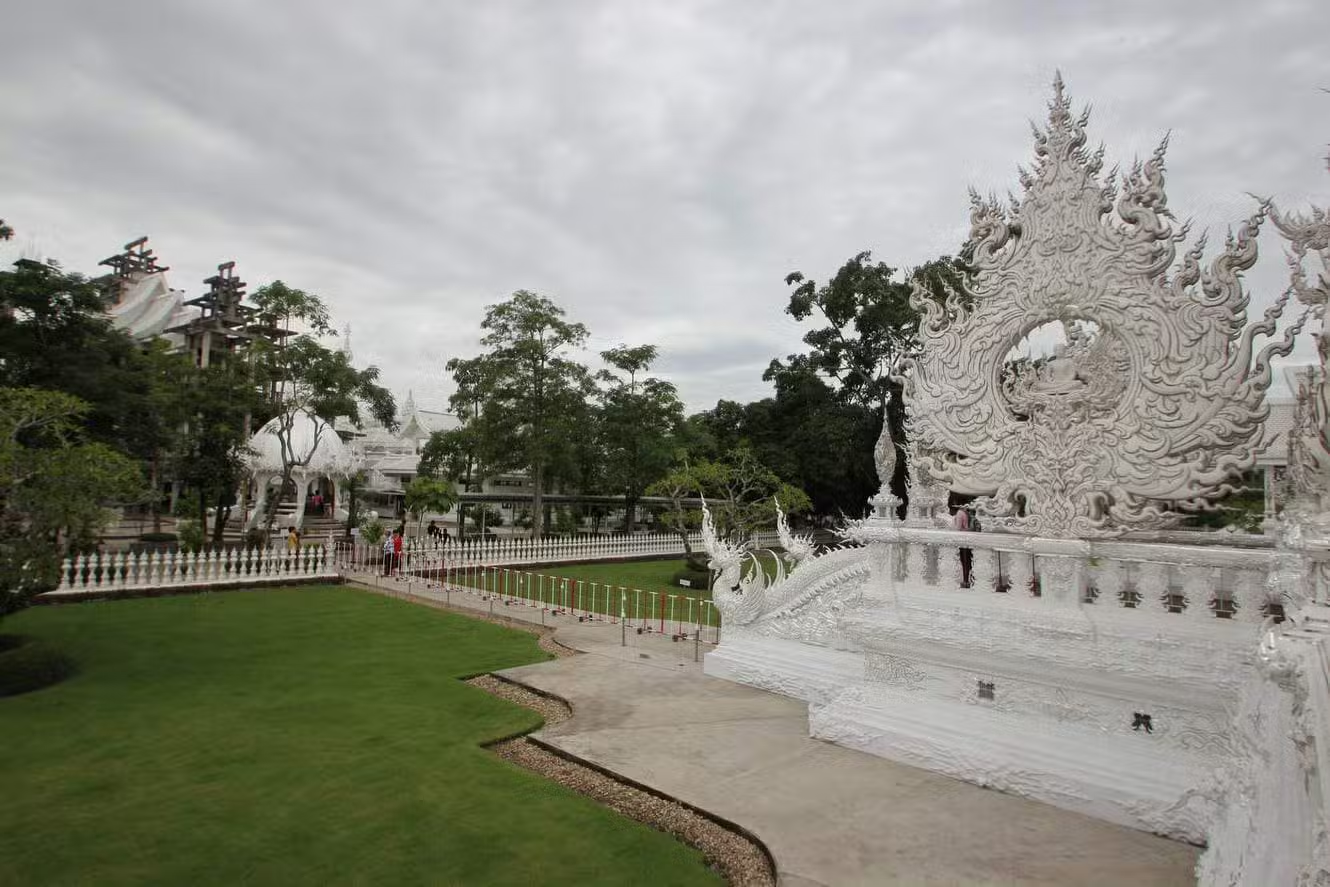
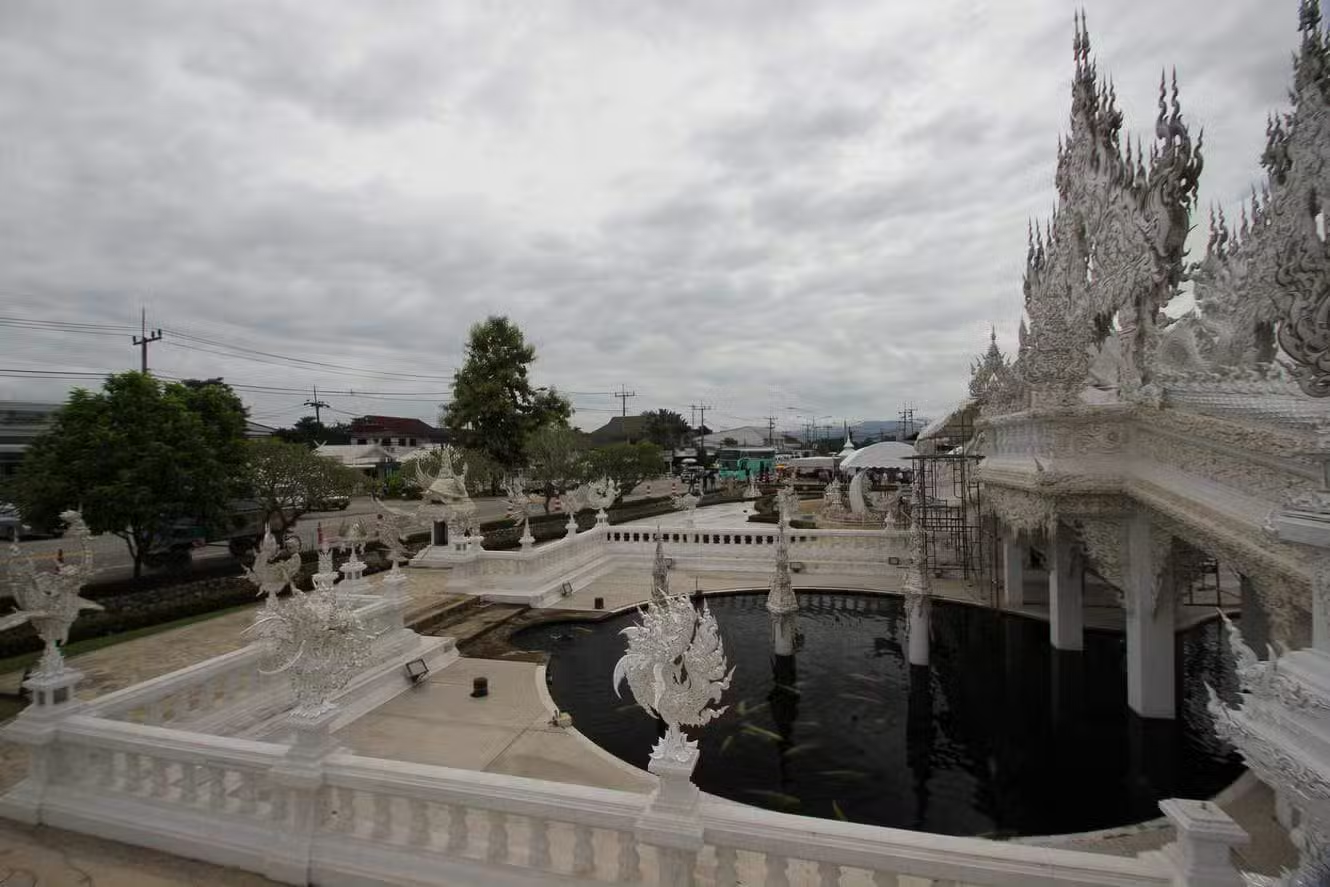
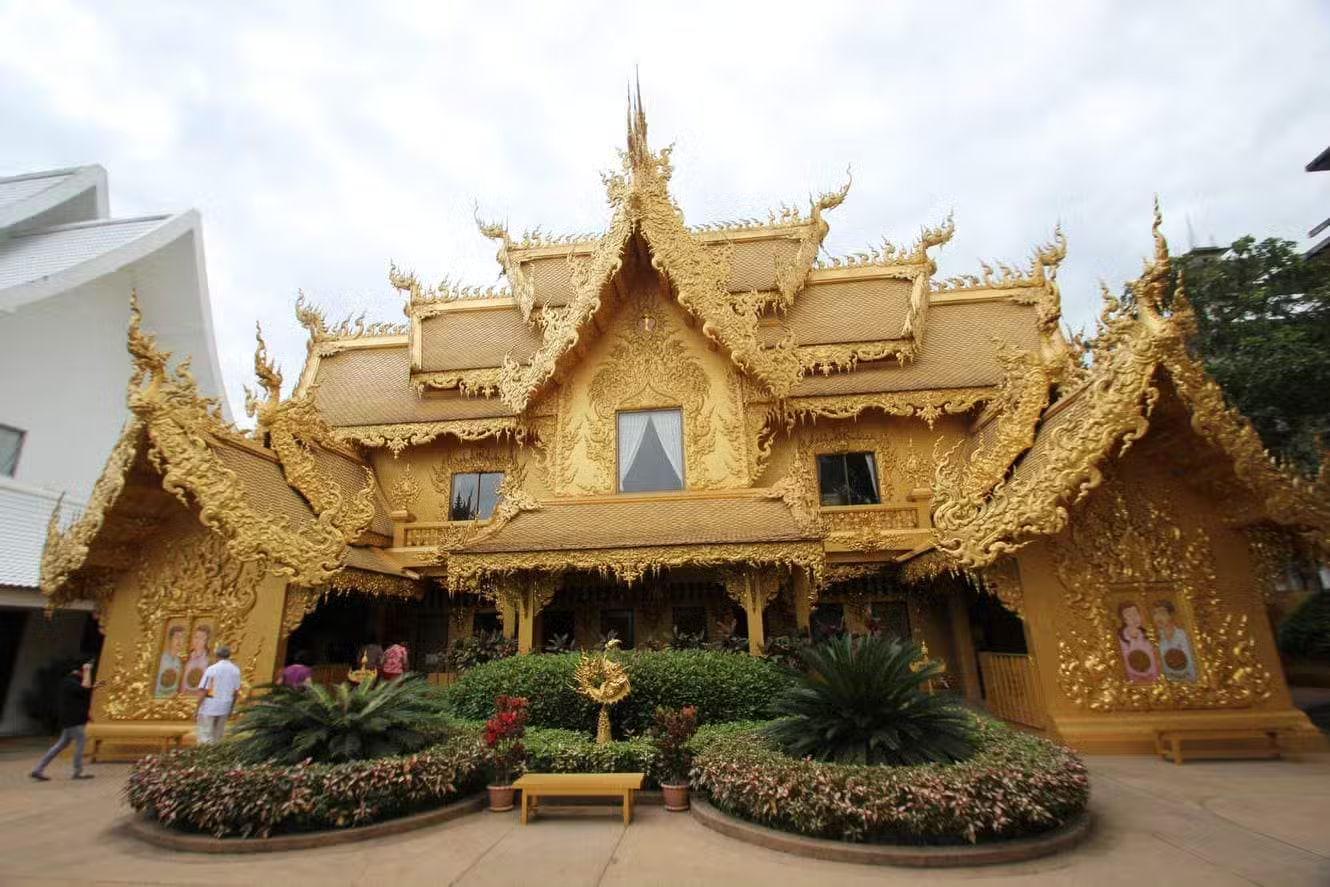
The ornate gold building deliberately contrasts with the white temple and symbolises worldly desire and the physical body. Elsewhere, visitors encounter sculpted heads, mythological beings, art galleries, landscaped ponds and buildings still under development.
Wat Rong Khun is not an ancient ruin presented in a finished state. It is a living artistic project, and construction or restoration may alter visitor routes.
Dress Code and Visitor Etiquette
Cover shoulders and knees and remove shoes before entering the ubosot. Do not touch sculptures, cross barriers or interrupt worship. Follow the one-way route when staff are managing crowds.
The dramatic art encourages photography, but visitors should remember that parts of the site remain religious spaces. Drones and commercial photography require permission.
Planning a Visit
Arrive near opening for softer light, lower temperatures and fewer tour groups. Midday can be hot and crowded, particularly during the cool-season peak. Allow 60 to 90 minutes for the principal complex and gallery, longer if exploring every artwork.
Foreign admission reportedly increased to approximately 200 THB from January 2026, so older guides quoting 50 or 100 THB may be out of date. Carry cash and confirm the current price at the ticket office.
Facilities and Accessibility
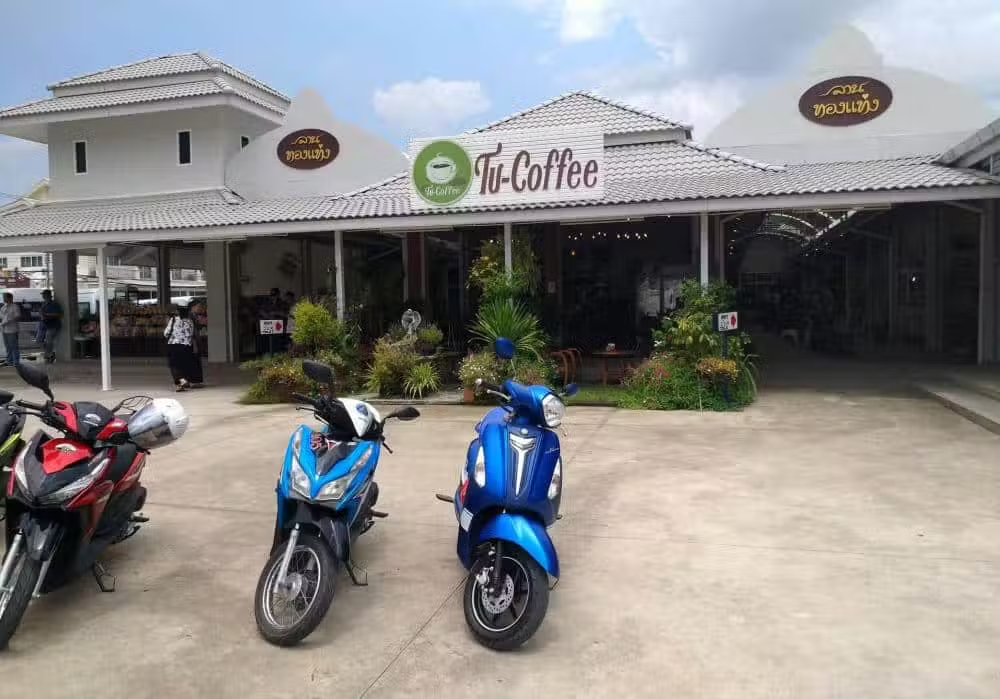
The main visitor route is relatively compact, but bridges, thresholds and crowded one-way sections can limit access. Toilets, refreshments, souvenir shops and parking are available around the complex. Dress coverings may be available, but arriving appropriately dressed is preferable.
Wat Rong Khun Visitor Information
Best for
Contemporary Thai art, architecture, symbolism and a Chiang Rai cultural itinerary.
Recommended visit
Approximately 90 minutes to two hours.
Location warning
The White Temple is near Chiang Rai, not Chiang Mai.
Current foreign admission
Approximately 200 THB following the reported January 2026 increase.
Chalermchai Kositpipat and the Temple Project
Chiang Rai-born artist Chalermchai Kositpipat began transforming the deteriorated temple site in 1997. He has treated the complex as a long-term artistic and spiritual project rather than a finished historical monument.
Income from admission and artworks contributes to continued development. New structures and details can appear between visits, while construction may temporarily change pedestrian routes.
Symbolism of the Bridge
Before reaching the white ordination hall, visitors cross a bridge above a sculptural field of reaching hands. The sequence represents human suffering, desire and the movement towards enlightenment.
The route is generally one-way, and stopping for extended photographs can block everyone behind. Follow staff directions during busy periods.
Murals Inside the Ubosot
Interior paintings combine Buddhist cosmology with images drawn from politics, disasters, warfare and popular culture. Superheroes and film characters are not included merely as jokes; they form part of a critique of attachment, violence and contemporary society.
Photography is normally prohibited inside. Visitors who rush through because cameras are banned miss one of the project’s most intellectually important elements.
The Golden Building and Other Structures
The ornate gold building symbolises worldly preoccupation with wealth and the physical body, deliberately contrasting with the white ubosot. Other structures, galleries and sculptures expand the artist’s symbolic vocabulary.
The complex also contains an art gallery presenting Chalermchai’s work. Opening arrangements may differ from the main outdoor route.
Wat Rong Khun from Chiang Mai
A return day trip from Chiang Mai involves roughly six hours of driving before sightseeing stops. Tours commonly add the Blue Temple, Wat Huay Pla Kang or hot springs, producing a very long itinerary.
Staying in Chiang Rai allows an earlier temple visit and more time for the region. Travellers who dislike rushed coach tours should seriously consider an overnight stay.
Photography and Best Light
Morning light and smaller crowds make the white surfaces easier to photograph. Midday produces intense glare, while rain darkens the sky and changes reflections in the mirrored decoration.
Commercial photography, drones and equipment that obstruct paths require permission. Never climb barriers for an unobstructed image.
A Contemporary Art Complex
Wat Rong Khun is often called a temple, but visitors should understand it as Chalermchai Kositpipat’s evolving contemporary Buddhist art project. The white ubosot is the focal point, while additional buildings, galleries, sculpture, landscaped areas and highly decorated service structures extend the artist’s symbolic world.
The bridge to the ubosot passes a field of grasping hands representing desire and suffering before leading towards rebirth and enlightenment. Inside, murals combine Buddhist cosmology with modern popular culture and global events. Photography is generally prohibited inside the main hall even when it is allowed around the grounds.
What Else Is in the Complex?
The golden building, art gallery, wishing well, sculptural details and changing works reward a slow circuit. The contrasting gold represents worldly desire, while the white temple uses mirrors and ornament to express purity and wisdom. Construction is ongoing, so repeat visitors may see new elements.
Wat Rong Khun is near Chiang Rai, not Chiang Mai. A return day trip from Chiang Mai involves several hours of road travel and should be combined selectively rather than packed with too many distant stops.
Frequently Asked Questions
Is Wat Rong Khun an ancient temple?
No. It is a contemporary art and religious complex developed by Chalermchai Kositpipat from the late 1990s.
Can visitors take photographs inside?
Photography is normally prohibited inside the white ubosot, although it is widely permitted outdoors.
How long should visitors allow?
Allow about 60 to 90 minutes for the principal attractions.
Is it in Chiang Mai?
No. Wat Rong Khun is south of Chiang Rai city, around three hours by road from Chiang Mai.
What should visitors wear?
Wear clothing that covers your shoulders and knees, and remove your shoes where directed.
How much is foreign admission in 2026?
The foreign entry fee reportedly increased to approximately 200 THB from 1 January 2026.
Who created the White Temple?
Thai artist Chalermchai Kositpipat began the present artistic project in 1997.
Why is the temple white?
White represents purity, while mirrored details are associated with wisdom and spiritual illumination.
Can it be visited as a Chiang Mai day trip?
Yes, but the return drive takes roughly six hours before sightseeing stops.
Is the complex wheelchair accessible?
Some outdoor areas are manageable, but bridges, thresholds, crowds and one-way routes create limitations.
Getting to Wat Rong Khun
From Chiang Rai
The temple is approximately 13 kilometres south of central Chiang Rai beside Highway 1. Taxi, ride-hailing service, local bus or organised tour are practical options.
From Chiang Mai
Allow roughly three hours each way by road. Day tours commonly combine the White Temple with Chiang Rai’s Blue Temple and other attractions, creating a long day.
Driving
Follow Highway 118 from Chiang Mai towards Chiang Rai, then Highway 1 south of the city. Parking is available near the complex.
Public bus from Chiang Rai
Local buses travelling south may stop near the temple. Confirm the boarding point, fare and return service locally.
Organised tour
Chiang Rai tours commonly combine the White Temple with the Blue Temple and other regional attractions.




Do You Have a Question to Ask?