









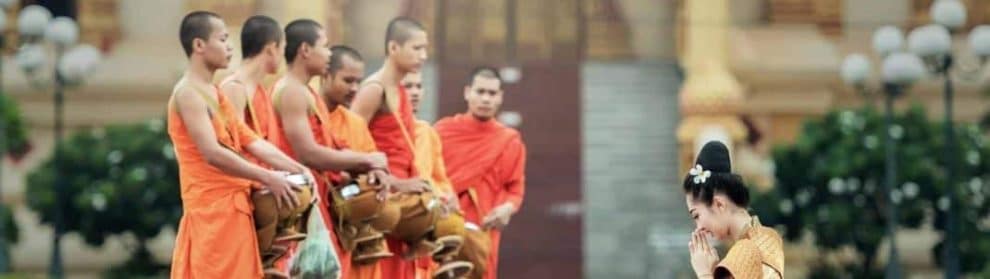
Khao Phansa, also known as Buddhist Lent Day, marks the beginning of the traditional three-month rains retreat for Buddhist monks and is one of the most meaningful religious observances on Thailand’s Buddhist calendar.
In 2027, Khao Phansa falls on Monday 19 July, immediately following Asahna Bucha.
Throughout Chiang Mai, residents visit temples to make merit, present offerings to monks and take part in religious activities marking the beginning of the retreat.
The Meaning of Khao Phansa
Khao Phansa marks the start of the Buddhist rains retreat, a tradition dating back to the time of the Buddha.
During this period, monks traditionally remain based at one temple for three lunar months rather than travelling between communities.
The practice developed during the rainy season, when travelling monks could unintentionally damage crops, plants and small animals while walking through farmland.
Today, the retreat provides monks with an extended period for study, meditation and religious practice.
For many Thai Buddhists, Khao Phansa is also an opportunity to make merit and reflect on their own behaviour during the coming months.
Khao Phansa in Chiang Mai
Chiang Mai’s strong Buddhist traditions make Khao Phansa particularly meaningful.
Temples throughout the city and surrounding districts become gathering places for residents to make merit and present offerings to monks.
Activities are generally quieter and more community-focused than major public festivals, with individual temples organising their own ceremonies rather than following one city-wide schedule.
Visitors may find activities at temples throughout the Old City as well as neighbourhood and mountain temples around Chiang Mai.
The detailed 2027 schedules for individual temples will be announced locally closer to the date.
Candle Offerings
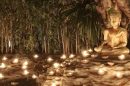
Large candles are closely associated with Khao Phansa.
Traditionally, candles were offered to temples so monks would have light for studying Buddhist teachings during the long evenings of the rainy-season retreat.
Modern temples have electricity, but the symbolic tradition of presenting candles continues.
Communities, schools, government organisations and businesses may prepare decorated candles and present them to local temples before or during the beginning of Buddhist Lent.
Some provinces in Thailand hold elaborate candle festivals, while Chiang Mai’s observances generally remain centred on temple ceremonies and merit-making.
Robe and Supply Offerings
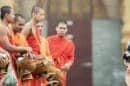
Worshippers may also present robes and everyday necessities to monks.
Offerings can include food, toiletries, medicines and other items that support monastic communities during the retreat period.
Morning merit-making is common, with residents arriving at temples to give food to monks and take part in prayers or ceremonies.
Visitors observing these activities should remember that they are religious practices rather than staged attractions.
A Time for Personal Commitments
Buddhist Lent is also associated with personal commitments among lay Buddhists.
Some people choose the three months to give up alcohol, smoking or other habits, while others make commitments to attend temple more regularly, meditate or follow Buddhist teachings more closely.
This tradition means Khao Phansa is not simply a single-day ceremony but the beginning of a longer period of religious reflection.
Visiting Chiang Mai Temples
Visitors are generally welcome to observe Khao Phansa activities at Chiang Mai temples.
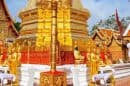
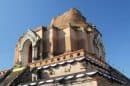
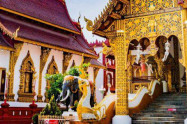
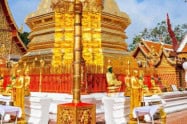
Well-known temples such as Wat Phra Singh, Wat Chedi Luang and Wat Suan Dok may see additional worshippers, while smaller neighbourhood temples can provide a quieter experience.
Individual ceremonies and activities vary, so there is no guarantee that every temple will follow the same timetable.
If you want to attend a particular ceremony, check locally closer to 19 July.
Alcohol Restrictions
Alcohol sales are generally restricted during major Buddhist observance days in Thailand, including the period around Asahna Bucha and Khao Phansa.
Restrictions can affect convenience stores, supermarkets, bars, restaurants and entertainment venues.
Visitors should expect reduced nightlife activity and follow any alcohol-sale restrictions in place during the holiday.
What’s Open in Chiang Mai
Although Khao Phansa is an important religious observance, Chiang Mai continues operating for visitors.
Temples are generally open and often busier than usual, while hotels, restaurants, shopping centres and many tourist attractions continue trading.
Government services and individual businesses may operate differently, so visitors who need specific services should check opening hours in advance.
The overall atmosphere around temples is often quieter and more reflective than during Chiang Mai’s major entertainment festivals.
Respectful Behaviour at Temples
Visitors attending temples during Khao Phansa should dress modestly, with shoulders and knees covered.
Remove shoes before entering temple buildings where required.
Avoid standing directly in front of people who are praying, speaking loudly during ceremonies or taking intrusive photographs.
If monks or worshippers are taking part in a formal ceremony, follow the directions of temple staff and allow participants plenty of space.
Khao Phansa FAQs
When is Khao Phansa in Chiang Mai in 2027?
Khao Phansa falls on Monday 19 July 2027.
What is Khao Phansa?
Khao Phansa marks the beginning of Buddhist Lent, the traditional three-month rainy-season retreat when monks remain based at their temples.
What happens at Chiang Mai temples on Khao Phansa?
Common activities include merit-making, food offerings, candle and robe presentations, prayers, sermons and other religious ceremonies.
Can tourists visit temples during Khao Phansa?
Yes. Visitors are generally welcome to observe public activities provided they dress appropriately and behave respectfully.
Why are candles associated with Khao Phansa?
Candles were traditionally donated so monks could study during the evenings of the rainy-season retreat. The practice continues today as an important symbolic tradition.
Is alcohol restricted during Khao Phansa?
Alcohol sales are generally restricted around major Buddhist observances, so visitors should expect limitations at bars, shops and restaurants.



Do You Have a Question to Ask?